Some museums hold artifacts. Others hold stories that can stop you in your tracks.
This Kansas museum preserves one of America’s most moving and often overlooked chapters, when children boarded trains and traveled west toward uncertain futures, new families, and lives that could change with a single stop.
It is history with a suitcase in its hand, quiet, emotional, and impossible to forget once you understand it. The story carries a powerful mix of hope, hardship, courage, and mystery.
You can almost imagine the sound of the rails, the nervous faces at station platforms, and the enormous weight of leaving one world behind for another.
This is not the kind of museum visit that simply fills an afternoon. It asks you to slow down, feel something, and think about the lives behind the dates.
I have always been drawn to places that give forgotten people their voices back, and a Kansas museum like this sounds like the kind of stop that would stay with me long after I left.
The Orphan Train Movement Began As A Response To Urban Crisis
By the mid-1800s, cities like New York were overwhelmed with homeless children sleeping in alleys and working dangerous jobs just to survive.
Immigration waves, poverty, and broken families had created a crisis that no one quite knew how to fix.
A minister named Charles Loring Brace founded the Children’s Aid Society in 1853 and came up with a bold idea: send the children west, where farm families needed workers and had room to spare.
The program placed kids with Midwestern families from Ohio to Kansas and beyond, running from 1854 all the way to 1929.
The National Orphan Train Complex in Concordia, Kansas, tells this story from the very beginning, giving visitors full context before they even step into the main exhibits. Understanding where it all started makes every photograph and artifact inside hit that much harder.
Over 250,000 Children Made The Journey West
The sheer scale of the Orphan Train program is staggering. More than 250,000 children were relocated over roughly 75 years, making it one of the largest child migration efforts in American history.
These children came from all backgrounds, races, and ages. Some were true orphans, while others had living parents who simply could not afford to care for them.
They were sent to states across the Midwest and beyond, including Ohio, Illinois, Indiana, and Kansas, often with nothing more than a small bundle of belongings.
The National Orphan Train Complex documents these numbers with real names and real faces, not just statistics.
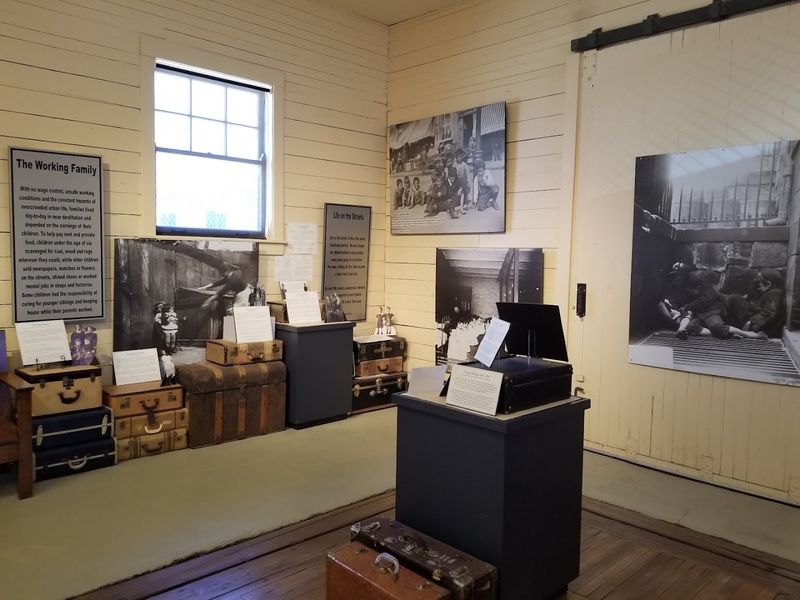
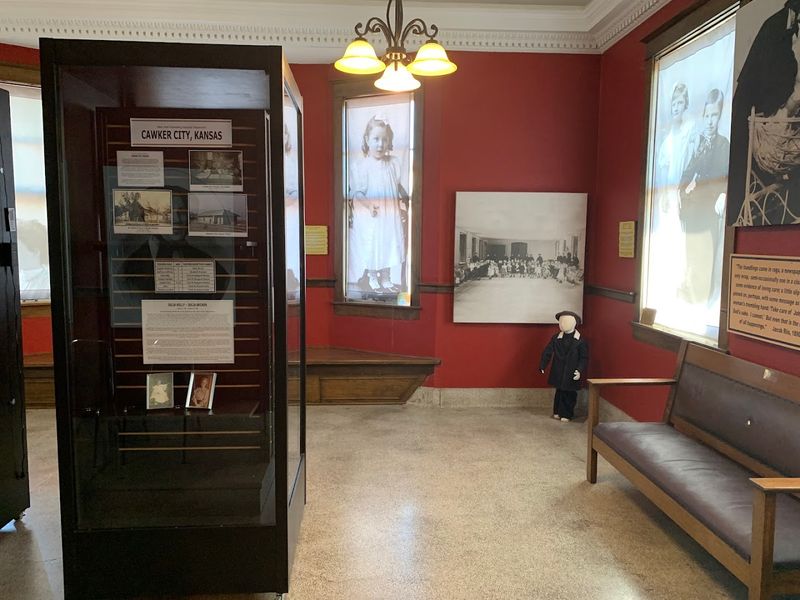
Enlarged photographs and detailed placards line the walls, reminding every visitor that behind each number was a child with hopes, fears, and a story worth knowing.
That personal touch transforms raw history into something deeply human.
Concordia, Kansas Was A Key Stop On The Orphan Train Route
Not every town in the Midwest became a stop on the Orphan Train route, but Concordia, Kansas, earned its place in that history.
Children arrived here and were presented to local families who came to the depot hoping to take one home.
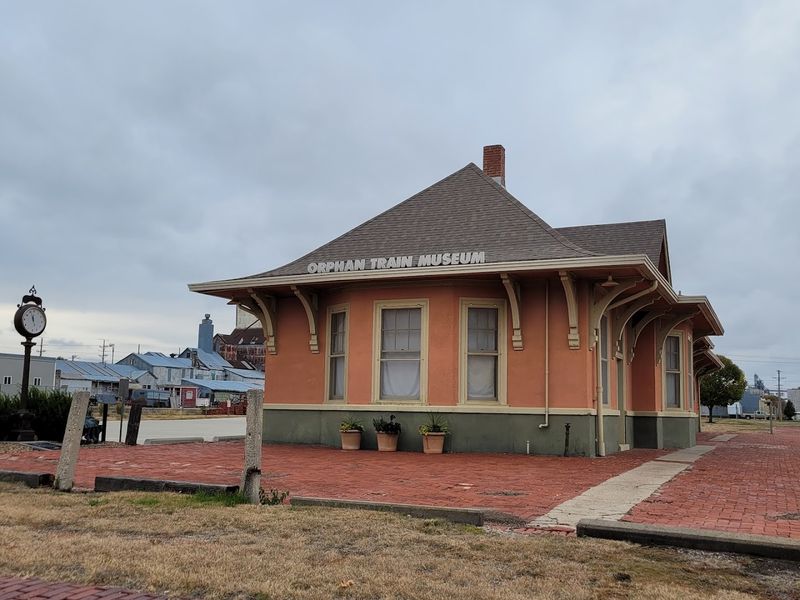
The original Concordia train depot still stands today and now serves as the third building in the National Orphan Train Complex museum.
Walking through it feels like stepping directly into those long-ago arrival days, with the same walls and floors that witnessed children nervously waiting to learn where they would live.
Concordia sits about 90 miles east of Hays and roughly 50 miles north of Interstate 70, making it a worthwhile detour for road travelers crossing Kansas.
The town has leaned into its unique history beautifully, and the museum is the proud centerpiece of that effort.
The Museum Spans Three Distinct Buildings
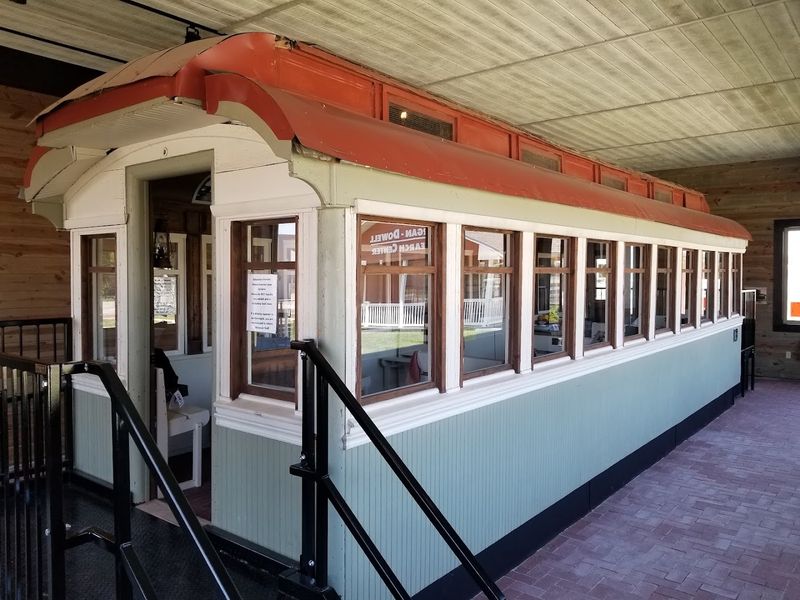
One of the most interesting things about the National Orphan Train Complex is how the visit itself unfolds across three separate buildings, each one serving a different purpose in telling the story.
The first building is where visitors start, watching an informative short film that lays out the full history of the Orphan Train program.
A bookstore inside this building offers an impressive selection of books written by or about the children who rode the trains.
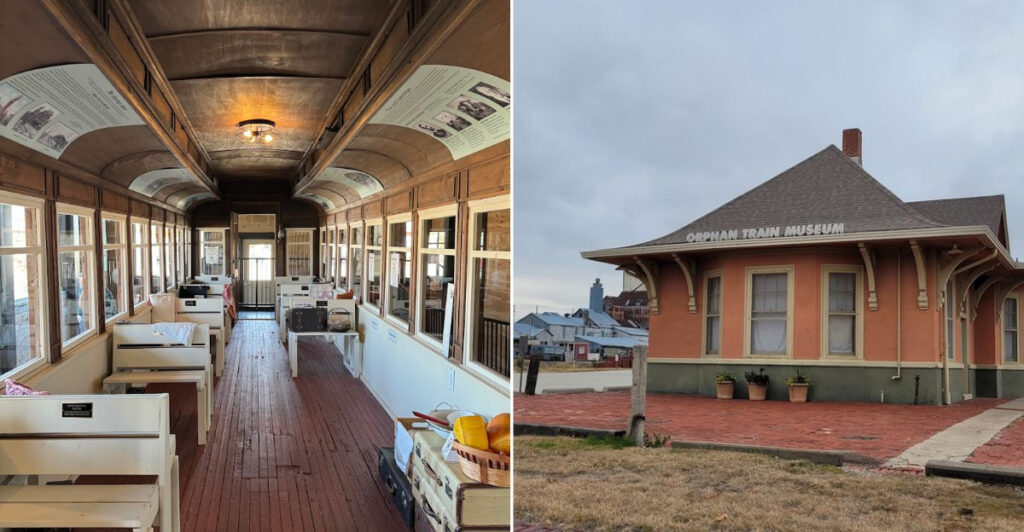
The second building houses a beautifully restored train car from the Orphan Train era, giving visitors the rare chance to step inside and feel what the journey might have been like.
The third building is the actual historic Concordia depot, filled with photographs, artifacts, and individual children’s stories.
Moving from building to building feels like turning the pages of a living history book, one chapter at a time.
A Restored Train Car Brings The Journey To Life
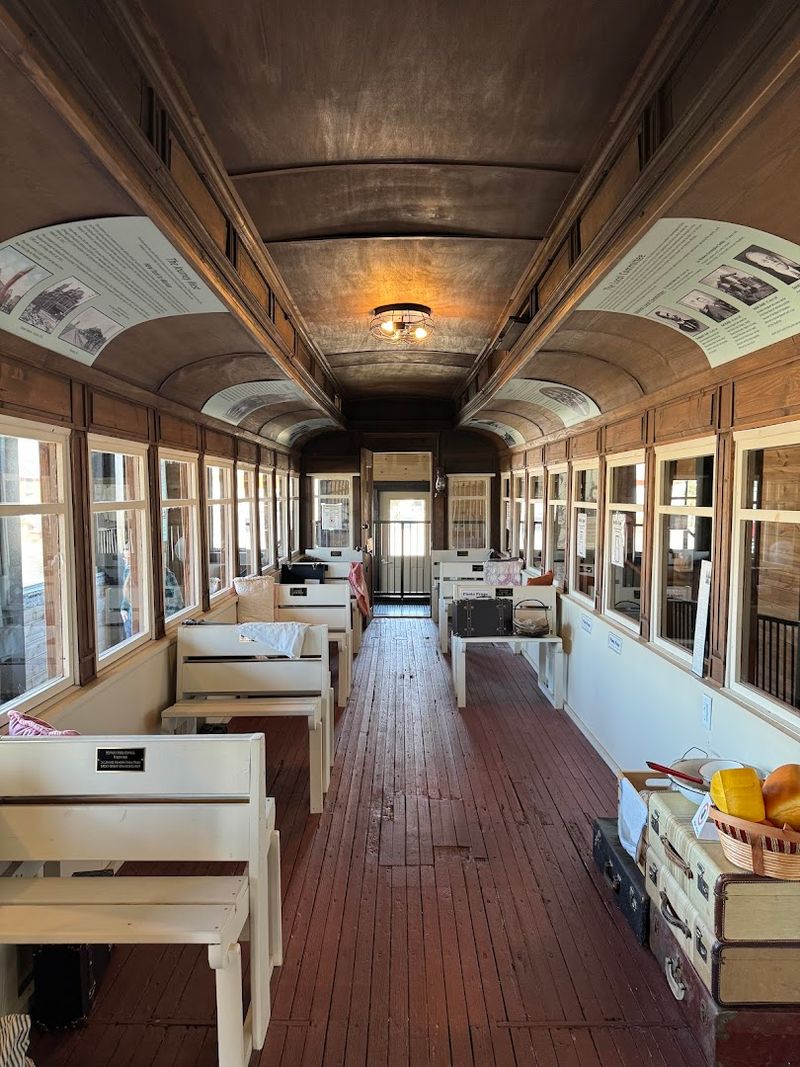
Few museum experiences are as immediately transporting as stepping inside the restored train car at the National Orphan Train Complex.
The moment you climb aboard, the scale of what those children experienced becomes real in a way that no photograph can fully capture.
The car has been carefully staged to reflect the era, with period-appropriate details that help visitors picture rows of children sitting quietly, clutching small bags, unsure of where the tracks would take them.
Suggested photo spots inside the car let visitors document the experience in a meaningful way. Children visiting today especially connect with this part of the museum, and for good reason.
There is something about sitting in that same kind of space, even briefly, that sparks genuine curiosity and empathy.
It is the kind of hands-on history that sticks with you long after you have stepped back off the train and onto solid Kansas ground.
The Program Had Ties To Major Child Welfare Organizations And Reform Efforts
The Orphan Train program did not run on goodwill alone. Behind the scenes, major child welfare organizations shaped and sustained the movement, especially the Children’s Aid Society, which Charles Loring Brace helped found in 1853.
Other organizations later adopted similar placing-out systems, helping expand the effort across the country.
Religious organizations played a major role as well, motivated by a desire to give children what they called a proper Christian upbringing in wholesome rural settings far from the crowded, chaotic streets of cities like New York.
The National Orphan Train Complex presents this history honestly, acknowledging both the genuine compassion behind the effort and the complicated values of the era.
States like Ohio also saw many children placed through similar programs, reflecting how widespread the movement truly was.
The museum does not shy away from complexity, and that honesty is part of what makes it so compelling and worthwhile.
Children Came From All Races, Backgrounds, And Ages
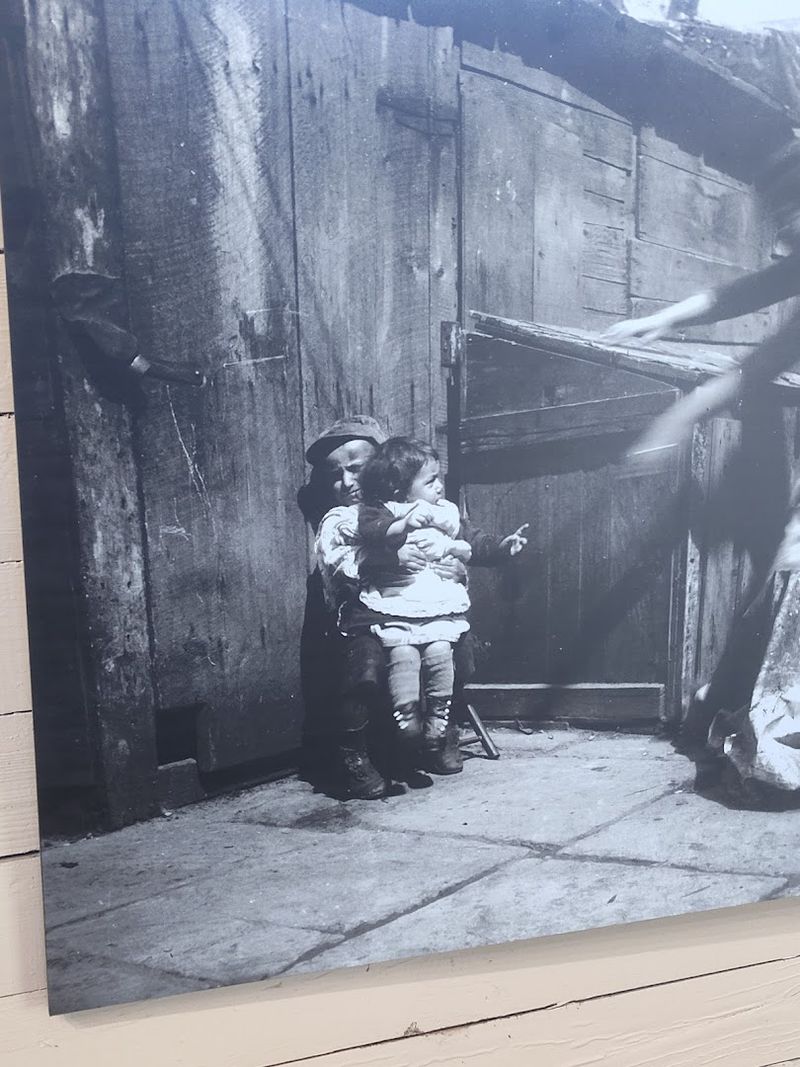
A common misconception about the Orphan Train program is that it only affected one type of child.
In reality, the children who rode the rails west came from remarkably diverse backgrounds, representing different races, ethnicities, and family circumstances.
Some were infants, others were teenagers. Some had two living parents who had simply run out of options.
Others had no family at all.
The experience was not uniform, and neither were the outcomes. Some children found genuinely loving homes, while others ended up in situations that were far less ideal.
The National Orphan Train Complex is careful to reflect this full range of experiences.
Individual stories posted throughout the museum show the real variety of lives affected, from children who thrived in Ohio farm families to those who faced harder roads.
Every story adds another dimension to a history that is far more layered than a single headline could ever capture.
The Museum Actively Works To Identify And Document Every Child
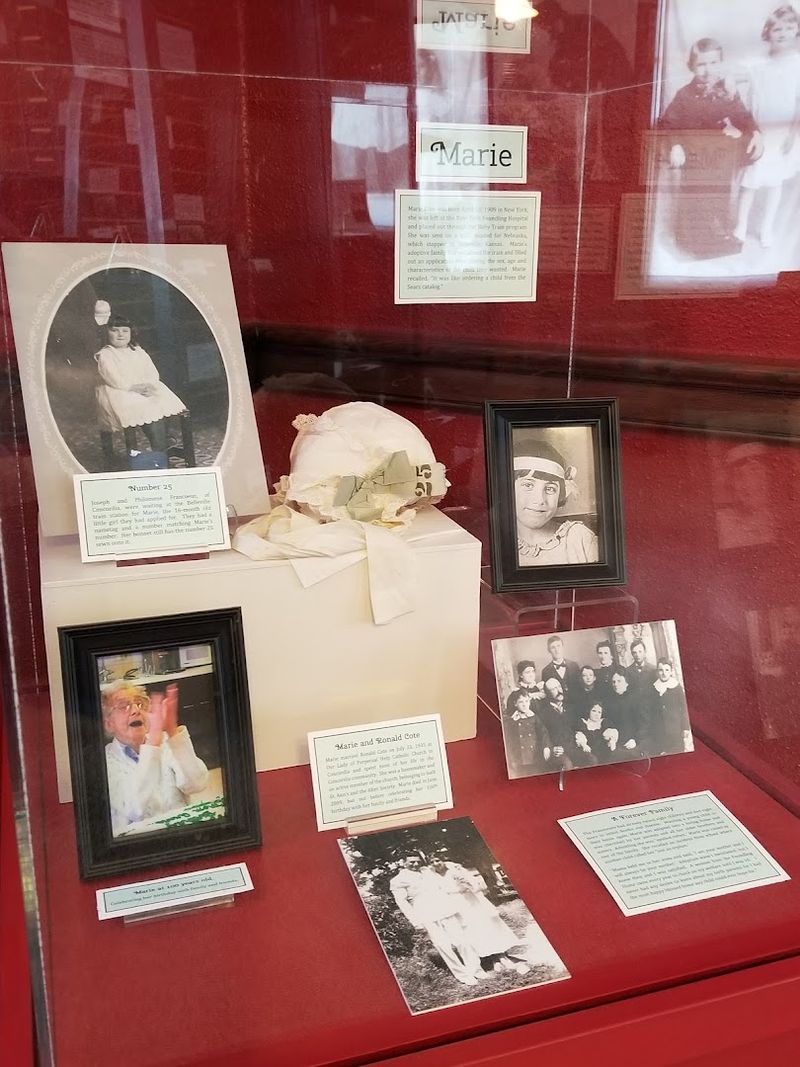
The work at the National Orphan Train Complex did not stop when the exhibits were built.
The museum and its dedicated supporters are actively engaged in ongoing research, working to identify more orphan train riders and document their individual stories.
This is no small task. With more than 250,000 children spread across dozens of states, including Ohio, Kansas, Missouri, and Nebraska, tracking down records, photographs, and family histories requires serious detective work and community cooperation.
Visitors often find that staff members are deeply knowledgeable and passionate about this research, ready to answer detailed questions and share discoveries that have not yet made it into the formal exhibits.
The complex houses files on more than 6,000 orphan train riders, along with hundreds of unique objects connected to the movement.
The sense that the story is still unfolding, that new names and faces are still being recovered, gives the museum an energy that feels less like a finished archive and more like a living, breathing project of remembrance.
Statues Of Orphan Train Children Are Scattered Throughout Concordia
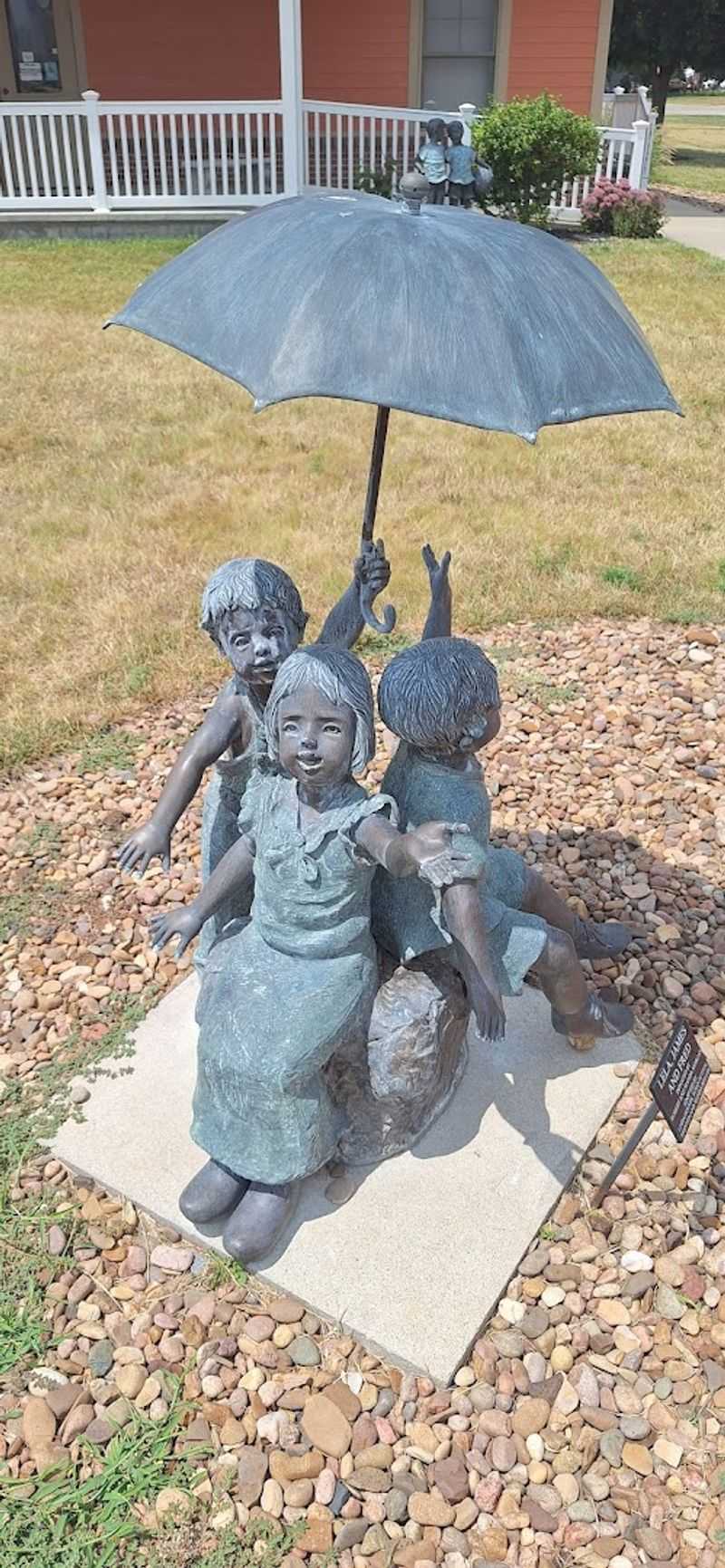
The National Orphan Train Complex does not confine its storytelling to the museum walls.
Throughout the town of Concordia, visitors will find statues of Orphan Train children placed at various locations, each one representing the real kids who once arrived in this very community.
The statues are remarkably lifelike, capturing the small details of period clothing and the quiet expressions of children who had no idea what their futures held.
Spotting them around town turns a museum visit into a kind of outdoor experience that extends well beyond the depot grounds.
For families traveling with kids, this scavenger-hunt quality makes the history feel interactive and memorable.
It is one thing to read about a child’s arrival in Concordia, but seeing a bronze figure standing on a real sidewalk in that same town creates a connection that words alone cannot manufacture. The whole town becomes part of the exhibit.
Practical Tips For Planning Your Visit To The Museum
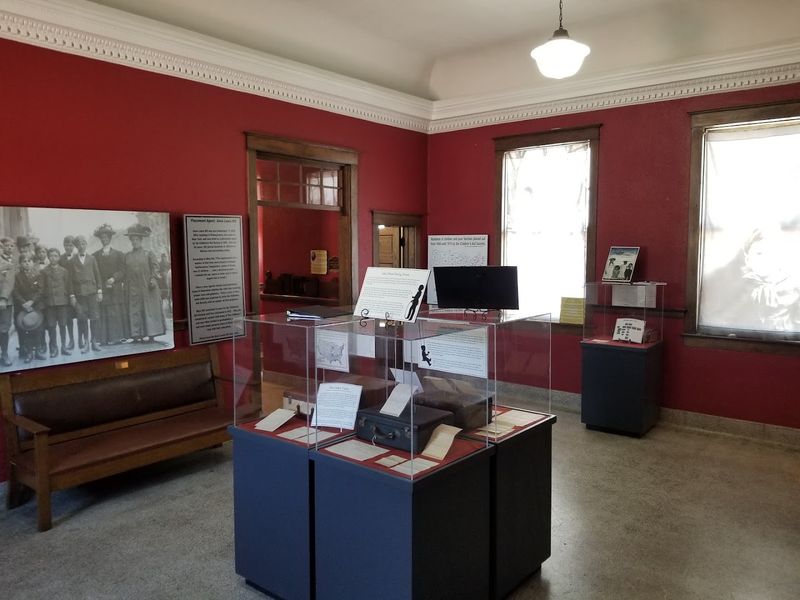
Planning ahead makes a real difference when visiting the National Orphan Train Complex, located at 300 Washington St, Concordia, KS 66901.
The museum keeps limited hours, opening Tuesday through Friday from 10 AM to 12 PM and then again from 1 PM to 4 PM, with Saturday hours running from 10 AM to 4 PM, so arriving early is a smart move.
The museum is closed on Sundays, and Monday visits are available only by appointment depending on staff availability, which is worth double-checking before making the drive.
While in Concordia, other nearby attractions worth exploring include the Cloud County Museum and the Brown Grand Theatre.
The museum itself includes the Morgan-Dowell Welcome Center, the historic depot, and the restored train car called the Legend, so giving yourself enough time to see all three parts of the complex is a smart move.
Many visitors describe it as a moving stop that reshapes their understanding of American history, from Ohio to the Kansas plains.