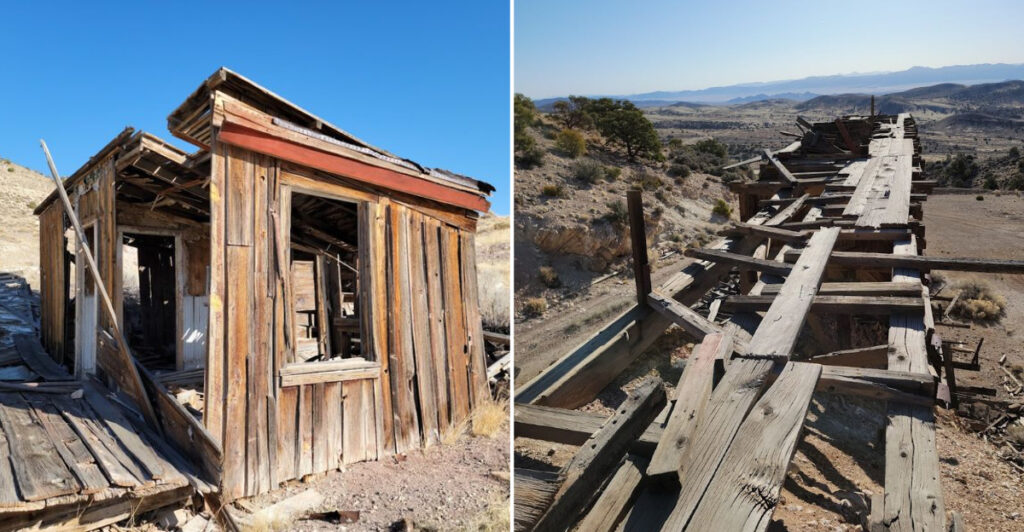
Ghost towns are not quiet in the way you expect, they feel like they are listening back. In Utah, a deserted silver-mining camp still clings to the desert with crumbling kilns, collapsed walls, and enough strange legends to make even confident travelers check over their shoulders.
Thousands once chased fortune through these dusty hills, building a booming community where ambition burned as hot as the charcoal fires. Then the ore gave out, the money moved on, and the silence came rushing in.
What remains is raw, eerie, and magnetic. Walk among the ruins and you can almost hear wagon wheels, pickaxes, saloon noise, and whispers carried by the wind.
This forgotten piece of Utah history is not polished or softened for visitors, which is exactly why it hits so hard. Come curious, keep your eyes open, and let the desert remind you how quickly a boomtown can become a ghost.
The Silver Boom That Built A Town Overnight
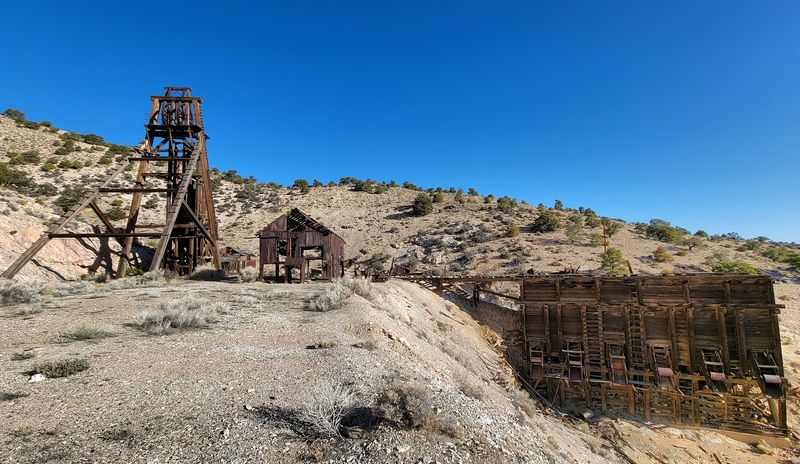
Few places in the American West rose as fast or fell as hard as this place. When silver ore was discovered at the Horn Silver Mine in 1879, prospectors flooded the Beaver County desert with the enthusiasm of people who had absolutely nothing to lose and everything to gain.
Within just a few years, the population exploded to roughly 6,000 residents. That is a remarkable number for a settlement carved out of scrubby desert terrain that most travelers would have otherwise ignored entirely.
Saloons, brothels, hotels, and supply stores lined the streets in what must have felt like a fever dream of frontier capitalism. The town had its own post office, newspaper, and enough civic ambition to suggest permanence.
Why It Matters: Understanding the silver boom helps visitors appreciate just how dramatic the eventual silence became. A place that loud, that crowded, that alive does not simply disappear without leaving something behind, and many believe that something is still very much present at this place today.
Best For: History enthusiasts and curious families who want context before wandering the ruins and genuinely understanding what they are looking at.
Horn Silver Mine And The Collapse That Changed Everything
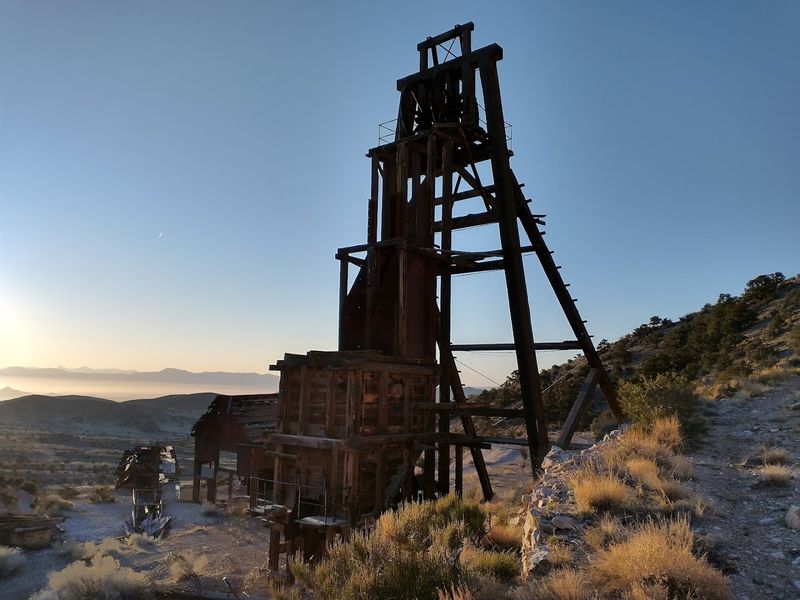
The Horn Silver Mine was the heartbeat of Frisco, and when it stopped beating, the whole town felt it. At its productive peak, the mine generated enormous wealth and kept thousands of workers employed in conditions that were, by any modern standard, genuinely dangerous.
Then in 1885, the mine suffered a catastrophic collapse. The cave-in did not just damage infrastructure; it shook the confidence of the entire community and signaled the beginning of a slow, painful decline that would eventually erase Frisco from the map of living towns.
Mining resumed afterward on a smaller scale, limping along until 1929 when operations finally ceased for good. The silence that followed was total and permanent.
Insider Tip: When you visit the site today, pay attention to the ground beneath your feet. The landscape around former mine shafts can be unstable, so staying on established paths is genuinely smart advice rather than just cautious hand-wringing.
Quick Verdict: The Horn Silver Mine story is the spine of every legend Frisco carries. Without understanding the collapse, the ghost stories feel decorative.
With it, they feel earned and entirely believable.
The Five Charcoal Kilns That Still Stand Watch
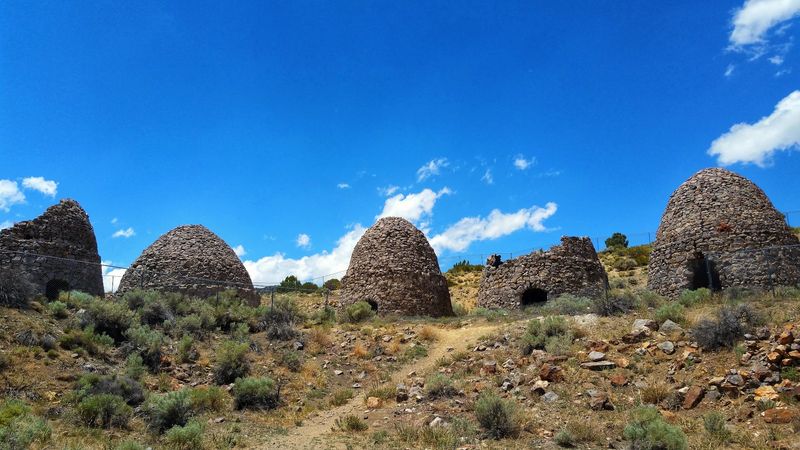
If Frisco has a postcard image, it is the five beehive-shaped charcoal kilns that have somehow survived over a century of desert wind, scorching summers, and total human abandonment. Built in the 1870s to convert local wood into charcoal fuel for the smelting process, these kilns are remarkably intact and genuinely impressive up close.
Each kiln stands roughly 25 feet tall with thick stone walls that have outlasted nearly everything else in town. They look like something a giant might have left behind after a camping trip, which is exactly the kind of detail that sticks with younger visitors long after the drive home.
Historians and architecture enthusiasts consistently rank these kilns among the best-preserved examples of 19th-century industrial structures in the entire state of Utah. That is not a small distinction in a state packed with historical landmarks.
Pro Tip: Visit in the early morning or late afternoon when the desert light hits the stone at an angle that makes the kilns glow amber. Your photos will look far better than anything taken at high noon under flat, harsh sunlight.
Best For: Photographers, families with curious kids, and anyone who appreciates industrial history presented without a single velvet rope in sight.
Lawlessness, Gunfights, And The Sheriff Who Tried To Tame Frisco
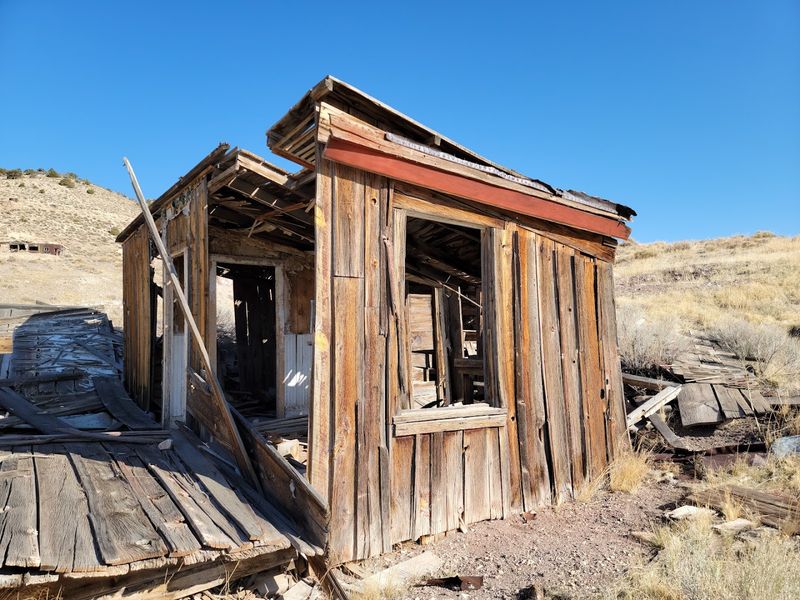
Frisco earned a reputation for violence that made even hardened frontier veterans raise an eyebrow. At its wildest, the town reportedly saw a killing nearly every day, a statistic that sounds exaggerated until you consider the combination of mining wealth, desperate men, and almost zero law enforcement infrastructure.
The town cycled through lawmen at a pace that suggested the job description included a genuinely alarming personal risk premium. One sheriff, by most historical accounts, managed to bring a degree of order to Frisco through sheer force of determined personality rather than any formal legal system backing him up.
Whether those stories are fully accurate or partly legend is almost beside the point. The energy of a place that violent, that raw, and that ungoverned has a way of soaking into the ground and staying there long after the last gunshot echoed into the desert.
Common Mistakes to Avoid: Do not assume the lawlessness stories are pure myth for dramatic effect. Frontier mining camps were genuinely dangerous places, and Frisco sat near the extreme end of that spectrum.
Who This Is For: True crime fans, Wild West history buffs, and anyone whose idea of a great road trip includes a location with an actual documented body count.
The Ghostly Figures Visitors Keep Reporting Near The Ruins
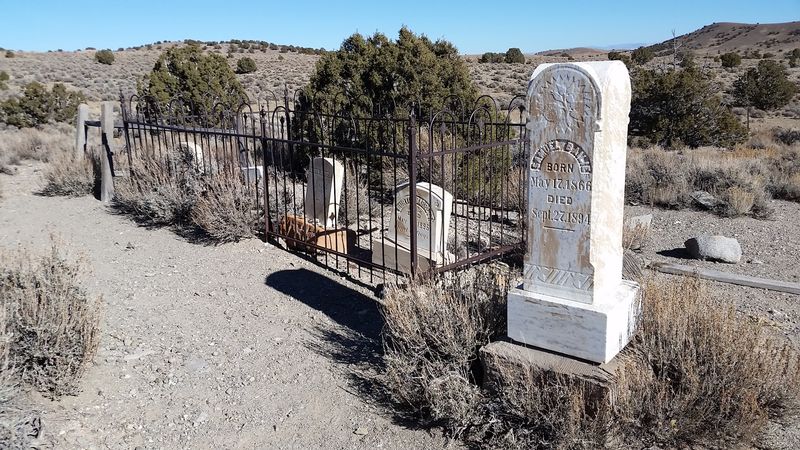
Here is where Frisco stops being a history lesson and starts feeling like something else entirely. Over the years, a steady stream of visitors has reported seeing shadowy figures moving between the ruins, particularly near the old cemetery and the remaining structural foundations.
These are not wild-eyed conspiracy theorists making claims. They are ordinary people, families on road trips, amateur photographers, and curious weekend explorers who drove out expecting crumbling walls and left with something harder to explain over dinner.
The reports share consistent details: figures that appear at the edge of vision, sounds that do not match the wind, and an overwhelming sense that the empty town is not quite as empty as it looks. Whether you believe in ghosts or not, Frisco has a talent for making skepticism feel slightly less comfortable than usual.
Who This Is Not For: Visitors who need every experience to have a rational explanation before they can enjoy it. Frisco rewards those who are willing to sit with uncertainty for a while.
Quick Tip: Bring a flashlight even for daytime visits. The ruins create deep shadows, and the uneven ground around former building foundations demands more attention than the view overhead, however tempting that view becomes.
The Old Cemetery And The Names Nobody Remembers
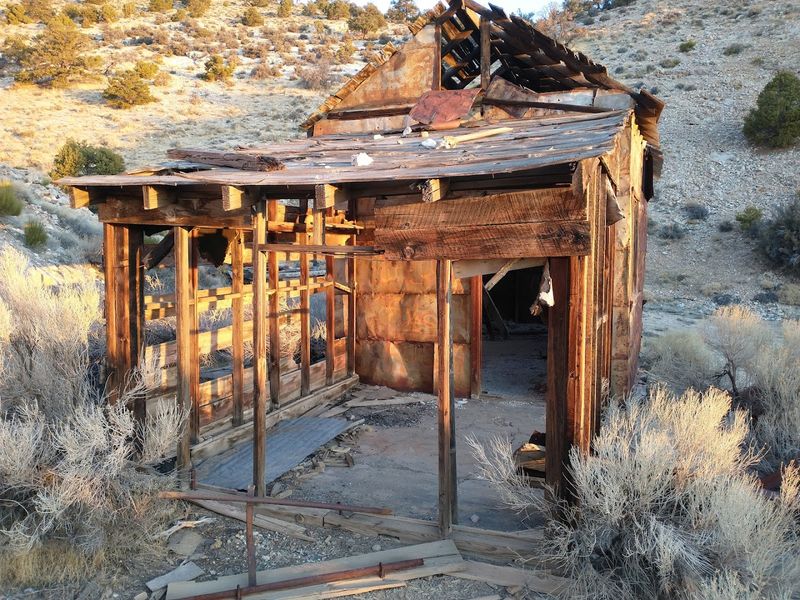
Every ghost town has a cemetery, but Frisco’s burial ground carries a particular weight that is hard to shake. The graves here represent miners who died in accidents, violence, and disease, many of them far from family and buried under names that have since faded beyond legibility.
Walking through the cemetery is a quietly sobering experience. The markers that remain are worn smooth by desert weather, and the stories attached to those names have largely dissolved into the same silence that took the rest of the town.
There is something about a forgotten cemetery in the middle of an empty landscape that rearranges your sense of scale. These were real people with real ambitions who came to Frisco chasing silver and stayed permanently in ways they never intended.
Planning Advice: Treat the cemetery with genuine respect. It is not a prop for ghost-hunting content; it is an actual burial ground.
Visitors who approach it thoughtfully tend to leave with a richer experience than those treating it as a backdrop.
Why It Matters: The cemetery grounds the legends of Frisco in human reality. The ghost stories feel less like entertainment and more like memory when you are standing among the graves of the people those stories are actually about.
Why The Town Was Simply Abandoned Without Ceremony
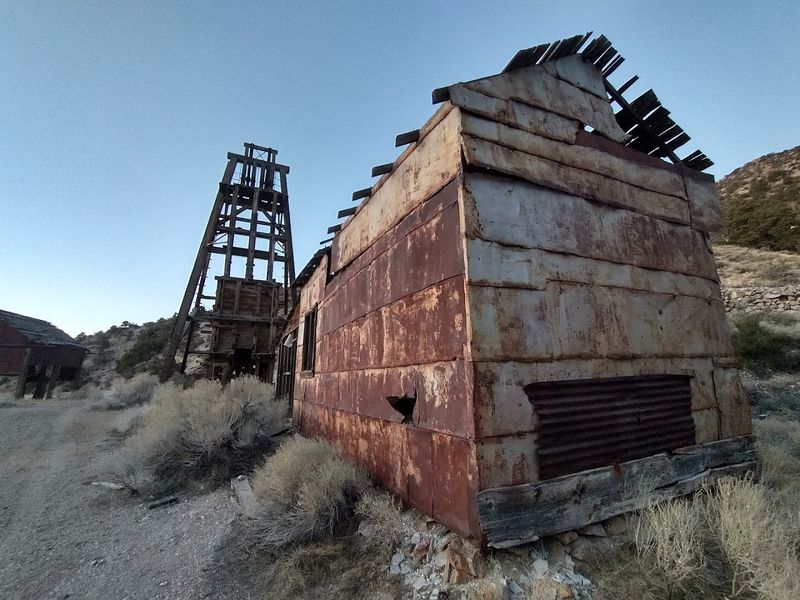
Most towns decline gradually. Frisco did not bother with gradual.
When the ore ran out and the economic reason for the town’s existence evaporated, people left with a speed that suggests they were not particularly sentimental about the place. By 1929, the last mining operations ceased and the population dropped to essentially zero.
What makes Frisco unusual is the completeness of the abandonment. There was no slow conversion into a tourist destination, no attempt to repurpose the infrastructure, no community vote on what to preserve.
People simply left, taking what they could carry and leaving everything else to the desert.
The desert, for its part, has been doing its best to reclaim the site ever since, with mixed results. The charcoal kilns stubbornly refused to collapse while wooden structures vanished within decades.
Best Strategy: Read about Frisco’s timeline before visiting so the ruins make narrative sense as you walk among them. Context transforms a pile of stones into a story, and Frisco has a genuinely compelling one worth knowing in advance.
Insider Tip: The abruptness of the abandonment is part of what makes the site feel haunted. Places that end without resolution tend to carry that unfinished energy in ways that are surprisingly easy to feel on site.
The Drive Out From Milford And What To Expect On Arrival
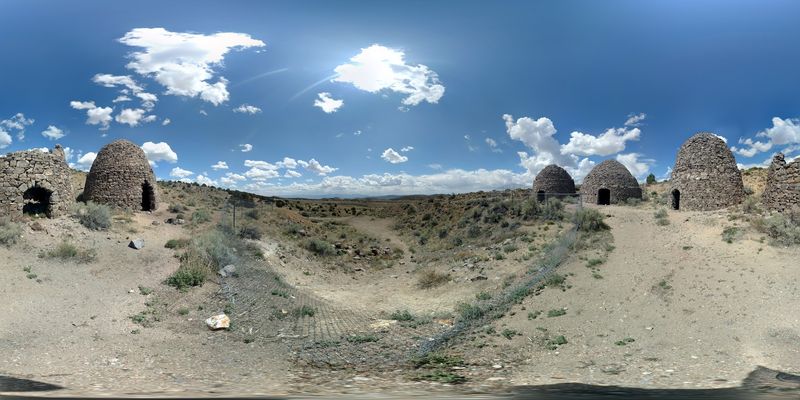
Getting to Frisco is part of the experience, and that is not just cheerful spin. The drive west from Milford covers roughly 15 miles of open Utah desert that does a very effective job of preparing you psychologically for what you are about to find.
The landscape empties out in a way that feels intentional.
The road is generally accessible, but the site itself is undeveloped, meaning no visitor center, no paved parking lot, no helpful signage explaining which pile of rubble was once a hotel. You are largely on your own, which is either thrilling or mildly inconvenient depending on your personality type.
Arrive with water, sturdy footwear, and a fully charged phone. Cell coverage in this part of Beaver County is unreliable, and the nearest help is not particularly close.
None of that is meant to be alarming; it is just the honest logistics of visiting a remote desert site.
Quick Tip: Download offline maps before leaving Milford. The route is straightforward, but having navigation that does not depend on cell signal removes one variable from a trip that already involves enough unknowns to keep things interesting.
Best For: Self-directed explorers who are comfortable with unstructured sites and genuinely enjoy the feeling of arriving somewhere without a tour guide waiting.
Strange Sounds And Unexplained Noises After Sunset
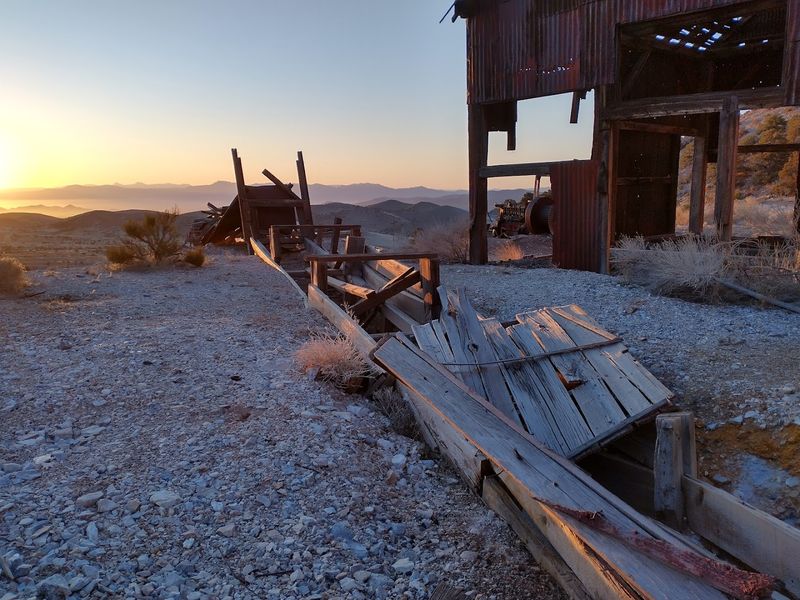
Daytime visits to Frisco are atmospheric enough. After sunset, the site earns its haunted reputation with considerably less effort.
Visitors who have lingered into the evening hours consistently describe sounds that the rational mind immediately tries to categorize as wind, settling stone, or distant wildlife, and sometimes fails.
The desert at night is genuinely noisy in ways that surprise people who have only experienced it during daylight. But the sounds reported at Frisco include things that do not fit neatly into the standard desert-at-night soundtrack: voices just below the threshold of intelligibility, footsteps on ground that nobody is standing on, and occasional metallic sounds near the old kiln area.
Whether those sounds have prosaic explanations or something more interesting going on is a question Frisco seems disinclined to answer definitively. The site keeps its secrets with admirable consistency.
Who This Is For: Paranormal enthusiasts, night photographers, and anyone whose idea of an ideal Saturday involves sitting in a dark desert listening very carefully to nothing in particular.
Common Mistakes to Avoid: Do not visit after dark without a reliable light source and a companion. The uneven terrain that is merely inconvenient during daylight becomes a genuine hazard when you cannot see where you are stepping.
The Legend Of The Miner Who Never Left
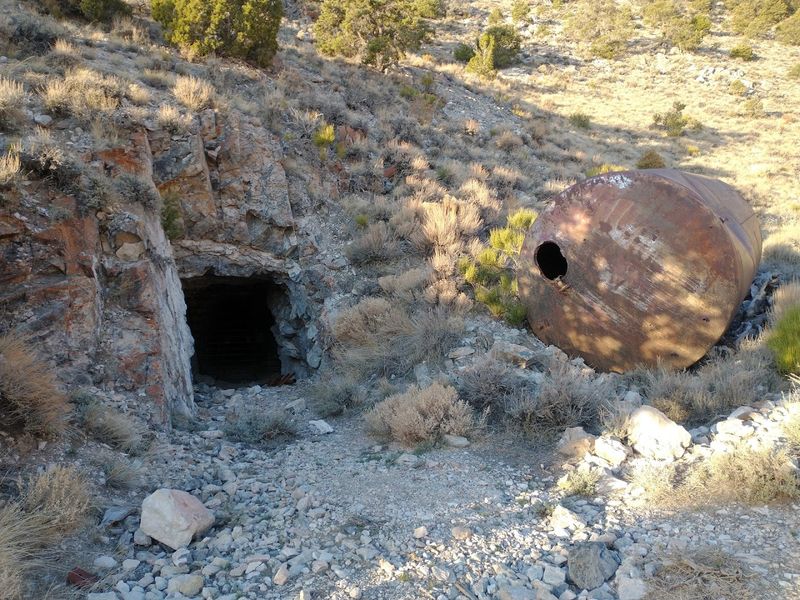
Every proper ghost town needs at least one recurring spirit, and Frisco delivers with the legend of a miner whose identity has blurred over decades of retelling but whose presence, according to numerous accounts, has not. The story goes that a miner who died in the Horn Silver Mine collapse refused to accept that his shift was over.
Visitors have reported seeing a figure near the old mine area dressed in clothing that does not match any living person who would reasonably be wandering a remote Utah desert site. The figure appears, is observed for a moment, and then is simply not there anymore in the way that figures sometimes are not there anymore at Frisco.
Historians cannot confirm the specific identity behind the legend, and that ambiguity is part of what keeps it alive. A ghost with too much documentation loses something essential.
Why It Matters: The miner legend is the emotional center of Frisco’s haunted reputation. It gives the site a face, even a blurry and disputed one, which transforms the experience from architectural ruin tourism into something that lingers considerably longer after you drive away.
Best For: Ghost story enthusiasts, folklore fans, and visitors who appreciate that the best legends are the ones that resist being fully explained away.
What Makes Frisco Different From Other Utah Ghost Towns
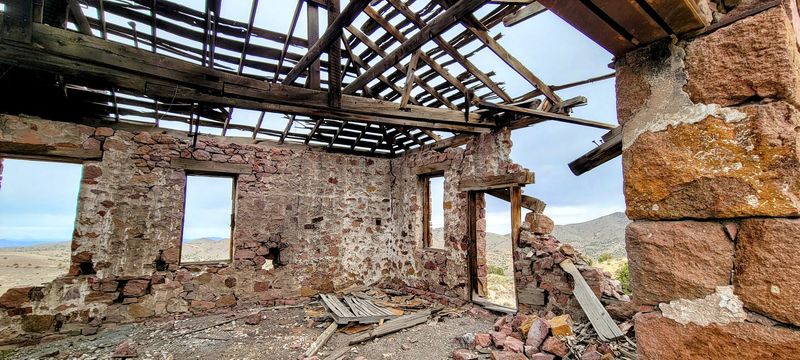
Utah has no shortage of ghost towns. The state’s mining history left behind dozens of abandoned settlements scattered across landscapes that seem designed specifically for dramatic abandonment.
Frisco stands apart from most of them for reasons that go beyond the charcoal kilns, impressive as those structures are.
The combination of documented violent history, well-preserved industrial ruins, active paranormal reputation, and genuinely remote setting creates a layered experience that most ghost towns simply cannot match. Frisco is not just old and empty; it is old, empty, and apparently still occupied by something that did not get the memo about the mine closing.
The site also benefits from being relatively unknown outside of Utah road trip circles, which means visitor numbers stay manageable and the atmosphere remains intact. Overcrowded ghost towns lose something fundamental, and Frisco has not lost it yet.
Planning Advice: Visit on a weekday if possible. Weekend visits bring more company, which is fine but dilutes the particular quality of silence that makes Frisco worth the drive in the first place.
Quick Verdict: Among Utah’s many abandoned places, Frisco earns its reputation through genuine history, remarkable preservation, and a haunted atmosphere that requires no embellishment whatsoever to be effective.
Your Complete Guide To Visiting Frisco Ghost Town Today
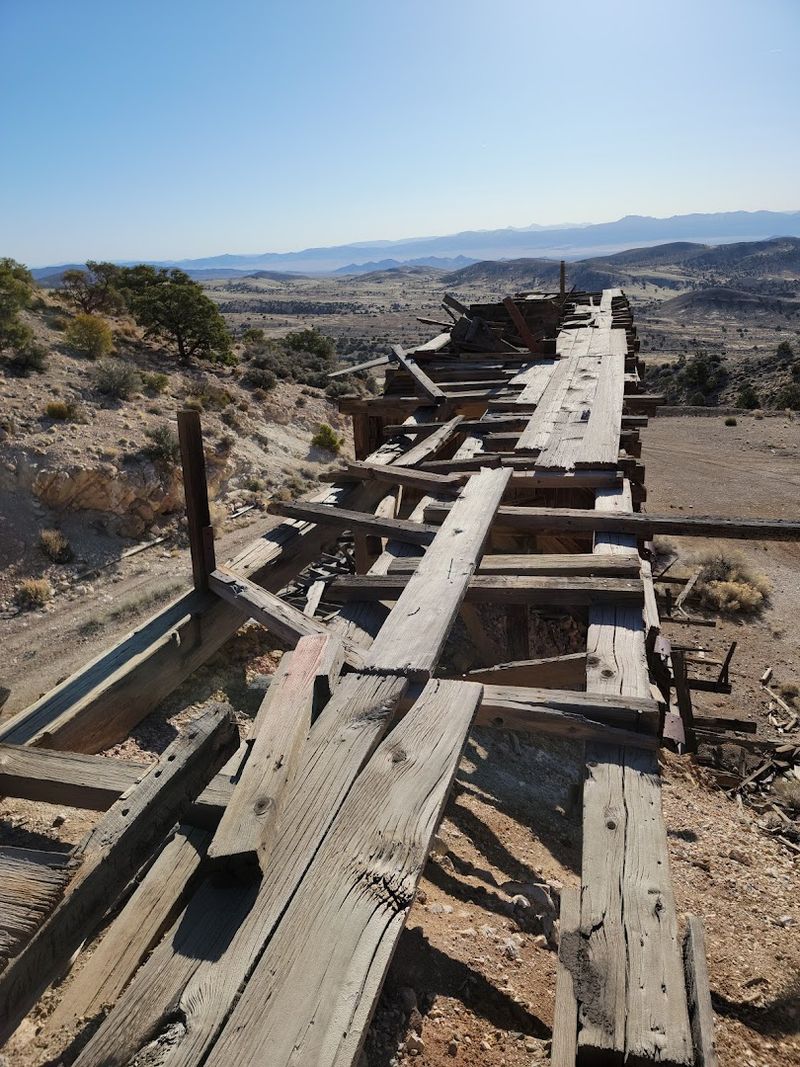
Frisco Ghost Town is located near Milford in Beaver County, Utah, accessible via a roughly 15-mile drive west of town. The site is managed as a Bureau of Land Management area, meaning access is generally free and open to the public without advance reservations or timed entry requirements.
Come prepared for a genuinely undeveloped experience. There are no restrooms, no shade structures, no concessions, and no interpretive panels walking you through what you are seeing.
The flip side of that austerity is that Frisco feels exactly like what it is: a real abandoned town that nobody has sanitized for visitor comfort.
Spring and fall offer the most comfortable temperatures for exploration. Summer visits are possible but require serious hydration planning given the desert heat.
Winter visits are atmospheric but demand appropriate gear for cold, exposed conditions with no shelter available on site.
Best Strategy: Pair your Frisco visit with a stop in Milford before heading out. Stock up on water, snacks, and any supplies you might need, because once you leave town heading west, the amenities disappear as completely as Frisco’s original population did.
Who This Is For: Families, couples, solo travelers, and anyone with a genuine appetite for history, mystery, and the particular satisfaction of standing somewhere that most people have never heard of and will not soon forget.