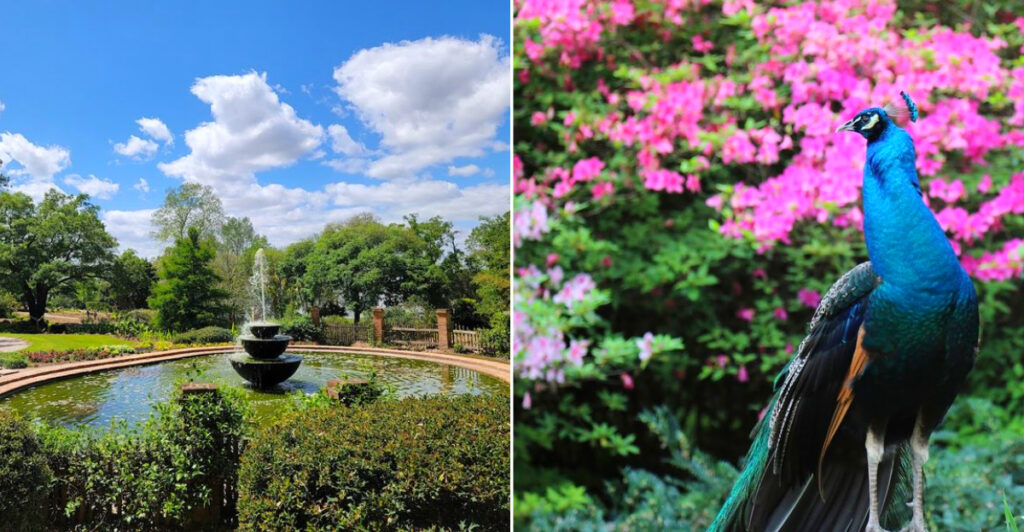
Drive onto Jefferson Island and even the humidity seems to speak in cursive. The road narrows, the trees gather, and suddenly ordinary Louisiana starts acting like it owns a secret Victorian novel.
I love gardens that feel slightly haunted by beauty, and this one does: live oaks leaning like old relatives, bamboo rising taller than your confidence, peacocks appearing with the timing of unpaid actors.
Travelers seeking a storybook Louisiana garden, will enjoy this Jefferson Island escape, blending Lake Peigneur views, shaded paths, mansion history, wildlife, and lush Southern atmosphere.
The trick is to stop treating it like a quick photo stop. Walk slowly, let the shadows change, and save enough attention for the strange little details: moss, feathers, water, porches, paths that seem to reconsider themselves.
Bring comfortable shoes, patience, and a willingness to be charmed. Some places give you scenery, this one stages a full fever dream, with peacocks watching.
The First Moment, Arrival Vibe
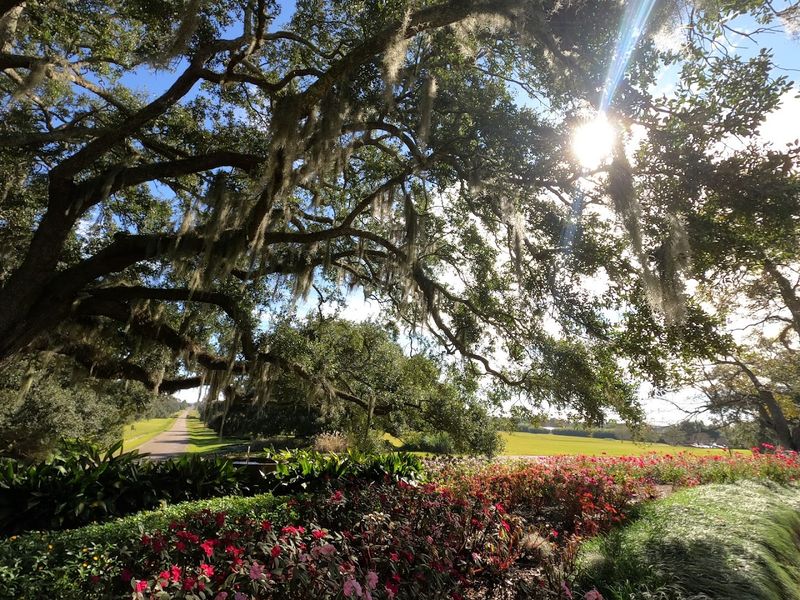
The driveway into Rip Van Winkle Gardens announces itself with centuries-old live oaks that form a green cathedral above your car. Spanish moss sweeps down like curtains and peacocks occasionally cross the lane, their calls punctuating the hush.
The mansion on the rise feels like a character introduced in the first scene of a play, steady and watchful.
Immediate practical notes: there is free parking, the main gate opens to a ticket office and gift shop, and staff are welcoming and ready with maps. Expect soft paths, shaded benches, and a breeze off Lake Peigneur that cools the air even on warm days.
Rolling Toward The Gardens Like You Found A Secret Road
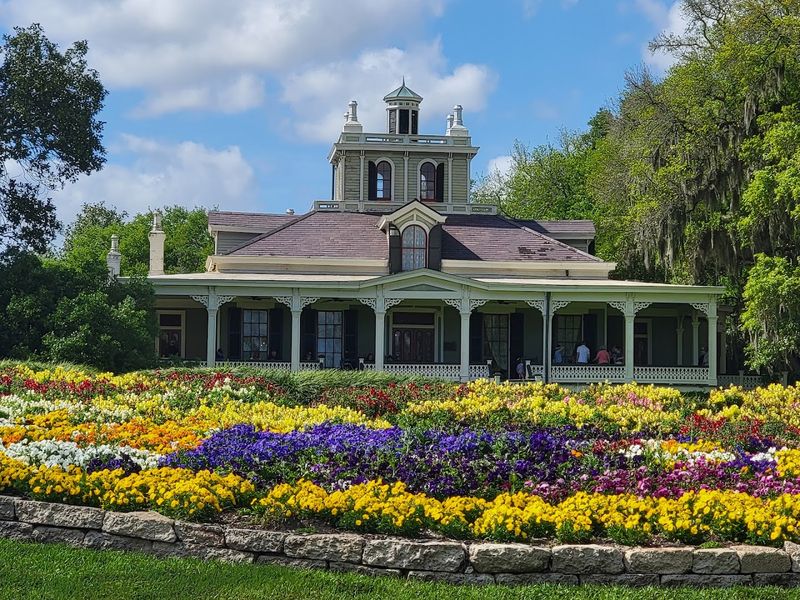
Rip Van Winkle Gardens is located at 5505 Rip Van Winkle Road, New Iberia, LA 70560, out toward Jefferson Island rather than in the busy center of town. That distance helps the arrival feel like part of the experience, not just a line on the map.
Expect the drive to feel more tucked-away as you get close. Follow Rip Van Winkle Road, slow down near the entrance, and let the scenery do its dramatic little garden-reveal thing.
The landscape starts preparing you before you even park.
This is a destination where you do not want to rush the final stretch. Plug it in before you leave, give yourself time for the quieter roads, and arrive ready for the kind of stop that feels hidden on purpose, with enough space in your schedule to wander instead of hurry.
The Otherworldly Trees, Live Oaks And Grover Cleveland Oak
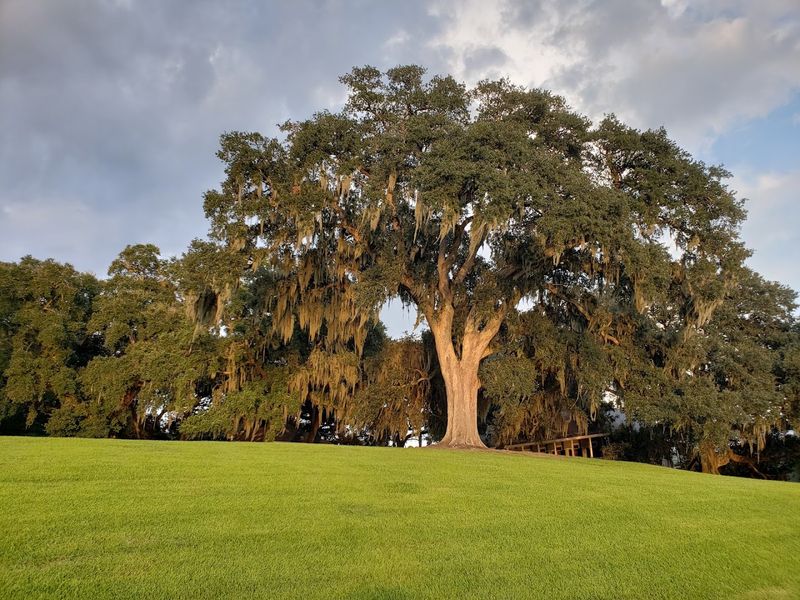
There are trees here that feel older than the map of the area, live oaks pushing 350 years, trunks gnarled with time and stories. The Grover Cleveland Oak, named for the president who visited in 1892, boasts a girth of 24 feet 8 inches and provides a natural focal point for photographs and quiet reflection.
Branches spread like ancient arms and Spanish moss gives the air a slow, suspended motion.
The canopy creates a microclimate beneath it: cooler, damp, and filled with bird sound. Bring closed-toe shoes for roots and uneven ground, and pause to notice bark textures and the way light filters through layered leaves.
It’s an arboreal mood you won’t forget.
Semi-Tropical Plantings, Bamboo And Asian Influences
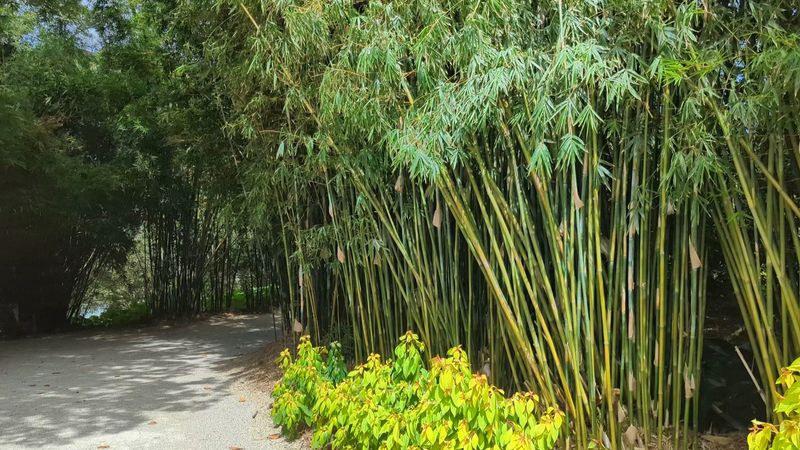
Some sections of the garden feel almost intentionally foreign to Louisiana, groves of bamboo springing skyward toward 40 feet and plantings with unmistakable Asian origins.
These beds contrast with native live oaks and crepe myrtles, creating an eclectic tapestry that reads as curated and wild at once. The density of foliage alters the light, producing green shafts and cool pockets.
It’s a photographer’s delight, so move slowly and admire the scale. Paths weave between plantings without heavy signage, which invites exploration but also encourages a little curiosity, have Google Lens ready if you like plant identification on the go.
Rip’s Rookery, Birdwatching And Peacocks
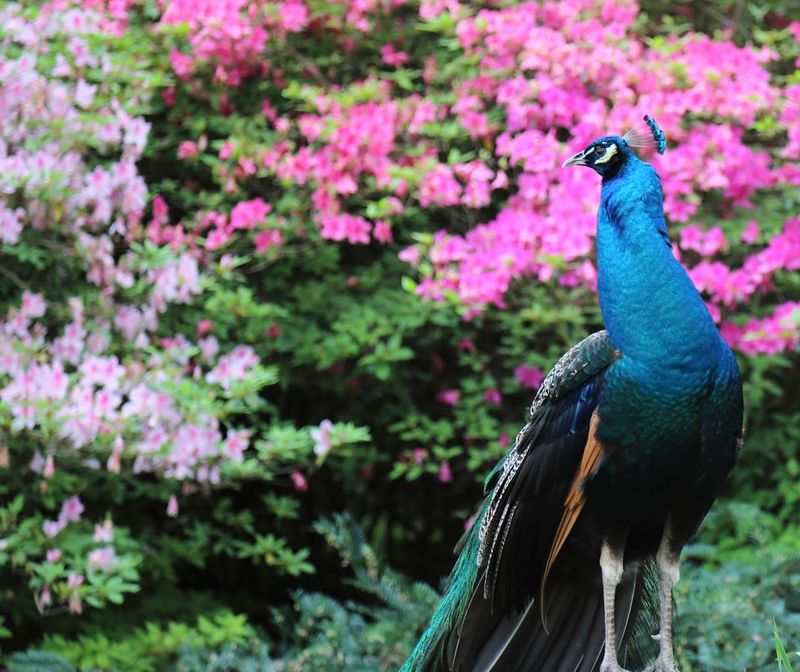
Birdlife at Rip Van Winkle Gardens feels abundant and gently theatrical, the property hosts over 260 species and peacocks cavort openly, trailed by iridescent feathers. The rookery and lake edge are hotspots for viewing the Roseate Spoonbill and wading birds when they’re present.
Early morning or late afternoon brings the best activity and softer light for observation.
Bring binoculars and a field guide or use an app to log sightings. The staff know seasonal patterns and can point out favored perches. If you time it right, you’ll watch birds wheel over the lake while the mansion silhouettes the horizon.
The Lake, Lake Peigneur And The 1980 Event
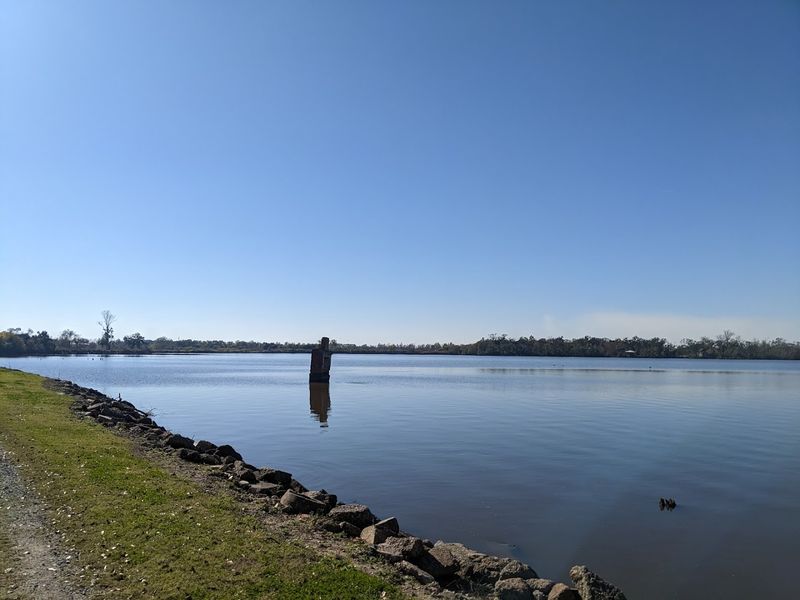
Lake Peigneur is more than a view; it’s a chapter in the island’s dramatic story. In 1980 a drilling incident caused a salt mine to breach and the lake to drain into a sinkhole, an astonishing event now part of the site’s interpretation.
The gardens have been restored since, and the lake’s surface today offers serene reflections and a sense of recovery rather than ruin.
Café Jefferson overlooks the water and cottages sit nearby for overnight stays. The lakeshore provides a quiet spot to sit, watch the waterfowl, and read the panels that explain the geology and the surprising resilience of Jefferson Island.
Paranormal Whispers, Stories From The Mansion
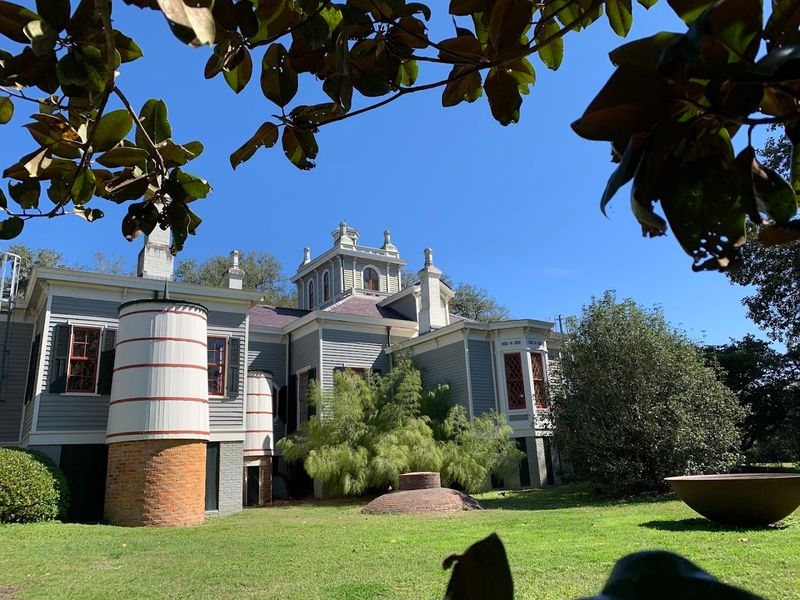
The mansion carries atmospheric stories that visitors and staff sometimes mention: unexplained noises, ghostly sightings, and objects reported to move.
Accounts often center on the upstairs where Jefferson painted and where some people report a presence that does odd things like moving remotes or producing disembodied sounds. The tales are told gently and are part of the estate’s layered character rather than a sensational draw.
If you’re inclined toward the uncanny, listen to tour guides who relate specific, locally rooted anecdotes. Approach these stories as cultural texture; they shape the garden’s otherworldly reputation without overshadowing its horticultural and historical value.
Café Jefferson, Food And Practical Eating Tips
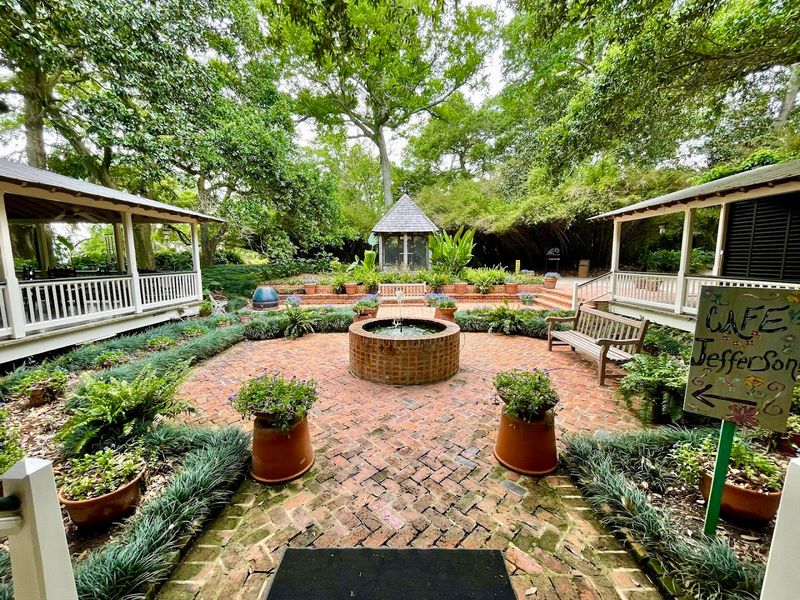
Café Jefferson is a practical highlight, it serves lunch most days with seafood, gumbo, salads, and sandwiches, plus sizable portions that visitors praise. Outdoor seating gives a clear view of Lake Peigneur and suits the lazy, garden-paced afternoon.
The cafe’s hours vary slightly between weekdays and weekends, so check times if you plan to arrive precisely for a meal.
My pragmatic tip is to arrive before peak midday hours or plan for a later table to avoid lines. The cafe also offers tea and desserts and the staff generally handle dietary questions with a friendly, helpful approach that makes lingering easy and pleasant.
Overnight Cottages, Staying On The Grounds
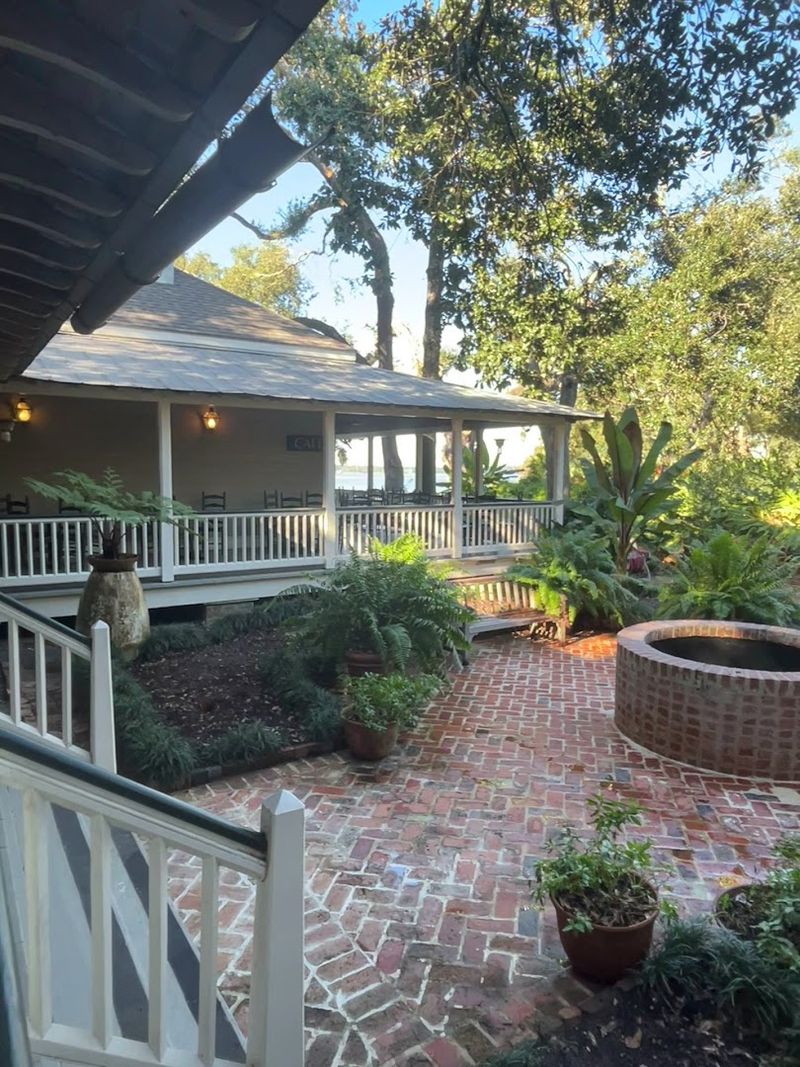
Staying overnight in one of the cottages transforms a day trip into a private encounter with the estate after hours. The cottages occupy restored servants’ quarters and are described as clean, comfortable, and quietly upscale with cozy beds and breakfast provisions.
Guests often mention waking to peacocks in their courtyard and enjoying sunset views over the lake that feel intimate and cinematic.
Advance reservations are advised, especially on weekends or during bird migrations when demand rises. An overnight lets you catch early-morning bird activity and late-evening quiet that most daytime visitors miss – a simple way to deepen the experience.
Accessibility and Family-Friendly Features
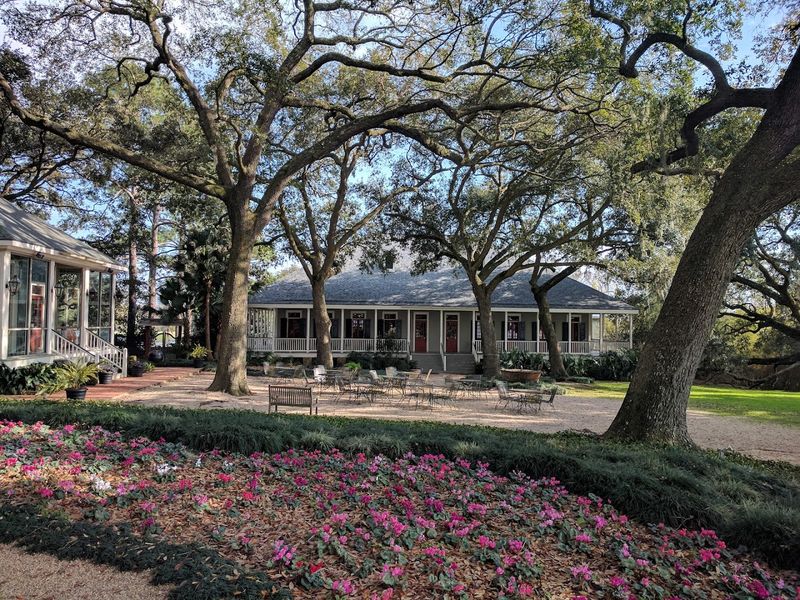
The gardens are notably family-friendly and accommodate a range of visitors – paths are generally walkable, the site is handicapped accessible, and pets on leashes are welcome in many outdoor areas. There’s free parking and a gift shop that offers local items and Orange Island coffee, which visitors frequently praise.
For families, the peacocks and open lawns offer simple pleasures that younger visitors often love.
Groups of 20 or more qualify for discounts, and the venue is popular for weddings and events, so check the calendar if you prefer a quieter visit. Bringing water and sun protection makes long walks far more enjoyable.
Guided Tours And The Visitor Experience
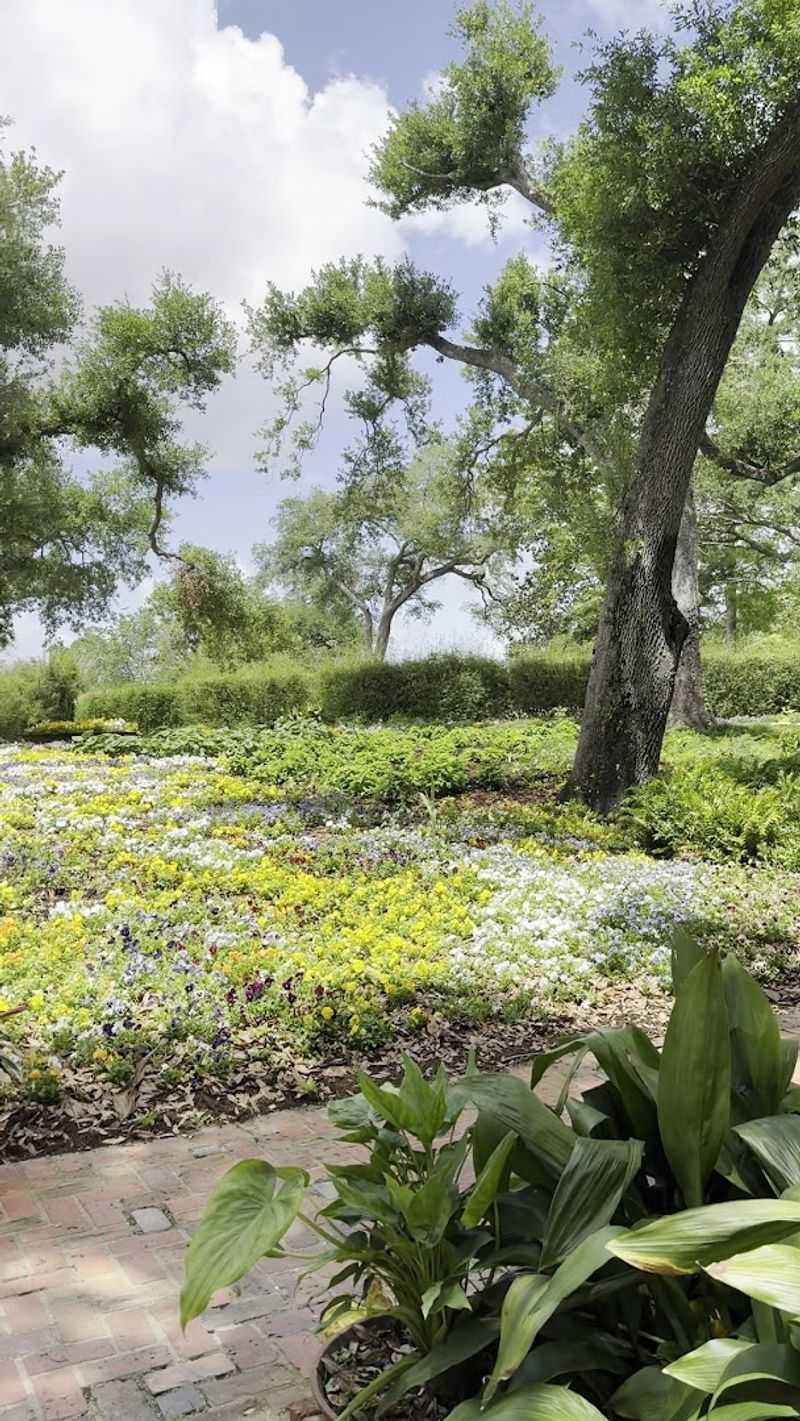
Admission includes an hourly guided tour of the Joseph Jefferson Mansion, a walk through the gardens, and a short film about the estate’s history, a tidy package for a half-day visit.
Guides are knowledgeable and often enliven the tour with local stories and small theatrical flourishes that echo Jefferson’s career on the stage. The film and exhibits give clear context to the island’s geological and social histories.
Arrive a little before the hour to buy tickets and watch the short film if it’s showing; that primes you for a richer tour. The house tour is restricted in areas, but the available rooms offer a vivid sense of period living and personal artifacts tied to Jefferson’s life.
Seasonal Notes, Best Times To Visit
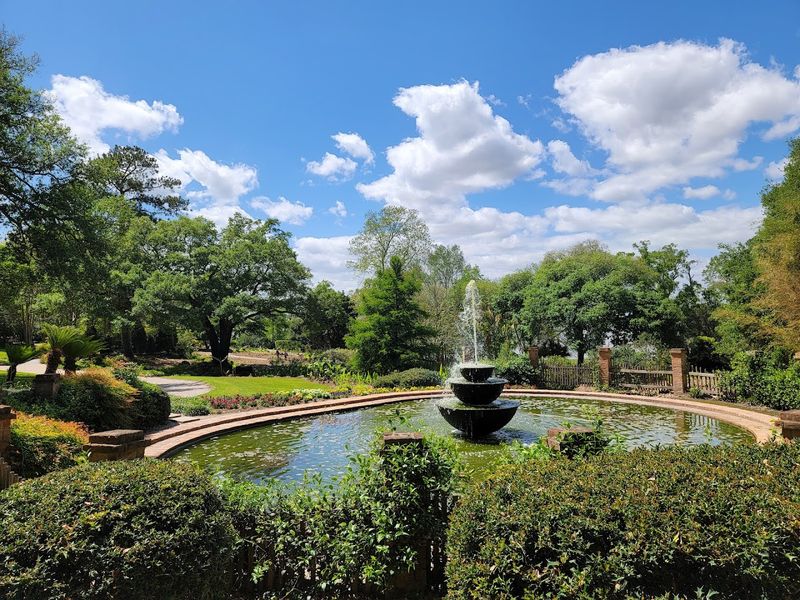
The gardens change with the seasons and timing affects what you’ll see: spoonbills arrive and depart seasonally, spring brings many blooms, and winter still offers sculptural oaks and moss-draped branches. Peak bird activity often occurs in spring and fall migrations, while summer heightens the semi-tropical lushness.
Even on off-bloom days the estate’s atmosphere and architecture remain compelling.
Plan visits around cooler hours for comfort and bird activity. If peacocks are a priority, ask staff about when birds typically display their plumage. A midweek visit usually means fewer crowds and easier parking for a contemplative experience.