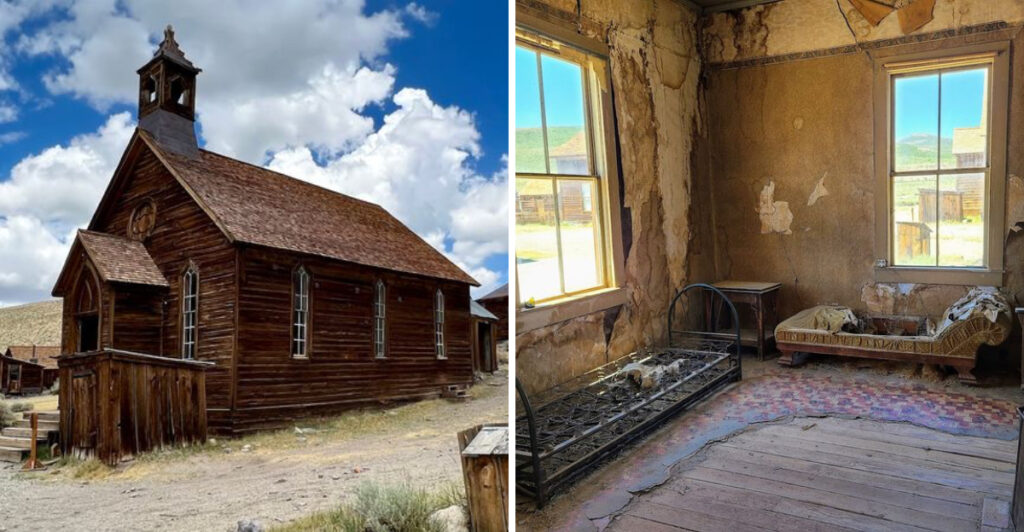
You know that feeling when you peer through a dusty window and a table is still set, a coat still hanging on the hook, bottles lined up on the shelf like someone just went out for a second?
That is what waits inside a ghost town frozen completely in the 1870s, deep in Eastern California.
A mine cave-in in 1875 kicked off one of the wildest gold rushes on the West Coast, and within a few years this was one of the loudest, roughest boomtowns California had produced. Then it collapsed.
Nobody moved a single thing.
Peeling wallpaper, dusty shelves, buildings creaking in the desert wind. The kind of place that stops you the second you see it, and you will absolutely want to see it.
A Gold Rush Town That Refused To Be Forgotten
Gold changed everything here. When a significant ore vein was uncovered in 1875 following a mine cave-in, word spread fast and people flooded in from every direction.
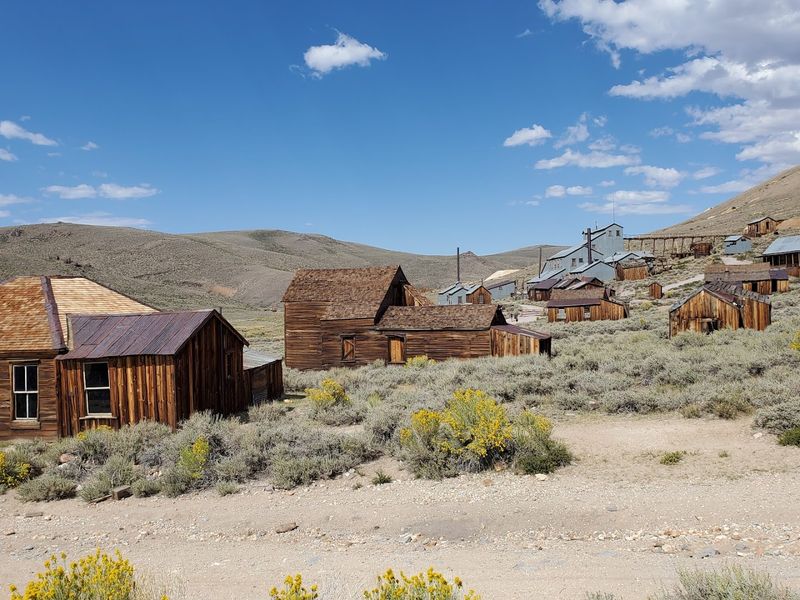
By 1879, Bodie had exploded into a full-scale boomtown. Estimates suggest the population reached somewhere between 7,000 and 10,000 people at its peak.
Around 2,000 structures lined its streets, and Main Street itself stretched over a mile long.
The town earned a rough reputation quickly. With around 65 saloons, gambling halls, and similar establishments operating at once, it was nicknamed “Shooters Town” for good reason.
Yet it also had a Wells Fargo Bank, multiple newspapers, a railroad, and a jail that reportedly stayed busy.
Gold was first discovered here in 1859 by W.S. Bodey, though he never lived to see the boom.
The town grew into the sixth-largest settlement in California at its height, a fact that still feels almost impossible to believe when standing in the quiet, windswept landscape today.
What “Arrested Decay” Actually Means
Most historic sites get polished up for visitors. Bodie takes the opposite approach, and that is exactly what makes it so striking.
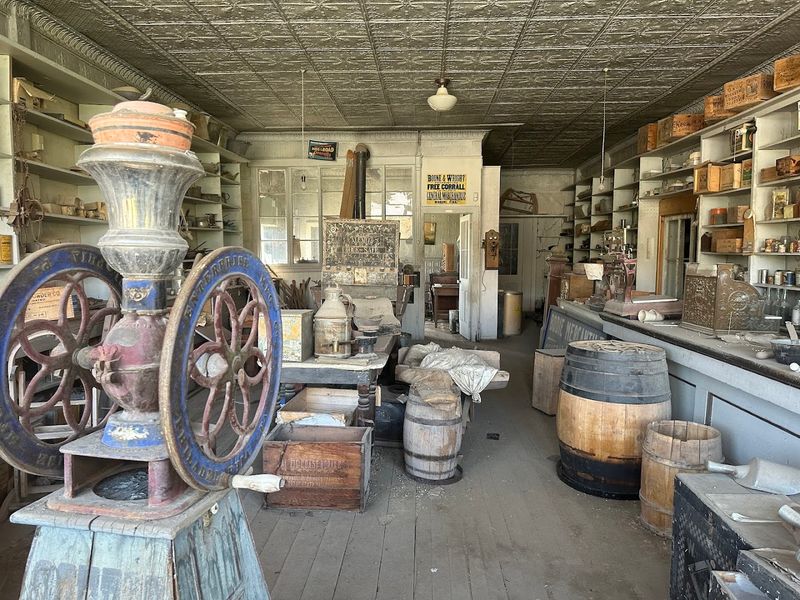
The philosophy of “arrested decay” means that buildings and their contents are preserved in the condition they were found, without restoration or reconstruction. Peeling wallpaper stays peeled.
Fallen ceiling plaster stays on the floor. Rusted tools stay rusted.
The goal is to maintain authenticity, not create a theme park version of the past.
Peek through the windows of the remaining structures and you will spot layered dust on tabletops, ragged curtains hanging in doorways, and shelves still stocked with goods that were simply left behind. It feels genuinely eerie in the best possible way.
Only about 110 of the original structures still stand today, which is a fraction of what once existed. For every five buildings still upright, there were reportedly 80 to 90 more that have since been lost to fires, weather, and time.
What remains is carefully maintained to slow further deterioration without changing its raw character.
The Rugged Road To Get There
Getting to Bodie is part of the experience. The most common route is via California State Route 270, accessible from Bridgeport, California, roughly 12 miles away.
The first stretch of the drive is paved and scenic, passing through rolling high-desert terrain that feels increasingly remote. Then the pavement ends.
The final few miles are an unpaved dirt road that can be bumpy and dusty, though most standard vehicles handle it just fine at a slow, steady pace.
Plan ahead before heading out. There is no cellular service at the park, and there are no gas stations, food vendors, or repair shops anywhere nearby.
Arriving with a full tank and a cooler with snacks is genuinely good advice, not just a suggestion.
The drive itself is worth savoring. The landscape surrounding Bodie is open, windswept, and dramatic in a way that builds anticipation.
By the time the weathered rooftops come into view on the horizon, the remoteness of it all makes the arrival feel properly earned.
Walking The Streets Of A Frozen Town
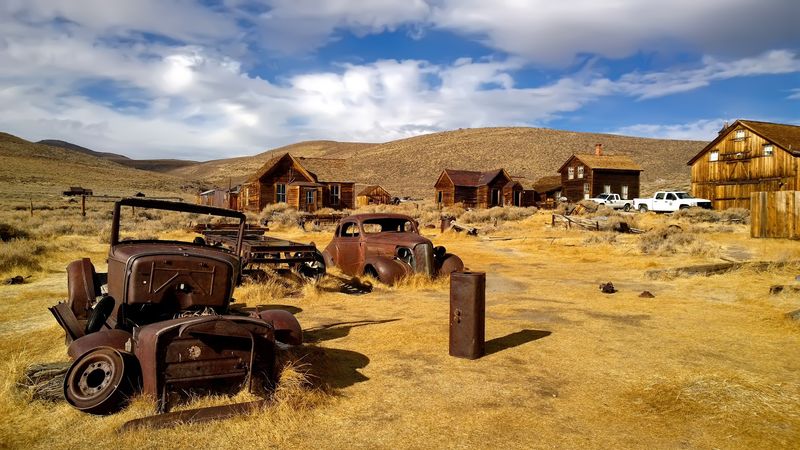
Roaming through Bodie feels unlike any other historic site in California. There are no roped-off zones keeping visitors at a distance, and no polished pathways guiding the experience into something tidy and controlled.
The dirt paths wind between structures that lean, creak, and crumble in slow motion. Visitors can peer through dusty windows to see beds still made, stoves still positioned in kitchens, and bottles still lined up on shelves.
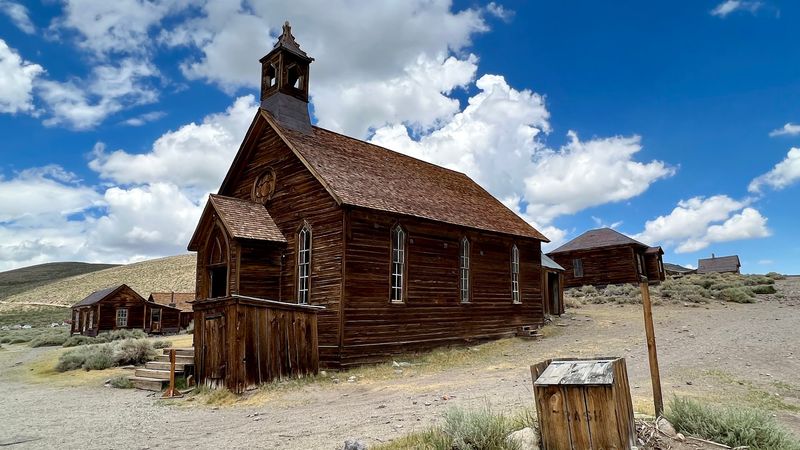
The school once enrolled as many as 625 students. The church still stands.
The jail is still there, too.
A self-guided walking tour booklet is available for a small fee and is well worth picking up at the museum. It provides context for each building and helps visitors understand who lived or worked there.
The park is large enough that three or more hours can pass quickly without covering every corner.
Wear sturdy shoes. The ground is uneven in many areas, and broken glass or old machine parts can appear underfoot.
The rawness is intentional, but it does require a bit of awareness while exploring.
The Stamp Mill Tour Is Worth Every Step
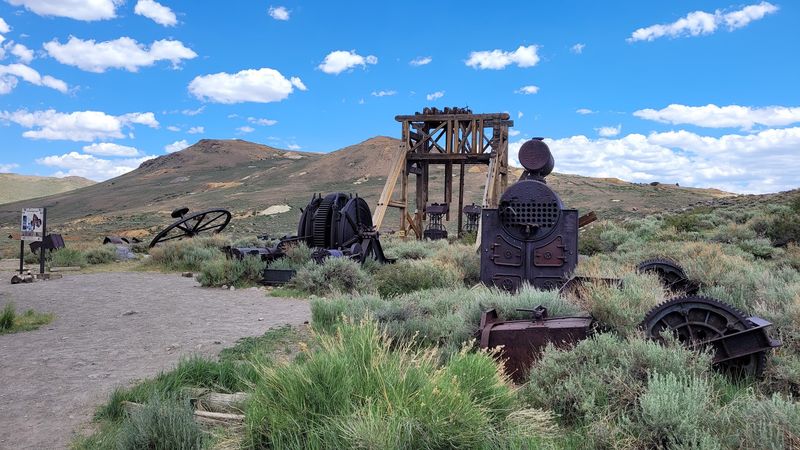
The stamp mill is the one structure at Bodie where visitors can actually step inside with a guide. Tours run daily and tickets must be purchased at the museum, often selling out, so arriving early is strongly recommended.
The mill is where raw ore was processed to extract gold. The tour walks through multiple areas of the building, from the electrical room to the stamping floor and the shaker tables used to separate gold from crushed rock.
It is a hands-on history lesson that goes well beyond what any display case can convey.
Guides are knowledgeable and clearly enjoy what they do. Questions are welcomed and the information shared is detailed without being overwhelming.
Families with younger children have found the tour engaging, and the mechanical scale of the equipment tends to impress visitors of all ages.
One striking fact shared during tours: for every five homes still standing, there were once 80 to 90 more. That statistic alone reframes how massive and alive this town once was during its peak years in eastern California.
High Elevation Weather That Keeps Visitors On Their Toes
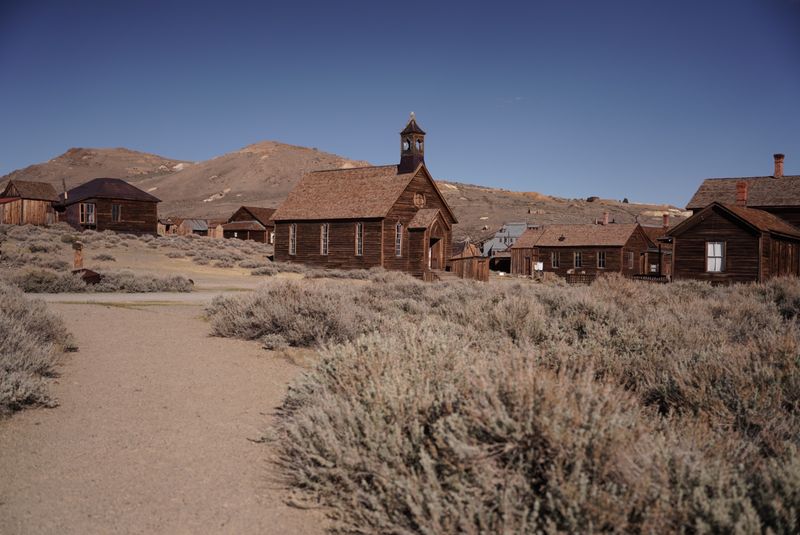
Bodie sits at 8,379 feet above sea level, which means the weather plays by its own rules. Summer days can feel warm and sunny, but temperatures drop quickly once clouds roll in or the wind picks up.
Layers are a practical necessity, not just a precaution.
The elevation also means the sun hits harder than expected. Sunburn is a real possibility even on days that feel cool, especially given the lack of shade across most of the park.
Hats and sunscreen are genuinely useful to bring along.
Winter brings heavy snowfall that can close access roads entirely, making the park seasonal in practice. The most reliable visiting window runs from late spring through early fall, with summer being the most popular period.
September visits tend to offer pleasant temperatures and fewer crowds than peak summer weekends.
There is something visually stunning about Bodie in snow, and photographs from winter visits look otherworldly. However, road conditions during those months can be unpredictable, so checking current access information before traveling is always a smart move.
What The Museum Reveals About Life Here
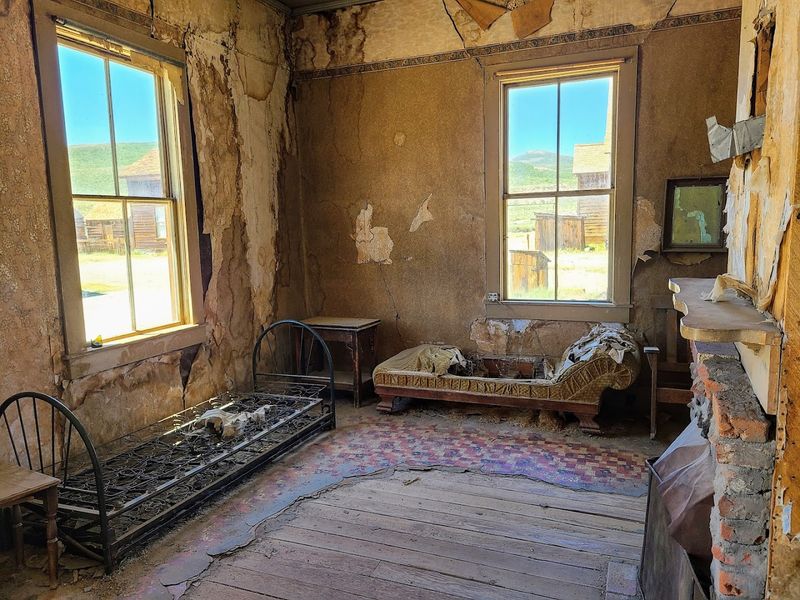
Before heading out into the town itself, the small museum near the entrance is worth a proper look. It holds display cases filled with artifacts from the gold rush era, including tools, personal items, currency, and documents that help paint a picture of daily life in Bodie during its peak years.
The museum also serves as the ticket counter for stamp mill tours, so it is a practical first stop regardless of plans. A gift shop and a small selection of guidebooks and walking tour pamphlets are available here as well.
The walking tour booklet, available for a few dollars in cash, is one of the best investments a visitor can make before stepping out onto the dirt paths.
The museum closes earlier than the park itself, so getting there first thing after arrival ensures nothing is missed. Staff members are friendly, knowledgeable, and happy to answer questions about the site’s history or help orient first-time visitors.
There is no food available anywhere on the property, so arriving with snacks and water already in hand makes the whole experience more comfortable.
Practical Tips Before You Make The Trip
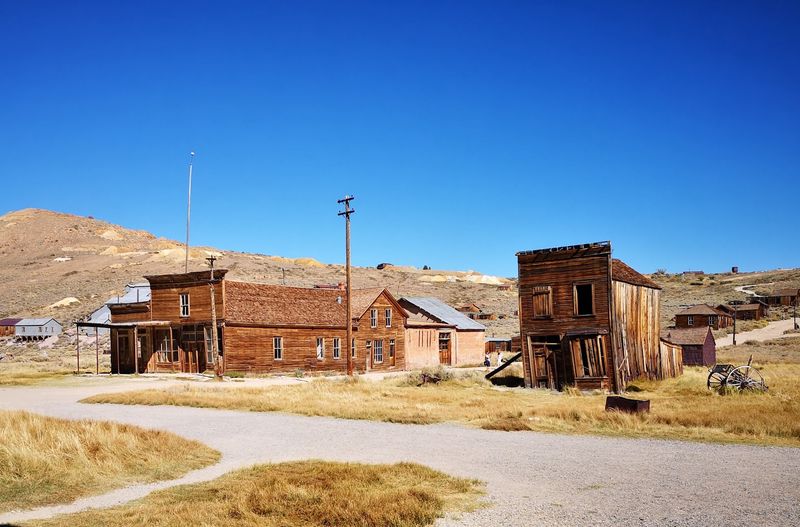
Bodie State Historic Park is located on CA-270, Bridgeport, CA 93517, in Mono County, California. A few practical details make the difference between a smooth visit and an avoidable headache.
There is an entrance fee per adult, payable at the park. Cash is useful to have on hand for the walking tour booklet as well, since card options may be limited.
Parking is available near the entrance, and restrooms with running water are located in the lot, though supplies like soap may not always be stocked.
Cell service is nonexistent at the park. Download any maps or information needed before leaving the main highway.
The park has no food, no fuel, and no commercial services of any kind, which is part of what keeps the atmosphere so authentic and unspoiled.
Plan for at least two to three hours to explore meaningfully. Arriving close to opening time on weekdays tends to offer a quieter experience.
The surrounding scenery on the drive in and out is genuinely beautiful, making the journey itself a rewarding part of the day.