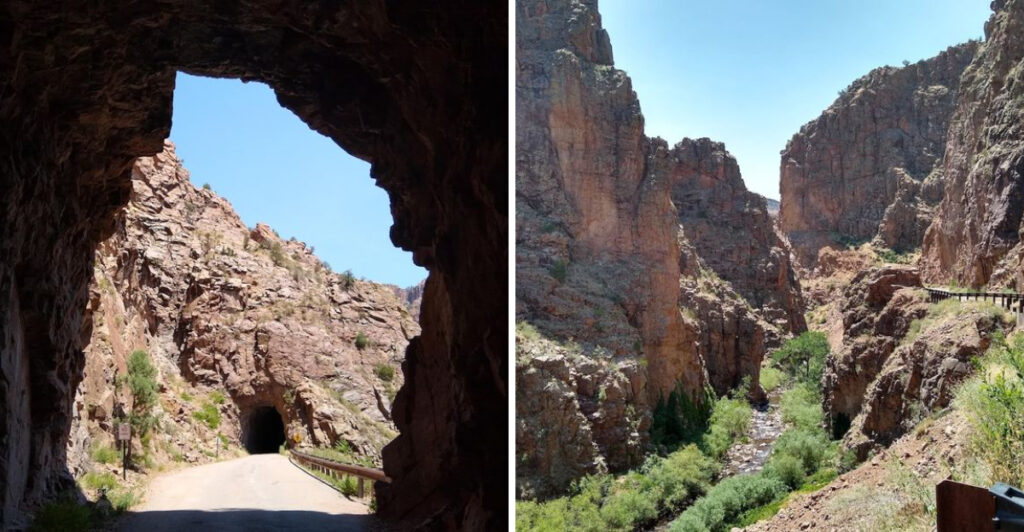
Some drives are pretty. This one grabs your attention by the collar.
The road winds through a canyon in New Mexico, with walls that seem to close in just enough to make the ride feel exciting. You follow the bends, watch the red rock shift outside your window, and then suddenly the mountain has a doorway.
Your car rolls into a tunnel carved more than 100 years ago, and for a second, the whole trip feels unreal.
That is the fun of this place. It does not need a big setup.
You do not have to plan your whole day around it. Just follow the road and let the canyon do what it does.
I went in thinking, okay, cool little detour. I left with dusty shoes, a full camera roll, and a strong urge to bring someone back soon, because this drive deserves good company and another slow ride.
A Narrow Road Between Canyon Walls
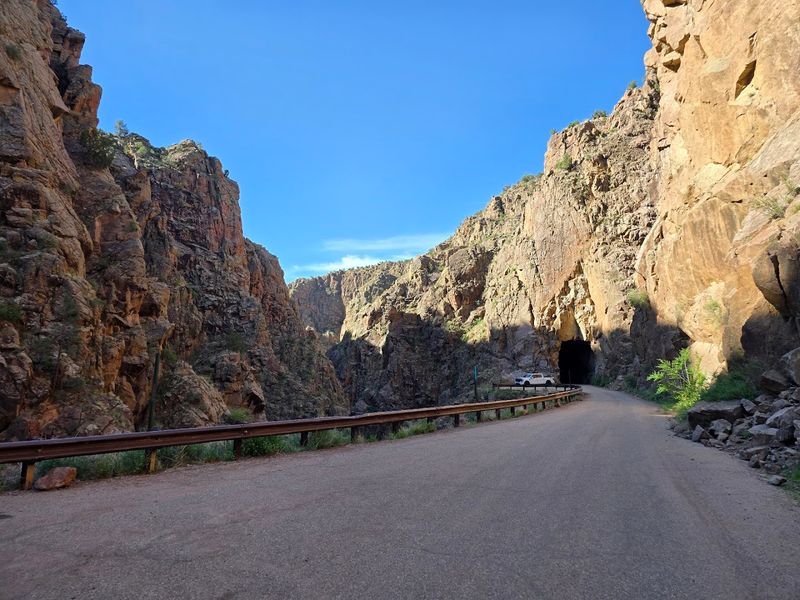
Before you even reach the tunnels, the road itself starts putting on a show.
As the drive continues, the canyon walls begin creeping closer.
The pavement narrows down to a single lane, which means you and oncoming traffic have to take turns like polite neighbors sharing a doorway.
The road follows the old bed of a narrow-gauge railroad that once carried logs out of the Jemez Mountains, so every curve has a story baked into it.
Rocky outcroppings lean overhead, and the light shifts from bright open sky to cool canyon shadow within just a few hundred feet of driving.
I kept my speed low, partly because the road demanded it and partly because I did not want to miss a single angle of those towering walls.
Some sections of the pavement have rough patches and a few uneven edges where the canyon has made its opinions known, so watching your tires matters here.
Visitors coming from Albuquerque will find this road roughly five miles northwest of the intersection of NM 4 and NM 485, near Gilman Tunnels in Sandoval County, NM 87124. The canyon entrance sets the tone for everything that follows.
Where Dark Tunnels Frame Red Rock Views
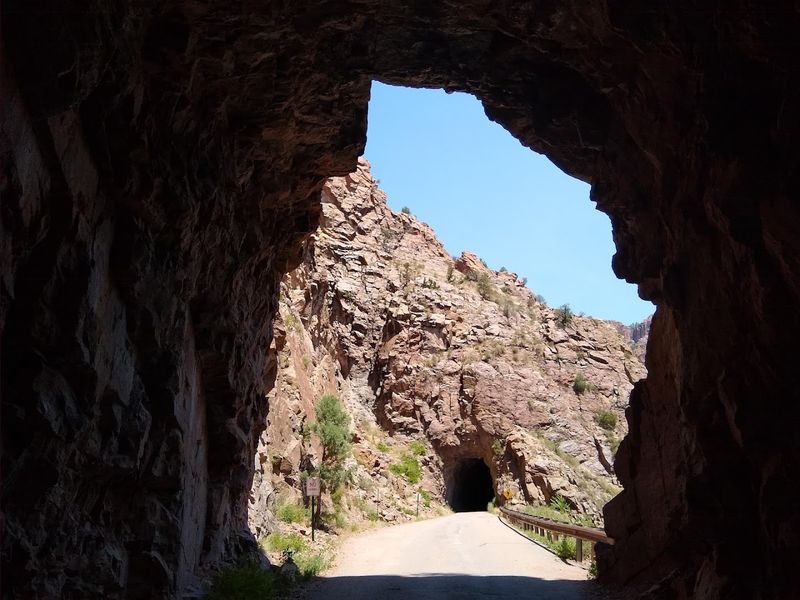
At the mouth of one of the tunnels, the view through to the other side is one of those scenes a camera struggles to fully capture.
The two tunnels at this site were originally blasted through Precambrian granite in the 1920s to move logging trains through Guadalupe Canyon, and they were later widened in the 1930s to handle logging trucks instead.
Each tunnel is narrow and unusually tall, with rough-hewn walls that show many marks left by the crews who cut and blasted their way through the rock.
When you drive through, the dark granite closes in around you for a moment, and then the far opening frames a slice of New Mexico red rock canyon that looks almost like a painting.
The contrast between the cool shadowed tunnel interior and the warm sunlit rock beyond is something you feel as much as you see.
Both tunnels sit close together, so the whole experience happens within a short stretch of road that packs in a remarkable amount of visual drama.
That framed view of red rock through dark stone is the image most visitors carry home in their minds long after the drive is done here for years.
A Rugged Passage Through Stone
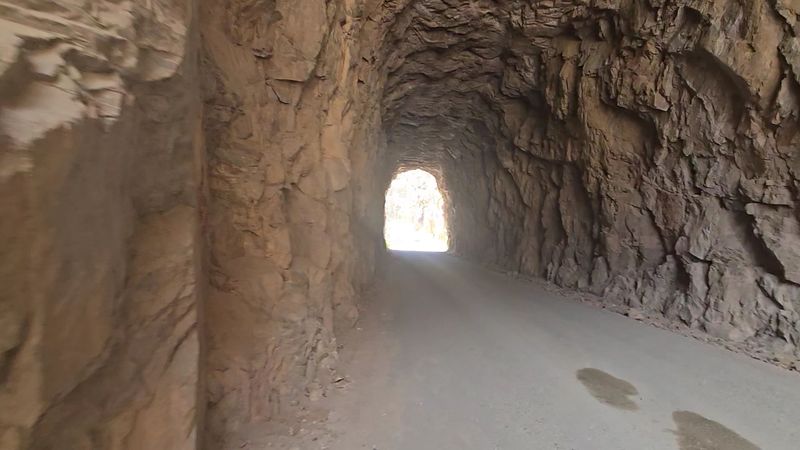
Few roads in the American Southwest ask you to drive through solid mountain, but this one does it twice.
The granite that makes up these tunnels is among the ancient Precambrian rock exposed in this part of New Mexico, part of the foundation that underlies the Jemez Mountains, and the fact that workers in the 1920s carved passages through it using early technology is impressive.
The walls inside each tunnel are raw and unfinished, with no smooth concrete lining or decorative touches, just blasted and chiseled stone much like the original crews left it.
Look along those walls, and you can almost picture the narrow-gauge locomotives that once rumbled through carrying loads of timber from the western Jemez Mountains toward the sawmill in Bernalillo.
The tunnels are wide enough for a single modern vehicle, so pulling through requires a little patience if another car is approaching from the opposite direction.
Most visitors I saw there handled the one-lane situation with good humor and a friendly wave.
The thrill comes from passing through a century-old passage carved into a mountain, especially when you remember the rock around you was standing long before anyone thought to name it.
River Sounds Below The Cliffs
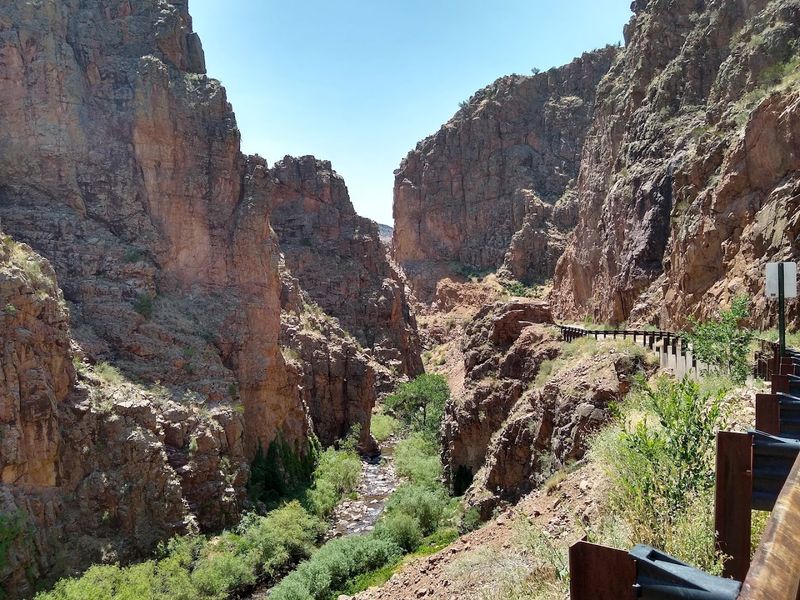
One of the quieter surprises waiting at the Gilman Tunnels area is the river running along the canyon floor below the road.
The Rio Guadalupe threads through the Guadalupe Box canyon here, and depending on the season and flow, you may hear moving water below the road before you ever catch sight of it on a quiet day.
After passing through the second tunnel, there is a small parking area with space for about five vehicles where you can stop and actually take in the sound of moving water echoing off the canyon walls.
At the edge, listening to the river below while cool canyon air moves around you becomes the kind of simple sensory experience that makes a road trip feel worthwhile.
The cliffs above the water are dramatic, with layers of ancient granite stacked in shades of red, orange, and gray that shift color depending on the time of day and angle of the sun.
Fishing is possible in the New Mexico area, and the stream attracts visitors who want to spend more time near the water rather than simply passing through.
That river soundtrack, steady and unhurried, gives the whole canyon a calm energy that balances out the rugged scale of the rock around it.
Shadowed Openings In The Rock
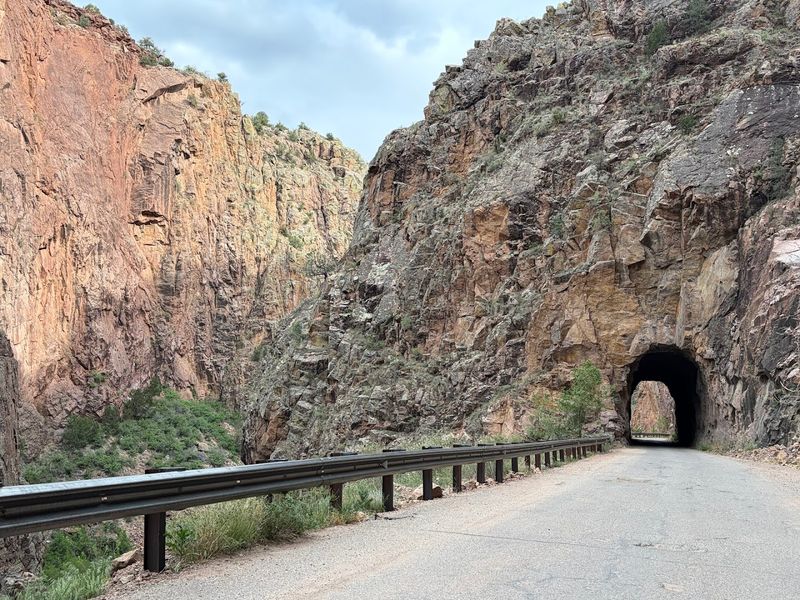
The first look at the tunnel openings from the outside is a moment worth slowing down for right away.
Cut directly into a sheer wall of granite, the two openings sit close together and look almost impossibly narrow from a distance, like slots punched through a solid mountain by something enormous and impatient.
The height of each opening is what surprises most first-time visitors, since the tunnels were originally built to accommodate the vertical profile of logging train cars, which left them taller than a typical road tunnel you might expect.
In the morning, when the sun hits the canyon walls at a low angle, the shadowed openings create a sharp contrast against the warm lit rock that makes the whole scene feel theatrical.
I pulled over before reaching the tunnels just to take in that view from a distance, and I was glad I did because the approach shot is one of the best photographs you can get here.
The surrounding cliffs dwarf the tunnel openings in a way that reminds you how small the human effort looks against the scale of the geology.
Those dark slots in the rock have appeared in films including 3:10 to Yuma and The Lone Ranger, which tells you something about how cinematic this New Mexico place naturally feels today.
A Quiet Drive With Wild Mountain Energy
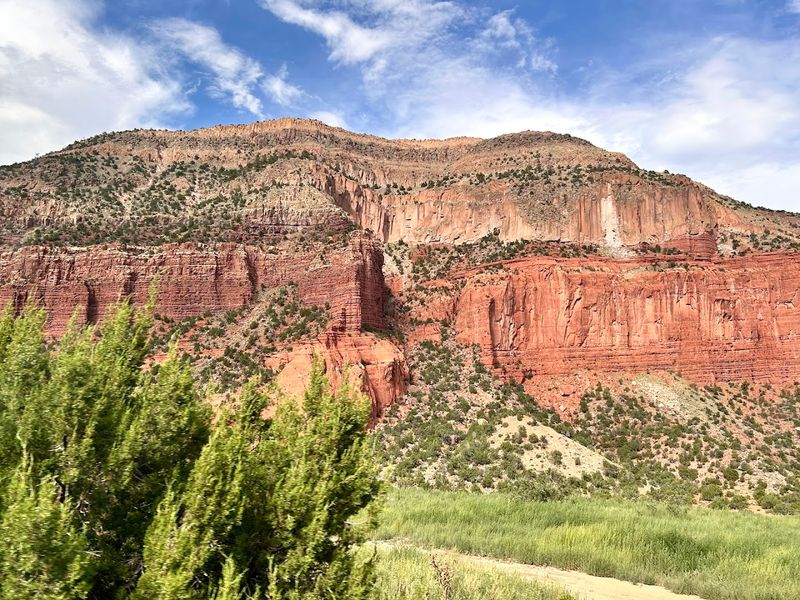
The trip to the tunnels is half the adventure, and the drive through the Jemez Mountains sets a mood that is hard to shake too.
The route winds through forest, past red rock formations, and alongside the river, with the kind of scenery that makes you reach for your camera even before you arrive at the main attraction.
On a weekday morning, the road can feel almost entirely yours, with no crowds and no noise beyond the wind moving through the canyon and the occasional call of a bird somewhere up in the pines.
The elevation and clean mountain air give the whole drive a sharpness that feels different from lower desert roads, and the temperature tends to run cooler here even in summer, which makes the experience refreshing.
I noticed that the closer you get to the tunnels, the more the canyon tightens and the sense of being enclosed by landscape builds in a way that feels exciting rather than uncomfortable.
Visitors who continue past the second tunnel may find primitive camping areas and creekside scenery farther along the route, though access and rules can change by season, road conditions, and current Forest Service guidance.
The wild mountain energy of this drive does not announce itself loudly, but it accumulates with every mile until you realize you have been completely absorbed by the landscape.
Historic Stonework In A Desert Canyon
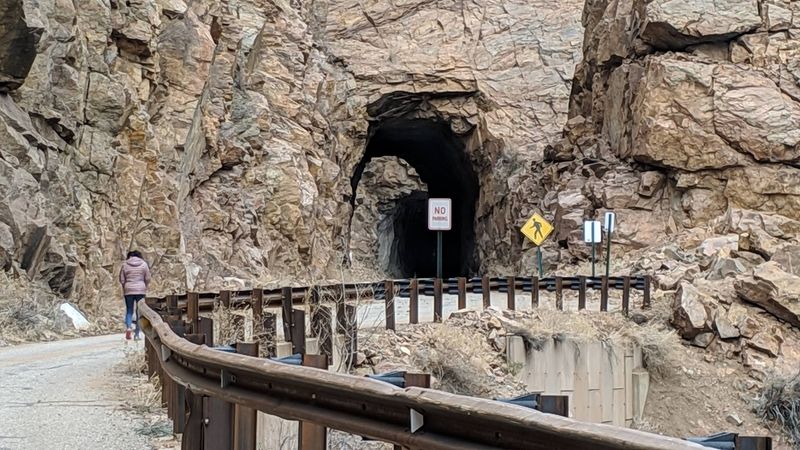
History has a way of hiding in plain sight at places like this, and the Gilman Tunnels reward anyone who pays attention to the details.
The tunnels were originally constructed in the 1920s to allow narrow-gauge logging trains to pass through the Guadalupe Canyon, carrying timber from the western Jemez Mountains down to a sawmill in Bernalillo, and the engineering required to cut those passages through solid Precambrian granite was no small feat for the era.
The Gilman logging camp was established around 1937 about two miles south of the tunnels, and the whole operation ran until 1941, when flooding along the Jemez and Guadalupe Rivers shut down the railroad for good.
The highway that runs through the canyon today follows the original railroad bed, which means you are literally driving on the same ground where those old trains once rolled.
Looking at the rough stonework inside the tunnels, you can see that no effort was made to polish or pretty up the walls, and that raw honesty is part of what makes them so compelling.
The tunnels are now part of the Jemez National Recreation Area within the Santa Fe National Forest, which helps protect their historic character.
That connection to working history, to the loggers, the trains, and the canyon itself, gives the site a depth that goes well beyond the scenery.
Pull-Off Views Made For Photographs
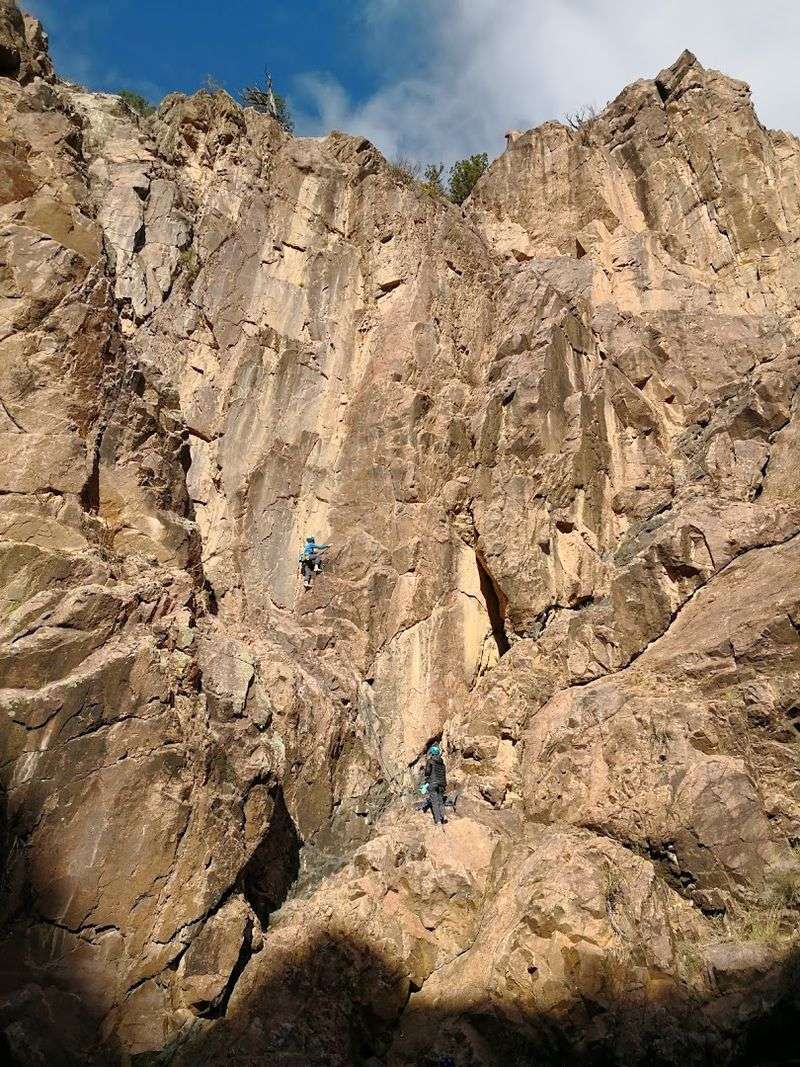
Beyond the tunnels themselves, the surrounding canyon offers pull-off spots that are worth every minute you spend at them.
After passing through the second tunnel, a small parking area with room for roughly five vehicles gives you a chance to step out, breathe the canyon air, and look out over the Rio Guadalupe as it moves through the rocky gorge below.
The views from this spot include dramatic cliff faces, river movement, and the kind of layered rock formations that make geologists and photographers equally happy.
Morning light hits the canyon walls at an angle that brings out deep reds and warm oranges in the granite, while afternoon light flattens everything into softer tones that are equally worth shooting.
I spent longer at this pull-off than I planned, mostly because every time I thought I had the perfect shot, the light shifted slightly and offered something even better.
A fully charged phone or camera is a practical piece of advice that sounds obvious but matters more here than at most stops, since the scenery keeps delivering new angles.
All of this, the tunnels, the canyon, the river views, and the pull-offs, is generally free to visit at Gilman Tunnels. Because access can change due to road conditions or Forest Service work, visitors should check current Santa Fe National Forest alerts before going.