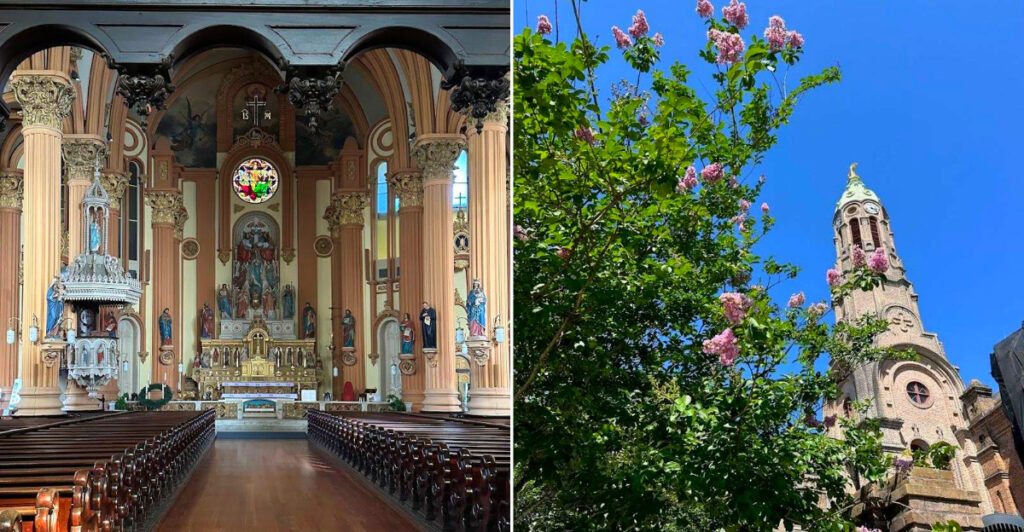
New Orleans is a city built on noise. Brass bands on street corners, streetcars clattering down St. Charles, laughter pouring out of open doorways at all hours. But tucked into a residential neighborhood where the sidewalks are cracked and the oak trees are older than the houses, there is a building that asks for silence.
You could walk past it a hundred times and never look twice. The exterior gives nothing away.
Then you push open the wooden door and everything changes. Louisiana is home to sacred spaces that can stop you in your tracks, and this quiet church is one of the most breathtaking.
The ceiling soars upward into a Baroque vision of frescoes and gilded ornamentation. Stained glass filters the Louisiana sun into jeweled pools of color. The air smells like old wood and candle wax and centuries of whispered prayers.
Vibe Of Arrival
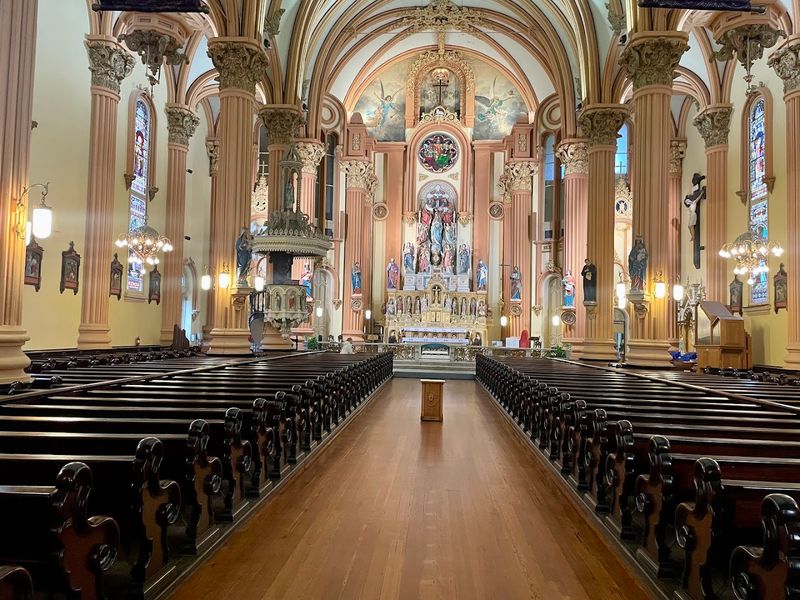
The first thing that strikes me is the hush that lives just beyond the sidewalk, a purposeful calm that sets this place apart from nearby streets.
Baroque lines and a modest garden create an approach that feels ceremonial without shouting, and passing through the doorway lowers the pace in a way that almost obliges you to breathe differently.
Inside, the volume of the nave and the spacing of columns make conversation shrink to a respectful murmur, and the overall effect is intimate rather than cathedral-scale aloofness. That arrival vibe prepares you to notice detail, history, and the gentle human stories held within these carved surfaces.
Arriving Somewhere Quiet In A Loud City
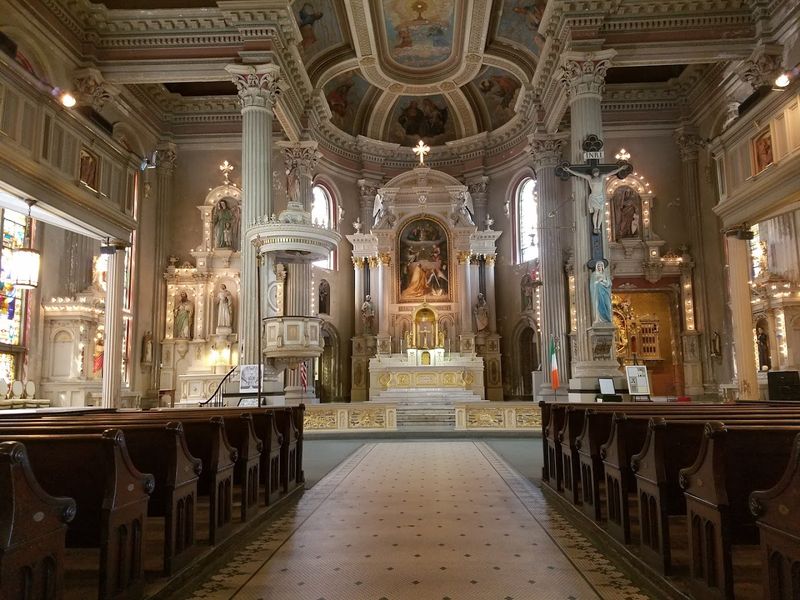
St. Mary’s Assumption Church / National Shrine of Blessed Francis Xavier Seelos is located at 2030 Constance St., New Orleans, Louisiana 70130, tucked into the Lower Garden District rather than the city’s louder tourist core.
Come in through the neighborhood streets and let the pace drop a notch. This is not a flashy “spot it from three blocks away” stop, it is the kind of place where you turn a corner and suddenly the day feels more still.
Give yourself a little time to settle after parking, because rushing into a shrine always feels slightly ridiculous. Step out, find the church entrance, and let the city noise fall behind you before you go inside.
Acoustics And Organs
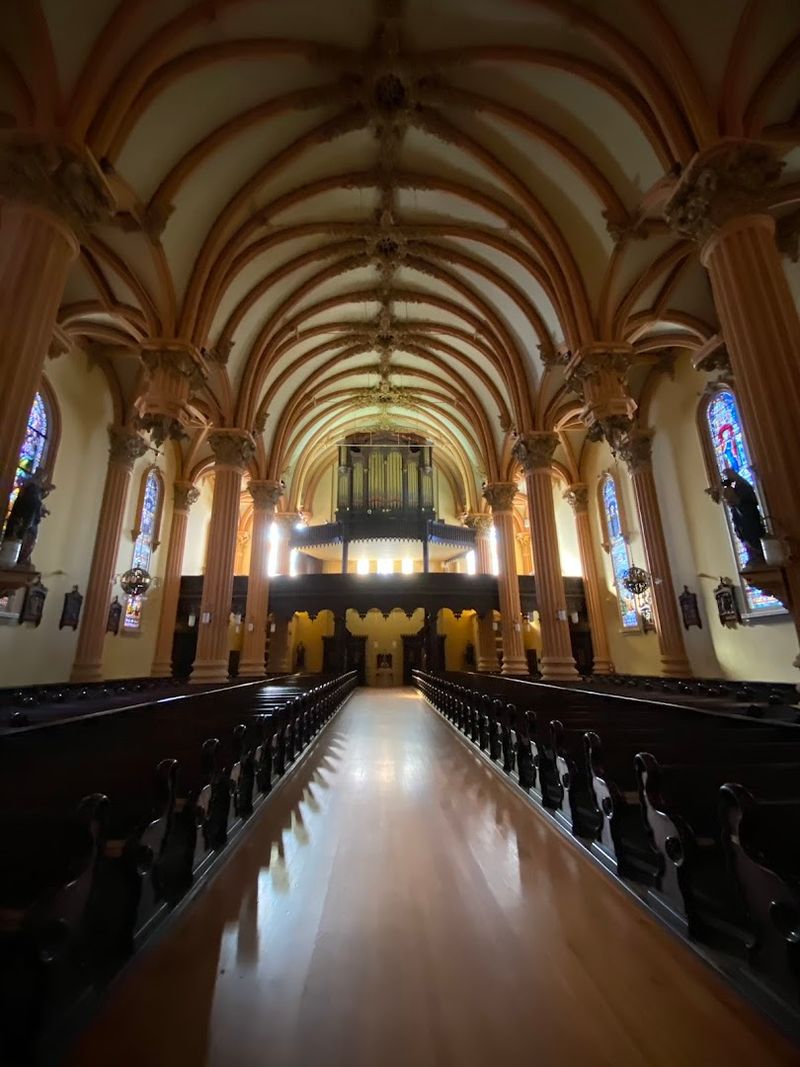
There is a reason sound feels like a character in this building, the 1861 grand organ and the second balcony combine with high ceilings to give voice its own architecture.
When the organ is played or a choir sings, the notes bloom and linger, turning silence into something textured and almost visible, an audible tapestry that reshapes the entire space.
The effect is not merely loudness, but depth, a sense that music is rising through wood, plaster, and memory at once.
Even absent music, footsteps and whispers behave differently here, decaying slowly enough that you become aware of how sound fills and frames attention. That lingering quality makes visitors lower their voices almost instinctively, as if the room itself teaches restraint.
If you can, time a visit during a rehearsal or service to understand how acoustics animate both ritual and quiet reflection in equal measure.
The Seelos Shrine
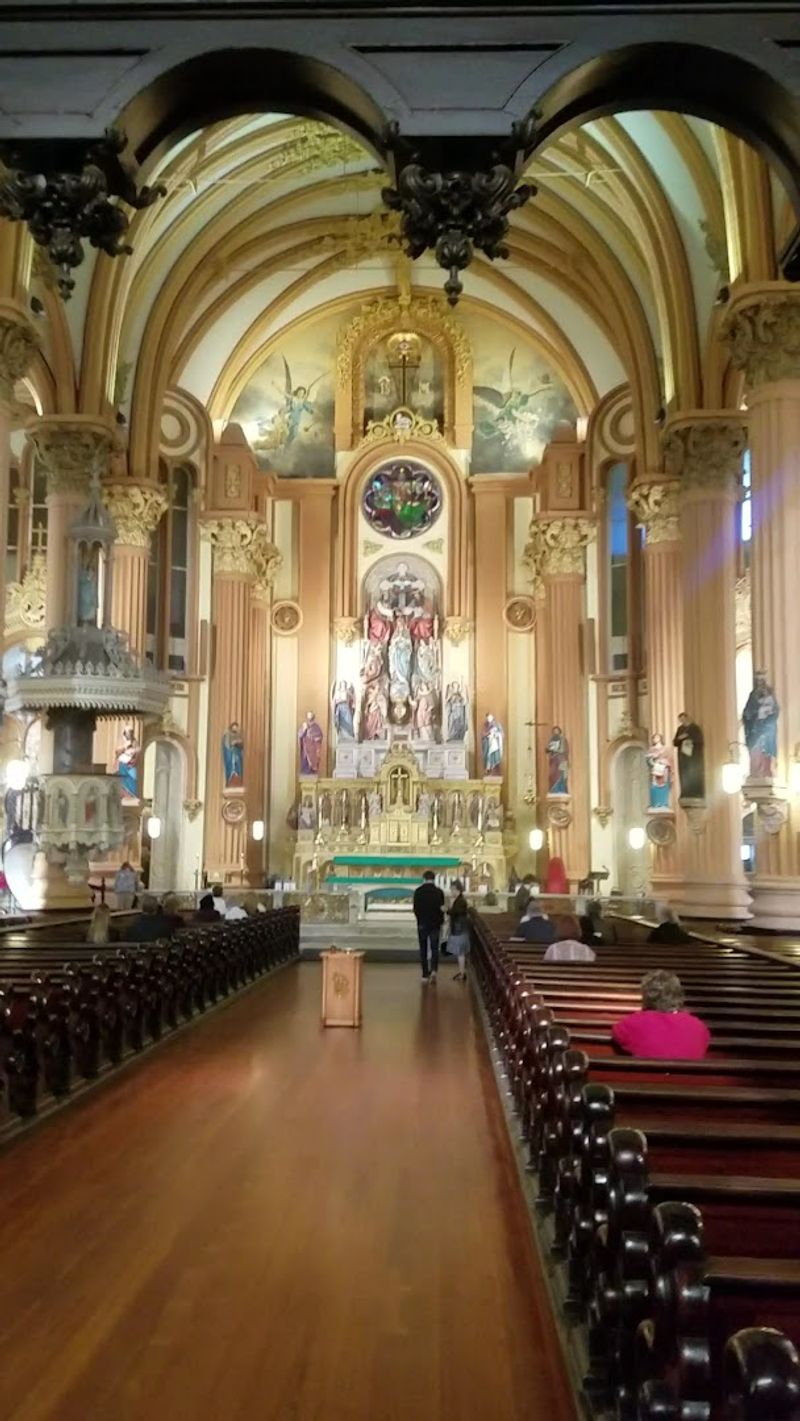
The National Shrine of Blessed Francis Xavier Seelos is integrated into the church in a way that feels both reverent and accessible, with relics, artifacts, and the original lead coffin on display for quiet contemplation.
The shrine invites visitors to stand near the remains, light a candle, and consider a life spent ministering to German-speaking immigrants and caring for the sick during epidemics.
Learning that Seelos was beatified in 2000 adds a contemporary note to a 19th century story, and seeing objects connected to his ministry makes history feel immediate. The shrine manages to be both educational and profoundly intimate without theatrics or excess interpretation.
Stained-Glass Details
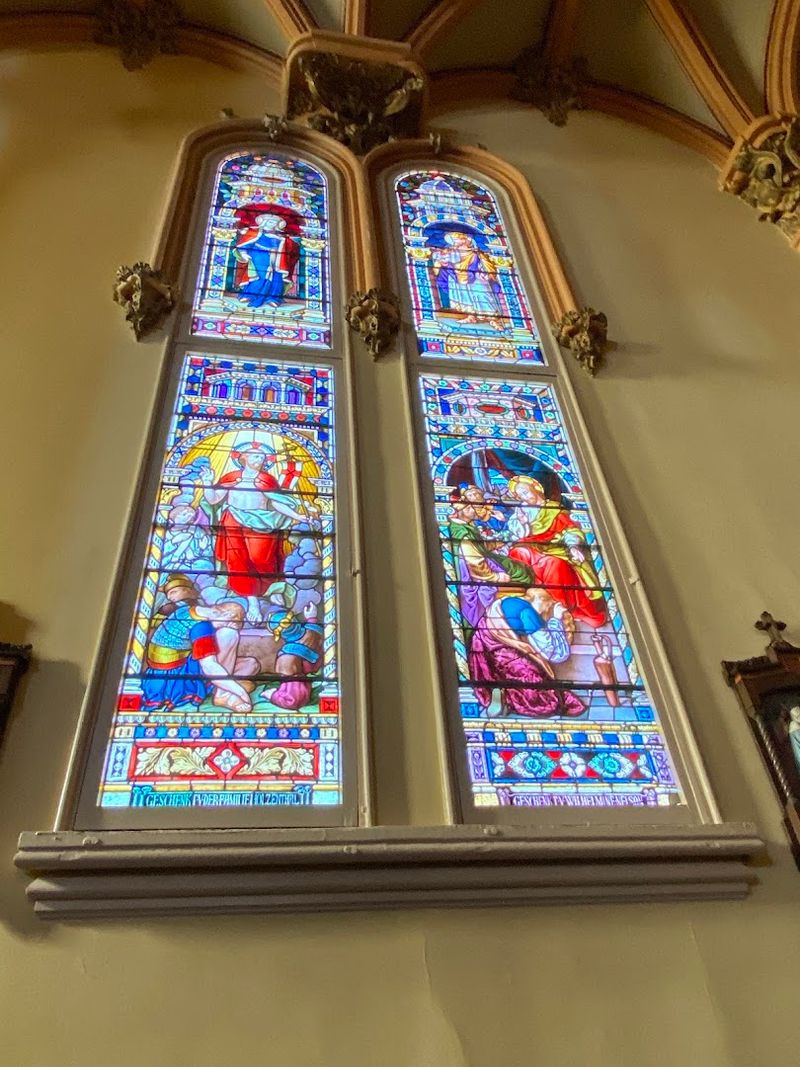
Those stained-glass panels from Munich are the kind that reward peering closely, each scene is crisply rendered with jewel-like color and an iconographic clarity you can trace from figure to figure.
Light passing through these windows changes mood by the hour, sometimes casting narrow bands of color across the wooden pews and sometimes bathing the sanctuary in a warm, diffuse glow.
Take a slow walk down an aisle and note how different windows emphasize different saints and stories, reflecting the German parish origins and a devotional focus that feels both educational and quietly theatrical. These windows are a visual itinerary for the building itself.
Wood Carvings And Statues
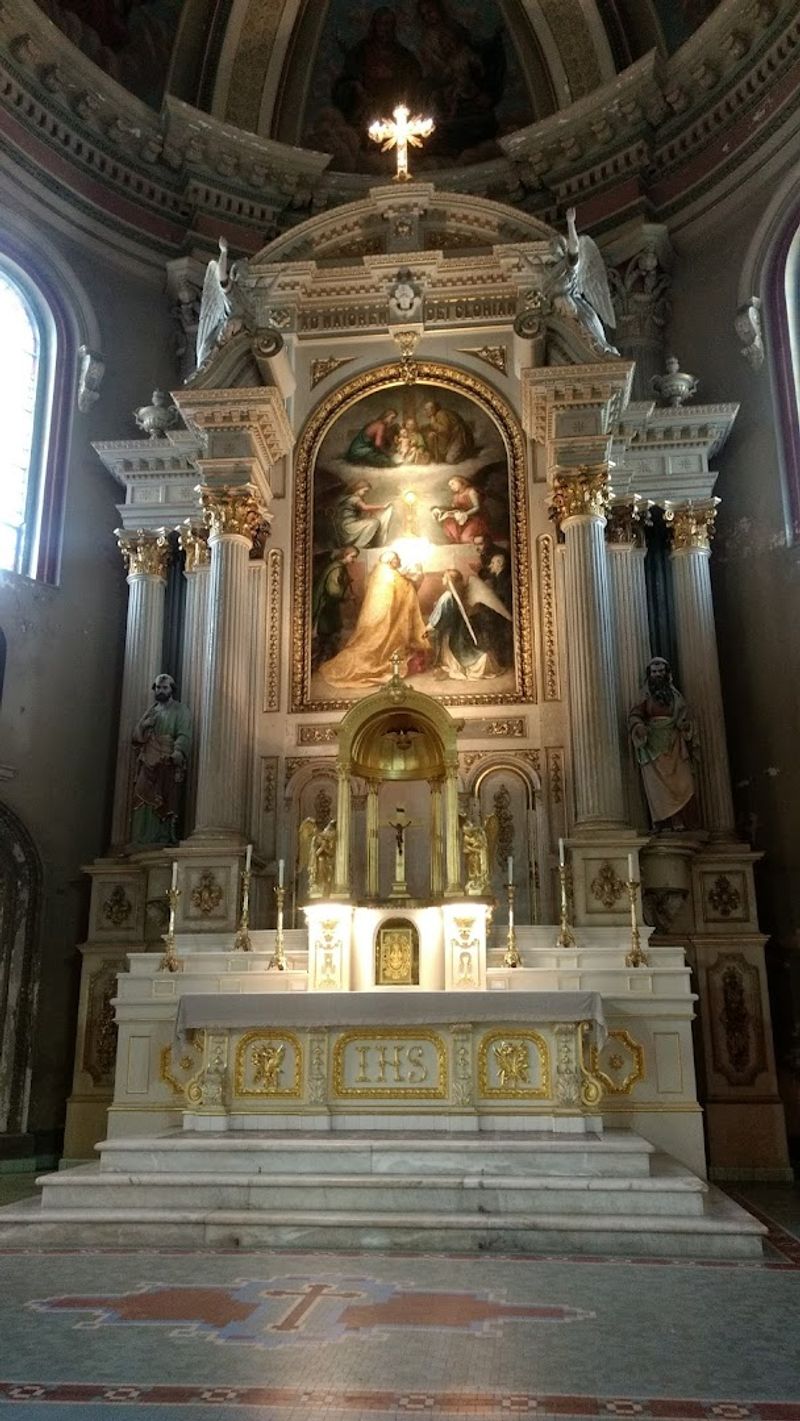
I kept finding little carved gestures that felt like fingerprints, statues and reliefs believed to be crafted by parishioners who invested time and skill into devotional art.
The wooden high altar and the surrounding statuary have an artisanal warmth that a machine-made piece rarely achieves, and that handcrafted touch draws the eye to small, humble details, from softened edges to expressive folds and faces.
Those carvings also reveal community priorities and aesthetic tastes of a 19th century German congregation that wanted beauty to be a shared offering. Observing the tools of devotion here means paying attention to texture, shadow, and the human labor embedded in sacred forms.
It makes the church feel less like a finished monument and more like a collective act of patience, faith, and craft.
Historical Threads
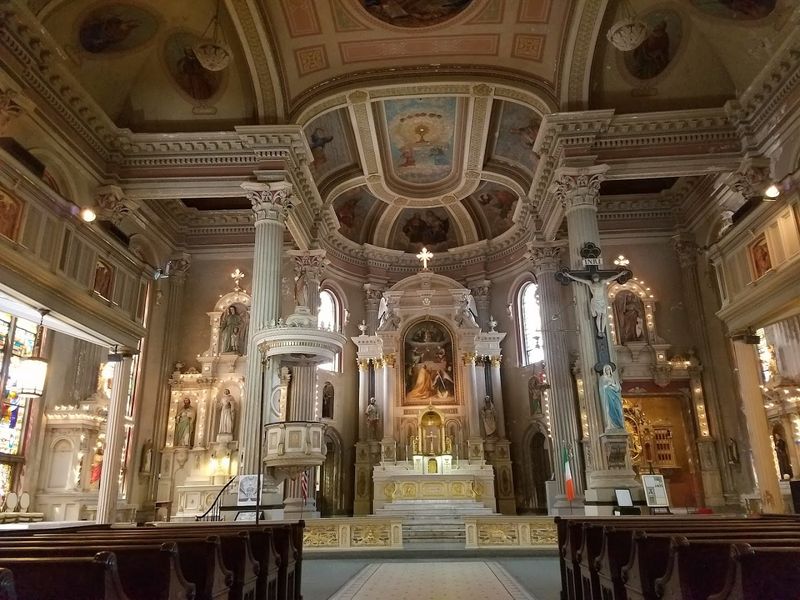
Tracing the church’s history from 1858 through completion in 1860 reveals its origins as a German Catholic outpost, built by immigrants who wanted a home for familiar rites and language. Over the decades, St. Marys Assumption became a community hub, a place of solace during epidemics and a focal point for immigrant identity in New Orleans.
Knowing that Father Seelos served here in 1866 and died after ministering during a yellow fever epidemic gives the building’s stones a sobering resonance. The landmark designation in 1974 codifies its significance, but the human stories remain the most compelling evidence of enduring meaning in this space.
Guided Tours And Volunteers
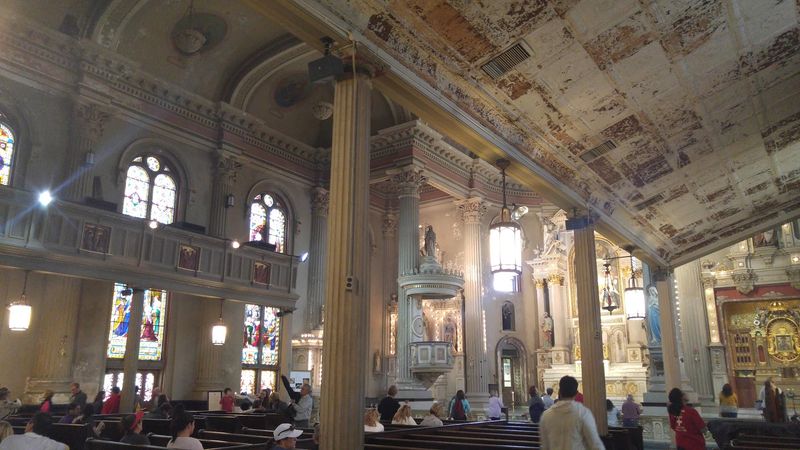
The volunteers and guides here are more than information sources, they are custodians of memory who offer context with a relaxed familiarity that makes history approachable.
Free guided tours are often available and can reveal hidden details like the provenance of the Munich altar, stories about parish artisans, and the provenance of relics in the Seelos Shrine.
I recommend taking a tour to hear anecdotes you might otherwise miss, and to ask about conservation efforts and upcoming events. Volunteers are proud of the site and eager to share ways visitors can support preservation without feeling pressured or judged.
Practical Visiting Tips
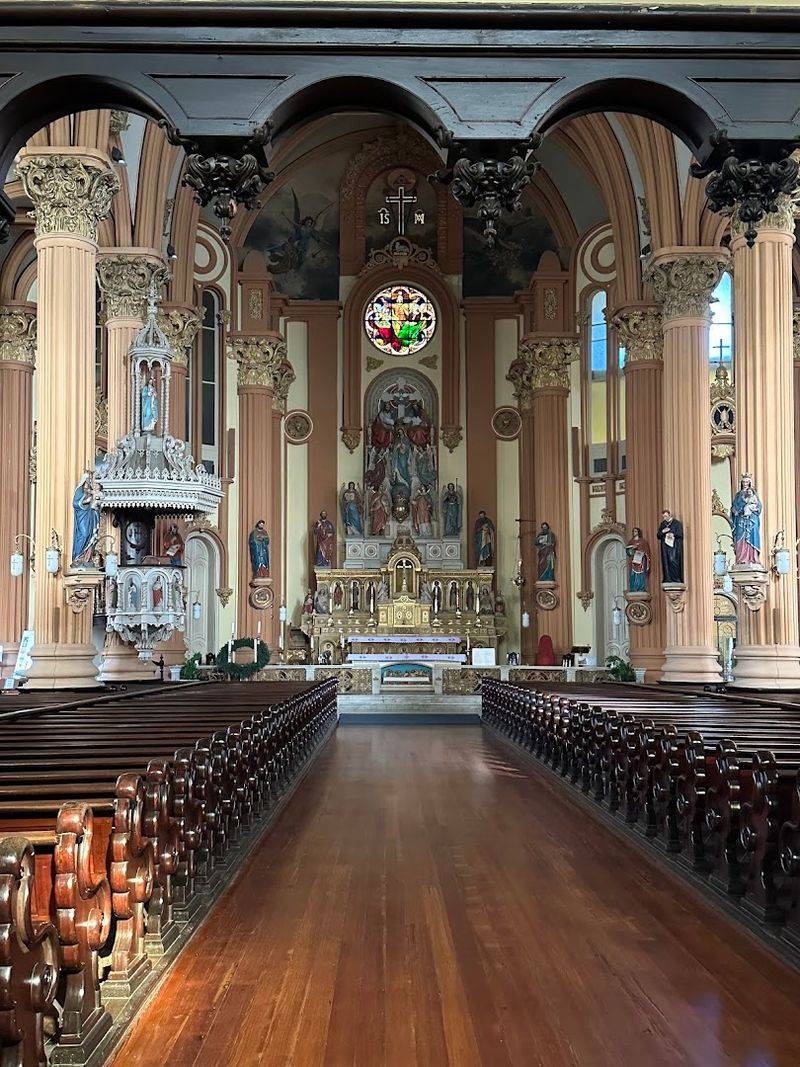
If you plan a visit, aim for weekday mornings or late afternoons to avoid overlap with larger services; the site is active but manageable and accessibility is straightforward with ramped entrances and accessible restrooms.
The gift shop is modest but thoughtfully curated, offering affordable keepsakes and information about Father Seelos and parish history.
Respectful dress and quiet conduct are appreciated, and photography is generally allowed but keep flash and tripod use minimal to preserve artifacts. Allow at least an hour to absorb architecture, the shrine, and small exhibits without rushing, and consider donating to ongoing restoration projects if you value preservation.
Seasonal Charms
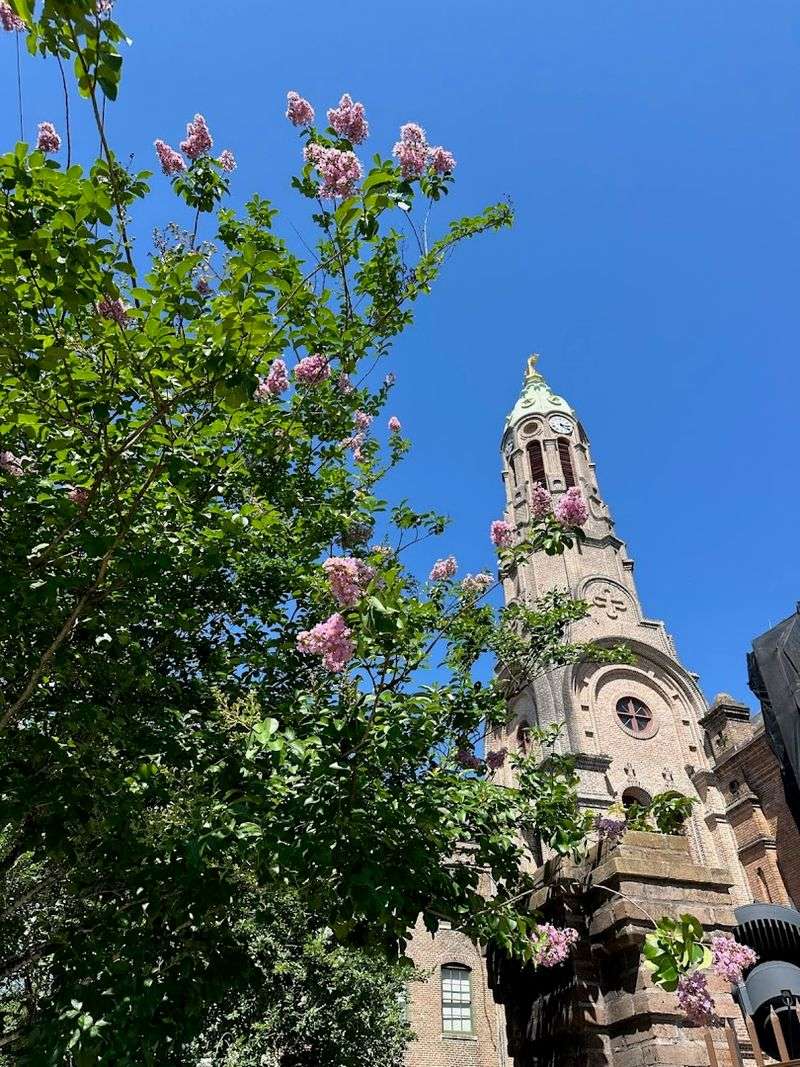
Seasonality shapes how the site feels, spring brings manicured gardens into vivid bloom and invites outdoor pauses between indoor chapel visits, while quieter winter light favors slow interior study of pigments and carved forms.
Certain liturgical seasons increase foot traffic for services or special events, but even then the church retains an intimate atmosphere that resists tourist hustle.
Timing a visit for a weekday outside peak tourist months yields the best balance between local worship life and contemplative exploration. Seasonal programming at the shrine can add layers of meaning, so check the schedule ahead and plan around special masses if you seek solitude.
Community and Culture
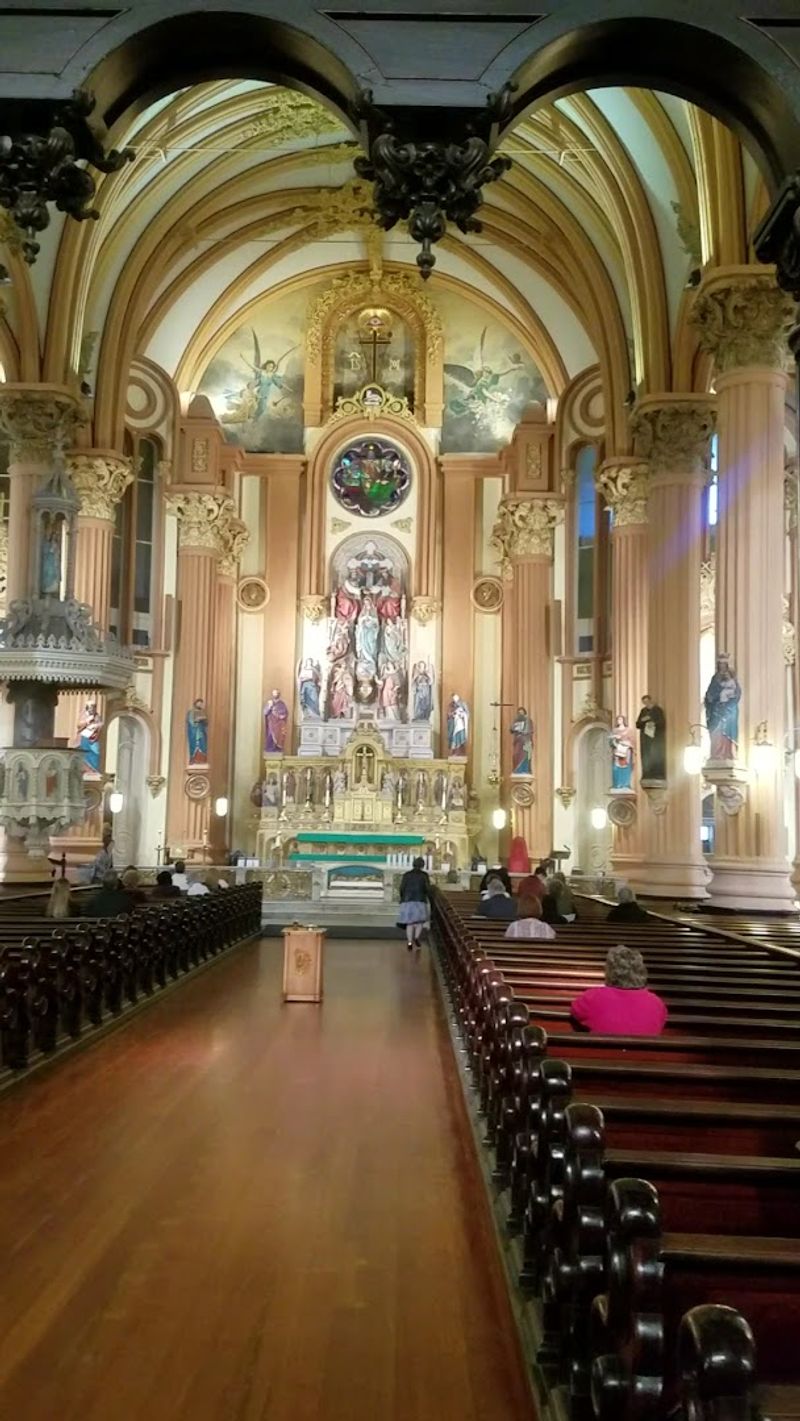
The parish community remains a living presence here, and the church functions as a neighborhood anchor rather than a static museum piece.
Local culture and immigrant roots are visible in bilingual services and community outreach, and the congregation’s stewardship has been crucial to conservation efforts and ongoing programming.
Visitors who converse with staff or volunteers will find warm, grounded perspectives about the building’s role in neighborhood life and the layered identities it represents. The church is both a spiritual site and a cultural artifact, and its ongoing use is part of what keeps its art and architecture meaningful and cared for.
Preservation And Future
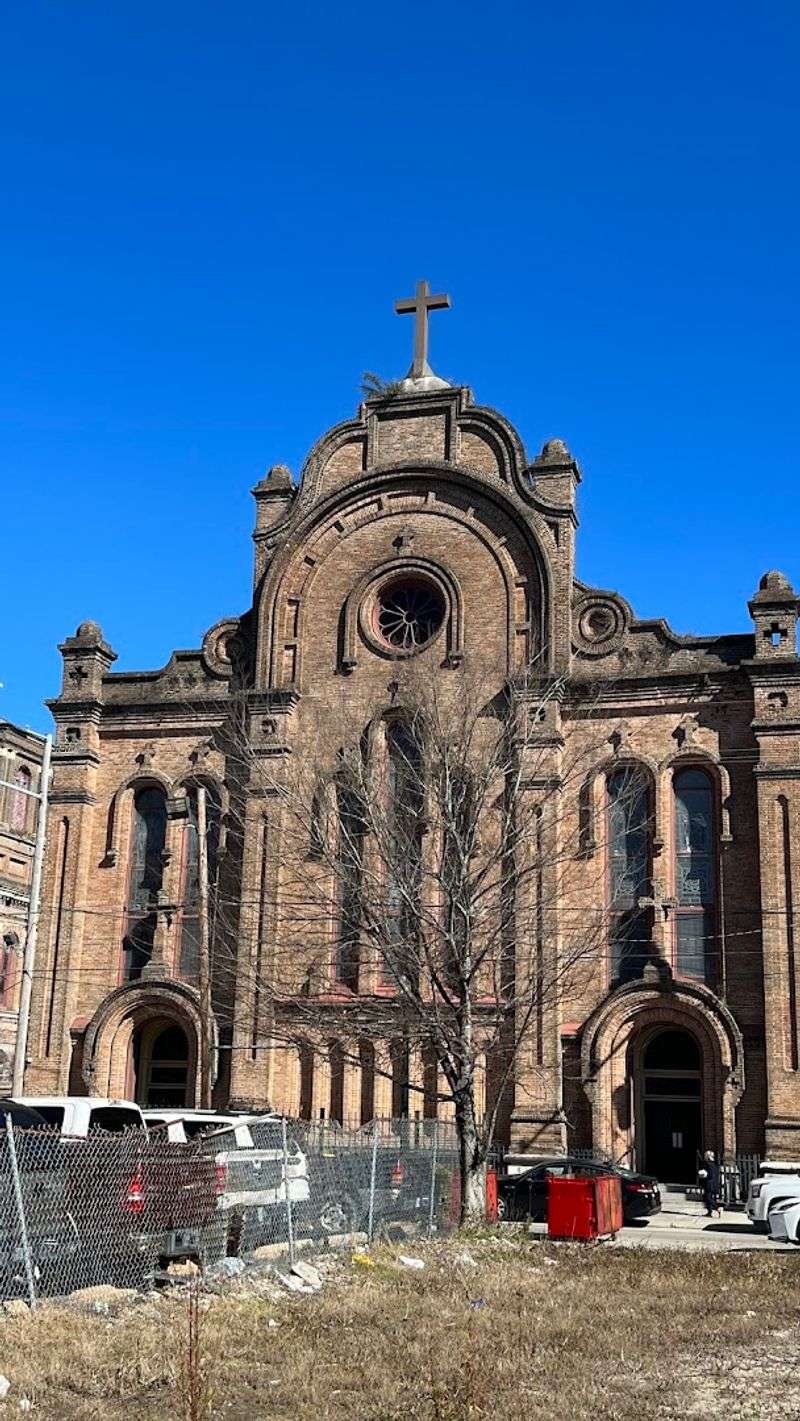
Preservation is an everyday conversation here, evidenced by fundraising appeals, periodic restoration projects, and volunteer-driven maintenance efforts that protect woodwork, stained glass, and painted surfaces.
The church’s National Historic Landmark status brings recognition but not unlimited funds, so community support remains essential to long-term care and emergency interventions.
Historic buildings like this need constant attention, because humidity, storms, age, and heavy visitor traffic can quietly create expensive problems over time.
When you visit, consider modest financial support or spreading awareness about conservation needs; small donations collectively enable expertise, materials, and climate control improvements.
The future of Seelos Shrine depends on public interest and informed stewardship, so mindful visitors become part of an ongoing preservation story. Even pausing to understand what maintenance requires can make the visit feel more respectful and connected.