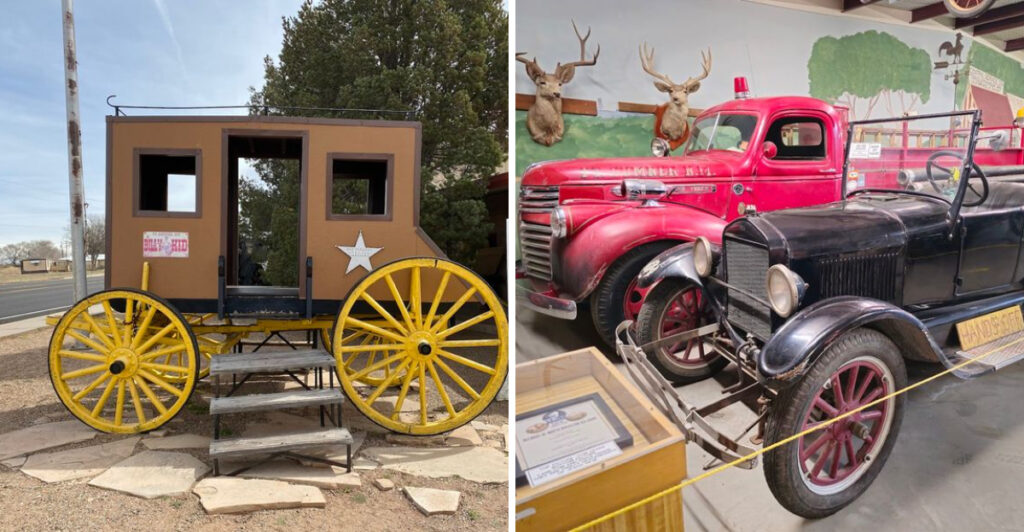
At first, it might look like a quick roadside stop. Then you step inside, see the spurs and rifles, and the whole visit changes.
This family-run museum in New Mexico has been telling the story of Billy the Kid since 1953, but there is much more going on here than one famous name. That is what keeps people wandering from case to case.
With around 60,000 relics under one roof, the museum feels packed with moments that make visitors pause. You find traces of lawmen and ranch life.
You also run into the kind of everyday objects that make the Old West feel close instead of distant. It is easy to see why people leave with more than they expected.
Here are the details that show what makes this stop so hard to forget, especially for curious travelers today. The stop has a way of turning quick visits into stories.
A Walk Through Old West Relics
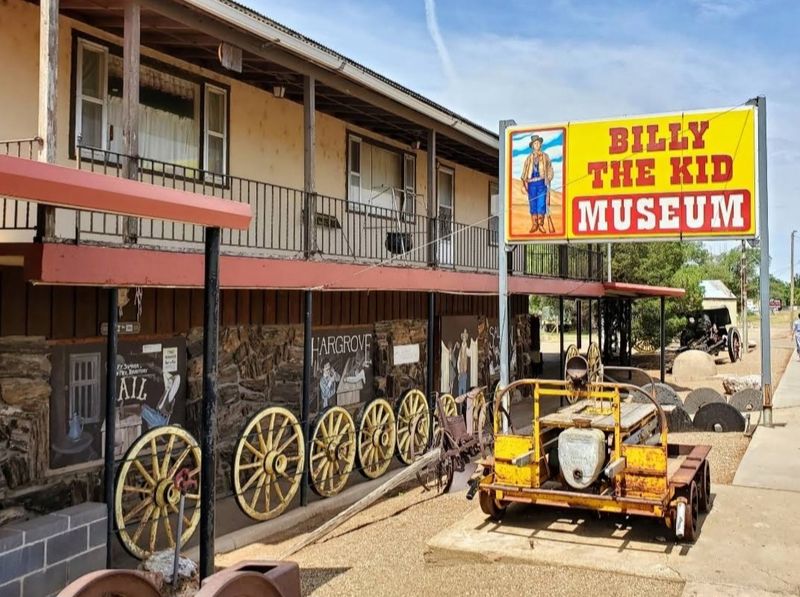
A walk through a place that holds roughly 60,000 relics is not something you forget quickly. The sheer density of history here stops most visitors in their tracks within the first few minutes.
Founded in January 1953 by the museum’s original family caretakers, this museum was built on a genuine passion for preserving the frontier past rather than just displaying it behind glass.
Every corner seems to offer something new, from firearms and cavalry swords to personal items that once belonged to real people who shaped the American West.
The collection spans decades of history, making it feel less like a single exhibit and more like a layered conversation between the present and the 1800s.
Visitors consistently say the place looks small from the outside, only to find themselves spending well over an hour reading labels, studying artifacts, and realizing they have barely scratched the surface.
That pleasant surprise is exactly what you will find at the Billy The Kid Museum at 1435 East Sumner Avenue, Fort Sumner, NM 88119, sitting about two miles east of downtown along Highway 60/84.
History-Packed Rooms Filled With Frontier Character
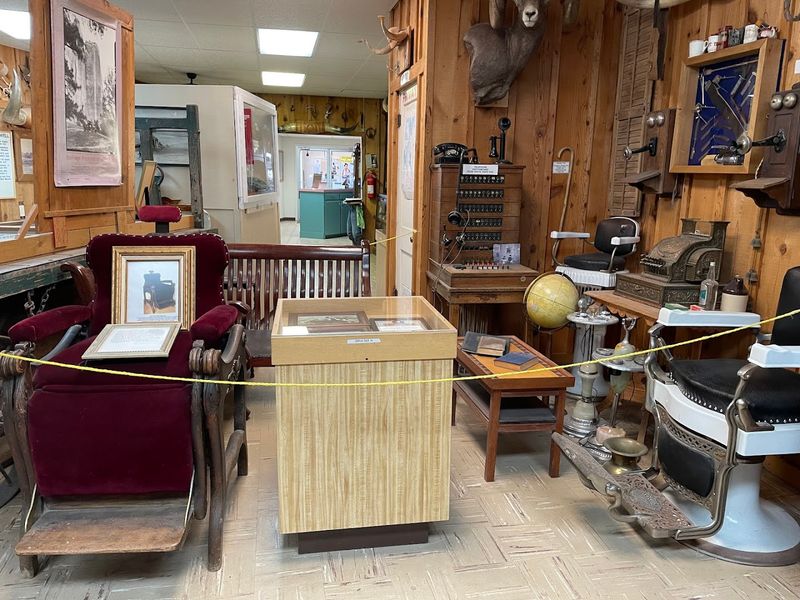
A room lined with newspaper clippings can pull you in fast. Old photographs and handwritten accounts from the 1800s sit under the same roof, preserved here for decades.
The museum does not try to be flashy or overly polished, and that honesty is part of what makes it feel so genuine to the era it represents.
Rooms dedicated to the life and times of Billy the Kid include the original Wanted poster, locks of his hair, and detailed timelines that help visitors understand the full context of his short but eventful life.
Beyond the headline name, the exhibits touch on Fort Sumner’s military history, the Lincoln County War, and the wider cast of characters who populated that turbulent period in New Mexico.
Visitors who take their time reading every placard tend to leave with a much richer understanding of the region than they arrived with, which is exactly the kind of payoff a road trip stop should deliver.
The frontier atmosphere here is less curated showroom and more honest archive, the kind of place where history feels lived-in rather than staged.
Vintage Cars And Weathered Displays
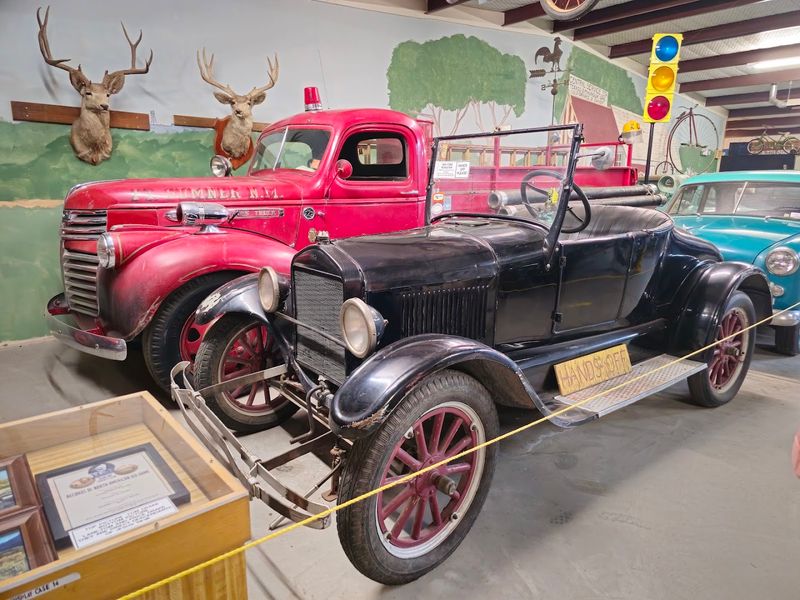
Not everyone expects to find a lineup of antique cars inside a museum named after a 19th-century outlaw. That unexpected twist is one of the reasons the stop feels so memorable.
The vehicle collection adds a completely different dimension to the experience, stretching the timeline of the museum’s story well beyond the Billy the Kid era and into the early 20th century.
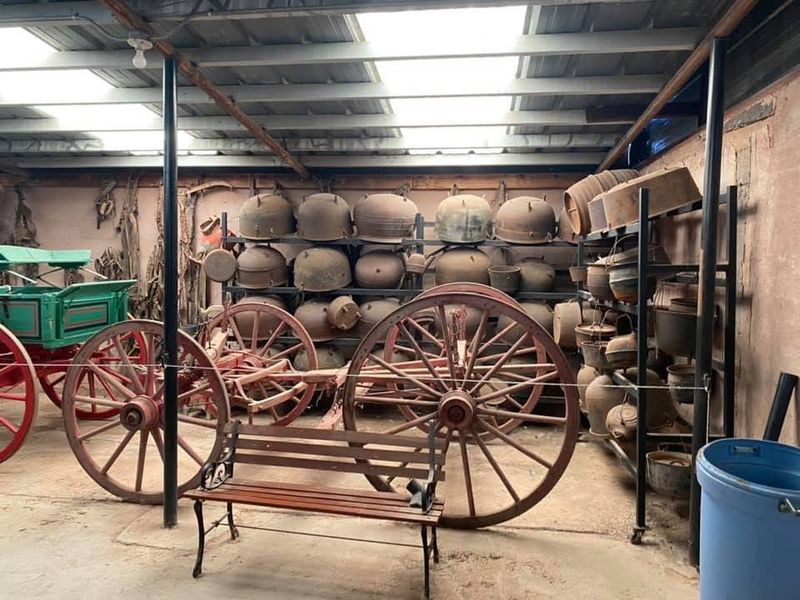
Weathered displays surround the cars on all sides, mixing frontier tools, old signage, and period objects in a way that feels more like an organized attic than a sterile exhibit hall, which somehow makes it more charming.
The contrast between a horse-drawn era and the early automobile age sitting side by side tells a story about how quickly life changed in rural New Mexico over just a few generations.
Stand next to one of those old vehicles with a cavalry sword display just a few feet away, and the place starts to feel like a stroll through decades of American history.
Few roadside museums manage to cover that much ground so naturally, and this one pulls it off without making the collection feel scattered or unfocused.
Artifacts That Feel Frozen In Time
Few objects carry the weight of a real wanted poster, especially one tied to the very person the museum is named after. Up close behind glass, it becomes a surprisingly affecting moment.
Billy the Kid’s personal collection here includes his rifle, his chaps, and the spurs he reportedly wore to dances, which adds a strangely human detail to a figure who is so often reduced to legend.
Two curtains from Pete Maxwell’s bedroom, where Sheriff Pat Garrett ended the Kid’s story in Fort Sumner, are also on display alongside the actual door he backed through that night.
Those objects carry an undeniable weight that photographs simply cannot replicate, and standing a few feet from them brings the historical record into sharp, almost uncomfortable focus.
The museum also holds a military cavalry sword connected to cattle rancher John Chisum, tying the Kid’s story to the wider Lincoln County conflict in a way that classroom history rarely does.
Each artifact feels like a frozen moment rather than a prop, and that sense of preserved reality is what separates this collection from a simple novelty stop on a long drive through New Mexico.
A Roadside Stop With Wild West Character
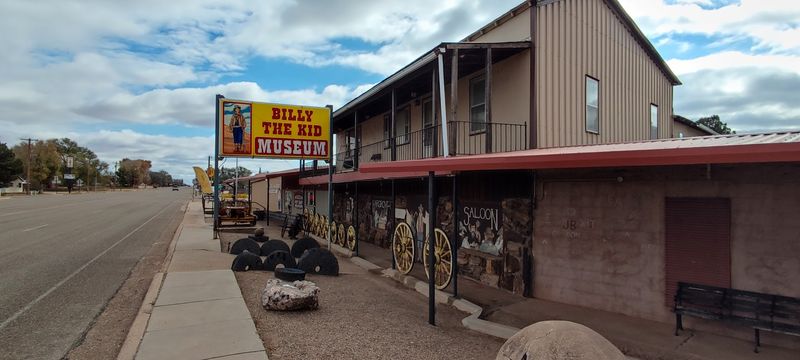
Once you pull off Highway 60/84 into the gravel lot, the stop feels like a classic road trip surprise. It can easily become the highlight of a drive through the region.
The building does not dominate the landscape or announce itself with fanfare, which makes the experience of stepping inside and finding thousands of relics all the more rewarding.
Since opening in 1953, the museum has drawn visitors from all fifty U.S. states and more than fifty foreign countries, a remarkable reach for a family-operated roadside stop in a small New Mexico town.
That global draw speaks to something universal about the Billy the Kid story, a young man caught up in land disputes, loyalty, and a rapidly changing frontier, that resonates far beyond the borders of New Mexico.
Current listed admission is $8 for adults, $7 for seniors, $5 for children ages 7 to 15, and free for children 6 and under, keeping it one of the better value stops along any cross-state route through the region.
Wild West character is something that can be manufactured or performed, but at this particular stretch of Sumner Avenue, it feels earned through seven decades of honest collecting and family stewardship.
Antique Wagons And Historic Keepsakes
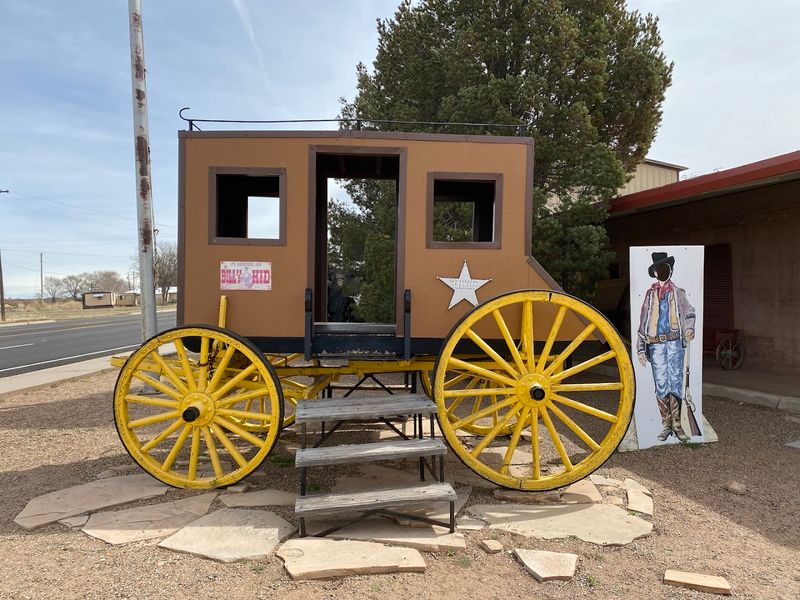
Somewhere between the firearms wall and the Billy the Kid room, most visitors come across the wagons, buggies, and horse-drawn hearse. The reaction is almost always the same wide-eyed pause.
These vehicles were not decorative in their day, they were the primary means of moving people, goods, and, in the case of the hearse, the departed across the open terrain of the New Mexico plains.
Up close, their weathered wood and iron fittings give a visceral sense of how physically demanding frontier life actually was compared to the romanticized version most people carry in their heads.
All around the wagons are dozens of smaller keepsakes, personal objects, tools, and household items connected to frontier-era families and local Fort Sumner history during the 1800s.
The museum’s current family operators continue the preservation work that began in 1953, maintaining and adding to a collection that now numbers an estimated 60,000 individual pieces.
Every wagon wheel and rusted hinge here represents a decision to preserve something that might otherwise have ended up forgotten in a barn or lost to time entirely.
Quiet Corners Of Outlaw-Era Memory
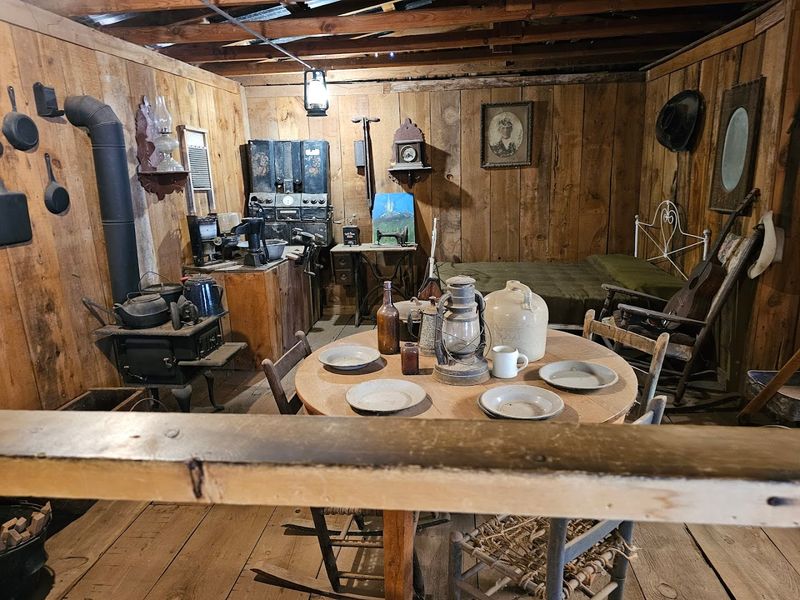
Not every powerful museum moment happens in the main hall under bright lights. This place understands that, with quiet side rooms that reward curious visitors who wander off the main path.
Framed photographs, handwritten accounts, and personal letters tucked into corners of the collection create a sense of private discovery that feels different from the more prominent displays near the entrance.
Gravesite-related displays and readable inscriptions inside the museum can add helpful context before or after visiting the outdoor Billy the Kid memorial nearby, where conditions may vary.
The museum also holds memorabilia connected to other figures of the outlaw era, including Pancho Villa, broadening the scope of what visitors can learn about the characters who defined that turbulent stretch of Southwestern history.
More than 150 firearms are part of the overall collection, displayed in a way that traces the evolution of weapons technology alongside the human stories attached to them.
Those quieter corners, filled with objects that might not make the headline list but carry their own weight, are often what visitors remember most clearly after spending a long afternoon here.
Inside A Museum Packed With Western Lore
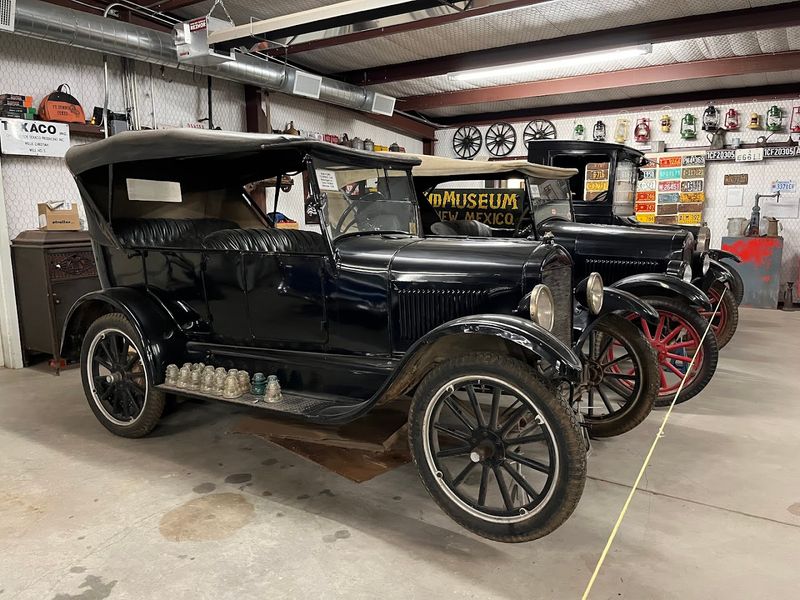
A real visit inside this place can make it clear that you probably will not see everything in a single trip. That is not a complaint but a genuine compliment to how much has been gathered here over seven decades.
The museum holds over 150 firearms, wagons, antique automobiles, a horse-drawn hearse, military memorabilia from the original Fort Sumner garrison, and a dedicated room of Billy the Kid artifacts, all under one roof.
Compared with more commercial Old West attractions, this collection feels more personal and less theme-park-like, which is a direct result of it being family-run rather than commercially managed.
A large gift shop rounds out the visit, stocked with reasonably priced souvenirs that range from books and prints to novelty items, giving families and solo travelers alike something to take home from the experience.
The museum is open Monday through Saturday from 8:30 AM to 5 PM, with no tours after 4:30 PM, making it an easy add-on to any weekday drive through eastern New Mexico, and the phone number for inquiries is +1 575-355-2380.
Every room here carries the weight of genuine Western lore, and leaving without feeling a little more connected to the history of this land takes real effort on the visitor’s part.