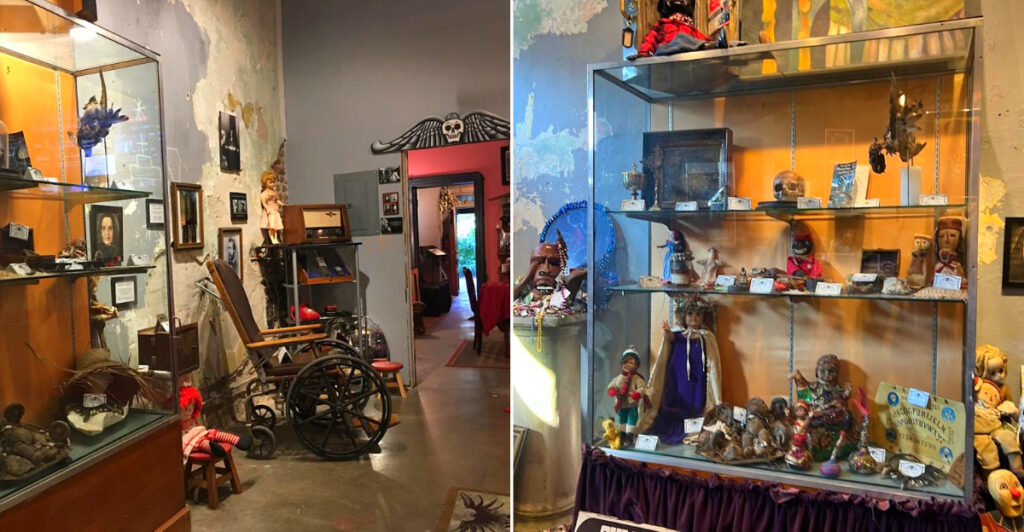
Rampart Street has a way of making the ordinary feel slightly too confident, and this compact Creole complex leans right into that mood.
Behind its modest street presence, the place opens into a layered world of old walls, hidden courtyard spaces, artifacts, spiritual objects, and stories that seem very aware you are listening. What makes the visit interesting is the balance between atmosphere and intention.
It is not just a spooky stop dressed up for easy thrills. The rooms feel personal, the storytelling has texture, and the mix of Voodoo craft, local history, haunted objects, and paranormal curiosity gives the whole experience a strange but grounded pull.
Creole history, Voodoo traditions, haunted artifacts, and intimate storytelling make this Rampart Street stop one of Louisiana’s most unusual cultural experiences.
Arrive curious, respectful, and ready to ask questions. The best moments are often small: a detail in a room, a courtyard pause, or a story that follows you out.
First steps: Arrival And entrance
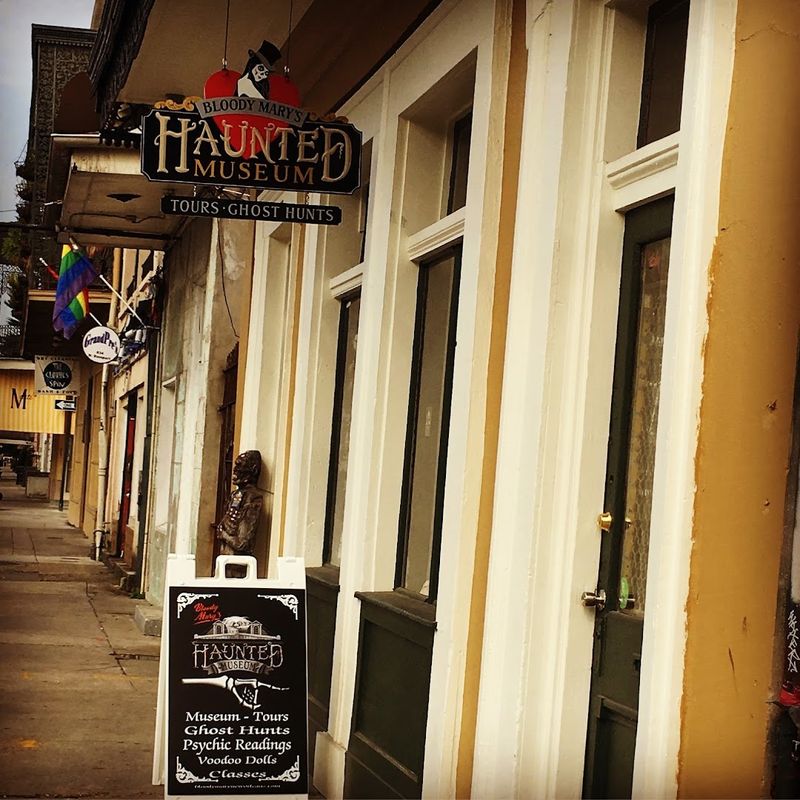
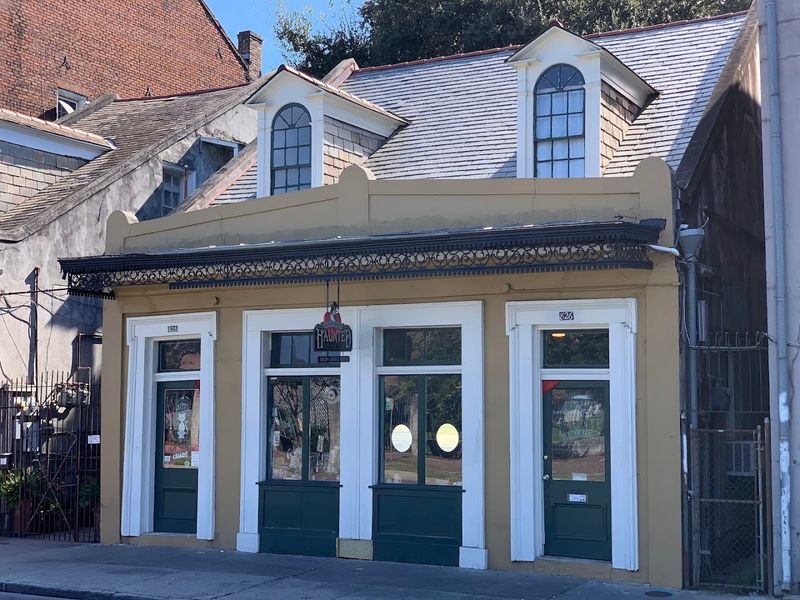
The doorway on Rampart reads like an invitation to slow down and pay attention. The building sits in the French Quarter fringe and the two addresses, 826 and 828, mark a complex that folds inward into a creole courtyard and several little outbuildings.
Take a moment before you step in to note the weathered bricks and the small, handwritten signs that promise oddities and rituals rather than souvenirs.
When I arrived midafternoon the shop was open with a relaxed staff presence and a palpable stillness that felt respectful, not theatrical. If you are peeky about entrances, know that you enter through the shop and not a separate museum door.
Plan to arrive during published hours and check the website or call if you want to join after-hours events requiring reservations, since daytime drop-ins are easiest for a quick museum visit.
Let North Rampart Set The Haunted Mood
Bloody Mary’s Tours, Haunted Museum and Voodoo Shop, 826 & 828 N. Rampart St, New Orleans, Louisiana 70116, puts you right on the edge of the French Quarter’s older, stranger atmosphere.
Head toward North Rampart Street and give yourself a little extra time to arrive, especially if the Quarter is busy. This is the kind of stop where the surrounding streets help set the mood before the tour even begins.
Once you get close, slow down and watch the addresses carefully. Park nearby if needed, arrive with curiosity, and let the mix of haunted history, folk tradition, and museum oddities pull the visit into darker territory.
History: Building And lineage
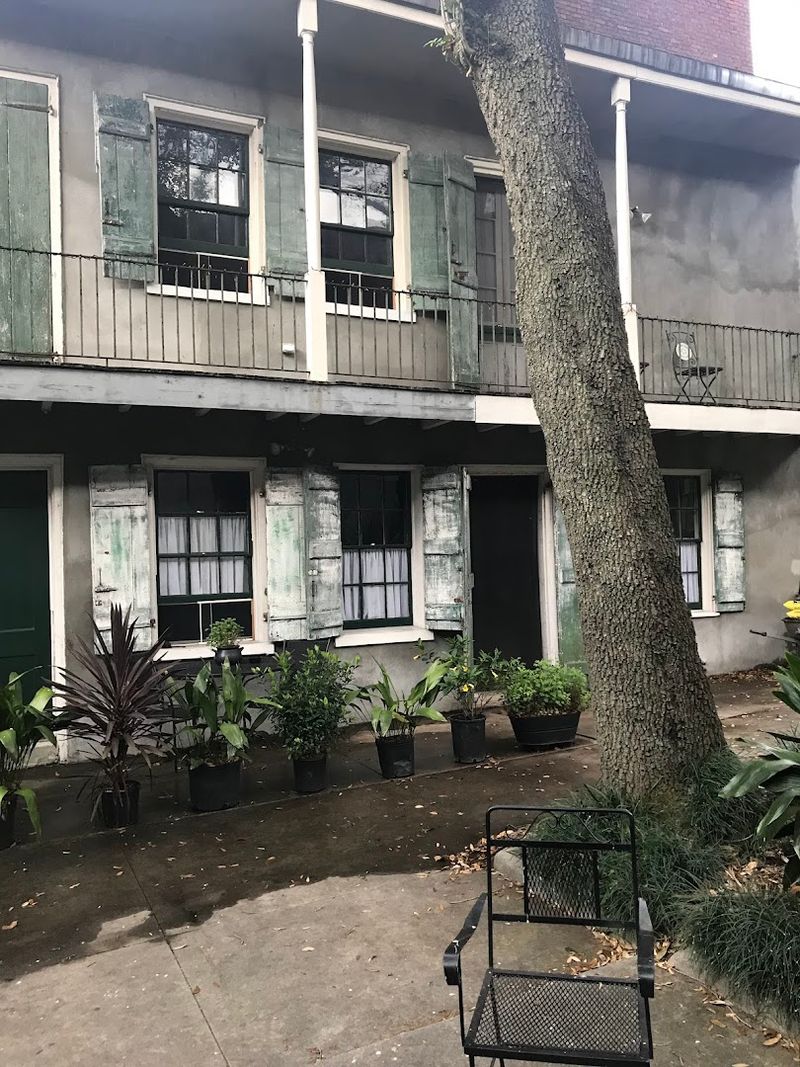
The museum occupies a 200-year-old complex that preserves layers of New Orleans history and creole architecture, including a tucked-away courtyard typical of older French Quarter-era properties. Mary Millan traces her family in the city back three centuries and identifies as an 11th or 12th-generation Creole; that lineage is woven into the museum narrative and its sense of place.
Restoration work has kept original features visible while adapting spaces for exhibits and workshops.
The complex includes four haunted outbuildings, each with stories attached and names like Zack and Addy woven into local memory. Bloody Mary frames those spirits as part of the site’s living history, a sanctuary where stories and the restless dead coexist.
If you enjoy architectural context, ask about specific original features and which rooms once served household functions, the guide can point out original tile, beams, and the crawl spaces that often draw curious visitors.
Museum Contents: What To Expect Inside
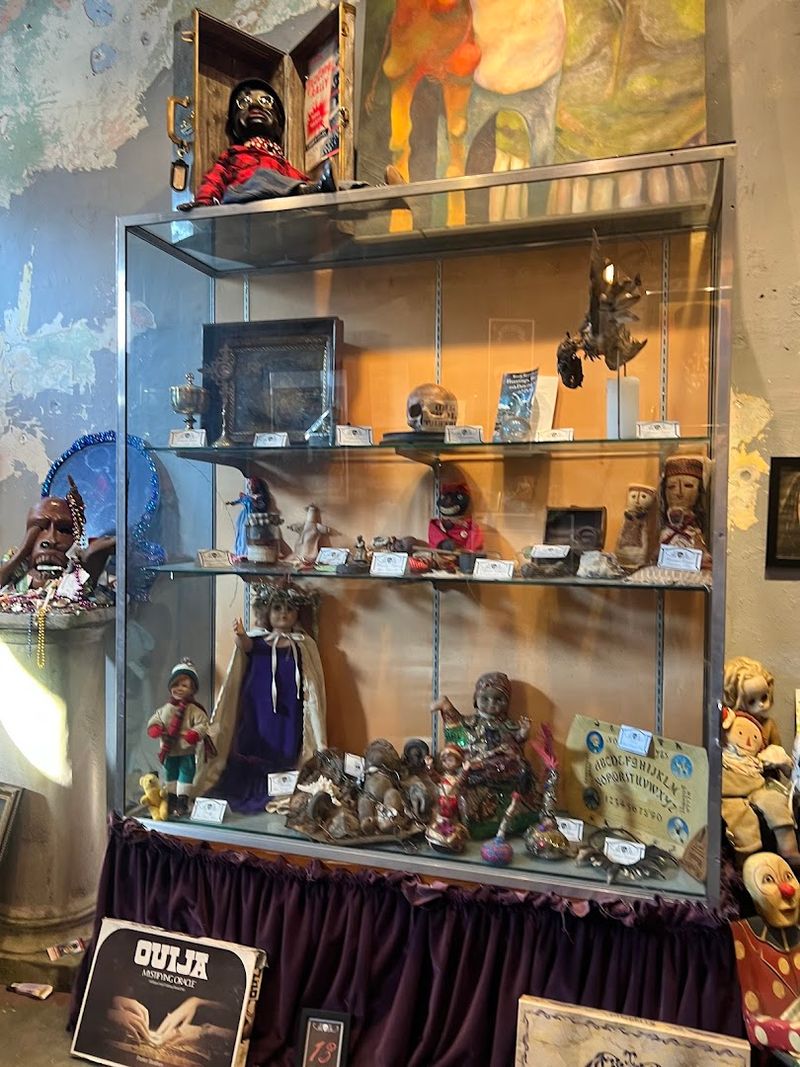
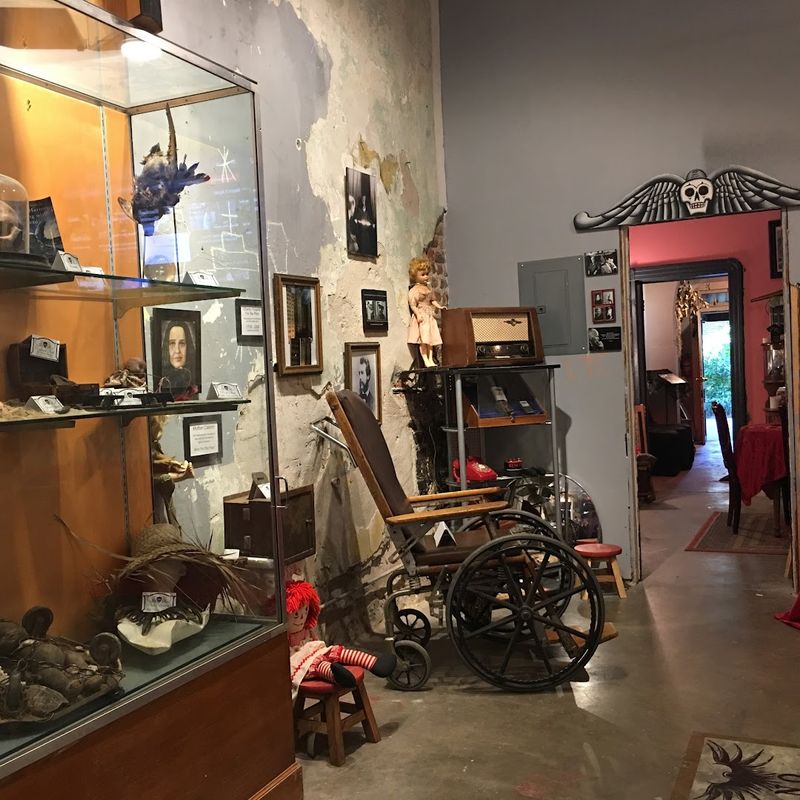
The Haunted Museum houses paranormal displays, a haunted doll nursery, occult artifacts, and a ghost photo gallery that drives the narrative forward while offering tangible context. Many items are described with provenance and Mary’s own encounters, so you can link artifacts to stories instead of only seeing curiosities behind glass.
The voodoo spirit shop adjacent to the museum sells handmade gris-gris, spirit tools, and ritual pieces designed by Bloody Mary herself.
Interactive elements include workshops, Voodoo doll making, and psychic readings available by appointment or during scheduled events. Visitors often linger at the cabinets and altars, reading labels and comparing notes.
Staff and Mary herself are available to answer questions about materials and ritual function, which makes the museum feel more like a working practice than a static display.
If you plan to photograph, be mindful of sensitivity and any posted restrictions near altars and human-related memorial displays.
Strange stories: Spirits And Named Ghosts
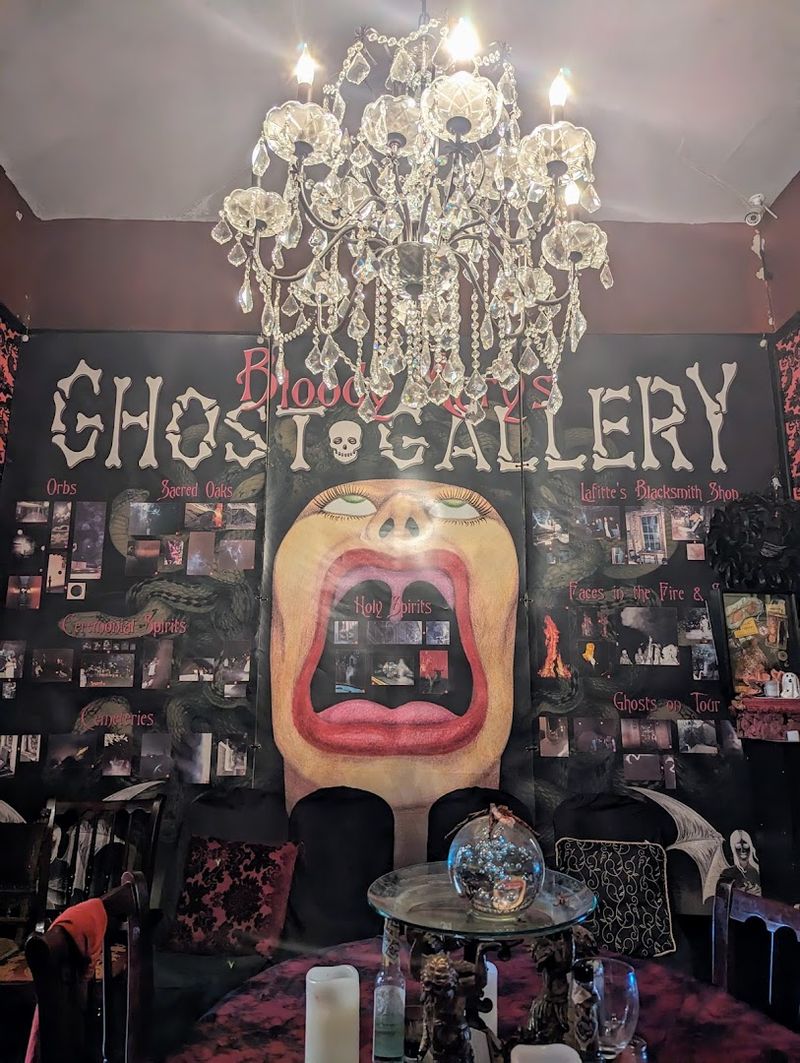
The museum presents a roster of spirits associated with the house, and Bloody Mary speaks openly about at least twenty presences on the property, including spirits she calls Zack and Addy. These figures are part of local lore and the museum frames them as historical traces, not sensationalized caricatures.
Mary considers the building a sanctuary for spirits and treats their presence as a teaching tool to connect visitors with the layered past of New Orleans. That approach makes the experience feel less like a scare attraction and more like a guided encounter with memory, grief, folklore, and place.
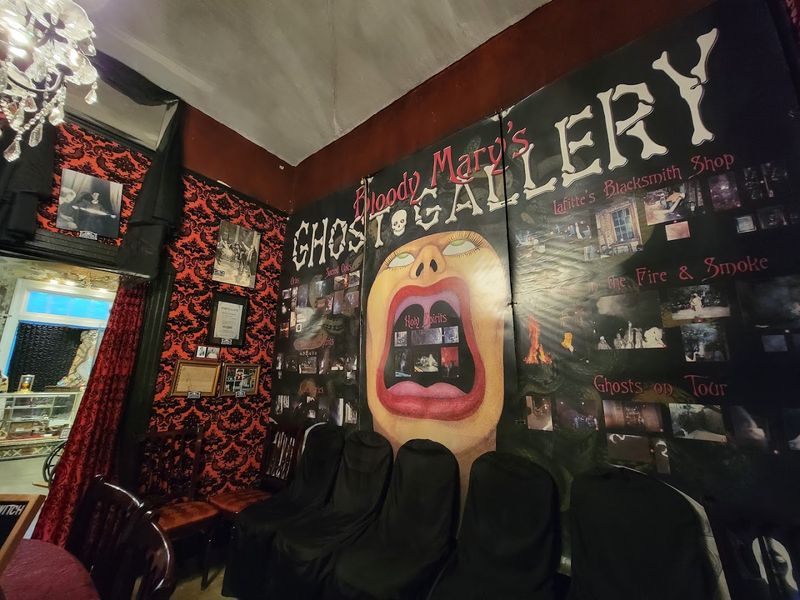
Stories like the Octoroon Mistress and others are introduced with context and Mary’s own experiences as a medium and historian. Visitors report sensations, strange sounds, sudden temperature shifts, or odd photos; the museum maintains a photo gallery of curious images collected over time.
Witness accounts are shared as personal testimony rather than hard proof, which preserves the balance between belief and respectful inquiry.
Approach these stories openly but critically, and ask for Mary’s perspective, she connects genealogy, city history, and spirit lore in ways that clarify the narratives rather than simply dramatize them.
Tours And Events: What Runs Here
Bloody Mary’s operates daytime museum visits and a roster of reservation-only after-hours events including ghost hunts, séances, progressive cemetery tours, and workshops on Voodoo craft. Daytime museum hours are posted and generally allow walk-ins, but special events are intentionally small and booked in advance to maintain quality.
The owner leads many of the extended experiences, and her background as a mambo, author, and certified medium shapes the programming in ways that feel personal rather than packaged.
Participants in ghost hunts use basic investigative tools, including spirit boxes, EMF meters, and dowsing rods, and events are conducted with respect and instruction rather than theatrical shock tactics. Séances and mediumship sessions aim for careful communication, and Mary emphasizes teaching attendees ethical approaches to working with spirits.
That educational tone helps separate the experience from a simple haunted-house thrill.
Reserve ahead if you want an after-dark immersive session, especially during busy travel periods or around major New Orleans weekends. Daytime self-guided visits are simpler and suit those short on time, while evening events offer a deeper, more participatory look at the property’s lore.
Voodoo Shop: Shopping And Spiritual Supplies
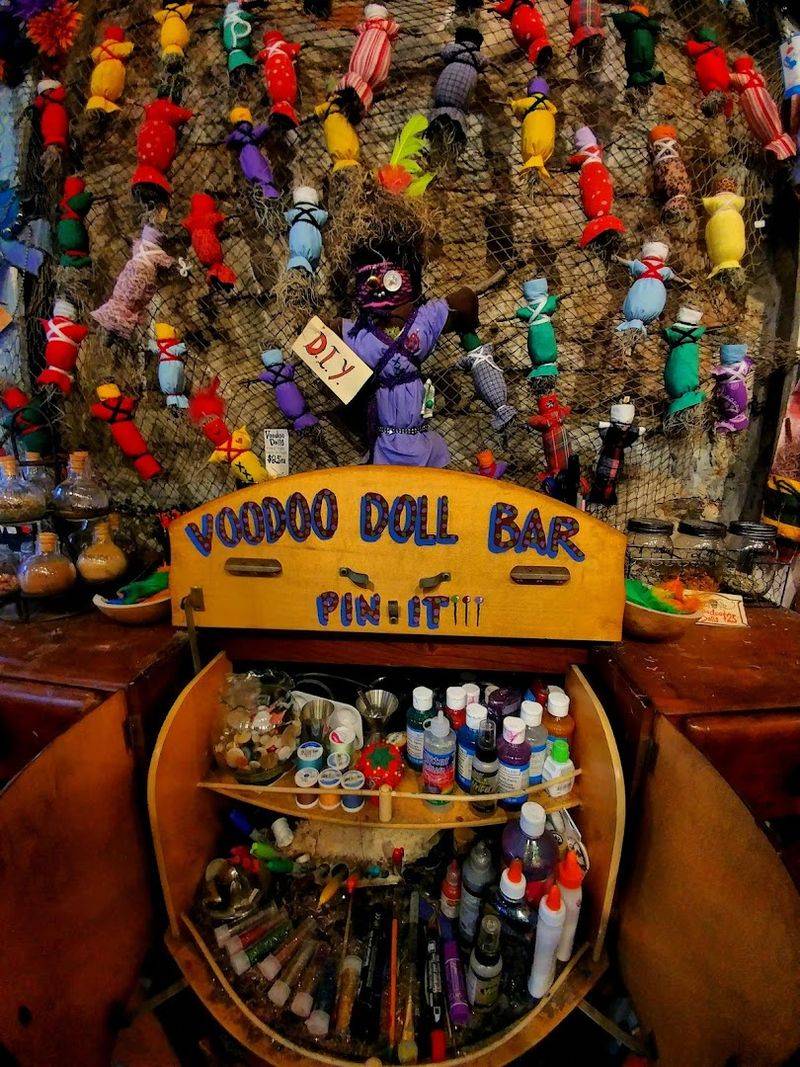
The Voodoo Spirit Shop sells items designed or curated by Bloody Mary, gris-gris, Voodoo dolls focused on healing and strength, spirit tools, bones, and mystic art. Mary describes the shop as a Voodoo pharmacy that supplies ritual implements and locally made items rather than mass-produced souvenirs.
Each item often has an explanatory note about intended use and cultural context, which helps visitors make informed purchases respectful of tradition.
Pricing can seem higher than tourist shops because many pieces are handcrafted by local practitioners. The shop also offers spiritual services, such as blessings, readings, and ritual assistance, typically by appointment.
Staff are used to explaining materials and proper care for ritual objects, and they encourage responsible, ethical use.
If you plan to buy ritual items, ask about sourcing and preparation so you leave with both an object and the knowledge to use it respectfully.
Host And Authority: Who Is Bloody Mary
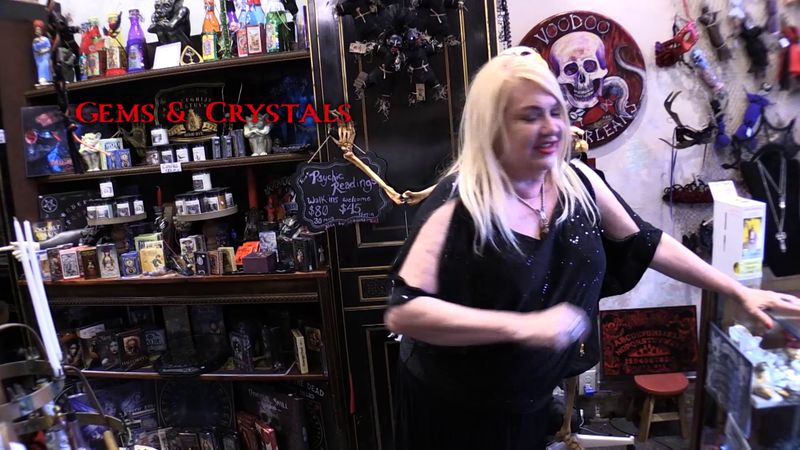
Mary Millan, known publicly as Bloody Mary, is the proprietor, storyteller, and practitioner behind the museum and tours. She is described as an 11th or 12th-generation Creole with family roots in New Orleans stretching back around 300 years, and she holds roles as a mambo, psychic medium, author, and ghost hunter.
That combination of genealogy, scholarship, and practice is woven into visitor experiences and the museum’s voice.
Mary often leads tours herself or appears during special events, and her style blends historical knowledge with mediumship and practical instruction. Visitors report feeling guided rather than sold to; she frames rituals, artifacts, and spirits with cultural context and personal experience.
Her book and media appearances give background but the in-person encounter is where her teaching and care are most evident.
Ask about genealogy, ritual intent, and the stories behind display items to make the most of Mary’s depth of knowledge during your visit.
Practical Tips: Hours, Booking, And Arrival
The museum posts regular daytime hours and the website lists midday openings with earlier closings than many French Quarter attractions; typical museum hours end midafternoon with variations on weekends. After-hours experiences, including séances and ghost hunts, require reservations and often fill quickly due to small group sizes.
If you plan to attend an evening event, book well in advance and confirm meeting details by phone or email.
There are two storefront doors and entry is through the shop; some visitors report occasional brief closures during posted hours so allow extra time or plan a flexible window of nearby activities. The phone number is available on Google Maps and the official website if you need to confirm open status before arriving.
Carry cash for small purchases and tip jars, but most card payments are accepted; wear comfortable shoes for moving between rooms and the courtyard.
Sensory Oddities: What Visitors Report
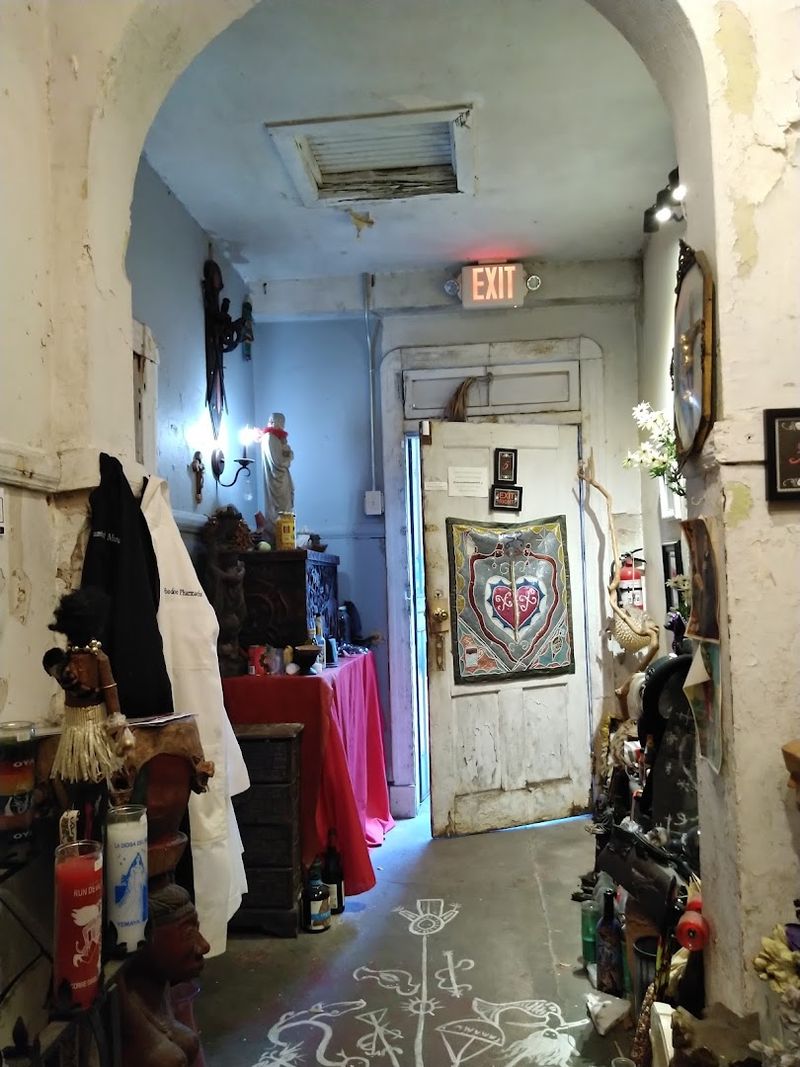
Many visitors describe subtle sensory shifts while inside: a change in temperature, a feeling of heaviness, or an odd pressure in the chest or legs when exploring upstairs spaces. Some report catching orbs or fog-like anomalies in photos taken within the museum; Mary collects and often displays such images as part of the museum’s ongoing archive.
These reports are presented alongside historical context, not as hard proof, which preserves a measured tone.
Accounts vary in intensity – some guests feel nothing unusual while others leave convinced of a presence. The museum encourages respectful observation and documentation rather than sensationalism, and staff may invite you to submit curious photos for the collection.
If you are sensitive, consider pacing your visit and sitting quietly in an altar room to notice subtle changes in the atmosphere.
Bring a charged phone for photos and consider shooting both with and without flash to compare results while respecting any exhibit rules against flash in certain displays.
Ethics And Respect: Cultural Context
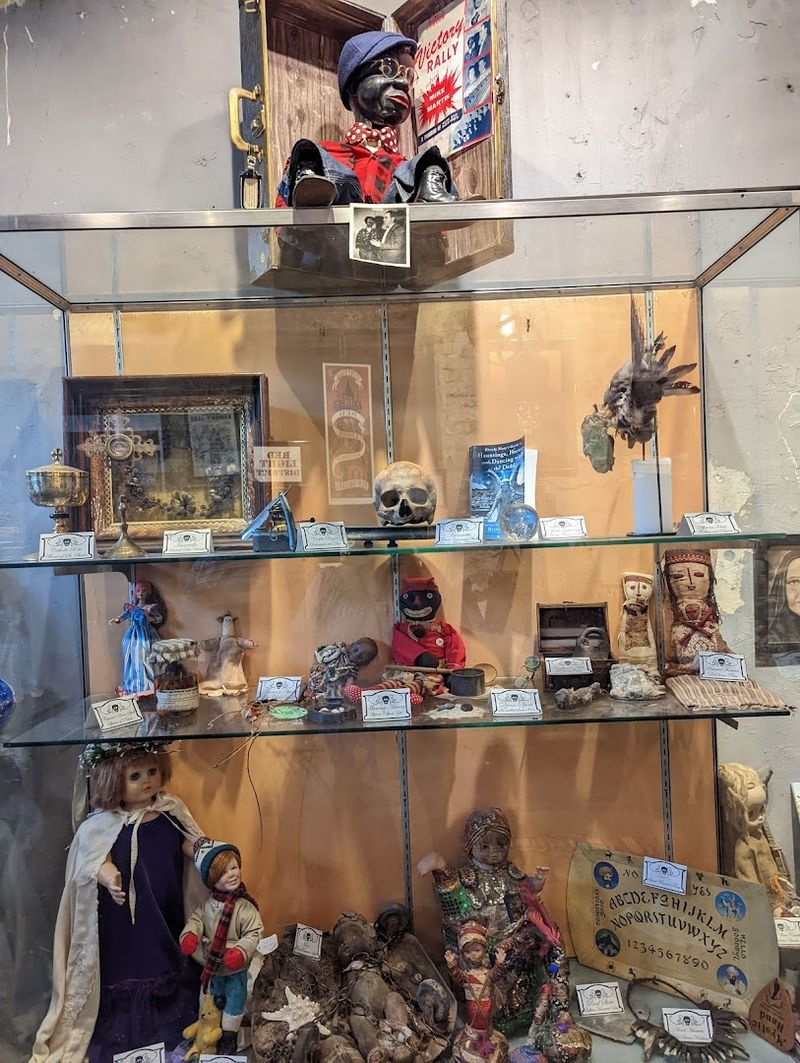
Bloody Mary’s emphasizes teaching and respectful engagement with Voodoo traditions, presenting ritual objects with explanations about intent and ethical use. The museum stresses that Voodoo dolls and gris-gris are intended for protection, healing, and empowerment rather than harm, and Mary frames practice within the cultural history of New Orleans.
Exhibits often include contextual placards and Mary and staff will explain proper handling and purpose for items sold in the shop.
As a visitor you should treat altars and memorial displays with decorum – many items relate to real people and local history. Questions about sourcing and cultural lineage are welcome; the museum positions itself as both practitioner-driven and historically informed.
This thoughtful framing helps prevent the exoticization of rituals and connects objects to broader community practices rather than tourist spectacle.
If in doubt, ask before touching and follow posted guidance about photography and offerings to honor the museum’s ethical stance.
Memorable Moments: Workshops And Hands-On Sessions
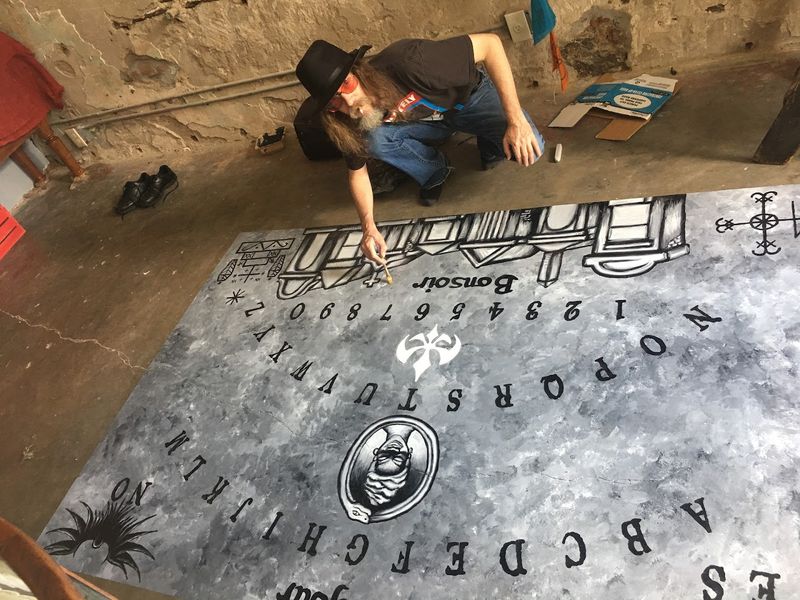
Hands-on workshops such as Voodoo doll making and private séances are where the museum’s educational focus becomes tactile and memorable. Sessions are small, taught by experienced practitioners, and combine instruction with safety and ethical framing so participants leave with both an object and a deeper understanding.
These workshops often explain the symbolism of materials and proper intentions, emphasizing healing and personal empowerment rather than sensational uses.
Attendees often describe these experiences as intimate and instructive, and many appreciate the chance to learn ritual technique from a local practitioner with deep roots. Reserve workshops in advance since group sizes are kept limited to preserve quality of instruction.
If you want a personalized experience, ask about private events or tailored sessions that can include blessings or focused teachings.
Bring an open mind and a willingness to take notes; the best souvenirs from these sessions are the skills and context you can apply later, responsibly and respectfully.