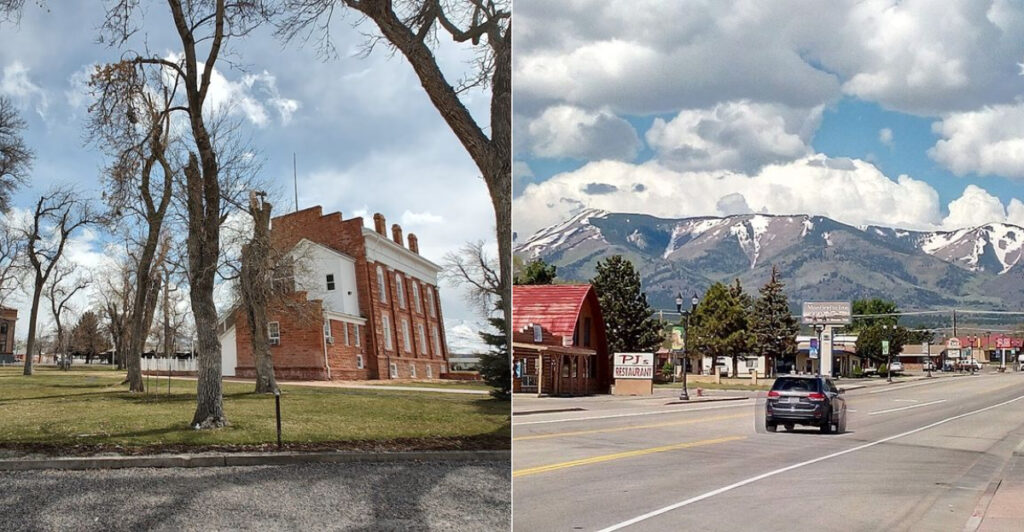
Retirement should not feel like a monthly math test with scenery in the background. Utah may be known for red rock drama, snowy peaks, and postcard-worthy highways, but its quieter towns tell a different story about what life can actually cost.
Beyond the expensive resort corridors and fast-growing city suburbs, there are communities where the pace slows down, neighbors still recognize each other, and a fixed income can stretch much further than expected. These are not places built around flash or bragging rights.
They offer practical comfort, local character, modest housing, and access to wide-open beauty without requiring a luxury budget. For retirees who care more about breathing room than buzz, Utah’s smaller communities can feel like a smart second act.
The appeal is simple: spend less on the basics, keep more for daily enjoyment, and choose a town where affordability still comes with personality, peace, and purpose.
1. Price, Carbon County
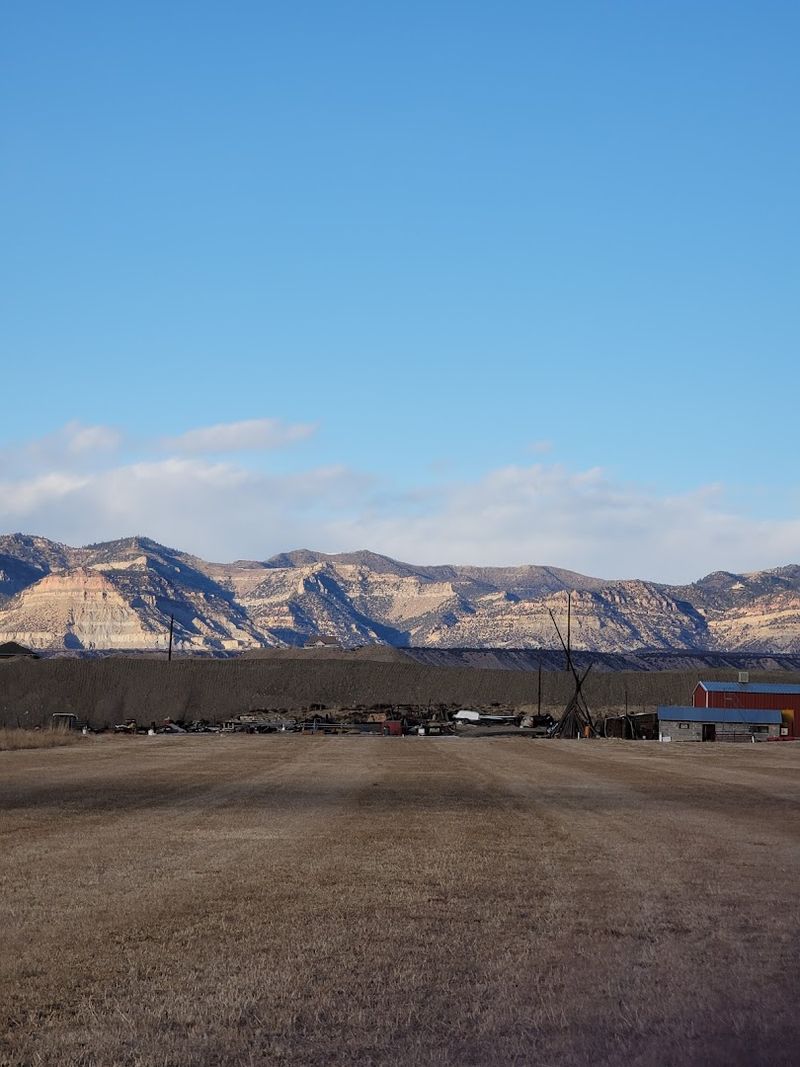
Not every retirement town needs to be postcard-pretty to earn its place on a smart-money list. Price, nestled in Carbon County in eastern Utah, is the kind of place that rewards practical thinkers over trend-chasers.
With a median home value hovering around $218,272 according to Livability, it punches well above its weight when it comes to what your dollar actually buys.
Price has more going for it than bare-bones affordability. There is a real downtown with shops and restaurants, medical access that many comparably priced rural towns simply cannot match, and the College of Eastern Utah adding a touch of cultural energy.
For a retiree who wants options without the Wasatch Front price shock, that combination is genuinely hard to find.
The surrounding Carbon County landscape is rugged and wide-open, offering trails, fossil sites, and the kind of quiet that city-weary retirees dream about. Winters are cold but manageable, and the community has a working-town character that feels honest and unpretentious.
Price is not trying to impress anyone, and that straightforwardness is exactly what makes it a reliable retirement budget choice in Utah.
2. Helper, Carbon County
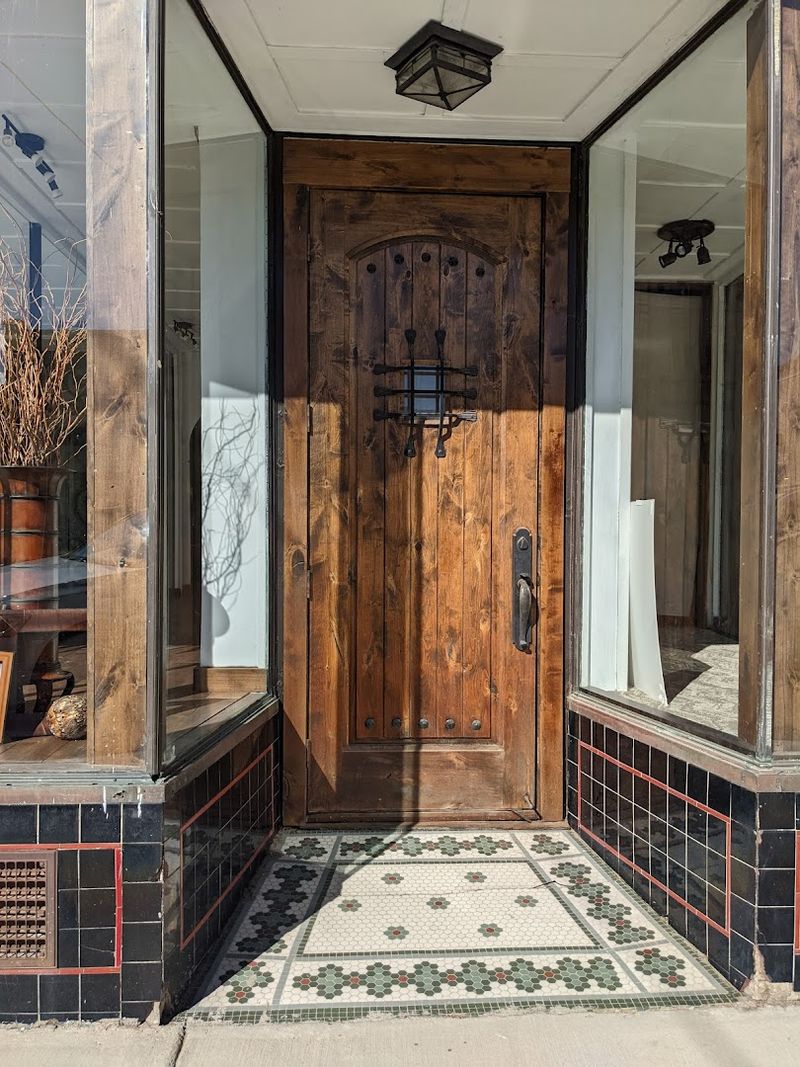
Helper might be the most unexpectedly charming town on this entire list. Sitting in a narrow canyon in Carbon County, this former coal-mining community has quietly reinvented itself as an artsy, walkable little town where affordability and personality coexist without apology.
AreaVibes confirms that Helper’s cost of living sits below both the Utah and national averages, with housing costs especially lower than typical.
Murals climb the brick walls of the historic downtown, local galleries open their doors on weekends, and the Western Mining and Railroad Museum gives visitors and residents alike a grounded sense of where this town came from. For retirees who want culture and character without Park City prices, Helper is a genuinely rare find.
The canyon setting keeps things visually interesting through every season, and the tight-knit community means neighbors actually know each other. Helper is small enough that life moves at a human pace, but it carries enough creative energy to keep curious retirees engaged.
If your retirement vision involves morning walks past public art and evenings that are actually quiet, Helper in Carbon County delivers that combination at a cost that will not drain your Social Security check.
3. Richfield, Sevier County
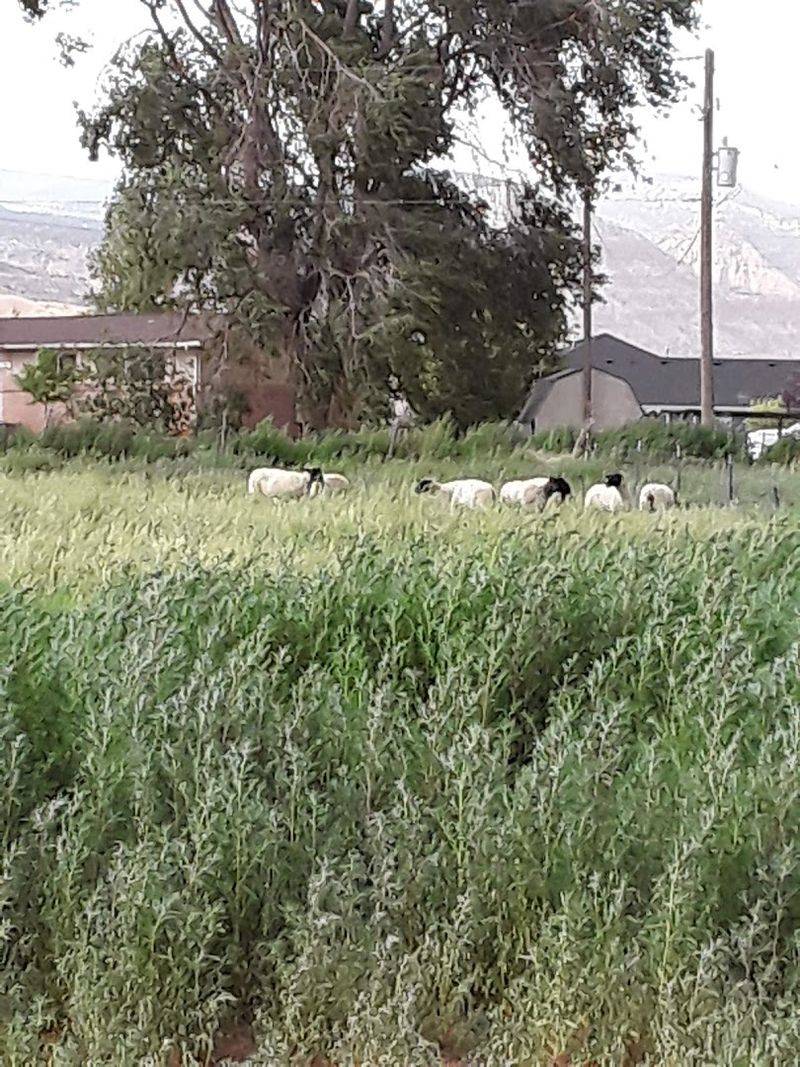
Richfield earns its spot on this list through sheer practicality. Located in Sevier County with direct access to Interstate 70, this central Utah town combines small-town scale with the kind of services that make daily retirement life genuinely functional.
HomeSnacks places the median home value at roughly $322,896, which is notably manageable compared with Utah’s faster-growing markets, and median rent lands around $850 per month.
Groceries, medical care, and basic retail are all accessible without a long drive, which matters more than most people admit when planning long-term retirement logistics. Richfield also sits within reasonable distance of Fishlake National Forest and Capitol Reef National Park, meaning outdoor recreation is never far when the mood strikes.
The town itself has a clean, no-nonsense character that suits retirees who prefer reliability over novelty. Summers are warm and pleasant, and the surrounding valley landscape has a quiet, almost cinematic quality that grows on you over time.
Richfield is not the flashiest pick, but it is arguably the most well-rounded option for retirees who want affordability, access, and a sense of stability all wrapped into one small-town package in central Utah.
4. Vernal, Uintah County
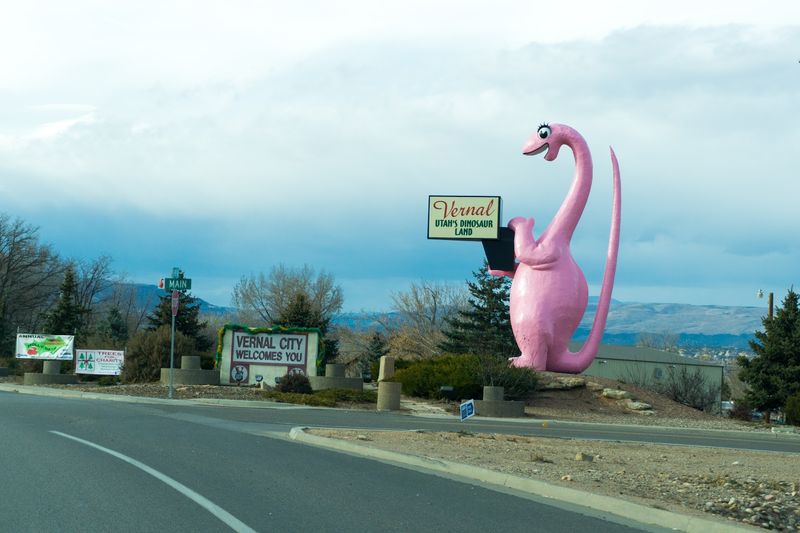
Vernal wears its personality on its sleeve, and that personality happens to involve a lot of dinosaurs. Located in the Uintah Basin in northeastern Utah, this town is surrounded by some of the most fossil-rich terrain on earth, making it a genuinely interesting place to settle if your retirement includes staying curious.
Livability lists the median home value around $266,327, while AreaVibes notes that rent prices sit well below typical national rates.
Beyond the prehistoric charm, Vernal offers a more complete service infrastructure than many eastern Utah communities. There are grocery stores, healthcare facilities, and enough local businesses to keep daily life from feeling like a constant road trip.
Dinosaur National Monument is practically in the backyard, offering world-class scenery and hiking without world-class entry fees.
Retirees who value outdoor access alongside affordability will find Vernal surprisingly competitive. The Green River runs nearby, fishing and rafting opportunities abound, and the surrounding landscape shifts dramatically with the seasons in ways that never quite get old.
For a lower-cost eastern Utah base that does not ask you to sacrifice scenery or convenience, Vernal makes a compelling case that stretching a Social Security check does not have to mean stretching your patience too.
5. Roosevelt, Duchesne County
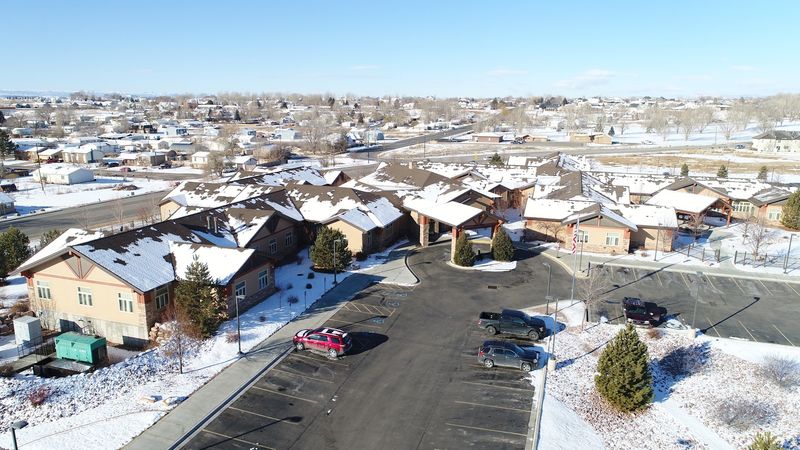
Roosevelt does not try to seduce you with scenery or charm you with trendy boutiques. What it offers instead is something arguably more valuable for budget-conscious retirees: predictability, practicality, and a pace of life that genuinely slows down.
Sitting in the Uintah Basin in Duchesne County, Roosevelt has grocery stores, nearby medical access, and the kind of community fabric where things feel stable rather than frantic.
Housing costs here are among the more approachable in the state, which is precisely why it fits the “stretch the check” framing better than Utah’s resort towns or rapidly expanding suburbs. There are no bidding wars on starter homes, no sudden rent spikes driven by tech-worker demand, and no sense that the town is outgrowing its own affordability.
Outdoor recreation is built into the surrounding landscape without requiring an expedition. The Uintah Mountains sit to the north, Starvation Reservoir is nearby for fishing and boating, and the basin’s wide-open feel gives daily life a kind of breathing room that smaller, more crowded places simply cannot replicate.
Roosevelt is not fancy, and it will not pretend to be. That honesty, paired with genuine affordability, is exactly what makes it worth considering for a retirement budget built around Social Security.
6. Delta, Millard County
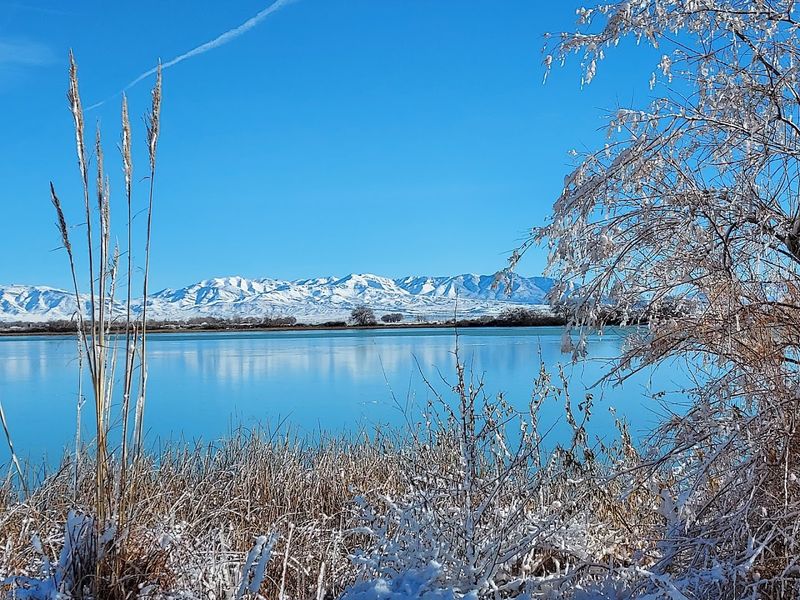
Some retirement towns sell you on mountain views or vibrant downtowns. Delta sells you on something rarer in today’s market: genuine quiet.
Located in central-western Millard County, Delta sits on a flat, wide-open stretch of Utah that most people drive through without stopping. The retirees who do stop, however, tend to appreciate what they find.
Housing costs are low, crowds are essentially nonexistent, and the pace of daily life has a deliberate, unhurried quality that feels almost countercultural compared with Utah’s faster-growing areas. Basic services are accessible, and the town has enough community infrastructure to handle day-to-day retirement needs without constant long-distance errands.
Delta also gives this list something valuable geographically: a central-western Utah option that is not clustered around Salt Lake City. The Great Basin landscape surrounding the town has its own stark, expansive beauty, and the nearby Topaz Mountain area draws rockhounds and geology enthusiasts from across the region.
For retirees who have spent decades surrounded by noise and density, Delta offers a reset that money in a busier zip code simply cannot buy. If your retirement dream involves wide skies, low bills, and a neighborhood where you actually know your neighbors, Delta deserves a spot on your shortlist.
7. Fillmore, Millard County
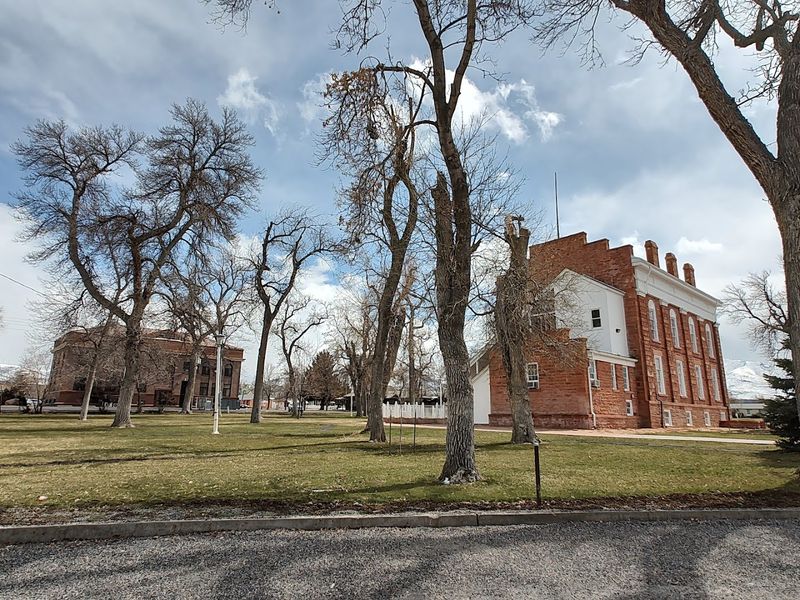
Fillmore carries a piece of Utah history that most people do not know about. It served as the state’s first territorial capital back in the 1850s, and the original statehouse still stands as a museum, giving the town a quiet sense of significance that goes beyond its modest size.
For retirees who appreciate living somewhere with actual roots, that history adds texture to everyday life.
Situated along Interstate 15 in Millard County, Fillmore has the kind of location that makes practical sense for retirement. You are not isolated, but you are also not swallowed by suburban sprawl.
Basic services are within reach, the commute to larger towns is manageable, and the cost of living reflects a true small-town reality rather than a resort-inflated one.
The surrounding landscape shifts beautifully between the Pavant Range to the east and the open valley floor, giving the area a visual depth that rewards residents who pay attention to their surroundings. Life in Fillmore moves at a pace that feels genuinely sustainable, not just marketed as such.
For retirees who want I-15 access, affordability, and a slower rhythm without feeling completely cut off from the rest of the world, Fillmore is a calm, considered choice.
8. Nephi, Juab County
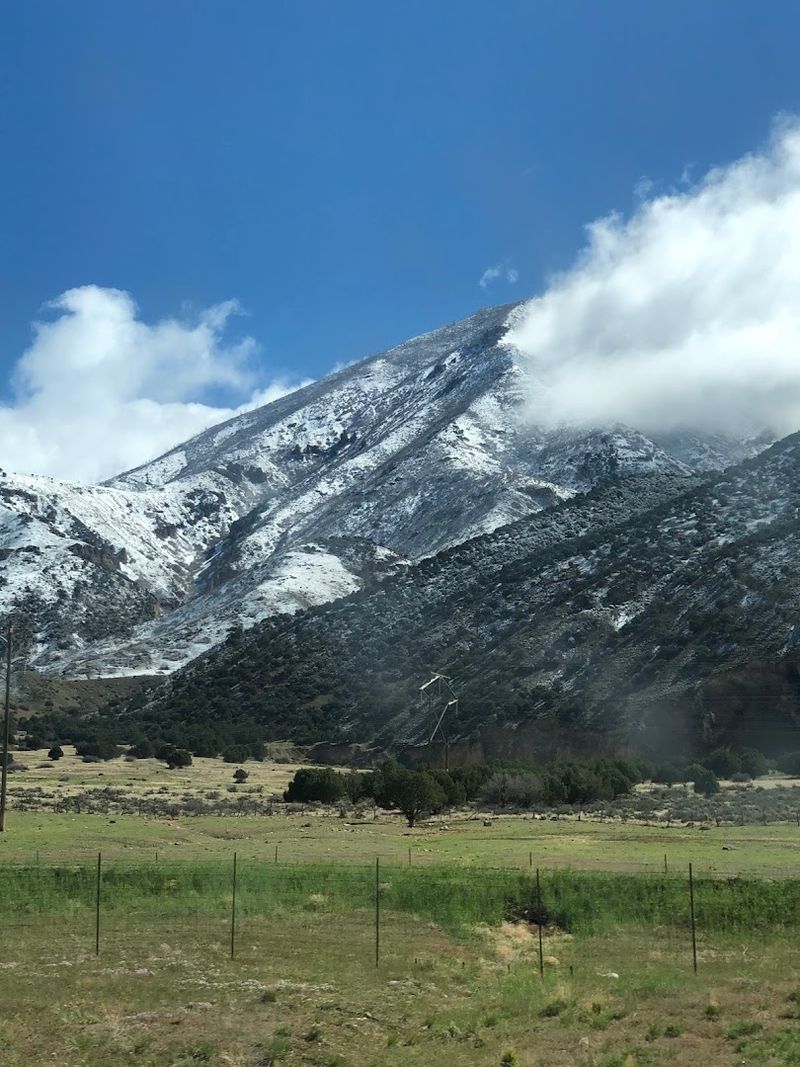
Nephi sits at a geographic sweet spot that retirement planners tend to overlook until they actually look at a map. Located along Interstate 15 in Juab County, it offers mountain views, small-town character, and proximity to larger services in Provo and Salt Lake City without carrying their price tags.
That combination of access and affordability is genuinely difficult to replicate elsewhere in the state.
Mount Nebo, the tallest peak in the Wasatch Range, looms dramatically to the northeast, and the Nebo Loop Scenic Byway gives residents access to some of Utah’s most underappreciated mountain scenery. For retirees who want outdoor beauty woven into their daily backdrop, Nephi delivers without requiring a special trip or a park fee.
The town itself has grown slightly more noticed in recent years because of its location, but it remains far more approachable than northern Utah communities that have been absorbed by suburban expansion. Local community events, a walkable downtown, and a neighborly atmosphere give Nephi the social warmth that isolated rural towns sometimes lack.
For a retirement that balances mountain scenery, highway convenience, and a cost of living that respects a fixed income, Nephi in Juab County makes a surprisingly strong case.
9. Castle Dale, Emery County
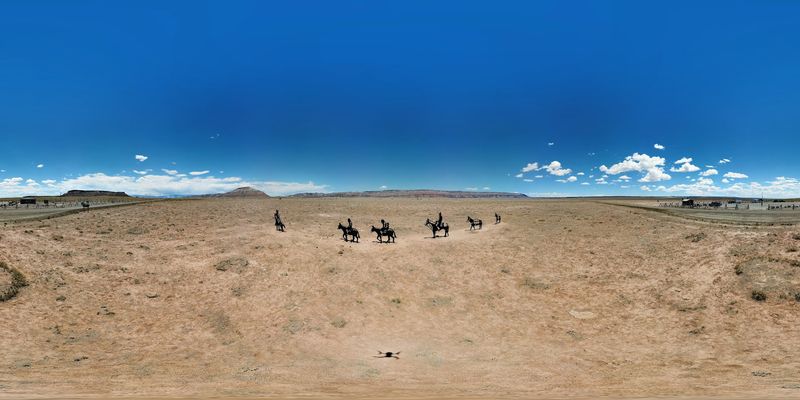
If you want data to back up an affordability claim, Castle Dale delivers. Niche’s 2026 lowest-cost-of-living rankings for Utah place Castle Dale at the very top of the list, which is a distinction that matters enormously when retirement income is fixed and non-negotiable.
Located in Emery County in central Utah, this small community sits at the edge of canyon country that most tourists drive past on their way to Moab.
That relative anonymity is actually an asset. Castle Dale has not been discovered by the lifestyle-migration crowd, which means housing prices have not been artificially inflated by outside demand.
The town is genuinely small and genuinely affordable in ways that feel sustainable rather than temporary.
The surrounding Emery County landscape is spectacular in a raw, unhurried way. San Rafael Swell country begins just to the west, offering hiking, geology, and solitude on a scale that national parks charge for but Castle Dale residents simply live next to.
For retirees who want to maximize every dollar of their Social Security check while waking up to canyon-country views, Castle Dale sits at the top of the list for a reason. It is not a compromise, it is a discovery waiting to happen.
10. Monticello, San Juan County
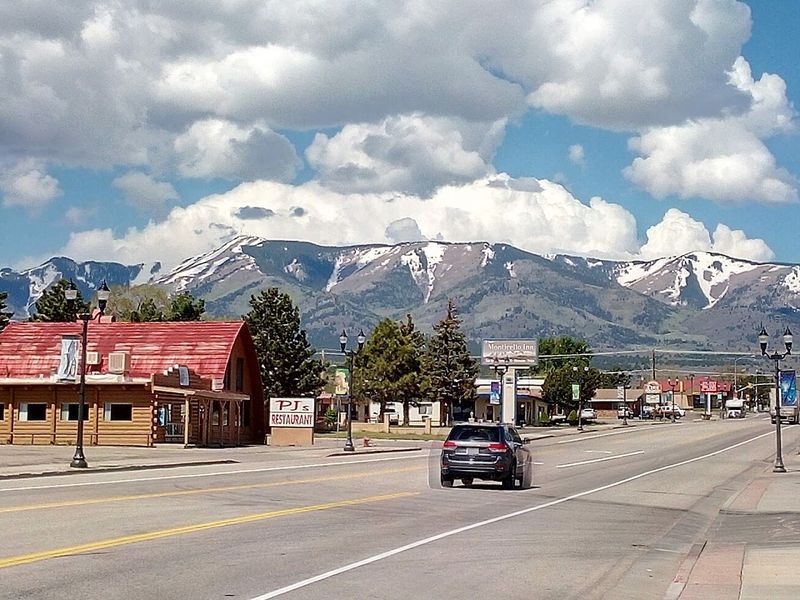
Monticello sits at nearly 7,000 feet elevation in San Juan County, which means it enjoys something rare in southeastern Utah: actual trees, cooler summer temperatures, and a mountain-town feel that stands in quiet contrast to the red-rock desert spreading out below. For retirees who love the scenery of the Four Corners region but find Moab’s prices and tourist traffic exhausting, Monticello is the calmer, more affordable alternative just 50 miles to the south.
The town is small and unhurried, with a community character that reflects its deep roots in the region. Nearby Canyonlands and Natural Bridges National Monument give residents world-class natural scenery without world-class crowds, and the Abajo Mountains provide hiking and cooler air during summer months when the lower desert bakes.
Housing costs here reflect a community that has not been overrun by outside investment, making it one of the more realistic options for retirees working within Social Security parameters. The pace of life in Monticello is genuinely slow in the best possible sense: mornings are quiet, neighbors are known by name, and the horizon always has something worth looking at.
For a southeastern Utah retirement that trades bustle for beauty, Monticello earns its place on this list with ease.