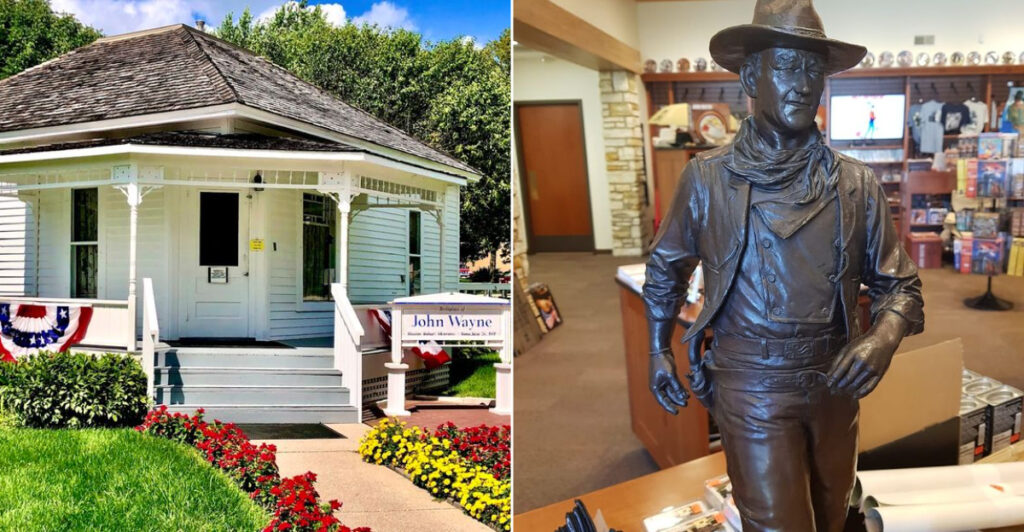
Winterset may look like a quiet Iowa town at first glance, but Old Hollywood left a pretty big footprint here. This is where one of the most recognizable movie stars of the 20th century got his start, long before the westerns, the famous drawl, and the larger-than-life screen presence.
The museum built around that story has more personality than you might expect from a small-town stop. Inside, you will find rare artifacts, film memorabilia, personal details, and enough classic movie history to make even a casual visitor start mentally adding old westerns to their watchlist.
What makes the visit work is the mix of fame and hometown charm. It is not just about the legend on the movie posters.
It is about seeing where the story began, how far it traveled, and why people still care enough to make the trip.
By the time you leave, Winterset feels less like a quick detour and more like a surprisingly satisfying stop for anyone who enjoys film history, small-town character, and a little cinematic nostalgia.
Where the Legend Began: The Museum’s Location and Setting
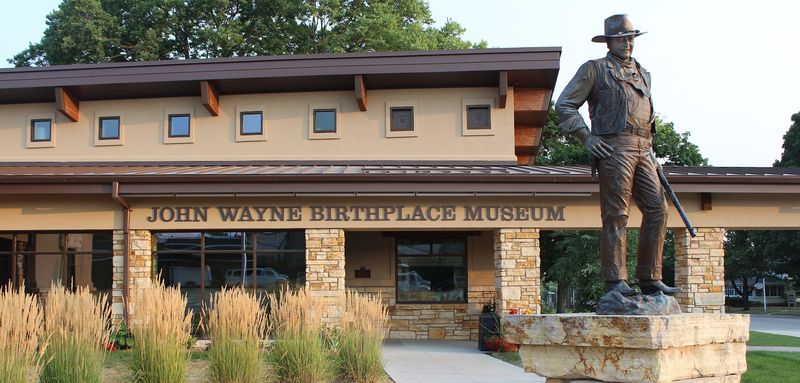
Winterset has the kind of small-town charm that already feels camera-ready, so it makes sense that one of Old Hollywood’s biggest stories has roots here.
The John Wayne Birthplace Museum fits naturally into that setting, bringing film history, hometown pride, and a little star power to the heart of Madison County.
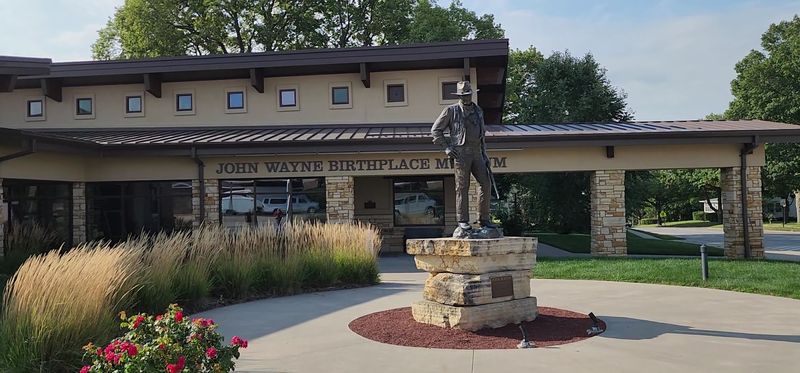
The building is clean, welcoming, and easy to enjoy from the moment you arrive. Outside, the large bronze statue of the Duke sets the tone right away, giving visitors a clear sign that this stop takes its movie legacy seriously.
The surrounding area adds even more to the visit. Downtown Winterset is close enough for a relaxed stroll, and the famous covered bridges of Madison County are nearby if you want to turn the museum stop into a fuller day trip.
The museum draws classic film fans, history lovers, and curious travelers who may not know every movie but still appreciate a good origin story.
This corner of Iowa has quietly become one of the most rewarding Old Hollywood stops in the Midwest, with enough personality to make the trip feel worthwhile even before you start browsing the exhibits.
You will find the John Wayne Birthplace Museum at 205 S John Wayne Dr, Winterset, IA 50273.
The Man Behind the Myth: Who John Wayne Really Was
Most people know the swagger, the slow drawl, and the iconic screen presence. Fewer people know that the man behind all of it was born Marion Robert Morrison on May 26, 1907, in a modest little house in Winterset.
The museum does a fantastic job of peeling back the legend to show the actual person. You learn about his childhood, his family’s moves across Iowa and eventually to California, and the path that took a lanky Midwestern kid all the way to Hollywood stardom.
His career spanned decades, starting in the silent film era of the late 1920s and stretching well into the 1970s. Along the way, he became one of the most bankable actors in Hollywood history and eventually won an Academy Award for his role in “True Grit.”
What makes the museum’s storytelling so effective is how it balances the larger-than-life image with real human detail.
By the time you finish reading through the exhibits, you feel like you actually know the man, not just the movie character he became famous for playing.
The Birthplace Home: A Tiny House With a Huge Story
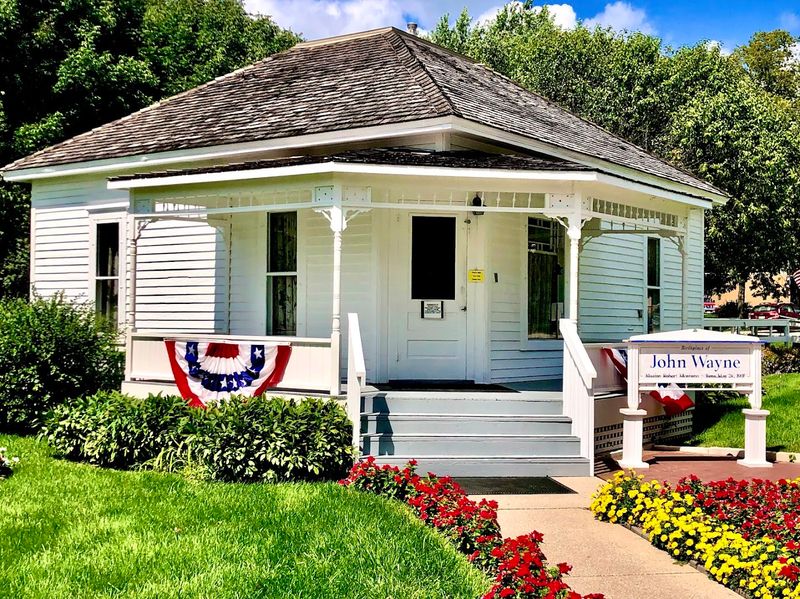
Right next to the main museum building sits a small, whitewashed clapboard home that looks like it could belong in any quiet neighborhood.
But this four-room house is where a 13-pound baby named Marion Robert Morrison entered the world, and it is one of the most quietly powerful stops on the entire property.
The home has been carefully restored to reflect what it would have looked like during the years the Morrison family lived there. Period-accurate furniture, household items, and small personal touches make it feel lived-in rather than sterile.
Museum staff members are stationed inside the home and they are genuinely knowledgeable and enthusiastic. They walk you through the history of the house, explain the restoration process, and share details about the family’s life that you would not find on any exhibit panel.
Your admission ticket covers both the main museum and the birthplace home, so you get the full picture in one visit.
The home is compact, but spending time inside it gives the whole experience a warmth and intimacy that a larger building simply could not replicate.
Artifacts That Stop You in Your Tracks
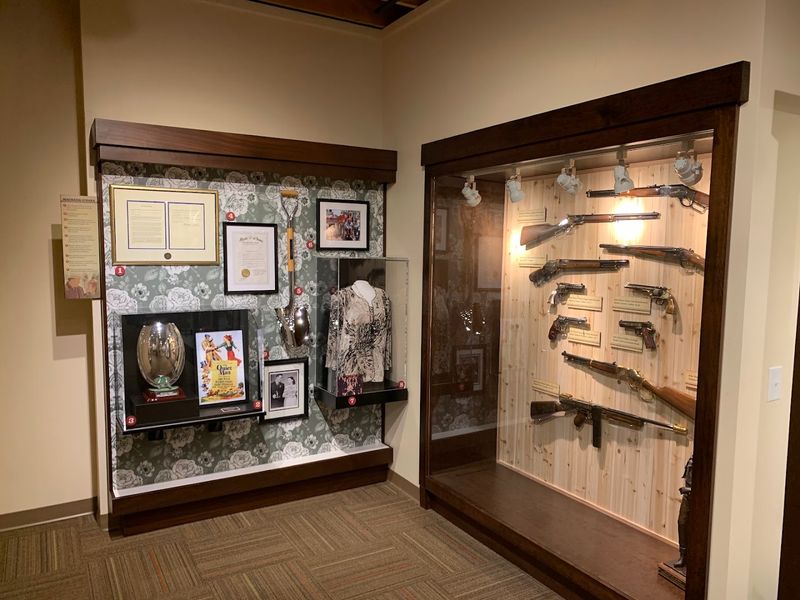
The artifact collection at this museum is the real draw for serious fans, and it genuinely delivers.
The museum describes itself as offering the largest diversified collection of John Wayne artifacts in existence, and after walking through the exhibit rooms, that claim feels entirely believable.
Movie posters line the walls in vivid color, while film wardrobe, original scripts, contracts, letters, artwork, and sculpture help tell the story of his long career.
One of the more unexpected highlights is one of his last custom-built cars, which sits on display and draws a steady stream of admirers. There is also material connected to “The Alamo,” a nod to his 1960 epic film of the same name, which he both starred in and directed.
The exhibit rooms are organized thoughtfully, and staff recommend moving through them in a clockwise direction for the best flow.
Each display case feels curated rather than cluttered, which makes the whole experience feel more like a gallery visit than a typical roadside attraction.
The Film Room: A Mini Theater Worth Every Minute
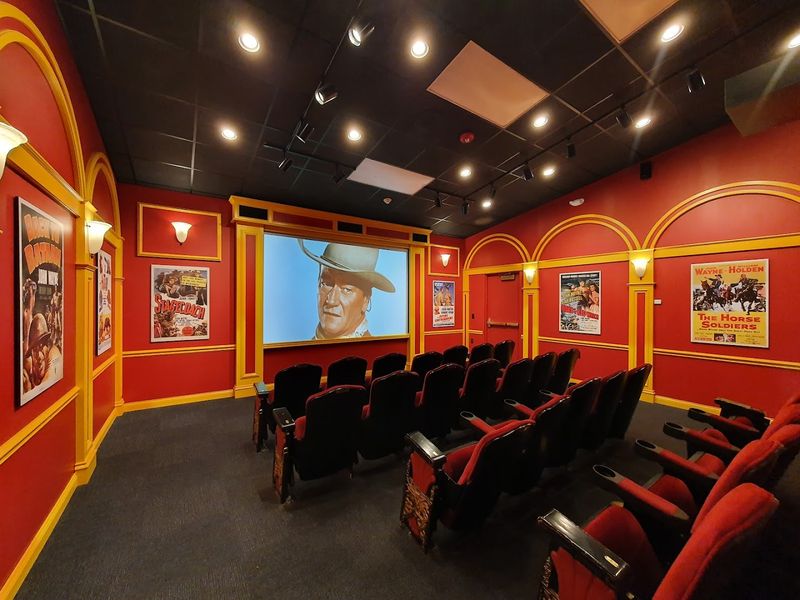
Tucked inside the main building is a small theater where visitors can watch a documentary on John Wayne’s film career while sitting in seats originally from Grauman’s Chinese Theater in Hollywood.
For visitors who are newer to his filmography, the theater is the perfect starting point. It gives you context for everything else you are about to see in the exhibit rooms, and it does so in an engaging, visually rich way that feels more like entertainment than a history lesson.
For longtime fans, watching career highlights in this setting carries a different kind of weight. There is something genuinely moving about sitting in a small theater in the town where it all started, watching the Duke ride across a desert landscape on screen.
The film works best before exploring the rest of the museum. It frames the entire visit in a way that makes every artifact and photograph you encounter afterward feel more meaningful and connected to a real human story.
The Outdoor Statue and Stone Tribute Walk
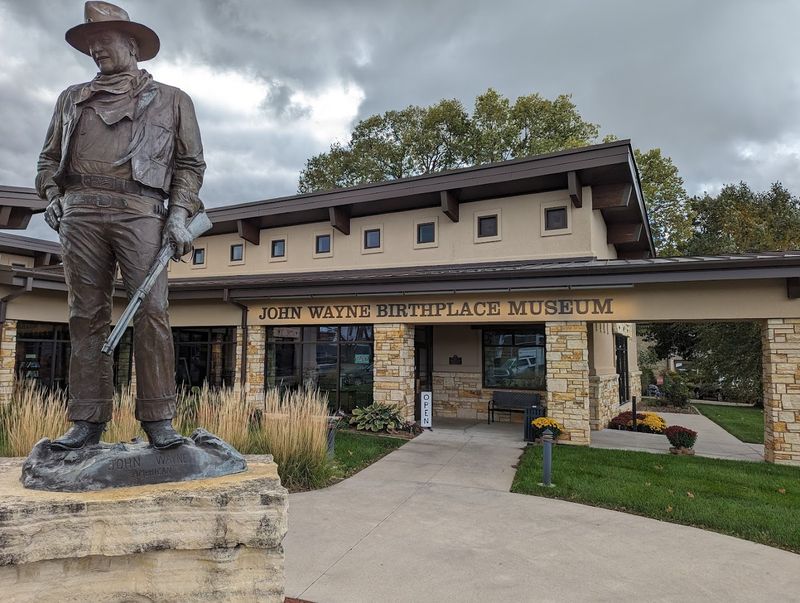
Before you even walk through the front door, the outdoor area gives you plenty to take in.
The large statue of the Duke is the centerpiece, a commanding full-body bronze figure holding a rifle, which feels very on-brand for the screen image many visitors know best.
Surrounding the statue is a walkway lined with stone tiles, each one engraved with the name of a John Wayne film role. It is the kind of display that rewards slow, careful reading, especially if you are a fan trying to spot titles you recognize or discover ones you have never heard of.
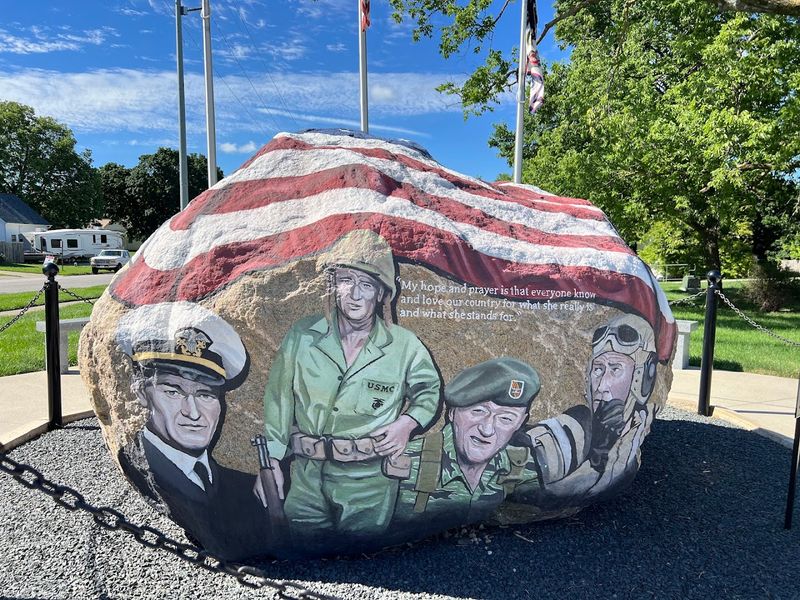
A boulder nearby features a mural dedicated to his many military film roles, honoring a significant portion of his career that resonated deeply with American audiences during and after World War II.
The outdoor space is well-maintained and makes for great photos, especially on a clear day when the light catches the bronze just right.
Even visitors who spend only a few minutes outside tend to linger longer than they planned, which is a pretty reliable sign that the design is doing its job well.
Visiting Tips and Practical Information
The museum is open daily, with regular hours from 10 AM to 5 PM March through November and shorter winter hours from 10 AM to 4 PM December through February.
The birthplace house closes at 4:30 PM daily and is not open for tours in December, January, and February, so timing matters if you want the full experience.
Adult admission is $20, with discounts available for seniors, veterans, EMS, police, firefighters, state troopers, children, and motorcoach groups. Active military visitors receive free admission.
The museum and birthplace house are listed as handicap accessible, and service dogs are welcome in the museum. The staff are consistently praised by visitors for being warm, knowledgeable, and happy to share extra details that are not on any of the exhibit panels.
Plan to spend at least 90 minutes to two hours to do the experience justice, though fans have been known to stretch a visit longer without running out of things to look at.
You can reach the museum by phone at 515-462-1044 or toll free at 877-462-1044, and the official website has current tour details before your trip.
The Gift Shop: More Than Just Souvenirs
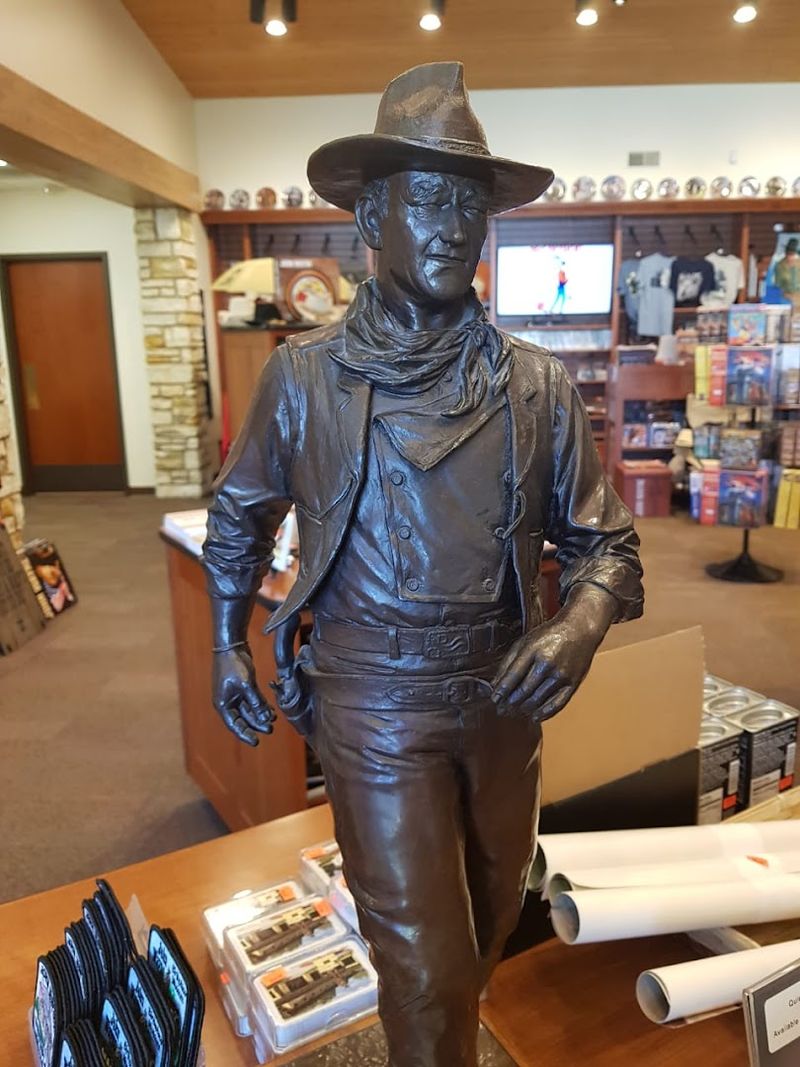
The gift shop at the museum is free to browse without purchasing an admission ticket, which makes it a low-pressure way to pick up a souvenir even if you are short on time or budget.
The selection goes well beyond the usual keychains and magnets you might expect from a small-town attraction.
Postcards, branded merchandise, books, and collectibles fill the shelves, and much of the inventory feels genuinely thoughtful rather than mass-produced.
For fans of the Duke, it is the kind of shop where you might walk in planning to grab one small item and leave with a bag full of things you did not know you needed.
The staff in the entry area, which is where the gift shop is located, are quick to offer suggestions and happy to chat about the museum’s collection. That personal touch makes the shopping experience feel more like a conversation than a transaction.
Even if you are not a big souvenir person, it is worth spending a few minutes browsing the selection.
The range of John Wayne-related items on offer gives you a sense of just how wide and enduring his cultural footprint has remained, decades after his most iconic films were made.
The Annual Birthday Celebration Event
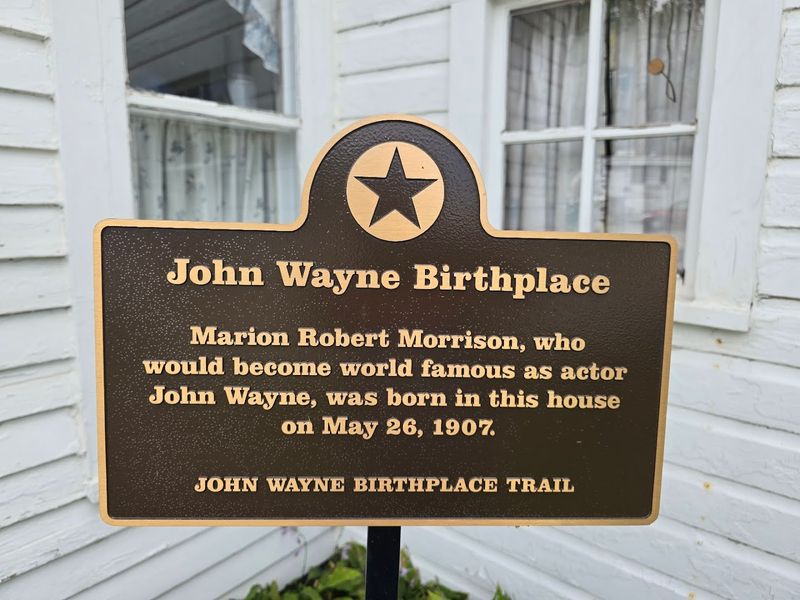
Every year at the end of May, Winterset hosts the Annual John Wayne Birthday Celebration, a multi-day event centered around the museum and the surrounding town.
It is one of those events that turns an already worthwhile destination into a full-on experience.
The celebration draws fans from across the country who share a passion for classic Hollywood, American film history, and the legacy of the Duke himself.
The atmosphere during the event weekend is noticeably more festive, with special programming, guest appearances, and a community energy that makes the whole town feel alive.
For anyone who wants to see the museum at its most vibrant, timing a visit to coincide with the birthday weekend is well worth the extra planning effort.
The museum’s exhibits take on new meaning when you are surrounded by other people who are equally enthusiastic about what they are seeing.
Outside of the event weekend, the museum is still a rewarding destination, but the celebration adds a layer of shared experience that is genuinely hard to replicate.
It is the kind of annual tradition that turns a first-time visitor into someone who starts planning their return trip on the drive home.
Beyond the Museum: Exploring Winterset and Madison County
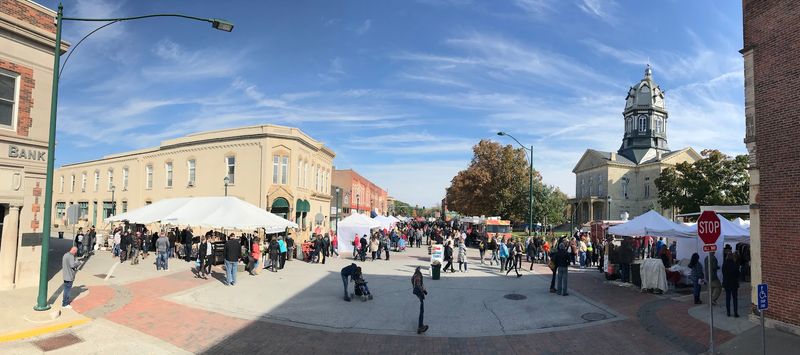
The museum is reason enough to visit Winterset, but the town and surrounding county offer plenty more for curious travelers.
Madison County is famous for its historic covered bridges, which inspired the beloved novel and film “The Bridges of Madison County,” starring Meryl Streep and Clint Eastwood.
The downtown historic district is charming and walkable, with local shops, good food options, and a relaxed small-town atmosphere that feels like a genuine escape from busier destinations.
After spending a couple of hours at the museum, an afternoon stroll through town is a natural and enjoyable next step.
The covered bridges are spread across the county and make for a scenic drive, especially in the warmer months when the surrounding farmland is green and lush. Several of the bridges are easy to reach and worth a stop for photos and a quiet moment outdoors.
Winterset sits about 14 miles off Interstate 80, which makes it an accessible detour for road trippers crossing the Midwest.
Once you arrive, the combination of film history, small-town character, and natural scenery makes it genuinely difficult to leave without feeling like you got more than you bargained for.