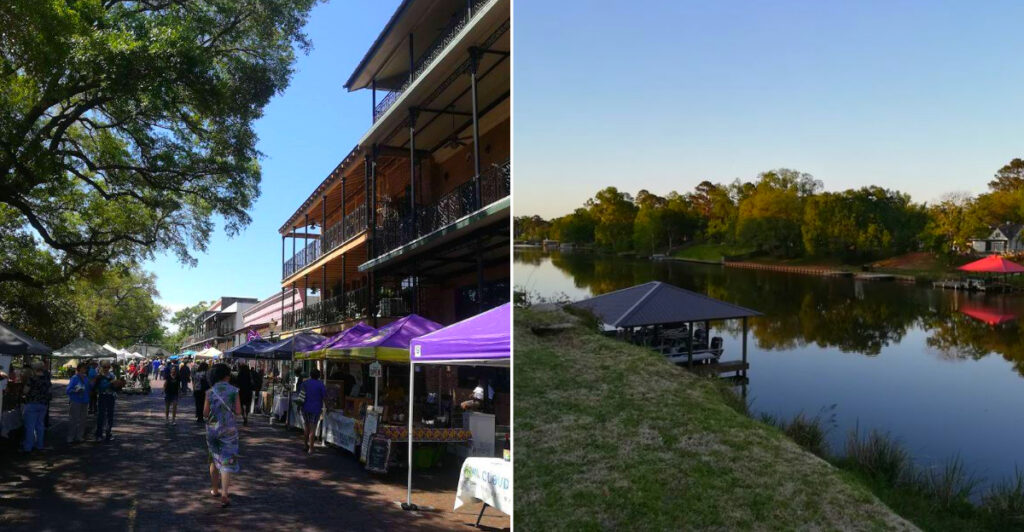
Somewhere along the Cane River in Louisiana, there is a waterfront so quiet and picturesque that you might forget you are still in the United States.
Brick buildings line the riverbank, iron-trimmed balconies overlook the slow-moving water, and streetlamps cast a golden glow at dusk that feels more like a village in Provence than a small Southern town. The pace here is gentle, almost meditative.
Visitors stroll the riverwalk at their own speed, browse tiny boutiques tucked into centuries-old storefronts, and sit down for meat pies at a cafe with a view that belongs on a postcard.
This Louisiana riverfront has been drawing day-trippers and road-trippers alike for generations, and once you see it in person, it is easy to understand why the comparison to Europe comes so naturally. The brick paths and warm light stay with you long after you leave.
Stroll Historic Front Street
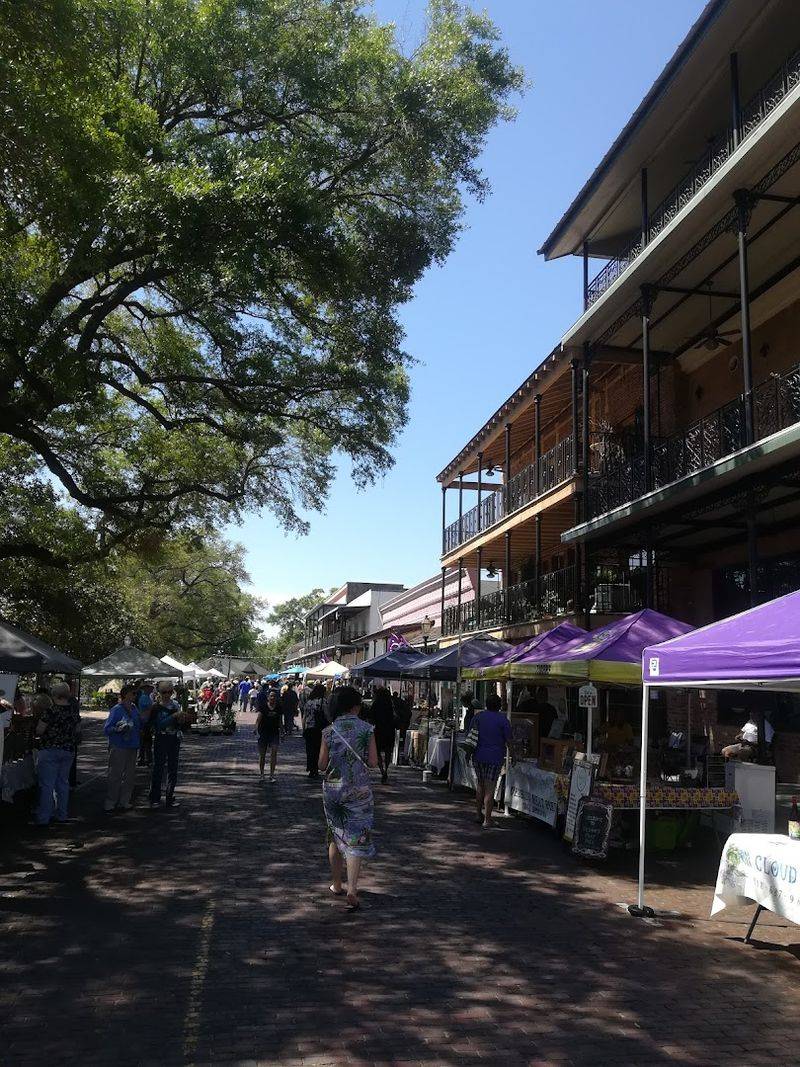
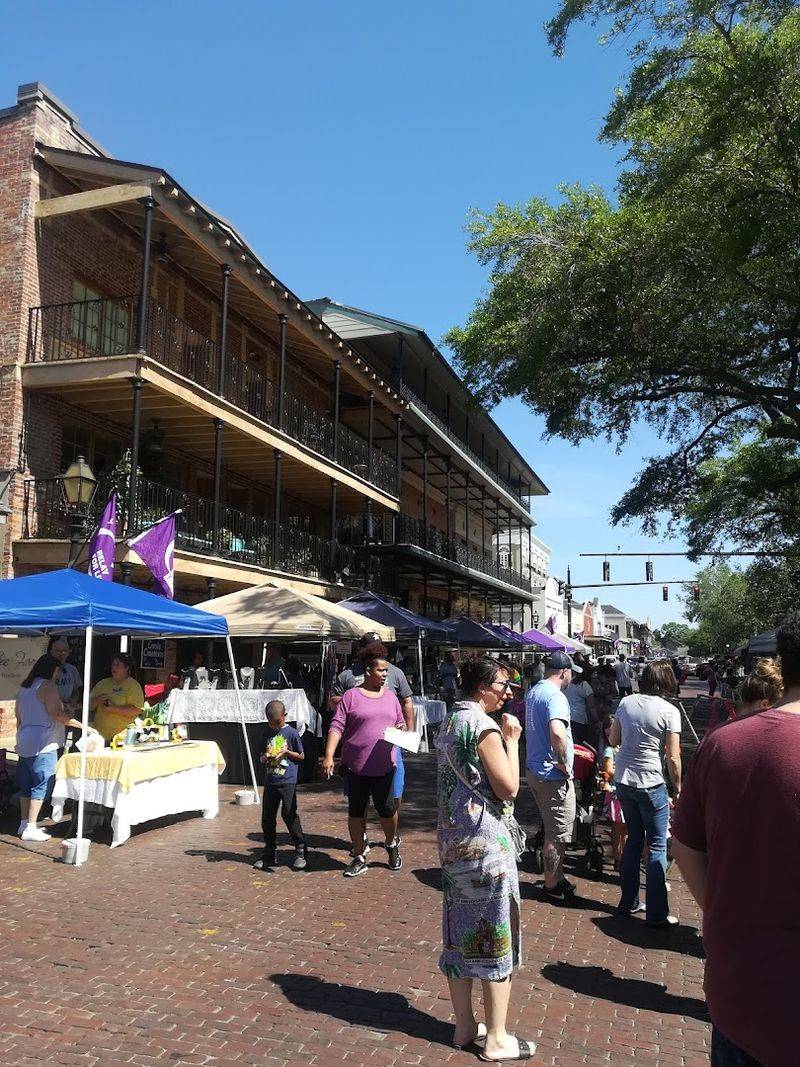
Walking the riverfront here feels like entering a compact neighborhood where history is built into every brick. The paving stones underfoot, river-facing storefronts, and balcony-lined buildings create an intimate scale that echoes a small European waterfront while still belonging completely to Louisiana.
Slow your pace enough to read plaques, peer into shop windows, and watch Cane River Lake move quietly beside the district. The whole place rewards wandering more than rushing, which is exactly why the riverbank feels so memorable.
Pay attention to the architectural details as you move: wrought iron, old brick, gallery porches, and rooflines shaped by heat, rain, and river life. This is where town planning met practical waterfront living, and the result is both useful and delightful for visitors on foot.
Front Street Is The First Clue
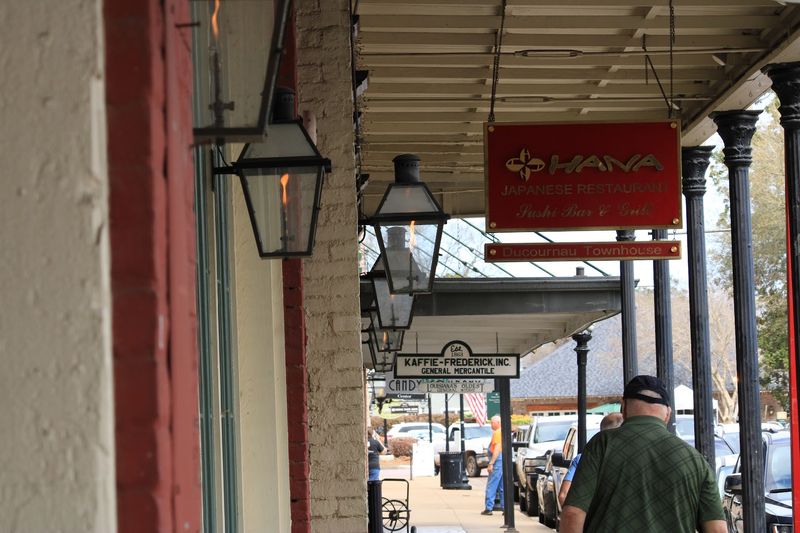
Use Natchitoches Historic District, 781 Front St, Natchitoches, Louisiana 71457, as your anchor point for the old downtown and Cane River Lake waterfront. From there, the whole riverbank starts making sense as a place meant to be experienced slowly.
Arrive with walking shoes, not a packed schedule. The brick street, river views, balconies, and small shops make the approach feel better on foot than through a windshield.
Park once and let the district stretch out block by block. This is the kind of place where getting there is only the beginning, and then the town starts doing the work for you.
Visit Kaffie-Frederick General Mercantile
Stepping inside Kaffie-Frederick General Mercantile feels like entering a piece of living commerce rather than a polished souvenir shop. Operating since 1863, the store still carries the weight of old fixtures, practical goods, and a long habit of serving the town.
Inside, shelves of hardware, housewares, gifts, toys, and everyday objects make history feel usable instead of sealed behind glass. The old cash register and freight-elevator stories give the place a physical link to generations of trade.
Ask the staff about the store’s past if the room is not too busy. They can often point out details that turn a simple browse into a small lesson in how Natchitoches lived, worked, bought, repaired, and carried on.
Savor Local Cuisine
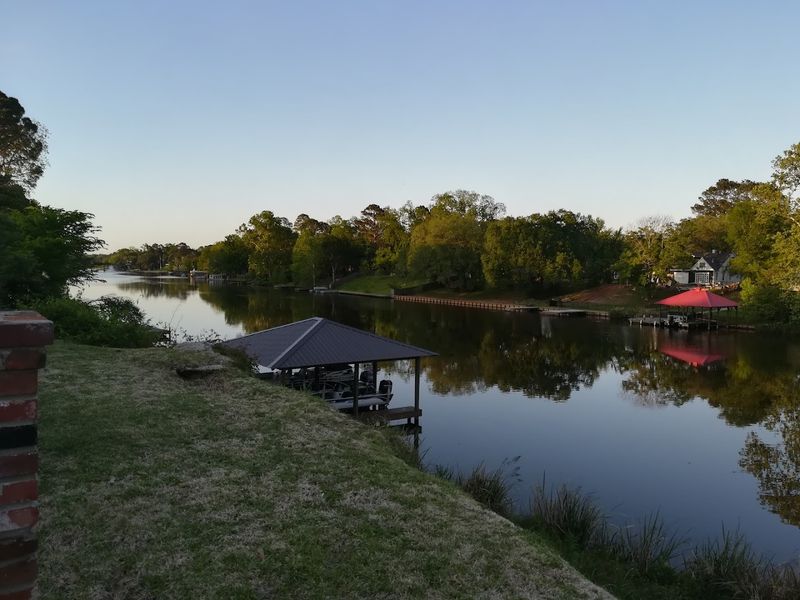
Food along the riverbank makes the setting more than pretty. Creole and Southern influences show up in meat pies, seafood plates, sweets, and cafe lunches that make the waterfront feel like a place to stay, not just photograph.
Natchitoches meat pies are the obvious local emblem, crisp and savory enough to justify making them part of the plan. Small restaurants and bakeries nearby often carry the kind of familiar recipes that help turn a walk into a proper meal.
Look for places with steady local traffic and visible kitchen rhythm when choosing where to eat. The best meals here feel sociable, practical, and tied to the riverfront mood rather than staged for visitors alone.
Take A Guided Tour
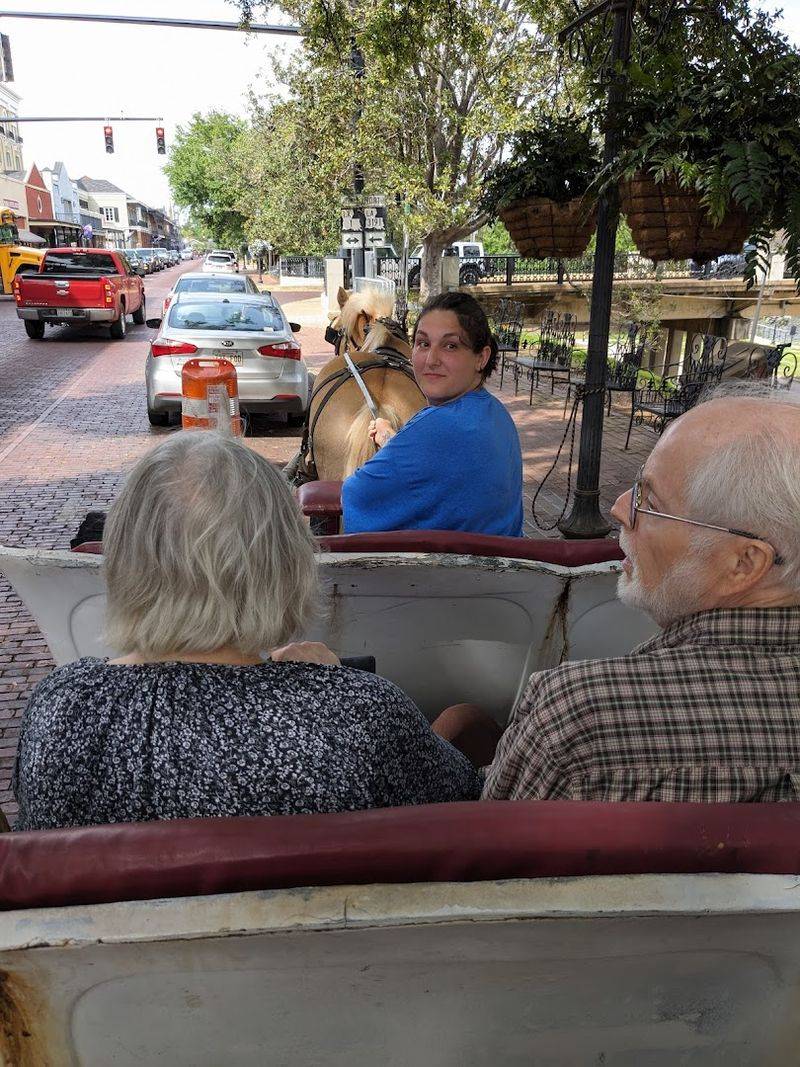
A guided walk through the historic district unlocks stories the buildings only hint at from the sidewalk. Guides can connect French and Spanish influences, the town’s 1714 founding, river commerce, architecture, and local family histories into one more coherent experience.
Hearing those layers aloud changes how the district looks. A balcony becomes more than decoration, a storefront becomes more than retail, and the brick street begins to feel like evidence.
If you prefer something gentler, carriage tours can offer the same historical setting with a more relaxed tempo. Either way, a guide gives the riverbank a deeper voice than a brisk solo stroll can usually provide.
Cruise Cane River Lake
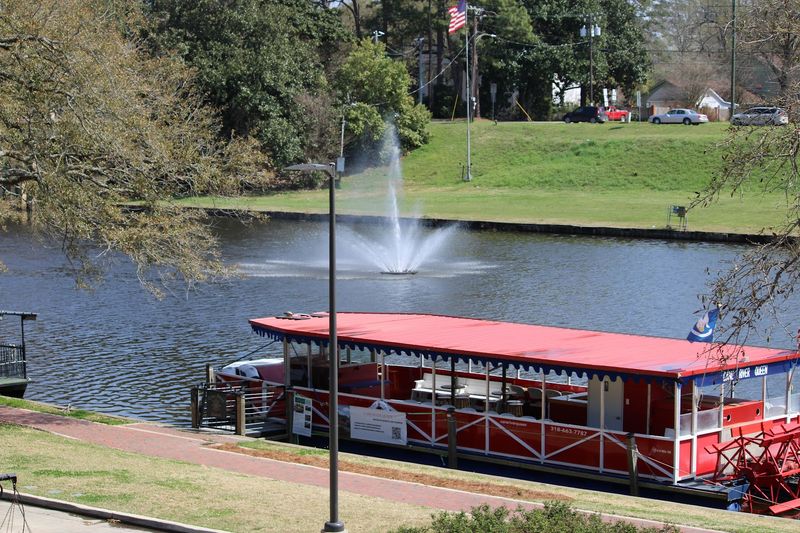
Seeing the district from the water changes the whole composition. Building facades, riverfront gardens, balconies, and docks read differently when framed by reflection and open sky.
The Cane River Queen paddlewheeler moves at the right pace for this town, slow enough to let the river do some storytelling. Guides often point out notable homes, river history, and the relationship between Cane River Lake and the old settlement pattern.
From the boat, the waterfront feels less like a row of buildings and more like a continuous scene. You can understand why towns built around water often develop their own rhythm, with homes, businesses, paths, and public spaces all turning toward the same slow current.
Book a cruise when the light is kind, especially in late afternoon if the schedule allows it. A light layer helps in cooler weather, because open decks can catch a breeze and make the waterfront feel even more cinematic.
This is also a good option if you are traveling with someone who does not want to walk for hours. The boat gives everyone a way to absorb the same beauty from a different angle, with less effort and a little more ceremony.
Engage In Water Sports
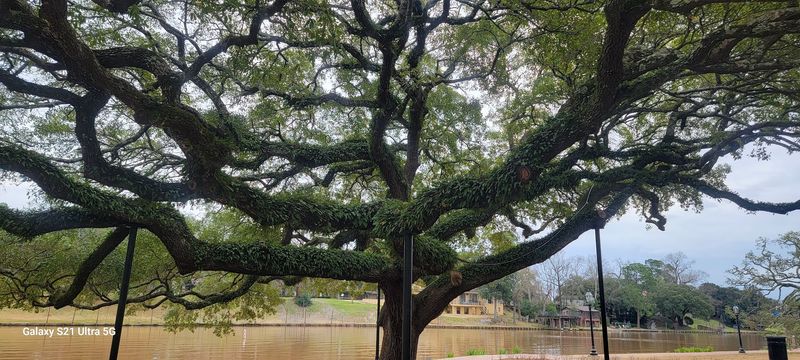
Paddling brings you close to the riverbank’s living edges, where docks, gardens, and historic buildings meet the water. Local rentals make it possible to see the district from a lower, quieter angle.
The lake’s sheltered shape makes mellow exploration feel approachable, especially when the weather cooperates. Early starts are useful because the light is softer, the air is cooler, and the water usually feels calmer.
A kayak or paddleboard slows the whole town down even further. Instead of moving past the waterfront, you become part of it for a while, noticing ripples, reflections, birds, and the way old buildings look when seen from just above the surface.
Bring water shoes, sun protection, and a dry bag if you plan to carry a phone or camera. Local outfitters can help with routes and conditions, which makes the outing feel like a complement to the riverwalk rather than a separate adventure.
This is not the kind of water outing that needs to become athletic to be worthwhile. The pleasure is in drifting, looking, and letting the riverbank become quieter and more detailed than it appears from the street.
Relax At Beau Jardin
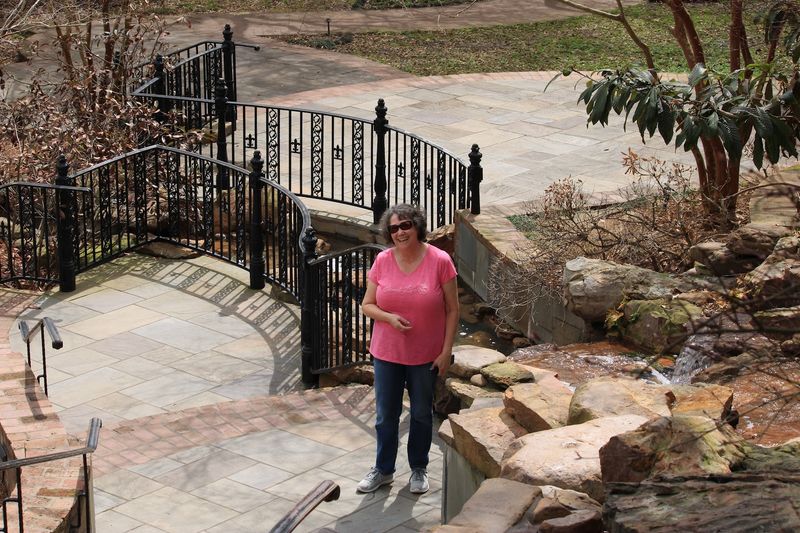
Right along the downtown riverbank, Beau Jardin offers a softer pause inside the historic district. Water features, terraces, plantings, and views of Cane River Lake create a small garden moment within the larger urban waterfront.
The sound of water changes the pace immediately. Benches and pathways invite you to linger, regroup, take photos, or simply let the town quiet down around you for a few minutes.
This is the kind of public space that makes a place feel cared for. It gives visitors somewhere to stop without needing to buy anything, and it lets the riverfront breathe between shops, restaurants, and busier walking stretches.
Morning visits bring cooler temperatures and gentler light. Notice how the garden balances ornamental design with riverfront openness, making it feel both curated and naturally connected to the place.
Use it as a reset point if the day gets warm or crowded. A few minutes near the water can make the rest of the district feel fresh again, especially if you are moving between museums, shops, food, and photos.
Attend A Festival
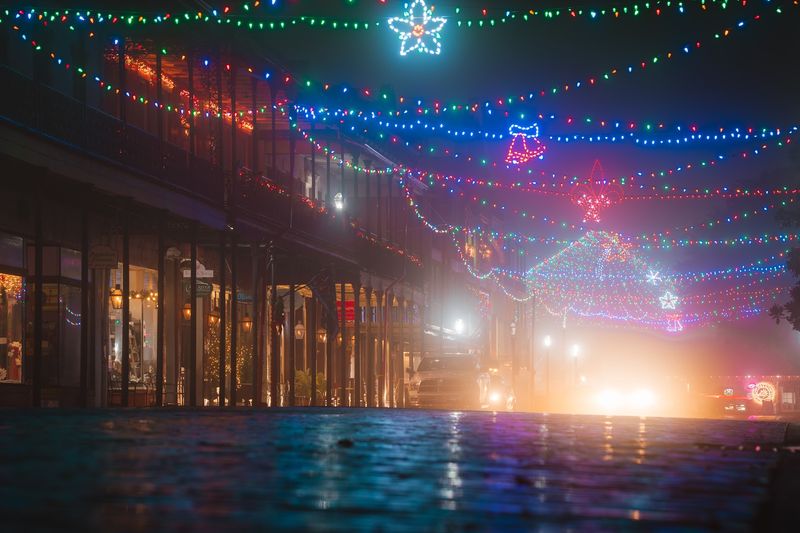
Festival season turns the riverbank into a brighter and louder version of itself. The waterfront becomes a public stage where food, lights, music, fireworks, and local traditions gather around Cane River Lake.
The Christmas Festival is the most famous example, with a long season of lights and displays that gives the waterfront a storybook glow. Reflections on the water make the whole district feel even more theatrical, especially after sunset.
Other events, including food-centered celebrations, show how strongly the town’s identity still lives in public gatherings. These festivals are not just decorations on the calendar, because they bring locals and visitors into the same streets, often around traditions that have been repeated for years.
Plan ahead for parking and crowds during major weekends. Festivals are excellent for energy and spectacle, but quieter days reveal the everyday rhythm that makes the district charming in the first place.
The best choice depends on what kind of experience you want. Come during a festival for lights, noise, and celebration, or come on a regular weekday if you want the European-waterfront feeling at its most peaceful.
Discover Historical Sites
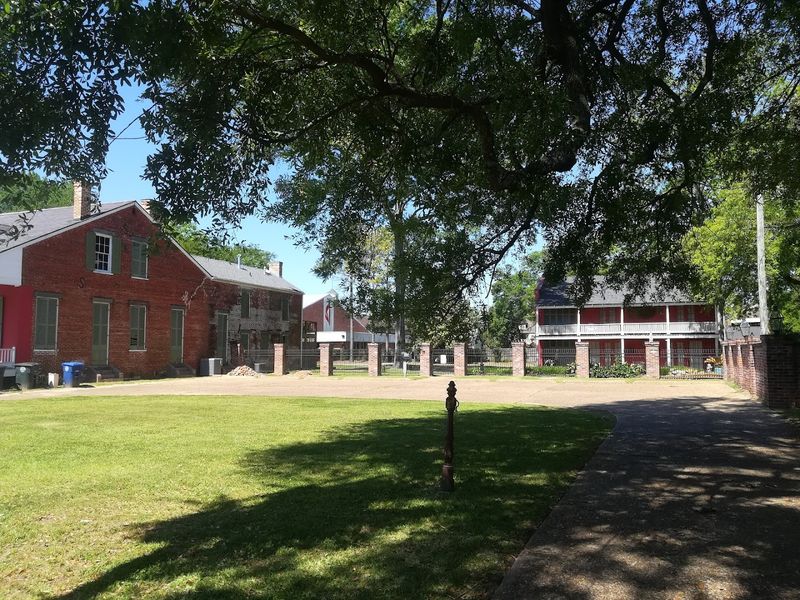
Several nearby sites deepen the riverfront experience, especially Fort St. Jean Baptiste State Historic Site. The reconstructed fort gives visitors a clearer sense of early French colonial life, trade, military presence, and the strategic importance of this old settlement.
The fort helps place the pretty riverbank inside a much older and more complicated story. It reminds you that Natchitoches was not simply a charming town that appeared beside the water, but a settlement shaped by politics, commerce, Indigenous presence, European expansion, and river geography.
The Louisiana Sports Hall of Fame and Northwest Louisiana History Museum adds another layer close to the waterfront. Its exhibits connect regional history, culture, and Louisiana sports inside a striking modern building set within the old downtown.
Check operating hours before building your route, especially if you want to pair indoor exhibits with a long riverwalk. Combining museums with the waterfront helps the past feel integrated rather than abstract.
A good day here balances beauty with context. The riverbank gives you atmosphere, but the historic sites help explain why this small Louisiana town carries such a strong sense of place.
Appreciate Creole Culture
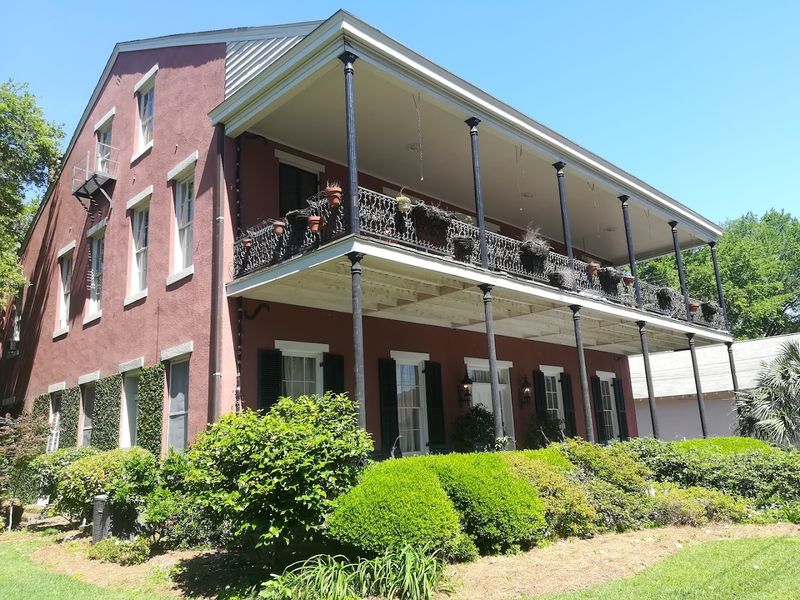
Creole culture threads through the district in food, architecture, family histories, festivals, and local memory. French, Spanish, African, and Native American influences all shaped the town’s identity, leaving traces in buildings, recipes, language, and customs.
The built environment shows that blend through galleries, rooflines, brickwork, and construction traditions adapted to climate and community life. Nothing feels like a single-source heritage story, which is exactly why the district is so interesting.
Food is one of the easiest ways to notice that complexity, but it is not the only one. Music, festivals, church traditions, family names, old homes, and local storytelling all help show how layered the place really is.
Engage respectfully by listening, supporting local shops and artists, and treating the town as a living place rather than a backdrop. The best understanding comes when you notice how cultural memory survives in ordinary details, not only in museums or official markers.
That is what makes the riverbank linger after you leave. It is beautiful at first glance, but the deeper charm comes from realizing that the beauty is attached to people, habits, histories, and a culture still moving through the streets.