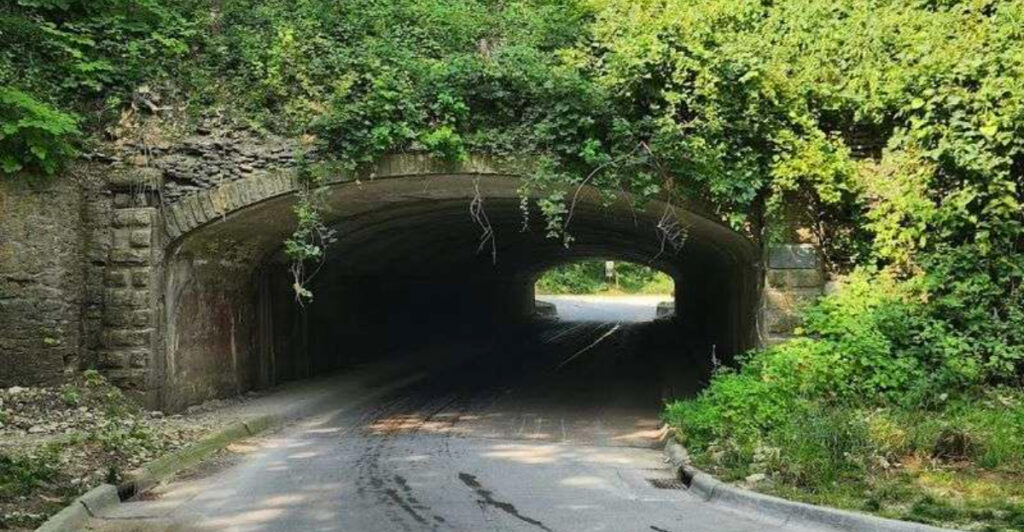
Most Iowa road trips begin with familiar scenery: open fields, quiet highways, grain elevators, and a sky that seems to go on forever. Then, in Madison County, the landscape suddenly changes.
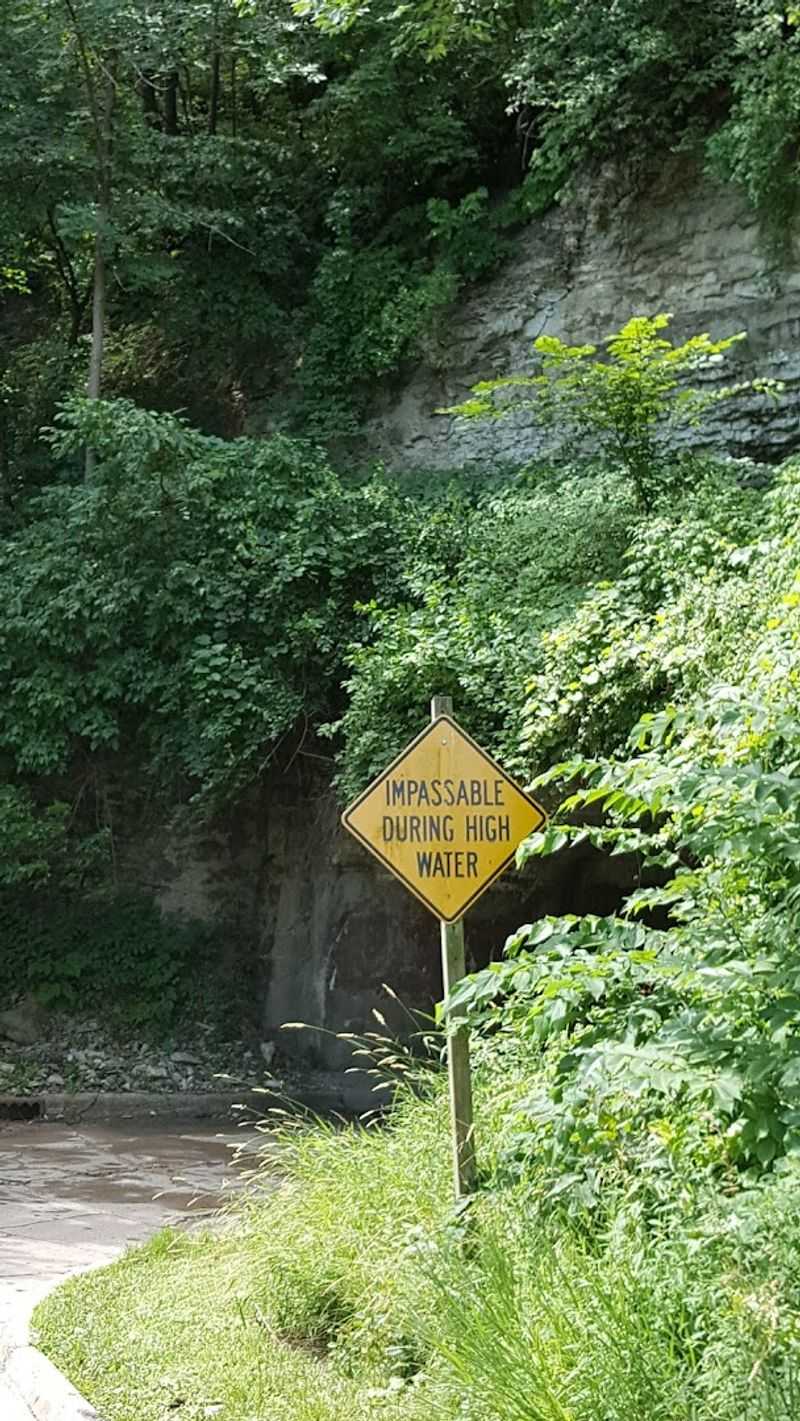
The road leads into wooded ravines, mossy limestone walls, and a tunnel carved right through the rock.
That tunnel is the kind of feature that makes you stop and wonder why more people are not talking about this place.
The trails follow the Middle River, slip through shaded forest, and reach corners of the park that feel calm, scenic, and surprisingly tucked away from everyday noise.
For casual hikers, camping families, or anyone looking for a good Saturday excuse to get outside, this Iowa park offers a memorable little adventure with just the right mix of beauty, history, and fresh air.
What Pammel State Park Actually Is
A lot of people drive through Winterset and think of the Bridges of Madison County.
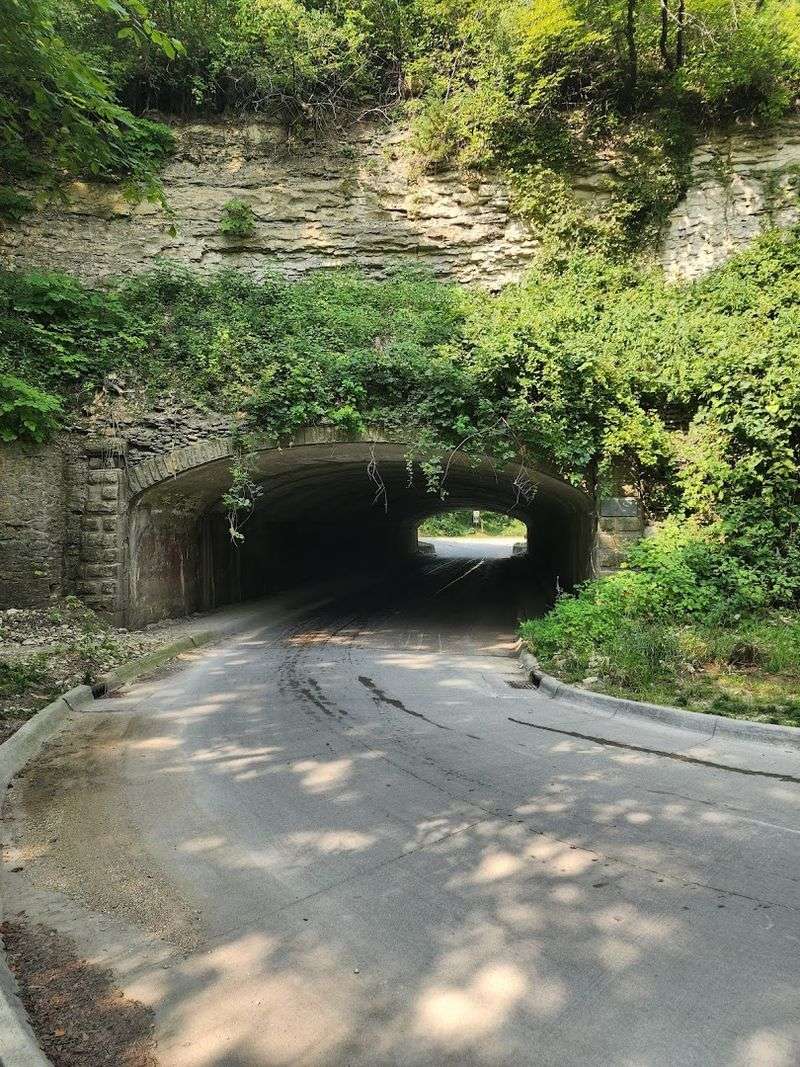
Fewer realize that just a few miles southwest, a 350-acre park is sitting quietly along the Middle River, offering something those famous covered bridges do not: a full hiking trail system, a limestone tunnel, a vehicle ford, and enough wildlife to keep even distracted kids glued to the trail.
Pammel Park’s official 911 address is 1900 Pammel Park Road, Winterset, IA 50273, and it is managed by the Madison County Conservation Board.
The park is open daily from 6 AM to 10 PM, which gives you a solid window to catch morning mist on the river or a golden late-afternoon hike without rushing.
The park is free to enter, though camping fees apply if you stay overnight. First-timers often walk away surprised by how much variety fits into one relatively compact park.
You get nearly five miles of trails, modern campgrounds, yurt-style cabins, picnic areas, modern bathrooms, the Middle River Ford, Harmon Tunnel, and nature-focused programming through Madison County Conservation.
The Harmon Tunnel and Its Limestone Walls
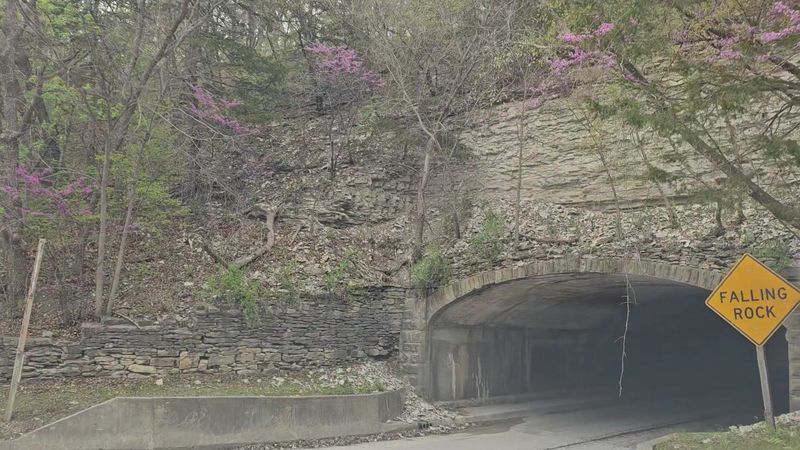
The Harmon Tunnel is the reason most people show up with a camera already in hand.
Cut directly through the limestone backbone, the tunnel is narrow enough to feel genuinely dramatic but wide enough to drive a standard vehicle through, which is an experience that feels oddly cinematic for a state park in the Midwest.
On foot, the effect is even better. The ceiling arches above you, the walls are rough-cut stone, and the light shifts as you move from one end to the other.
The tunnel was originally dug in 1858 by William Harmon and his sons as a small chute to divert water from the Middle River for mill power, then later expanded for vehicle traffic in 1925.
The limestone itself is layered and textured in a way that rewards a slow walk. You can see where the rock was cut and where natural fractures follow their own logic.
Moss collects in the lower sections, and the temperature drops noticeably inside, which makes the tunnel a welcome cool spot on a warm summer afternoon. It is genuinely one of the more photogenic features in any Iowa park.
The Hiking Trails and What You Will Find on Them
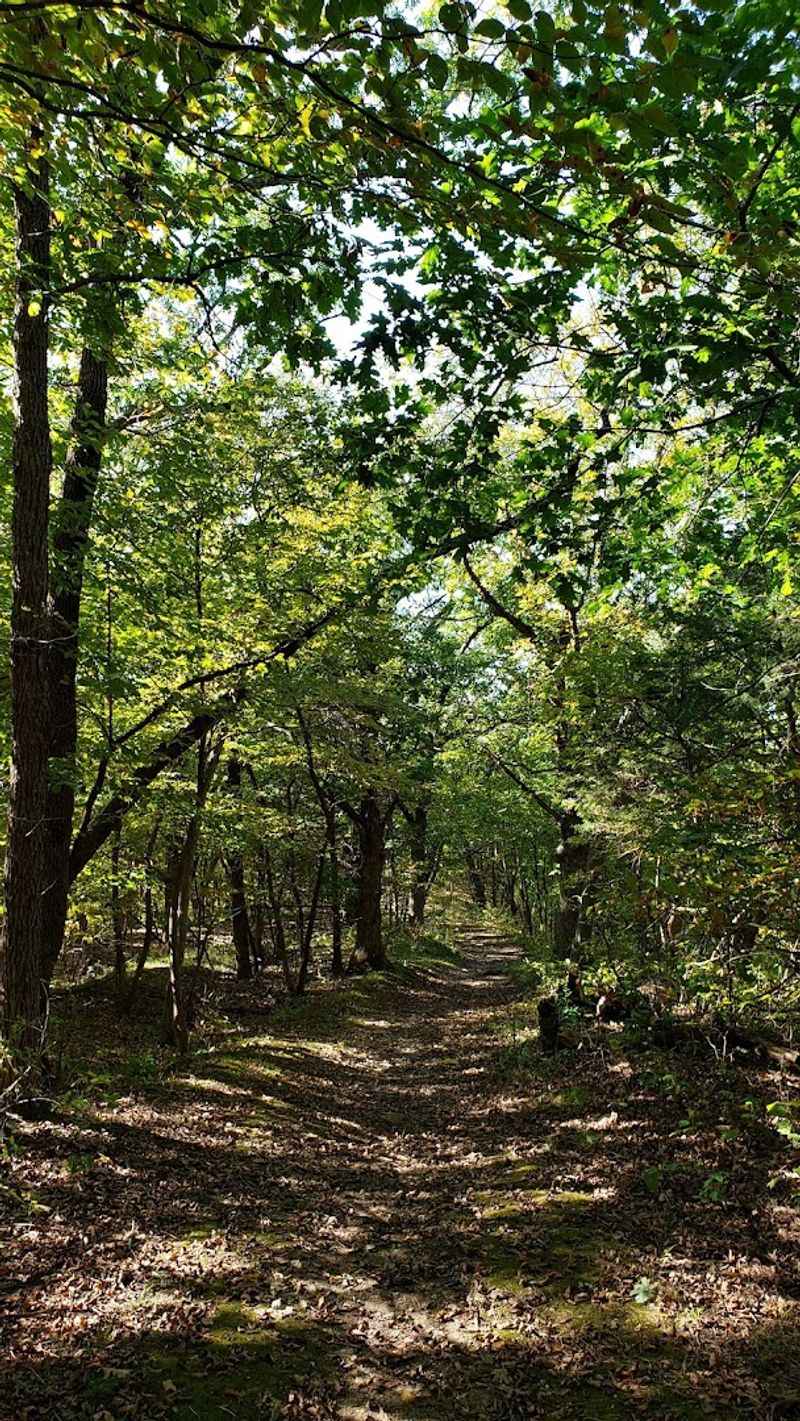
The trail network at Pammel covers several miles of varied terrain, including forested paths, rocky ridge walks, and riverside stretches along the Middle River.
None of the trails are technically demanding, but they are not flat either.
Expect some elevation change as you move through the ravines, and plan for uneven footing in spots where tree roots cross the path.
On my walk, I noticed how quickly the landscape shifted. One section felt like a deep woodland with a closed canopy overhead, and then the trail curved and suddenly the river appeared through the trees.
The variety keeps the hike interesting even if you are covering familiar ground on a repeat visit.
Wildlife sightings are common on the trails. Deer are almost a given in the early morning and late afternoon.
Frogs are everywhere near the water, and bird activity along the river corridor is strong enough to make birders happy.
Bald eagles have been spotted roosting in the park during winter months, which adds an unexpected layer to a cold-weather visit.
The Middle River Ford You Can Actually Drive Through
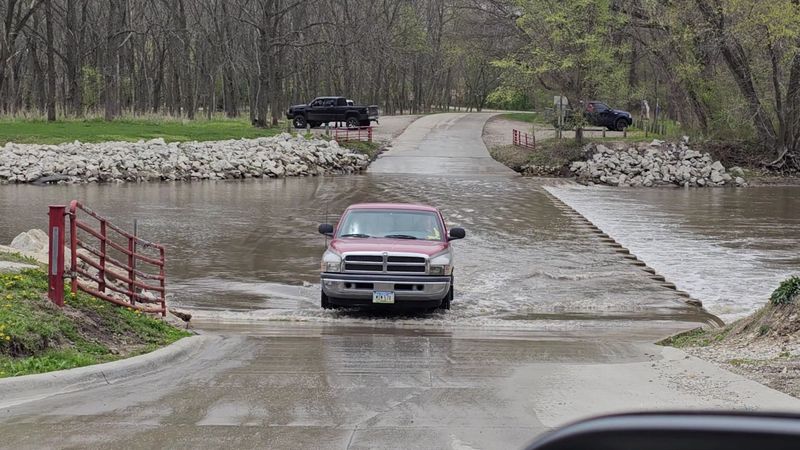
The Middle River ford is one of those features that sounds slightly unbelievable until you actually see it.
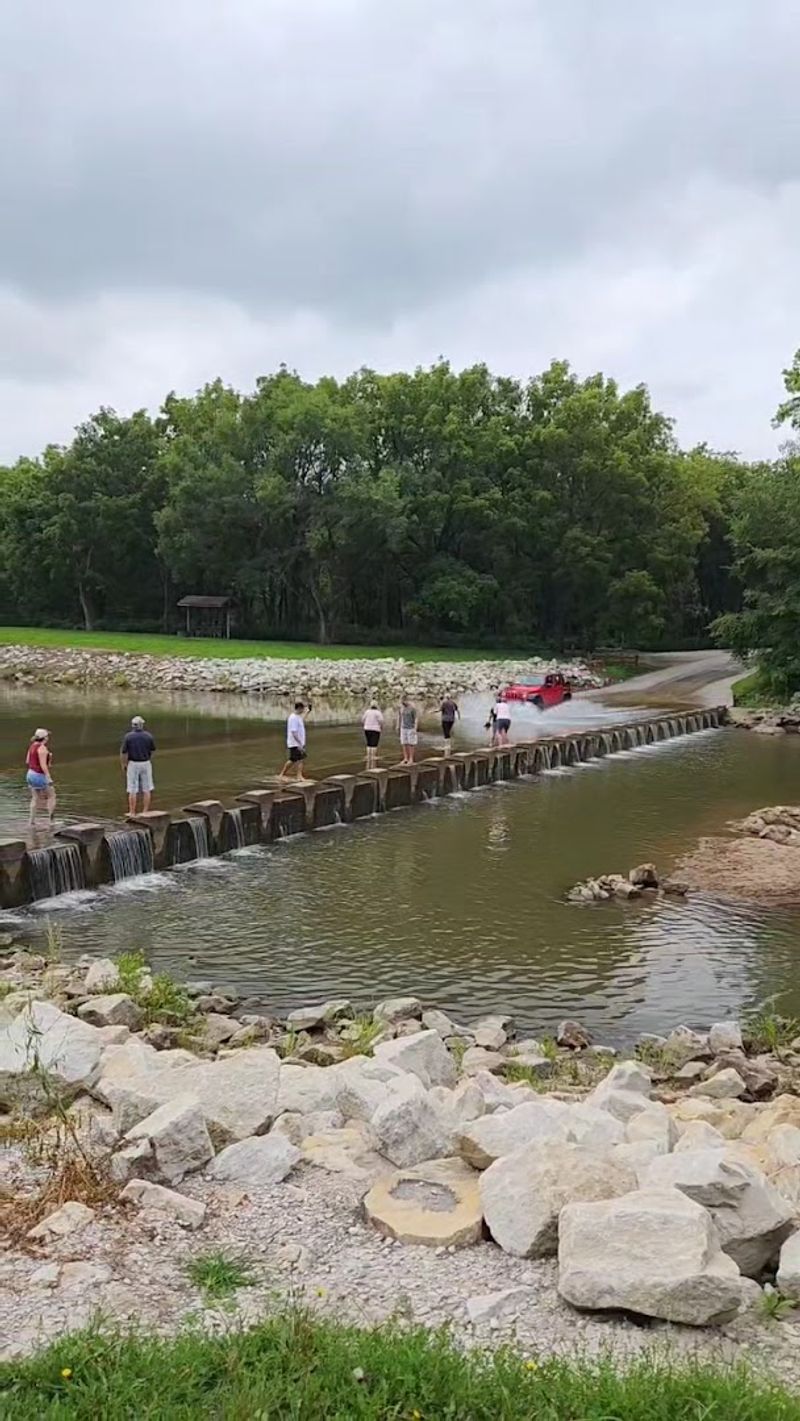
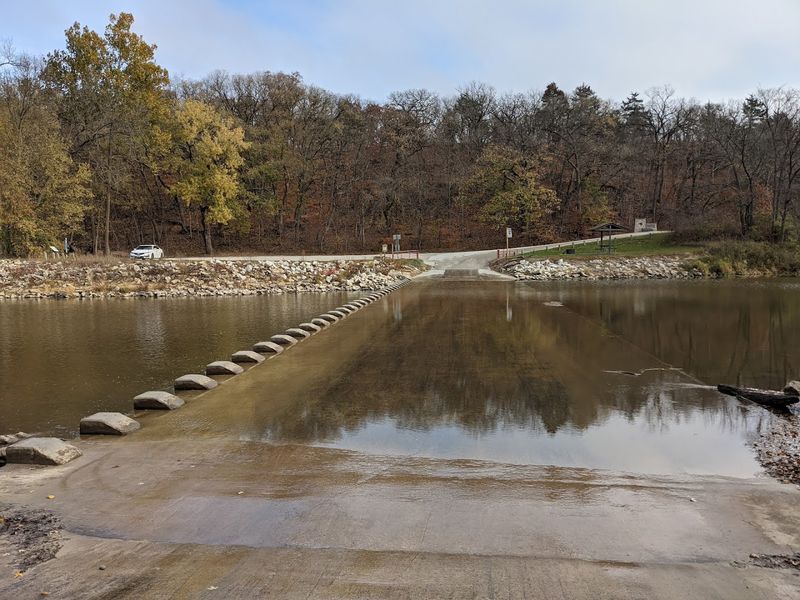
There is a paved road that leads directly into the river, crosses a shallow stretch, and comes out the other side.
You drive through the water. The river drives through your afternoon plans.
During normal river flow, vehicles can safely cross the ford, which usually maintains a shallow depth of about two to four inches. The ford is also a popular place for visitors to wade, splash, and fish when conditions are safe.
The ford creates a natural gathering point in summer, where families set up lawn chairs and let the day slow down.
Water depth varies by season and recent rainfall, so it is worth checking conditions before attempting a vehicle crossing if the river looks high. The ford closes during high water and icy winter conditions.
Even when the ford is not drivable, the riverbank access on both sides makes it a worthwhile stop, and watching someone else splash through in a pickup truck is its own kind of entertainment.
Camping Options and Overnight Stays
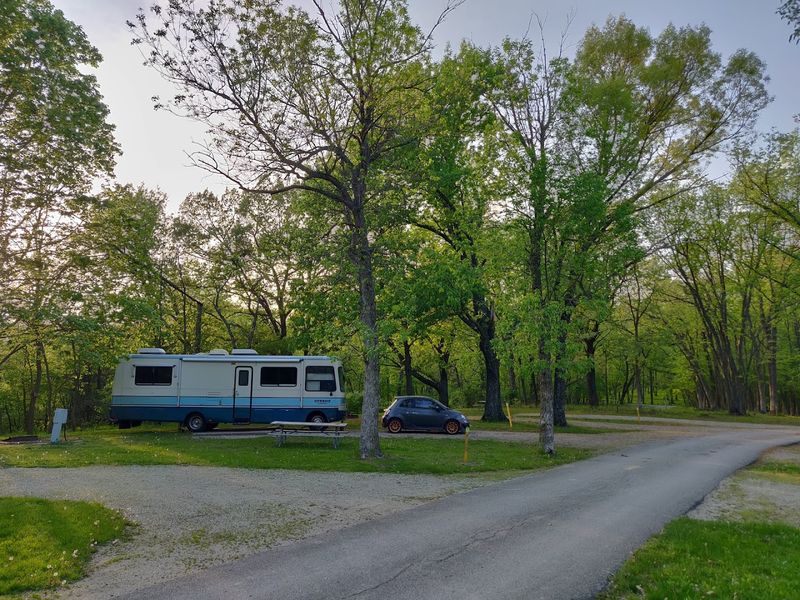
Pammel has a modern campground with 36 designated modern sites providing electrical and water hookups, plus five tent-only sites, modern bathrooms, showers, play equipment, and a dump station.
The campground fills up on summer weekends, so booking ahead through the Madison County Parks reservation system is a smart move if you are planning a Friday or Saturday arrival.
Two yurt-style cabins are also available for those who prefer a roof overhead without hauling a tent. These three-season yurt cabins are open from April through October and require advance reservation.
The facilities are well maintained, and the restrooms are kept clean, which is something that genuinely affects the quality of a camping trip more than most people admit until they encounter the alternative.
One thing worth knowing: each campsite allows one camping unit and one vehicle, and checkout is at noon rather than the more standard 3 PM used at many Iowa state park campgrounds. Some campers find this tight, especially after a late-night campfire.
Factor that into your morning if you are planning a hike before packing up. The campground host is typically on-site and friendly, and the overall setting, with deer wandering through in the morning, makes the early checkout a little easier to accept.
The Pammel Lodge and Picnic Areas
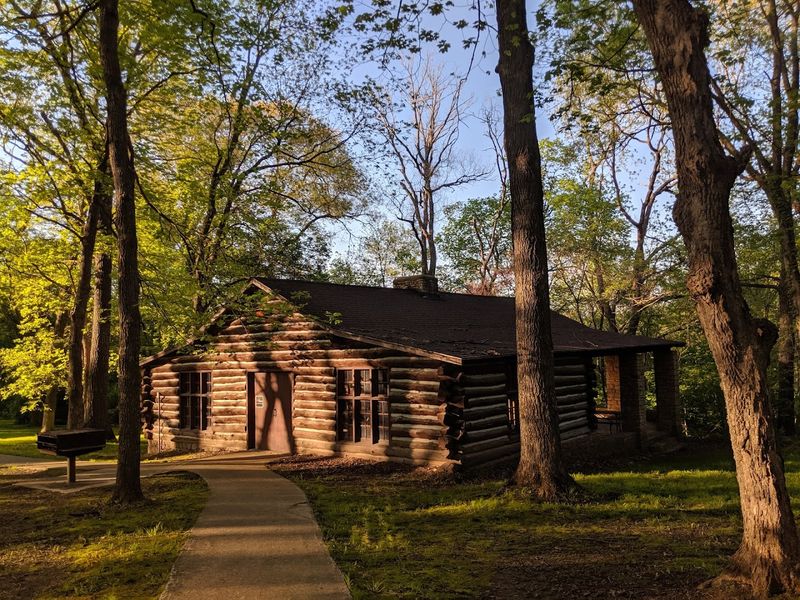
Pammel Park Lodge is one of the better historic surprises the park has to offer.
Also known as the historic Picnic Lodge, it was built in the 1920s using oak logs harvested from the site, and its large limestone fireplace gives it the kind of rustic character that makes group gatherings feel instantly warmer.
Groups book it for reunions, weddings, and seasonal gatherings throughout the year.
The Backbone Shelter is also available in the park. Built in the 1930s by the Civilian Conservation Corps using native timbers and limestone, it sits near the Backbone Trail and adds another classic park structure to the setting.
Picnic areas are spread throughout the park, including tables near Pammel Park Lodge, inside the Backbone Shelter, and near the ford. That means you can find a table with actual forest around it rather than a view of the car park.
Bringing your own food is the obvious move here since the park does not have a concession stand, but the setup is well suited to a full afternoon of eating outdoors and doing very little else.
Tubing and Water Activities on the Middle River
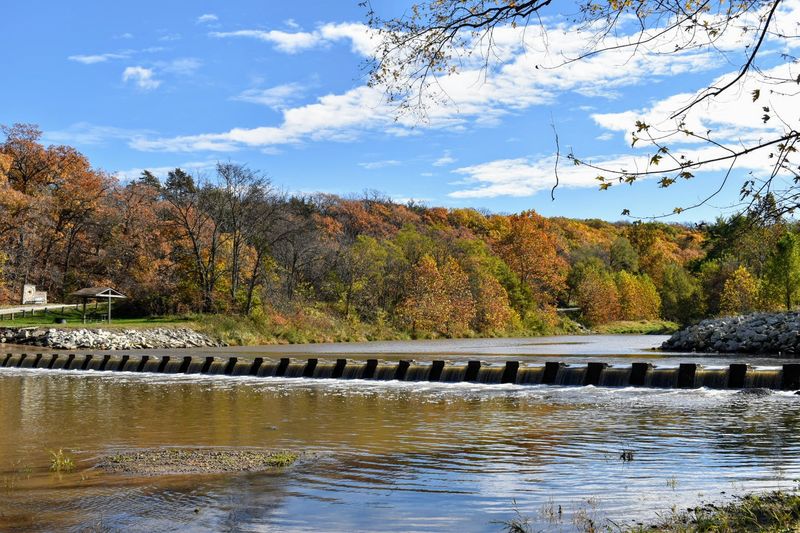
The Middle River route at Pammel has one major advantage: the river forms a horseshoe-shaped loop downstream of the ford before reaching another access point near the east side of Harmon Tunnel.
That setup can make paddling or floating logistics easier than a straight downstream route.
That convenience alone makes it worth noting for anyone who has ever stood dripping by a riverbank wondering how they are getting back to the trailhead.
Canoes and kayaks can access the river on the west side of the Middle River Ford, and the route is scenic, with limestone bluffs, wooded banks, and quiet rural views. Conditions can change with water levels, so it is smart to check current flow before planning a casual float.
Water shoes are a practical choice since the riverbed is rocky in places.
Fishing from the ford and the riverbanks is popular throughout the season, with catfish being a major target below the ford after heavier flows. The park does not rent equipment, so bring your own gear.
A valid Iowa fishing license is required for anyone 16 and older. The combination of wading, paddling, and fishing in one spot makes the Middle River the social center of the park on a hot weekend afternoon.
The Bridges of Madison County Connection
Winterset is already on the map for the Bridges of Madison County, and Pammel State Park fits naturally into a longer day trip that covers both.
The park is only a few miles southwest of town, and the covered bridges are scattered around the county in a way that makes them easy to combine with a morning hike and a ford crossing.
The Middle River at Pammel Park was used in The Bridges of Madison County movie, where Michael and Carolyn read their mother’s diaries. The connection is not heavily advertised inside the park, but it adds a fun layer to a visit.
Winterset itself has a solid downtown with places to eat, a John Wayne birthplace museum, and enough to fill an afternoon after the park. Planning the park visit first, while your energy is high, and then rolling into town for a late lunch tends to be the most satisfying order of operations.
The drive between the two is short and pleasant, following county roads through rolling farmland that looks very much like the movie set it occasionally was.
Practical Tips Before You Go
The park opens at 6 AM every day and closes at 10 PM, which gives you a generous window on both ends of the day.
Parking is available at multiple access points throughout the park, and the internal road is paved and smooth, making it easy to drive through even in a standard sedan.
The tunnel road is one-lane, so yield to oncoming traffic before entering.
Cell service inside the park can be spotty depending on your carrier, so downloading the trail map before you arrive is a practical step. The Madison County Parks website has current information on trail conditions and any closures.
The phone number for the park is 515-462-3536 if you want to check on ford conditions or campground availability directly.
Bring water and sunscreen for summer visits. The trails have shade, but the ford area and open picnic sections can get warm in the afternoon.
Mosquitoes are active near the river in midsummer, so bug spray earns its place in the day pack. Dogs are welcome on leash, and the park is generally stroller-accessible on the main road, though the hiking trails themselves require more sure footing.
Best Times to Visit Pammel State Park
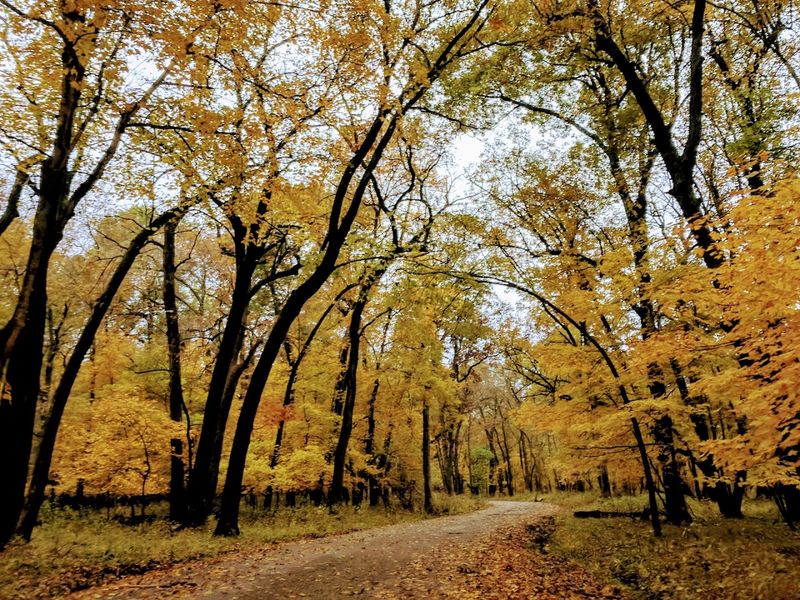
Fall is the consensus favorite among repeat visitors, and the reason is straightforward: the ridge trails offer layered views of the surrounding hills in full color, and the crowds thin out compared to summer.
Late September through mid-October tends to hit the color peak, though it shifts by a week or two depending on the year.
Spring runs a close second. The forest greens up fast after a wet March, wildflowers line the lower trails, and the river runs higher and more dramatic than at any other time of year.
The ford may not be crossable in early spring, but the river itself is worth watching from the bank when it is running full.
Summer is the busiest season, especially on weekends when families take over the ford and the campground fills up quickly. Arriving early on a summer morning, before 9 AM, means you get the trails mostly to yourself and the light is better for photos near the tunnel.
Weekdays in summer are noticeably quieter than weekends and give the park a more relaxed feel that lets you actually hear the river rather than just the sound of other people enjoying it.
Why This Park Deserves a Spot on Your Iowa Road Trip
A lot of Iowa state parks are pleasant and forgettable in the way that most pleasant things tend to be.
Pammel is different because it stacks multiple genuinely interesting features into a single visit: a carved limestone tunnel, a drive-through river ford, miles of wooded trails, reliable wildlife sightings, and a campground that actually works for both tent campers and RV travelers.
The park sits close enough to Winterset to make a day trip easy from Des Moines, which is about 35 miles northeast. That proximity means you can combine the park with the covered bridges, a downtown lunch, and still be home before dark if that is what the day calls for.
What keeps people coming back is the layering of the place. On one visit you might focus on the hike and the tunnel.
On the next, you bring kayaks and spend the afternoon on the river. In fall, you come for the color on the ridge.
Iowa does not always get credit for dramatic natural landscapes, but Pammel State Park makes a quiet, convincing case that the state has been holding out on the rest of the country.