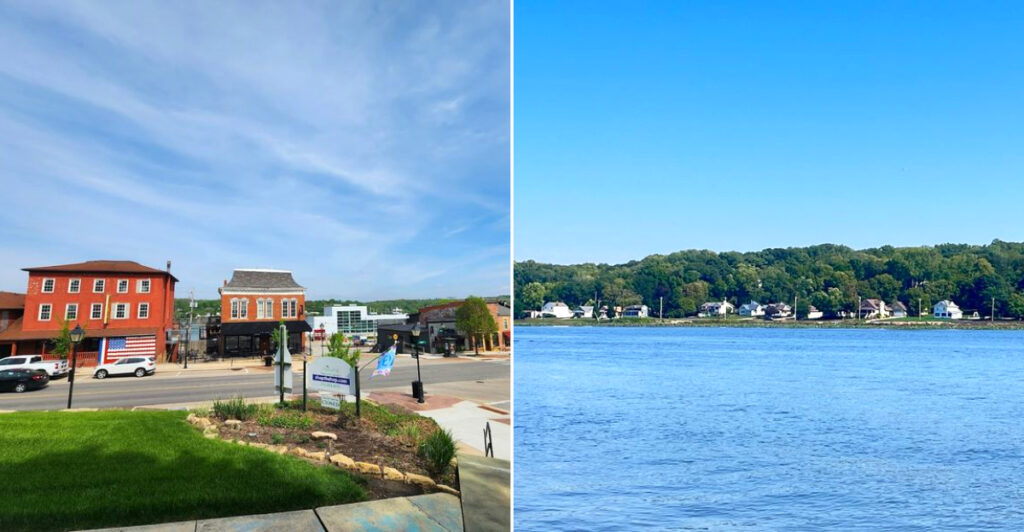
Iowa has plenty of river towns, but some make you slow down before you even find a parking spot. This eastern Iowa stop has old storefronts, Mississippi River views, a breeze that does half the sales pitch, and a main street with actual reasons to linger.
Nothing here feels overly polished or forced, which is part of the charm. It is not trying to be the small-town version of a theme park.
It simply gives you history, walkable streets, antique shops, outdoor access, and enough river scenery to make your camera roll quietly panic.
For anyone craving fresh air, local character, and a day trip that does not require military-level planning, this Iowa town makes the whole thing wonderfully easy.
A Town Built Where the River Demanded Attention
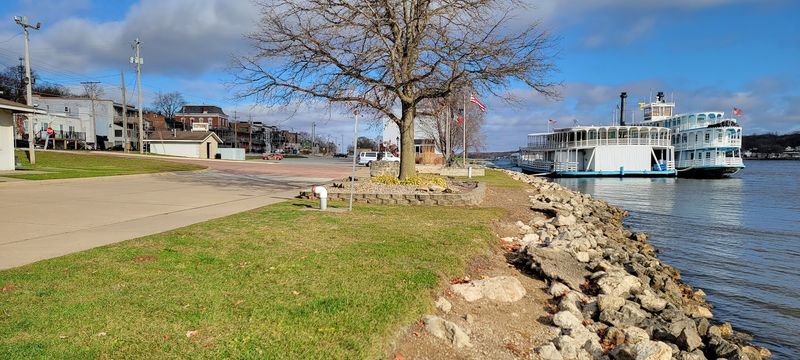
Long before anyone thought of LeClaire as a day trip, the Mississippi River was already making this stretch of Iowa famous for the wrong reasons.
The river narrows sharply here, creating what early river pilots knew as the Upper Rapids near the Rock Island Rapids, one of the most challenging passages on the upper Mississippi.
That danger turned LeClaire into something unexpected: a training ground for the best steamboat pilots in the country.
Pilots who could navigate these waters were in serious demand, and the town grew around that reputation. By the mid-1800s, LeClaire had become a legitimate hub along the river corridor.
Many of the buildings from that era are still standing today, which gives the downtown its layered, lived-in quality.
LeClaire sits along the Mississippi River in Scott County, Iowa, with the LeClaire Information Center at 117 S Cody Road, LeClaire, IA 52753. Population reached 4,710 residents in the 2020 census, making it one of the fastest-growing communities in the Quad Cities region.
That growth has not erased the old bones of the place, and that balance between old character and new energy is exactly what makes walking its streets feel like reading a chapter you did not expect to enjoy so much.
The Waterfront That Earns Every Minute You Give It
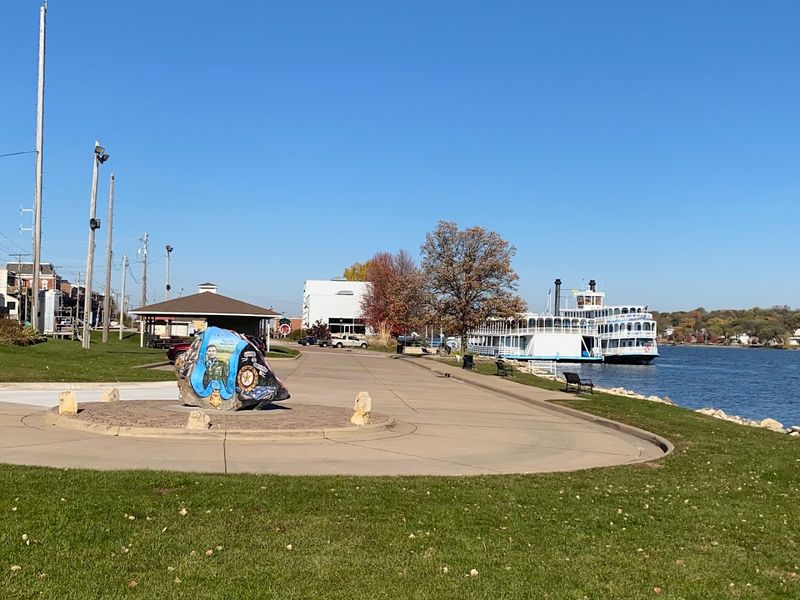
Most riverfront parks in small towns offer a bench and a view and call it a day. LeClaire’s waterfront gives you considerably more to work with.
The Mississippi River here runs wide and steady, and on a clear morning the light off the water hits differently than you expect from a river this far inland. The park along the shore is clean, open, and easy to move through without feeling rushed.
Families set up on the grass while cyclists roll past on the nearby trail. A few people fish from the bank with no urgency whatsoever.
The whole scene has a low-key energy that is hard to manufacture and even harder to find in towns that have been over-developed.
The riverfront also gives you a straight-on view of the Iowa side of the Quad Cities corridor, which puts the geography of the region into perspective fast. You can see barges moving slowly in the distance, which sounds unremarkable until you are actually watching one and realize how massive those things are up close.
Bring a snack, find a bench, and just let the river do what it does best.
Buffalo Bill and the Story Most People Walk Past
William Frederick Cody, better known as Buffalo Bill, was born in LeClaire in 1846. That fact alone gives the town a spot in American history that most people drive through without fully registering.
The Buffalo Bill Museum sits right on the riverfront and holds a focused collection of artifacts, photographs, and documents connected to his life and the broader story of the American frontier.
The museum is small by big-city standards, which actually works in its favor. You can move through it at a comfortable pace and come away with a clear picture of who Cody was before he became a legend.
The exhibits do not oversell the mythology. They let the real details carry the weight, and there are enough of them to keep you engaged for a solid hour.
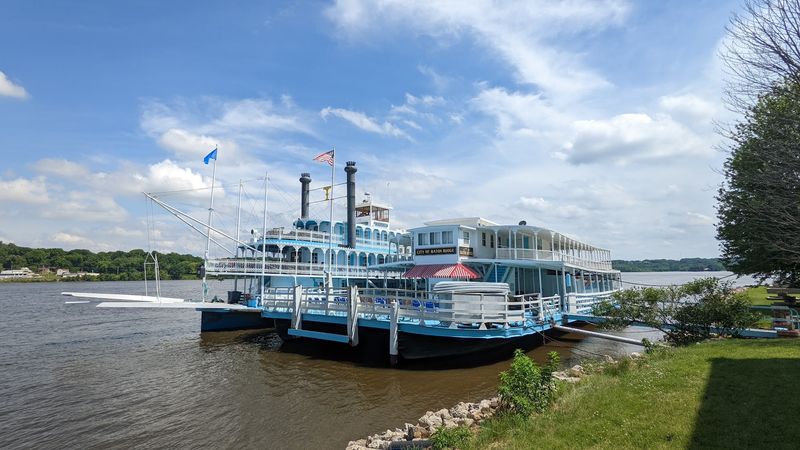
There is also a historic steamboat on display outside, the Lone Star, which adds another layer to the river history angle. Admission is affordable, and the staff tends to be genuinely knowledgeable rather than just reading from a script.
It is the kind of local museum that reminds you why small towns preserve things that larger cities often forget to notice.
Main Street With Actual Reasons to Slow Down
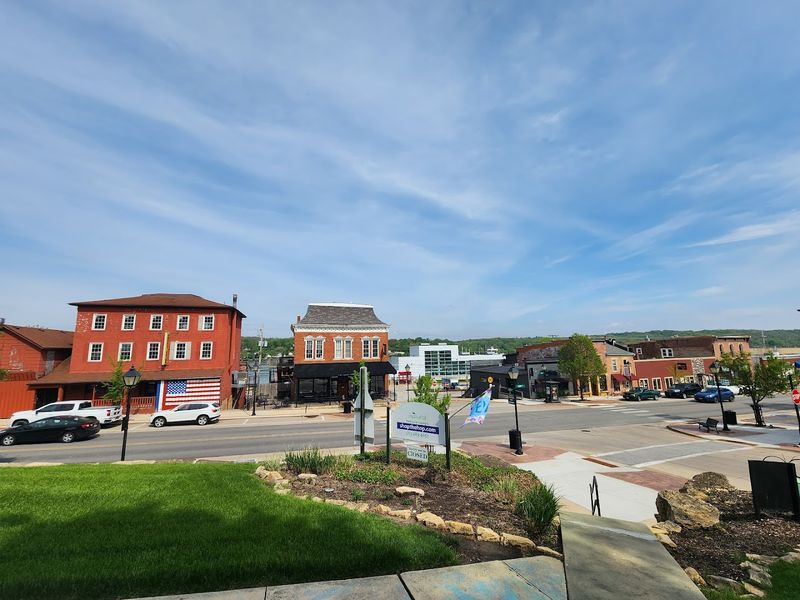
Antiques are a major part of LeClaire’s identity, and one walk down the main corridor explains why.
The shops here lean heavily toward antiques, vintage goods, and locally made items, but the mix is varied enough that you are not drowning in the same dusty furniture from store to store.
Each shop has its own curatorial personality, which keeps browsing from feeling repetitive.
I spent more time than I planned in one shop that had an entire section of old river maps and navigation charts. That kind of specificity is what separates a good antique town from a great one.
You find things here that are actually connected to the place, not just generic vintage filler trucked in from somewhere else.
The food options along the main stretch are solid without being fancy. A few restaurants serve straightforward Midwestern meals, and there are spots to grab coffee or a quick bite without having to drive out of town.
The sidewalks are wide enough to walk comfortably, and the whole strip is compact enough that you can cover it without wearing yourself out. Plan for at least two hours if you want to do it properly.
The Outdoor Side of LeClaire That Gets Underestimated
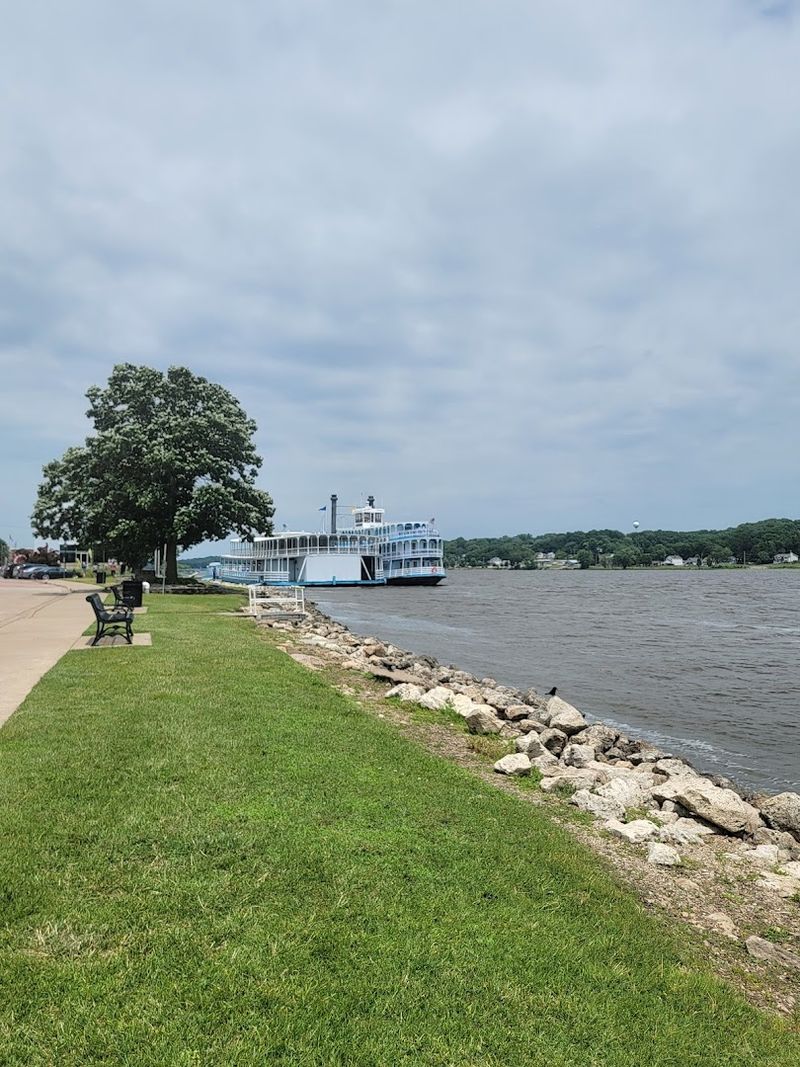
LeClaire’s riverfront trail access gives visitors an easy way to enjoy the Mississippi River without needing a major outdoor plan.
The city has developed a Mississippi River Riverfront Trail along part of the waterfront, adding a more comfortable option for walking, cycling, and taking in the river scenery.
The trail area is designed for casual movement rather than serious endurance training, and that fits the town perfectly. You can stretch your legs, watch the water, and move between downtown stops without feeling like you have wandered into something too demanding.
I rode a section of the riverfront area on a weekday morning when traffic was light and the air still had that cool river quality to it. The path never felt crowded, and the views toward the water came up often enough to make the ride feel rewarding rather than just functional.
Beyond cycling and walking, the area around LeClaire offers easy access to fishing spots, birdwatching along the river corridor, and nearby outdoor spaces.
The terrain is approachable for most fitness levels, which makes it a reasonable option for families with kids who are not ready for serious trails.
Outdoor access here is not an afterthought. It is woven into the daily rhythm of the town in a way that makes the whole place feel more alive.
Pickers Paradise and the Show That Put LeClaire on the Map
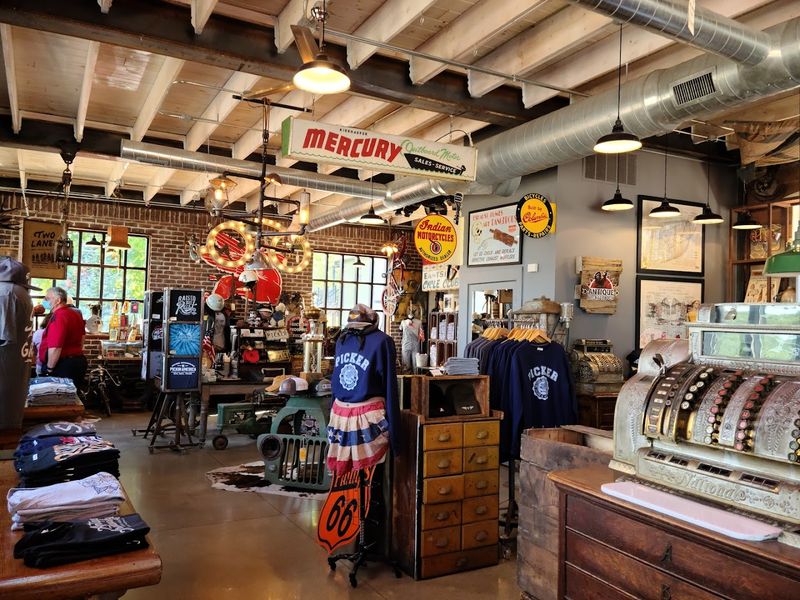
If the name LeClaire rings a bell for people who have never been to Iowa, there is a good chance the History Channel is responsible.
Antique Archaeology, the shop owned by Mike Wolfe of American Pickers fame, is located right in LeClaire and draws a steady stream of fans who want to see the place in person.
The shop is real, the inventory rotates, and the building itself has the kind of worn-in character that fits the show’s aesthetic perfectly.
Even if you have never watched a single episode, the shop is worth a stop. The selection of vintage Americana is genuinely interesting, and the prices reflect a curated retail environment rather than a flea market, so go in with that expectation.
You are buying a piece that has been selected and priced accordingly.
The shop’s presence has brought more foot traffic to LeClaire, and the town has absorbed that attention without losing its everyday character. The locals seem comfortable with the fame without being consumed by it.
Antique Archaeology is open most days, but hours can vary, so checking ahead before you make it a centerpiece of your trip is a smart move.
Best Times to Visit and What to Expect When You Get There
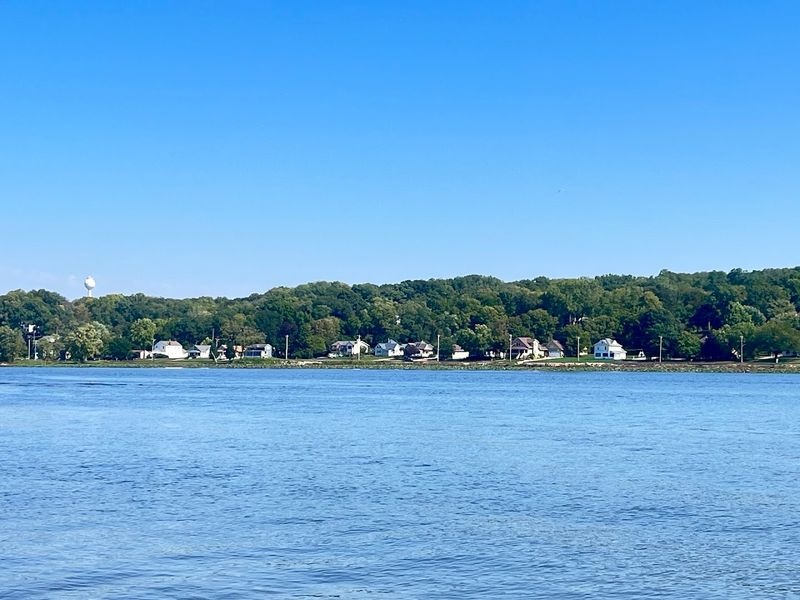
Late spring through early fall is the window when LeClaire is most enjoyable. The river trail is accessible, the waterfront park is active, and the town has the kind of energy that comes with warm weather and open doors.
Summer weekends draw larger crowds, especially around the antique shops and waterfront, so if you prefer a quieter visit, a weekday trip or an early morning arrival makes a noticeable difference.
Fall is genuinely worth considering. The trees along the river corridor turn in October, and the light on the Mississippi during that season has a quality that photographers seem to discover every year.
The crowds thin out after Labor Day, and the main street shops stay open through the season.
Winter is quiet and cold, as you would expect from eastern Iowa. A few businesses reduce hours or close seasonally, so confirming ahead is smart if you are traveling between December and February.
Parking in LeClaire is generally easy and free along the main streets, which is one less thing to stress about. The town is compact enough that once you park, you can handle most of the highlights on foot without moving your car again.
Why LeClaire Keeps Growing Without Losing Its Footing
A 65 percent population increase over two decades is a number that would stress out most small towns.
LeClaire has managed that growth without bulldozing the parts of itself that made it worth living in.
New residential development has pushed outward from the historic core, but the downtown and riverfront have held their character in a way that feels intentional rather than accidental.
Part of that is geography. The river sets a hard boundary on one side, and the existing historic structures create a framework that is difficult to casually demolish.
Part of it is also community investment in keeping the old buildings functional rather than letting them sit empty or get replaced by generic commercial strips.
The result is a town that feels like it is going somewhere without pretending it came from nowhere. New residents bring energy and spending power that keeps local businesses viable, while the older layers of the town give newcomers something to actually connect to.
That balance is not easy to maintain, and plenty of fast-growing towns fail at it entirely. LeClaire, Iowa seems to understand that the best version of its future is one that remembers what made the past worth keeping.