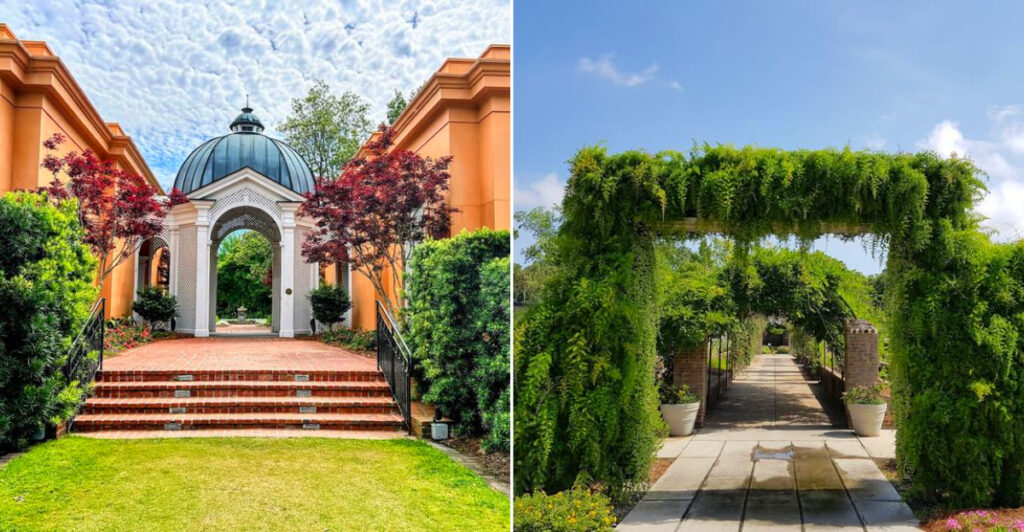
Walking into a botanical garden should feel like leaving the city behind and a certain ten-acre garden in Louisiana manages that trick the moment you step past the entrance gate and the street noise disappears behind a wall of live oaks and flowering jasmine.
The paths wind through rose gardens and past reflecting pools and into a glass conservatory where the humidity wraps around you like a warm towel and the air is thick with the green smell of tropical plants that have no business growing this well this far from the equator.
Sculptures stand quietly among the beds and the scale of the place is just right big enough to explore for an afternoon but small enough that you never feel lost.
An enchanting botanical garden in Louisiana proves that you do not need to leave the state to feel like you have stepped into a fairytale you just need to know where the gate is.
A First Impression Under The Live Oaks
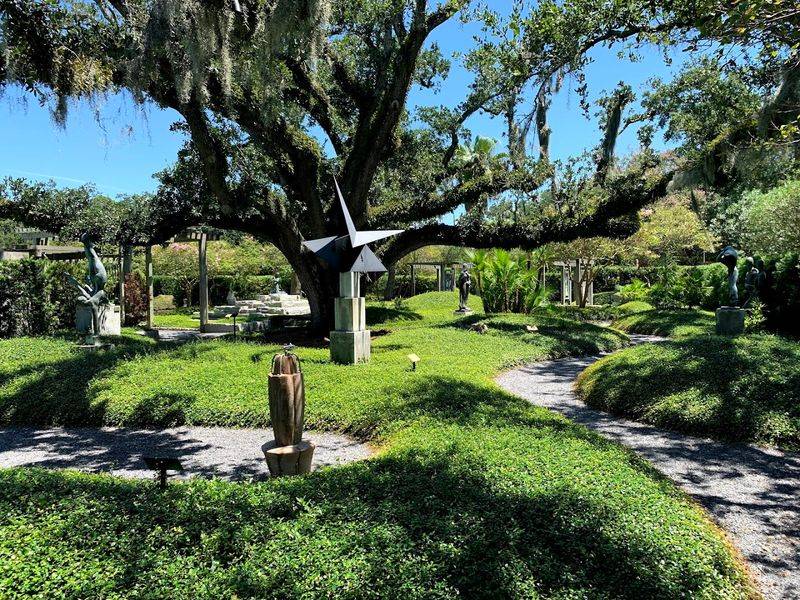
On arrival I immediately felt the scale of the live oaks, they anchor the garden and set a tone of softened light and cool shade that changes by the hour. The trees are part of City Park’s famous stand and their presence makes even the smallest beds feel epic.
Shade is not just comfort here, it is a design choice that frames sculptures, paths, and formal gardens with a slow reveal.
Move slowly at first and let your eyes settle. The Art Deco lines in hedges and the Alférez sculptures become clearer as you pause, revealing layered intent in both architecture and planting.
That slow pacing changes how the whole garden reads.
Finding The Garden Before The City Starts Showing Off
New Orleans Botanical Garden is the kind of stop that makes City Park feel like it has quietly been hiding a whole green theater behind the trees. Head toward the park with enough time to wander, because this is not a place that rewards the person treating flowers like a scheduled appointment.
The address is 5 Victory Ave, New Orleans, Louisiana 70124, and the entrance is through the Oscar J. Tolmas Visitor Center.
Once you are inside City Park, slow your pace a little, because the journey starts to feel less like navigation and more like being gently redirected by oaks, pathways, and suspiciously photogenic corners.
When you arrive, do not rush straight toward the first pretty bloom like a person who has never seen color before. Let the garden unfold in layers, conservatory air, sculptural details, quiet paths, and that soft New Orleans feeling that even plants here understand atmosphere.
The Miniature Train Garden’s Small Wonders
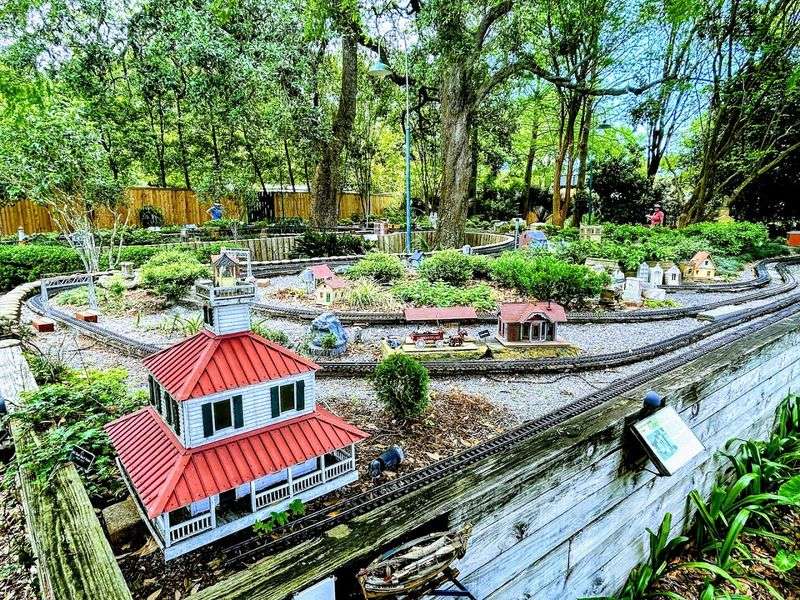
The Historic New Orleans Train Garden charms visitors with botanical replicas of local architecture and 1,300 feet of track that loop among tiny, plant-made facades. The trains operate on weekends from 10:00 AM to 4:30 PM and draw delighted families and anyone with a soft spot for small mechanical motion.
The miniature landscape is meticulous and surprisingly evocative of neighborhood forms and details.
If you visit on a Saturday or Sunday, plan to arrive near opening to avoid crowds and to watch trains as they start their runs. Kids often lead the pace here, but adults rediscover the pleasure of scaled detail.
The exhibit rewards slow looking and conversation about how plants can mimic building textures.
Conservatory Of The Two Sisters: Humidity And History
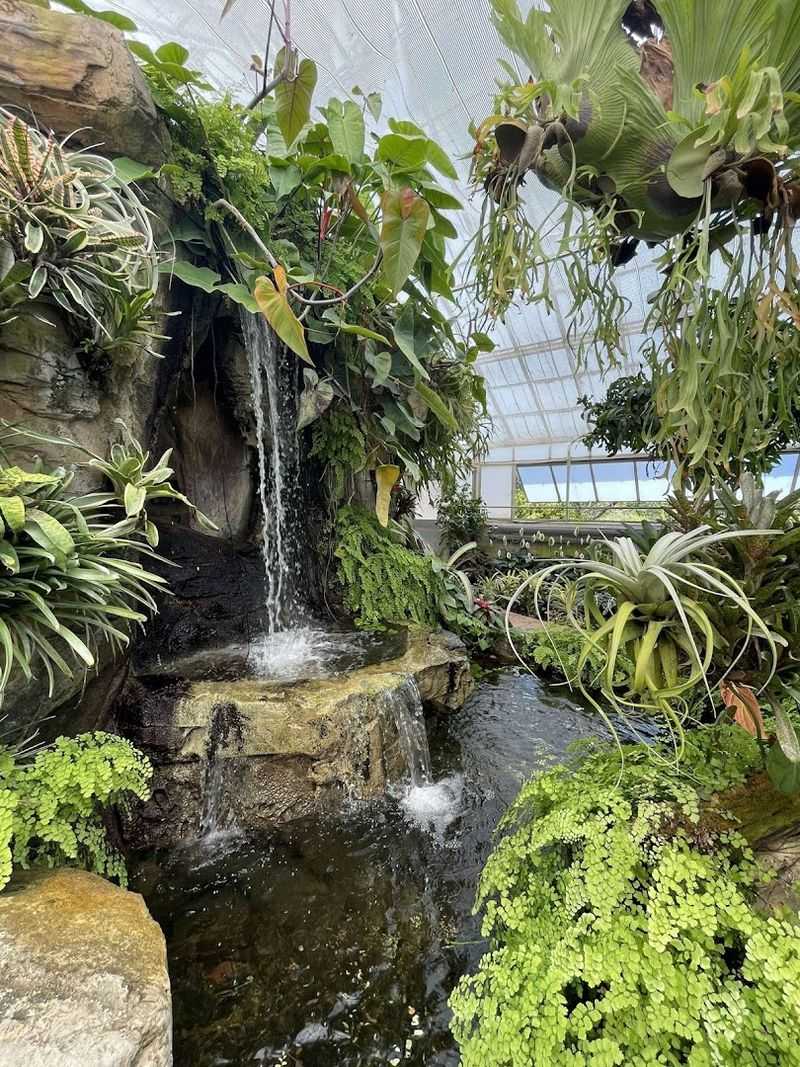
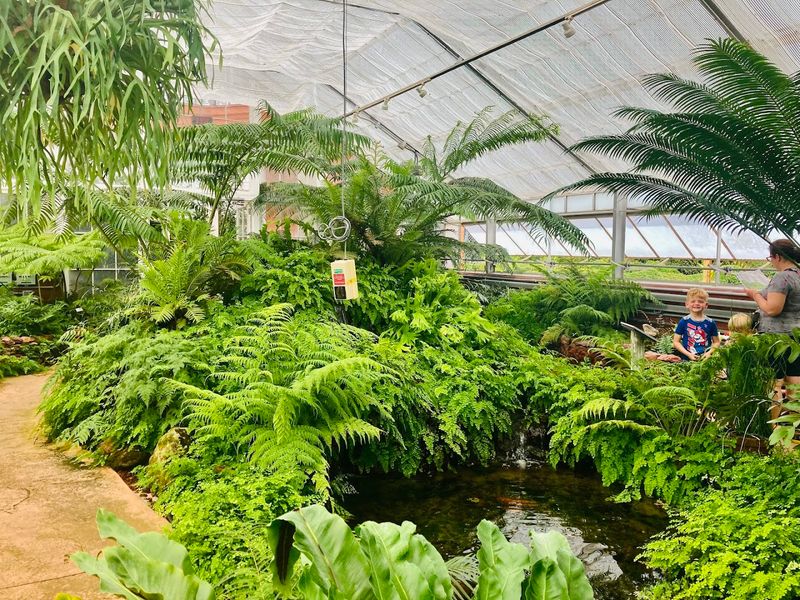
Stepping into the Conservatory of the Two Sisters is an immediate sensory shift: warm, humid air and a gentle waterfall hush create an immersive tropical vignette. The conservatory hosts Living Fossils and a Tropical Rainforest exhibit, offering visitors glimpses of prehistoric plant lineages and dramatic, layered planting.
The space is compact but feels larger because of vertical planting and sound design that masks exterior city noise.
Because the conservatory is climate controlled, it is a great refuge on hot or rainy days; fans and circulation manage humidity but expect moist air on your skin. Labels are informative so you can learn while wandering, and the design rewards lingering near the waterfall cave for photos and quiet reflection.
Japanese Garden Calm: Yakumo Nihon Teien
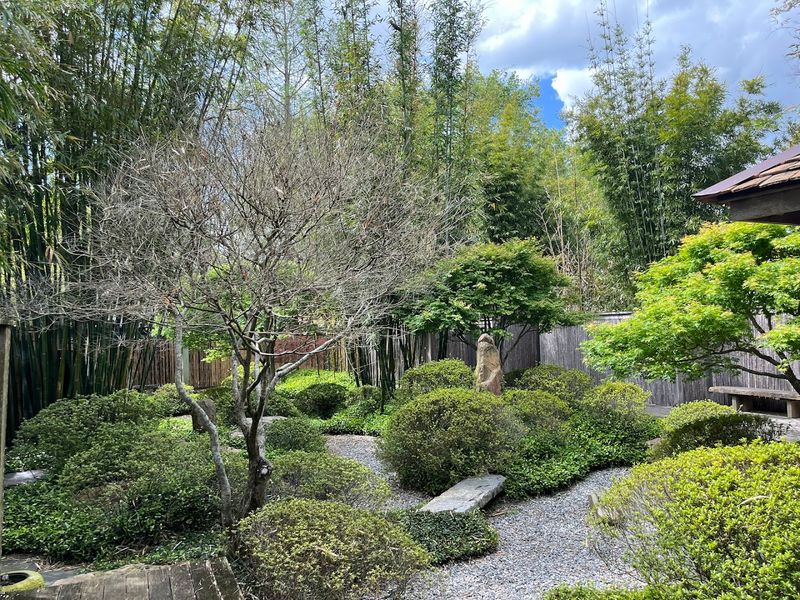
The Yakumo Nihon Teien Japanese Garden is a study in deliberate pruning and quiet geometry, with bonsai displays, stone lanterns, and koi ponds arranged for meditation and contemplation. The space encourages a slower rhythm, contrasting nicely with the garden’s more theatrical corners.
Paths are narrow and framed so that each view composes itself like a small painting.
When visiting, respect the hush and take time to stand still and watch the koi or the careful pruning of a maple. The garden is small but deeply satisfying for readers, thinkers, and anyone who wants a pause between more active garden areas.
It is ideal in morning light when reflections sharpen.
Parterre Rose Garden: Formal Simplicity
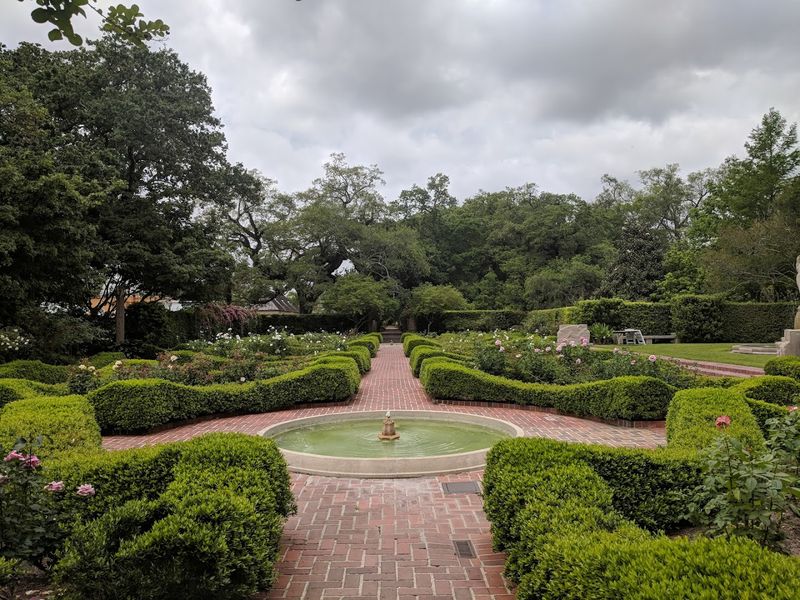
The Lord & Taylor Parterre Rose Garden offers formal symmetry and a close-up education in rose grooming amid brick paths and low hedges. The rose beds are divided neatly and a small round fountain centers the space, giving it the feeling of a private courtyard lifted into the public realm.
In bloom the effect is classic and restrained rather than flamboyant, which suits the garden’s overall Art Deco lineage.
Visit during cooler parts of the day to enjoy fragrance and to see bees at work. Benches and paths invite you to sit and note pruning techniques, and the brickwork underfoot is friendly for strollers and steady shoes alike.
Photography there rewards careful framing.
Butterfly Walk And The Hummingbird Garden
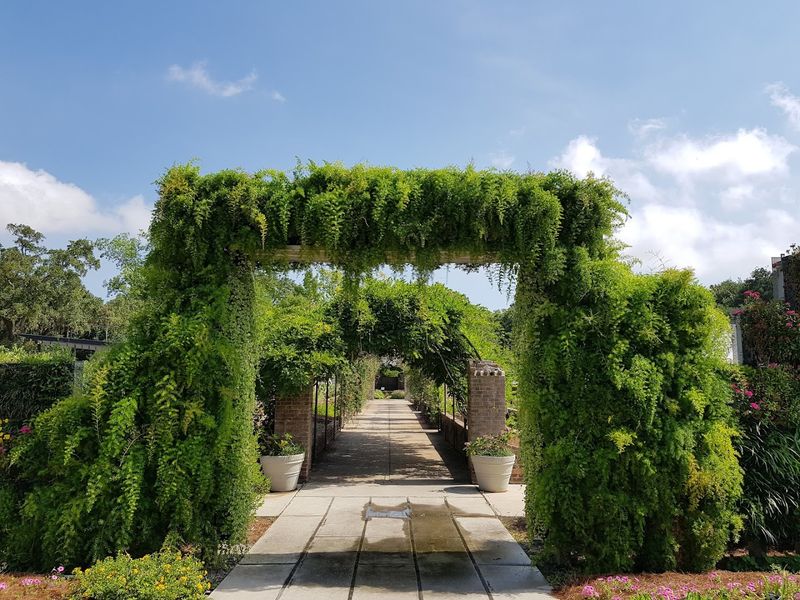
The Butterfly Walk and Hummingbird Garden are concentrated doses of motion and color where nectar-rich plantings invite fluttering visitors and tiny hovering birds. These areas feel alive in a different tempo than the formal gardens, there is constant microactivity, wings, and the occasional flash of iridescent plumage.
Plant selection is meant to sustain pollinators and to give visitors changing interactions through the seasons.
Bring patience and a long lens if you want close-up photos, and keep noise low to avoid scattering wildlife. Early morning visits often yield the most activity, while midday can be quieter.
The plant labels help you spot which species attract the most attention.
The Staghorn Fern Walk’s Dramatic Textures
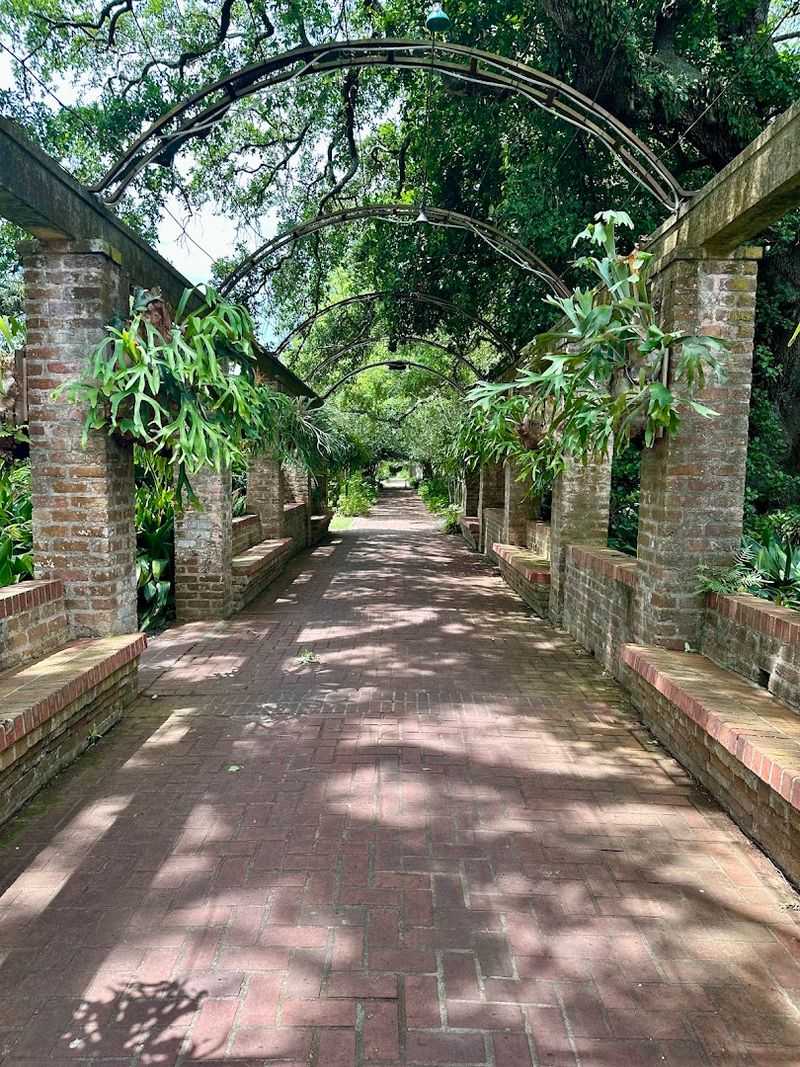
The Staghorn Fern Walk showcases epiphytic ferns mounted and hung like living tapestries, offering a distinct texture contrast to flower beds and hedges. The sculptural fronds create a humid, sheltered corridor that feels both ancient and intentional, and the display highlights preservation techniques used for epiphytes.
These ferns are a favorite among visitors who appreciate plant forms beyond blooms.
Touch is discouraged but visual study pays off. Notice attachment methods and the substrate used for mounting.
The walk pairs well with the conservatory visit because both spaces emphasize tropical growth habits and the joy of botanical display techniques. Peak viewing happens after rains when fronds look their most vigorous.
Sculpture By Rose Marie Huth Near The Water Lily Pond
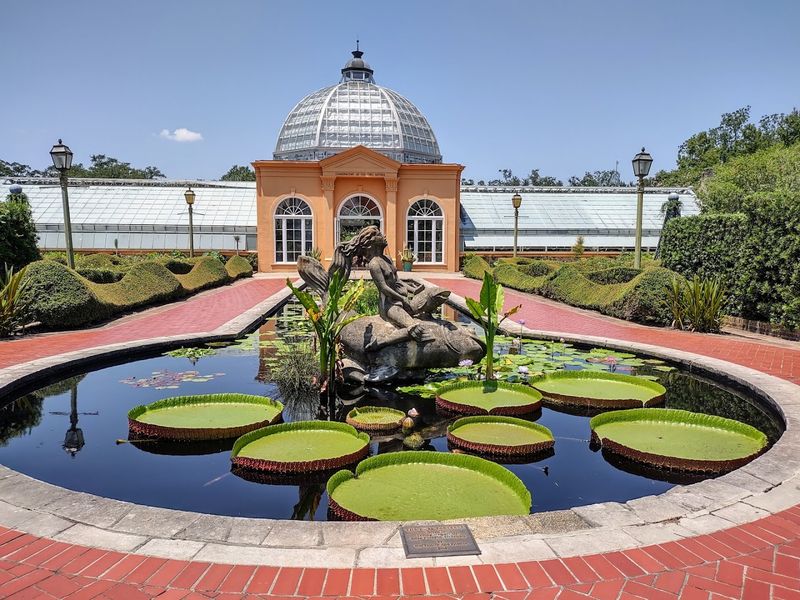
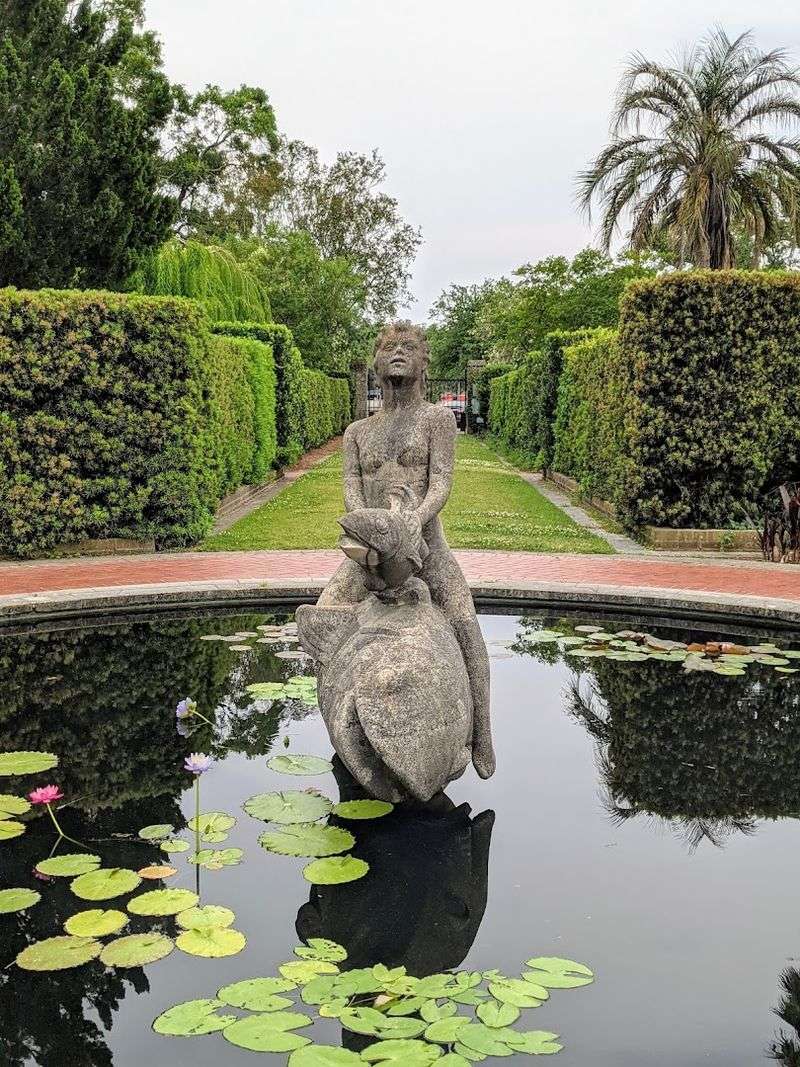
The sculpture by Rose Marie Huth, positioned near the water lily pond, acts as an elegant focal point that invites reflection, literally and figuratively. The figure of the woman riding a large fish feels mythic and playful at once, complementing the pond’s quiet surface and the lilies’ pads.
The artwork anchors that corner of the garden so visitors slow down and consider both art and aquatic planting.
Sit nearby to watch dragonflies and to see how reflections shift with wind. The site also reveals how water features regulate microclimate for surrounding beds, supporting amphibious plants and insect life.
It is worthwhile to linger and notice the pond’s seasonal changes.
Practicalities: Hours, Admission, And Rhythms

Your visit begins at the Oscar J. Tolmas Visitor Center at 5 Victory Avenue where tickets and maps are available; know that hours are Tuesday through Sunday, 10:00 AM to 4:30 PM, with last entry at 4:00 PM.
Admission is discounted for Louisiana residents and children; free admission for residents on Wednesdays is important to remember if you live locally. The garden recommends comfortable shoes, a packable raincoat, and water for humid days.
Plan visits on weekdays for quieter paths and consider a multi-hour window if you want to see conservatory exhibits, the train, and sculpture garden without rushing. Restrooms and onsite amenities are convenient and improve the low-effort charm of a well-run public garden.
Seasonal Highlights And Celebration In The Oaks
The garden’s character shifts by season. Spring and fall bring abundant blooms while summer emphasizes canopy shade and tropical displays in conservatories.
In winter the garden participates in Celebration in the Oaks, a local tradition that dresses paths and oaks in lights and changes the nocturnal mood entirely. Seasonal programming and plant sales add community texture to the garden’s calendar.
If you go during Celebration in the Oaks, buy tickets in advance since nights sell out and arrive early to manage parking. For plant lovers, seasonal sales are a way to bring home a living reminder, and winter light displays offer a different, quieter way to enjoy the garden’s layout and silhouettes.
Final Habit: How To Leave Feeling Invited Back
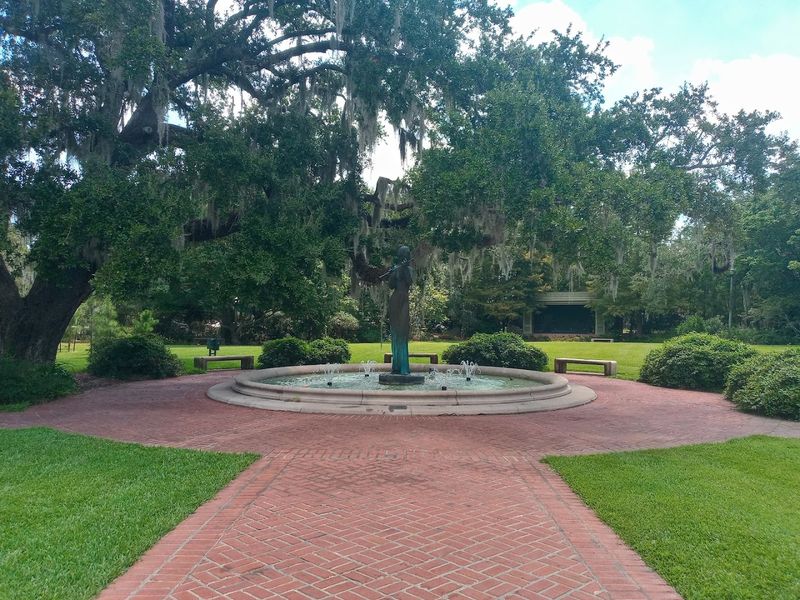
I recommend ending a visit with a deliberate pause on a bench near the fountain or under an oak to process what you noticed and to plan a return. The garden rewards repeat visits because different seasons and events change the emphasis from sculpture to blooms to trains.
Building a habit of brief, local returns lets you see subtler shifts and gives context to the garden’s layered design history and WPA-era roots.
Before you leave, check the visitor center for upcoming events, plant sales, or concerts. Leaving with a small purchase or a note about a favorite plant helps the garden stay part of your imagination long after you walk back to the park’s larger landscape.