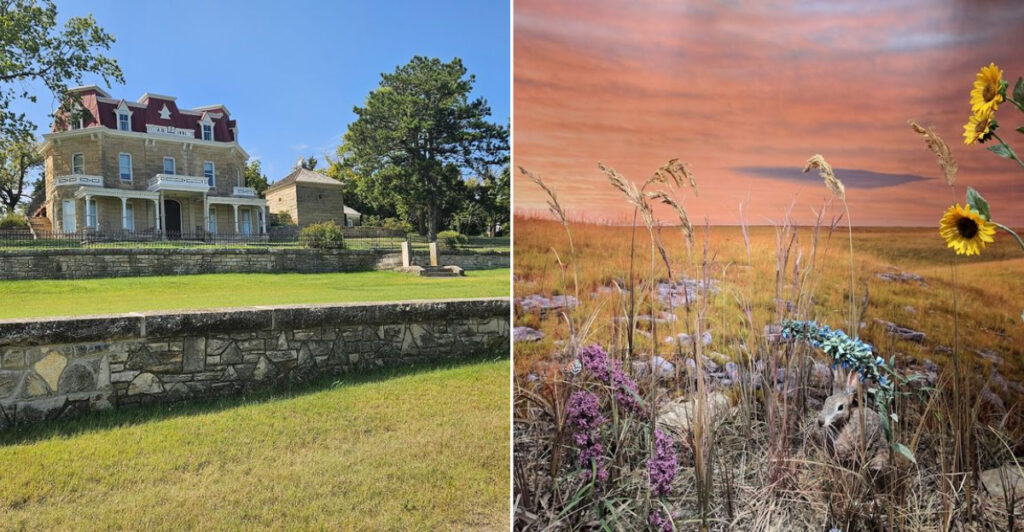
A sea of grass can feel just as powerful as a mountain range when the wind starts moving through it.
In Kansas, this protected prairie offers a rare glimpse of a landscape that once stretched across the heart of the continent, wild, open, and almost impossible to imagine at its original scale.
The beauty here is quiet at first. Then the details take over: rolling hills, big sky, native grasses, wildflowers, grazing bison, and trails that make the land feel alive under your feet. It is not scenery that shouts.
It spreads out, slows you down, and reminds you how much of America once looked this way before most of it disappeared.
Standing in a place like this, I would feel small in the best way, grateful that Kansas still holds onto a piece of that almost lost world.
The Vast And Humbling Landscape Of The Flint Hills
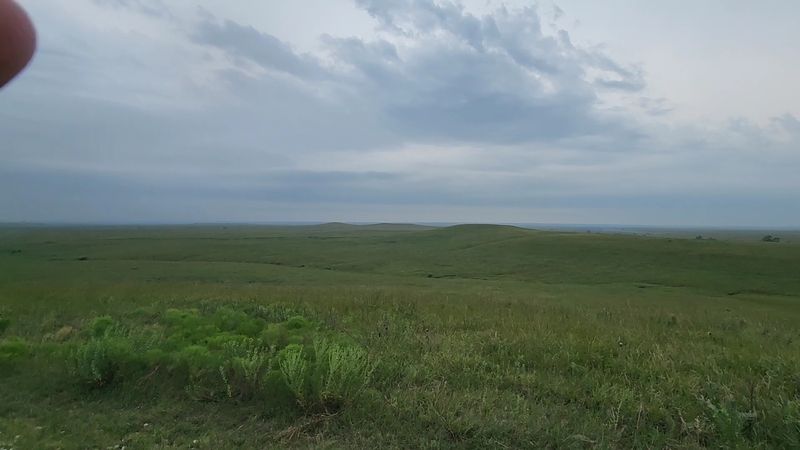
There is a moment, somewhere along the trails of Tallgrass Prairie National Preserve, when the sky seems bigger than anything you have ever seen before.
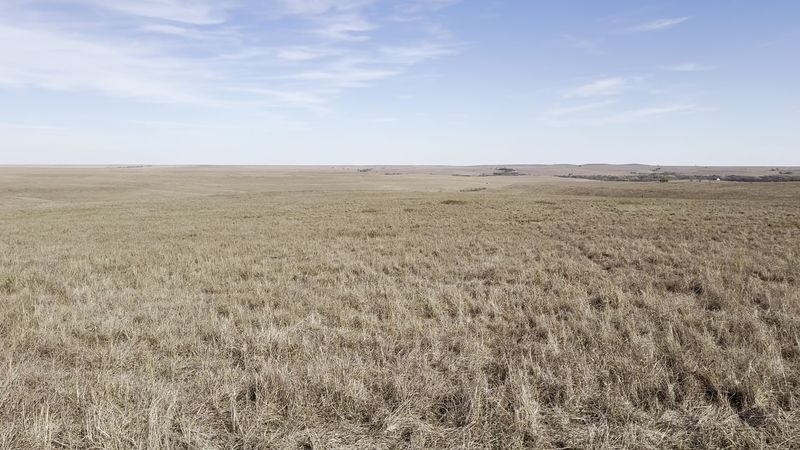
The Flint Hills region of Kansas is one of the last places on Earth where tallgrass prairie survives in a meaningful way.
The rocky, flint-rich soil here was too tough to plow, which is exactly why these grasses were never plowed under like so many other prairies across the country.
Grasses like Big Bluestem can grow taller than a full-grown adult, and the landscape shifts color dramatically through the seasons, from bright spring green to deep amber in the fall.
Unlike the flat stereotype many people hold about Kansas, this terrain rolls and dips with real elevation changes that make hiking genuinely rewarding. Every ridge reveals a new view that feels almost cinematic in its scale.
A Living History Written In Stone Buildings
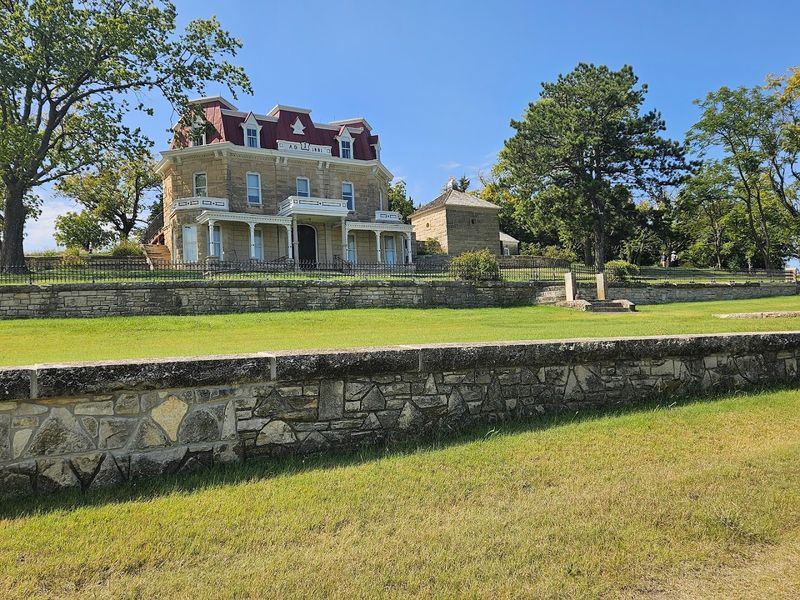
Long before this land became a protected preserve, it was home to one of the most ambitious ranching operations in the American West.
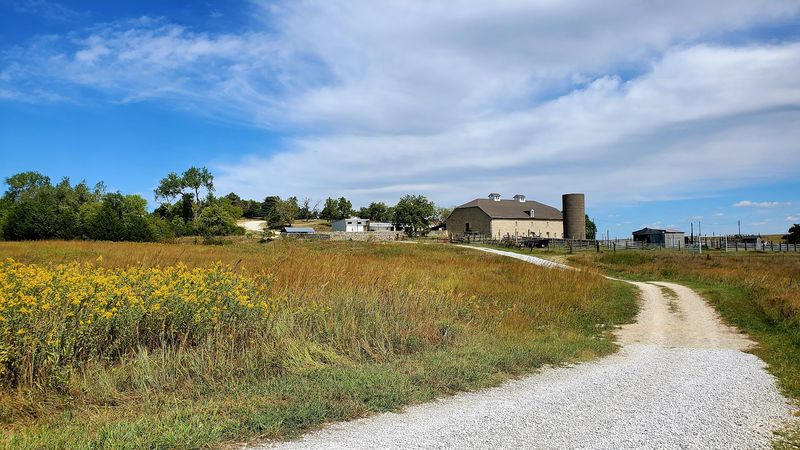
The Spring Hill Ranch, established in the 1880s, left behind a collection of stunning limestone structures that still stand on the property today.
The main ranch house is a beautifully preserved example of Second Empire architecture, which looks almost out of place against the open prairie backdrop but somehow fits perfectly once you understand the history behind it.
Walking through the barn, the outbuildings, and the ranch house gives a real sense of what life looked like for settlers who built an empire on these grasses.
The stone used in the construction came directly from the land itself, which makes these buildings feel rooted in a way that is hard to put into words. History here is not behind glass; it is right under your feet.
Bison Roaming Free Across The Pastures
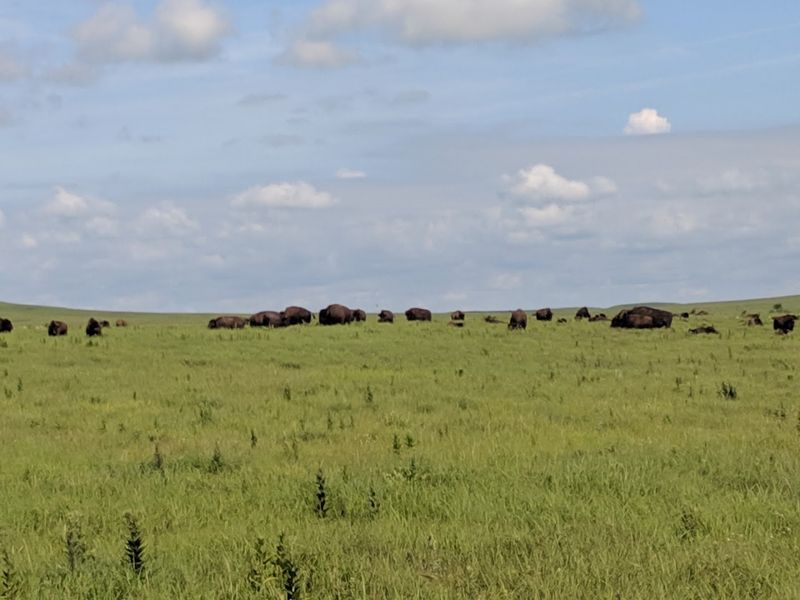
Few wildlife encounters in the continental United States carry the same raw, unscripted energy as seeing bison moving across open prairie with the Kansas sky stretched wide above them.
Tallgrass Prairie National Preserve maintains a bison herd often described at roughly 90 animals, and they roam designated pasture areas within the preserve throughout the year.
These animals are not zoo exhibits, which means spotting them requires some effort and a healthy respect for their space and unpredictability.
Trails entering Windmill Pasture, including routes connected to the Scenic Overlook Trail and Ranch Legacy Trail, offer some of the better chances for seeing the herd.
Rangers recommend keeping a safe distance at all times, moving slowly, and never approaching the bison directly.
Seeing these massive creatures move across the same landscape their ancestors once shared with the great herds of the American plains is an experience that genuinely stays with you.
The Visitor Center And Its Thoughtful Exhibits
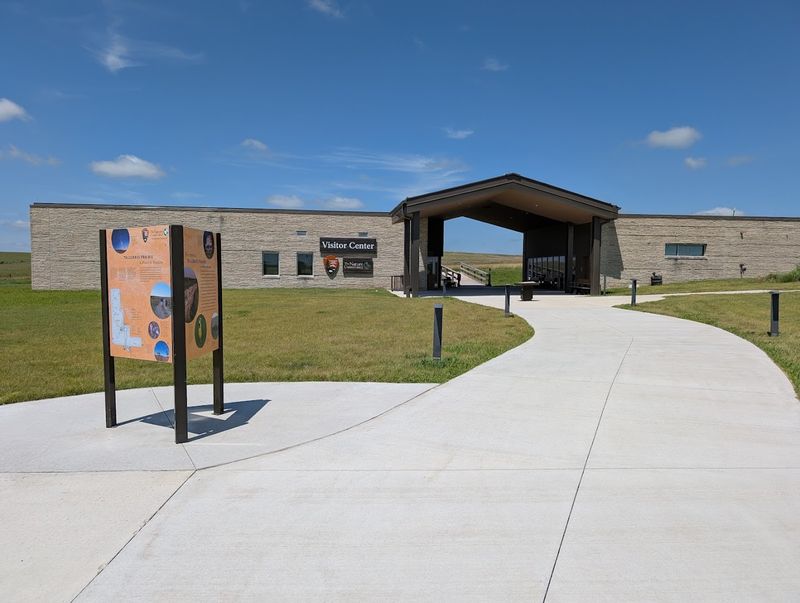
Before setting out on the trails, the visitor center at Tallgrass Prairie National Preserve is worth more than just a quick glance.
The exhibits inside are genuinely engaging, with hands-on displays that let you touch real bison fur, handle animal skulls found on the prairie, and learn about the complex web of life that makes this ecosystem function.
A short film gives context about the history of the tallgrass prairie and why so little of it survives today, which adds real emotional weight to everything you see outside afterward.
Staff and park rangers here are consistently praised for being knowledgeable, friendly, and genuinely enthusiastic about sharing what makes this place special.
There is also a compact gift shop where you can pick up books, maps, and locally inspired souvenirs.
The visitor center also provides clean restrooms and a water fountain with a bottle filler, which matters a great deal before a long hike in the Kansas sun.
Hiking Trails For Every Level Of Adventurer

With over 40 miles of trails winding through the preserve, there is genuinely something here for everyone from a casual afternoon stroller to a committed backcountry hiker.
The nature trails near the visitor center are shorter and easier, making them a great starting point for families or those short on time.
The Scenic Overlook Trail takes things up a notch with a longer route through open prairie where bison are sometimes spotted.
For those ready for a real workout, the backcountry trail system includes moderately difficult routes ranging from several miles to much longer loops, with notable elevation changes and sweeping Flint Hills views that feel earned by the time you reach them.
One practical note that every hiker quickly discovers: there is almost no shade anywhere on these trails.
Bringing plenty of water, wearing a hat, and applying sunscreen generously are not optional suggestions here.
The sun over the Kansas prairie is relentless in a way that catches many first-time visitors completely off guard.
Stargazing Under One Of Kansas’s Darkest Skies
Most people know this preserve as a daytime destination, but what happens after sunset here is something that genuinely changes how you see the world.
Because the preserve sits far from major cities and light pollution sources, the night sky above the Flint Hills is extraordinarily dark and clear.
Thousands of stars become visible to the naked eye, and on a good night during a new moon, the Milky Way stretches across the sky in a way that feels almost impossible if you have only ever seen stars from a city or suburb.
The trails at Tallgrass Prairie National Preserve are open 24 hours a day, seven days a week, which makes nighttime visits completely accessible.
Visitors who have experienced the night sky here often describe it as one of the most moving and humbling moments of their lives.
Arriving during a new moon phase and checking cloud forecasts ahead of time will give you the best possible experience under these extraordinary skies.
The One-Room Schoolhouse Step Back in Time
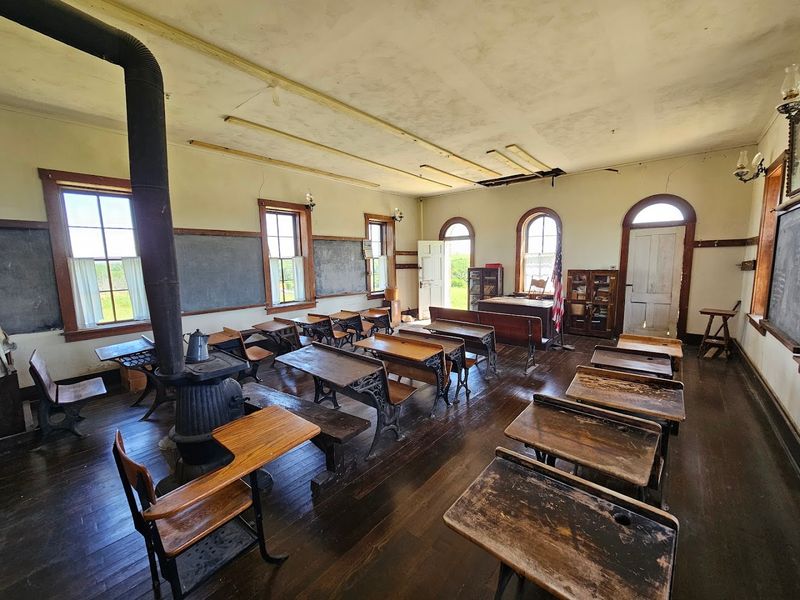
A short walk from the main ranch area stands one of the most charming and overlooked stops in the entire preserve: the Lower Fox Creek Schoolhouse, a restored one-room schoolhouse that feels like it was simply paused in time.
Inside, period wooden desks and chairs are arranged in neat rows, books line the shelves, maps hang on the walls, and a chalkboard stands ready as if class could begin at any moment.
The atmosphere is convincingly preserved, even though the furnishings are period pieces rather than original items.
This schoolhouse is a wonderful reminder of the human stories layered into this landscape, stories that go far beyond the prairie grasses and wildlife.
Children especially tend to connect with this spot in a way they do not always connect with traditional museum exhibits.
It is a small building with an outsized ability to spark curiosity and conversation about what everyday life once looked like on the American frontier.
Guided Bus Tours Through The Heart Of The Prairie
For those who want a deeper look at the preserve without committing to a long hike, guided prairie tours can be one of the best ways to experience Tallgrass Prairie National Preserve when available.
These tours may take visitors into areas of the preserve that are not accessible by personal vehicle, covering ground that reveals the true scale of the landscape in a way that is hard to appreciate from the trailhead.
Knowledgeable guides share stories about the ecology, history, and wildlife of the Flint Hills while the prairie rolls past in every direction.
Spotting bison during a guided prairie tour can be a highlight, and tours may also connect the historic structures and natural features in a way that provides real context for everything you see.
Availability depends on season, staffing, and group arrangements, so checking with the visitor center before planning around a tour is essential.
It is a relaxed and genuinely informative way to spend part of a visit when the schedule lines up.
Wildflowers, Birds, And The Surprising Biodiversity Here
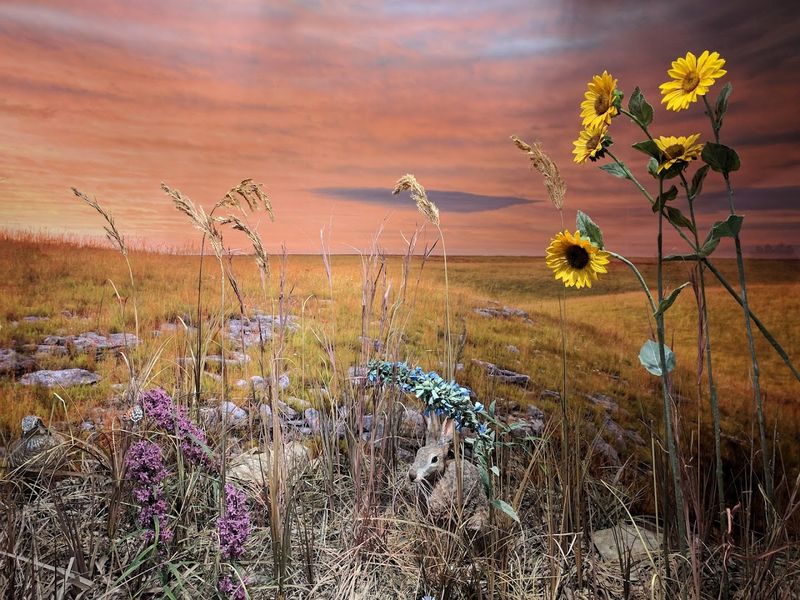
Most people arrive at Tallgrass Prairie National Preserve expecting grass, and they find so much more than that.
The preserve supports an astonishing variety of plant and animal life, including hundreds of species of wildflowers that bloom in waves from spring through late summer.
Purple coneflowers, black-eyed Susans, and wild bergamot are just a few of the species that paint the prairie in color during peak seasons.
Bird watchers have long recognized this area as an exceptional destination, with grassland species that are increasingly rare in other parts of the country making their home here.
The preserve also sits along a migratory corridor, meaning that the variety of bird species visible throughout the year changes constantly and keeps dedicated birders coming back repeatedly.
Early May and late summer are particularly celebrated for the wildflower displays, and the contrast between the blooming plants and the wide-open sky creates a visual experience that photographs can only partially capture.
This ecosystem is far more layered than it first appears.
Why This Preserve Matters For The Future
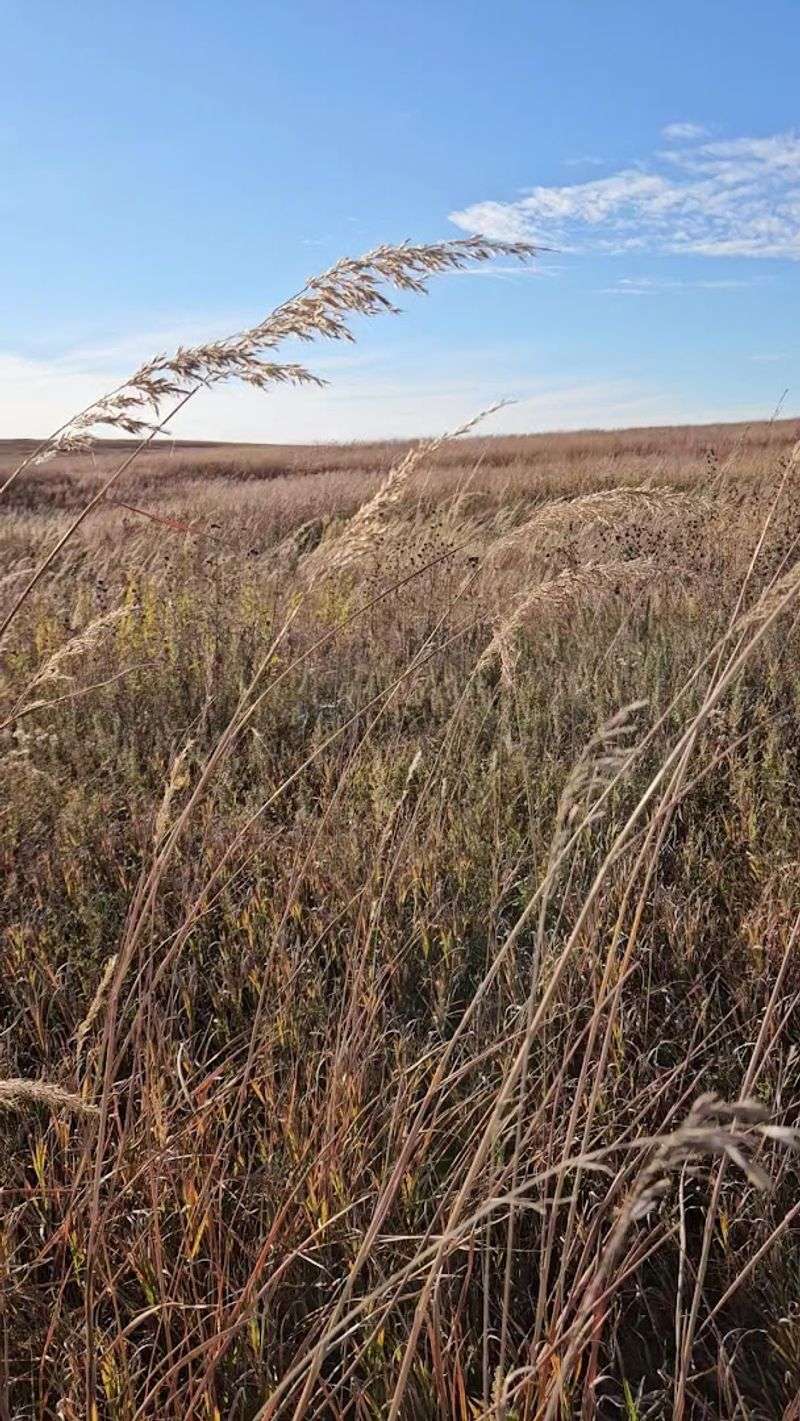
The story of tallgrass prairie in America is one of the most dramatic ecological transformations in history, and understanding it makes visiting this preserve feel genuinely meaningful.
Before European settlement, tallgrass prairie covered a massive swath of the continent, stretching from the Gulf Coast north through the middle of the country and touching regions as far east as Ohio.
Over the following two centuries, more than 96 percent of that original prairie was converted to farmland, developed into cities, or otherwise destroyed.
The fact that places like Tallgrass Prairie National Preserve exist at all is a result of dedicated conservation work, much of it led by the Nature Conservancy, which still partners in managing this land today.