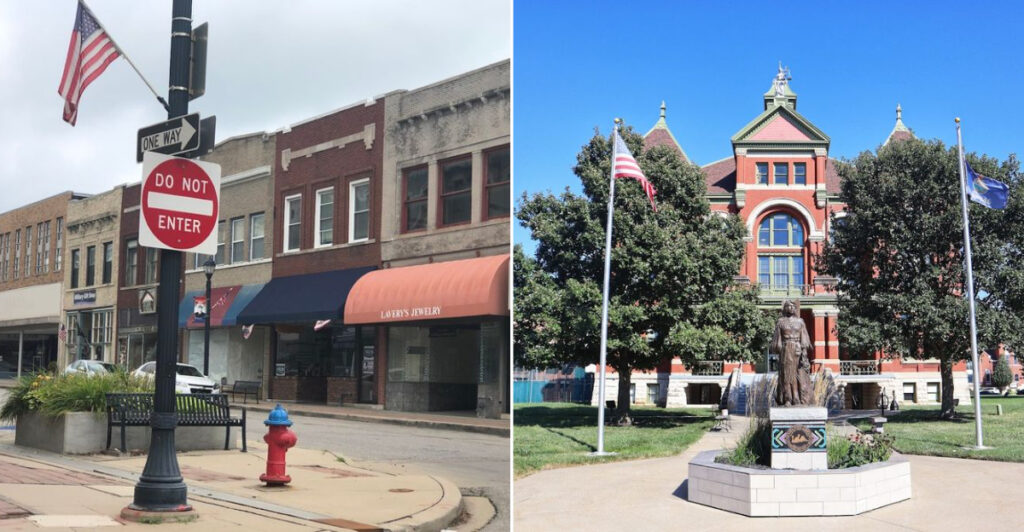
A World Cup trip does not have to stay locked inside the city limits.
From Kansas City, a free day can turn into an easy Kansas adventure with courthouse squares, brick lined downtowns, prairie views, local diners, small museums, and just enough open road to clear your head before the next match.
The fun is in how simple it feels. You can cheer with the crowds one day, then spend the next wandering a town that moves at a completely different speed.
That contrast gives a tournament trip more texture, more flavor, and a few stories that have nothing to do with the scoreboard.
I always like leaving room for one unhurried side trip, since those low-pressure detours often become the moments I replay long after the big event is over.
1. Lawrence, Kansas
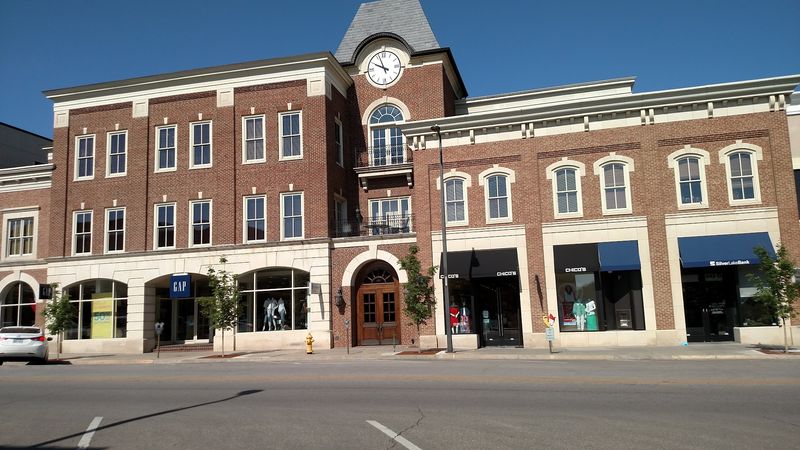
College towns have a way of making you feel instantly at home, and Lawrence, Kansas, pulls that off better than most.
Sitting about 40 miles west of Kansas City along I-70, this lively city of roughly 100,000 people is anchored by the University of Kansas, which crowns a hill overlooking the downtown area.
Massachusetts Street, known locally as Mass Street, is the heartbeat of Lawrence.
Independent bookshops, record stores, local restaurants, and boutiques line the road for several blocks, making it one of the most walkable stretches in the state.
Lawrence also carries a heavy historical weight as a flashpoint during the Bleeding Kansas era before the Civil War. The Watkins Museum of History brings that turbulent past to life with engaging exhibits.
The town’s blend of youthful energy, deep history, and a genuinely welcoming vibe makes Lawrence an easy first stop for any World Cup traveler looking to stretch their legs and explore something real.
2. Leavenworth, Kansas

There is something undeniably bold about a town that leans into its own complicated identity, and Leavenworth, Kansas, does exactly that.
Located just 25 miles north of Kansas City along the Missouri River, Leavenworth holds the distinction of being the oldest American city in Kansas, founded in 1854.
The town is closely tied to Fort Leavenworth, a U.S. Army installation that has been in continuous operation since 1827, making it the oldest active fort west of Washington, D.C.
The Frontier Army Museum on the fort grounds offers a fascinating look at westward expansion and military history that you genuinely cannot find anywhere else in the region.
Beyond the fort, Leavenworth’s downtown features Victorian-era architecture, riverfront views, and a surprisingly vibrant arts scene.
The C.W. Parker Carousel Museum, which houses one of the finest antique carousel collections in the country, adds a whimsical touch to the visit.
Leavenworth rewards curious travelers who enjoy history with real texture and depth.
3. Atchison, Kansas
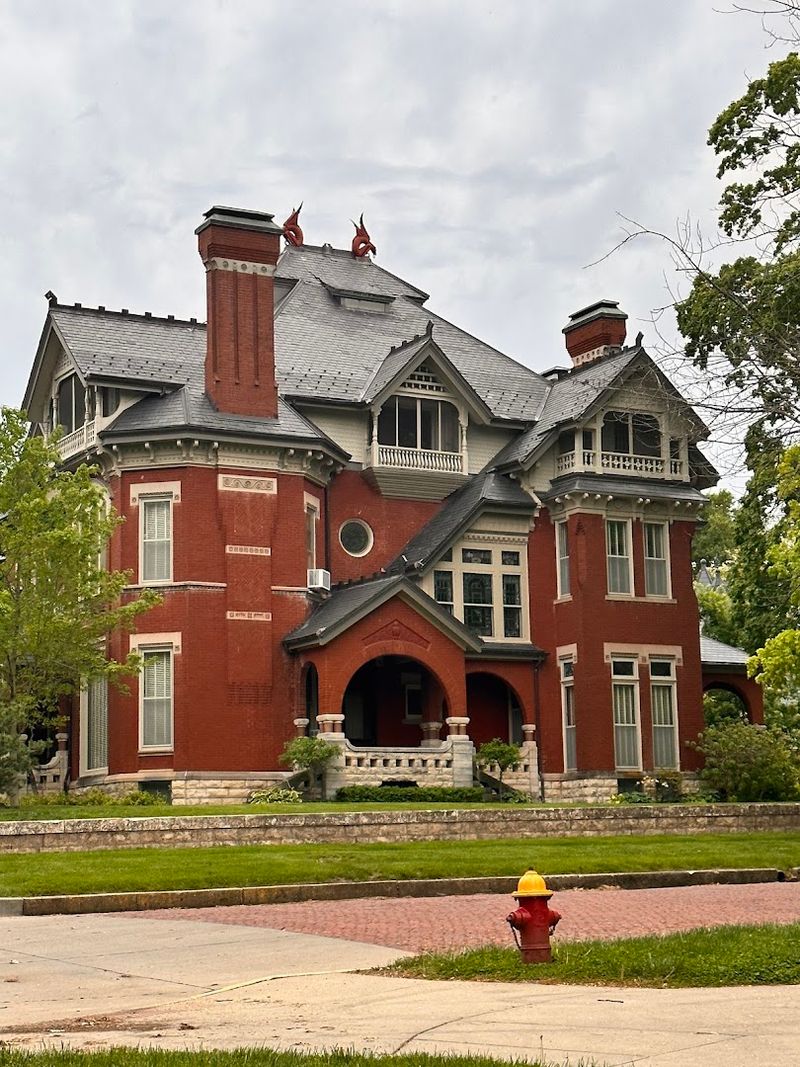
Atchison, Kansas, is the kind of place that quietly surprises you.
Perched on the bluffs above the Missouri River about 50 miles north of Kansas City, this small city of around 10,000 people punches well above its weight when it comes to historical significance.
Most famously, Atchison is the birthplace of Amelia Earhart, the pioneering aviator who became the first woman to fly solo across the Atlantic Ocean.
The Amelia Earhart Birthplace Museum sits right on the riverbank and offers an intimate look at her early life in a beautifully preserved Victorian home.
Atchison also played a pivotal role in the development of the American railroad system, and the Atchison, Topeka and Santa Fe Railway was born here.
Walking through the town’s historic districts feels like flipping through a well-preserved chapter of American frontier history.
For World Cup visitors who want a story to tell back home, Atchison delivers one that is genuinely unforgettable.
4. Baldwin City, Kansas
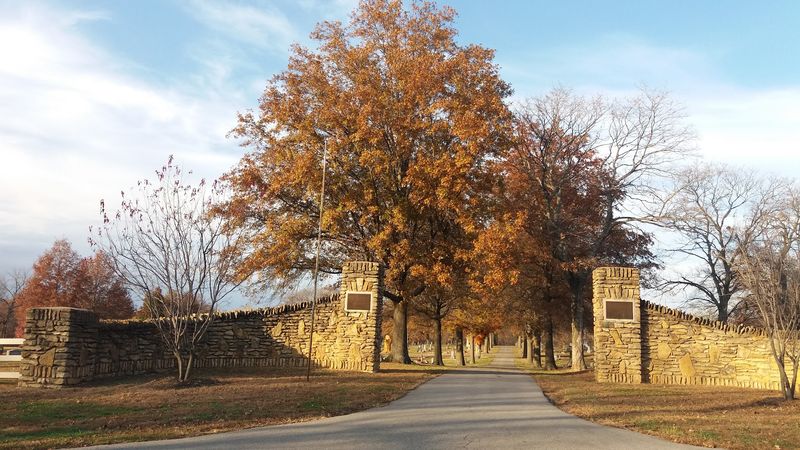
Small in size but rich in character, Baldwin City sits about 35 miles southwest of Kansas City and offers a peaceful contrast to the urban energy of the metro area.
The town is home to Baker University, the first university in Kansas, founded in 1858, which gives the community a quiet academic charm that is hard to replicate.
Baldwin City also sits along the historic Santa Fe Trail, the legendary trade route that once connected Missouri to Santa Fe, New Mexico.
The Old Castle Museum on Baker University’s campus preserves early Kansas, Methodist, and university history inside a landmark tied closely to the school’s earliest days.
The downtown area is compact and walkable, with local shops and a relaxed pace that feels like a genuine step back in time.
Nearby Black Jack Battlefield adds another important layer of Kansas history, connecting the area to the turbulent Bleeding Kansas era before the Civil War.
Baldwin City is the kind of town where you can breathe a little slower, enjoy the landscape, and appreciate the quieter side of Kansas that most travelers never get to see.
5. Ottawa, Kansas

Ottawa, Kansas, carries a name that honors the Ottawa Nation, the Indigenous people who once called this region home, and that history runs deep throughout the town.
Located about 60 miles southwest of Kansas City along I-35, Ottawa serves as the seat of Franklin County and sits along the Marais des Cygnes River.
The Old Depot Museum, housed in a beautifully restored 1888 train station, is one of the highlights of any visit to Ottawa.
It tells the story of the town’s growth through the railroad era with well-curated exhibits that manage to feel both educational and genuinely engaging.
Ottawa is also known as a hub for antique hunters, with several shops scattered through the downtown area offering everything from vintage furniture to rare collectibles.
The Franklin County Courthouse, a stunning example of late 19th-century civic architecture, anchors the town square.
Ottawa rewards slow, curious exploration, and for World Cup travelers with a free afternoon, it offers a satisfying and unhurried Kansas experience.
6. Paola, Kansas
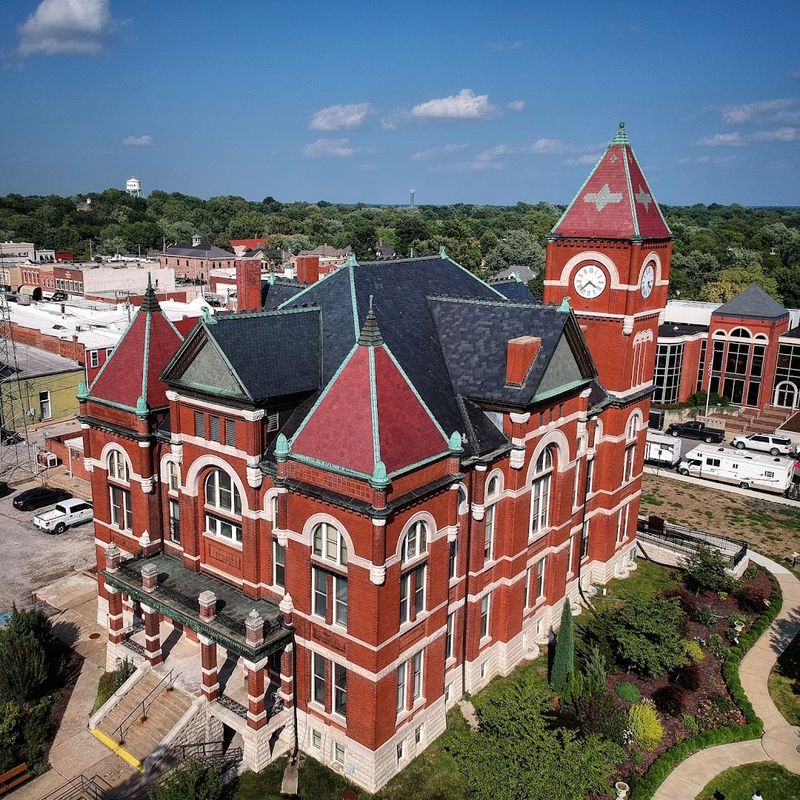
Paola is one of those towns that locals tend to keep to themselves, and honestly, that is part of its appeal.
The seat of Miami County sits about 40 miles south of Kansas City and is home to one of the most attractive courthouse squares in the entire state of Kansas.
The Miami County Courthouse, surrounded by a classic public square complete with a historic bandstand, has a storybook quality that makes it instantly photogenic.
Paola’s downtown features well-maintained storefronts, local eateries, and a community atmosphere that feels authentically Midwestern without being a caricature of it.
The town is also close to Hillsdale State Park, where Hillsdale Lake offers opportunities for hiking, fishing, and enjoying the open Kansas landscape at its most serene.
Paola has a population of just under 6,000 people, which means the pace here is refreshingly unhurried.
For a World Cup traveler who wants to experience genuine small-town Kansas without driving far, Paola is a quietly rewarding choice.
7. Fort Scott, Kansas
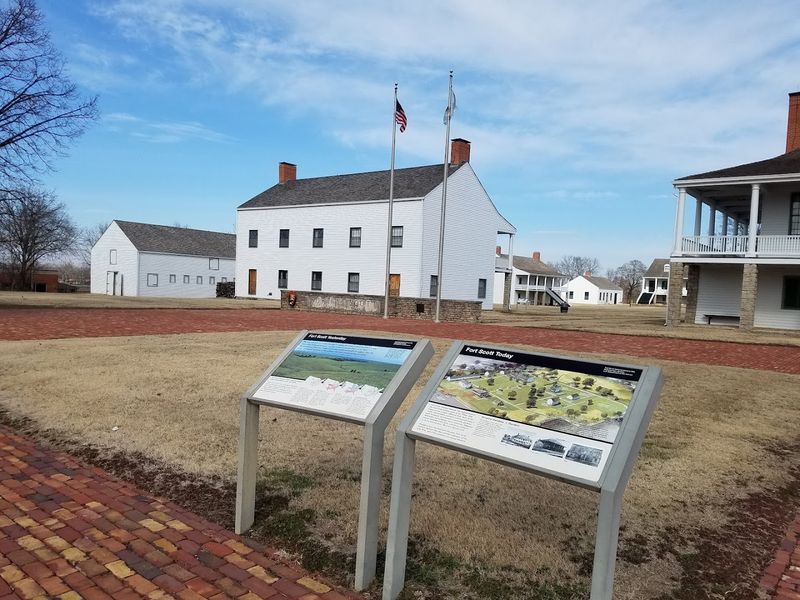
Fort Scott earned its place in American history the hard way.
This southeastern Kansas town, located about 90 miles south of Kansas City, was home to a frontier military post that became a flashpoint during the Bleeding Kansas conflict and later served as a major supply depot during the Civil War.
The Fort Scott National Historic Site does an exceptional job of preserving and interpreting that history.
The restored military buildings, including officers’ quarters, a hospital, and barracks arranged around a wide parade ground, give visitors a vivid sense of what life on the frontier actually looked like in the 1840s and 1850s.
Beyond the national historic site, Fort Scott’s downtown Bourbon County seat features Victorian-era architecture, local shops, and a genuine small-town warmth that makes it easy to spend a full day here.
The Gordon Parks Museum, dedicated to the legendary photographer, filmmaker, and author who was born in Fort Scott, adds another compelling layer to the visit. Fort Scott is history you can actually feel.
8. Council Grove, Kansas
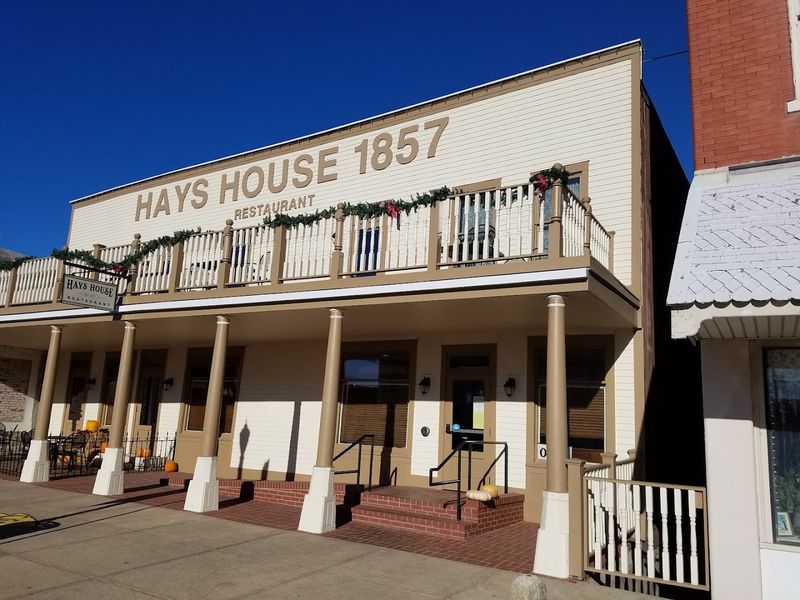
Before wagon trains rolled west along the Santa Fe Trail, travelers stopped at Council Grove, Kansas, to stock up on supplies and cut timber for spare wagon parts.
That tradition of being a gathering point is baked into the identity of this small Morris County town, located about 115 miles southwest of Kansas City.
Council Grove is a National Historic Landmark, and the designation is well-earned.
The town preserves more Santa Fe Trail history per square mile than almost anywhere else in the country, with sites like the Last Chance Store, the Kaw Methodist Mission, and the famous Council Oak tree stump, under which treaty negotiations with the Osage Nation took place in 1825.
The Neosho River adds a scenic quality to the town that makes simply walking around feel like a pleasure.
Council Grove also hosts the Wah-Shun-Gah Days powwow each June, celebrating the heritage of the Kaw Nation.
For history-minded World Cup visitors, this town offers an experience that is genuinely hard to match in the region.
9. Wamego, Kansas
Somewhere over the rainbow, there is a small Kansas town that has fully committed to celebrating one of the most beloved stories in American pop culture, and that town is Wamego.
Situated about 85 miles west of Kansas City along the Kansas River valley, Wamego has built a charming identity around its connection to L. Frank Baum’s “The Wonderful Wizard of Oz.”
The OZ Museum in downtown Wamego is the centerpiece of the experience, housing one of the most impressive collections of Oz memorabilia in the world, with artifacts, costumes, and interactive displays that delight visitors of all ages.
The town even has a yellow brick road painted through its streets during the annual OZtoberFest celebration each fall.
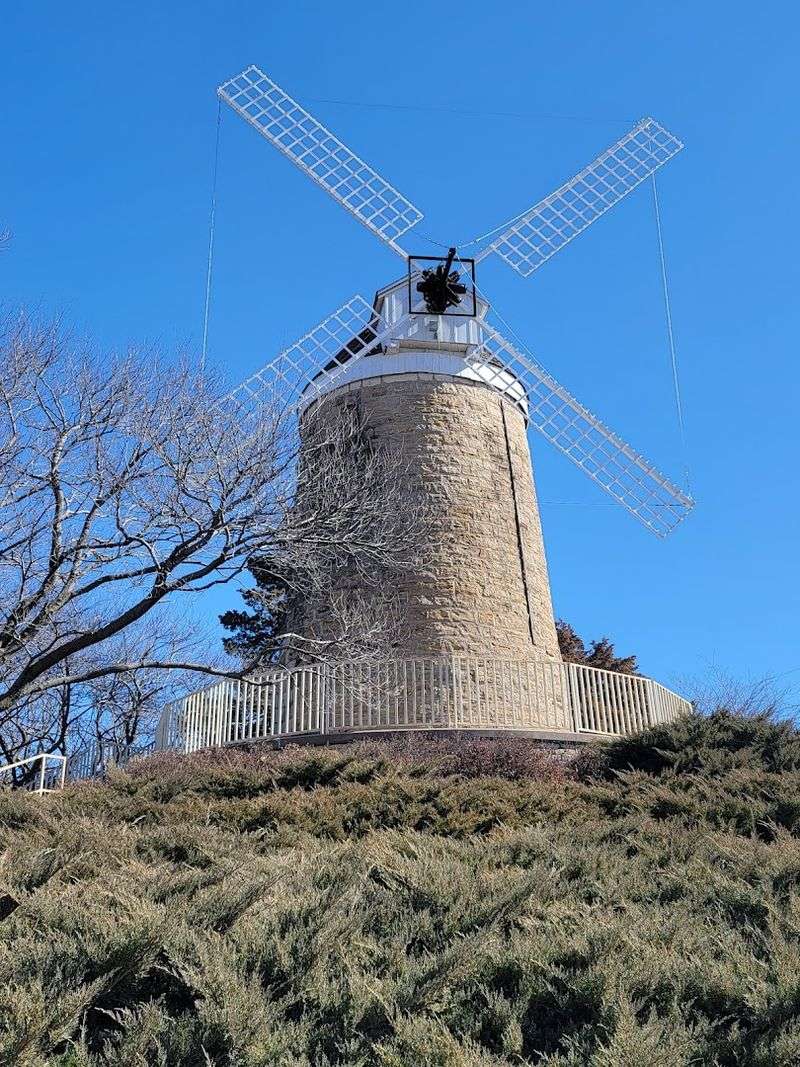
Wamego is also home to Columbian Park, a beautiful green space with a historic Dutch windmill that has become one of the most photographed landmarks in the state.
The combination of literary nostalgia, genuine small-town charm, and scenic river valley surroundings makes Wamego a truly fun stop on any Kansas road trip.
10. Lindsborg, Kansas
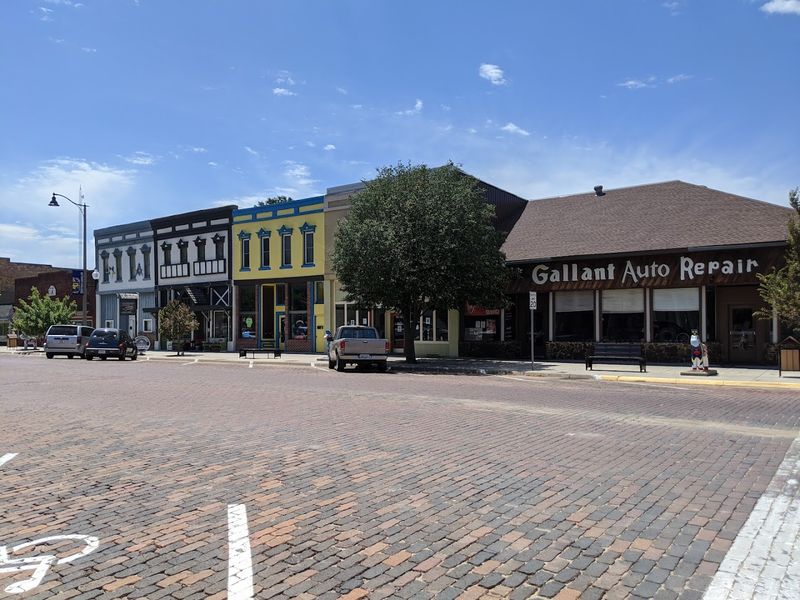
Lindsborg goes by the nickname “Little Sweden, USA,” and a single walk down its main street makes it immediately clear why.
This McPherson County town, located about 185 miles southwest of Kansas City, was settled by Swedish immigrants in the 1860s and has held onto that heritage with remarkable pride and consistency ever since.
Bright red Dala horse sculptures stand at intersections throughout downtown, Swedish flags flutter from storefronts, and shops sell everything from traditional Scandinavian crafts to hand-painted folk art.
The Birger Sandzen Memorial Gallery, dedicated to the Swedish-American impressionist painter who taught at Bethany College for decades, is one of the finest small art museums in the entire state of Kansas.
Lindsborg hosts the Svensk Hyllningsfest, a Swedish heritage festival held every other October, which draws thousands of visitors for folk dancing, traditional food, and cultural celebrations.
Bethany College gives the town a youthful, intellectual energy that balances the historical atmosphere beautifully.
Lindsborg is a one-of-a-kind Kansas destination that genuinely feels like nowhere else in the Midwest.
11. Cottonwood Falls, Kansas
Cottonwood Falls is the kind of place that stops you in your tracks.
The Chase County seat sits about 110 miles southwest of Kansas City in the heart of the Flint Hills, the largest remaining stretch of tallgrass prairie in North America, and the scenery surrounding this small town is nothing short of spectacular.
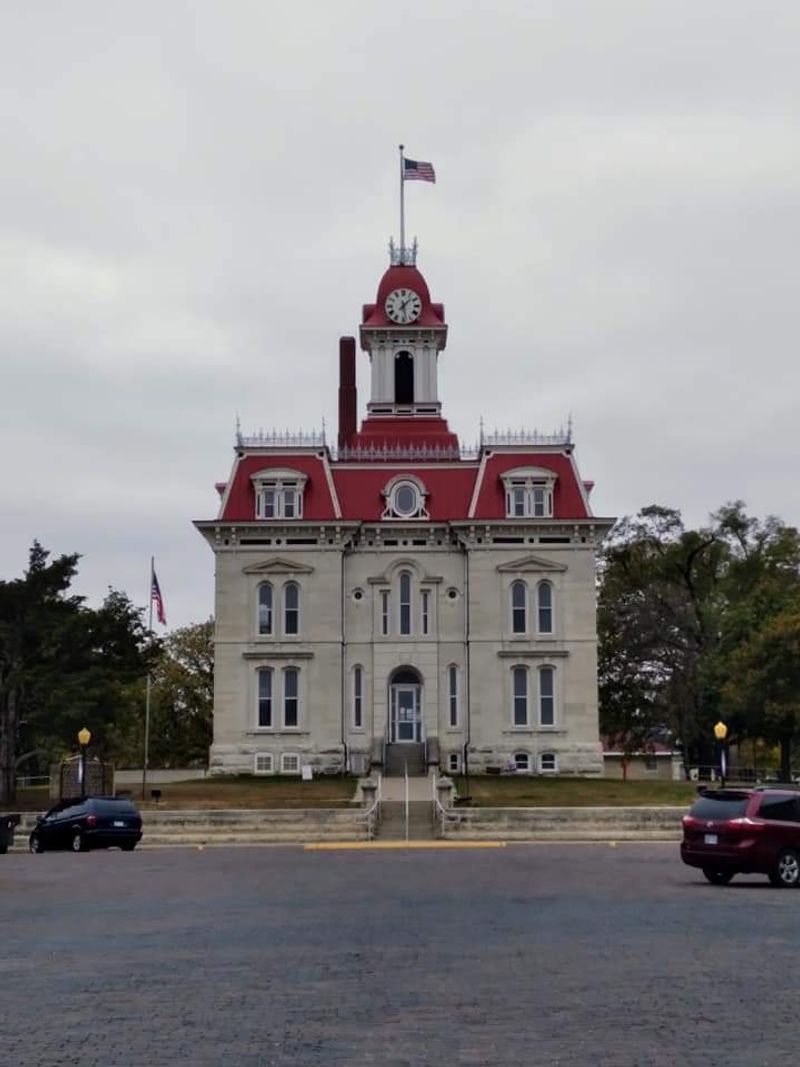
The Chase County Courthouse, completed in 1873, is the oldest operating courthouse in Kansas and is widely considered one of the most beautiful public buildings in the state.
Built from native limestone in a French Renaissance style, it stands as a testament to the ambitions of early Kansas settlers who wanted to build something lasting on the open prairie.
The nearby Tallgrass Prairie National Preserve near Strong City helps visitors understand the ecology and cultural history of the tallgrass prairie ecosystem that makes this region so unique.
Hiking or driving through the rolling Flint Hills at sunrise or sunset is an experience that World Cup travelers from around the globe are unlikely to forget. Cottonwood Falls earns its place on this list with ease.