Every September, a small city in northwestern Iowa transforms into one of the most talked-about fair destinations in the entire Midwest.
Tens of thousands of people pour in from across the region, drawn by livestock shows, carnival rides, live music, and enough fair food to keep a food critic busy for a week.
The Clay County Fair, held right here in Spencer, Iowa, has been running for over a century and still manages to feel like the social event of the season. What makes this town so well-suited for that kind of tradition is not just the fairgrounds, but the personality of the place itself.
Spencer is a compact, river-town city with a surprisingly lively downtown, a strong sense of local pride, and a community that clearly enjoys putting on a good show for its guests.
The City That Puts Clay County on the Map
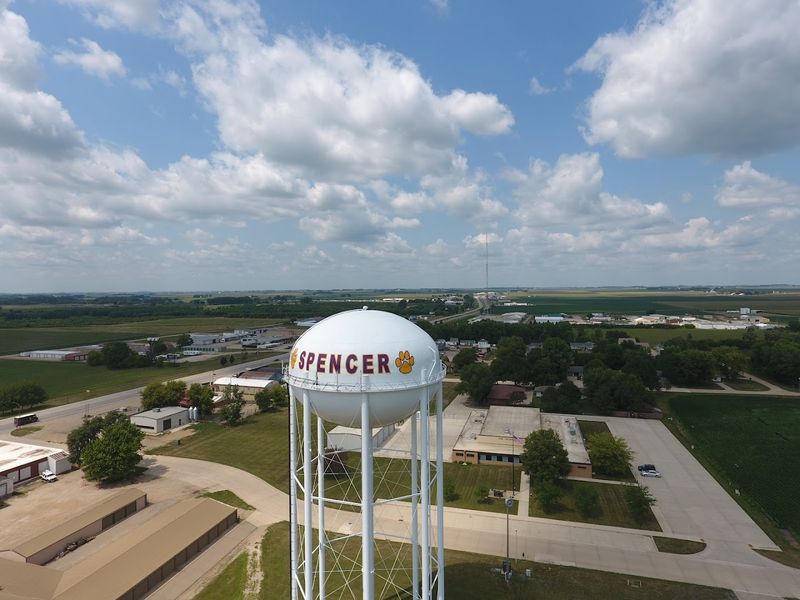
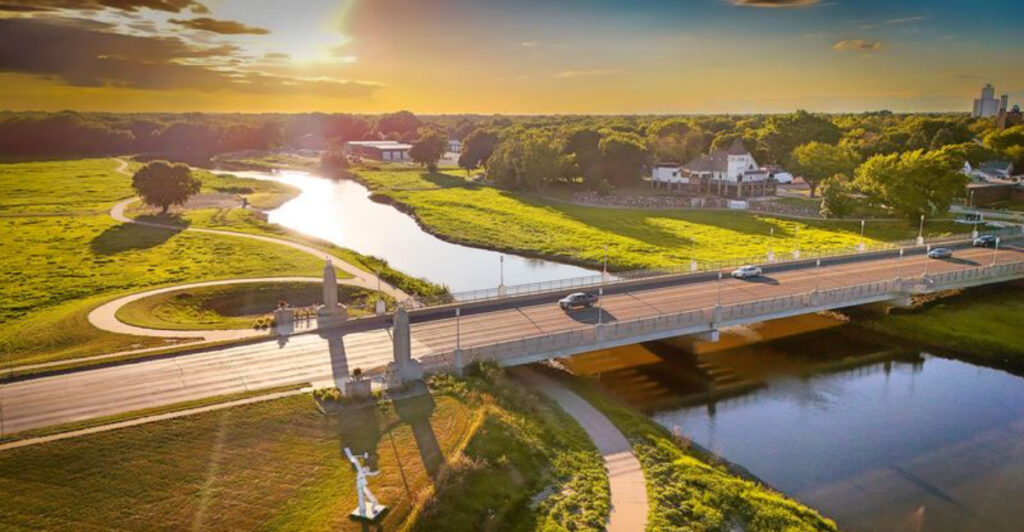
Spencer sits at the meeting point of the Little Sioux and Ocheyedan rivers in northwestern Iowa, and that geography has shaped everything from its early settlement patterns to its modern layout.
The city serves as the county seat of Clay County, which means it handles the administrative and civic functions for the surrounding rural region.
With a population of around 11,325 as of the 2020 census, it is a mid-sized small town that punches well above its weight in terms of regional influence.
For planning purposes, Spencer, Iowa 51301 places you in the northwest part of the state, roughly two hours from Sioux City and about three hours from Des Moines. That relative remoteness has actually helped Spencer develop a strong self-reliant identity.
Locals take real pride in what their city offers, and that pride shows up in how well the downtown is maintained, how active the community calendar stays throughout the year, and how seriously people take the annual events that put Spencer on the regional radar every fall.
The Clay County Fair and Why It Matters
The Clay County Fair is the reason many people outside of Iowa have heard of Spencer at all.
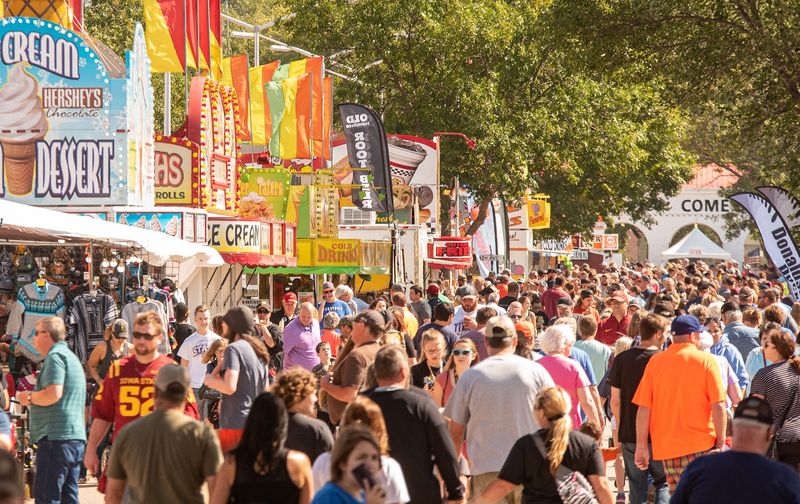
Held every September, it consistently ranks among the major county fairs in the United States, drawing attendance figures that can rival state fairs in less populous states.
The fair has been a fixture of the community since 1918, which means it has been part of Spencer’s identity for more than a century.
What keeps people coming back is the sheer range of what the fair offers. Livestock competitions bring in serious agricultural competitors from across the Midwest, while the carnival midway keeps younger attendees occupied for hours.
Live entertainment, demolition derbies, and food vendors round out a program that feels genuinely full rather than padded.
The fairgrounds themselves are well-organized and easy to navigate, which matters a lot when you are managing crowds that can top 300,000 people across the fair’s nine-day run.
Families with strollers, older attendees, and first-timers all seem to find their footing quickly, and that accessibility is part of what keeps the event’s reputation so strong year after year.
A Downtown That Survived and Thrived
Many small Midwestern cities have watched their downtowns hollow out over the past few decades as big-box retailers moved to the edges of town and local shops closed one by one.
Spencer went through some of that pressure too, but the downtown core has held together in a way that feels intentional rather than accidental.
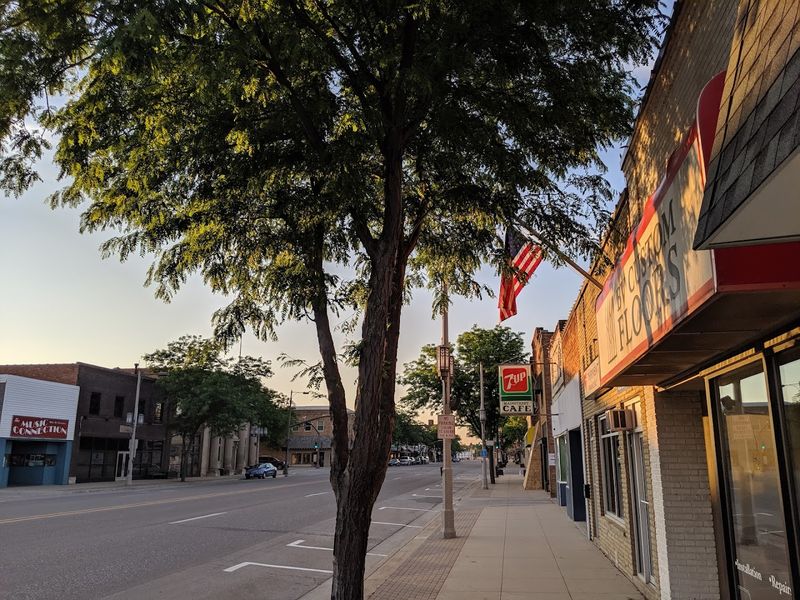
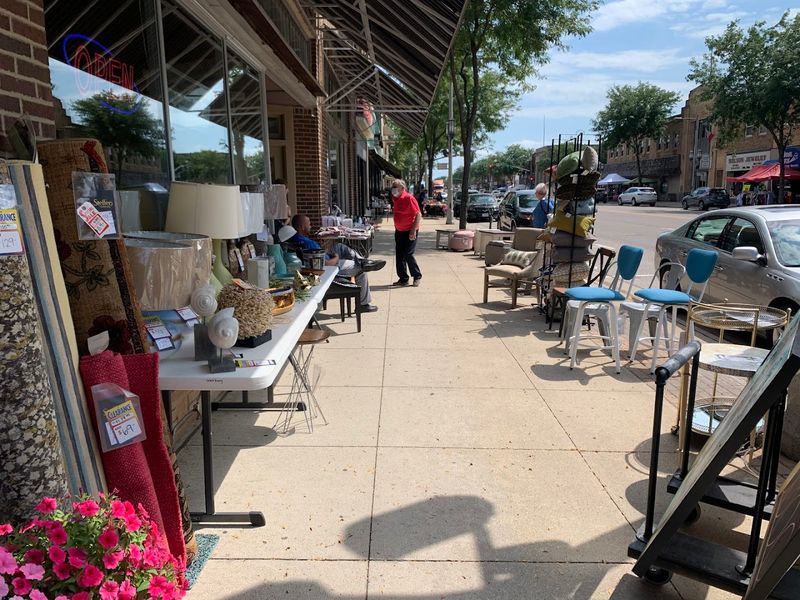
Grand Avenue, the main commercial street, still hosts a solid mix of locally owned shops, restaurants, and service businesses.
The architecture along the main corridor is worth a slow walk on its own. Several of the buildings date back to the early twentieth century, with brick facades and decorative details that give the street a sense of visual continuity.
A major fire in 1931 actually reshaped much of the downtown, and the Art Deco-influenced rebuilding effort that followed left Spencer with a more cohesive streetscape than many towns of similar size.
On a weekday afternoon, the foot traffic is steady without being overwhelming. You can pop into a local diner, browse a hardware store, or grab coffee without fighting for parking or waiting in line, which is a genuinely underrated quality in a downtown shopping area.
The 1931 Fire That Rebuilt a City
On a windy morning in June 1931, a fire started in a downtown Spencer building and spread rapidly through the commercial district, destroying a large portion of the city’s core.
The event could have been a slow, permanent setback for a small Iowa city during the early years of the Great Depression.
Instead, it triggered one of the most concentrated downtown rebuilding efforts in Iowa history.
Local business owners, backed by insurance payouts and community determination, rebuilt quickly and in a consistent architectural style.
The resulting streetscape leaned heavily on Art Deco design, which was fashionable at the time and gave the rebuilt blocks a streamlined, forward-looking appearance.
That aesthetic cohesion is still visible today and is one reason why Spencer’s downtown photographs so well.
The fire is a point of local historical pride rather than a wound, which says something about how Spencer processes adversity. The story gets told in local history resources and occasionally surfaces in community events.
For a first-time visitor, knowing the backstory adds a layer of meaning to what might otherwise look like just another tidy Midwestern main street. The buildings carry that history quietly but clearly.
River Life Along the Little Sioux
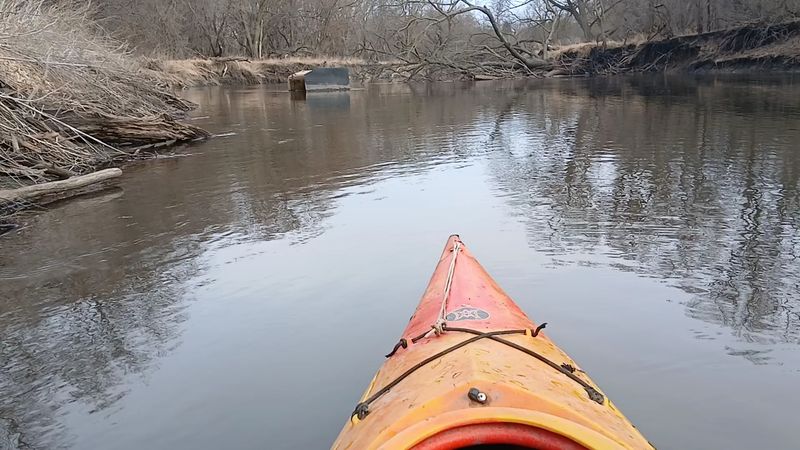
The Little Sioux River moves through Spencer at a pace that feels appropriate for the town itself: steady, unhurried, and easy to follow.
The river corridor provides some of the most accessible green space in the city, with parks and greenbelt areas that give residents a place to walk, fish, picnic, or simply sit near moving water without driving anywhere special.
East Leach Park & Green Belt is one of the main gathering points along the Little Sioux River.
The area includes picnic tables, a shelter house, fishing access, a campground, a playground, and other recreational features, making it a practical stop for families during the warmer months.
It is the kind of place where you can find kids playing nearby while adults settle into the shade or walk along the greenbelt, which is a simple but reliable indicator of a well-used public space.
The meeting point of the Little Sioux and Ocheyedan rivers is geographically notable and worth understanding if you are interested in the natural layout of the city.
Fishing is a popular activity along the local waterways, and the surrounding landscape flattens into classic Iowa prairie terrain as you move away from the water.
The rivers give Spencer a natural anchor that the built environment alone could not provide.
What to Eat in Spencer Without Overthinking It
Spencer’s food scene is not going to show up in a national food magazine anytime soon, but that is not really the point.
The city has a reliable collection of local diners, family-owned restaurants, and casual spots that serve the kind of food people actually want after a morning at the fairgrounds or a long drive across the Iowa prairie.
Portions are generous, prices are reasonable, and the service tends to be the kind where the staff remembers your order after the second visit.
Several spots along and near Grand Avenue have built loyal local followings over the years. Breakfast options are particularly strong, with diner-style menus that lean into eggs, pancakes, and coffee served in mugs that never seem to go empty.
Lunch options run toward sandwiches, soups, and daily specials that rotate based on what is fresh or seasonal.
During fair week in September, the food options expand dramatically. The fairgrounds themselves host dozens of vendors offering everything from corn dogs to kettle corn to more adventurous fried creations.
If you plan to eat your way through the fair, arrive hungry and wear comfortable shoes, because the walk between vendors alone will cover significant ground.
Livestock, Agriculture, and the Fair’s Competitive Core
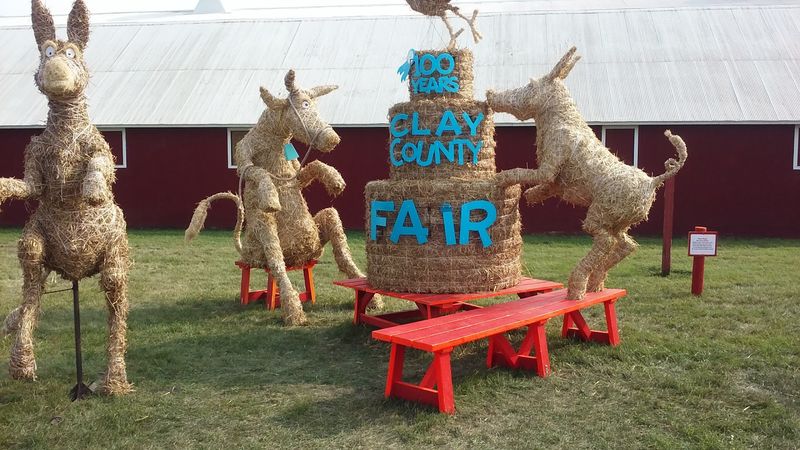
The Clay County Fair did not build its national reputation on carnival rides alone.
The agricultural competition at the heart of the event is serious business, drawing participants from across Iowa and neighboring states who have spent months preparing their animals, crops, and projects for judging.
The livestock barns are a world unto themselves, filled with the sounds and smells of cattle, hogs, sheep, and poultry competing for ribbons that matter deeply to the families involved.
4-H and FFA participants make up a significant portion of the competitive entries, and watching a teenager guide a steer through the show ring with practiced confidence is one of the more genuinely compelling things you can witness at the fair. These are not casual hobbyists.
The level of preparation and knowledge on display reflects real agricultural education and family tradition.
For urban or suburban visitors who do not have regular exposure to farming culture, the livestock barns offer a useful and accessible window into how food production actually works in the Midwest.
The animals are well-cared-for, the competitors are happy to answer questions, and the whole atmosphere carries a cooperative spirit that feels distinct from the competitive edge you might expect.
Practical Tips for Visiting Spencer During Fair Week
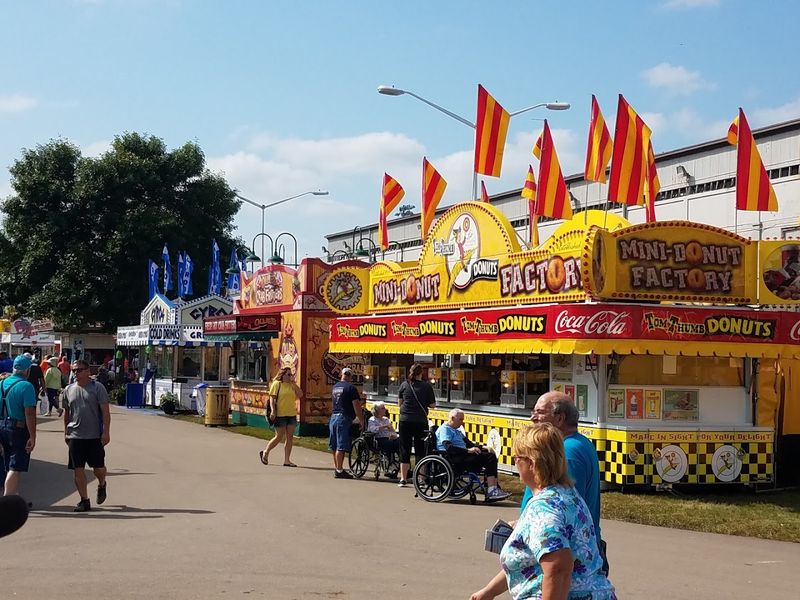
Fair week in Spencer runs for about a week each September, and the city’s population effectively doubles during that stretch.
If you are planning a visit, booking accommodations well in advance is not optional, it is essential.
Spencer has a limited number of hotels and motels, and they fill up fast once the fair schedule is announced. Nearby towns like Milford and Okoboji can serve as overflow options if Spencer itself is fully booked.
Parking near the fairgrounds gets tight during peak hours, typically late morning through early evening. Arriving early in the day or after the dinner rush can make a noticeable difference in how smoothly the logistics go.
Shuttle options and designated parking areas help manage the flow, but patience is still a useful thing to pack alongside your sunscreen.
Comfortable footwear is non-negotiable. The fairgrounds cover a large area, and a full day of walking between exhibits, barns, and vendors adds up quickly.
Bring cash for smaller vendors who may not accept cards, and consider a light jacket for evening events, since northwestern Iowa nights can turn cool even in early September.
A little planning upfront makes the whole visit significantly more enjoyable.
Community Events Beyond the Big Fair
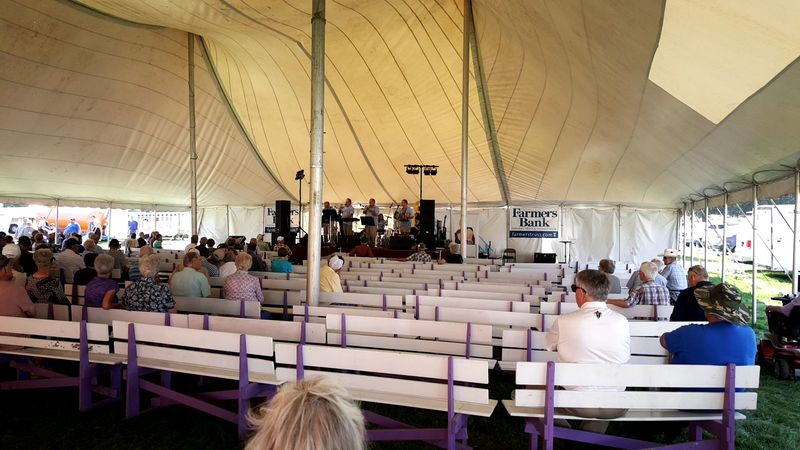
The Clay County Fair gets most of the headlines, but Spencer keeps its community calendar active across the rest of the year as well.
Local events tied to holidays, seasonal changes, and civic milestones fill in the gaps between the big September gathering and give residents regular reasons to show up for each other.
The downtown area hosts various markets, outdoor concerts, and seasonal celebrations that draw a mix of locals and visitors from the surrounding area.
The Spencer Municipal Band performs during warmer months and represents the kind of civic institution that keeps local culture running without requiring a major budget or outside spectacle.
Attending one of those performances is a low-key but genuinely pleasant way to spend a summer evening in the city.
The library, community center, and local schools all contribute to the event calendar in ways that reinforce how connected the social fabric of the city actually is. Spencer does not rely solely on its September spotlight to keep people engaged.
The year-round activity level reflects a community that has figured out how to sustain itself without waiting for the next big occasion to come around.
History, Heritage, and the Clay County Museum

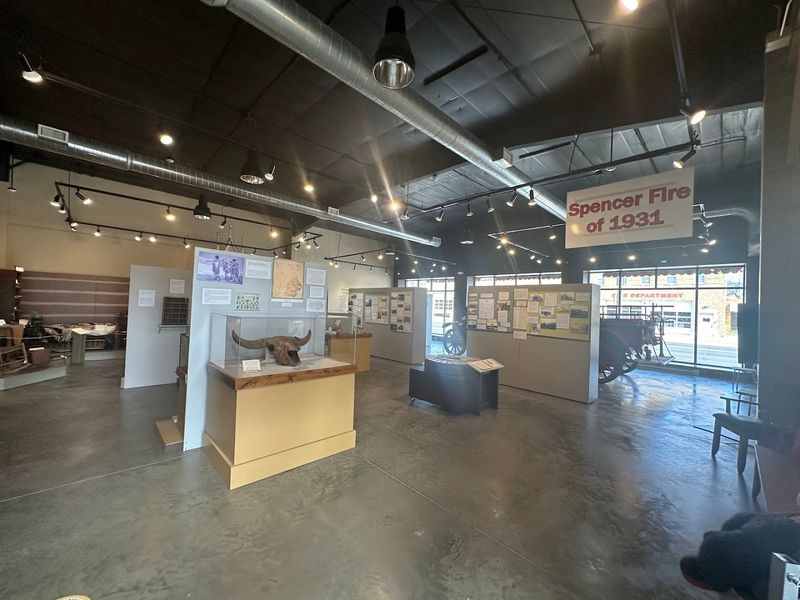
Spencer’s history runs deeper than the fair, and the Clay County Heritage Center is the best place to get a structured look at how the city and county developed over time.
Located at 7 Grand Avenue in downtown Spencer, the center houses galleries and a collection focused on Clay County history.
Exhibits are organized clearly enough that you do not need a history background to follow the story.
The permanent exhibit, “This Land We Call Home – Settling Clay County,” covers archeological, pioneer, and early Clay County history, including the 1931 Spencer fire. Rotating exhibits add another reason to check what is currently on display before visiting.
Local families who have been in the area for generations may recognize names, places, and stories in the historical materials, which adds a personal dimension to the broader historical narrative.
For visitors who want context beyond what a walking tour of the downtown can provide, spending an hour at the history center is time well used.
The staff tends to be knowledgeable and genuinely interested in sharing what makes Clay County’s story distinct from the broader Iowa narrative.
Why Spencer Sticks With You After You Leave
Most people arrive in Spencer because of the fair and leave with a slightly more complicated impression of the place. The fair is the hook, but the city itself is the thing that lingers.
The combination of a functional downtown, an active community calendar, accessible river greenspace, and a local population that seems genuinely at ease with who they are adds up to something that feels different from a generic stopover town.
Iowa as a state has a reputation for being understated, and Spencer fits that description without apologizing for it. The city does not oversell itself.
Grand Avenue does not have a gift shop on every corner pushing Clay County Fair merchandise. The riverside parks are not branded with motivational signage.
The whole place just operates at a steady, self-assured pace that is quietly refreshing after the noise of the fairgrounds.
If you go for the fair and find yourself wandering into a local diner the next morning, chatting with someone who has lived in Spencer their whole life, you will start to understand why a city this size has managed to build a fair tradition that draws hundreds of thousands of people annually.
The fair reflects the town, and the town is worth knowing.