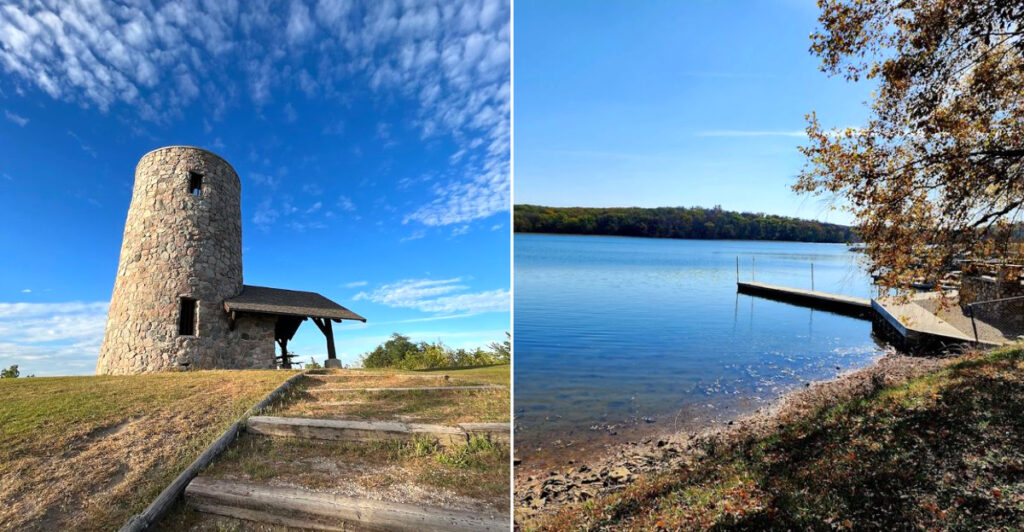
Iowa state parks have a sneaky way of proving people wrong. You expect quiet fields and easy trails, then suddenly you are standing near limestone cliffs, canyon walls, river bluffs, glacial lakes, or a wooded path that feels far more dramatic than the map suggested.
That surprise is exactly what makes these parks worth exploring. Some are tucked near small towns, some sit along major rivers, and others hide rugged trails, historic structures, peaceful campgrounds, and views that make you pause longer than planned.
The 13 Iowa state parks below show a wilder, more fascinating side of the state. They are not always the obvious names, which makes finding them feel even better.
1. Ambrose A. Call State Park, Algona
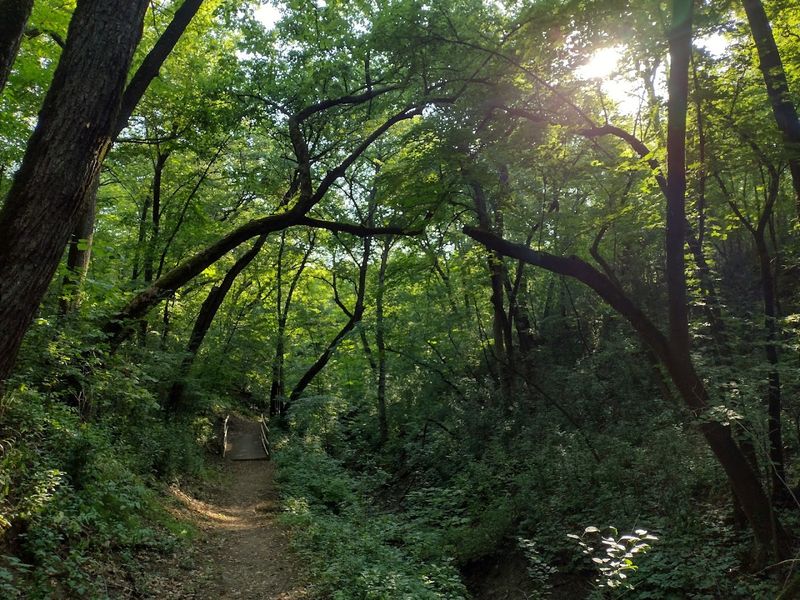
Not every great park announces itself with a dramatic overlook or a famous waterfall, but Ambrose A. Call State Park in Algona, Iowa earns its place on this list through sheer quiet beauty.
Located near the East Fork of the Des Moines River, this park is wrapped in rugged hills and old timber that turn spectacular shades of orange and gold every autumn.
The trail system here winds through forest, down ravines, and along a picturesque creek, offering surprises around every bend.
It is a favorite among birdwatchers, especially during spring migration when warblers and thrushes fill the treetops with sound.
The park covers around 138 acres, which means it is compact enough to explore in a single afternoon but detailed enough to reward repeat visits.
Camping facilities are available, making it a solid base for a weekend trip in northern Iowa.
If you are looking for a low-key retreat that feels worlds away from the nearest town, this park is an easy yes on any itinerary.
2. Beeds Lake State Park, Hampton
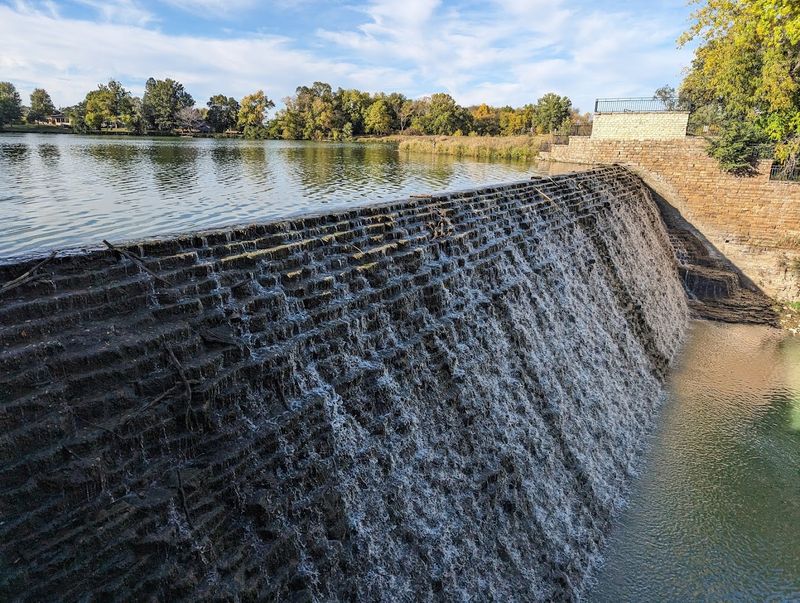
There is something wonderfully timeless about Beeds Lake State Park near Hampton, Iowa, where a historic stone spillway built during the Civilian Conservation Corps era still frames one of the most photogenic corners of the whole park.
The centerpiece is a 99-acre reservoir that draws swimmers, anglers, and paddlers from across north-central Iowa every summer.
The sandy beach is inviting during warm weather, though visitors should always check current beach conditions before making swimming the main plan.
Fishing here is productive, with bass, catfish, and panfish all represented in the lake.
Beyond the water, the park offers hiking opportunities along the spillway, causeway, and shoreline areas.
Campsites are available, with electric sites and tent-only options depending on your style.
The old stone dam structure near the spillway is a favorite photo spot and a reminder of the craftsmanship that shaped many Iowa parks in the 1930s.
Beeds Lake rewards those who slow down and actually look around.
3. Bellevue State Park, Bellevue
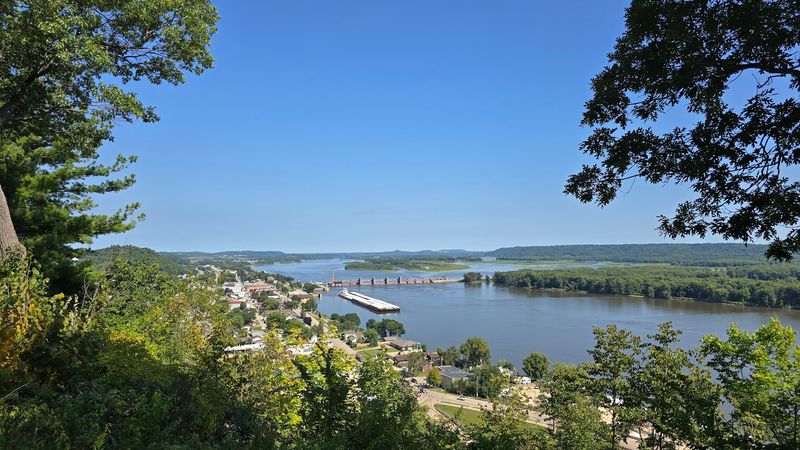
Few views in the entire Midwest can compete with what you see from the bluffs at Bellevue State Park, perched above the Mississippi River in Bellevue, Iowa.
The park is split into two units, the Dyas Unit and the Nelson Unit, each offering its own distinct character and set of trails.
From the higher elevations, you can watch barges drift slowly down the Mississippi while hawks circle overhead on thermal currents.
The butterfly garden in the Nelson Unit is a genuinely special feature, attracting dozens of native species throughout the warmer months.
Hikers will find trails ranging from easy riverside strolls to steeper climbs that reward the effort with panoramic payoffs.
The park is also home to a nature center that provides excellent context for the local ecology, making it a great stop for curious kids and adults alike.
Whether you come for the views or the wildlife, Bellevue State Park delivers a Mississippi River experience that most visitors never even know exists.
4. Dolliver Memorial State Park, Lehigh
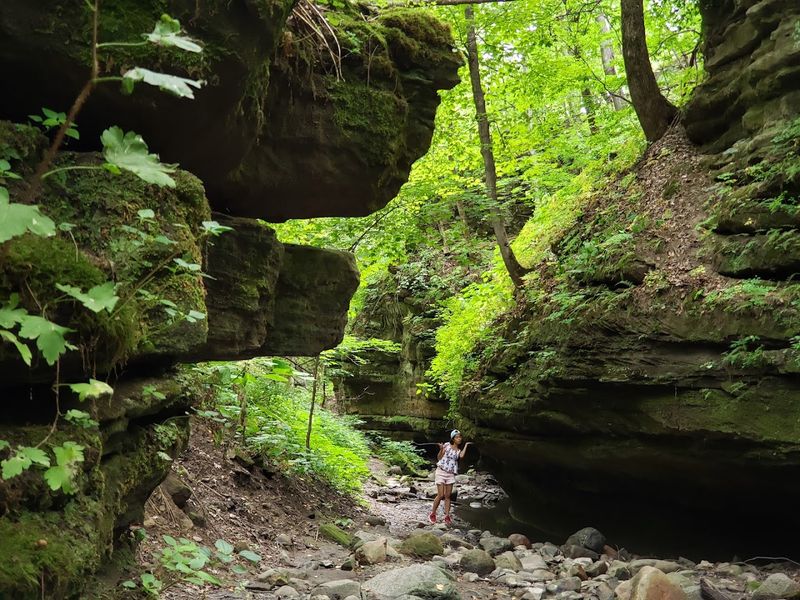
Red sandstone canyon walls rising dramatically from the forest floor are not something you typically expect to find in Iowa, but Dolliver Memorial State Park near Lehigh delivers exactly that kind of geological surprise.
The park sits along the Des Moines River and features ancient sandstone formations carved by centuries of erosion into shapes that look almost sculpted by hand.
The canyon floors are cool and shaded even on hot summer days, with ferns and mosses clinging to every damp surface.
Trails wind through these narrow ravines and along the river bluffs, offering a hiking experience that feels genuinely rugged without being overly technical.
History runs deep here too, as Indigenous peoples used this area long before European settlement, and interpretive signs throughout the park acknowledge that legacy thoughtfully.
The campground is spacious and well-positioned near the river, making evenings here especially peaceful.
Dolliver is one of those parks that makes you stop mid-trail, look around, and wonder how you had never heard of it before.
5. Lake Wapello State Park, Drakesville
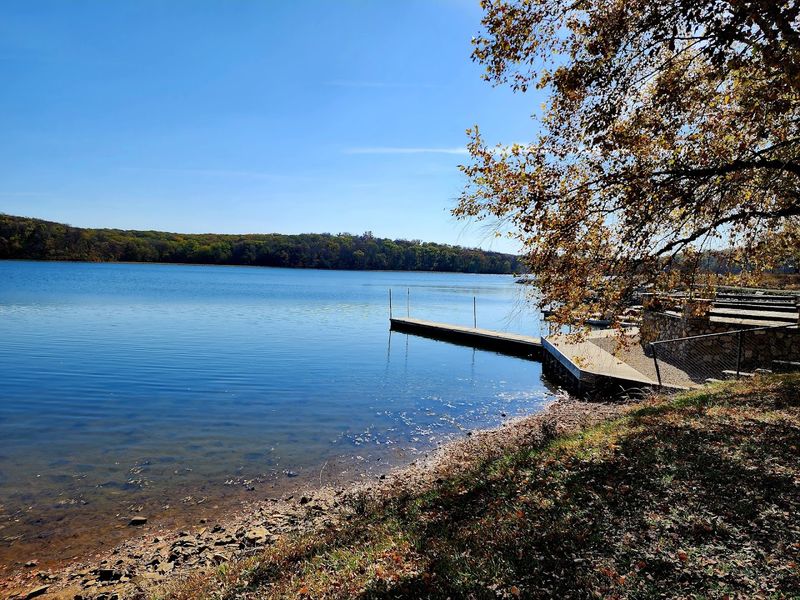
Tucked into the rolling hills of southern Iowa, Lake Wapello State Park near Drakesville is the kind of place where time genuinely seems to slow down the moment you arrive.
The 289-acre lake at its heart is surrounded by dense hardwood forest, creating a natural bowl of calm that feels separated from the outside world.
Fishing is a major draw here, with the lake known for bluegill, redear sunfish, largemouth bass, crappie, and channel catfish that keep anglers busy from early morning through dusk.
The Lake Shore Trail runs roughly seven miles around the lake and through the park, giving hikers a well-rounded look at the shoreline, woods, and quiet park scenery.
Swimming is permitted at a designated beach area, and seasonal boat rentals make the lake accessible even to visitors who did not bring their own gear.
The campground is shaded and inviting, with electric sites, full-hookup options, cabins, and modern facilities available depending on what kind of stay you want.
Lake Wapello is the kind of spot where you plan for one night and end up wishing you had booked three.
6. Nine Eagles State Park, Davis City
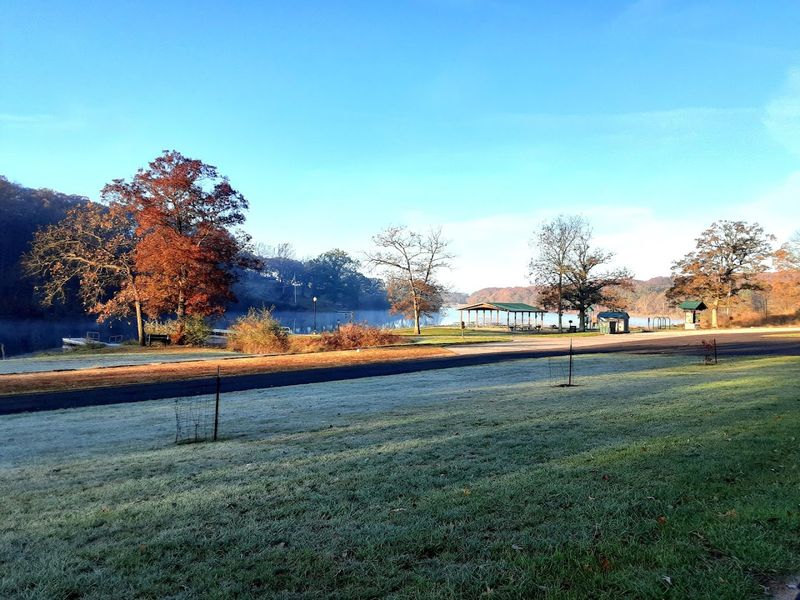
Way down in the southern tip of Iowa, close to the Missouri border, Nine Eagles State Park near Davis City sits in a corner of the state that most travelers simply never reach, and that is a genuine loss for them.
The park takes its name from the nine eagles reportedly spotted in the area by early settlers, and bald eagles still make appearances here during winter months.
A 64-acre lake anchors the park and provides excellent fishing for bass, channel catfish, bluegill, crappie, and more throughout the warmer seasons.
The surrounding terrain is hilly and forested in a way that feels more like Missouri Ozarks than typical Iowa landscape, which gives the whole park an unexpected texture.
Hiking trails wind through the timber and along the lake shore, with enough elevation change to keep things interesting.
The campground is peaceful and ideal for those who prefer a quieter experience away from crowded parks.
Nine Eagles is a hidden reward for anyone willing to drive to the far edge of the state.
7. Palisades-Kepler State Park, Mount Vernon
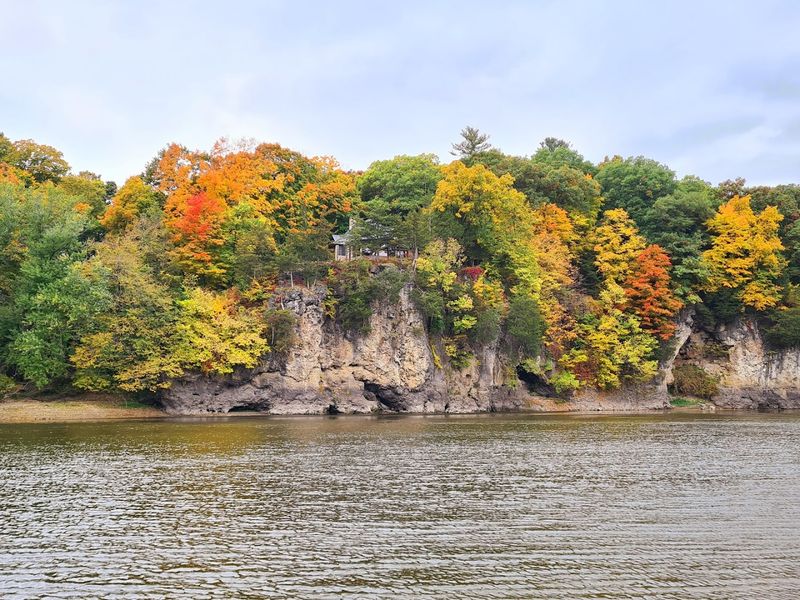
Sheer limestone cliffs rising directly above the Cedar River are the signature feature of Palisades-Kepler State Park near Mount Vernon, Iowa, and they make for one of the most striking landscapes in the entire state.
The palisades themselves reach heights of around 100 feet, and the trails that run along the top offer some genuinely dramatic views down to the river below.
The Cedar River is popular with canoeists and kayakers, and the park provides easy access points for those who want to experience the cliffs from the water looking up.
Fishing along the riverbanks is productive, and the wooded interior of the park holds additional trails through mature forest.
The park covers nearly 840 acres, giving it enough variety to keep even frequent visitors finding new corners to explore.
Wildlife sightings here include white-tailed deer, wild turkey, and a wide range of songbirds that nest in the cliff-side vegetation.
Palisades-Kepler is the kind of place that makes you feel like Iowa has been holding out on you in the best possible way.
8. Pilot Knob State Park, Forest City
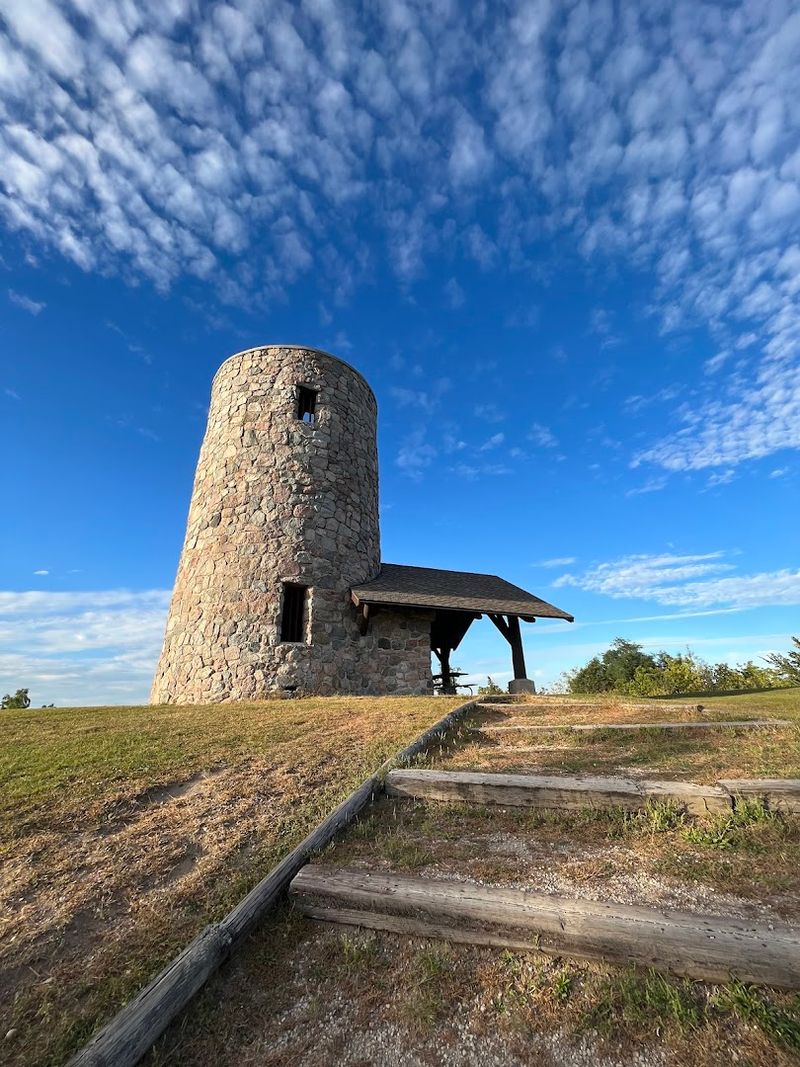
Standing at 1,450 feet above sea level, Pilot Knob near Forest City, Iowa holds the title of one of the highest points in north-central Iowa, and the views from the observation tower on its summit make the climb completely worthwhile.
The park also protects one of Iowa’s rarest ecological features: Deadman’s Lake, a floating sphagnum bog hidden within the park.
The bog is a designated state preserve and supports unusual plant communities, including specially adapted species that can survive in its acidic conditions.
Nature enthusiasts will appreciate the chance to learn about this rare landscape, which feels very different from the surrounding farmland.
The forested trails through the rest of the park are well-maintained and offer a peaceful escape from the flat agricultural landscape surrounding the area.
Camping facilities are available in the park, making it possible to spend a full evening watching the northern Iowa sky after the day hikers have gone home.
Pilot Knob rewards curiosity with science, scenery, and a perspective shift all at once.
9. Preparation Canyon State Park, Moorhead
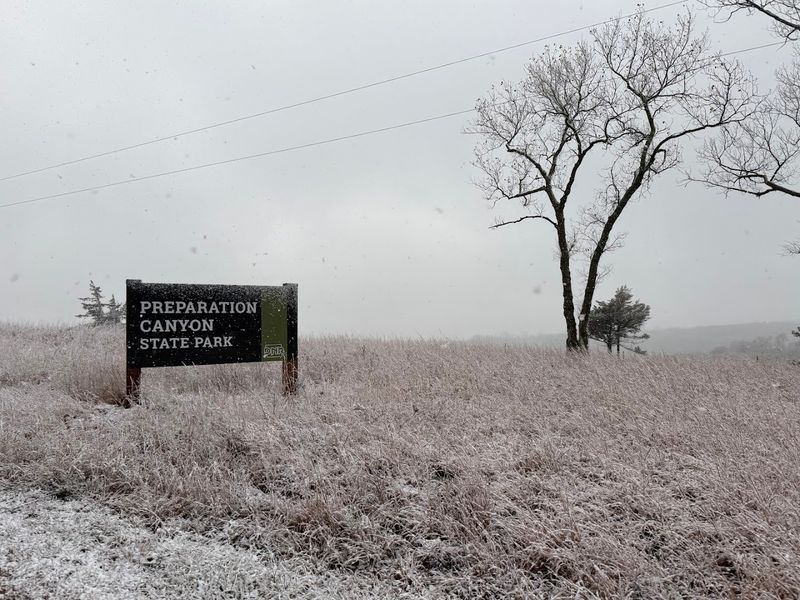
Named after a 19th-century religious community that once called this valley home, Preparation Canyon State Park near Moorhead, Iowa carries a layer of history that makes it unlike almost any other park in the state.
The settlement was established in the 1850s by a group seeking a self-sufficient life in the hills, and while the town itself is gone, the landscape they chose is still remarkably beautiful.
The park sits within the Loess Hills, a globally rare geological formation created by wind-deposited silt after the last ice age, giving the terrain a steep, almost otherworldly quality.
Trails drop into deep canyon-like valleys and climb back up through open prairie ridgelines, offering a dramatic contrast within a relatively compact park.
Wildlife here includes wild turkey, white-tailed deer, and a variety of prairie birds that favor the open ridge habitats.
The park has primitive hike-in campsites rather than a standard drive-up campground, which helps keep the atmosphere genuinely quiet and lightly developed.
Preparation Canyon is one of those places that feels like a secret the Loess Hills have been keeping for themselves.
10. Prairie Rose State Park, Harlan
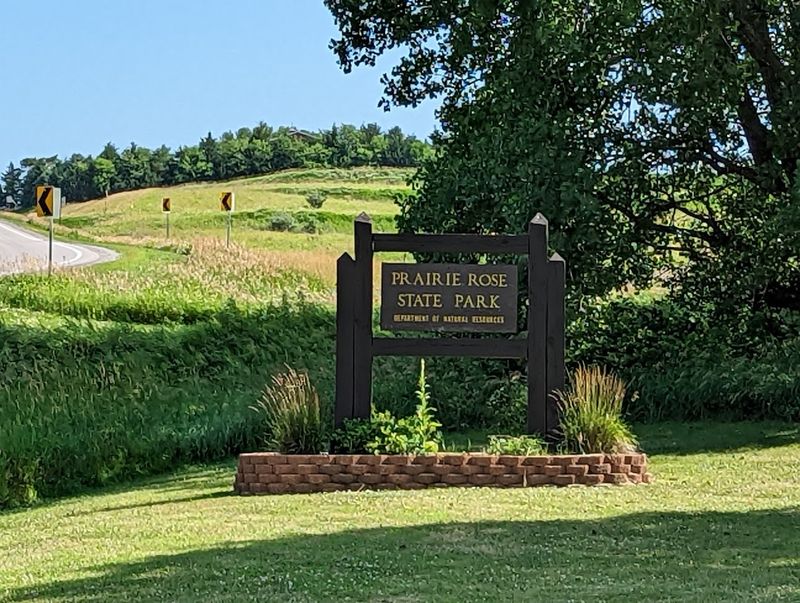
Prairie Rose State Park near Harlan, Iowa is centered around a beautiful 218-acre lake that sits in a landscape of rolling hills and mixed woodland typical of western Iowa.
The lake is a magnet for anglers chasing bass, channel catfish, bluegill, and crappie, with shoreline access helped by fishing jetties and fish cleaning docks.
A sandy beach provides a family-friendly swimming area that fills up on warm summer weekends with locals who treat it as their personal retreat.
Seven miles of multi-purpose trails wind through the park, with enough variation in scenery to keep the walks engaging rather than monotonous.
The park also offers boating, camping cabins, picnic shelters, playgrounds, and two campgrounds, which adds a fun dimension for visitors who want more than a quick stop.
Camping options include electric, non-electric, and full hook-up sites, accommodating a range of preferences and setups.
Prairie Rose is the kind of all-around park that earns a loyal following among Iowans who return year after year without ever feeling the need to explain why.
11. Stone State Park, Sioux City
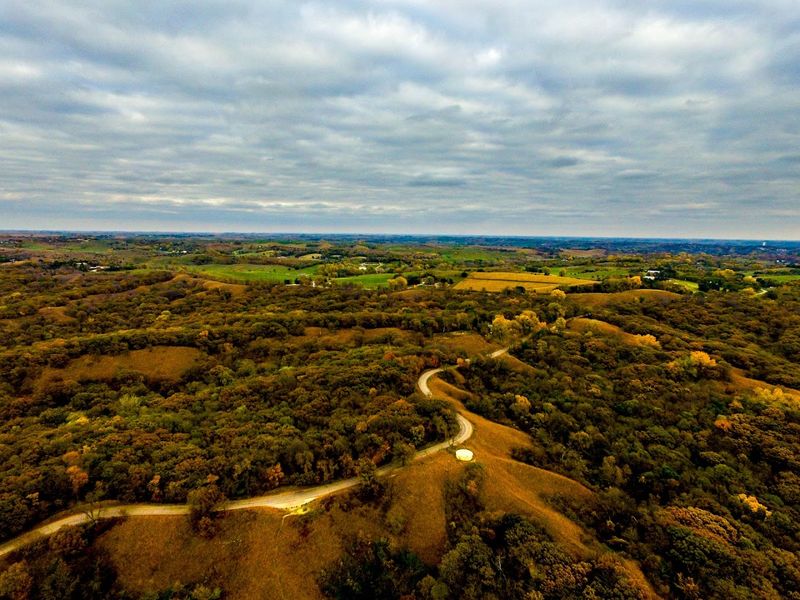
Right on the edge of Sioux City, Stone State Park manages to feel remarkably wild for a park so close to town, which is one of the things that makes it so easy to love.
The park covers roughly 1,600 acres of rugged Loess Hills terrain, offering steep ridges, deep ravines, wooded valleys, and sweeping views near the Big Sioux River valley.
Trails here range from gentle loops to more demanding climbs that reward hikers with panoramic views that stretch toward South Dakota and Nebraska on clear days.
Mountain biking is permitted on designated trails, and the technical terrain makes it a favorite among riders looking for something more challenging than a flat path.
The park protects significant native prairie habitat on its ridgetops, supporting wildflowers and grasses that paint the hillsides in shifting colors through spring and summer.
Equestrian trails add yet another layer to what Stone State Park offers, making it one of the most versatile parks in the entire Iowa state system.
For a state park next to a city, it punches well above its weight class.
12. Waubonsie State Park, Hamburg
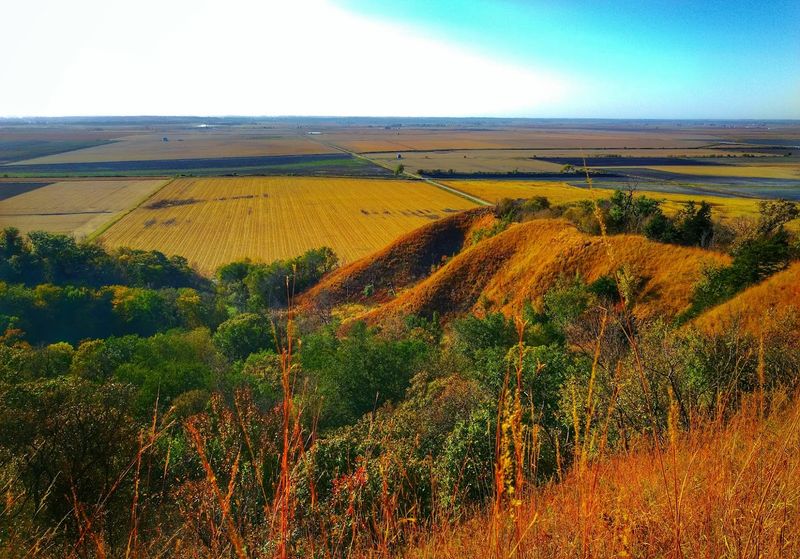
Golden hour at Waubonsie State Park near Hamburg, Iowa is the kind of experience that makes you reach for your camera before you even consciously decide to, because the light on the Loess Hills ridges is genuinely breathtaking.
The park sits in the far southwestern corner of Iowa, where the Loess Hills rise dramatically and the Missouri River valley spreads out below like a painted backdrop.
Trails here include both hiker-only and multi-use options, winding through native prairie and oak woodland while delivering overlook after overlook of the surrounding landscape.
The park offers nearly 2,000 acres of recreational opportunity, giving visitors plenty of room to spread out and find their own quiet corner.
Spring wildflower blooms and fall foliage are both spectacular here, each season bringing its own distinct palette to the hills.
Camping is available at reservable campgrounds, and the proximity to the Nebraska border gives the whole experience a slightly frontier feeling that is hard to put into words.
Waubonsie is the park that finally makes you understand why people fall hard for the Loess Hills.
13. Wildcat Den State Park, Muscatine
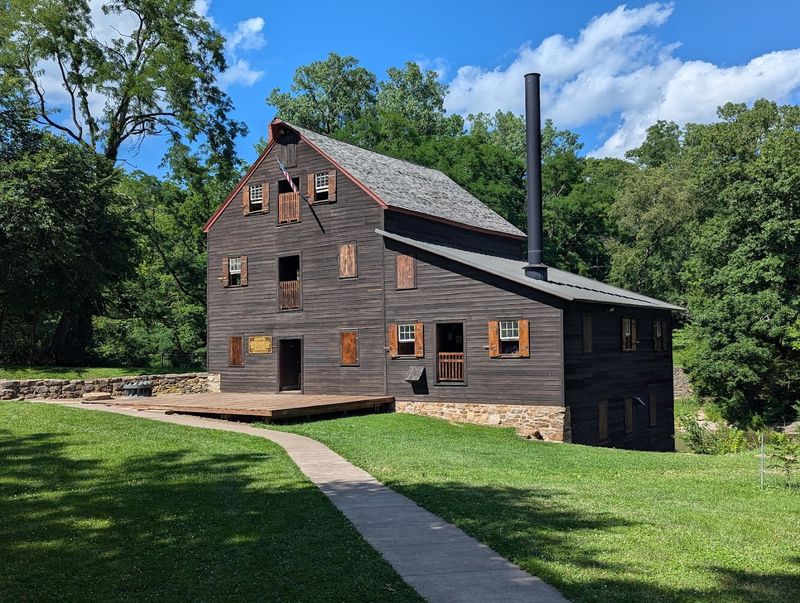
A 19th-century grist mill standing beside a rocky creek in a narrow sandstone gorge is not what most people expect to find at a state park, but Wildcat Den near Muscatine, Iowa is full of surprises from the moment you arrive.
The park takes its name from the wildcats that once roamed these densely wooded ravines, and the rugged terrain still has a feral, untamed quality that sets it apart from more manicured parks.
Pine Creek Grist Mill, built in 1848, is one of the oldest surviving mills in Iowa and has been beautifully preserved as a historic landmark within the park.
Trails wind through the gorge past sandstone cliffs, narrow slot-like passages called devil’s punch bowl formations, and thick forest that stays cool even in midsummer.
The combination of geological interest, historic architecture, and dense woodland makes Wildcat Den one of the most layered and rewarding parks in the entire Iowa state system.
Fall visits are particularly memorable when the maple and oak canopy above the gorge explodes with color.
Wildcat Den is proof that Iowa saves some of its best stories for those willing to look a little closer.