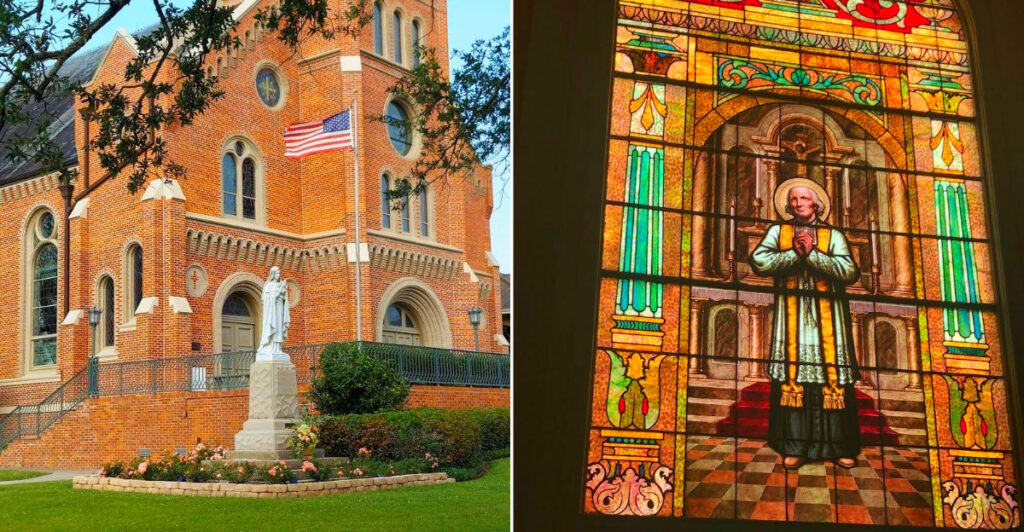
I almost drove past it because from the outside it looks like another small-town church and then I pushed the door open and the whole world went quiet in a way that churches in movies go quiet but real churches never do except this one did.
The ceiling vaulted up higher than any building in Abbeville has a right to go and the stained glass threw colors across the stone floor that I stood in like I was inside a kaleidoscope.
I am not a religious person but I sat there for twenty minutes anyway because sometimes beauty asks for nothing except that you notice it. The pews are worn smooth from generations of hands that came here for the same reason I did.
This quiet Louisiana church in Abbeville builds Gothic beauty into a space so still that walking through its doors feels like catching a glimpse of heaven.
Interior Light And Ceiling
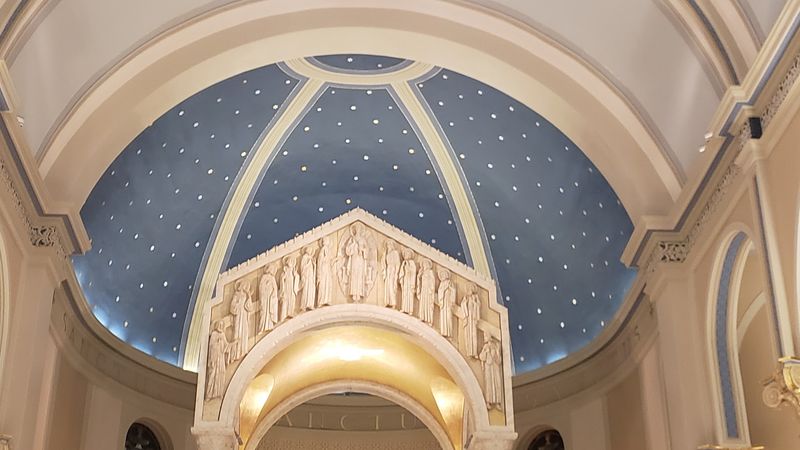
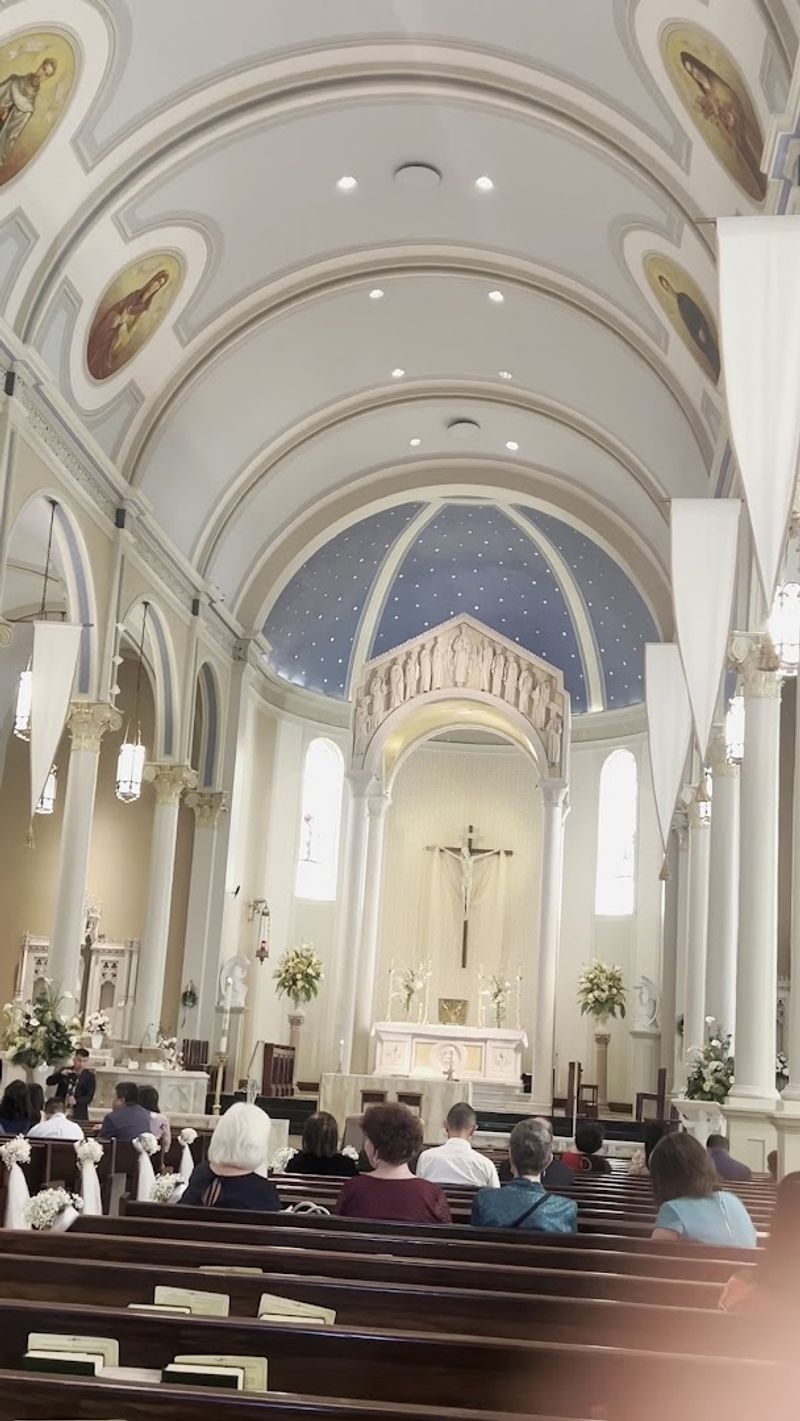
Inside, the ceiling stops casual description: soft blue fields studded with gold stars and trompe l’oeil ribs that converge above the nave feel both intimate and spacious. The 2009 restoration introduced lighting that reads like a gentle stage designer’s choice, highlighting painted portraits of saints and gilded capitals without glare.
The semicircular apse and oak baldachino draw your eye forward; the faux marble finish of the baldachino convinces even a skeptical glance that it was carved from a single block. Light filters through Ford Brothers stained glass, tinting the aisles with jewel tones that shift as the day moves.
Take a pew and let the lighting do its quiet work, the space becomes a slow-moving film of color and shadow that makes staying still feel entirely sensible.
A Steeple That Finds You First
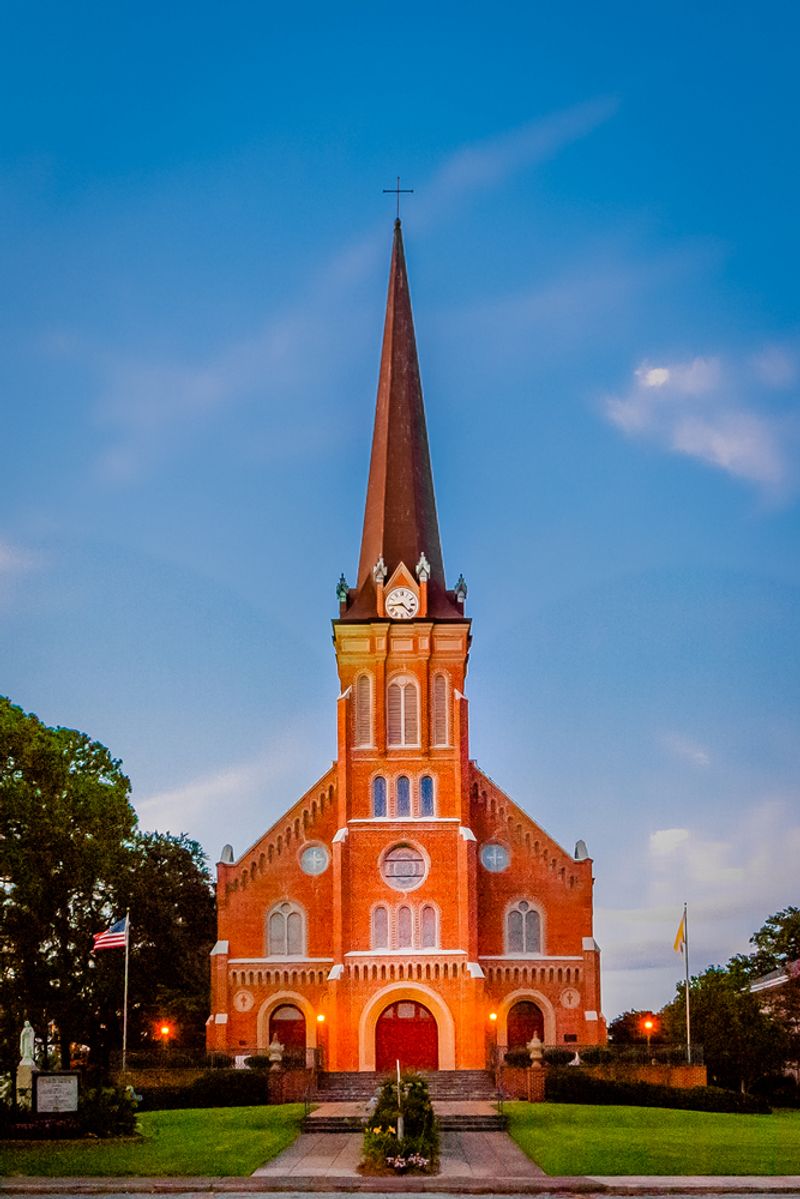
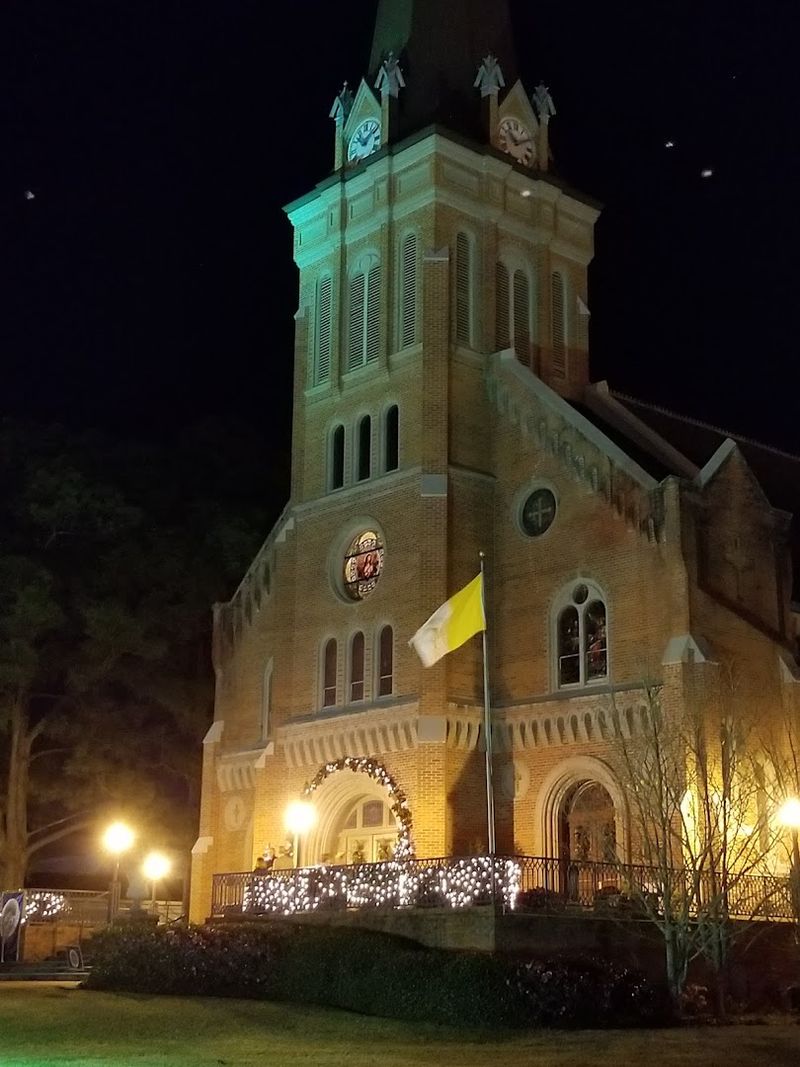
St. Mary Magdalen Church announces itself before you reach the curb, turning an ordinary drive through Abbeville into something unexpectedly grand.
You’ll find it at 300 Pere Megret Street, Abbeville, Louisiana 70510, near the center of town.
Park nearby, approach quietly, and leave a little room for stillness before heading inside. Since it remains an active church, a respectful arrival matters as much as the architecture.
Columns And Capitals
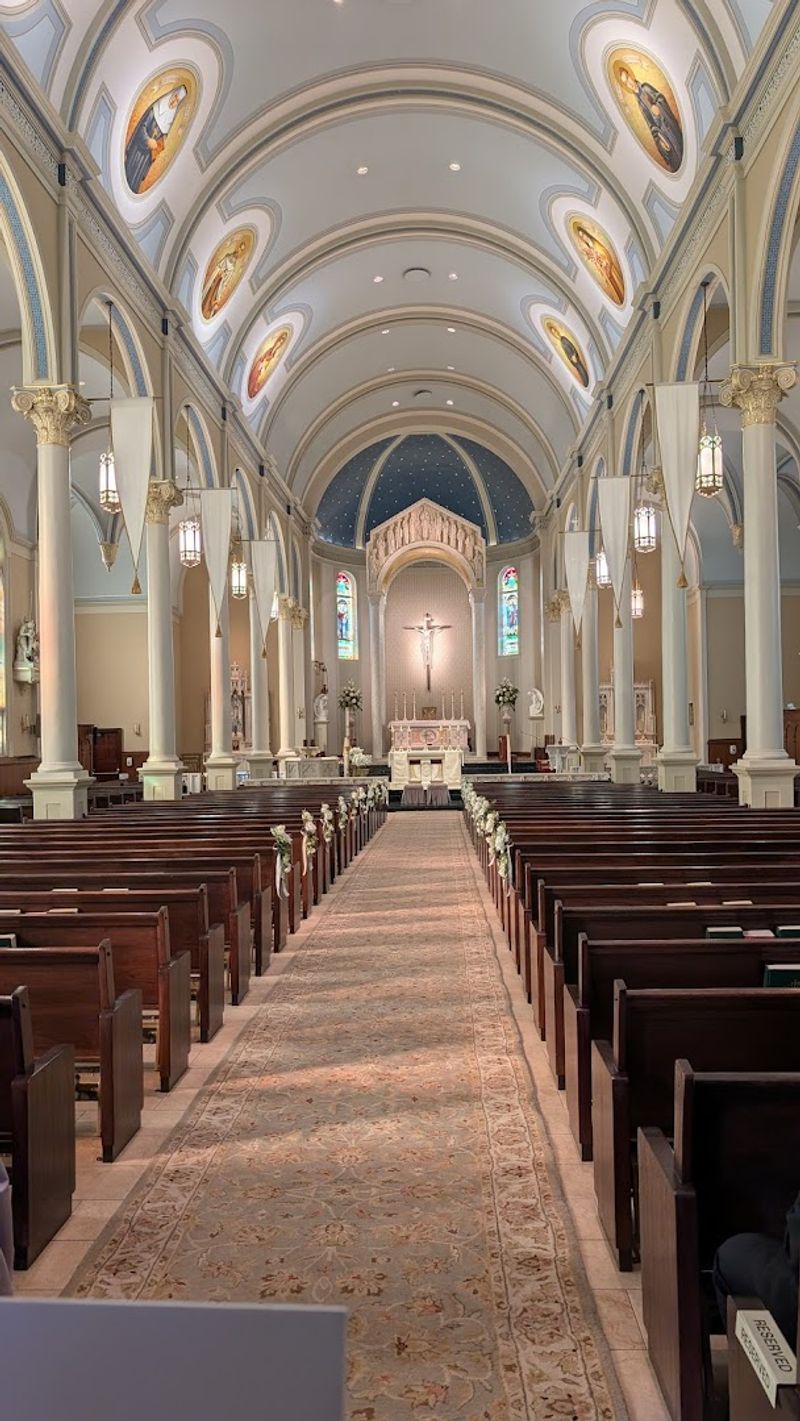
The eighteen columns inside anchor the cruciform plan with classical confidence; alternating Ionic and Corinthian orders lend a rhythm that’s almost musical. Each capital is gilded, catching candlelight and the church’s new lighting into a soft, authoritative glow.
These columns don’t feel decorative alone. They support a layered history of faith and craft.
Close inspection reveals careful repainting and conservation; the gold leaf, while luminous, shows the hand of restoration meant to honor rather than overwhelm. The columns frame views down the nave to side altars clad in Carrera marble, making each step feel choreographed toward the sanctuary.
When you stand between them, the columns provide both a structural hug and a visual guide, leading attention to the apse and the oak ciborium above the high altar.
Stained Glass Stories
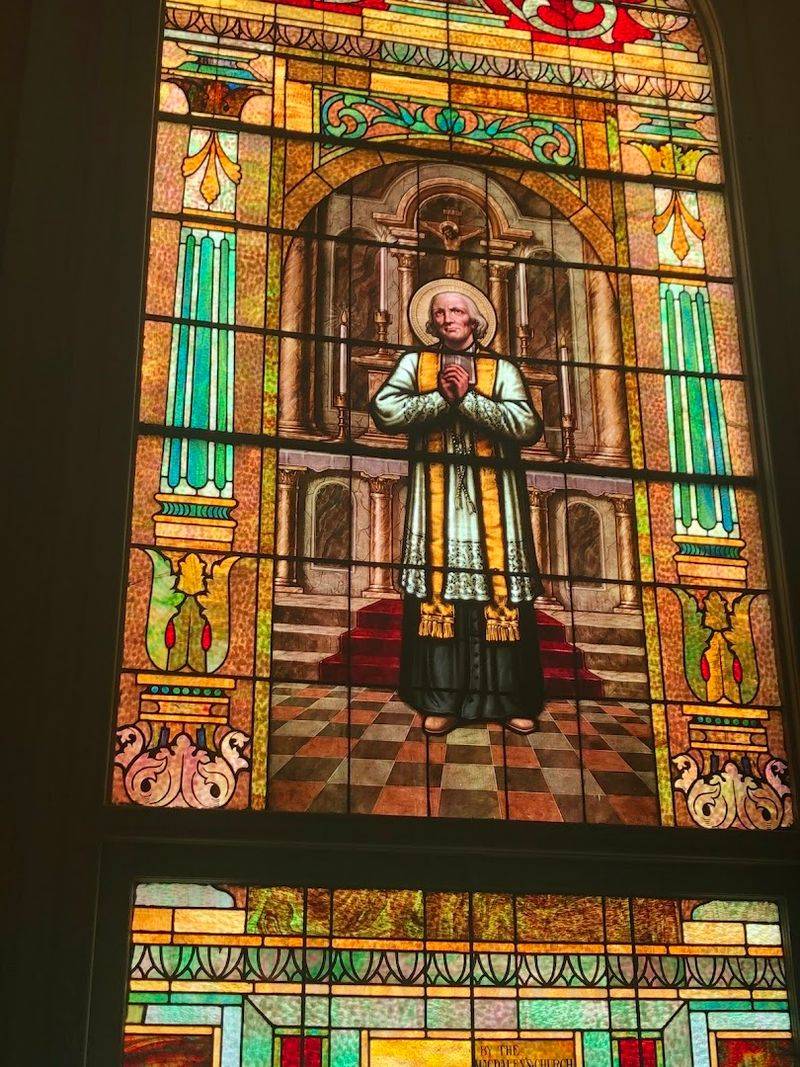
The Ford Brothers stained glass windows read like a gallery in color and narrative, each pane a deliberate scene from the life of Christ or a saint’s iconography. European craftsmanship is evident in the faces and folds of garments; the windows integrate symbolic motifs like burning braziers and double pillars to convey presence and eternity.
Sunlight through these windows bathes the nave in tones that shift the mood by hour.
Watching light move across Carrera marble altars and painted portraits is a small sermon in itself. These windows were designed to teach and to lift the eye, and they succeed at both; visitors often find themselves lingering, tracing stories in glass.
If you can, arrive when the light is angled, the colors feel most intentional then, and the nave becomes a carefully lit theater of devotion and art.
Baldachino And Oak Ciborium
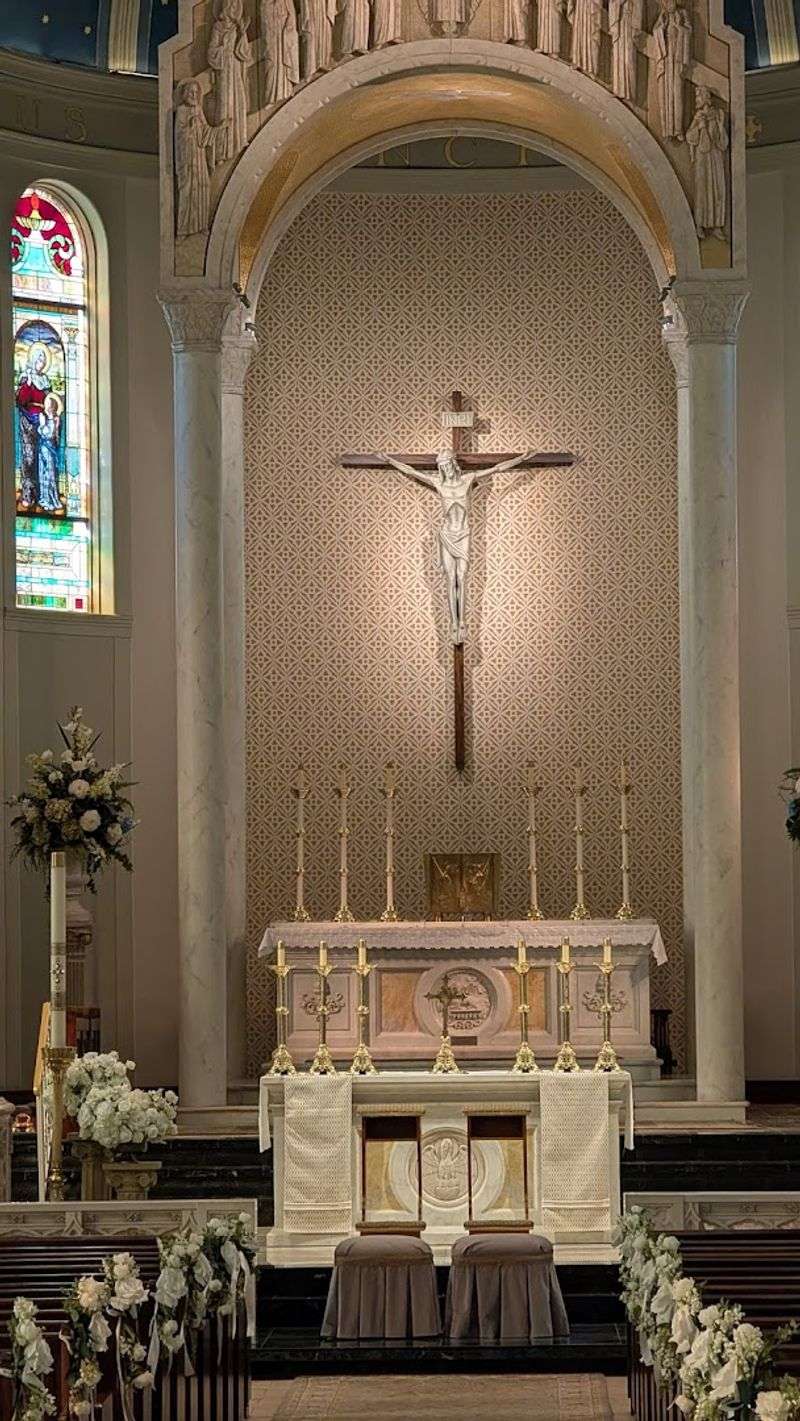
The sanctuary centers on an oak ciborium that reads like a small, intimate cathedral within the church, carved figures of Christ and the twelve apostles create a tableau that invites close viewing.
The baldachino’s faux marble finish is a restoration masterstroke; from pew level it convinces the eye it’s a single carved block, lending a cohesive, monumental feel to the altar area.
The semicircular apse cradles this arrangement, and the interplay between carved wood and faux stone finishes testifies to careful preservation choices. It’s the kind of detail that rewards notice: workmanship that honors tradition while using contemporary techniques to restore grandeur.
Don’t rush past the sanctuary. Spend a few minutes reading the carved scenes and appreciating how restoration choices make the altar both historically resonant and surprisingly present.
Side Altars And Marble
The Carrera marble side altars are quiet showstoppers: cool stone that anchors statues of the Blessed Virgin Mary and St. Joseph in a way that feels both reverent and immediate. Marble brings a tactile gravity to those corners of the nave, contrasting with the warm wood and painted surfaces elsewhere.
Lighting and painted backdrops turn these altars into intimate chapels for private prayer. Details like carved moldings and gilded accents reveal conservation that respects original materials. Parishioners clearly care for these spaces; votive candles and fresh flowers often appear, a humble counterpoint to the marble’s grandeur.
If you’re drawn to sculpture and material history, linger here. The altars reward small observations about craft, devotion, and how communities sustain sacred objects over decades.
Stations Of The Cross
The Stations of the Cross at St. Mary Magdalen carry a deliberate faux stone finish that complements the baldachino and ties the nave together visually. Each station feels like a handcrafted vignette, textured to invite touch even though it is meant to be seen and contemplated.
The materials balance durability with an aged appearance that honors tradition without seeming artificially aged.
These stations function as both devotional markers and a visual rhythm that helps the eye move down the aisle. Parishioners use them for meditative walks during certain liturgies, and they seem to encourage pause and reflection in a busy downtown setting.
When visiting, follow the stations in order and notice how light and color change from one panel to the next; the sequence is quietly theatrical and thoughtfully installed.
Music And Acoustic Presence
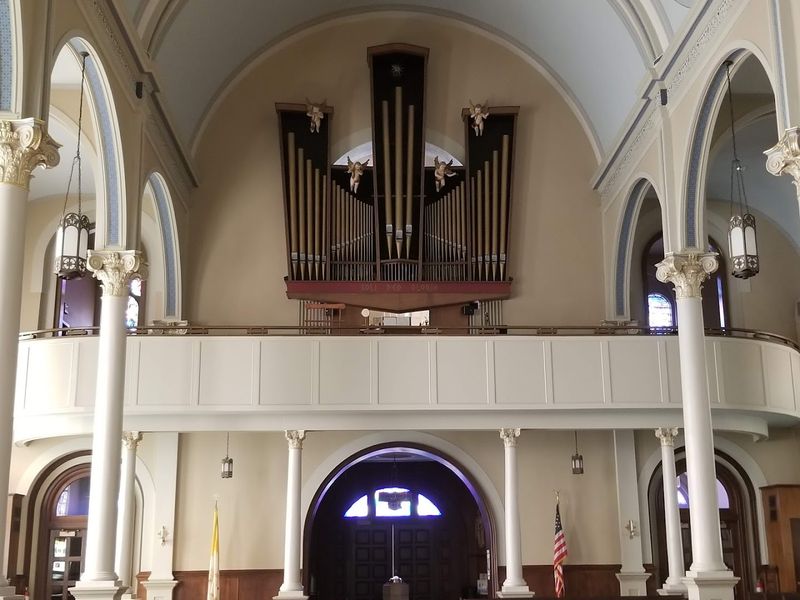
Music here feels integrated with the architecture; the vaulted lines and marble surfaces create an acoustic warmth that makes choral singing bloom. Visitors often note the choir’s presence and how hymns resonate through the nave and up into the painted ceiling.
The church’s capacity for sound supports both intimate worship and larger congregational singing without losing clarity.
Occasional Latin chant or robust choir arrangements have been reported by parishioners, adding a timeless layer to services. That sonic character enhances the solemnity of ceremonies and makes quiet moments more luminous.
If you attend a service, arrive a few minutes early to settle in and experience how sound shapes the space; it’s a sensory thread that stitches together visual splendor and communal ritual.
Historical Roots
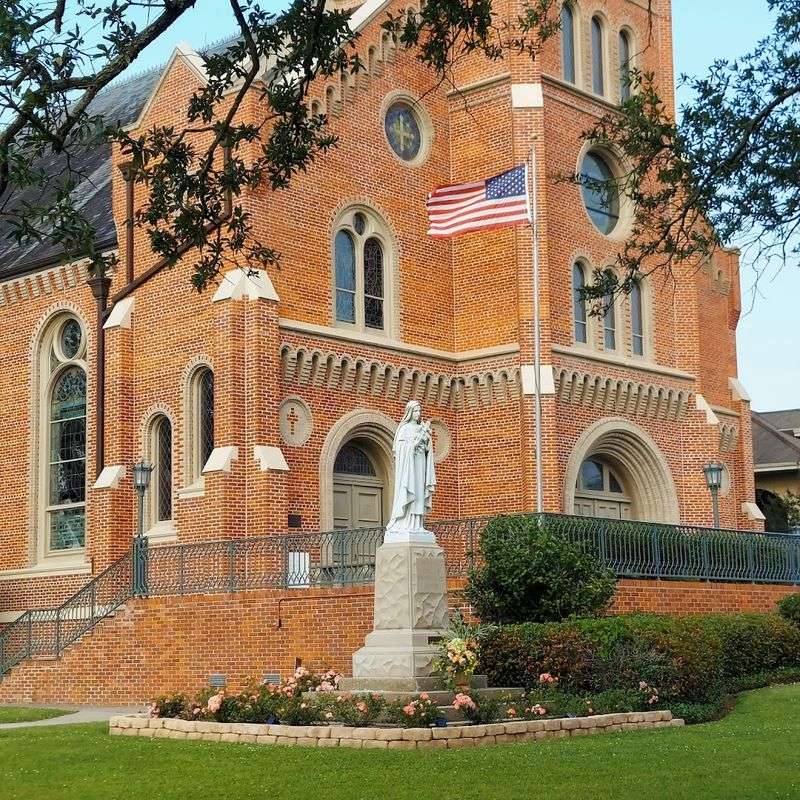
St. Mary Magdalen is woven into Abbeville’s foundation, the parish’s story stretches back to the city’s mid-19th century origins and the legacy of Pere Antoine Desire Megret. The current building rose after a 1907 fire and was completed in 1911, becoming fully operational by 1920.
That timeline gives the church its layered character: rebuilt with ambition and later honored with a 1988 National Register listing alongside its rectory and cemetery.
Knowing the dates adds perspective to the architecture and recent restorations. The community’s investment across decades shows in careful conservation choices and ceremonial traditions that continue to draw robust attendance.
When you visit, consider how each element, from spires to marble, carries traces of resilience, memory, and civic identity woven through Abbeville’s history.
Community And Worship
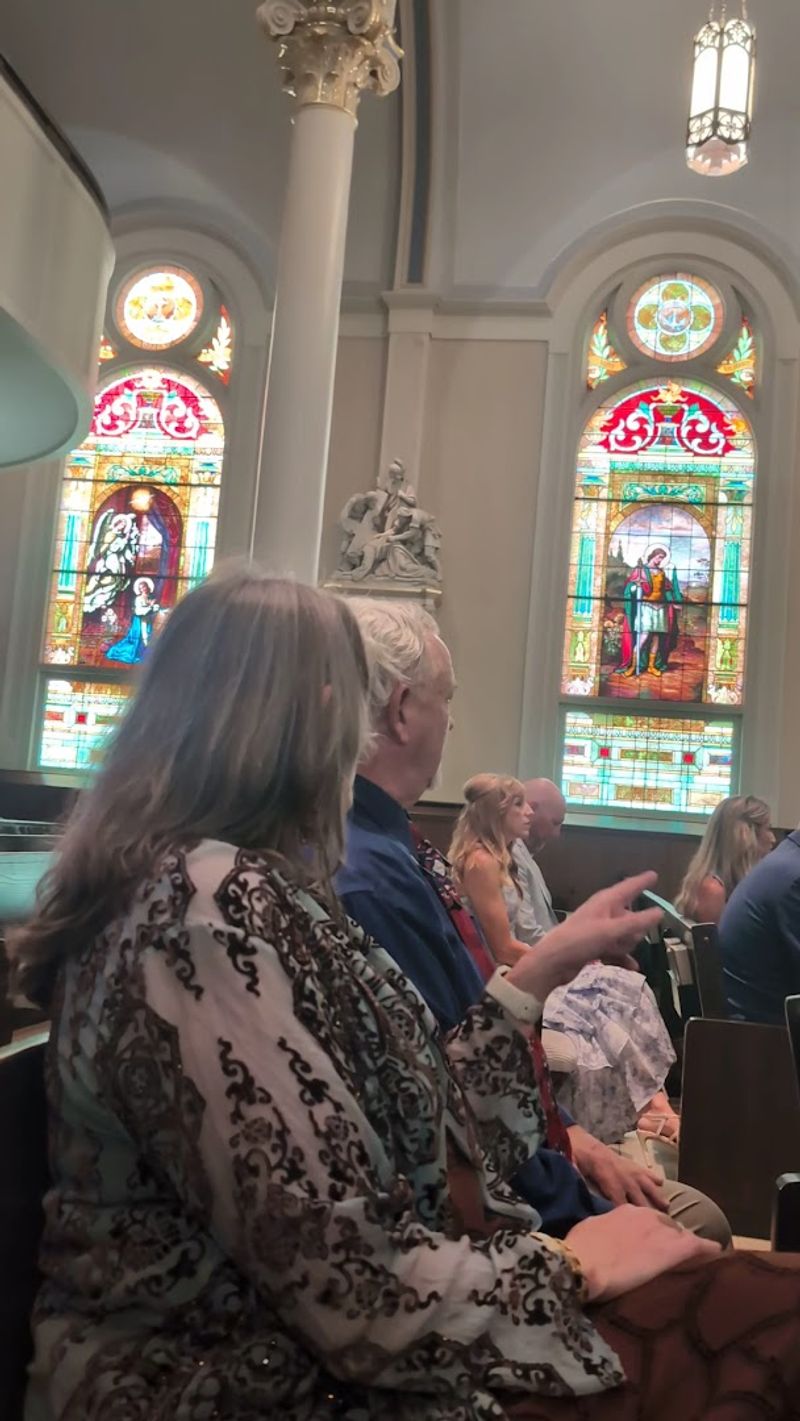
The parish life at St. Mary Magdalen feels alive without spectacle, masses draw families, choirs, and regulars who know one another by sight. Services have been described as both solemn and brilliant, and the congregation’s size testifies to a lively community presence in downtown Abbeville.
Even a visitor unfamiliar with Catholic ritual can sense a genuine at-home warmth in the pews and fellowship afterward.
Practical details like accessible seating, attentive ushers, and a clear schedule underline how the parish cares for attendees.
The church’s website and posted hours make planning straightforward for out-of-town guests.
Attend a Sunday mass if you can; it’s a good way to feel the congregation’s pulse and appreciate how the building functions as both sacred space and community hub.
Visitor Tips And Logistics
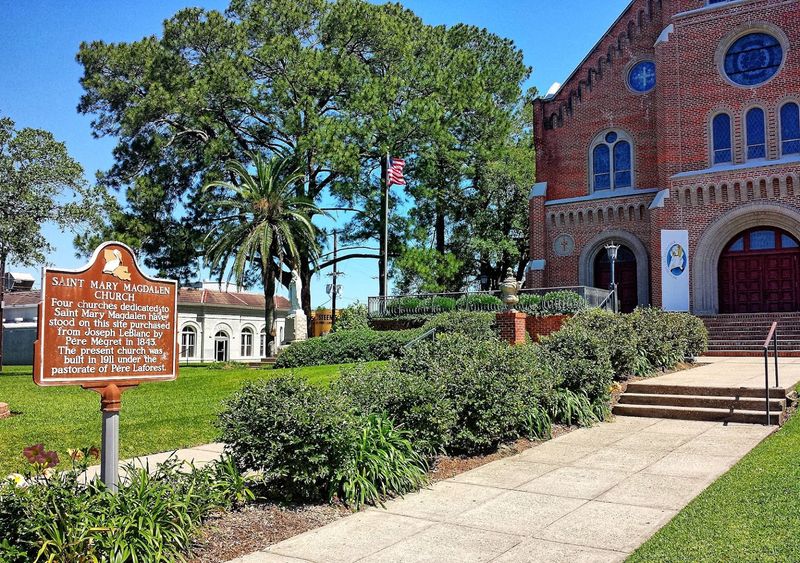
Plan your visit around service times and posted hours; the church’s schedule typically includes morning hours during weekdays and defined Mass times on weekends.
The address, 300 Pere Megret Street, places the church within easy walking distance of Abbeville’s downtown, making it easy to combine a visit with nearby sites.
Parking is available nearby but can fill for larger ceremonies, so allow extra time on Sundays or wedding days.
Bring a camera for exterior shots but be discreet inside, photography policies vary during services. Respectful dress and quiet are appreciated, as ceremonies aim for solemnity and reverence.
Call ahead if you have special needs or plan to attend a major liturgy; the parish office phone is listed online and staff are usually responsive to visitor questions.
Seasonal And Cultural Notes
Seasons add small changes that shape experience: Easter and Christmas bring floral and liturgical accents, while ordinary Sundays allow the architecture to breathe on its own. Local traditions infuse certain services with regional flavor, and the choir’s repertoire sometimes reflects that blend of solemnity and community joy.
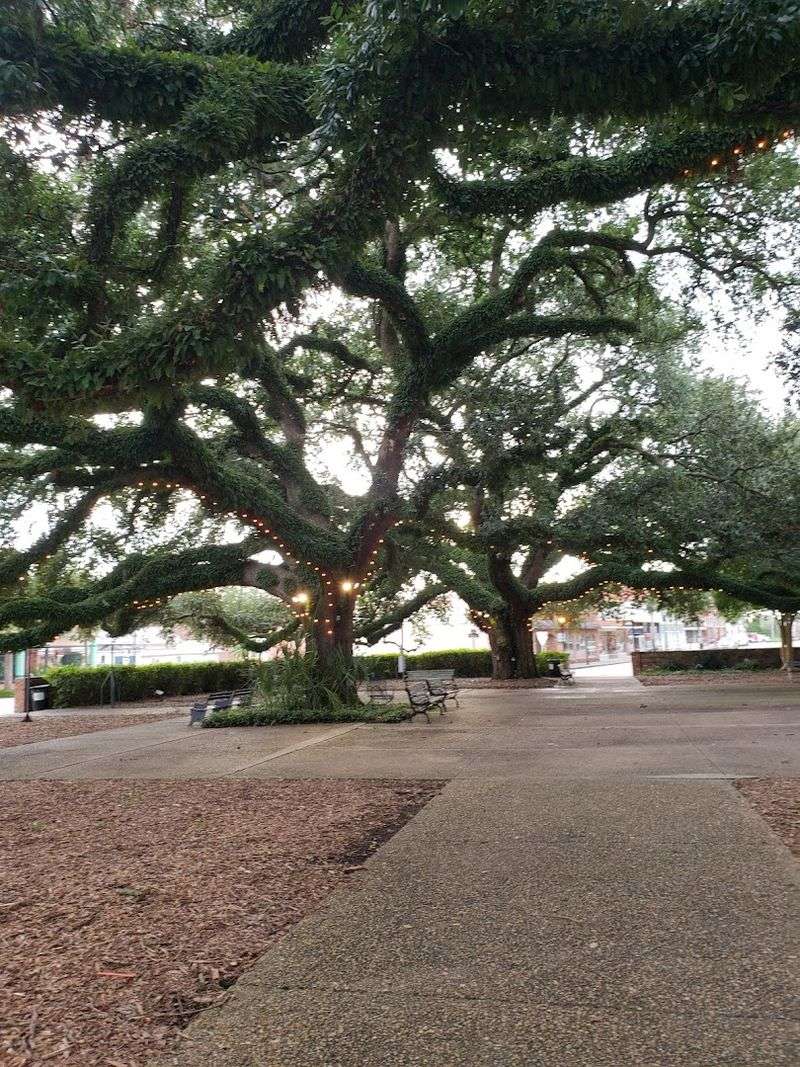
The mature oaks around Magdalen Square also provide seasonal shade, making summer visits pleasantly cool on the approach.
Observing a feast day here can illuminate how the parish ties liturgy to local rhythms; these moments highlight continuity between past and present. The church’s capacity to host up to a thousand people means larger events feel both communal and grand.
If your trip aligns with a special liturgy, expect fuller pews and a palpable sense of shared celebration that complements the building’s visual richness.