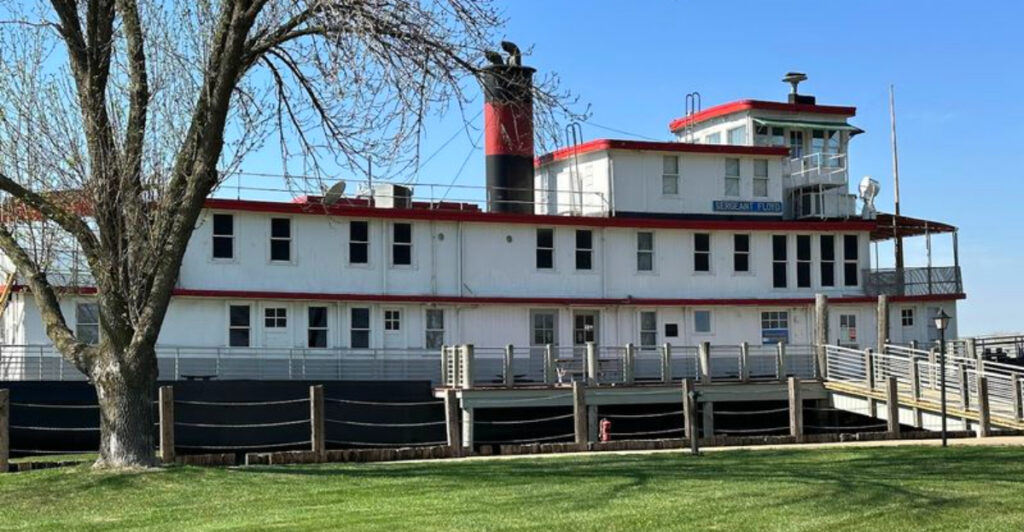
Iowa has a history stop that feels unusual before you even step inside. Along the Missouri River in Sioux City, a real towboat sits on land, ready for visitors to climb aboard and explore without paying an admission fee.
The surprise is how much story fits inside that vessel. Three decks cover river trade, Native American history, steamboat mechanics, local travel history, and the Lewis and Clark connection that gives the museum its deeper meaning.
It is the kind of stop that makes a quick detour feel unexpectedly worthwhile. You come for the novelty of walking through a historic boat, then stay because the exhibits, riverfront setting, and hands-on details make Iowa’s past feel close enough to touch.
The Boat That Became a Museum
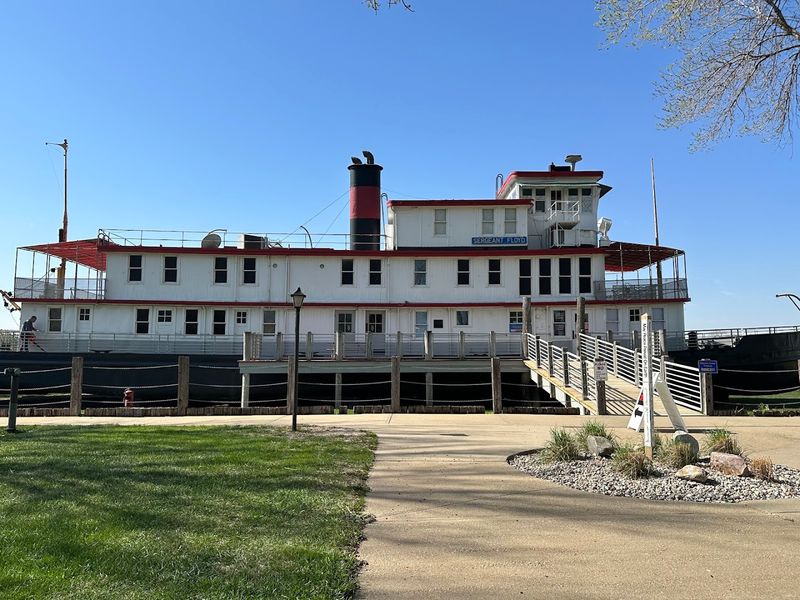
Most museums greet you with a lobby. This one greets you with a boat hull.
The M.V. Sergeant Floyd, the towboat that houses the Sergeant Floyd River Museum, is a full-sized historic vessel that was moved onto land and converted into one of the more unusual museum setups you will find anywhere in the Midwest.
The boat itself is a 1932 U.S. Army Corps of Engineers inspection boat that handled light towing, survey, and inspection work on inland waterways under the Missouri River Division.
Getting it to its current role took a long journey of its own. After years of service and later use as a traveling exhibit, the vessel was brought to Sioux City and permanently dry-docked, where it now serves as a combined state tourist welcome center and river museum.
The museum is a site of the Sioux City Public Museum, and admission is completely free. You will find it at 1000 Larsen Park Rd, Sioux City, IA 51103, right along the riverfront.
Hours run from 10 AM to 4 PM daily, with closures on major holidays. That combination of free entry and a genuinely interesting physical space makes it a stop worth planning into any road trip through northwest Iowa.
Three Decks Worth Exploring
The layout of this museum alone makes it worth the visit. The boat has three full floors, and each one has a distinct personality.
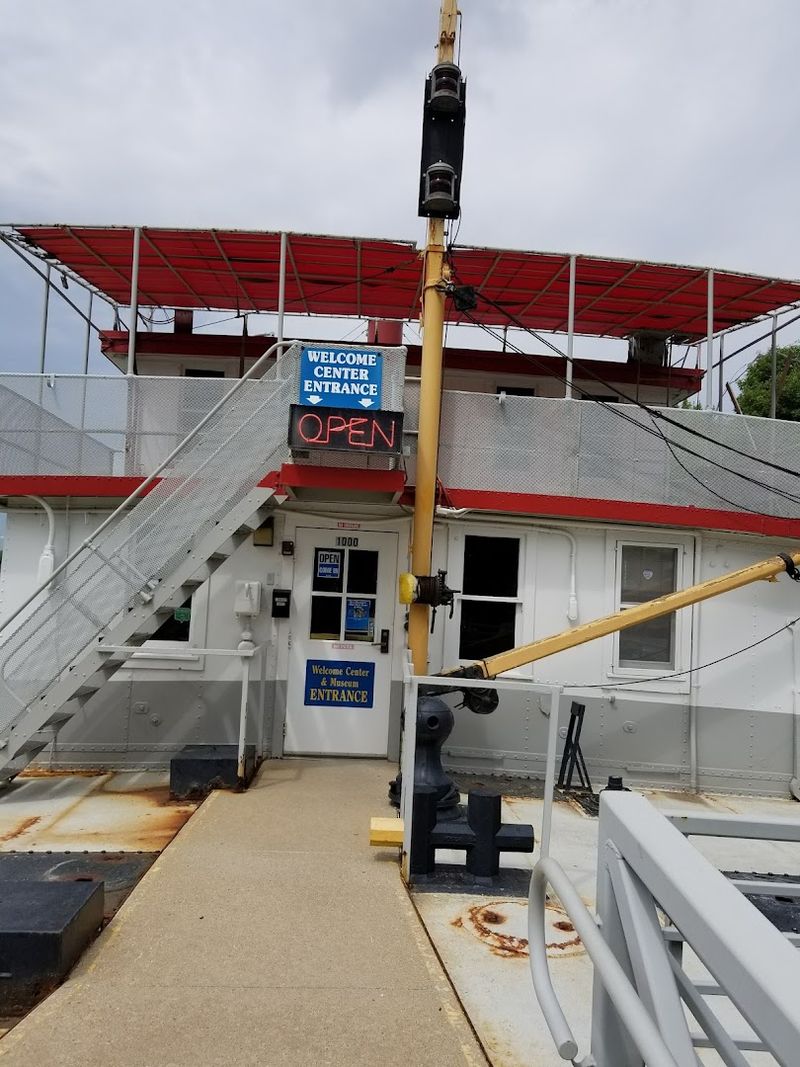
The bottom level is where you enter, and it doubles as the welcome center and gift shop area. You will also find the boat’s mechanics on display down here, along with a surprisingly large collection of Iowa travel brochures if you are planning more stops across the state.
The middle deck is where the bulk of the history exhibits live. Detailed dioramas, artifacts, and informational panels cover the Missouri River’s past, the fur trade era, Native American tribal history, and the broader story of how this region developed over centuries.
The displays are well-organized and easy to follow even if you are not a history enthusiast walking in.
Up on the top deck, the mood shifts entirely. The wheelhouse is up there with original controls you can actually interact with, and there is a bell you can ring.
Kids love this part, but so do adults who want to feel like they are briefly in charge of a river vessel. Each floor earns its place in the tour.
The Story Behind Sergeant Floyd
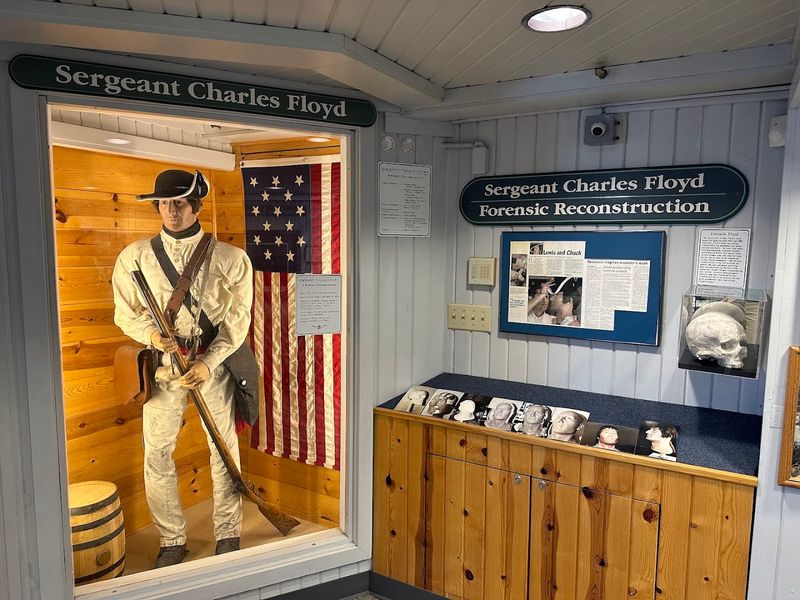
Charles Floyd was a member of the Lewis and Clark Expedition and the only person from that journey to pass away during the trip.
He was buried near what is now Sioux City, Iowa, and a tall obelisk monument marks the spot not far from the museum.
The museum carries his name as a tribute to that connection, and several exhibits inside tell his story in detail.
Learning about Floyd gives the whole visit an unexpected emotional weight.
He was young, part of a historic mission that shaped American exploration, and his legacy has been honored in this corner of Iowa for generations.
The exhibits do not sensationalize anything. They present the facts clearly and let the history speak without overdoing it.
What makes this section of the museum work well is how it connects one individual’s story to the larger arc of westward exploration.
You get context about the Lewis and Clark Expedition, the Corps of Discovery, and why this stretch of the Missouri River mattered so much to American history.
It is a well-told chapter that most casual history readers will find genuinely engaging and worth slowing down for.
Missouri River History on Display
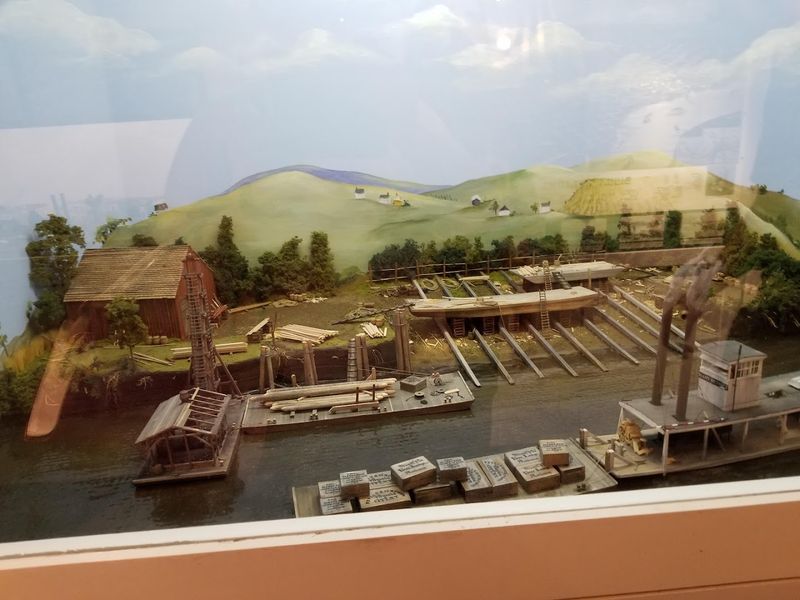
The middle deck holds the kind of exhibits that reward slow, careful looking.
Intricate dioramas show what the Missouri River corridor looked like during the fur trade era, complete with scale models of trading posts, river vessels, and the landscapes that defined life along the water for centuries.
The craftsmanship on some of these models is genuinely impressive up close.
Panels cover the beaver pelt trade in detail, explaining how demand for fur in Europe shaped exploration and settlement patterns across the entire region.
That angle on history is not one you often see presented so clearly in a small museum, and it connects economic history to geography in a way that makes both topics click.
Native American history also gets substantial coverage here. The exhibits focus on the tribes that called this region home and their relationship with the river, the land, and the waves of change that came with European contact and westward migration.
The tone is respectful and informative rather than cursory. You leave the middle deck with a fuller picture of what this stretch of the Missouri represented to many different peoples over a long stretch of time.
The Wheelhouse Experience
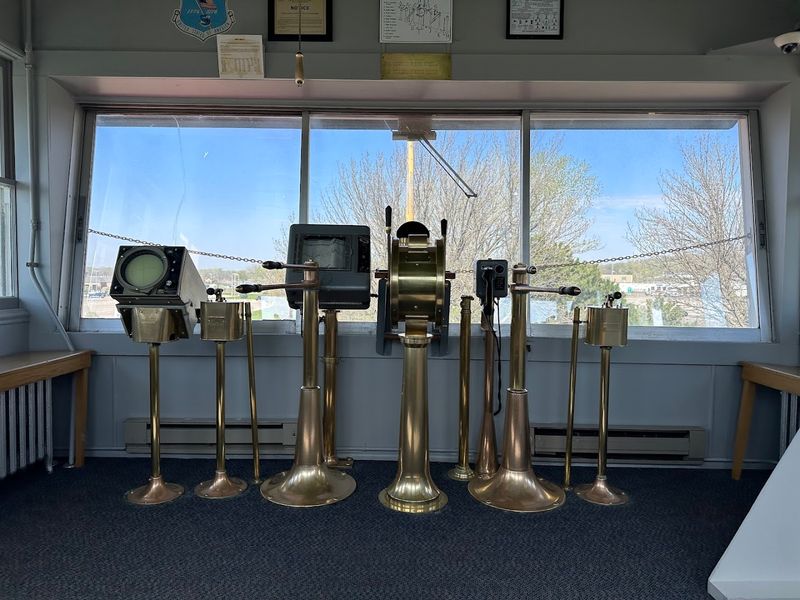
Reaching the top deck and stepping into the wheelhouse is one of those moments where a museum stops feeling like a museum.
The original controls are right there in front of you, and you are encouraged to interact with them.
The steering equipment, the gauges, the layout of the captain’s workspace, all of it is preserved in a way that puts you directly into the operational reality of a working river vessel.
The captain’s quarters and office are also up on this level, and they have been kept in a way that makes the space feel lived-in rather than staged. You can see the scale of what it meant to run a boat like this on a river as demanding as the Missouri.
It was not glamorous work, but the setup reflects a kind of serious, focused professionalism that comes through clearly.
The bell at the top is a crowd favorite for obvious reasons. Kids make a beeline for it, and more than a few adults ring it with equal enthusiasm.
It is a small thing, but it adds a tactile, participatory moment to the visit that no exhibit panel can replicate. The top deck earns its climb every single time.
Free Admission and What That Actually Means
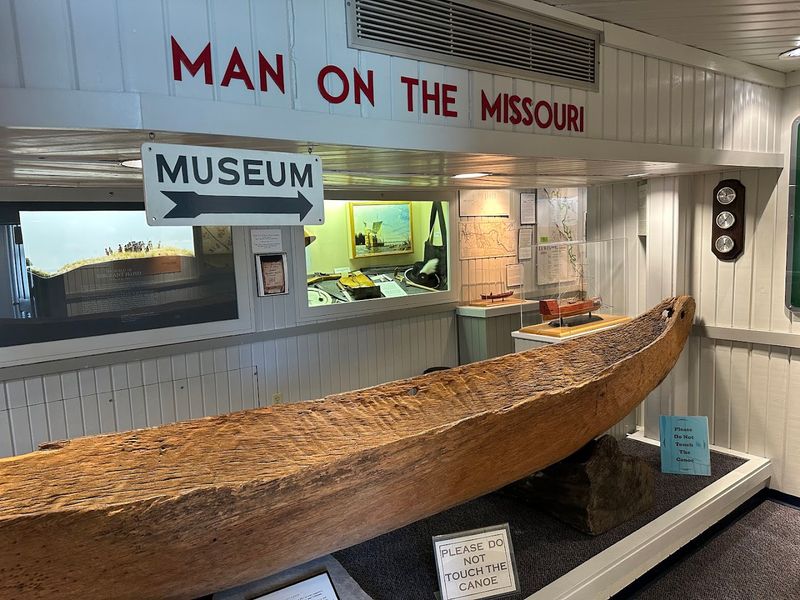
Free admission at a museum can sometimes mean a few laminated signs and a donation jar. That is not what happens here.
The Sergeant Floyd River Museum is a site of the Sioux City Public Museum, and the official visitor information lists admission as free.
The exhibits are maintained, staff and volunteers help visitors make sense of the space, and the whole place functions like a proper museum without a price tag attached.
The docents and front desk staff are consistently praised for being knowledgeable and genuinely enthusiastic about the history they are sharing. A quick overview of the layout before you explore can make the visit feel much easier to follow.
That kind of welcome sets a different tone than a self-guided sign at the door.
For families, road-trippers, or anyone passing through northwest Iowa on a budget, this place removes one of the usual friction points of travel. You do not have to calculate whether it is worth the entry fee.
You just walk in. The gift shop at the bottom level is stocked with Iowa-themed souvenirs if you want to leave with something to show for the visit.
Accessibility and Practical Visitor Tips
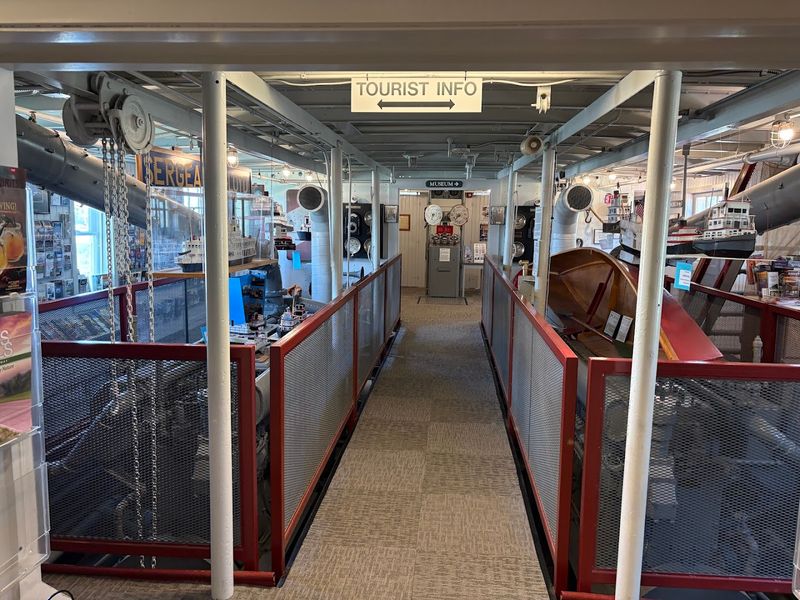
One detail that stands out about this museum is how seriously accessibility has been considered.
The official visitor information says the first floor is accessible by ramp and the second floor is accessible by elevator.
For a structure that is literally a converted boat, that is still not a small engineering feat, and it matters for a wide range of visitors.
Parking is available on site, and an accessible public restroom facility is located nearby rather than inside the boat itself. That is worth knowing before you arrive, especially if you are traveling with young kids or anyone who might need facilities quickly.
The museum is open daily from 10 AM to 4 PM and is closed on major holidays. The phone number is 712-279-0198 if you want to confirm hours before making the trip.
One practical note from other visitors: the address on some GPS apps has occasionally directed people to the park south of the museum rather than the museum itself. Using the full address, 1000 Larsen Park Rd, can save you a few minutes of confusion.
Give yourself at least 90 minutes to do the visit properly.
What Families With Kids Actually Get Out of It
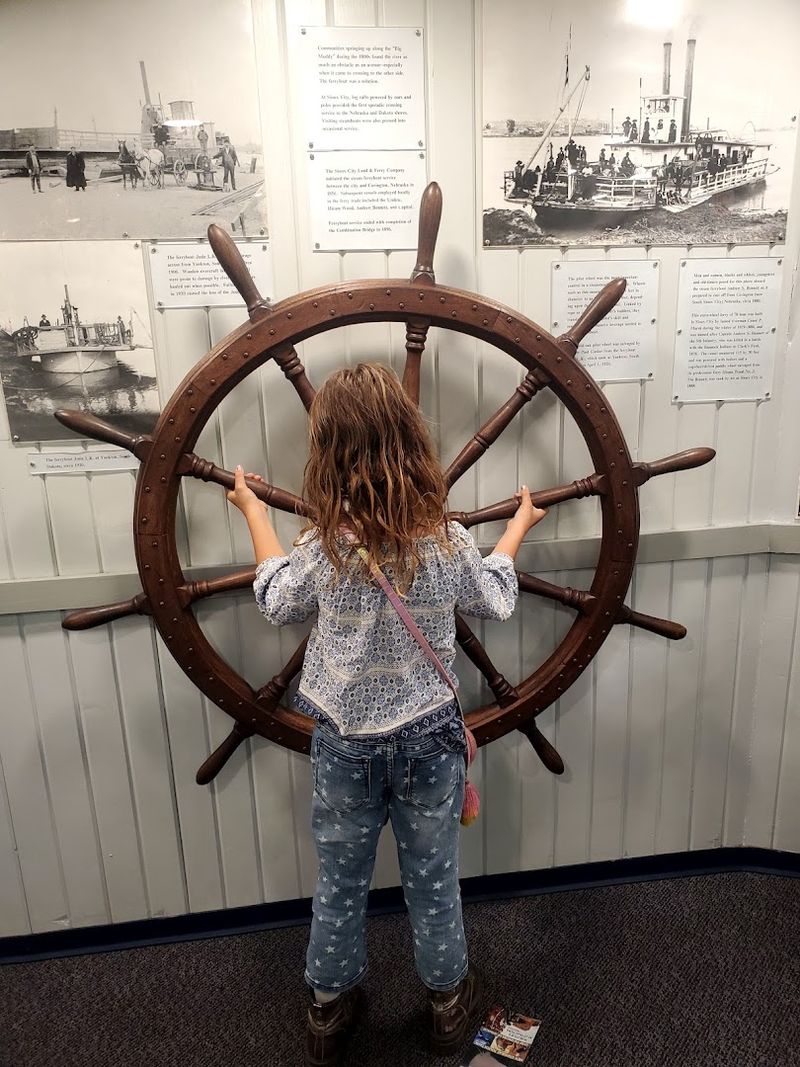
A museum that works for both adults and kids without dumbing anything down for either group is harder to pull off than it sounds.
The Sergeant Floyd River Museum manages it by giving kids physical things to do, buttons to push, a bell to ring, controls to handle, while keeping the exhibits substantive enough that adults are learning alongside them rather than just supervising.
The three-floor layout naturally creates a sense of exploration. Kids move through the boat the way they would move through any interesting structure, curious about what is on the next level.
That built-in momentum keeps energy up throughout the visit in a way that flat, single-floor museums sometimes struggle to maintain.
Outside the museum, the surrounding area adds even more to a family outing. A playground and picnic tables sit right next door, and the Betty Strong Encounter, which features outdoor sculptures and a statue honoring the Lewis and Clark Expedition, is within easy walking distance.
That combination of indoor history and outdoor space makes this a genuinely full afternoon for families traveling through Iowa with kids of any age.
The Bigger Picture Around Larsen Park
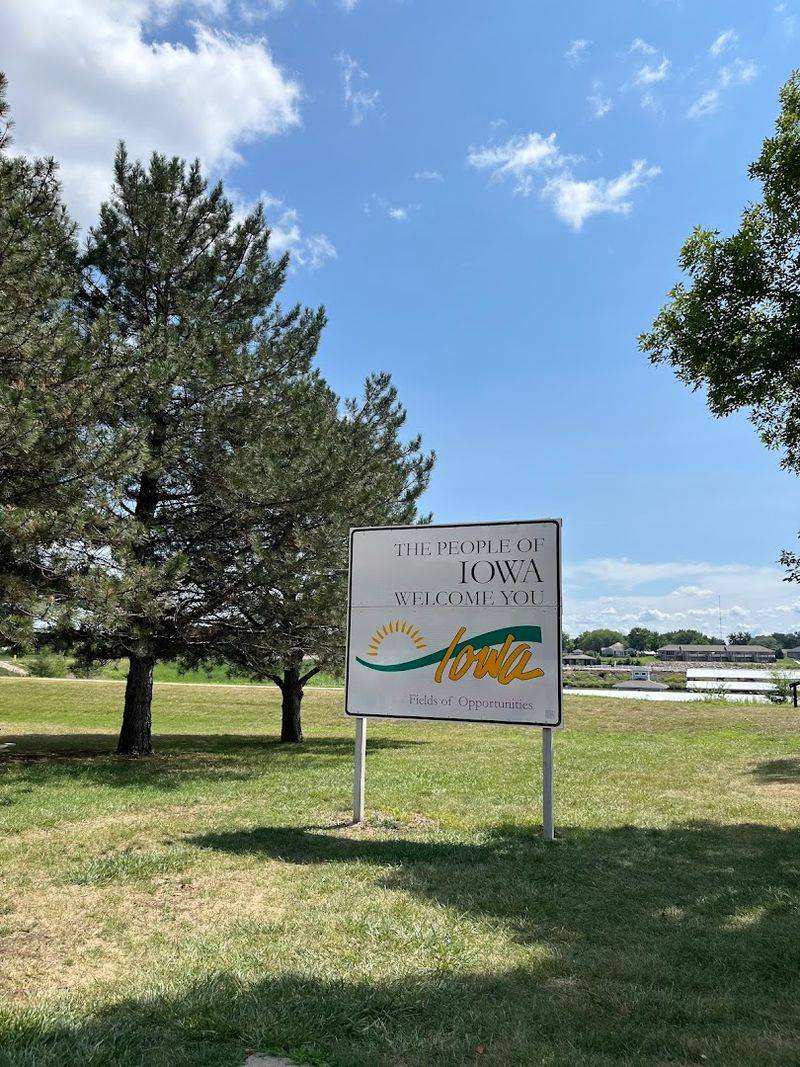
The museum does not exist in isolation. The stretch of land along the Missouri River near Larsen Park has been thoughtfully developed into a spot where multiple points of interest sit close together.
Right next door to the museum is the Betty Strong Encounter Center, which has outdoor sculptures and a statue commemorating the Lewis and Clark Expedition, giving the whole area a cohesive historical thread.
A picnic area sits between the two buildings, making it easy to pack a lunch and turn the visit into a longer outdoor afternoon.
The Missouri River is visible from the grounds, which adds a geographic context to everything you have just read about inside the boat.
Standing outside and looking at the actual river after learning its history inside the museum is a satisfying full-circle moment.
For anyone driving through northwest Iowa on Interstate 29, this entire stretch is a natural and rewarding detour.
The museum, the outdoor sculptures, the park, and the river views combine into an afternoon that costs nothing and delivers more than most paid attractions manage to offer.
Sign the visitor log on your way out. It is a small tradition that somehow feels exactly right for a place like this.