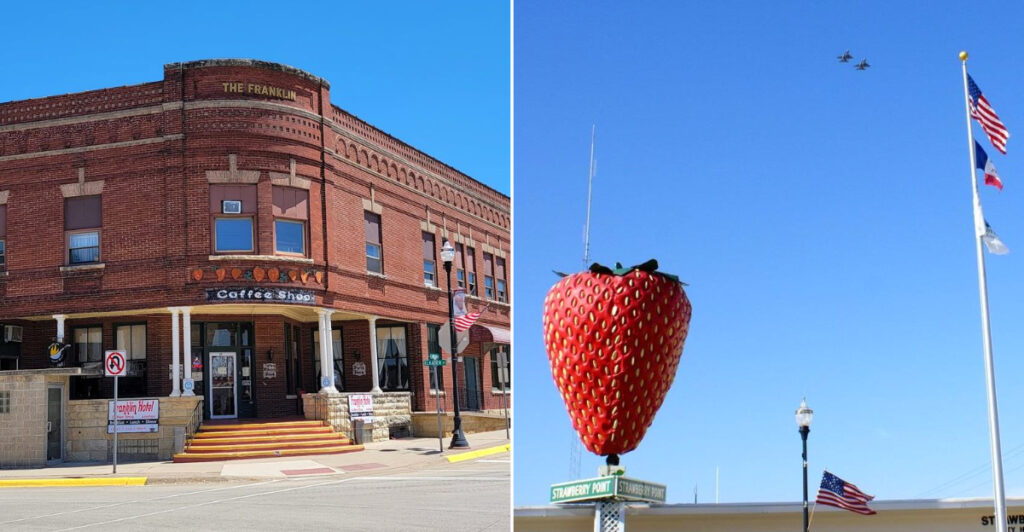
Iowa has small towns that feel charming at first glance, and then there are the ones that make you slow down and think, “Wait, what exactly is hiding here?”
This Clayton County town falls firmly into that second category, with hills, woods, local stories, and an atmosphere that feels made for a curious fall weekend.
At first, everything seems quiet and orderly. Then you hear about the historic hotel with stories of strange sounds, trails that feel a little more eerie once the light starts fading, and locals who treat folklore not as a tourist gimmick, but as part of the place itself.
That is what makes this Iowa trip interesting. It is not just a “pretty small town.”
It has charm, odd little details, nature, and stories that have been passed around long enough to make you want to walk one more block and see what you notice for yourself.
Welcome to Strawberry Point
Clayton County has plenty of quiet corners, but Strawberry Point manages to stand out even among its neighbors.
The town sits in the northeastern part of Iowa, surrounded by wooded bluffs and creek valleys that give it a geography more dramatic than you might expect from a community of just over a thousand people.
The city’s official municipal address is 111 Commercial Street, Strawberry Point, Iowa 52076, and getting there from Dubuque takes roughly an hour, depending on the route and traffic.
The drive alone is worth noting because the landscape shifts noticeably as you climb toward the town, with thick tree lines replacing open farmland.
What strikes you first is how self-contained the place feels. The main street has working businesses, not boarded windows, which is more than you can say for plenty of towns this size across the state.
Locals wave at strangers, the kind of automatic friendliness that does not feel performed. Plan to spend at least a full day here because the town rewards slow exploration far more than a quick drive-through ever would.
The Hotel That Has People Talking for All the Wrong Reasons
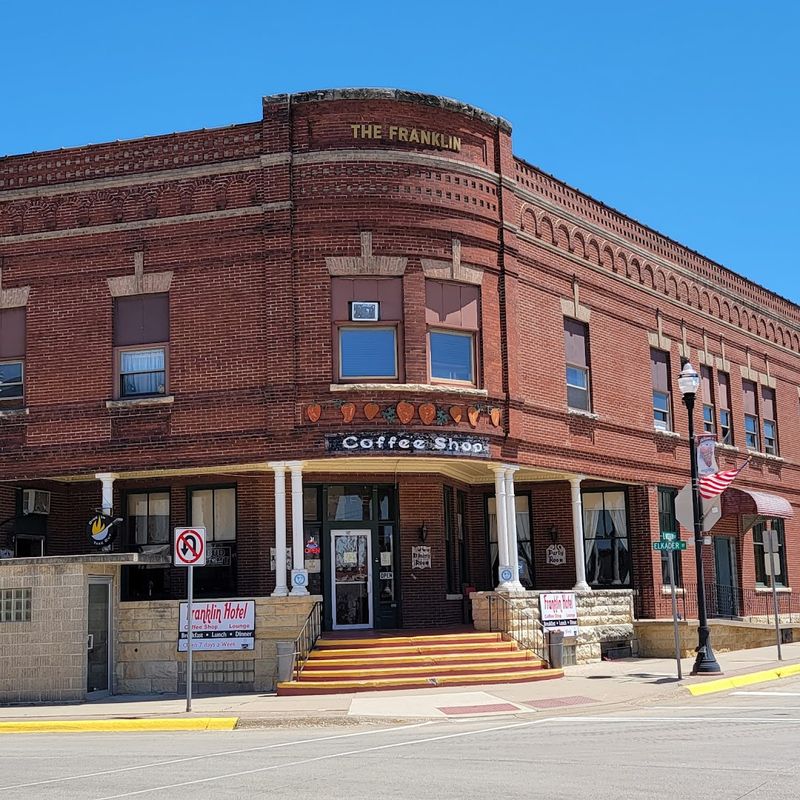
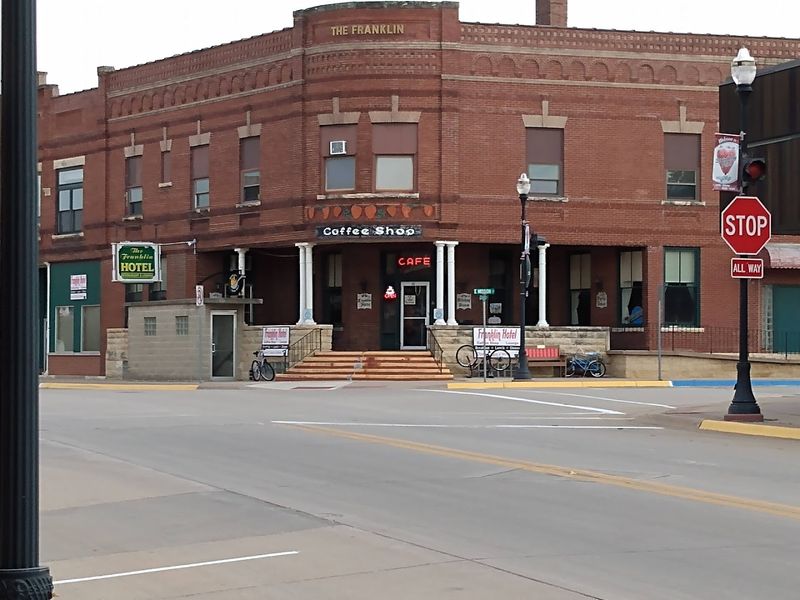
No single building in Strawberry Point generates more conversation than the historic Franklin Hotel, a landmark that has anchored the town for well over a century.
Local accounts of strange sounds, unexplained cold spots, and lights that behave on their own schedule have circulated through the community long enough that they have become part of the town’s identity rather than just idle gossip.
The building itself is the kind of structure that carries its age visibly. The woodwork, the staircase angles, and the way certain hallways feel narrower than they should all contribute to an atmosphere that does not require any supernatural assistance to feel genuinely unsettling after dark.
Travelers should know, though, that the Franklin should not currently be presented as a reliable overnight lodging option.
Local reporting in 2025 said the restaurant had closed and that hotel operations were expected to continue only until October 30, 2025.
That means the better reason to include it now is as a historic Strawberry Point landmark with long-running haunted lore, not as a place readers should expect to book for a stay.
Whether you believe in that sort of thing or not, the Franklin remains one of the town’s most talked-about buildings.
Ghost Trails and the Stories Behind Them
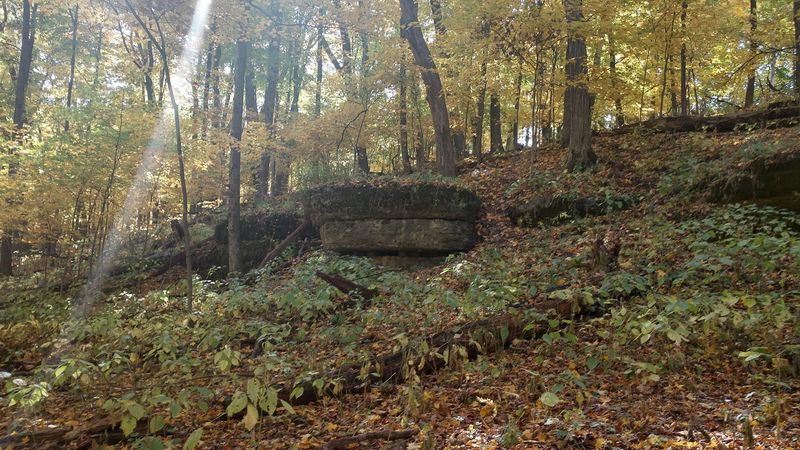
The wooded areas surrounding Strawberry Point have accumulated stories the way old houses accumulate creaks, gradually and with no clear starting point.
Mossy Glen State Preserve, located northeast of town, is often the place people point to when they want a landscape that already feels mysterious before anyone adds a story to it.
Officially, Mossy Glen is an 80-acre biological and geological preserve along the Silurian Escarpment, with rugged forest, rock outcrops, ravines, springs, and steep terrain. That real landscape is dramatic enough without treating every local rumor as confirmed fact.
Practically speaking, this is not a polished park with easy loops and broad marked paths.
Iowa DNR directions describe parking near a small roadside area and walking about a half mile along a Grade B road to reach the preserve, so sturdy shoes and realistic expectations matter.
Morning visits offer the clearest visibility and the best chance to appreciate the geology, plants, and quiet woods.
Evening visits offer moodier scenery, especially in autumn when the tree canopy thins and the shadows get longer faster than you expect.
Bring a flashlight if you are visiting late in the day, and stay on public access routes.
The World’s Largest Strawberry and What It Says About the Town
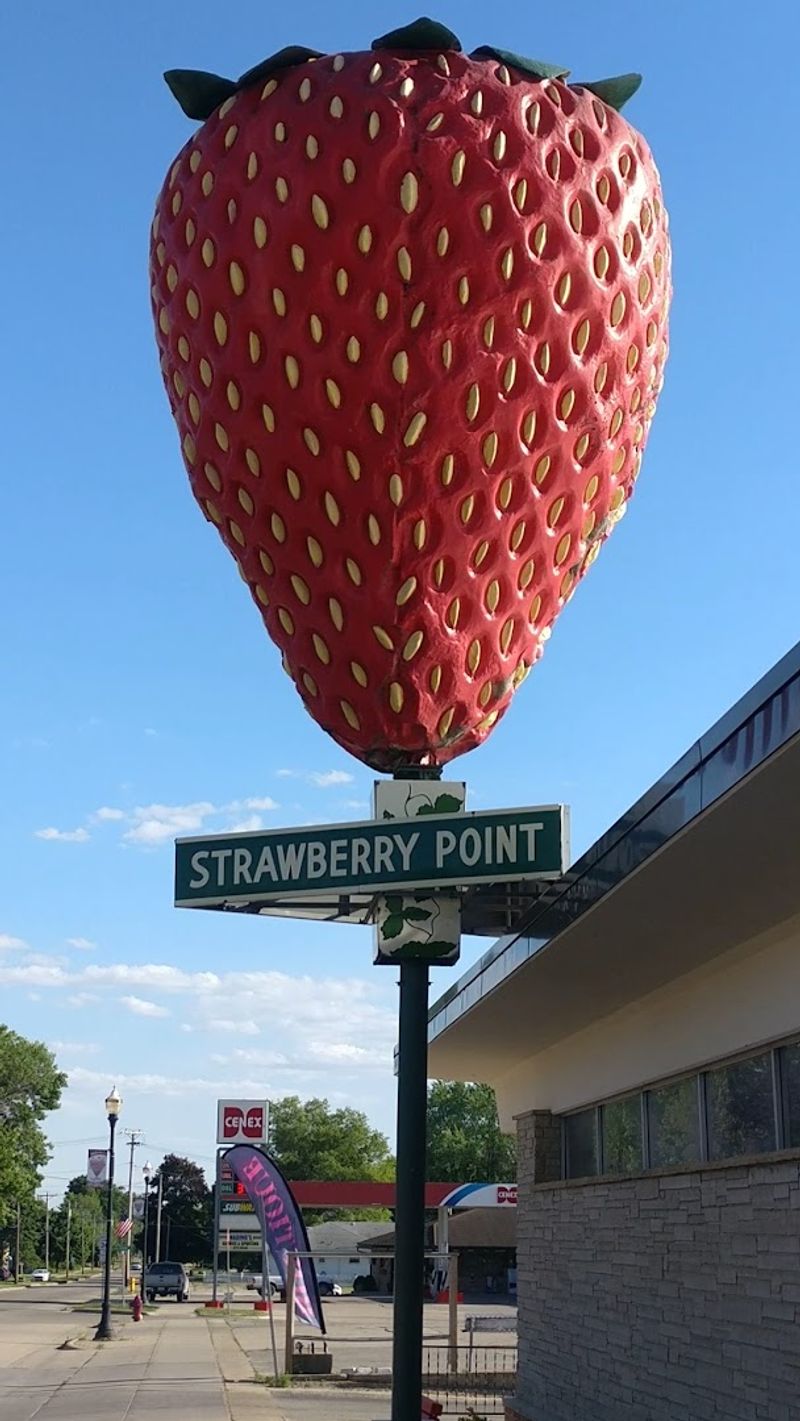
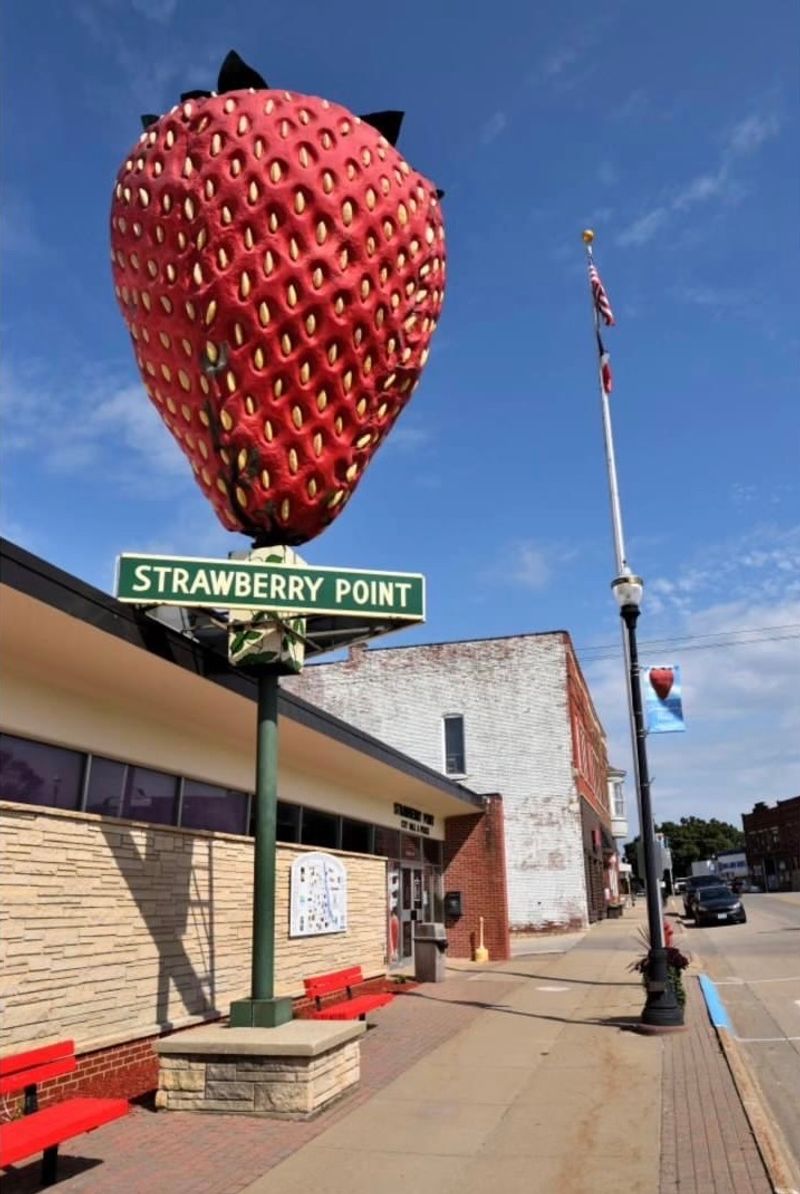
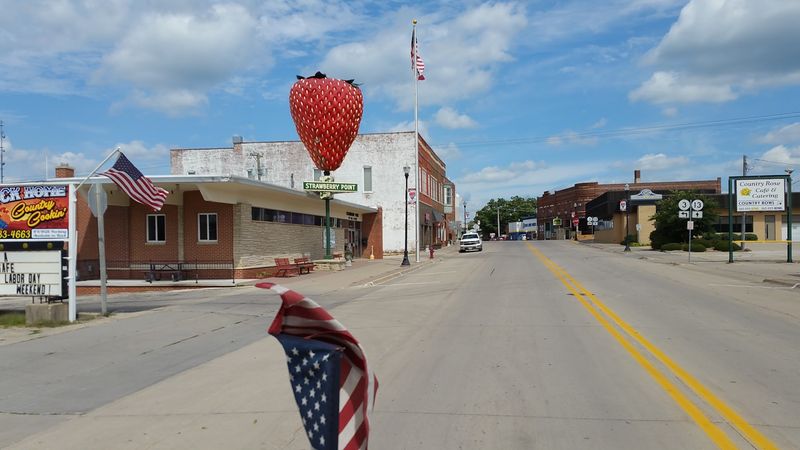
Right in the center of town, a fiberglass strawberry standing roughly fifteen feet tall greets everyone who passes through.
It is the kind of roadside landmark that earns its place on a road trip list purely on the strength of its confident absurdity, and Strawberry Point leans into that reputation without any apparent embarrassment.
The oversized fruit has been a fixture here since 1967, and it has become one of those landmarks that locals simultaneously roll their eyes at and defend fiercely whenever anyone from out of town dismisses it.
That dual reaction is actually a pretty accurate summary of how the town relates to its own quirks.
Getting a photo with the strawberry is essentially mandatory if you make the trip. The sculpture sits near the center of town in a spot that is easy to find and impossible to miss.
Children find it immediately entertaining. Adults tend to appreciate it more ironically at first and then a little more sincerely once they realize how well it captures the town’s willingness to be exactly what it is without apology.
It is a more honest landmark than most.
Backbone State Park Just Down the Road
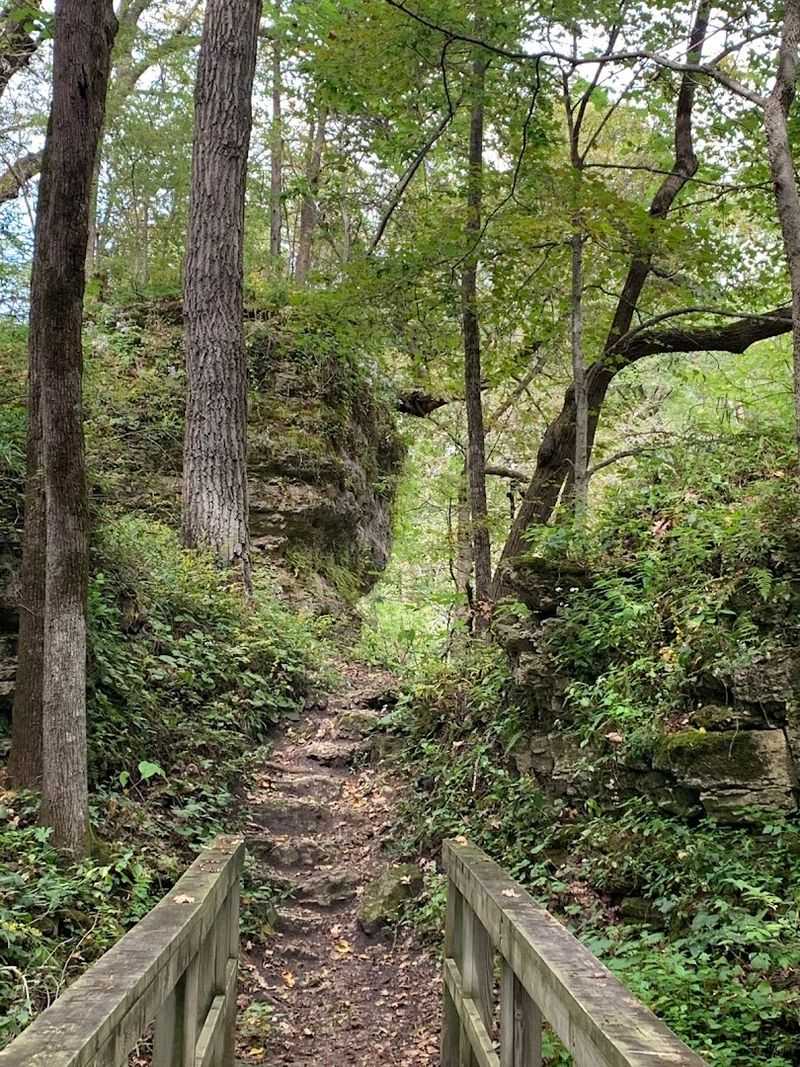
A short drive from Strawberry Point puts you at Backbone State Park, Iowa’s oldest state park and one of the most geologically dramatic stretches of land in the entire state.
The park takes its name from a narrow limestone ridge that runs along the Maquoketa River, and hiking across it feels considerably more adventurous than the word “Iowa” typically suggests to people who have never been here.
The trails inside the park range from flat riverside walks to routes that require actual scrambling over rock. The namesake backbone ridge trail is the one most worth doing, though it demands a reasonable level of comfort with heights and uneven footing.
The views from the top of the ridge are the kind that make you reconsider any assumptions you brought with you about midwestern terrain.
Camping, fishing, and swimming are all available within the park, making it a logical add-on for anyone spending more than a day in the Strawberry Point area.
The park fills up on summer weekends, so arriving early or planning a weekday visit saves you from competing for trailhead parking.
Fall color here is genuinely hard to beat.
The Effigy Mounds Connection and Ancient History Nearby
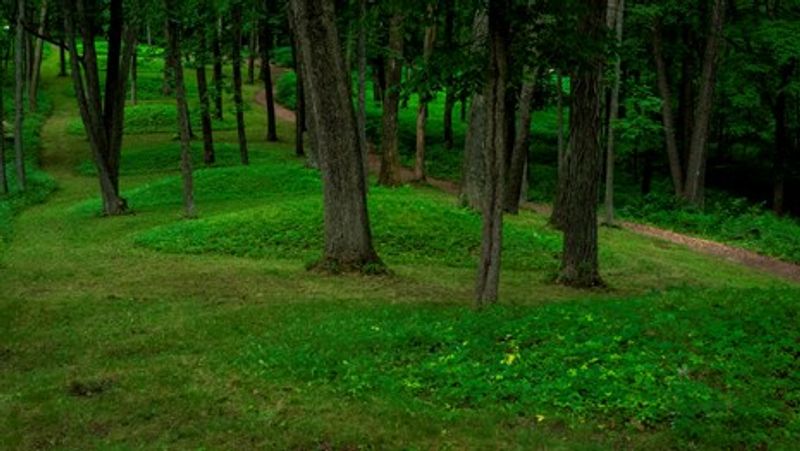
Northeast Iowa holds some of the most significant pre-Columbian earthworks in North America, and the region around Strawberry Point sits within reasonable driving distance of Effigy Mounds National Monument.
The mounds preserved there were built by Indigenous peoples between about 800 and 2,500 years ago, and many are shaped like bears, birds, and other forms when viewed from above, a detail that tends to reframe how you think about the entire landscape.
Visiting the monument adds a layer of historical depth to any trip that the ghost stories and roadside attractions simply cannot provide.
The combination of ancient earthworks, forested bluffs, and the Mississippi River corridor creates a setting that feels genuinely old in a way that most American travel rarely delivers.
The drive from Strawberry Point to the monument takes around an hour and passes through some of the most scenic terrain in the state.
Rangers at the monument offer scheduled guided walks, though programs can vary by weather, staffing, and season, so checking ahead is the smart move before you go.
Going in without that background context means missing most of what makes the mounds worth the detour in the first place.
What the Town Feels Like on a Weekday Morning

Arriving in Strawberry Point on a Tuesday morning before nine gives you a version of the town that weekend visitors almost never see.
The sidewalks are quiet, the businesses are just opening, and the pace of movement from the handful of people already out feels unhurried in a way that feels almost theatrical to anyone arriving from a city.
The town has a diner culture that functions the way diner culture is supposed to, meaning locals actually eat there regularly and the coffee arrives without ceremony. Conversations at nearby tables tend to cover weather, local events, and the kind of community logistics that remind you how differently a town of twelve hundred operates compared to anywhere larger.
That weekday morning window is also the best time to walk the main street without feeling like you are in anyone’s way.
The architecture along the main corridor has held up reasonably well, with a mix of older commercial buildings that retain their original facades alongside more practical modern fronts.
None of it is museum-perfect, which is exactly what makes it feel lived-in rather than staged for tourism purposes.
Fall in Strawberry Point and Why the Timing Matters
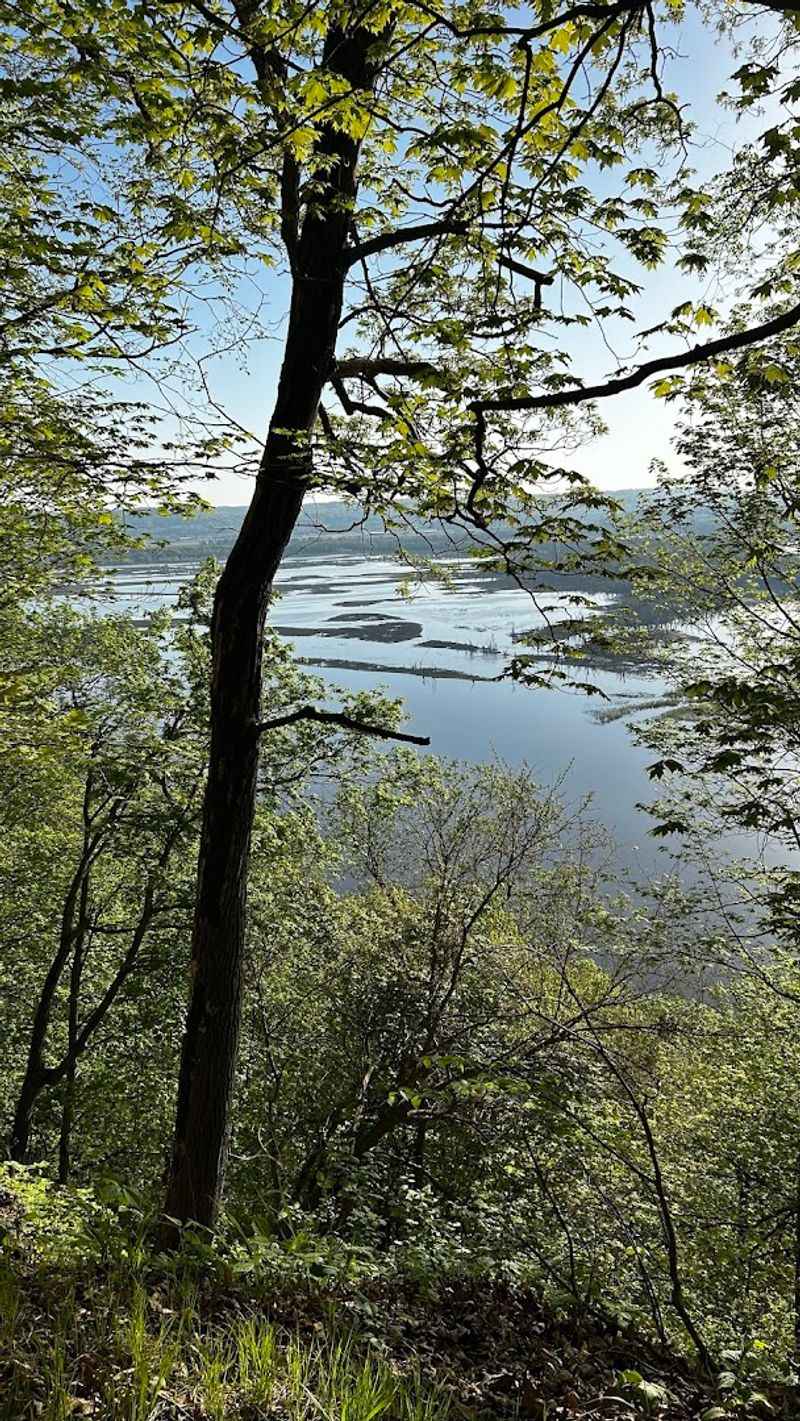
October in this part of Iowa moves fast. The color change in Clayton County tends to peak in the second and third weeks of the month, and once it does, the bluffs and valleys surrounding Strawberry Point shift into a version of themselves that justifies the drive from almost anywhere in the state.
The combination of the wooded terrain, the hilly topography, and the relatively low traffic compared to more marketed fall destinations means you can actually enjoy the scenery without fighting for a parking spot or sharing a viewpoint with a tour bus.
That low-key quality is one of the more practical arguments for choosing this area over more obvious fall foliage routes.
Layering is essential because temperatures in northeastern Iowa in October can swing twenty degrees between morning and afternoon with very little warning.
A light jacket at eight in the morning can feel like a serious mistake by two in the afternoon, and vice versa depending on cloud cover.
Check the forecast the night before, pack accordingly, and plan the bluff trails for midday when the light hits the canopy at the angle that makes every photo look like it required actual effort.
Local Events and Community Calendar Worth Watching
Strawberry Point runs on community events the way larger towns run on entertainment districts.
The annual Strawberry Days festival brings the town together each summer with activities, food, and the kind of local participation that turns a small-town event into something worth scheduling around rather than stumbling into.
The festival typically includes a parade, food vendors, games, and community gatherings that give out-of-town visitors a clear window into how the community actually functions when it is celebrating itself.
Attending one of these events is genuinely one of the faster ways to understand a small town because the things people choose to celebrate reveal a lot about what they value.
Beyond the main summer festival, the town and surrounding county host seasonal events tied to harvest, holidays, and local history that appear on the Clayton County tourism calendar throughout the year.
Checking that calendar before your visit rather than after is the kind of basic planning step that turns a decent trip into a well-timed one.
Arriving the weekend of a local event versus the weekend before it can make a noticeable difference in how much the town has to offer on any given visit.
Practical Tips Before You Make the Drive
A few logistics are worth knowing before you load up the car.
Strawberry Point is not a town with a major chain hotel on every corner, and the historic Franklin Hotel should not be treated as a dependable current lodging option without direct confirmation, so plan overnight stays carefully before you arrive.
The town is small enough that nearby lodging availability can disappear quickly around local events or peak fall weekends.
Cell service in parts of Clayton County can be inconsistent, especially once you get onto smaller county roads heading toward rural preserves and bluff country.
Downloading offline maps before you leave is a practical step that saves frustration once you are already out there with no signal and a trailhead somewhere ahead of you.
There is a Casey’s in Strawberry Point at 308 W Mission Street, but it is still smart to keep the tank comfortable before exploring the surrounding rural roads. The area between destinations can feel spread out once you leave town.
Beyond those basics, the town is genuinely easy to navigate on foot once you are there, and most of what makes Strawberry Point worth visiting sits within a short walk or a short drive of the main street.
Bring cash for smaller local vendors.