Most Iowa road trips come with cornfields, county roads, and maybe a gas-station coffee that tastes like regret.
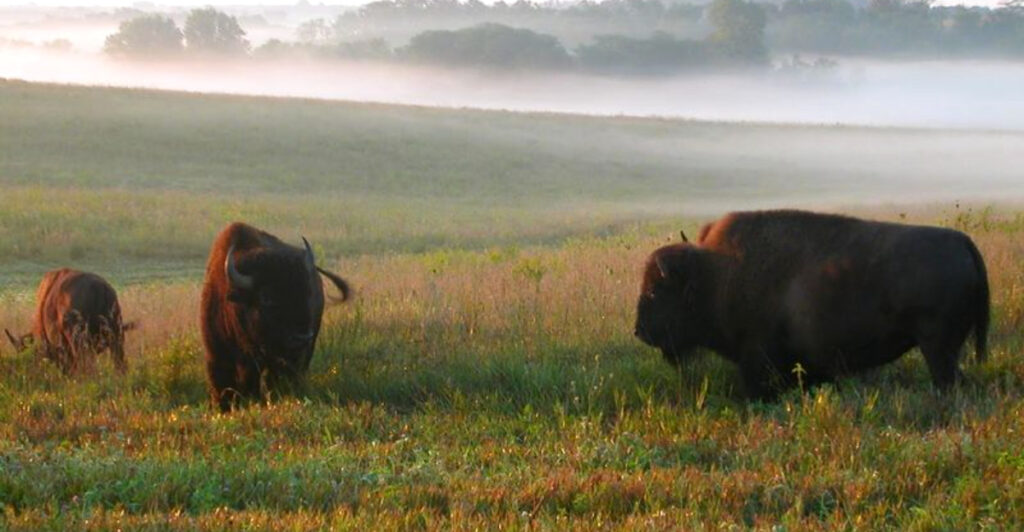
Then you turn into this refuge near Prairie City and the whole scene changes: tallgrass rolling in the wind, open sky everywhere, and bison grazing like they missed the memo that this is modern Iowa.
This is not a little nature stop with a few signs and a polite walking path. It is a restored prairie world, built from seeds, patience, and a serious effort to bring back a landscape that nearly vanished.
Elk move through the distance, birds cut across the grass, and the bison make the place feel ancient in the best possible way.
Drive the auto tour slowly and let the prairie do its thing. One minute you are scanning the horizon, the next a shaggy giant is close enough to make your car feel very small.
That is when Iowa stops feeling familiar and starts feeling wild again.
What Neal Smith National Wildlife Refuge Actually Is
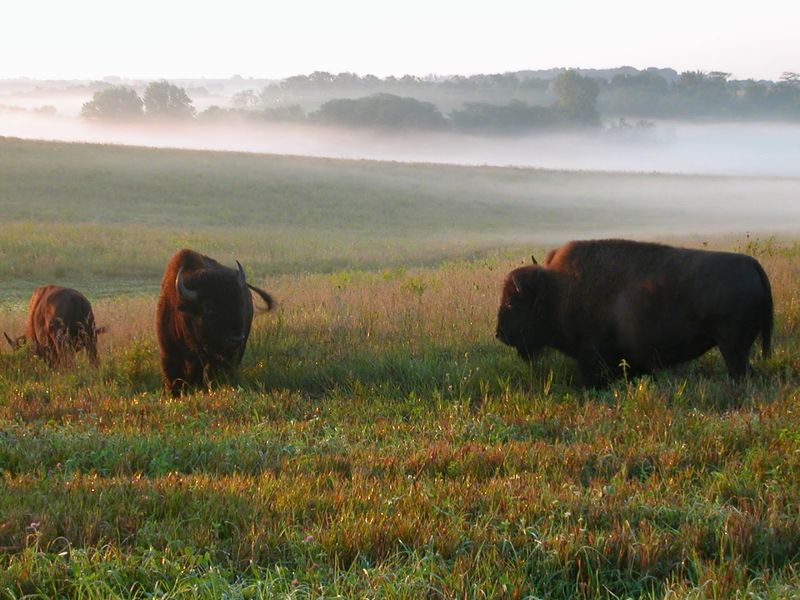
Before I pulled up to the entrance, I expected a standard nature park with a few trails and maybe a distant glimpse of wildlife. What I found was something on an entirely different scale.
Neal Smith National Wildlife Refuge protects 6,000 acres of wildlife habitat in central Iowa, and it is one of the most notable prairie restoration projects in the United States.
The refuge was established in 1990 with a mission to bring back the native ecosystem that once covered 85 percent of Iowa. Today, less than one-tenth of one percent of Iowa’s original prairie remains in small, isolated fragments.
Neal Smith exists specifically to reverse that loss, one seed and one animal at a time.
You can find the refuge at 9981 Pacific St, Prairie City, IA 50228, just about 25 miles east of Des Moines. Entry is completely free, which makes the whole thing feel like a well-kept secret that deserves far more attention than it gets.
The ranger I spoke to called it a living laboratory, and honestly, that description fits.
The Prairie Restoration Story Behind the Refuge
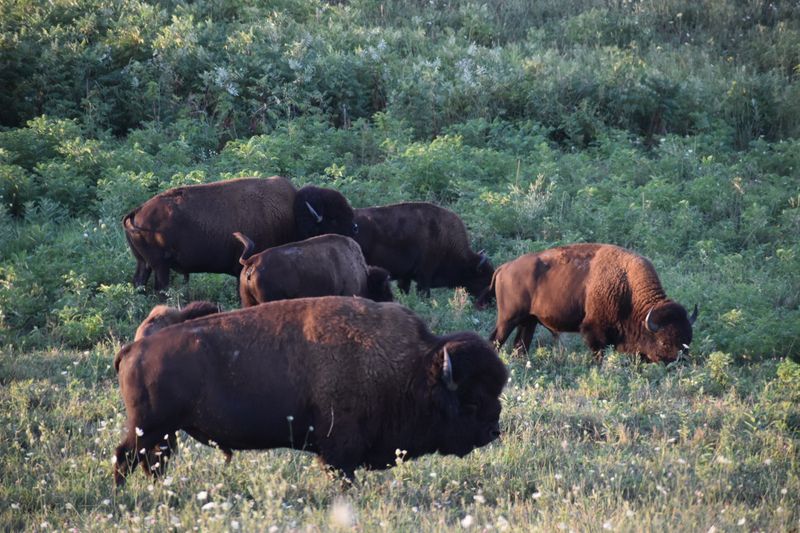
Tallgrass prairie was once the defining landscape of the American Midwest.
It stretched across millions of acres, full of big bluestem grass that could grow taller than a person, dotted with hundreds of wildflower species, and alive with insects, birds, and large grazing mammals.
By the late 1800s, most of it had been converted to farmland.
The restoration effort at Neal Smith is not just about planting grass. The team has been collecting seeds from remnant prairies across Iowa and replanting them across the refuge for decades.
What grows here now includes over 300 native plant species, many of which had nearly disappeared from the state entirely.
Walking one of the shorter trails in late summer, I noticed how the grasses moved differently from a lawn or a farm field. They swayed in sections, like the land was breathing.
A ranger told me it takes decades for a reconstructed prairie to develop the deep root systems that make native tallgrass so resilient.
Some roots go down 15 feet or more, which is why this ecosystem holds water and rebuilds soil in ways no crop field can match.
Watching Bison Up Close on the Auto Tour
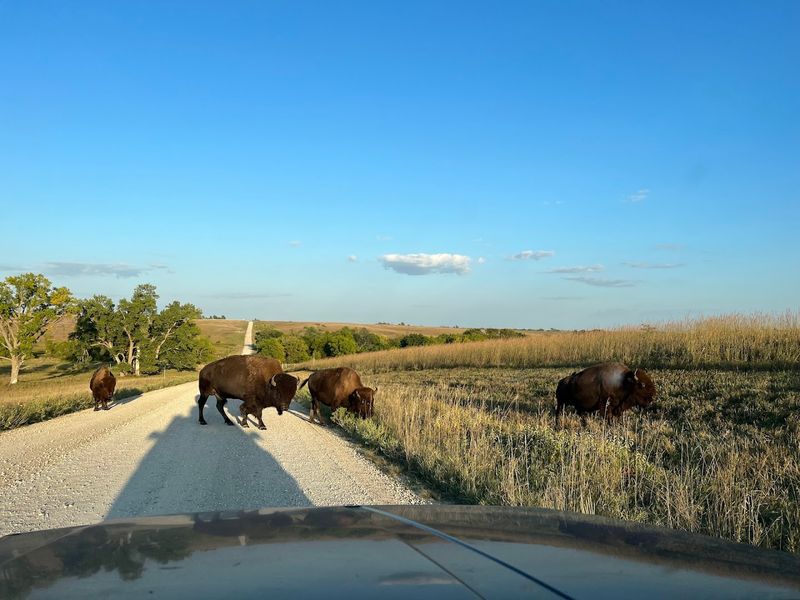
The five-mile auto tour is the main event, and it delivers in a way that is hard to describe without sounding like you are exaggerating.
The route winds through the bison enclosure on a mix of paved and gravel roads, and on a good day, the herd will be grazing right along the fence line or even crossing the road in front of you.
I did two passes on my visit, which turned out to be the right call. On the first loop, the bison were far off in a hollow and I could barely make them out.
On the second pass, a group of about a dozen had wandered up near the road. One large bull stopped maybe ten feet from my passenger window and just stared.
His head alone looked like it weighed more than I do.
A word of warning from someone who learned it firsthand: keep your windows up when they get that close. The car in front of me had a bison leaning against it, licking the door.
It was funny to watch from a distance. It would not have been funny if it were my door.
Bring binoculars for the days when the herd stays far out in the grassland.
The Elk You Might Not Expect to See
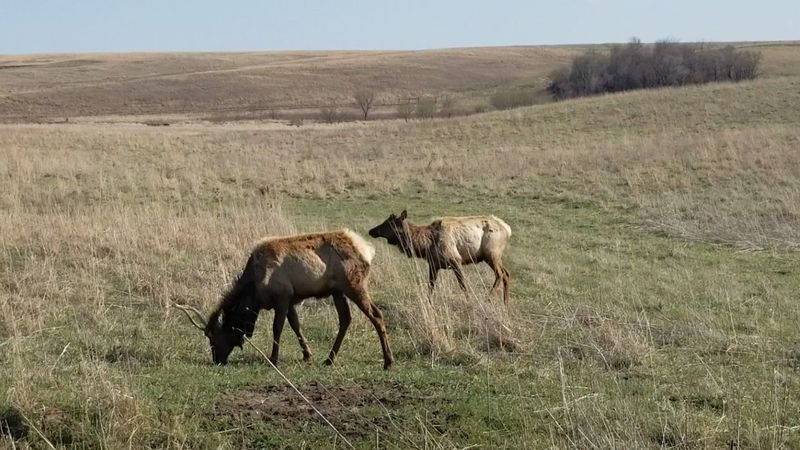
Most people come to Neal Smith for the bison and leave surprised that elk are also part of the picture.
A small herd of elk lives within the refuge, and while sightings are less predictable than bison encounters, they happen often enough that it is worth keeping your eyes open during the entire drive.
Elk were historically part of Iowa’s landscape before being eliminated from the state. The reintroduction at Neal Smith is part of the broader ecological restoration goal.
Seeing one trot across the open grassland with that long, loose stride gives you a completely different sense of scale than seeing one in a zoo.
The best elk sightings tend to happen in the early morning or near dusk, when the animals are more active and the light is low and golden across the prairie. I spotted two on my visit, both near the tree line at the far edge of the enclosure.
They were moving fast and did not linger, but the glimpse was enough to make me understand why people drive out here repeatedly hoping for a better look.
Patience and timing matter more than luck on most days.
Hiking Trails Through Native Prairie
Beyond the auto tour, the refuge has a solid network of hiking and biking trails that let you get out of your car and into the landscape.
Walking trails range from short half-mile loops to the longer 6.2-mile Volksport Trail, and there is also a 4.5-mile paved bike trail.
The paved options are smooth enough for most fitness levels and accessible for people who need a firmer surface underfoot.
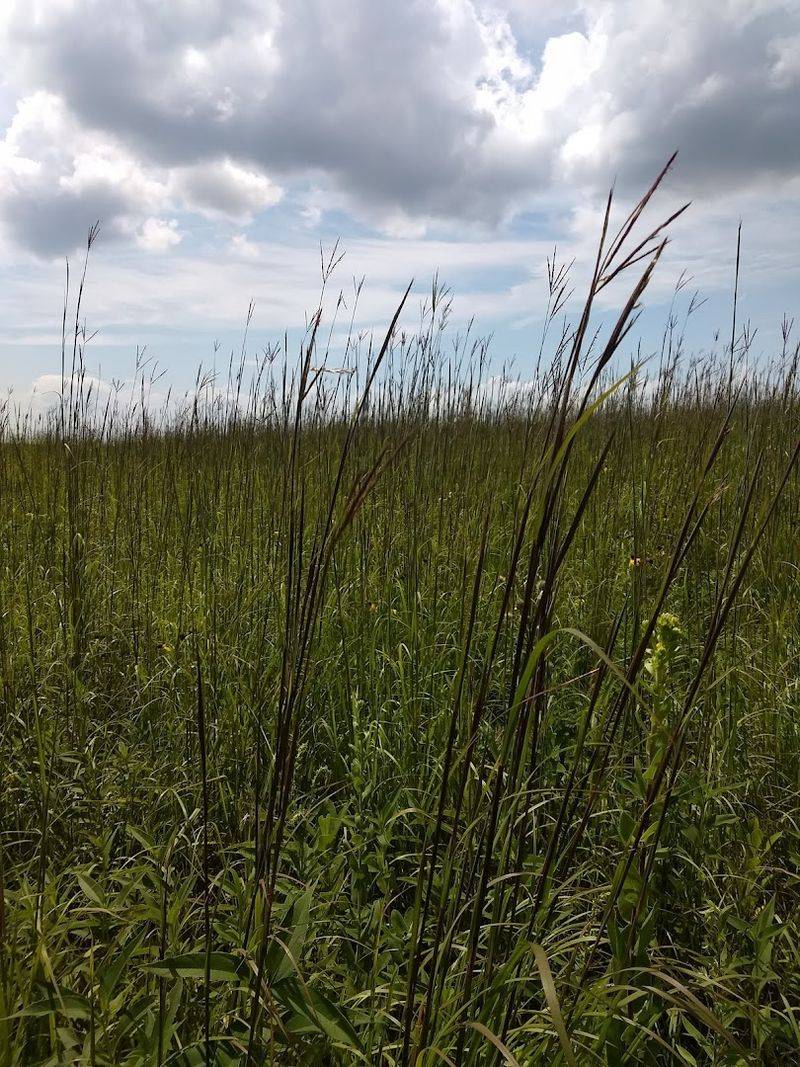
What surprised me about the trails was how immersive they felt. Once you are a few hundred yards in, the grasses close in on both sides and the road noise fades completely.
In late summer, the big bluestem was well above my head, and I could hear grasshoppers, meadowlarks, and the occasional rustle of something moving through the brush just off the path.
The trails are well-marked with clear signage, and restrooms are available outside the visitor center parking lot and at the Oak Savanna Trail parking lot. No fee is required to use the trails.
Parking areas accommodate large vehicles and RVs without any trouble, which is genuinely useful if you are road-tripping through central Iowa and want to stretch your legs somewhere that feels nothing like a highway rest stop.
The Visitor Center and What It Offers When Open
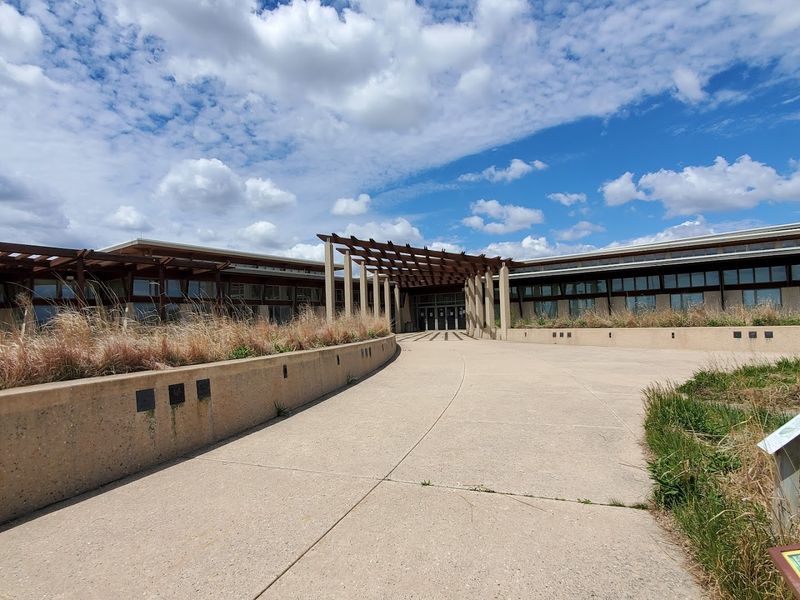
The visitor center at Neal Smith has been closed due to storm damage, and as of the most recent reports, it had not yet reopened.
That is worth knowing before you make a long drive specifically for the indoor exhibits.
However, the outdoor areas, trails, auto tour, and wildlife viewing are all still fully accessible and free.
When the visitor center is operating, it offers educational displays about Iowa’s prairie history, a gift shop, and interactive exhibits that include a look at the underground root systems that make tallgrass prairie so ecologically significant.
One exhibit reportedly shows the actual depth of those roots in a cross-section display, which sounds like the kind of thing that sticks with you long after you leave.
Families with kids have mentioned the scavenger hunt bags and puppet theater as particular highlights when the center is running.
If you are planning a trip primarily around the indoor experience, it is worth calling ahead at 515-994-3400 to confirm current status.
The outdoor experience alone is worth the stop, but it helps to know what you are walking into before you make a two-hour drive each way.
Wildlife Beyond Bison and Elk
The bison and elk get most of the attention, but the refuge supports a surprisingly wide range of other wildlife that rewards anyone who slows down and pays attention.
Pheasants are commonly spotted along the road edges, and the grassland birds here are a genuine draw for birders who know what to look for.
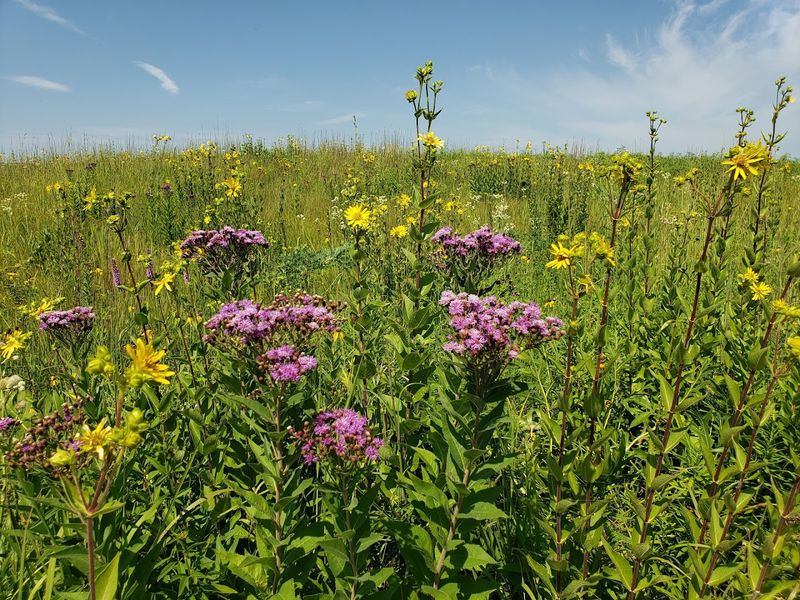
Butterflies are everywhere in the warmer months, drawn in by the diversity of native flowering plants. I counted at least five or six species on a single short walk, including monarchs moving through on their migration route.
The wildflower diversity across the refuge means there is almost always something in bloom from late spring through early fall.
Deer move through the outer edges of the property, and smaller mammals like foxes and coyotes have been spotted by regular visitors.
The refuge is also a good spot for photography because the open prairie gives you long sight lines and natural light that works well in the morning and late afternoon.
You do not need expensive gear to get a decent shot here. A phone camera and some patience will get you further than you might expect on a calm, clear day.
Best Times to Visit and What to Expect Seasonally
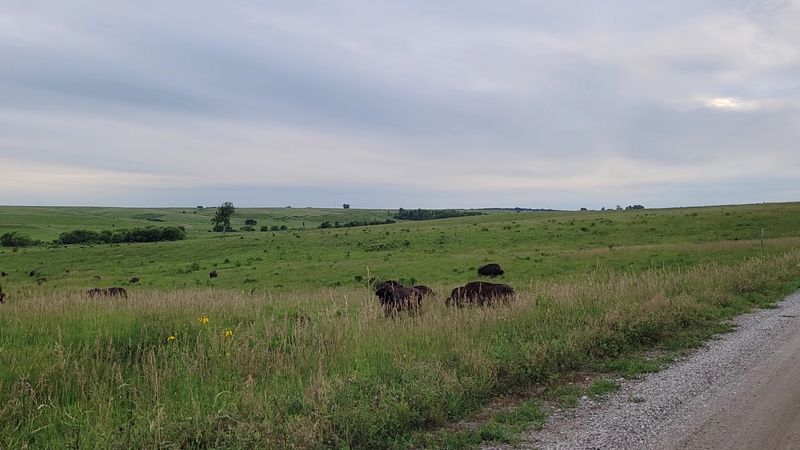
Spring and early summer bring the wildflowers and the bison calves, which are small, rust-colored, and move with an energy that is completely different from the slow, deliberate adults.
Seeing a calf trotting to keep up with the herd is one of those moments that makes the whole drive worthwhile regardless of what else happens.
Late summer is when the tallgrass hits its peak height and the prairie looks most dramatic. The grasses turn gold and copper by September, and the light in the late afternoon turns everything warm and hazy.
Fall is also when the elk tend to be more visible and active, so September and October can be a particularly good window for wildlife variety.
Winter visits are quieter and the bison are still present, though they tend to stay farther from the road.
The landscape looks completely different with frost on the grasses, and the lack of crowds means you can drive the auto tour at your own pace without other cars crowding your sightlines.
The refuge is open year-round, and Iowa winters being what they are, just check road conditions before heading out on a gravel route in icy weather.
Practical Tips for Getting the Most Out of Your Visit
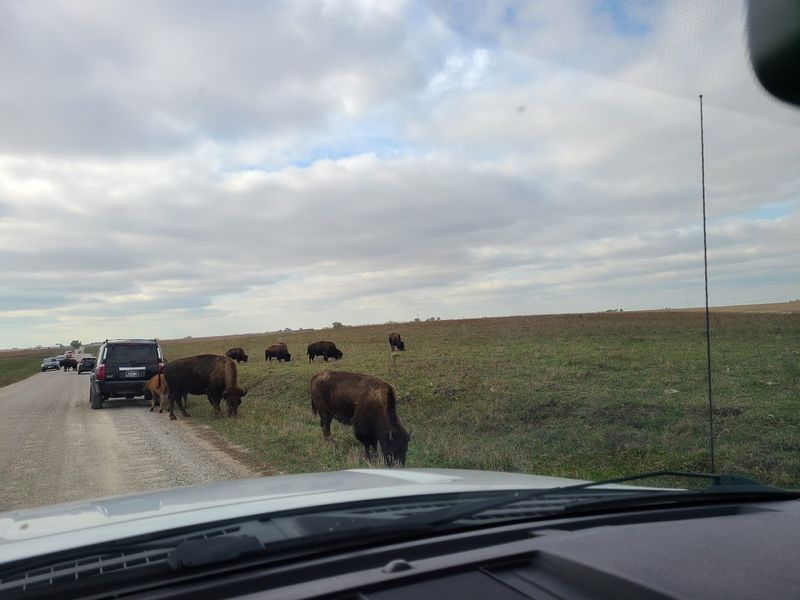
A few things I wish someone had told me before my first visit. First, the road through the bison enclosure includes gravel sections, so a low-clearance sports car will be fine but expect some dust.
Second, the bison move around constantly, so if you do not see them close on the first pass, do a second loop. Multiple visitors have confirmed this is the strategy that works.
Binoculars are worth throwing in the car even if you do not normally bring them anywhere. On days when the herd is grazing in the far distance, they make the difference between a satisfying sighting and a frustrating squint.
Cell service on Verizon has been reported as functional with roaming, but do not count on strong GPS inside the enclosure.
The refuge is free and open daily. Restrooms are available outside the visitor center parking lot and at the Oak Savanna Trail parking lot.
The parking lots are large enough for RVs and trailers, which is genuinely useful. Dogs are allowed on 6-foot leashes on trails, and all visitors must stay in their vehicles while inside the bison and elk enclosure during the auto tour.
Bring water, wear sun protection, and give yourself at least two hours to do the visit properly.
Why This Place Matters More Than It Gets Credit For
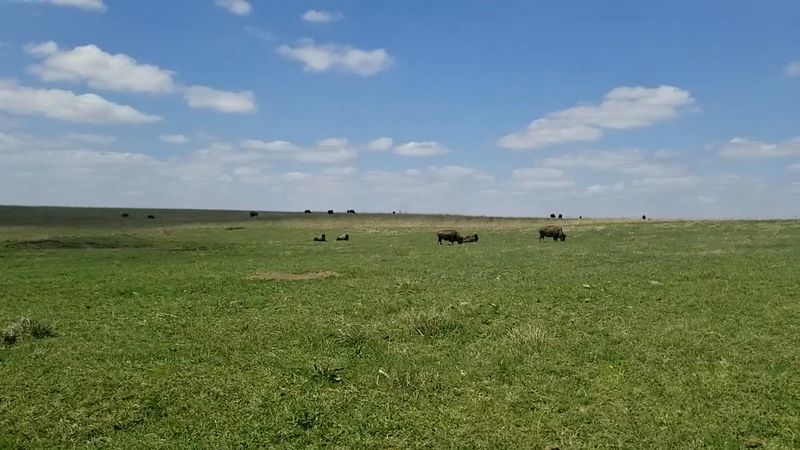
Less than one-tenth of one percent of Iowa’s original tallgrass prairie still exists in any natural form.
That number is hard to sit with when you are standing in the middle of a refuge that protects 6,000 acres of wildlife habitat and has reconstructed about 4,000 acres of tallgrass prairie.
The staff and volunteers at Neal Smith have been doing this work for over three decades, and the results are visible in ways that go beyond a scenic drive.
The prairie here filters water, stores carbon, and supports insect populations that have collapsed elsewhere across the Midwest. The bison and elk are not just attractions.
They are functional parts of the ecosystem, grazing in patterns that keep the grasses healthy and the soil from compacting. It is a working landscape, not a display.
I left Neal Smith with a clearer sense of what Iowa looked like before it became one of the most intensively farmed states in the country. That context made the drive back through the cornfields feel different, more layered, more complicated.
The refuge is not trying to compete with national parks out west. It is doing something quieter and arguably more urgent: showing Iowa what it almost permanently lost, and proving that some of it can come back.