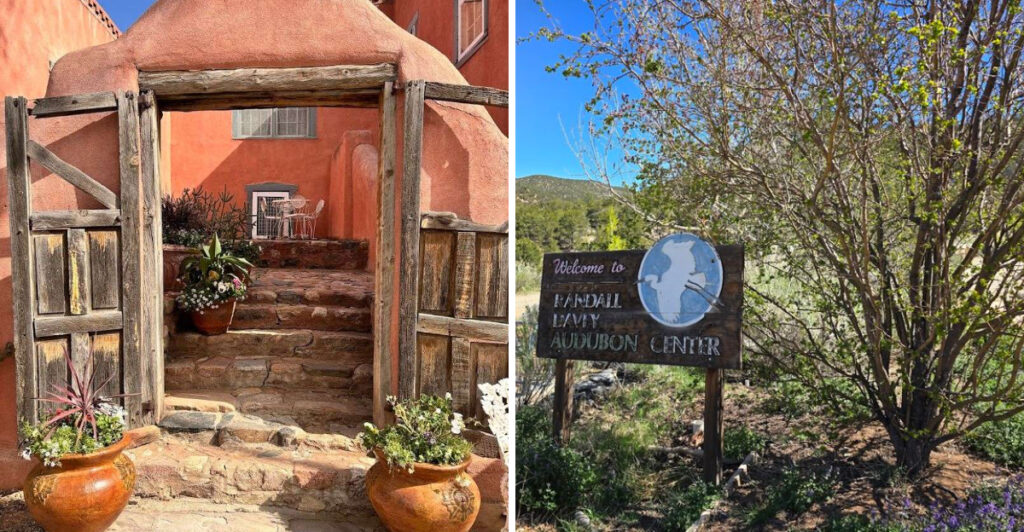
You know those places you visit for a quick look, then somehow lose half a day without noticing right away? This New Mexico sanctuary did that to me.
The road in twists toward the canyon, the trees begin to thicken, and suddenly the rest of the world feels much farther away than it is.
I expected a short walk. Instead, I followed shade and kept stopping to listen to birds, wondering why more people were not talking about this place.
The grounds stretch across more than 135 acres, with trails that move between canyon views and the historic adobe home of a bold American artist. It feels less like a stop on a schedule and more like a place that resets your pace.
That is why this spot stayed with me. It has beauty, yes, but the real pull is the way it changes your breathing before you realize it.
Shaded Trails And Canyon Views
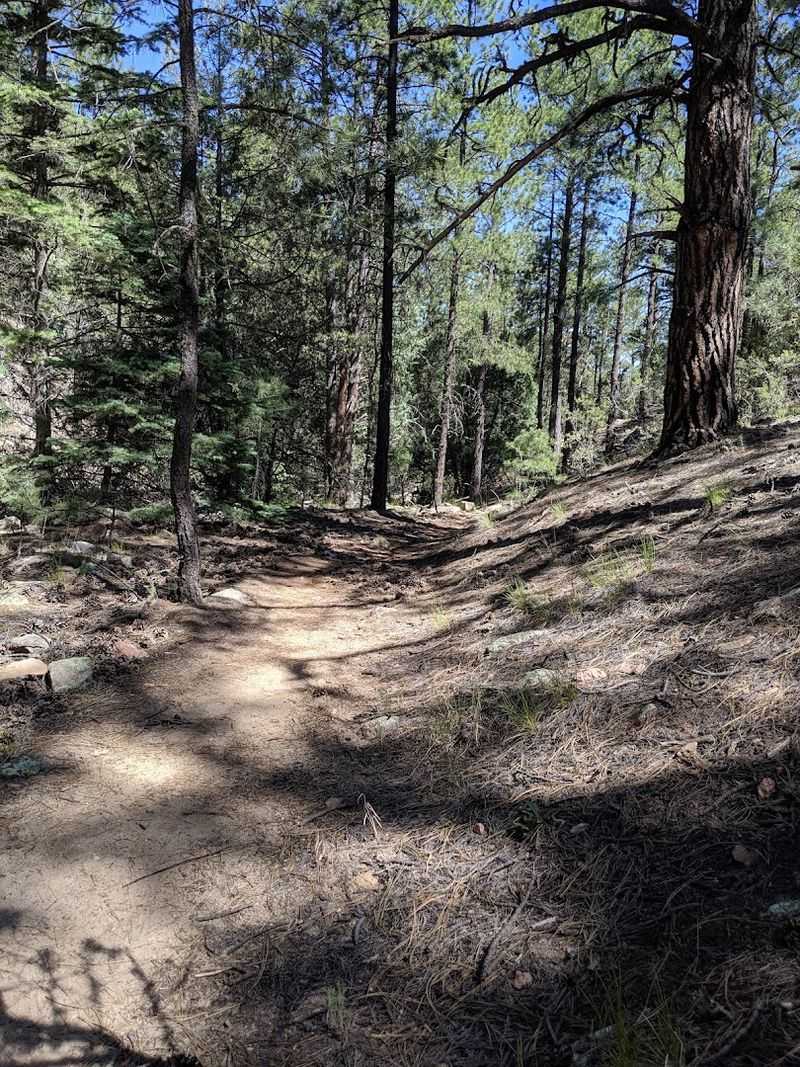
My first step onto the trail here felt like the city behind me had simply switched itself off.
The main loop trail at this sanctuary winds through a landscape that shifts beautifully as you move, starting among cottonwood trees near the entrance and climbing gently into pinyon-juniper woodland where the air carries a clean, resinous scent.
Canyon walls rise on either side, and the Santa Fe River runs nearby, adding a soft background sound that makes the whole walk feel surprisingly remote.
Short loop trails give visitors a manageable route, while a more rugged trail beyond the sanctuary boundary connects to additional paths through National Forest land, adding miles of optional adventure for those who want more.
Visitors have spotted deer grazing calmly near the trail, and the mix of open sky above the canyon and dense shade beneath the trees creates a constantly changing visual experience.
Good shoes and a water bottle are essential, especially in warmer months, but the trail is well-marked and welcoming even for casual hikers.
Few walks in Santa Fe offer this combination of accessible terrain and wild canyon scenery so close to an urban road. You will find it at Randall Davey Audubon Center & Sanctuary, 1800 Upper Canyon Road, Santa Fe, New Mexico 87501.
A Historic Adobe Estate In Nature
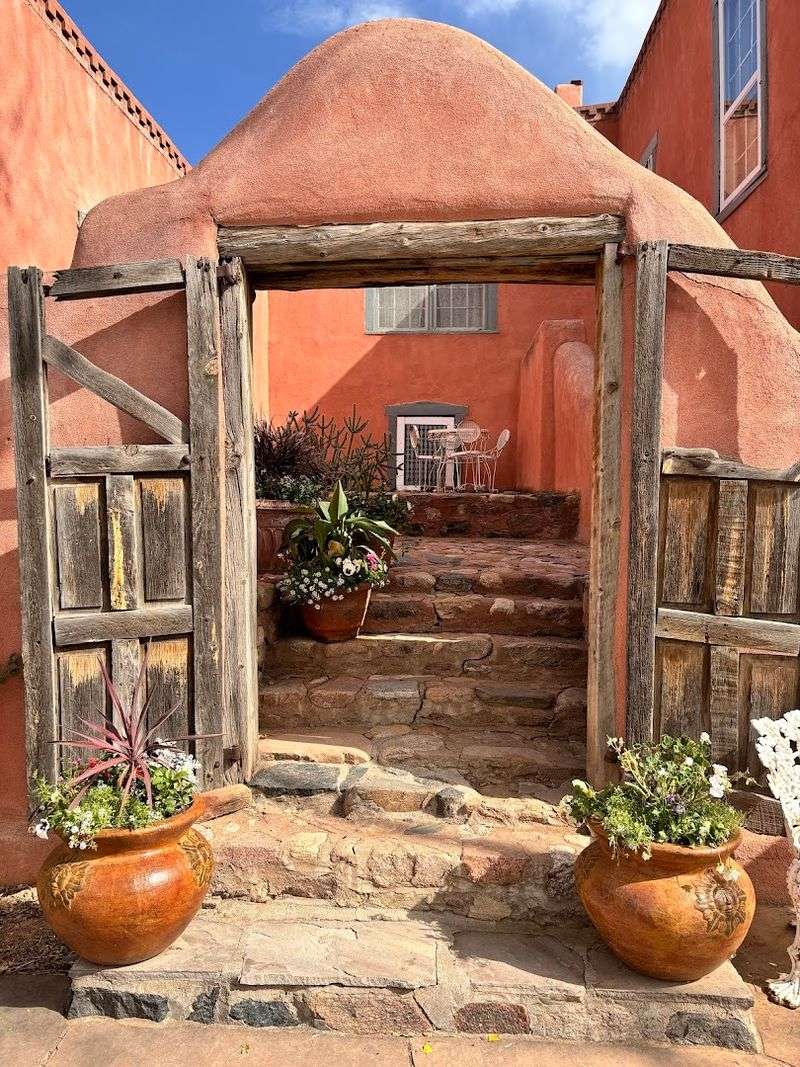
Long before this land became a sanctuary, it held a sawmill built in 1847. It supplied timber for military fortifications during the Mexican-American War, an origin that feels almost impossible to imagine when you stand quietly in the shade of the trees surrounding the old adobe structures today.
The main building was converted from that original mill into a home and studio by the artist who purchased the property in 1920, and the thick adobe walls and low-slung rooflines still carry that sense of history without feeling like a museum piece.
Docent-led tours of the house run every Friday at 2 PM for an $8 fee, and the interior is filled with original paintings, murals, and personal objects that bring the story of the estate to life in a way that no sign ever could.
The tour adds another layer to the visit, especially for travelers who want the canyon scenery and the estate’s creative past in one stop.
The buildings sit so naturally within the surrounding trees and canyon landscape that the whole estate feels less like a preserved site and more like a place that simply never stopped being lived in.
Native Gardens Filled With Birdsong
Five quiet minutes in the native gardens can explain the pull of this place. Birds seem to appear from every direction once you slow down and look closely.
The garden area near the entrance is planted entirely with native species chosen specifically to attract wildlife, and the result is a living, buzzing, chirping space that feels nothing like a typical park garden.
Broad-tailed hummingbirds dart between flowers with almost reckless speed, and species like pygmy nuthatch, pinyon jay, Steller’s jay, and mountain chickadee have all been spotted here by visitors who simply paused long enough to look up.
More than 220 bird species have been found across the sanctuary’s ecosystems, making it one of the most productive birding locations in northern New Mexico.
Free guided bird walks take place every Saturday morning at 8:30 AM, led by knowledgeable volunteers who know exactly where to look and how to help first-time birders find their footing.
Binoculars are available to borrow, so there is no excuse to skip the walk even if you forgot your gear.
Ceramic tiles hang from tree branches with quotes from notable birders, giving the garden a poetic, layered quality that rewards especially curious visitors.
Quiet Paths Through Wild Habitat
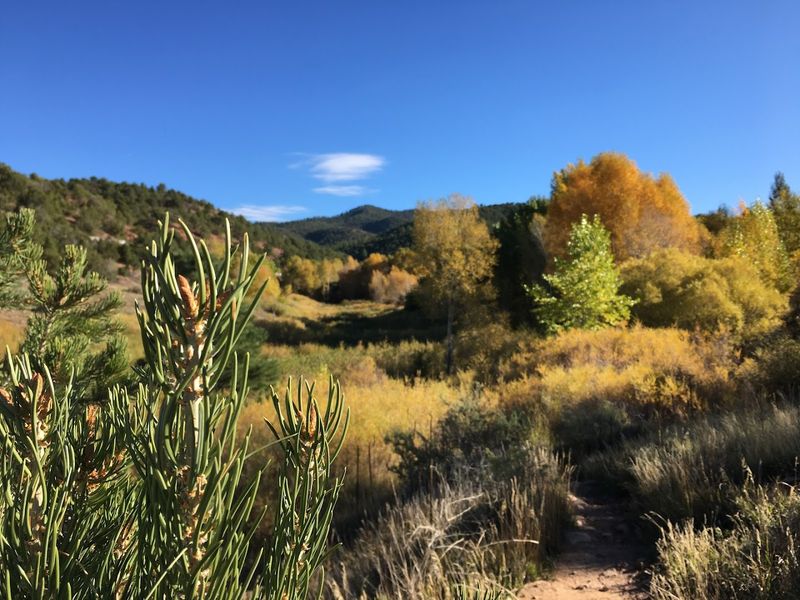
A trail feels different when traffic and voices fade away. The quieter stretches of the sanctuary’s paths have exactly that quality.
Beyond the main loop, the habitat shifts into denser ponderosa forest where the trees grow taller and the canopy closes overhead, creating pockets of deep shade even on bright days.
The sanctuary borders thousands of acres of National Forest and Santa Fe River Watershed land, meaning the wildlife corridors here are genuinely connected to a much larger wild landscape rather than being isolated patches of green.
Deer families have been spotted grazing near these paths in the early morning, and the occasional wild turkey wanders through without much concern for human observers.
A quiet section of trail rewards patience when you stop and let the birds come to you, rather than chasing them, and that slower approach works.
The paths are clear enough to follow without anxiety but wild enough to feel like a real escape from the city grid just a short drive away.
Each visit tends to offer something slightly different depending on the season, the time of day, and how slowly you choose to move.
Bring real patience, and the habitat reveals itself in small, memorable moments that are easy to miss if you rush.
An Artist’s Home Surrounded By Trees
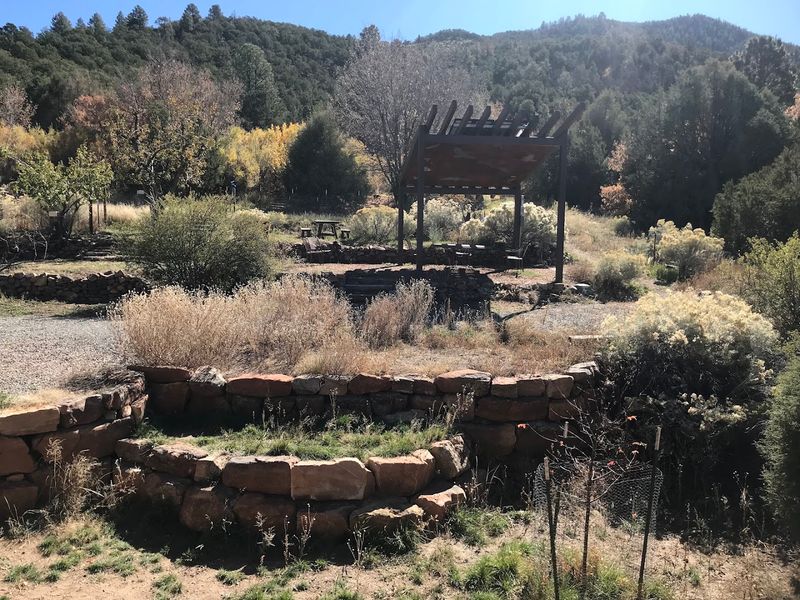
Randall Davey arrived in Santa Fe in 1919 as part of a road trip with fellow artist John Sloan. He took one look at the landscape and never left.
He purchased the property in 1920 and spent the next four decades painting, sculpting, and printmaking in a studio that sat just steps from the canyon he clearly loved, and the house today still holds the personality of someone who chose this land with absolute conviction.
Davey was a leading figure of the Santa Fe Art Colony, and his work reflected the rugged, sun-soaked world he had built around himself here in the foothills.
The interior of the house, visible on Friday afternoon tours, features original murals painted directly onto the walls, personal furnishings, and artwork that gives visitors a genuine sense of how a working artist organized a creative life in the early twentieth century Southwest.
The home also reflects Davey’s love of riding, hunting, and painting, interests that shaped both his daily life and the rugged character of the estate in lasting ways for many years.
After his passing in 1964, his heirs donated the entire estate to the National Audubon Society in 1983, ensuring that both the land and the legacy would be preserved together.
Orchard Corners And Mountain Air
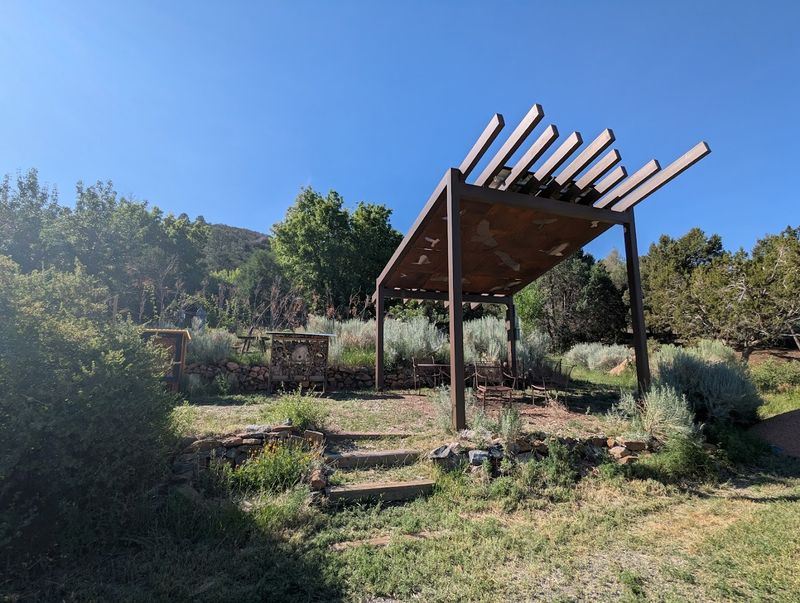
The air at this elevation carries a particular crispness. The orchard corners of the property make the most of it in a way lowland parks rarely do.
The estate’s grounds include open areas where old trees and cultivated plantings meet the wilder edges of the canyon habitat, creating transition zones that are especially productive for wildlife watching.
Mountain views frame the upper reaches of the property, and on clear mornings the Sangre de Cristo Mountains rise sharp and blue above the treeline in a way that makes even a short walk feel like a genuine high-country experience.
The elevation of Santa Fe sits above 7,000 feet, and the sanctuary’s foothill setting gives the whole place a cooler, cleaner atmosphere than the city center just a few miles away.
Families visiting with children often find these more open sections of the grounds to be perfect stopping points, with shady spots to rest and enough open sky to spot raptors circling overhead.
The combination of mountain backdrop, old trees, and clean canyon air gives the orchard areas a timeless quality that photographers and casual walkers both seem to appreciate equally.
It is a place to pause before heading back toward the canyon trail.
Peaceful Courtyards With Creative History
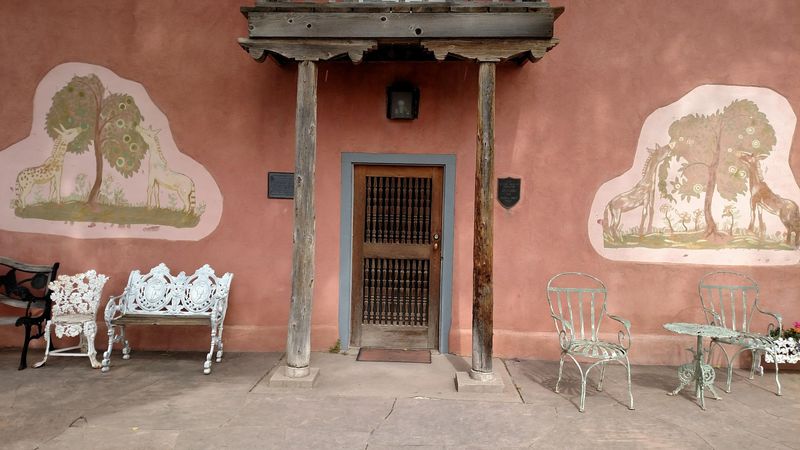
Creative history does not always announce itself loudly. The courtyards of this estate are a perfect example of that quiet confidence.
The spaces between buildings on the property carry a calm that feels earned rather than designed, shaped by decades of use as both a working artist’s compound and a gathering place for the broader Santa Fe Art Colony community that Davey was so deeply embedded in.
Ceramic tiles with haiku poems by local poets are installed across the property along what is now called the Haiku Trail, which opened in May 2022 and adds a distinctly literary layer to the physical act of walking the grounds.
Each short poem is stamped into a ceramic plaque, so reading them feels intentional and unhurried rather than like glancing at a sign.
The gift shop near the entrance carries artisan items that reflect the creative spirit of the place, adding another small reminder that art and landscape have long been intertwined here.
On a weekday morning in the courtyard, with the canyon quiet around you, it is easy to understand why Davey considered this place irreplaceable.
The effect is calm, personal, and moving without needing to feel staged, even before you step back onto the trail.
A Green Refuge Beyond The Road
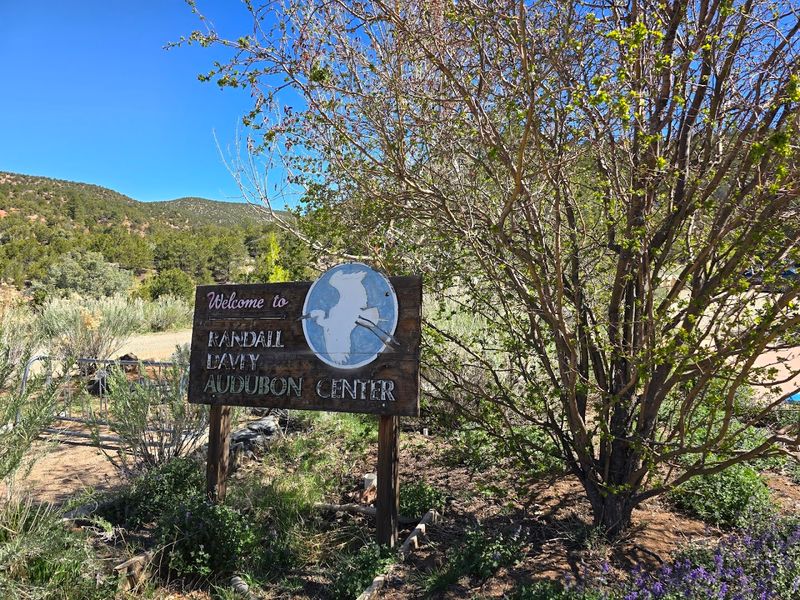
Upper Canyon Road ends in a way that feels almost theatrical. The route shifts from a gallery-lined street into an unpaved lane that climbs quietly into the foothills before depositing you at one of the most unexpectedly lush places in the entire city.
The sanctuary is Santa Fe’s only nature center, and that distinction carries real weight in a city more often associated with art markets and adobe architecture than with wild riparian habitat and canyon forests.
The Santa Fe River runs through the lower edge of the property, and the moisture it provides supports cottonwood groves that turn gold in autumn and provide nesting habitat for dozens of bird species throughout the year.
The center is free and generally open February through December from 8 AM to 4 PM, with closures from late December through January and on some major holidays.
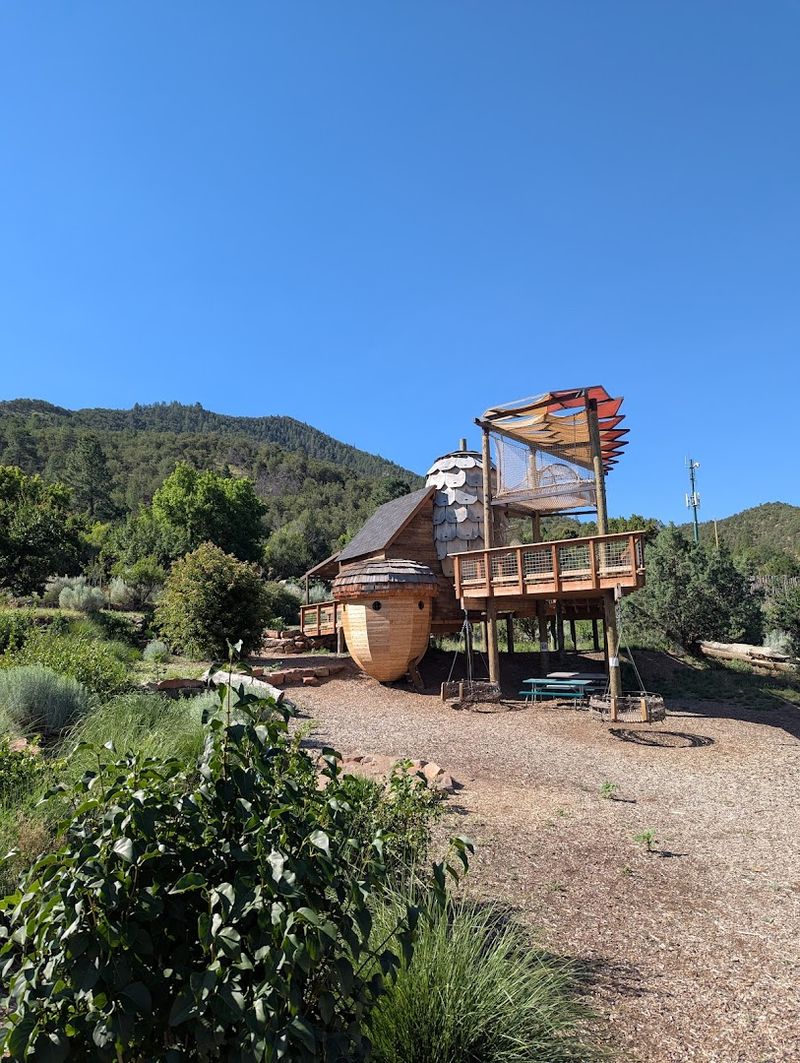
A Nature Discovery Area near the entrance is usually open Monday through Saturday from 9 AM to 4 PM and includes a treehouse, giant pinecone sculpture, oversized acorn, and rope tunnels that make the space genuinely fun for younger visitors while the trails keep adults happily occupied.
Every time I leave this place, I find myself already calculating when I can justify the drive back up that canyon road.