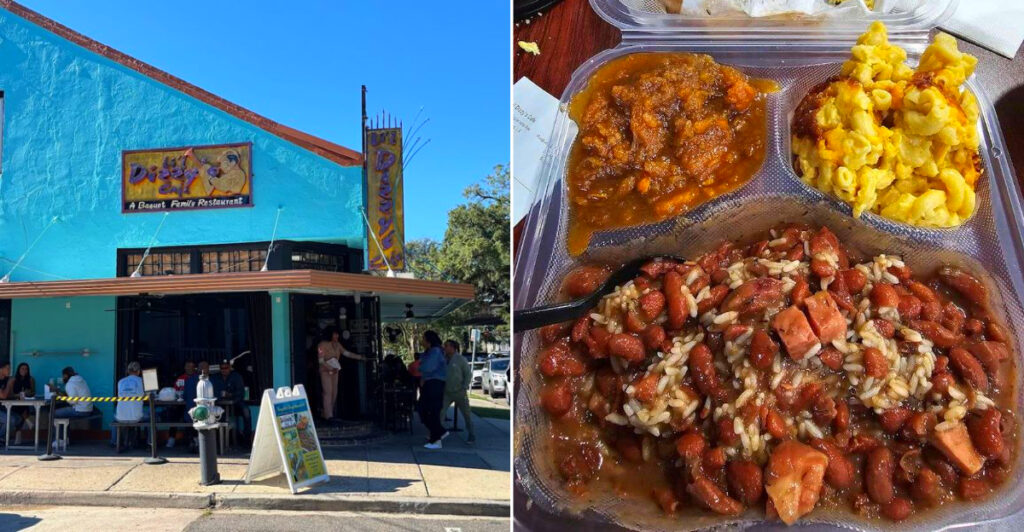
There is something almost spiritual about a pot of red beans simmering on a Monday morning in Louisiana. The tradition runs deeper than habit, it is practically encoded in the DNA of anyone who grew up within smelling distance of a New Orleans kitchen.
While plenty of spots serve a respectable bowl, one Tremé institution has been raising the bar for decades, turning humble ingredients into something you will crave long after the last bite.
The beans arrive slow-cooked to a velvety consistency, seasoned with a confidence that only generations of practice can produce. Each spoonful carries hints of smoked sausage, ham, and spices layered so carefully that nothing competes, everything cooperates.
Served over steamed rice in a dining room that feels like a family gathering, this is comfort food at its most honest. The best bowl of red beans and rice in Louisiana does not need a fancy presentation to prove its worth.
Understand What Makes The Beans Special
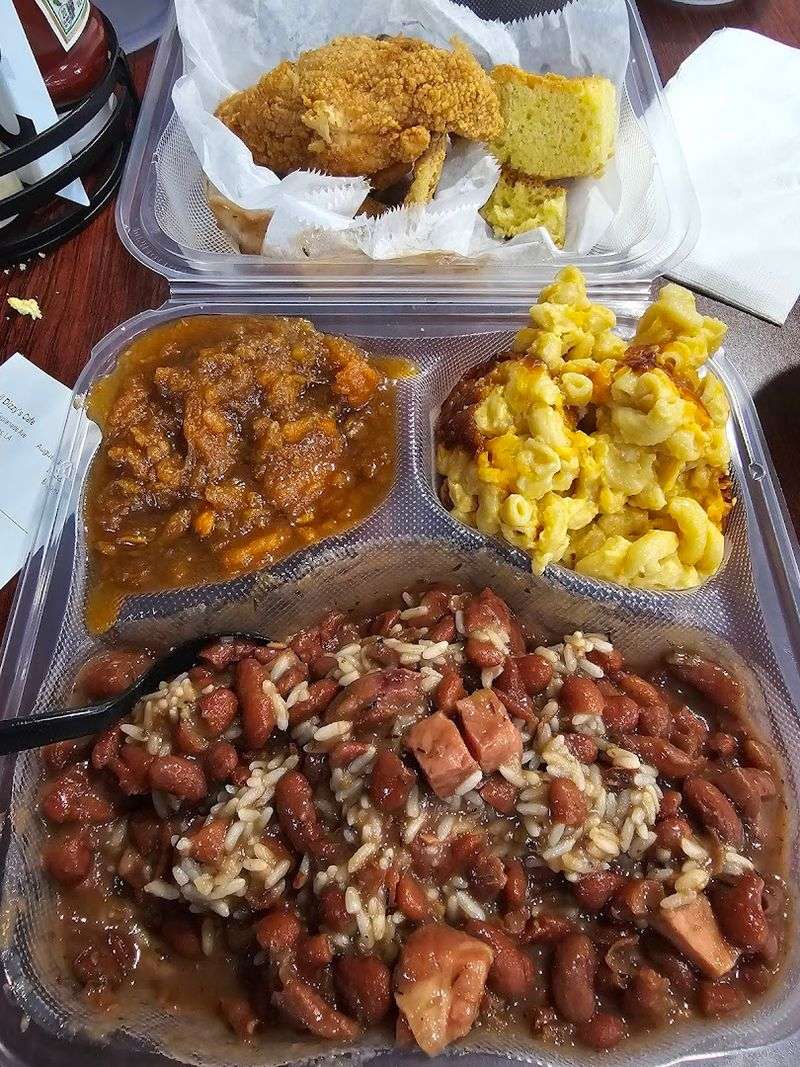
Those red beans stand out because they’re slow-simmered with Camellia beans soaked overnight and the cafe’s house-made hot sausage, a combination credited to Janet Jourdain Baquet. The texture is resolutely homely, beans softened almost to the point of creaminess while leaving body and bite.
The sausage adds heat and savory threads that keep each spoonful interesting rather than flat. When I tasted it the first time, the balance between bean-thickness and spicy sausage felt like a private handshake with New Orleans home cooking.
It is the kind of dish that does not announce itself with decoration, only with patience, depth, and the confidence of a kitchen that knows exactly what Monday red beans are supposed to do for anyone sitting hungry there today. Knowing the ingredients ahead of time helps you appreciate the technique rather than chase novelty.
Lunch Starts On Esplanade
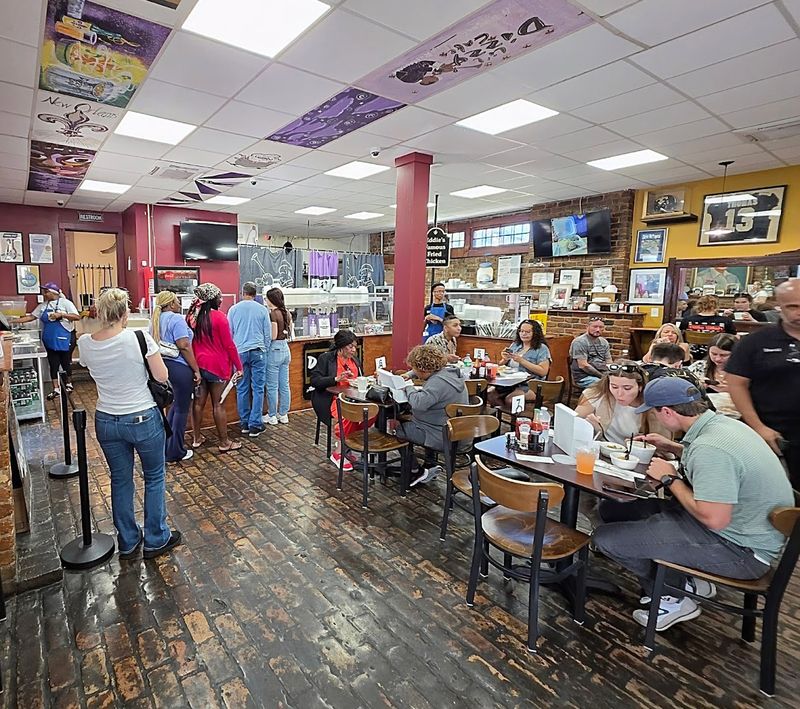
Li’l Dizzy’s Cafe brings that Tremé corner-restaurant energy where the trip feels casual, but the food has serious neighborhood weight.
You’ll find it at 1500 Esplanade Ave, New Orleans, Louisiana 70116, in the heart of Tremé, with lunch service listed Monday through Saturday.
Arrive hungry and do not drift in too late. This is a daytime stop, the kind where fried chicken, gumbo, and po’boys make the walk from the Quarter feel like a very good decision.
Order The Red Beans As A Full Plate, Not A Side
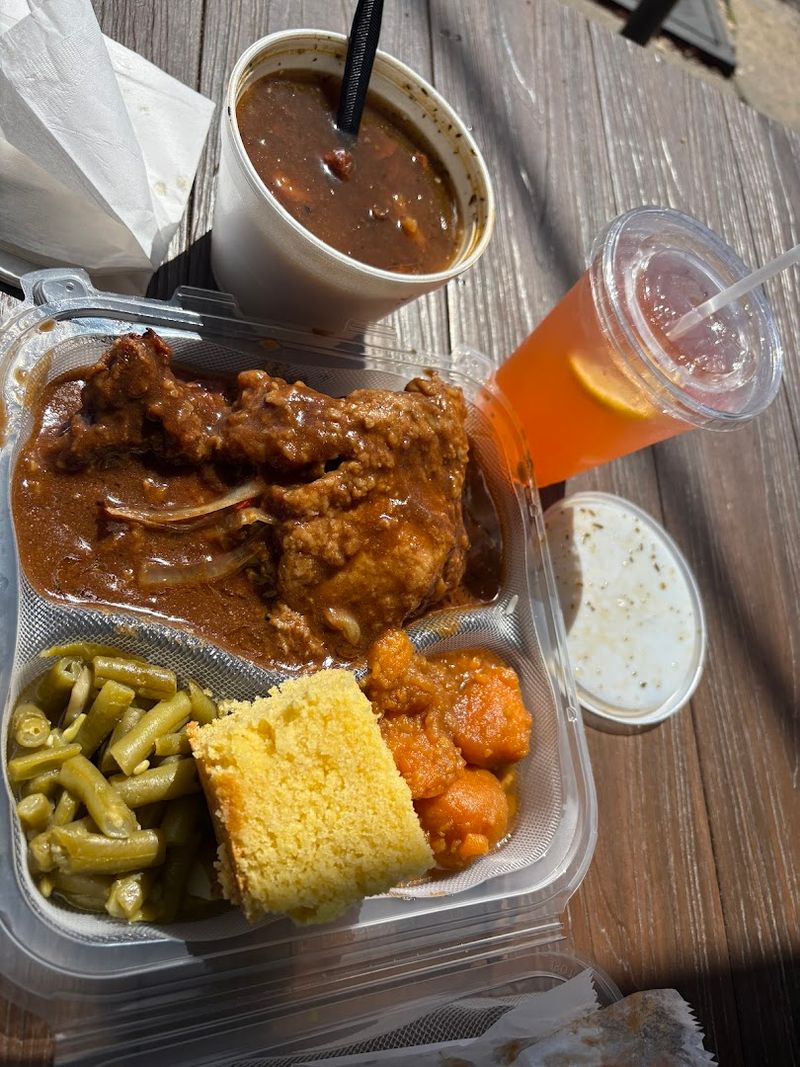
Think of the red beans and rice as a main act rather than a supporting player, the portion is meant to be a meal. At Li’l Dizzy’s the beans come hearty and saucy, designed to coat rice and deliver layered satisfaction across a whole plate.
Choosing the full plate means you get proper proportions of rice to beans and avoid a stingy ratio that waters down the intended experience.
On my visits, splitting a plate rarely feels worthwhile because the primary flavors demand full attention. The pleasure builds slowly, spoonful by spoonful, as the rice absorbs the sauce and the seasoning settles in deeper than it seemed at first bite.
This is not a quick taste-and-move-on order; it is comfort food that asks for a little commitment. Save sides for another meal and let the beans command the stage.
Pair The Beans With A Fried Protein
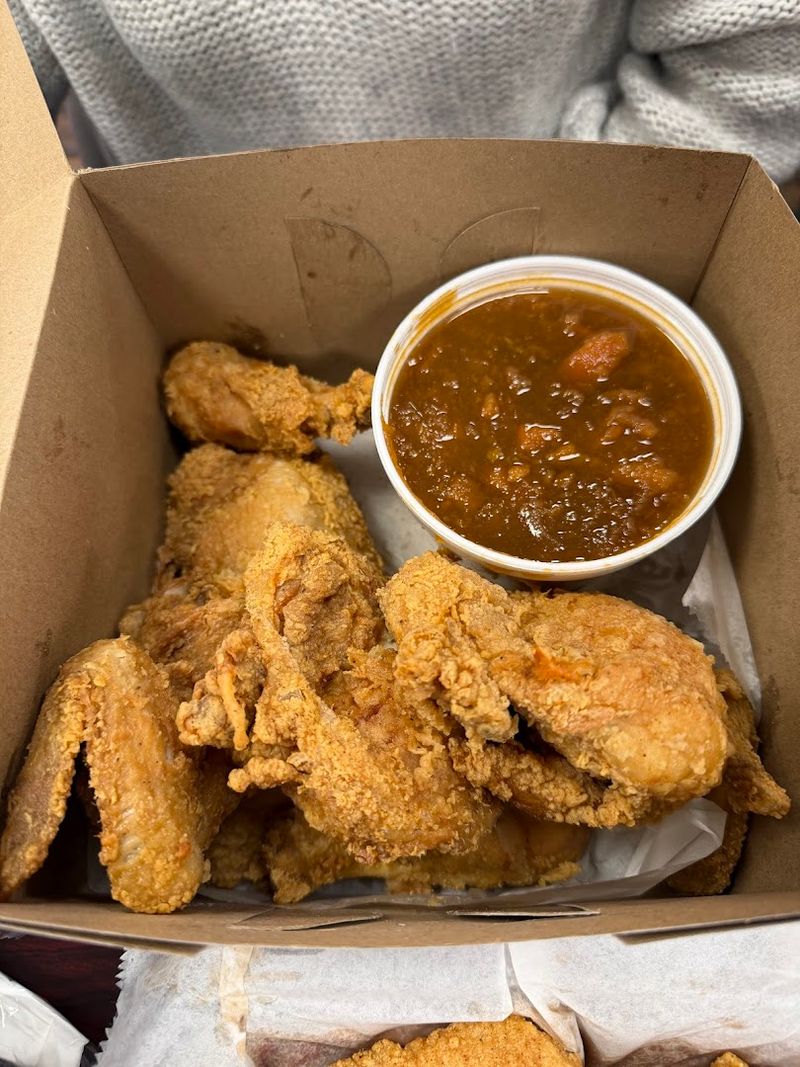
My instinct is to add a fried item for contrast, the crunchy texture and savory fat cut through the bean’s silkiness. At Li’l Dizzy’s the fried chicken and catfish are dependable choices, offering a crisp exterior that plays nicely against stewed beans.
Combined on the plate, each bite becomes a study in texture and how Southern kitchens balance richness with starch.
If you prefer milder counterpoints, try a simple green or the mac and cheese, but a fried piece earned my repeat orders. The beans bring depth, while the crust brings lift, keeping the meal from settling into one soft, heavy note.
A squeeze of hot sauce or a forkful of fish beside the rice can reset the palate beautifully. The contrast is why locals often combine these elements without guilt.
Ask About The House-Made Hot Sausage
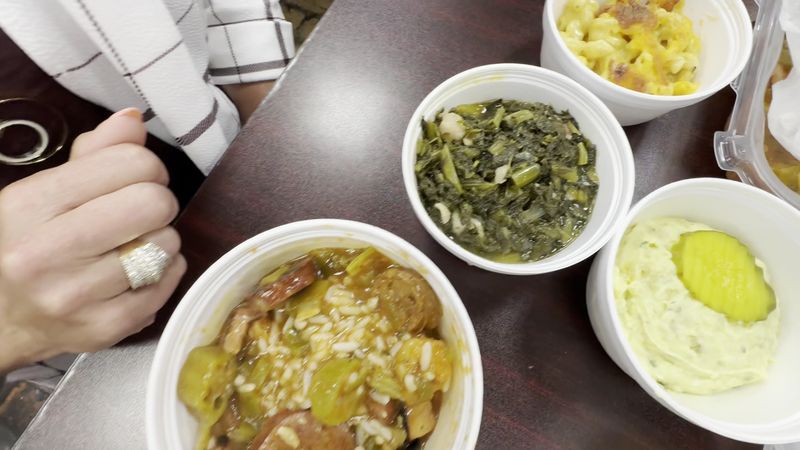
The in-house hot sausage is a small but decisive variable in the red beans’ flavor profile; it’s not generic smoked sausage and it’s credited with much of the dish’s character. They use it sparingly enough to infuse heat and depth without overwhelming the beans.
When ordering, check whether a plate includes sausage or if it can be added for an extra hit of spice and savory fat.
Once I requested an extra slice and the beans transformed from comforting to gloriously assertive. That extra meat brought a peppery backbone, the kind that lingers just enough to make the rice feel necessary rather than incidental.
It also reminded me how much this dish depends on restraint; too much would flatten the balance completely. Sausage is a local hallmark worth sampling deliberately, not as an afterthought.
Expect Homey Service And A Lively Room
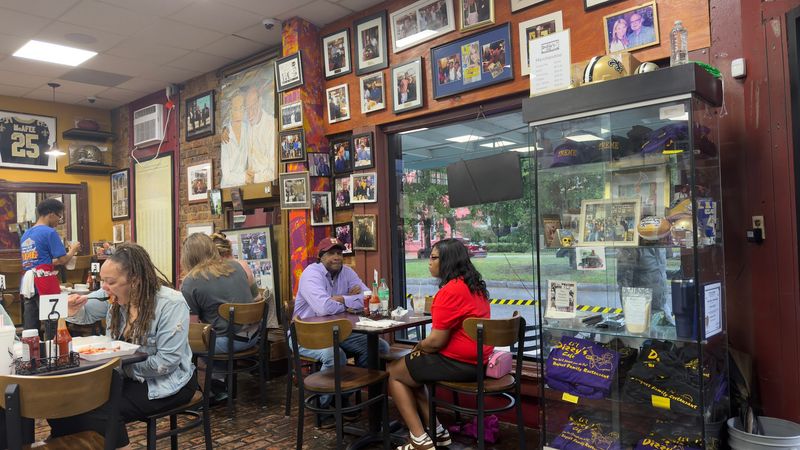
Li’l Dizzy’s operates like a neighborhood gathering place where people are greeted by name and staff move with practiced efficiency. The vibe is unpretentious and warm, with a dining room that hums during peak hours and an upstairs seating area for overflow.
Service is brisk; orders come out in to-go containers even when you sit down, which feels practical rather than odd.
During busy times expect noise and a communal energy that enhances the meal rather than distracts. Embrace the atmosphere and treat it like part of the experience, not a nuisance.
Mind The Operating Hours And Plan Ahead
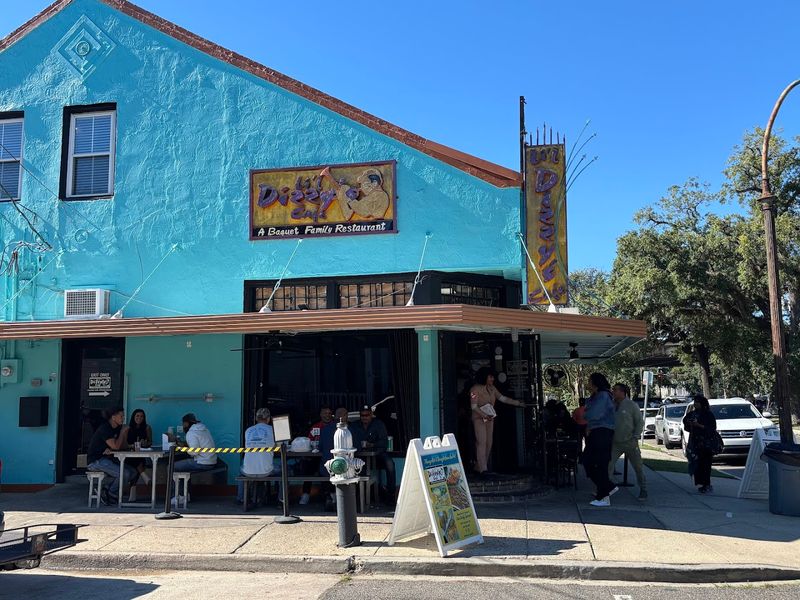
The cafe keeps focused hours: 11:00 AM to 3:00 PM, Monday through Saturday, with Sundays closed, so timing matters more than at a typical restaurant. Popular plates, especially the Monday red beans, live within that narrow lunchtime window and can sell out quickly.
Plan your visit around those hours and aim for early service if you want options without compromise.
I once misjudged the closing rhythm and missed a special; after that, scheduling became part of the ritual. Treat the hours like a local custom and you’ll be rewarded with availability and shorter waits.
Consider Takeout For A Faster Experience
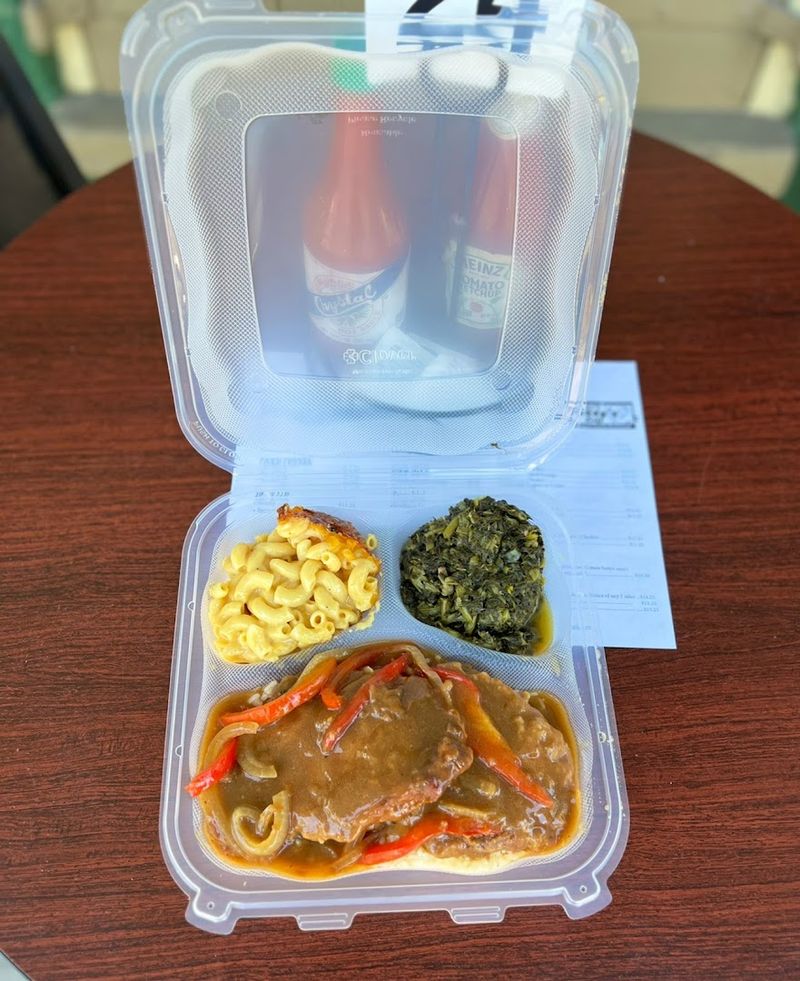
For speed without sacrificing quality, order takeout, there’s a dedicated window and a covered to-go area that keeps lines moving. The kitchen’s efficiency means you can often be in and out faster than waiting for a table.
Food packaged to-go still arrives hot and ready to eat, and eating nearby on a bench or at a picnic table gives you more flexibility than competing for indoor seating during peak hours.
I’ve used the takeout route on busy days and never felt shortchanged; it’s a practical strategy that keeps the food front and center without the wait.
A paper bag full of red beans, fried sides, and napkins can feel almost luxurious when you skip the crowd, find a quiet patch nearby, and eat while the city keeps moving around you without rushing that first generous bite.
Try Their Other Classics On Non-Monday Visits
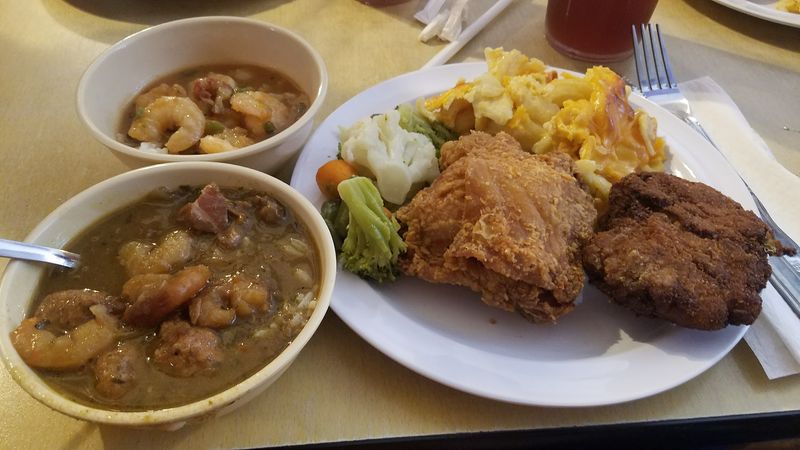
Even when the beans are gone, Li’l Dizzy’s offers steadfast alternatives: gumbo, fried chicken, mac and cheese, and smothered pork chops all show the Baquet family’s craft.
The gumbo is a reasonable stand-in for depth and warmth, while the fried chicken delivers the crunchy-succulent contrast that complements the cafe’s heavier plates.
Sampling multiple items reveals continuity of technique across the menu. When I could not get beans, ordering a combination plate provided insight into why this place is beloved; the flavors and portions consistently align with its reputation as a neighborhood pillar.
Be Patient, Lines Move Faster Than They Seem
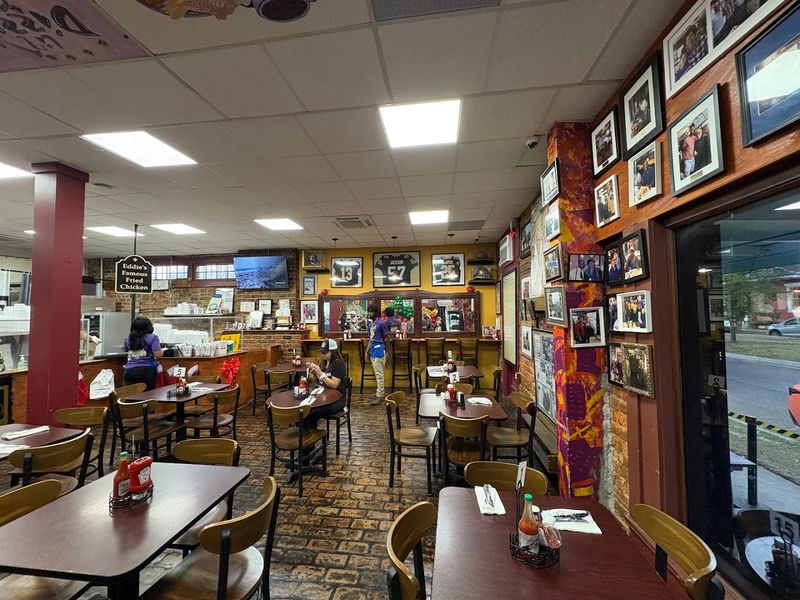
Lines at Li’l Dizzy’s can look intimidating but move with surprising speed due to a well-trained team and clear ordering flow. There is often a separate queue for dine-in and takeout, and staff keep customers informed which eases crowding.
If you arrive early you might watch the line swell, but the payoff is usually shorter net wait times and access to the day’s specials before they sell out.
On several visits I noted the rhythm: patience plus a little planning almost always results in being seated or out the door with food in hand within a reasonable time.
Respect The Family Legacy Behind The Food
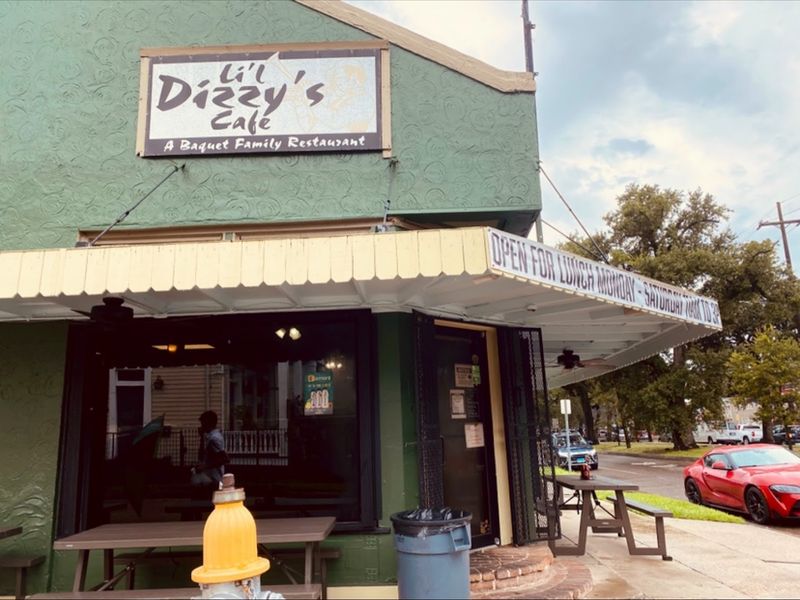
Visiting Li’l Dizzy’s is also a visit into a multi-generational culinary lineage, the Baquet family traces its kitchen roots through decades of New Orleans history.
The red beans recipe, credited to Janet Jourdain Baquet, and the cafe’s continued family ownership are more than marketing; they inform ingredient choices, technique, and hospitality.
That sense of stewardship shows in consistent flavors and in the way staff speak about menu items. Knowing this heritage enhances appreciation for the food as living tradition rather than a static product.
You can taste that continuity in the confidence of the seasoning, the unfussy plating, and the feeling that the restaurant is serving memory as much as lunch.
It gives the meal a human frame, connecting one plate of beans to generations of neighborhood cooking. It’s part of what keeps locals coming back.