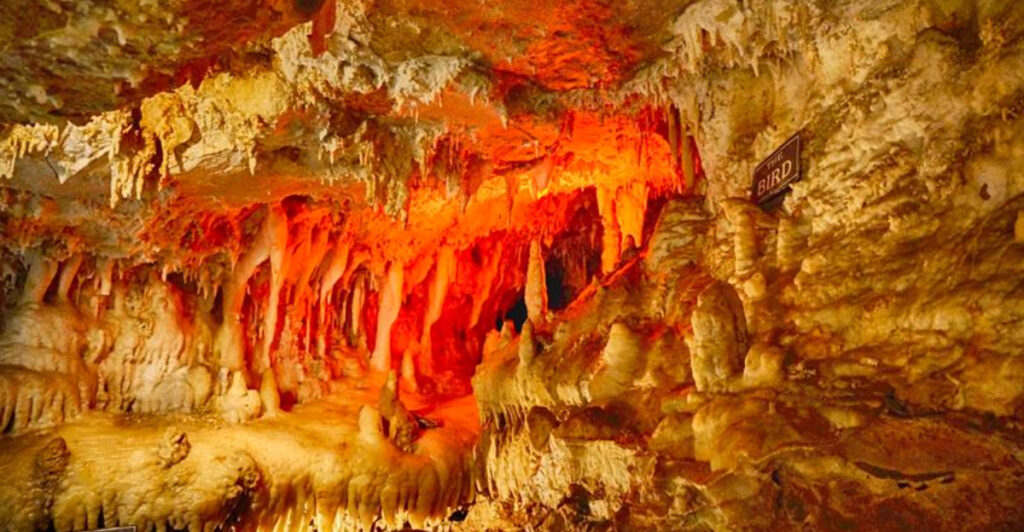
Iowa does not usually make people think of underground chambers, glittering rock walls, and cool air rushing out of the earth.
That is what makes this eastern Iowa cave such a fun surprise. You leave the daylight behind, duck into the hillside, and suddenly the state feels a lot more mysterious than it did five minutes earlier.
The tour is not flashy in a theme-park way, which is part of the appeal. It is personal, family-run, a little rugged around the edges, and full of crystal formations that took their sweet time becoming beautiful.
The air stays chilly year-round, the tunnels make you pay attention, and the guides know how to turn ancient geology into something you actually want to hear about.
Bring a jacket, wear shoes with some grip, and be ready for Iowa to pull off a pretty good magic trick. Above ground, it may look like another quiet road near Dubuque.
Underneath it, there is a whole crystal-filled world waiting.
Crystal Lake Cave Introduction
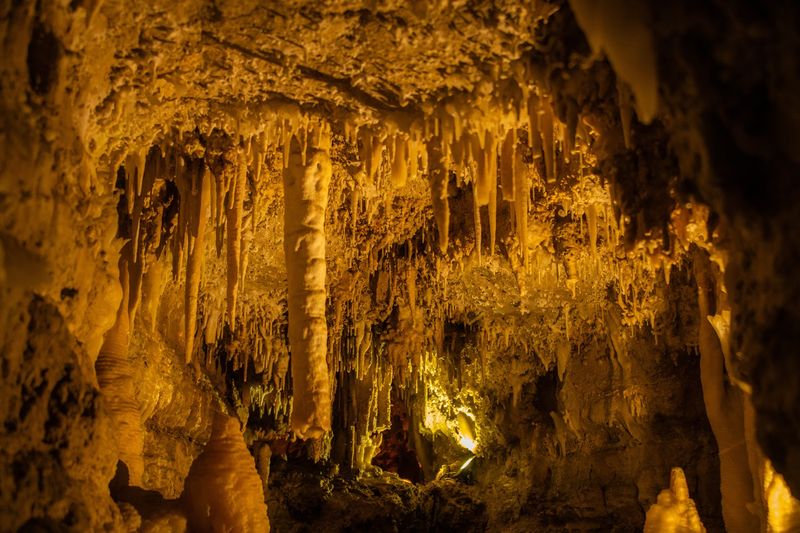
A lot of people hear “Iowa cave” and picture something modest, maybe a few rocks and a flashlight tour. Crystal Lake Cave is not that.
Located at 6684 Crystal Lake Cave Road in Dubuque, Iowa, this privately owned cave has been drawing geology lovers, curious families, and road-trip regulars for decades.
The cave features guided tours that usually run about 35 to 45 minutes for smaller groups, taking visitors through well-lit passages packed with crystal formations, stalagmites, stalactites, and other striking cave features.
It is a small, personal operation, which you can feel the moment you walk through the gift shop entrance. The staff is warm, the guides are knowledgeable, and the whole experience has a local touch that larger commercial caves can sometimes lose.
The cave’s formations are the real headline, but the steady praise for the guides says plenty about how seriously the team takes its underground home. Plan to arrive with a light jacket and a willingness to duck in a few low spots.
The Crystal Formations That Make Geologists Giddy
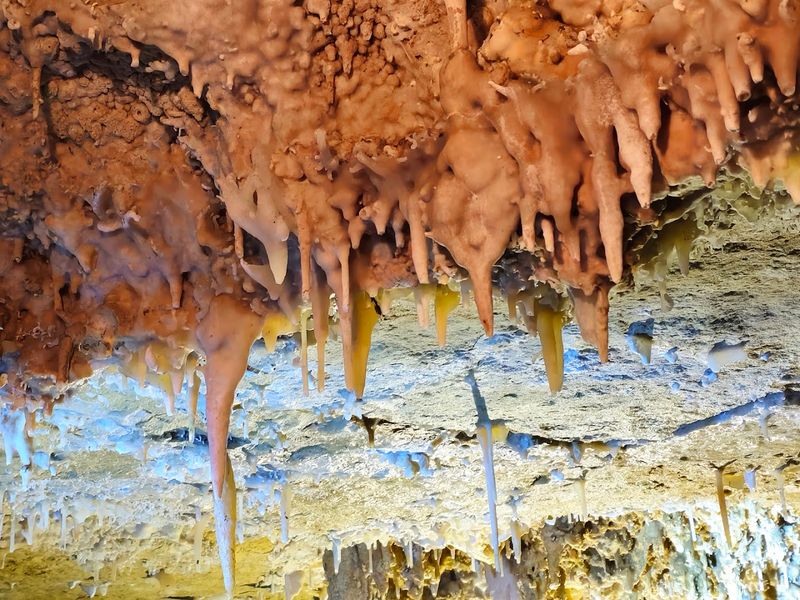
The crystals are the main event here, and they earn that title.
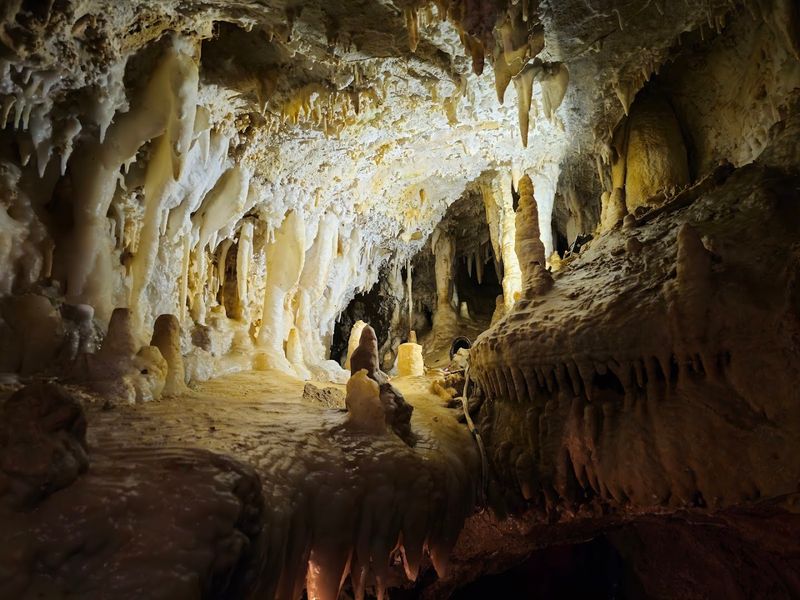
Unlike many caves where formations are scattered and subtle, Crystal Lake Cave has walls and ceilings loaded with calcite crystal clusters that catch the light in a way that makes the whole tunnel feel like it is quietly glowing.
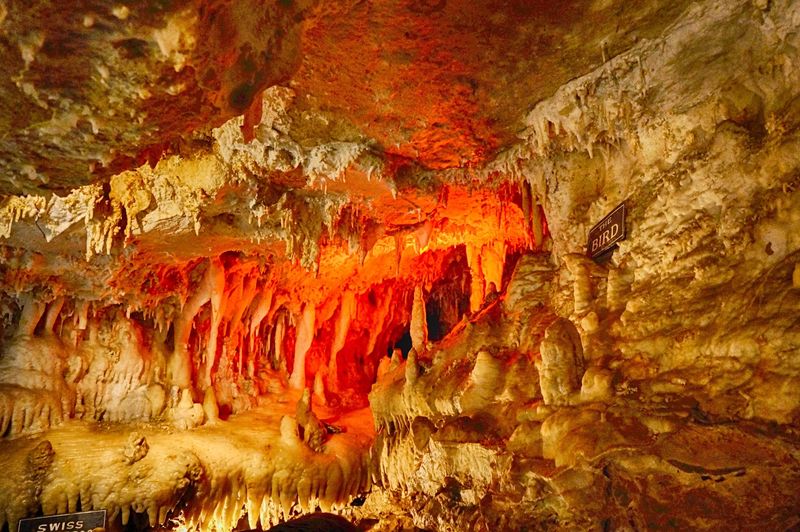
Tour guides point out specific formations that have been given nicknames over the years, which makes the tour feel like you are being introduced to old friends rather than reading a geology textbook out loud.
The cave also contains formations such as stalactites, stalagmites, helictites, and other delicate mineral features that help it stand out among Iowa attractions.
The formations took thousands of years to develop, and the people running the cave take preservation seriously.
Guides remind guests why touching the formations is off-limits, and the reasoning sticks with you long after the tour ends.
The Small Crystal Pool Inside The Cave
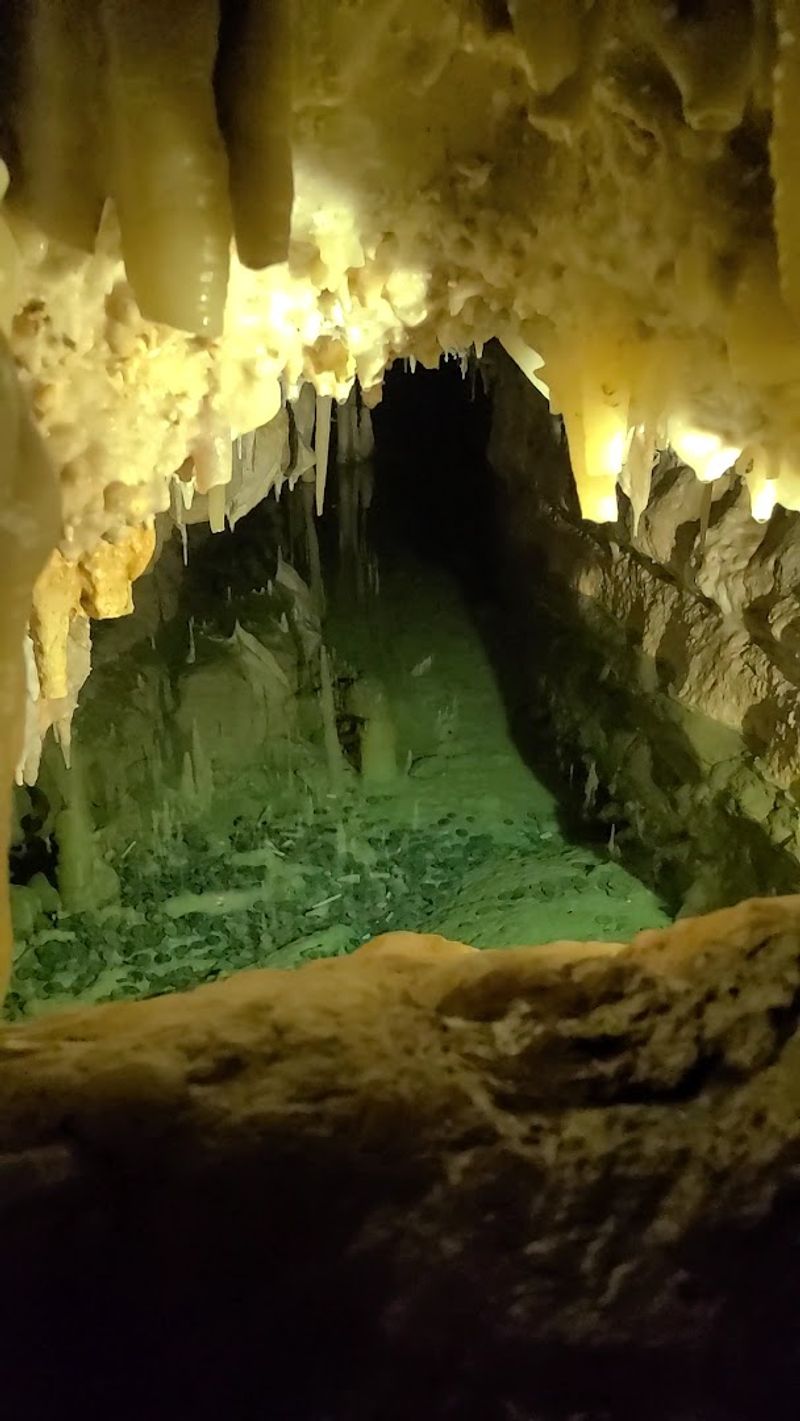
Fair warning: the “lake” inside Crystal Lake Cave is more of a small, still pool than the sprawling underground body of water the name might suggest.
Some visitors have noted mild surprise at its size, and that is a reasonable reaction if you pictured something you could row a boat across.
That said, the pool is genuinely cool to see. The water is clear, still, and sits in a section of the cave where the lighting creates a reflective quality that makes the whole chamber feel quiet and a little otherworldly.
It is the kind of spot where guides tend to pause and let the space do the talking.
The cave’s name is often connected with its crystal formations, and some cave-history sources also connect it to the small crystal-clear pool inside. Either way, the water adds another memorable detail to an already unusual tour.
It is also a useful reminder that cave systems are living geological structures with active water movement happening slowly over long stretches of time. You are not just looking at a puddle.
You are looking at part of a system that helped shape the tunnels you are standing in. That context shifts the view considerably.
The Tour Guides Who Actually Make It Worth It
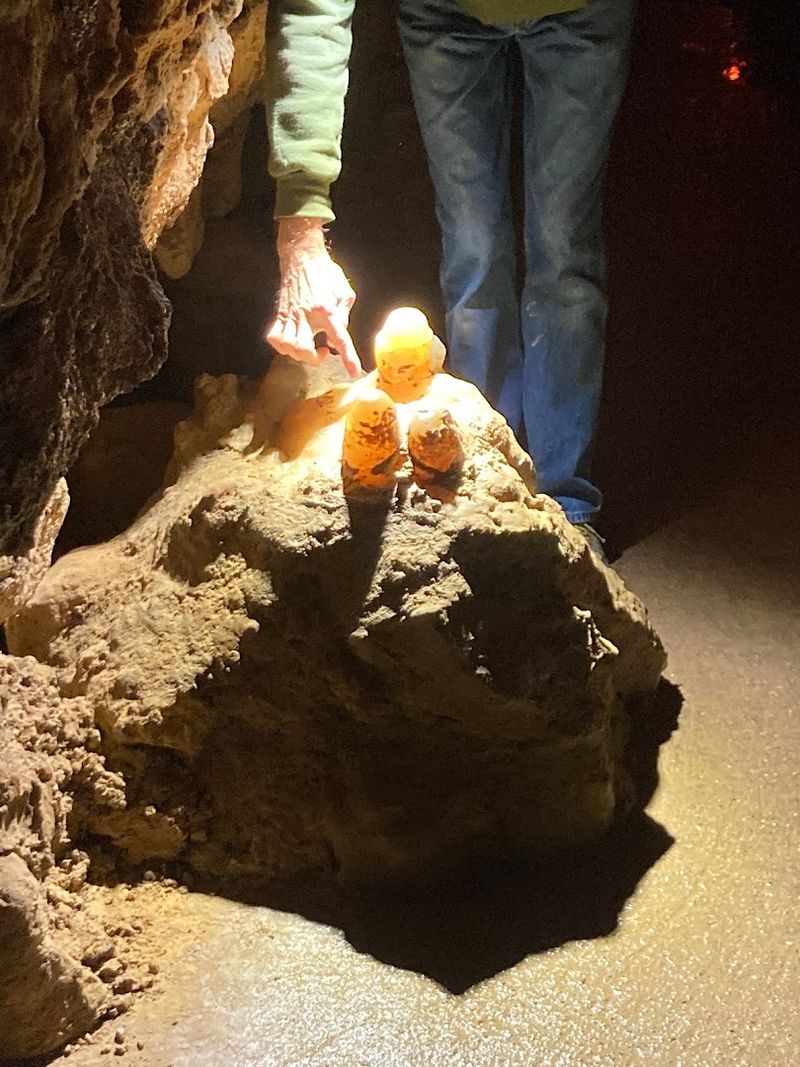
Ask people who have taken a tour here and they will often bring up the guides almost immediately.
The guides at Crystal Lake Cave are a major part of the experience, which is saying something when the cave itself has been impressing visitors for generations.
What makes them stand out is not just memorized facts. It is the way they adapt to the group.
Guides here are often praised for including kids in the conversation, speaking clearly enough for people toward the back to hear, adding humor at the right moments, and genuinely caring about what they are showing you.
The best tours feel less like a lecture and more like a guided walk through a place the staff knows deeply.
Smaller tour groups tend to get a more personal interaction with the guide, so arriving early in the day gives you a better shot at a quieter group where you can actually hear every word.
What the Temperature and Terrain Are Really Like
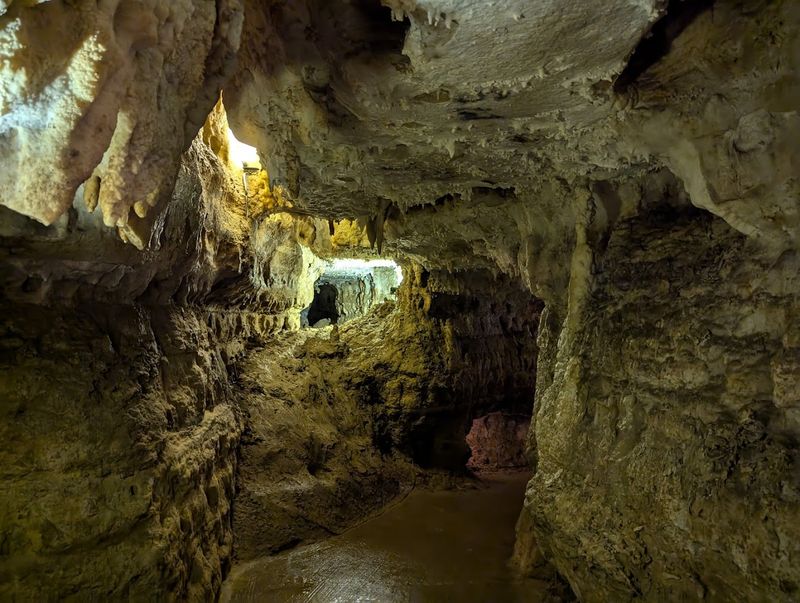
The cave sits at a steady 52 degrees Fahrenheit year-round. That sounds refreshing in July and genuinely cold if you show up underdressed.
Most people who visit in summer are glad they brought a sweatshirt or light jacket.
The terrain inside is manageable for many visitors, but it is still a natural cave passage. The walking tour follows a damp underground route, and there are places where you may need to duck.
Strollers, walkers, and wheelchairs do not fit in the cave passage, so visitors with mobility concerns should call ahead before making the trip.
Wear closed-toe shoes with grip since the cave floor can be damp in sections.
Leave the heels and the oversized backpack in the car. The cave rewards people who dress practically and move comfortably, and the payoff is absolutely proportional to the effort.
Gem Mining for Kids and the Gift Shop Scene
If you are traveling with kids, the gem and fossil mining area outside the cave is the kind of add-on that buys you twenty minutes of pure focus from children who have been in a car for two hours.
The setup involves searching for gemstones and fossils, and it works on the same basic principle as a treasure hunt, which children have never once found boring.
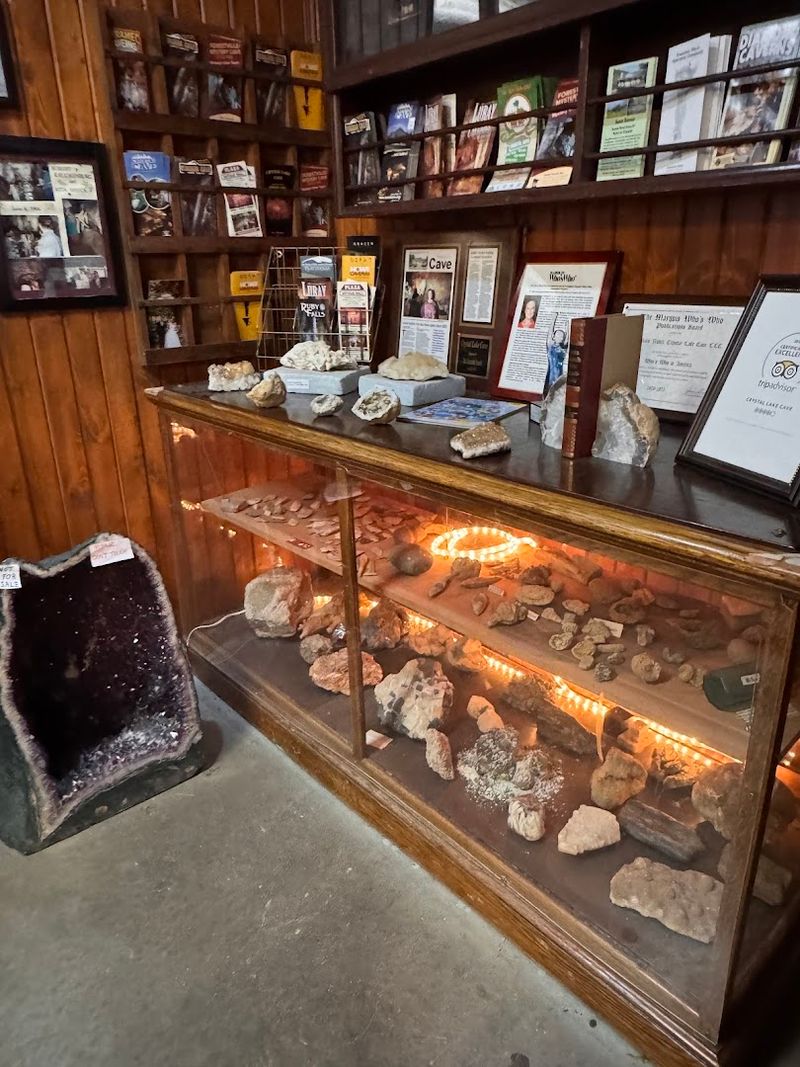
The gift shop attached to the cave entrance is small but well-stocked with the kind of souvenirs that actually relate to what you just saw underground. Crystal specimens, fossil displays, and geology-themed items fill the shelves alongside the usual magnets and keychains.
It is worth browsing if you want something that connects back to the cave experience.
The guides are paid, the cave is maintained, and the gem mining station is kept stocked because visitors support the operation beyond the tour ticket.
It is a simple economy and a fair one.
Pricing, Hours, and How to Plan Your Visit
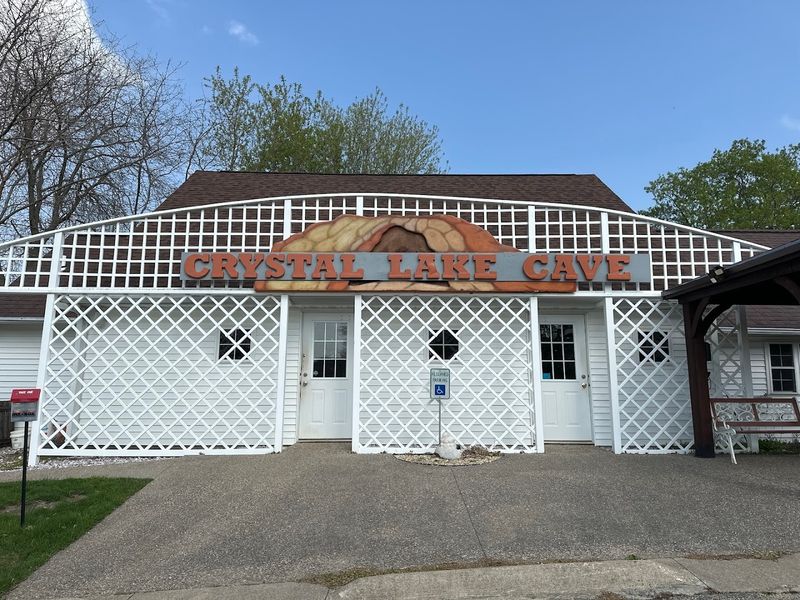
Current tour pricing is $22 for guests ages 12 and up, $10 for children ages 4 to 11, and free for children 3 and under.
Crystal Lake Cave is open seasonally, with daily hours from Memorial Day through Labor Day and weekend-only hours in September and October.
During the main summer season, weekday hours run from 9 AM to 5 PM, with the first tour at 9:30 AM and the final tour at 4:30 PM. On summer Saturdays and Sundays, the cave is open from 9 AM to 5:30 PM, with the final tour at 5 PM.
Tours usually depart about every half hour and are first come, first served for regular visitors. Groups of 10 or more can receive a discount and should check reservation details before arriving.
Smaller groups of 10 or fewer usually take about 35 to 45 minutes, while larger groups of up to 20 guests typically take 45 minutes to an hour.
The current official phone number is 563-513-9689 if you want to call ahead.
Parking is limited to the main lot plus overflow along the gravel entrance road, so arriving early also helps on that front.
The whole visit, including time in the gift shop and gem mining area, can usually fit comfortably into a couple of hours.
The History Baked Into the Cave Walls
One of the quieter surprises on the tour is how much history is tied to the cave itself. Crystal Lake Cave was discovered in 1868 by miners searching for lead and zinc deposits in the Dubuque area.
What they found underground turned out to be far more interesting than another ordinary mining passage.
The formations themselves carry their own timeline. Guides explain that what you are looking at took thousands of years to build, one slow drip at a time.
That context lands differently when you are standing inside it rather than reading about it in a textbook. The cave feels less like a tourist stop and more like a place that has been patiently existing long before the road outside was paved.
The cave later became a public attraction, with tourism sources tracing its show-cave era to 1932.
Iowa does not always get credit for its geological history, but caves like this one make a strong case for paying closer attention to what the state is sitting on top of.
The combination of human history and natural formation history inside one guided walk is a ratio most roadside stops simply cannot match.
Nearby Attractions Worth Adding to Your Route
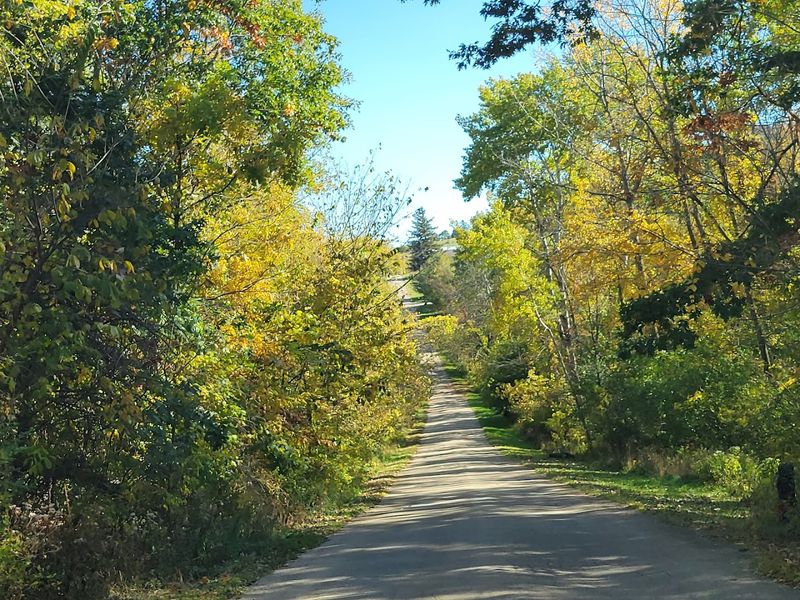
Crystal Lake Cave sits just outside Dubuque. The surrounding area has enough going on to justify turning a single stop into a half-day or full-day outing.
Mines of Spain Recreation Area is nearby, with hiking trails, bluffs, and views of the Mississippi River that pair well with an underground geology session.
Dubuque itself is worth a few hours if you have not been. The city has a walkable downtown, the National Mississippi River Museum and Aquarium, and a historic cable car called the Fenelon Place Elevator that climbs a bluff for a view of three states.
It is a compact city with a surprising amount packed into a small footprint.
The drive to the cave from downtown Dubuque takes roughly 15 minutes, which means combining the cave with a Dubuque afternoon requires almost no extra planning. If you are road-tripping through eastern Iowa or crossing between Iowa and Illinois, this corner of the state rewards a longer look than most maps suggest.
The cave is a strong anchor for a day that has multiple good stops built around it.
Why This Family-Owned Cave Stands Apart
County-run and state-run caves operate on a different rhythm than a place like Crystal Lake Cave.
When the people giving your tour clearly know the cave, care about it, and have a personal stake in keeping it protected, the whole visit feels different.
That care translates into real-world details. Guides help visitors understand the formations, staff members include kids in the conversation, and the cave is maintained with preservation in mind rather than just throughput.
The operation feels personal without feeling casual about safety or stewardship.
At $22 for guests ages 12 and up, the value here is straightforward for a guided walk through a crystal-filled cave that took thousands of years to form.
Iowa has plenty of above-ground reasons to stop, but this particular cave near Dubuque makes a compelling argument that the most interesting things in the state might be the ones you have to go underground to find.
Bring a jacket, arrive early, and give yourself enough time to enjoy the gift shop before you head back into the daylight.