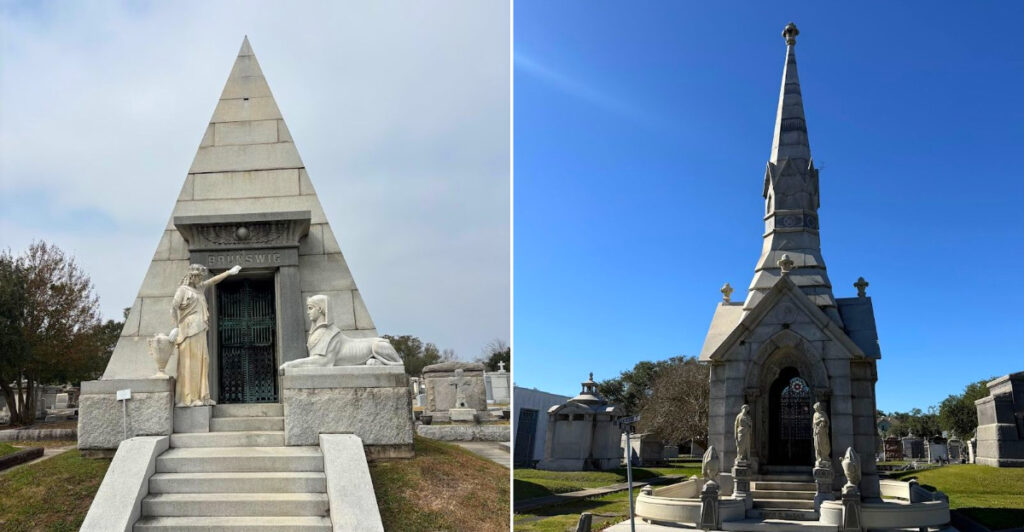
Beyond the iron gates of a former horse racing track lies a 150-acre cemetery where the graves of banking dynasties sit within walking distance of a tomb that once glowed red at night.
The Flaming Tomb of Josie Arlington, a Storyville madam whose funeral drew more onlookers than many society burials, drew so many curiosity-seekers that her family eventually sold the monument to someone with the same initials.
Deeper into the grounds sits the Benoit Tomb, an ornate vault with stained glass and bronze doors that no living person has been able to claim, and the grave of Anne Rice rests under a simpler marker not far away.
Above-ground tombs line avenues named after the racetrack’s old turns, and the oval path where thoroughbreds once ran now serves as a scenic drive through marble monuments and moss-draped oaks.
Open to the public during daylight hours with no tour required, the cemetery rewards visitors who wander past the famous names toward the quieter corners where the strangest stories live.
Louisiana cemeteries always have a story to tell, but this one reads like a novel that refuses to stay on the shelf.
First Impression: Arrival And Layout
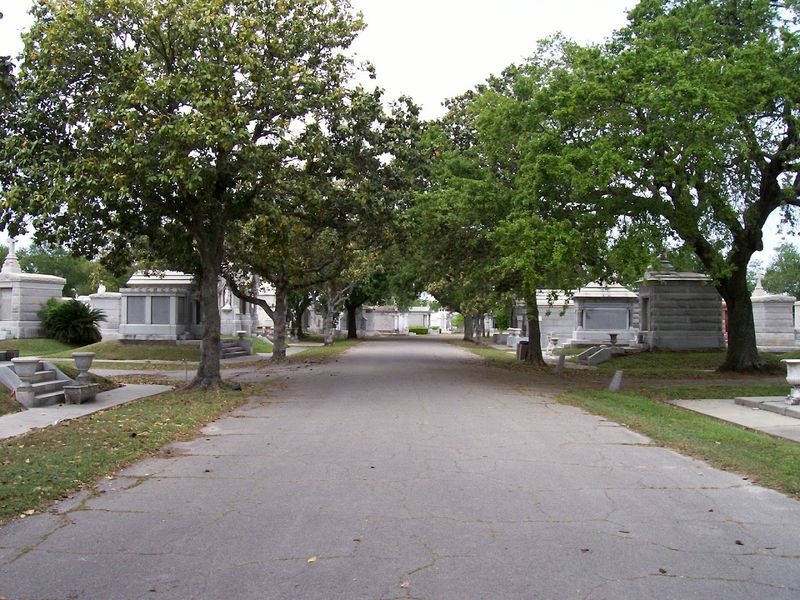
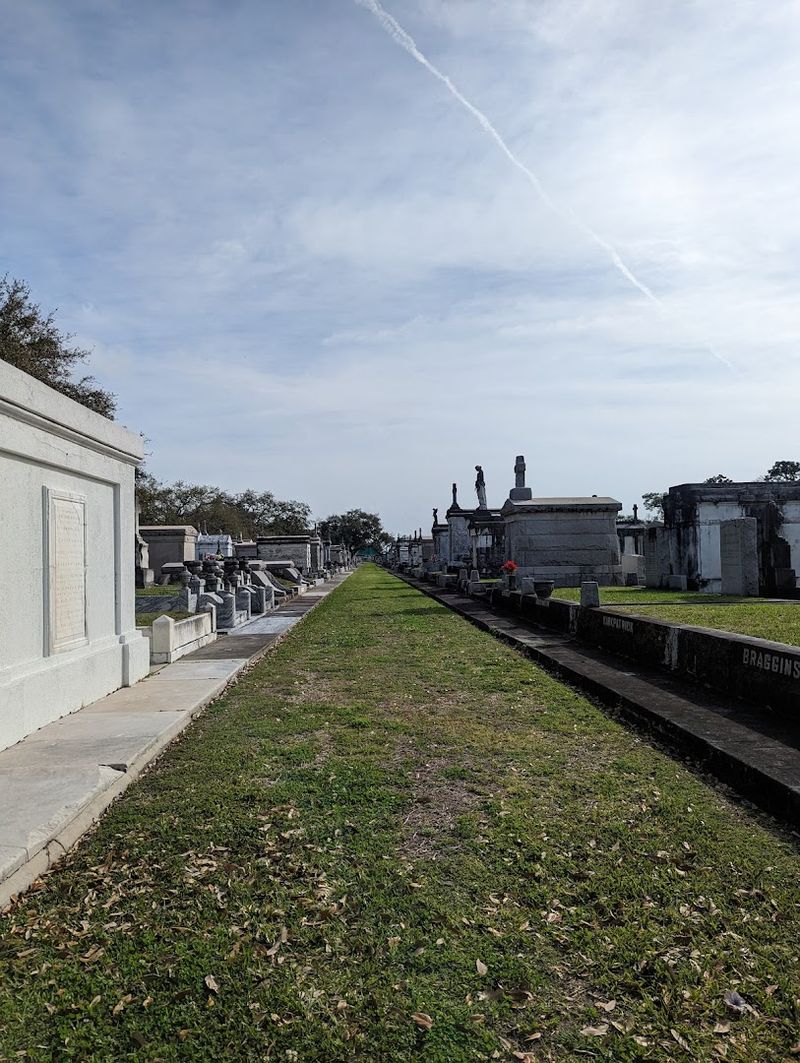
The first thing you notice arriving at Metairie is the scale, the racetrack oval still dictates the road, and that curve gives the place an organized, almost ceremonial rhythm. Graves and mausoleums sit farther apart than the city cemeteries, which creates breathing room for monuments and for you to take it all in without feeling crowded.
Spanish oaks arch over wide lanes, casting pockets of shade that invite slow exploration. The layout makes orientation simple: follow the oval and then let curiosity steer you through the side lanes, where names, statues, and ironwork begin to separate into individual stories.
Expect calm lines of sight, plenty of signposted family plots, and enough distance between stops to feel the old racetrack beneath the cemetery’s quieter purpose. It is grand, but rarely overwhelming, which makes wandering feel natural rather than staged.
A City Of Stone Just Off Pontchartrain
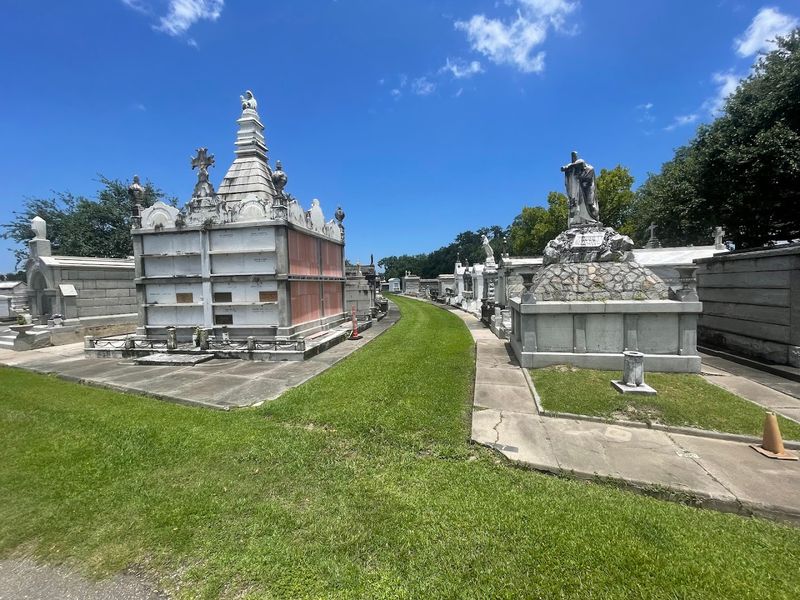
Metairie Cemetery feels less like a quick stop and more like entering a quiet city of marble, angels, oaks, and above-ground tombs.
You’ll find it at 5100 Pontchartrain Blvd, New Orleans, Louisiana 70124, not 70116; the official cemetery hours are sunrise to sunset.
Drive in slowly, park where permitted, and treat the visit with the patience the place asks for. The old paths and elaborate monuments are beautiful, but this is still an active place of remembrance, so the best arrival is quiet, respectful, and unhurried.
Architectural Highlights: Styles To Look For
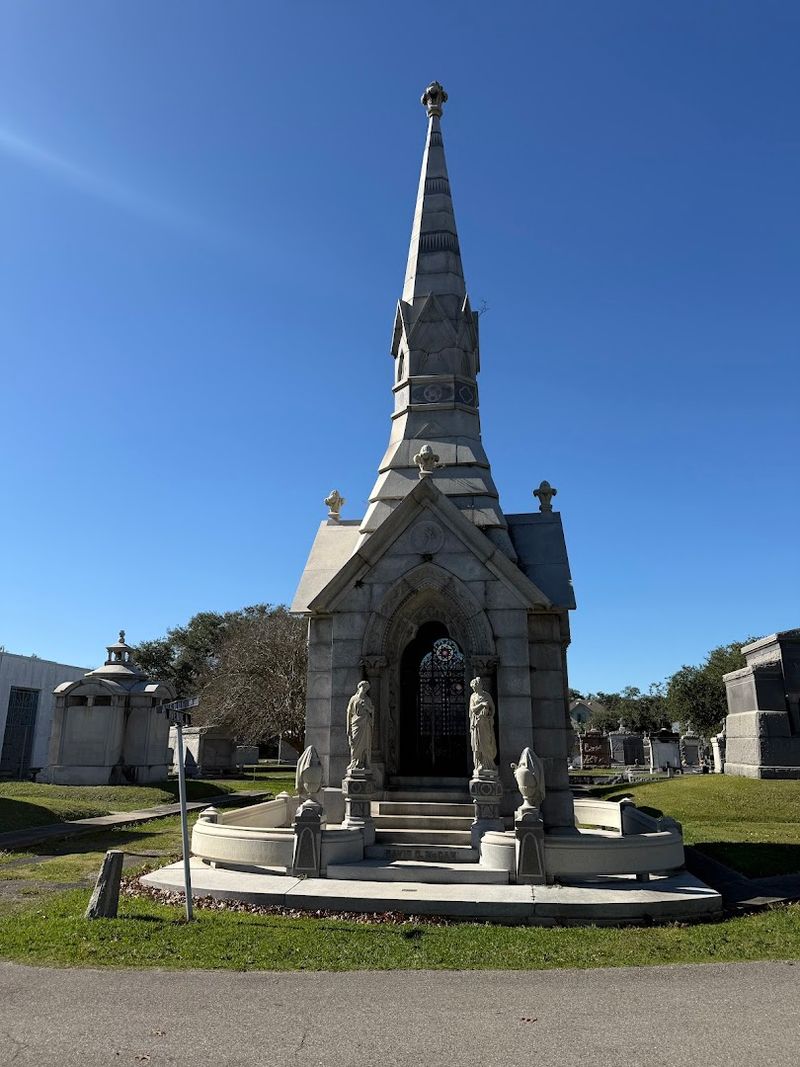
Architectural variety at Metairie is astonishing: Greek temples sit near Gothic pinnacles, Egyptian forms neighbor Art Deco cheeks, and Roman columns buttress family mausoleums.
This range reflects New Orleans tastes from the late 19th and early 20th centuries, when affluent families commissioned bespoke memorials that reflect worldwide stylistic trends.
Look for the Brunswig Mausoleum’s Egyptian motifs, the Moriarty monument’s soaring presence, and the Egan tomb’s dramatic figure. Each piece tells a dual story of personal memorial and broader architectural fashion, so take time to appreciate both symbolism and craftsmanship up close.
History Lens: Racetrack To Resting Place
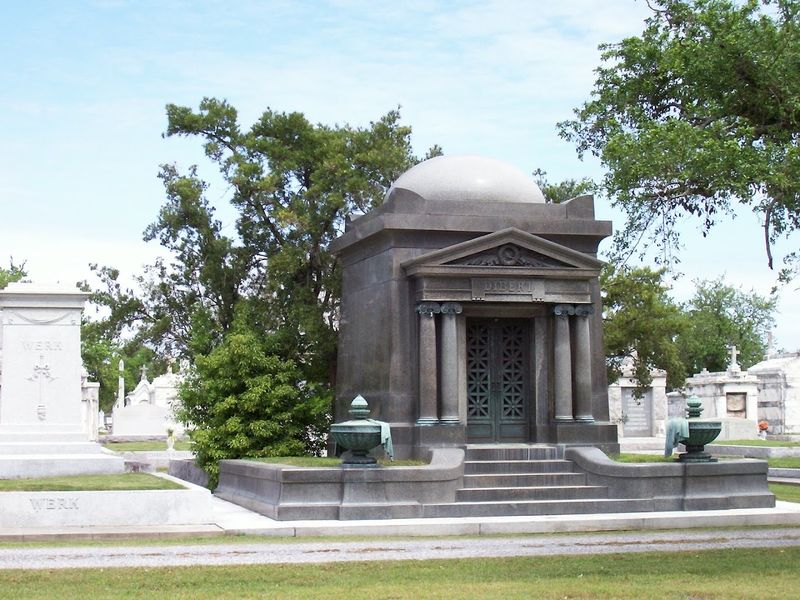
Metairie Cemetery occupies the former Metairie Race Course, and that past explains the unique oval plan you walk today. After the Civil War, the racetrack fell into decline, and Charles T. Howard famously converted the land to a cemetery in the 1870s; the original oval road remains a memory in asphalt and alignment.
This transformation from leisure ground to burial ground is part ashes-and-ornament New Orleans history, and knowing it enhances how you read the site. The National Register listing in 1991 formalized its cultural value, so you are literally walking through layered urban history when you explore the lanes.
Every turn carries a trace of reinvention, from sporting crowds to funeral processions, making the cemetery feel less like a static memorial park and more like a city chapter rewritten in marble, oak shade, and careful geometry.
Eerie Tales: Josie Arlington And The Flaming Tomb
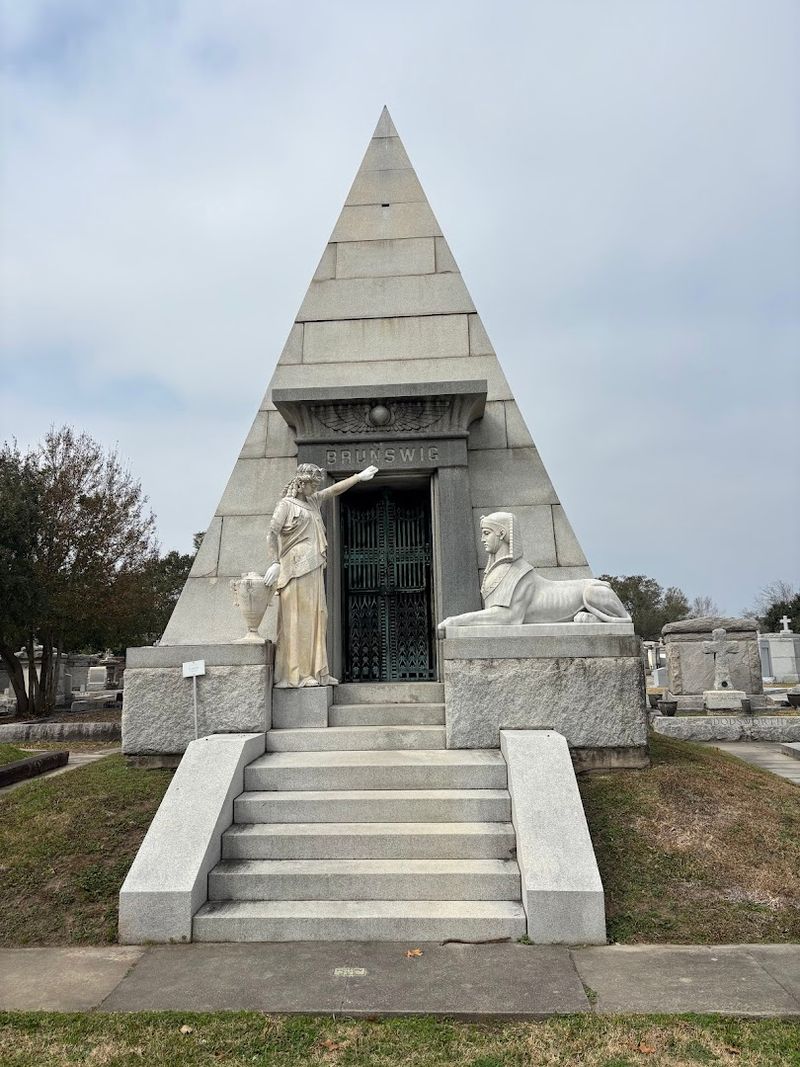
Josie Arlington’s mausoleum, often called the Flaming Tomb, draws curious visitors because of persistent stories about flickering red light and phantom knocks on bronze doors.
The reality is more prosaic: Josie was a notable Storyville madam who commissioned an elaborate granite tomb featuring a female figure at its portal, and her legend grew over decades of retelling into something uncanny.
Local explanations range from streetlight reflections to folklore that outlived her reinterment in the 1920s. Whether you chalk it up to atmospheric optics or storytelling, the tomb remains a potent focal point for the cemetery’s ghost lore and visitor fascination alike.
Sensory Oddities: Sounds And Small Details
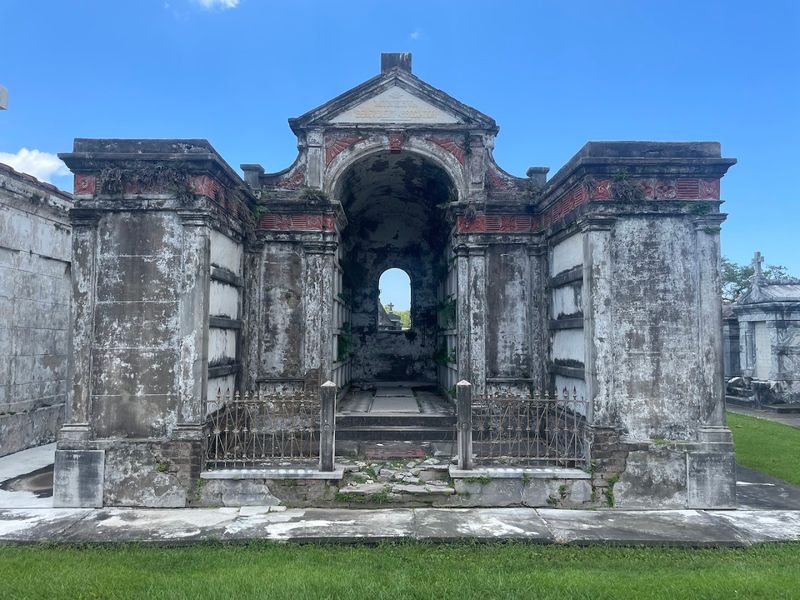
Small sensory moments make Metairie memorable: the whisper of oak leaves, the soft clink of metal gates, distant traffic that hardly intrudes, and in stormy weather the sight of streaked stone that looks like tears.
The famed Weeping Angel’s darkened streaks during rain are not supernatural so much as a poignant play of water and pigment, but they are deeply affecting up close.
Listen for sudden quiet rather than loud noises; the cemetery’s layout muffles the city and creates a private soundscape. Let observation sharpen your sense of scale, texture, and age as you move between monuments, noticing weathered names, polished granite, bronze details, and the way shadows gather beneath the oaks.
These small impressions give the cemetery emotional depth without needing exaggeration, turning a walk through its lanes into something hushed, visual, and unexpectedly intimate.
Notable Burials: Who You Can Find
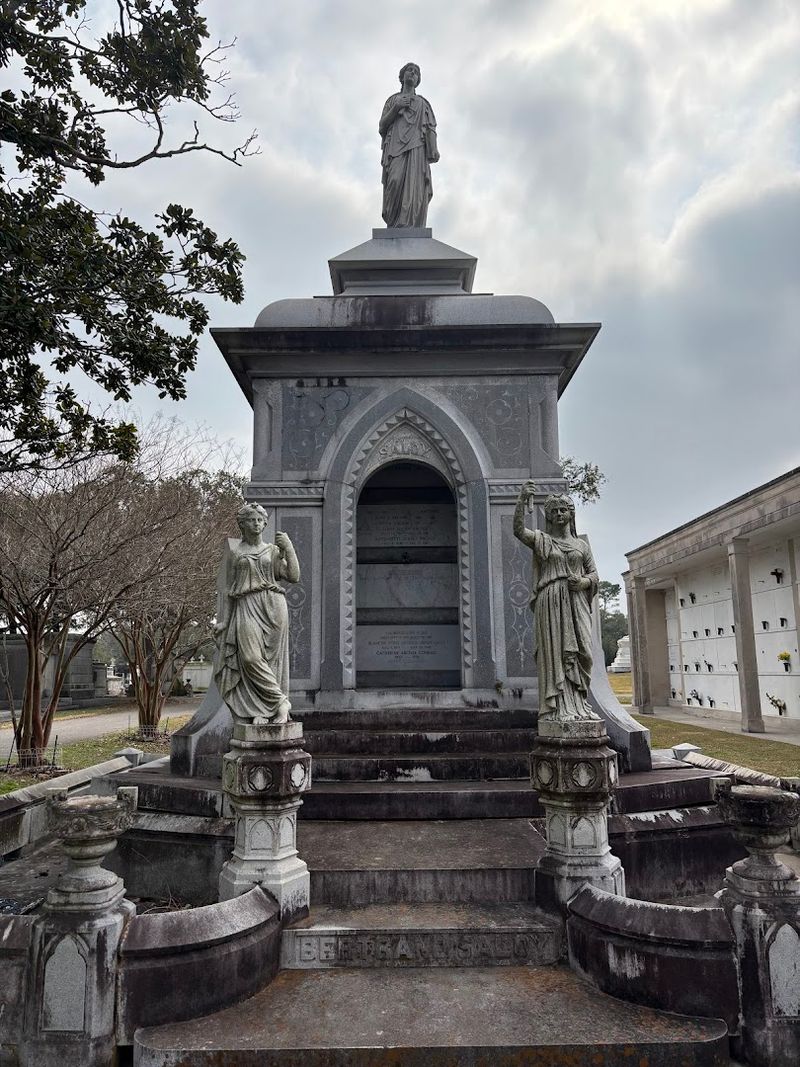
Metairie holds many notable interments: governors, generals, entertainers, and civic figures whose names appear on grand marble and bronze markers.
You can locate monuments to Civil War leaders, Mardi Gras royalty, and cultural figures such as Anne Rice, whose family mausoleum draws literary-minded visitors seeking a quiet moment of reflection.
The site also contains military monuments like the Army of Tennessee equestrian statue and numerous family plots that reveal social histories. Consulting cemetery maps or staff can help you find specific graves, since the grounds are large and identifiers vary by section and family ownership.
Visitor Logistics: Hours, Access, And Getting There
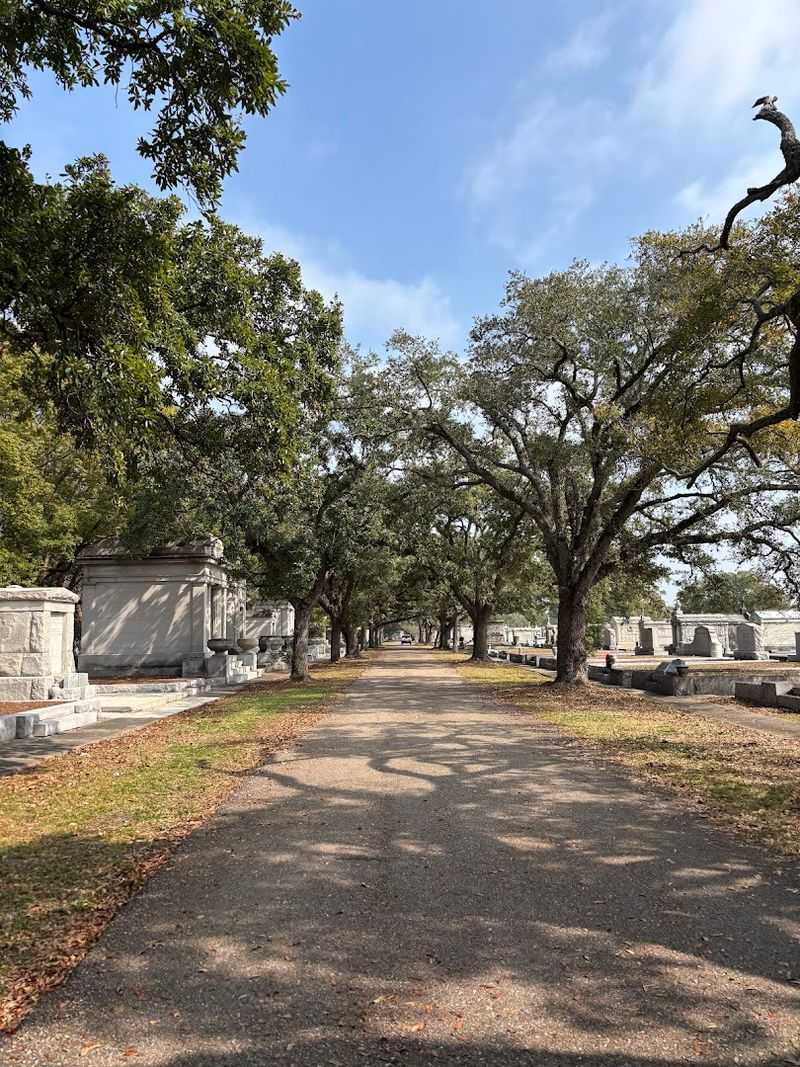
Practicalities matter: Metairie’s gates typically open to the public from morning until late afternoon, and the cemetery offers a large parking area for visitors arriving by car.
While some reviewers mention tricky access from the Cemeteries Transit Terminal, the most comfortable approach is by car or rideshare, especially if you prefer a direct route without sidewalk hazards.
Bring water and sun protection for warmer months, and plan your visit around shade provided by oak groves. Always respect posted rules and family privacy, and consider printing a map or downloading cemetery resources before you go.
Preservation And Wear: What To Notice
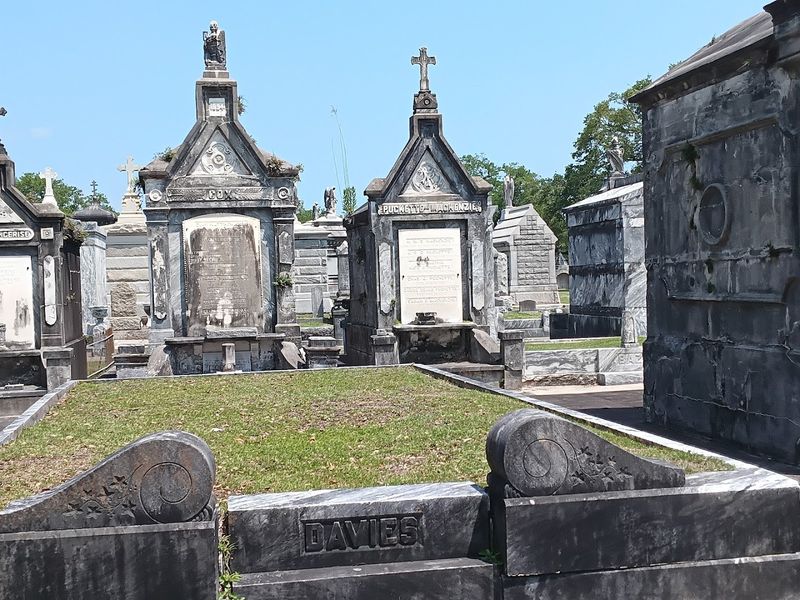
Many monuments show the slow effects of time: crumbling mortar, flaking stucco, and bronze that has taken on verdigris. The cemetery is active and maintained in parts while other family-owned tombs suffer neglect, so you’ll see a mosaic of care levels that tells a story about changing priorities and resources over generations.
Conservation is visible in careful cleaning and occasional repairs, but visitors should not attempt conservation themselves. Photograph details but leave delicate surfaces alone, and if you are curious about restoration efforts ask staff for background or look for plaques that describe past work and benefactors.
Local Culture: Funerary Art And New Orleans Traditions
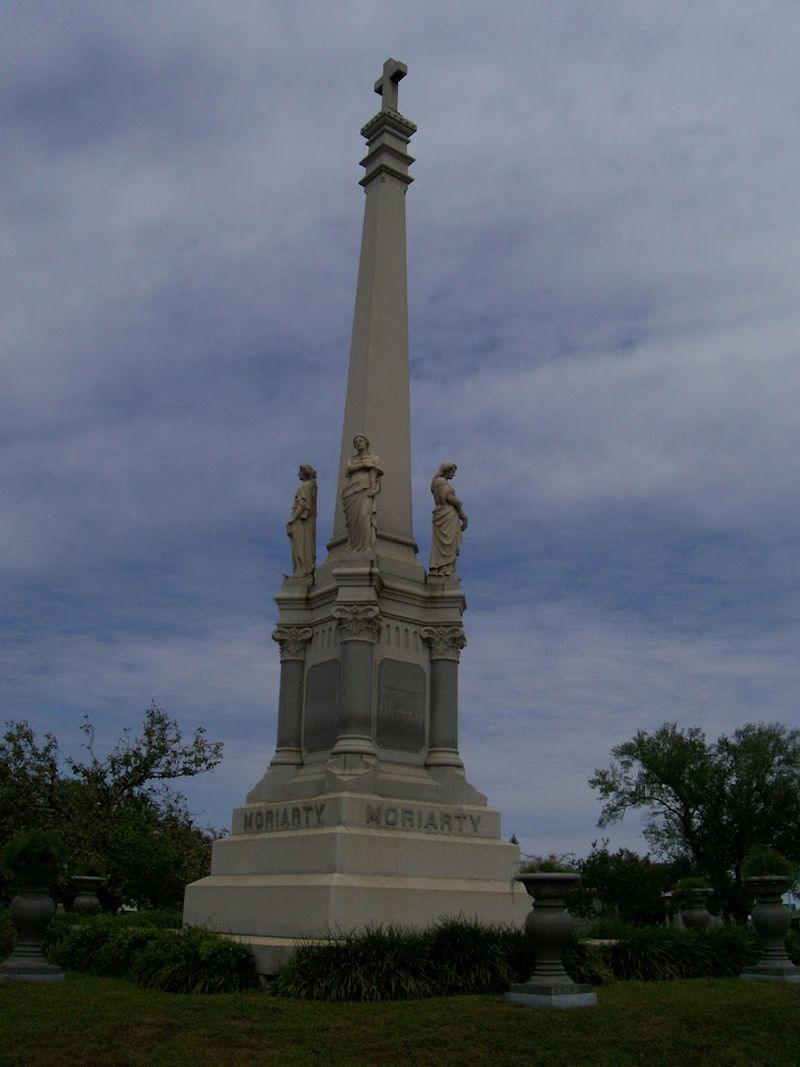
Funerary art here reflects New Orleans’ blend of European taste, American ambition, and regional identity. Families commissioned monuments that echoed temples, pyramids, and memorial statues, expressing status and belief through visual language that visitors can read as cultural text rather than mere ornamentation.
Take time to notice iconography, lilies, obelisks, hourglasses, which signal mourning practices and changing attitudes toward death. The cemetery’s prominence in local traditions, from parades to commemorations, makes it a civic landmark as much as a private resting place.
Best Time To Visit: Light, Season, And Solitude
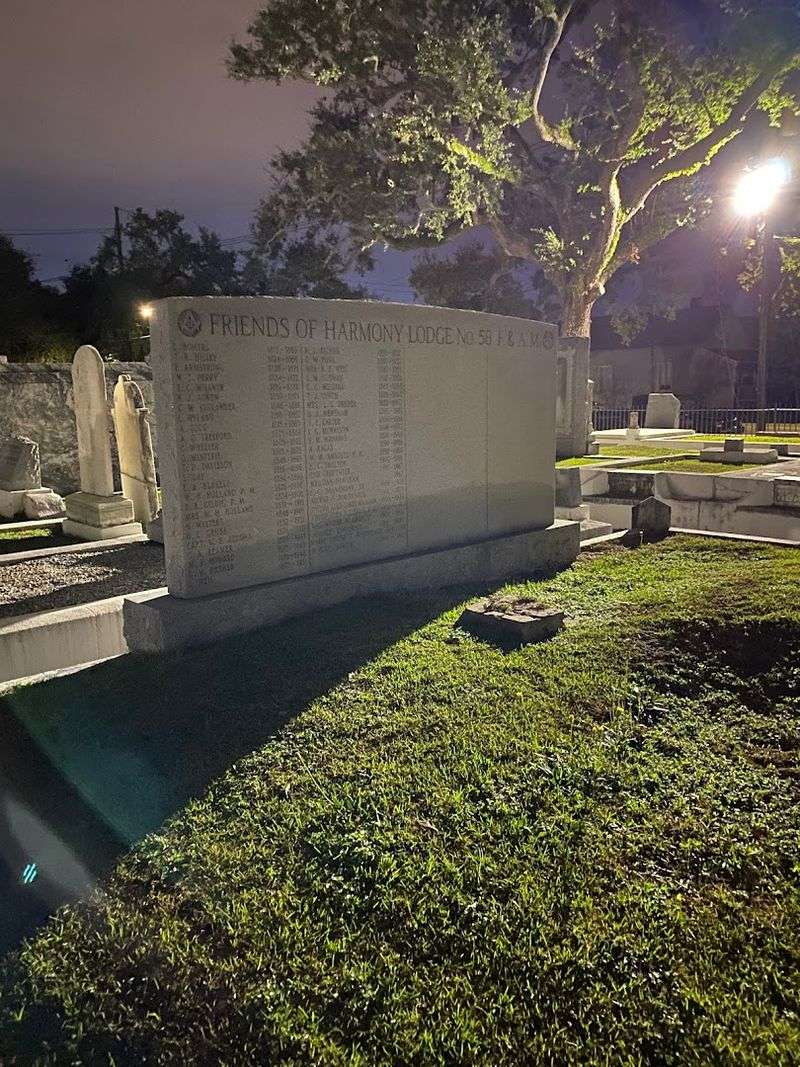
Mornings are ideal for quiet and soft directional light that reveals sculptural detail without harsh shadows; late afternoons work too if you want warmer tones and longer contrasts.
Summer can be hot and humid, so early hours avoid heat and midday glare, while cooler months make walking more pleasant and bring clearer skies for photography.
Weekdays usually offer fewer visitors than weekends, granting more solitude for reflection and unobstructed views of notable tombs. Plan around gate hours and avoid major holidays when access rules may change.
Visitor Etiquette: How To Behave Respectfully
Visiting Metairie requires a gentle mix of curiosity and restraint: respect family spaces, avoid stepping on tomb slabs, and keep voices low. Many tombs are privately owned, so taking photos from respectful distances is appropriate, and always follow posted signage regarding access to mausoleums and fountains.
If you place flowers, use provided vases and do not rearrange memorial items, and if you meet staff or groundskeepers they are a good resource for finding locations and learning rules. Your presence should feel like a courteous visit rather than a spectacle, honoring both history and living families.