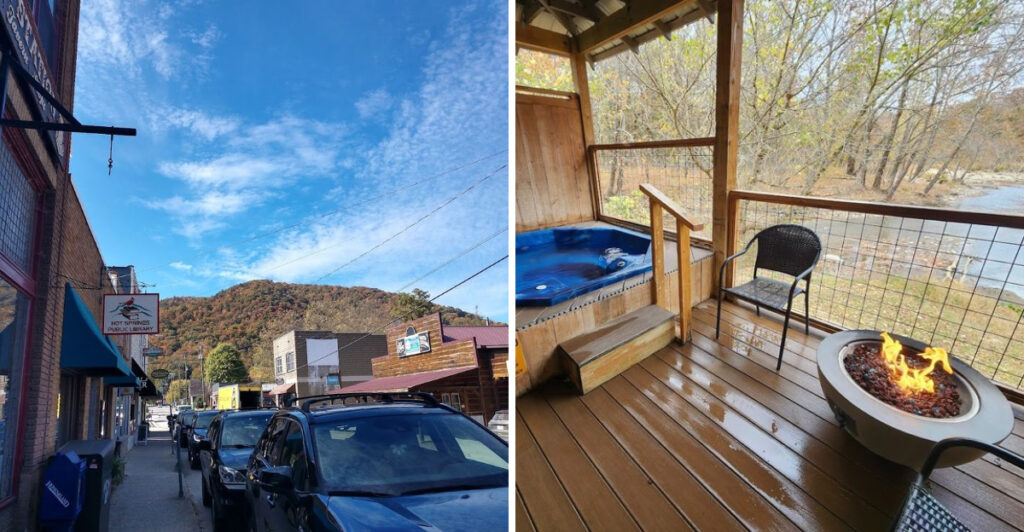
What if the air itself was part of the experience? In a tiny mountain village in North Carolina, it really is.
Clean, clear, and noticeably different the moment you arrive. The kind of air that makes you stop and actually breathe.
This village sits where the French Broad River carves through Appalachian ridgelines pressing in from all directions. The Appalachian Trail literally walks through downtown, bringing hikers, adventurers, and trail energy straight into the heart of the community.
Add natural mineral springs, riverfront camping, and a surrounding national forest, and the picture gets even better. North Carolina mountain towns rarely pack this much into such a compact and wild setting.
If slowing down in the mountains sounds right, this one is worth the trip.
A Mountain Town With Surprisingly Clean Air
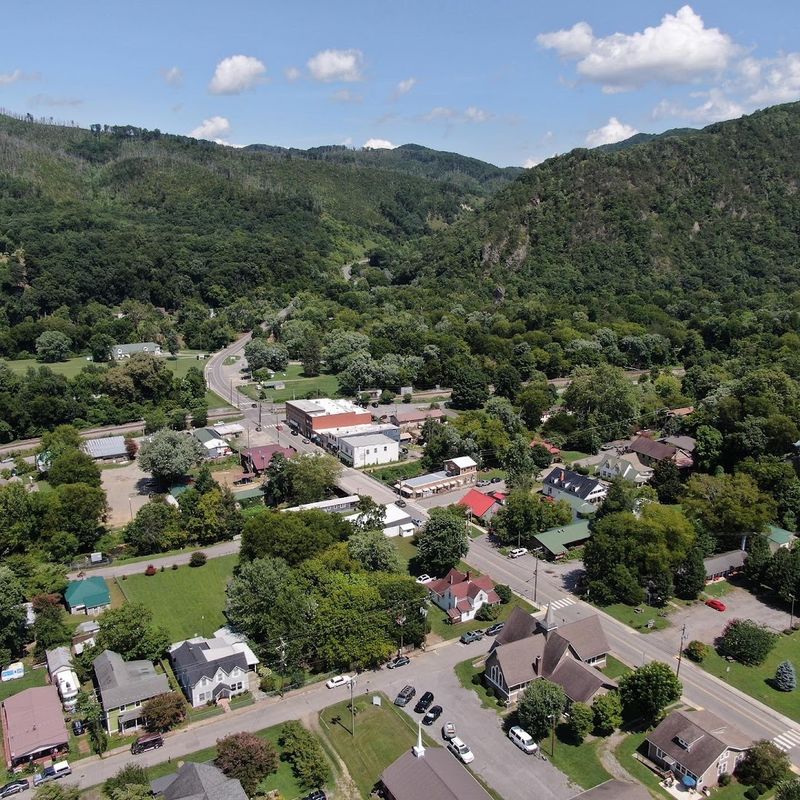
Clean air is not something most people associate with a specific address, but Hot Springs makes it personal. The town sits at roughly 1,378 feet in elevation, cradled by peaks that climb past 4,600 feet in the surrounding Pisgah National Forest.
That geography acts like a natural filter. Air Quality Index readings here regularly fall in the “Good” category, with recorded AQI values as low as 27 on certain days.
Fine particulate matter stays low, and pollutants like ozone and carbon monoxide often register at “Excellent” levels.
Hot Springs, North Carolina, benefits from its sheer remoteness. There is no heavy industry nearby, no dense highway corridor, and no urban sprawl creeping in from the edges.
The mountains hold the clean air in and keep the pollution out. For anyone who has ever stepped outside in a city and felt the grit in the air, breathing here feels like a reset.
It is one of those small details that makes a big impression fast.
Where The Appalachian Trail Meets Main Street
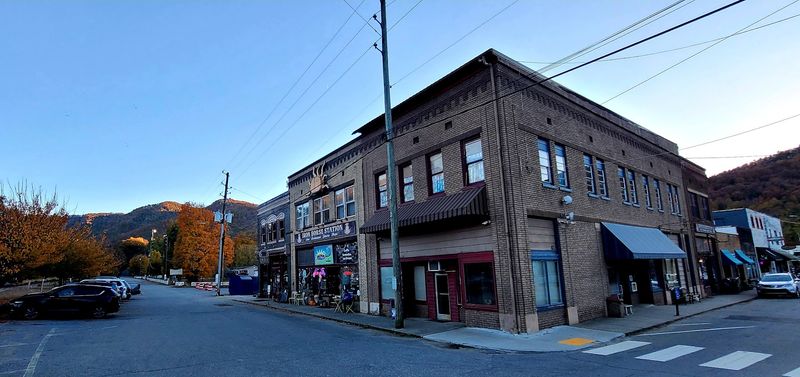
Most trail towns sit near the Appalachian Trail. Hot Springs is one of the rare places where the trail actually walks through downtown.
The famous white blazes lead hikers right past local shops and restaurants, creating a one-of-a-kind energy that few mountain towns can match.
This stretch of the AT passes through Madison County, North Carolina, and draws thru-hikers, weekend warriors, and curious travelers alike. The town becomes a natural resupply stop, a rest point, and a celebration spot all at once.
Hikers peel off their packs and mix with locals in a way that feels genuinely organic.
The trail’s presence shapes the whole character of Hot Springs. Outdoor gear, trail maps, and hiking culture are woven into everyday life here.
Even visitors who have no intention of hiking a single mile feel the contagious energy of people who have walked hundreds of them. It gives the town a pulse that is hard to find anywhere else in the South.
The French Broad River And Its Magnetic Pull
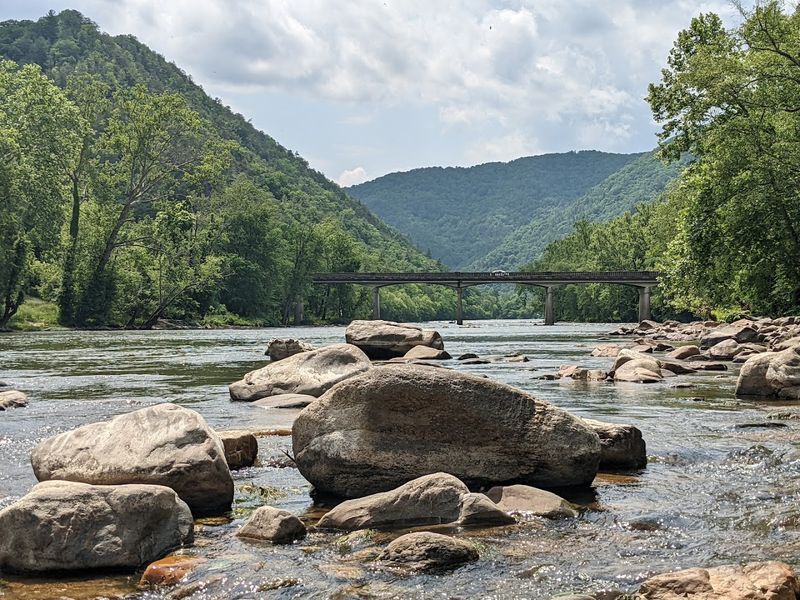
The French Broad River defines Hot Springs completely. It runs along the edge of the community, wide and steady, reflecting the green walls of the surrounding mountains on calm mornings.
The river draws paddlers, swimmers, and anyone who simply wants to sit on a bank and watch the water move. Its presence also feeds the natural mineral springs that made this area famous long before modern tourism existed.
The connection between the river, the springs, and the land is tight and ancient.
Camping along the French Broad is a popular choice for visitors. The riverfront setting adds a layer of beauty that no interior campsite can replicate.
Waking up to the sound of moving water with mountain ridges framing the view overhead is the kind of experience that makes people cancel their return plans. North Carolina has many beautiful rivers, but few run through a setting quite this compact and dramatic.
The French Broad earns its reputation here.
Hot Springs Resort And Spa, The Mineral Soak Experience
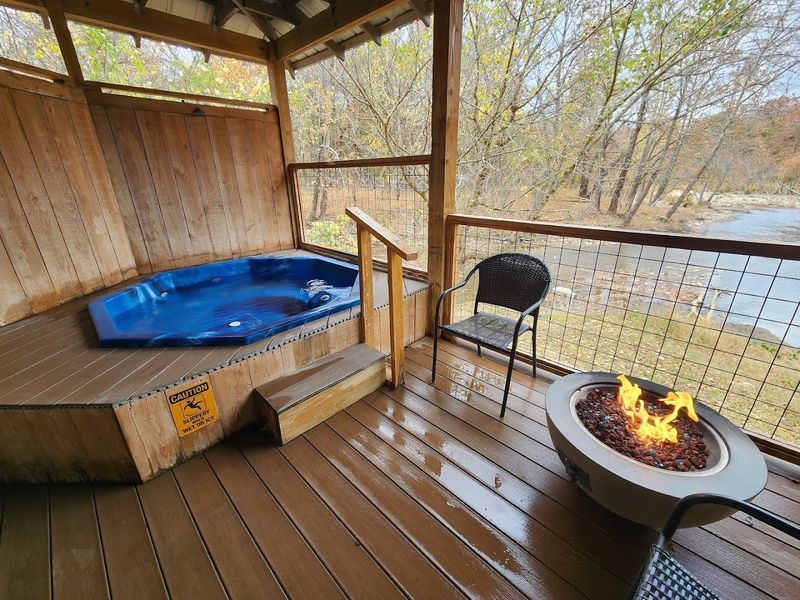
Soaking in natural mineral water with a mountain river flowing nearby is the kind of thing that sounds too good to be true. At Hot Springs Resort And Spa, located at 315 Bridge St, Hot Springs, NC 28743, it is simply Tuesday.
The resort sits on 100 acres along the French Broad River. Private open-air mineral water hot tubs are the main attraction, offered in various cabana styles with views of Spring Creek or the surrounding landscape.
The water comes directly from natural hot springs, carrying minerals that feel noticeably different from a standard soak.
Guests often describe the experience as deeply calming, especially after a long day on the Appalachian Trail. The resort also offers massage treatments and a spa salon for those who want to extend the relaxation.
Cabins and suites are available for overnight stays, many featuring in-room whirlpool tubs. The setting is rustic but intentional, a place built around the idea that nature itself is the best amenity North Carolina can offer.
Madison County’s Wild And Rugged Landscape
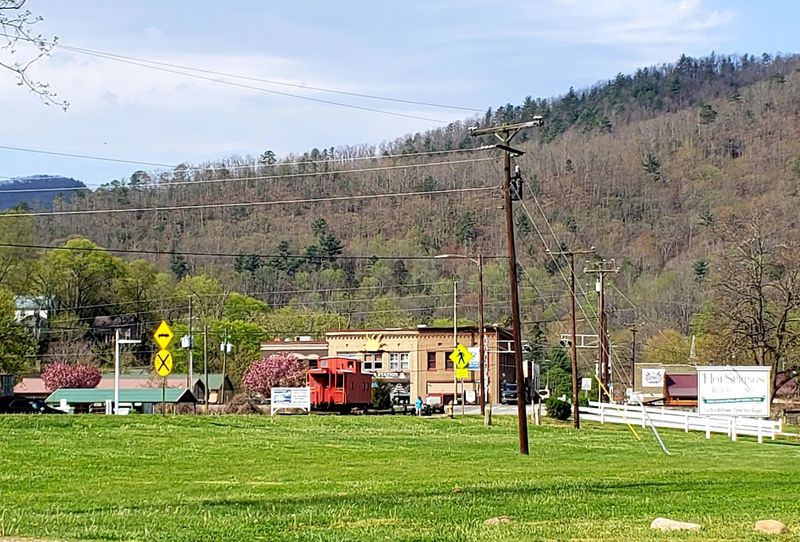
Madison County does not ease you in gently. The landscape hits hard the moment the road starts climbing.
Ridgelines stack behind ridgelines, hollows drop away without warning, and the forest presses close on every side.
Hot Springs sits right in the middle of this terrain, which is part of what keeps its air so clean and its character so intact. The Pisgah National Forest wraps around the town like a protective shell.
Trails branch off in multiple directions, leading to creek crossings, exposed ridge walks, and views that stretch deep into Tennessee on clear days.
The ruggedness is not just visual. Roads narrow, cell service fades, and the sense of genuine remoteness kicks in quickly.
That is not a warning, it is an invitation. North Carolina’s mountain counties have a raw quality that western ranges sometimes lack, and Madison County carries that quality with full confidence.
The land here has not been softened for convenience, and that is exactly the point.
A Climate That Defies Expectations
Summer in the South usually means heat that sits on you like a wet blanket. Hot Springs operates by different rules.
The town’s position in a deep river valley, surrounded by peaks topping 4,600 feet, keeps temperatures noticeably cooler than the lowlands just an hour away.
Asheville sits roughly 45 minutes away, and even that short drive marks a climate shift. Hot Springs runs cooler in summer and benefits from the mountains absorbing the worst of winter’s severity.
It is not immune to cold, but it avoids the brutal exposure that higher elevations experience regularly.
That moderate climate makes the town genuinely comfortable across multiple seasons. Spring brings wildflowers along the trail corridors.
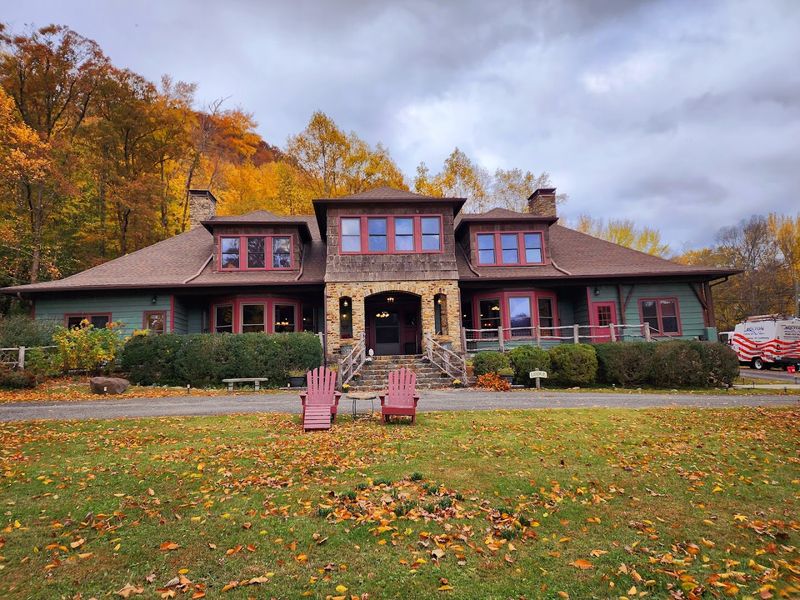
Fall turns the surrounding ridges into a wall of color that photographers chase from across North Carolina and beyond. Even winter has its appeal, with quiet trails and mineral soaks feeling especially rewarding when the temperature drops.
The climate here is one of the town’s quietest but most consistent selling points.
What To Expect From The Town Itself
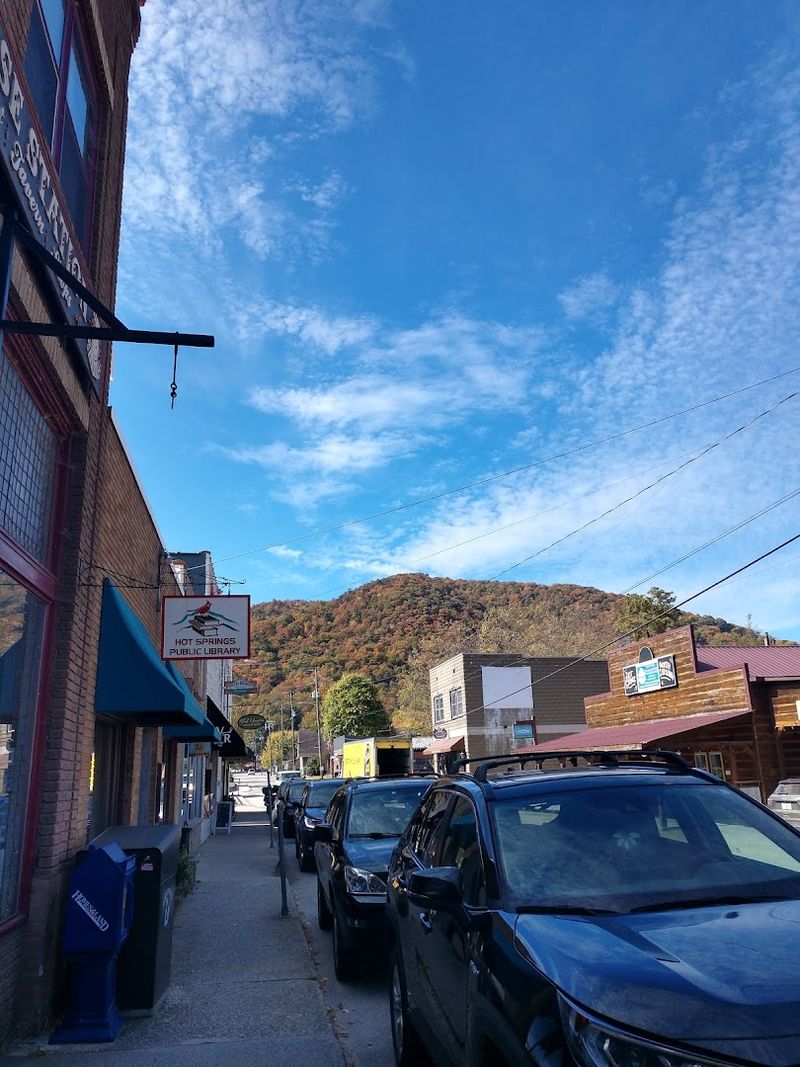
Hot Springs is small, and it makes no apologies for that. With a population hovering around 520 residents, the town fits entirely within a short walk.
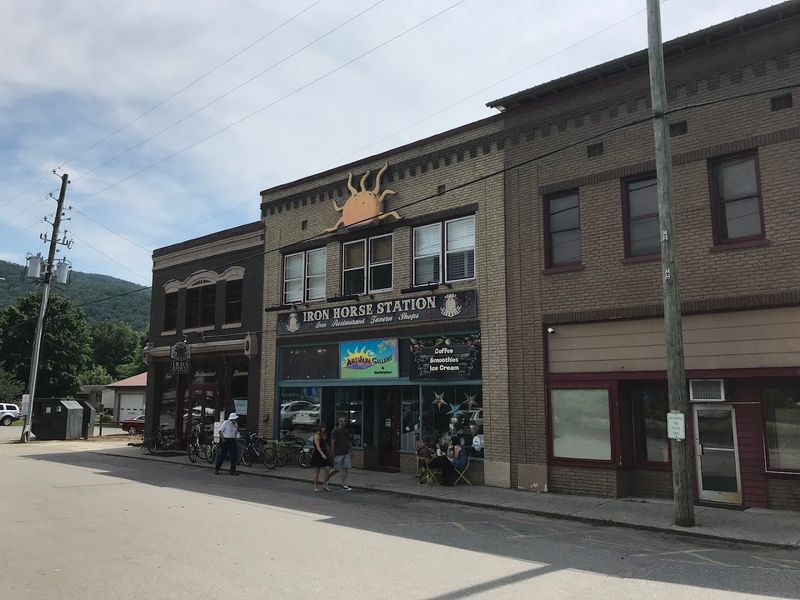
There are local eateries, small shops, and the kind of community feel that larger towns spend years trying to manufacture.
The Appalachian Trail culture gives the main street an energy that keeps things interesting. Hikers roll in with trail dust on their boots and genuine stories to share.
Locals know the rhythm of the trail season and embrace the visitors it brings without losing the town’s unhurried pace.
Visitors should arrive prepared. This is not a place with a grocery store on every corner or a big-box shop within easy reach.
Forgetting something essential means a real drive to find it. That trade-off is worth it for most people who make the trip.
The simplicity of Hot Springs is a feature, not a flaw. North Carolina has flashier mountain towns, but few feel this authentically themselves.
Camping Along The River In The Heart Of The Mountains
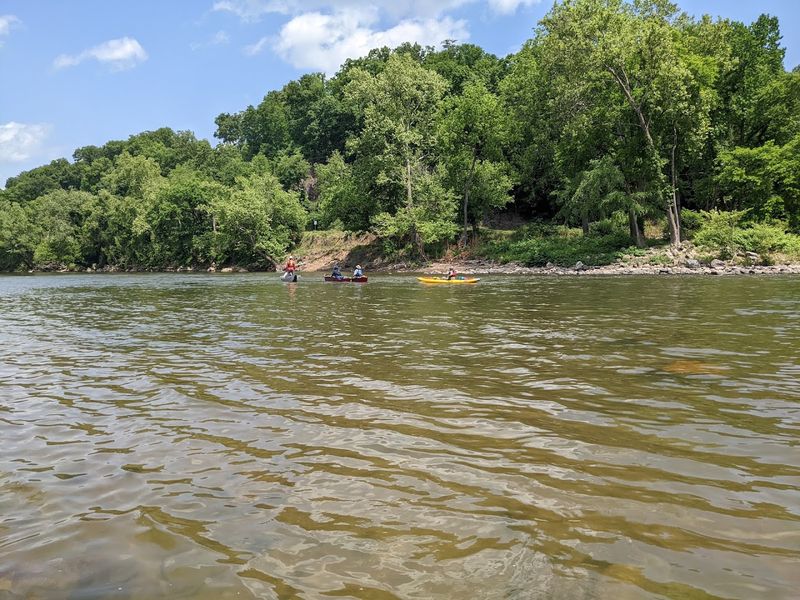
Waking up with a river ten feet from your tent and mountains on every horizon is a camping experience that sticks with you. The campground at Hot Springs Resort sits right along the French Broad, offering sites that put guests as close to the water as possible.
Tent sites with water and power are available, and the riverfront setting more than compensates for the basic facilities. The river itself is genuinely beautiful, moving steadily past mossy banks with the sound of water filling the air at all hours.
Evening campfires along that stretch feel earned in a way that manicured campgrounds rarely deliver.
The campground has been working through recovery following Hurricane Helene, and improvements continue at a steady pace. The core appeal, that river view and mountain backdrop, remains completely intact.
For campers who prioritize natural setting over resort-level amenities, this is exactly the right trade. North Carolina’s western mountains offer serious camping country, and Hot Springs delivers a front-row seat to all of it.
The History Soaked Into Every Corner
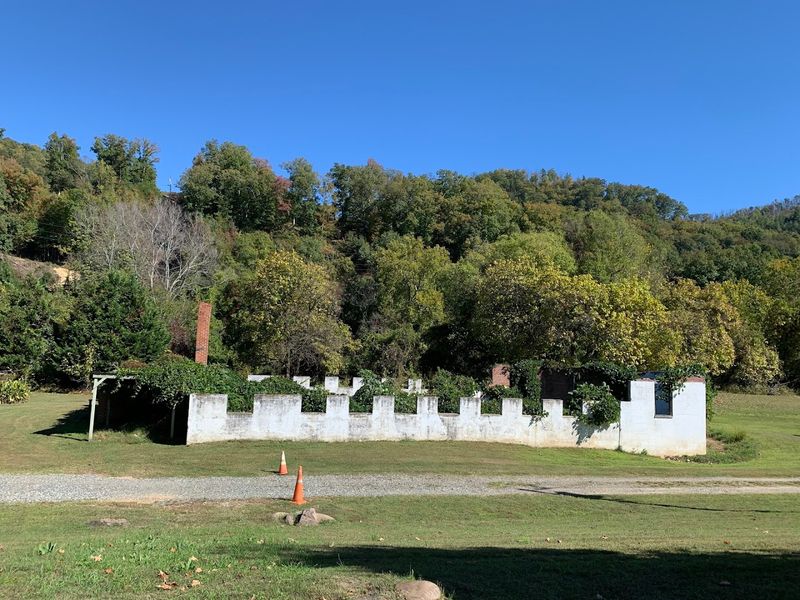
Hot Springs has layers that go far deeper than its current quiet profile suggests. Long before modern wellness culture discovered mineral springs, this valley was already drawing visitors from across the region.
A grand resort once operated here, pulling guests in by train from cities across the Southeast.
The old entrance to that historic resort is still visible if you know where to look. Stone foundations and architectural remnants sit quietly on the property, offering a glimpse into a time when Hot Springs was a serious destination with a capital D.
The railroad tracks that once carried fashionable travelers now carry freight, but the ghosts of that era linger.
That history adds weight to the experience of visiting. The mineral springs were not discovered by a travel blogger or a wellness brand.
They have been drawing people to this corner of North Carolina for generations, long before wellness was a trend. Understanding that context makes every soak feel a little more meaningful and a lot more rooted in something real.
Tips For Making The Most Of Your Visit
Planning ahead pays off in Hot Springs. Mineral bath reservations at the resort fill up quickly, especially on weekends and during peak hiking season.
Calling ahead is strongly recommended, and the staff is generally described as helpful and accommodating when contacted directly.
Bring your own towels for the mineral baths, as they are not always provided depending on the package chosen. Snacks and non-glass beverages are welcome in the tub areas, which makes the experience feel relaxed and personal rather than strictly formal.
Cell service in the valley is limited, so downloading maps and confirming reservations before arrival saves real headaches.
The best seasons to visit are spring and fall, when trail conditions are ideal and the temperatures make outdoor time genuinely comfortable. Summer works well too, especially given the cooler mountain climate.
North Carolina’s mountain towns attract serious crowds in October, so booking accommodations early during fall color season is simply smart planning. Hot Springs rewards the visitors who show up prepared and ready to slow down.