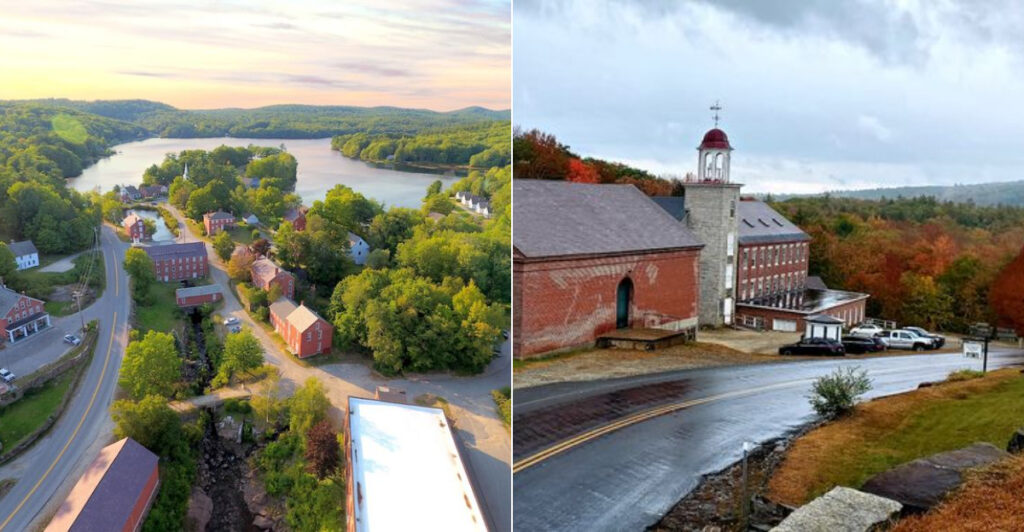
Not every historic village in New England has actually survived. This one in New Hampshire has, and it looks almost exactly as it did in the 1800s.
What does a fully intact 19th-century mill village look like in real life? Brick buildings that went up between 1820 and 1870, still standing and still in use.
A pond that mirrors those same walls at golden hour.
A general store that has been open since 1838. A weaving studio still operating inside the original mill buildings where industrial looms once roared.
This is not a restoration or a recreation. The Monadnock region of New Hampshire is home to what historians consider the best-preserved textile village in the country, and it earned that designation simply by never being torn down.
A Village Frozen In Time
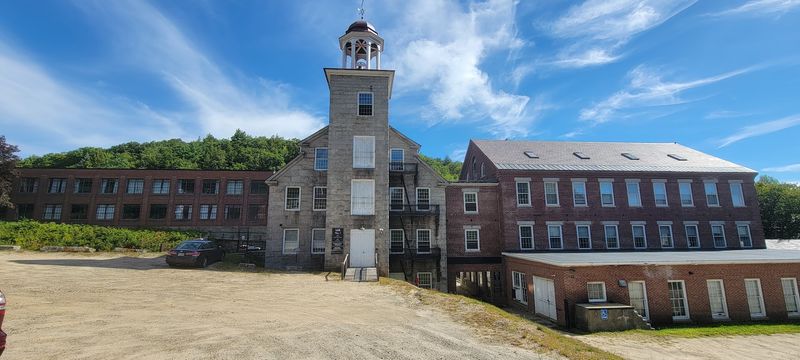
Most villages this old have been renovated beyond recognition. Harrisville, New Hampshire decided to keep things exactly as they were, and the result is extraordinary.
The entire village looks as it did before the Civil War. Brick mill buildings, worker cottages, and owner residences still line the streets in their original form.
In 1977, the village received National Historic Landmark status. That designation is not handed out easily, and Harrisville earned it honestly.
The architecture spans Georgian, Federal, and Greek Revival styles. Walking from one end of the village to the other feels like flipping through a living history textbook.
What makes this place so rare is that nothing was rebuilt for tourists. The preservation happened organically, driven by people who genuinely cared about what they had.
Historic Harrisville, the nonprofit organization founded in 1971, stepped in after the mills closed. They acquired and maintained the buildings so the village would not disappear.
Visitors say they feel an immediate sense of calm when they arrive. The scale of the village is small, human, and unhurried.
Can you imagine finding a place this intact just a short drive from the highway? That question answers itself the moment you turn onto the village road and see it for the first time.
The Mills That Built Everything
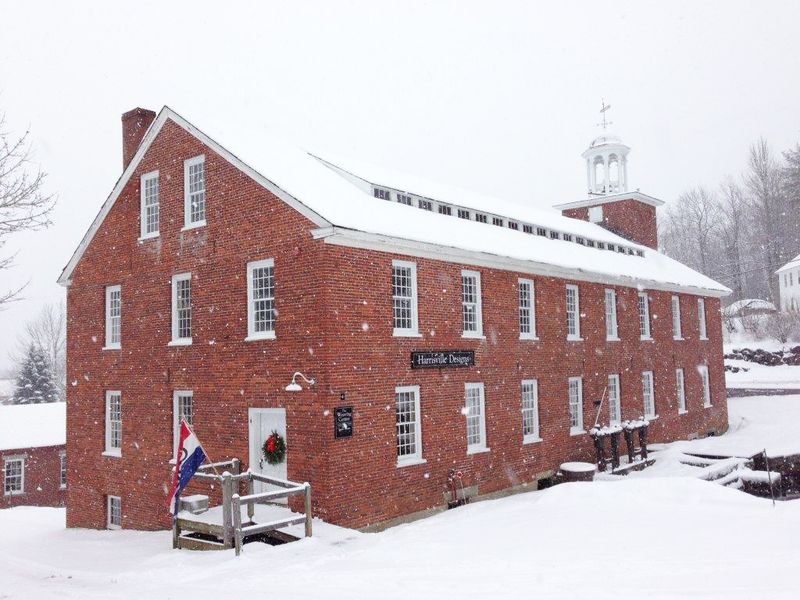
Water made this village possible. The streams and ponds of the Monadnock region powered the woolen mills that kept Harrisville alive for over a century.
The mills began operating in the early 1800s and did not stop until 1970. That is roughly 160 years of continuous wool production in one small New Hampshire village.
The brick mill buildings still stand with impressive confidence. Their thick walls and wide windows were built to last, and they have proven that point without argument.
Workers lived in boarding houses just steps from the mill floor. Owners had their own residences nearby, making the entire village a self-contained industrial community.
The canal that once carried water to power the mills is still visible. Standing beside it today, you can almost hear the machinery that once hummed through these walls.
After the mills closed, the story did not end. Harrisville Designs opened in 1971 and continues to produce wool yarn and hand looms inside the same historic mill buildings.
Visitors say watching skilled craftspeople work with wool in a 200-year-old building is genuinely moving. The craft and the space feel made for each other.
Have you ever stood in a building where the original purpose is still being honored? That is exactly what you get when you visit the mills of Harrisville, New Hampshire.
Harrisville Pond Views
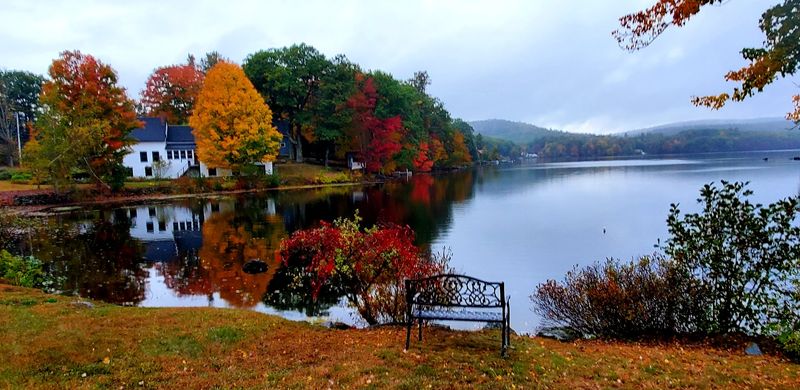
Some views stop you mid-step. The reflection of the old brick mill buildings in Harrisville Pond is one of those views, and it does not disappoint at any time of year.
In autumn, the surrounding foliage turns the scene into something almost unreal. The reds and oranges double in the still water, and the brick buildings anchor the whole composition.
In winter, a dusting of snow on the rooftops adds another layer of quiet beauty. The pond sometimes ices over, turning the whole scene into something from an old New England painting.
Spring brings soft green reflections and the sound of water moving through the canal again. The village wakes up slowly, and the pond is the first thing that seems to notice.
Summer evenings are particularly magical here. The light falls low across the water, and the brick walls catch a warm glow that photographers travel far to capture.
The pond is not just a backdrop. It is central to the identity of Harrisville, New Hampshire, and has been since the first mills were built along its banks.
Visitors say no filter is needed when photographing this spot. The scene provides everything on its own.
What would your perfect New Hampshire morning look like? For a lot of people, it starts right here at the edge of this pond with a clear sky above and history all around.
The 1838 General Store
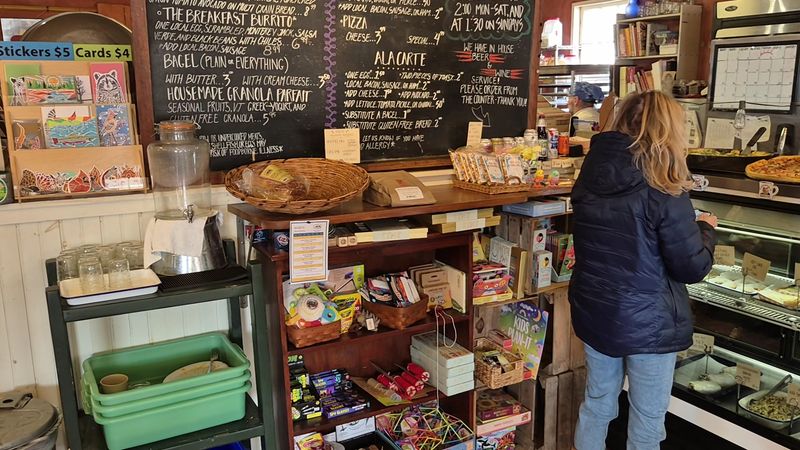
Not many stores can say they have been open since 1838. The Harrisville General Store can, and it wears that history with a comfortable kind of pride.
The store has been serving the community for nearly two centuries. It predates most things people consider old, and it still functions as a real shop for real people.
Walking inside feels like a reward for making the trip. The shelves hold practical items alongside locally made products, and the atmosphere does all the storytelling without a single sign telling you to appreciate it.
The building itself is part of the village’s protected historic fabric. It fits seamlessly into the streetscape, which means the whole block still reads as 19th century from one end to the other.
Locals stop in regularly, which tells you something important. A store that has lasted this long does so because it genuinely serves the people around it.
Visitors say the store feels like a friendly anchor for the whole village experience. It is the kind of place where you buy something small just to have a reason to linger.
New Hampshire has plenty of charming small towns, but a continuously operating store from 1838 is not something you find everywhere.
Could you resist stepping inside a shop that has been open longer than most countries have had their current borders? That is the kind of history you can actually hold in your hands here.
Harrisville Designs Weaving Studio
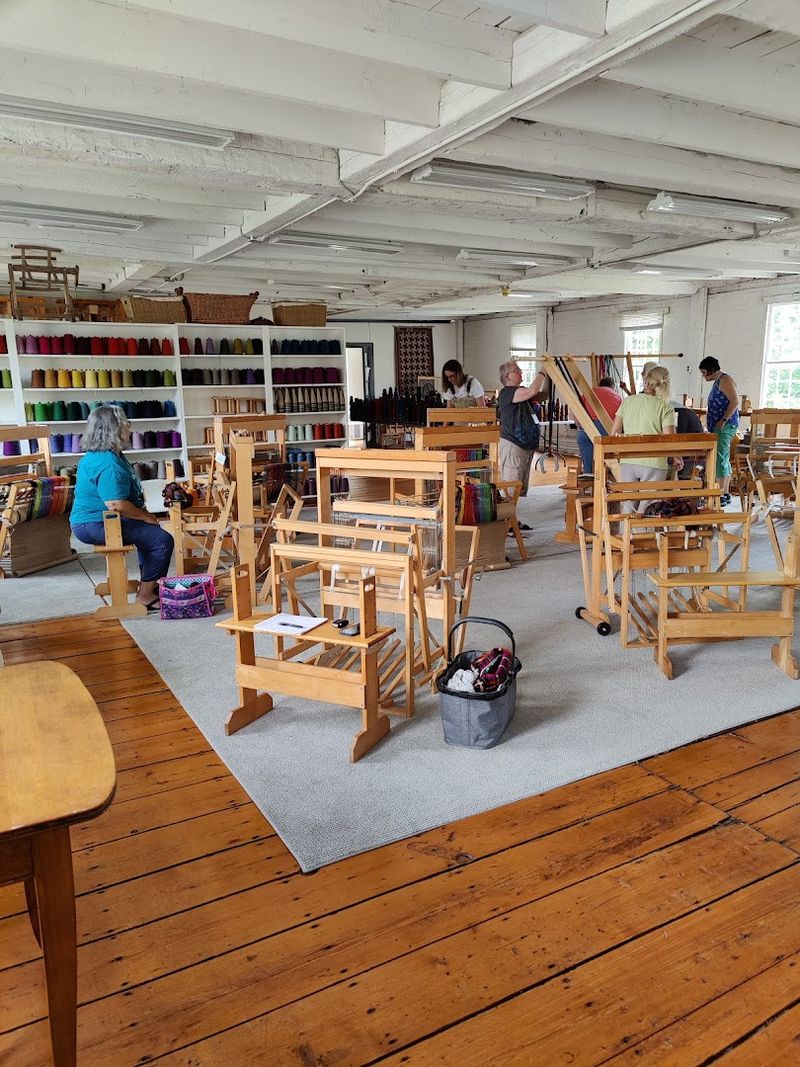
There is something deeply satisfying about watching someone create fabric by hand. At Harrisville Designs, that satisfaction is available to visitors who want more than just a walk-through.
Founded in 1971, Harrisville Designs has kept the wool tradition alive inside the very mill buildings where industrial weaving once roared. The scale changed, but the craft did not.
The studio produces wool yarn and hand looms that are sold to weavers across the country. People come here specifically to buy materials they cannot find with the same quality elsewhere.
Classes and workshops are offered for those who want to try weaving themselves. A visitor who arrived knowing nothing about looms has left with a finished project more than once.
The colors of the yarn are worth the visit alone. Rich, saturated tones fill the shelves, and the combination of old brick walls and vibrant wool creates a visual experience that photographs beautifully.
Visitors say the staff are knowledgeable and genuinely passionate about their craft. That enthusiasm is contagious, even for people who came in just to browse.
New Hampshire is known for its independent spirit, and Harrisville Designs embodies that fully. This is a business that chose tradition over convenience and has been rewarded for it.
Have you ever left a shop with something handmade that you actually understand how to use? That is the kind of souvenir Harrisville Designs sends you home with.
Walking The Village Streets
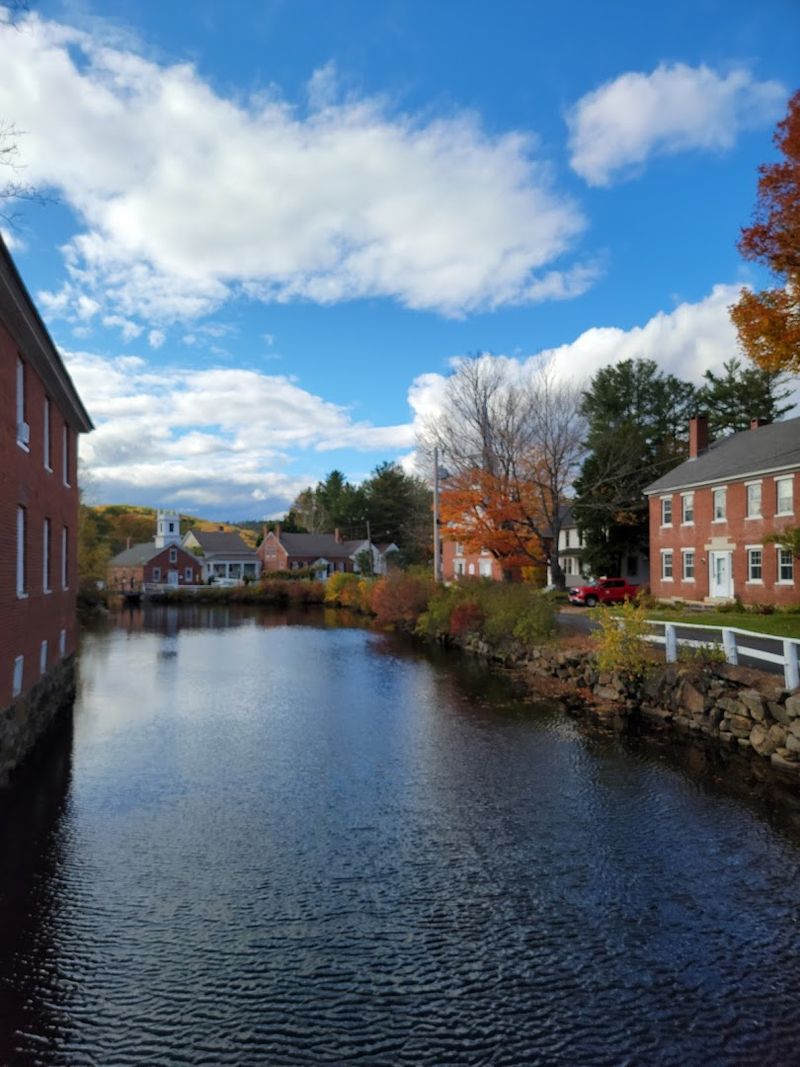
The best way to understand Harrisville is to walk it slowly. The village is compact enough to cover on foot in an afternoon, but rich enough to reward every slow step.
The streets are quiet in a way that city visitors find genuinely surprising. No traffic noise, no crowds, no digital billboards competing for your attention.
Each building has a story attached to it. The worker cottages sit close to the mills, which tells you exactly how life was organized here in the 1800s.
The owners’ residences are slightly more spacious, positioned with a clear view of the operation they oversaw. That social geography is still readable in the layout of the streets today.
The brick sidewalks and original road patterns have been maintained with care. Walking on them gives you a physical connection to the people who walked the same routes generations ago.
Visitors say the village feels respectful of its own past without being stiff or museum-like. It is lived-in, which makes all the difference.
New Hampshire does not lack for scenic walks, but a walk through Harrisville offers something different. Every building is a primary source, not a reproduction.
What would you notice first, the architecture, the silence, or the way the light moves through the old windows? Come and find out which one catches you off guard.
Best Time To Visit
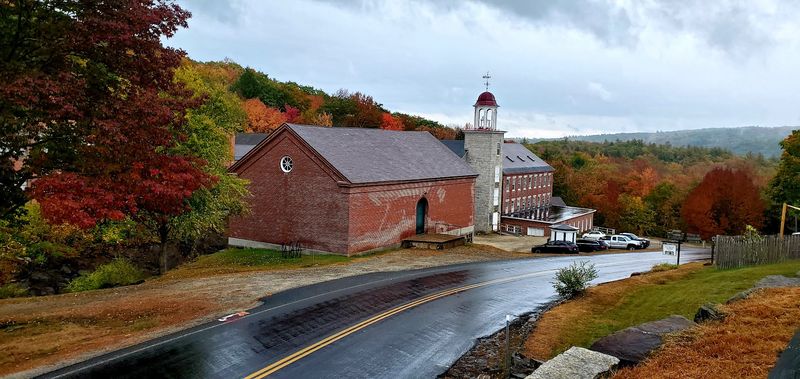
Timing a visit to Harrisville, New Hampshire can make a big difference in what you experience. Each season brings something genuinely distinct to this already remarkable place.
Autumn is the most popular season, and for good reason. The foliage in the Monadnock region turns vivid in late September and October, and the contrast against the red brick buildings is striking.
The pond reflects the fall colors in a way that makes every photograph look professionally composed. Visitors say autumn weekends fill up quickly, so arriving early in the day is a smart move.
Spring offers a quieter version of the village. The crowds thin out, the light is soft, and the canal water runs with energy after the winter thaw.
Summer brings long days and green surroundings that frame the brick buildings in a completely different palette. The village is never rushed, but summer evenings here feel especially unhurried.
Winter visits are underrated. A light snowfall turns the whole village into something from a 19th-century illustration, and the stillness is even more pronounced than usual.
New Hampshire winters can be cold, so layering up is practical advice for any December or January visit. The reward for the cold is a nearly private experience of one of the most preserved villages in the country.
Which season speaks to you most? Whatever your answer is, Harrisville has a version of itself ready to match it.
Getting There And Around
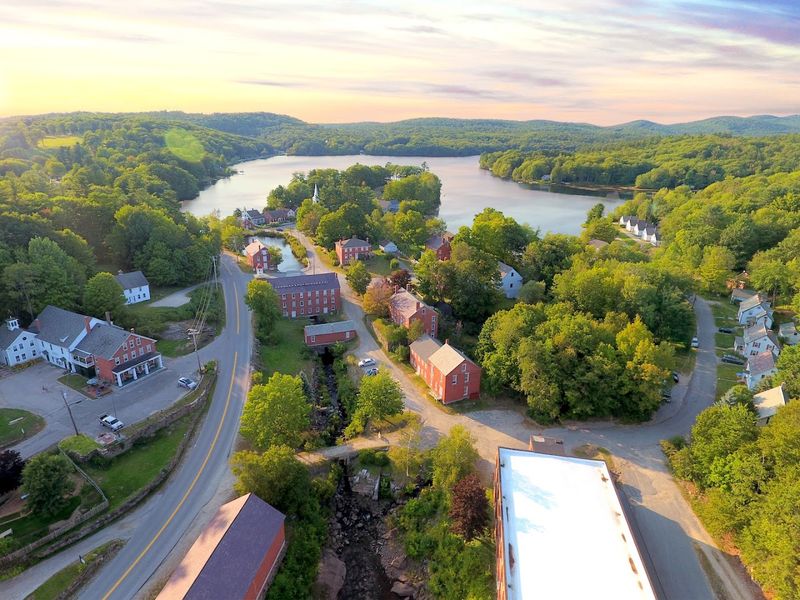
Harrisville sits in Cheshire County in the Monadnock region of southern New Hampshire. It is not on a major highway, which is actually part of what kept it so well-preserved.
The nearest larger town is Keene, New Hampshire, approximately 10 miles to the west. Keene offers accommodation options, restaurants, and services that Harrisville itself does not have in large supply.
The drive from Keene to Harrisville takes about 25 minutes on Route 101 and local roads. The route itself is scenic, passing through rolling hills and forested stretches that set the mood perfectly.
From Manchester, New Hampshire, the drive is approximately 70 miles and takes around 90 minutes. From Boston, Massachusetts, plan for roughly two hours depending on traffic.
Parking in the village is simple and free. The compact size of Harrisville means you can leave your car in one spot and explore everything on foot without needing to move it.
There is no public transportation to Harrisville, so a car is the practical choice. Road tripping through the Monadnock region is genuinely enjoyable, and Harrisville pairs well with other nearby stops.
Visitors say the drive in is part of the experience. The moment the brick buildings appear through the trees, you understand why people make the trip.
Ready to plan the route? New Hampshire roads in this region are well-maintained and easy to navigate, making the journey as pleasant as the destination.