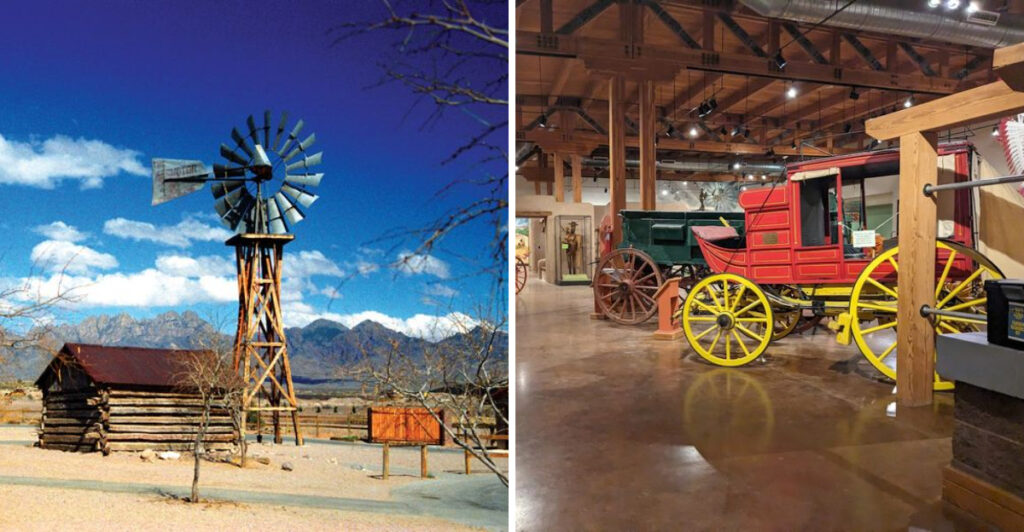
Here is what makes this place work: the history does not sit still. It moves through the animals and the stories behind everyday survival.
Four thousand years on one campus sounds like a huge subject, yet the visit feels easy to follow. I spent more time there than planned because each area added something useful to the picture.
Nothing felt cold or overly polished. The past felt human, which is what made it interesting.
You can bring kids and still enjoy it as an adult. You can love history or simply want a stop that gives the day more meaning.
Either way, this is the kind of place that turns a travel plan into a memory you keep talking about later. Keep reading to see why it deserves a spot on your New Mexico itinerary, especially when you want more than a pretty view on the road this time around.
Desert Views And Ranchland Trails
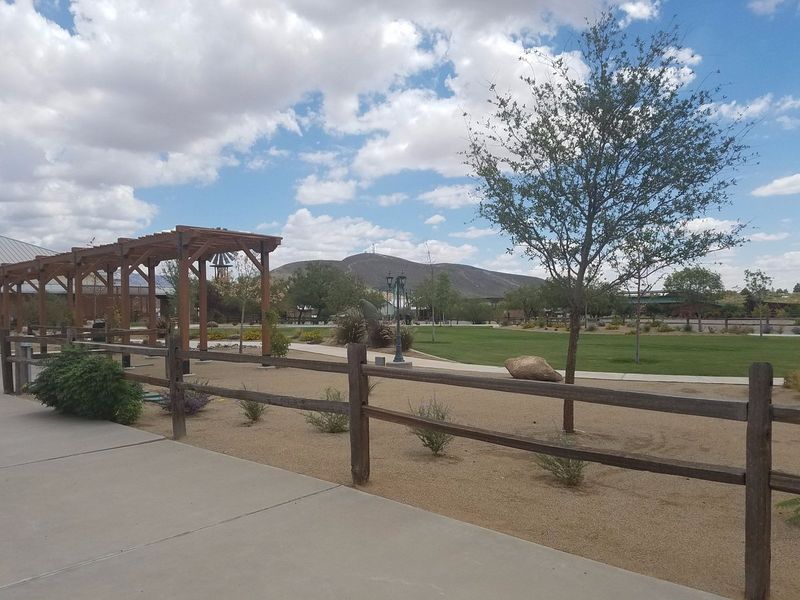
My first steps onto the outdoor grounds told me immediately that this was no ordinary museum visit.
The ranchland trails at this campus stretch across a 47-acre property, offering a surprisingly immersive walk through open desert terrain that feels both wild and carefully tended at the same time.
Dry grasses catch the light in ways that make the landscape glow, and the surrounding high desert air carries that particular clean sharpness that only southern New Mexico can deliver.
The trails connect different sections of the campus, guiding visitors past working barns, animal enclosures, and outdoor exhibit areas without ever feeling crowded or rushed.
I found myself slowing down on those paths, noticing small details like antique fence posts and weathered signage that quietly told stories of generations past.
Practical tip: the grounds are best explored in the morning before the desert sun climbs too high, especially during warmer months.
Every turn on the trail reveals a new angle of the surrounding landscape. The New Mexico Farm and Ranch Heritage Museum at 4100 Dripping Springs Rd, Las Cruces, NM 88011 rewards every patient step you take along the way.
Sunlit Barns And Open Corrals
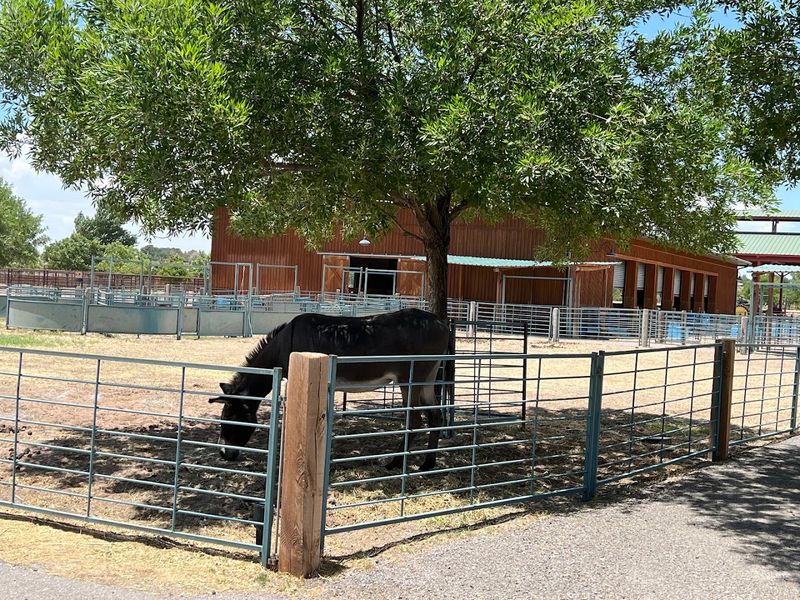
Stepping into the barn area felt like flipping back the pages of a well-worn history book, except the smell of hay and the sound of animals made it completely real.
The barns on the museum campus are genuine working structures, not decorative replicas, and that authenticity comes through in every weathered plank and hand-worn latch.
Open corrals sit alongside the barns, giving visitors a clear view of livestock going about their daily routines in a relaxed and natural setting.
I watched a group of kids press up against the fence rails, wide-eyed and completely absorbed, as sheep moved calmly through the corral just a few feet away.
The barn interiors hold additional context through posted information and artifacts, so the experience balances hands-on observation with genuine learning.
Several breeds of animals call this campus home, and the variety keeps the energy lively no matter which section of the corrals you wander into.
Families with young children will find this area especially rewarding, since the animals are close enough to observe in real detail without any barriers blocking the view.
Longhorns Beneath Big Skies
Nothing quite prepares you for the moment you lock eyes with a longhorn cattle breed for the first time up close.
The museum keeps seven different breeds of beef cattle on its grounds, and the longhorns are a particular crowd favorite, standing tall and unhurried beneath the enormous sky.
Those impressive horns stretch out with a kind of quiet authority that makes you understand immediately why early ranchers both respected and relied on these animals across the open range.
I stood at the fence for longer than I expected, watching the herd shift slowly across the pasture while the Organ Mountains formed a dramatic backdrop behind them.
The museum uses its cattle collection to illustrate real chapters of New Mexico ranching history, connecting the animals you see today to the Anglo, Spanish, and Indigenous traditions that shaped livestock culture across the region.
Informational signage near the cattle areas provides breed-specific details that add depth to the experience without overwhelming casual visitors.
Seeing those longhorns move freely across open land under that wide desert sky is one of those unexpectedly moving moments that stays with you long after you leave.
Heritage Gardens In The Dry Light
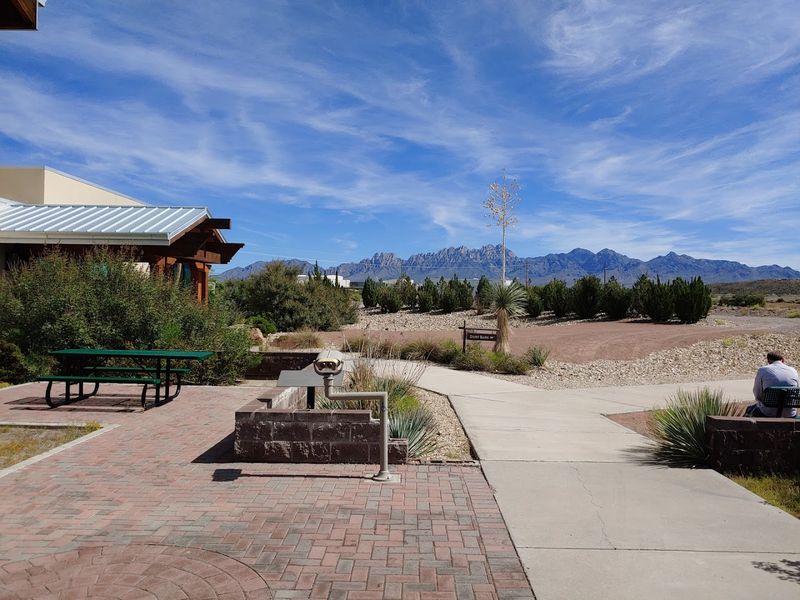
A garden that survives and thrives in the high desert says something important about the people who planted it.
The heritage gardens at the museum reflect centuries of agricultural knowledge developed by Indigenous, Spanish Colonial, and Anglo farming communities, each of whom found ways to coax life from dry soil.
Walking through the garden sections, I noticed how the plant varieties on display were chosen specifically to represent the crops and growing methods that fed families across very different historical periods.
The dry light of the Chihuahuan Desert gives everything a warm, almost amber quality that makes the garden feel quietly dramatic, especially in the late morning hours when shadows are still long and soft.
A greenhouse on the property supports additional plant cultivation, and while access may vary depending on the day, the outdoor garden areas alone offer plenty to explore and appreciate.
The gardens also serve as a gentle reminder that farming in the Southwest was never easy, and the ingenuity required to make it work across generations deserves genuine admiration.
Few spots on the campus felt as quietly reflective as the garden paths, where the connection between land and labor becomes almost tangible.
Historic Tools And Quiet Galleries
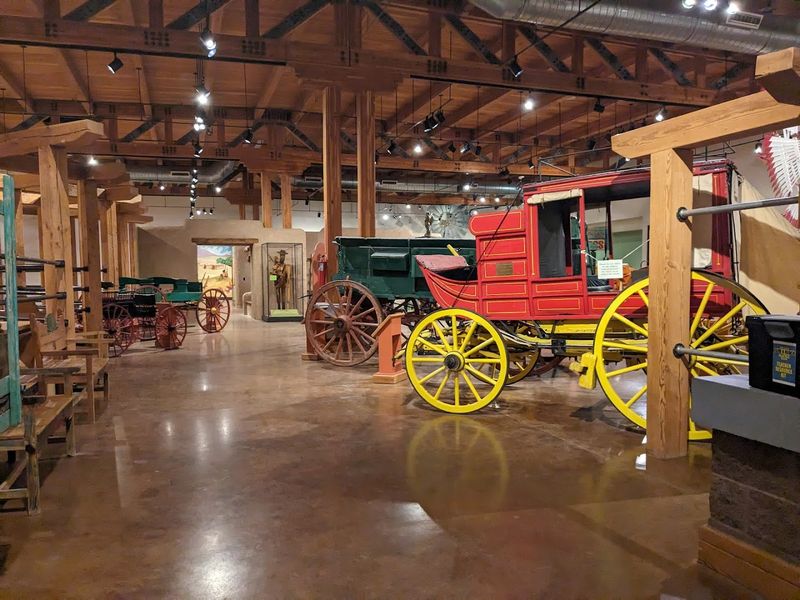
The indoor galleries hold a kind of calm that contrasts beautifully with the lively outdoor sections of the campus.
More than 24,000 square feet of exhibit space fills the main building, named after former New Mexico Governor Bruce King. The collection inside covers an astonishing range of farming and ranching history spanning four millennia.
I spent a long stretch of time in the tool and equipment sections, where antique implements tell stories of physical labor, seasonal rhythms, and the slow evolution of agricultural technology across New Mexico.
One of the most unexpectedly captivating displays was the saddle-making exhibit, which breaks down an art form I had never previously considered in any real depth, revealing just how intricate and skill-intensive the craft truly is.
The galleries also include a dedicated theater and a library, giving visitors options beyond the standard walk-through format.
Exhibits like “Her Land: Women in Agriculture” and “Riding Herd with Billy the Kid” add cultural texture that goes well beyond simple tool displays.
The museum holds accreditation from the American Alliance of Museums, the highest national honor in the field, and the quality of the gallery curation makes that recognition feel entirely well-earned.
Mountain Views From The Grounds
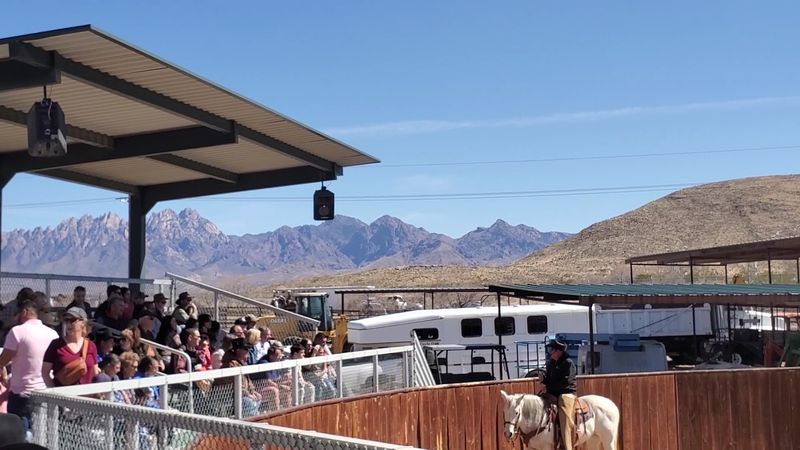
Few museum visits come with a mountain range as a built-in backdrop, but this one does, and it earns every bit of the scenery.
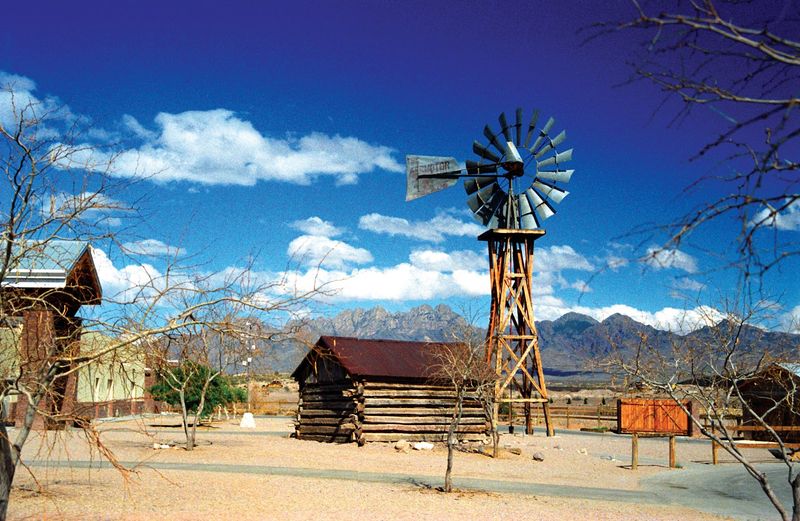
The Organ Mountains rise sharply to the east of the museum campus, their jagged peaks forming one of the most distinctive skylines in all of southern New Mexico.
From various points across the 47-acre grounds, those peaks frame the livestock areas, the barns, and the garden sections in a way that makes every photograph feel almost effortlessly composed.
I found myself stopping at unexpected moments during my walk, not because of an exhibit or an animal, but simply because the view had shifted and the mountains had caught a new angle of light.
The combination of open ranchland, working farm structures, and that dramatic geological backdrop creates a sense of place that feels deeply specific to this corner of New Mexico.
Visiting in the morning offers the clearest mountain views, before midday haze softens the sharp edges of the peaks.
The landscape alone makes a strong case for arriving early and giving yourself enough time to simply stand still and take in what surrounds you on all sides.
Frontier Stories In Warm Interiors
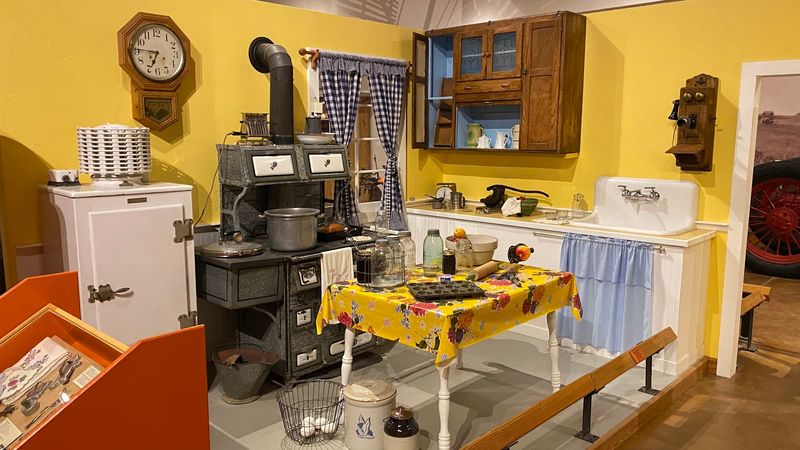
History has a way of feeling abstract until you walk into a room that reconstructs it with real care and detail.
The museum’s interior exhibits do exactly that, using immersive recreations to bring frontier life in New Mexico into sharp and human focus.
A replica of a Mogollon pit house anchors the ancient end of the timeline, while a circa 1815 Spanish Colonial home reconstruction carries visitors forward into the period when Spanish settlers were shaping the region’s agricultural identity.
I walked through those recreated spaces slowly, reading the contextual panels and letting the physical environment do its work, and the effect was genuinely transporting in a way that flat displays rarely achieve.
The museum weaves together Indigenous, Spanish, and Anglo cultural threads throughout its interior exhibits, showing how each community contributed distinct knowledge and practice to New Mexico’s farming and ranching traditions.
Demonstrations like blacksmithing add another layer of living history to the indoor experience, connecting craft skills to the broader story of frontier survival.
The warmth of the interior spaces, both literally and atmospherically, makes them a welcome contrast to the bright desert sun outside and a natural place to linger over the details.
Open-Air Corners With Rural Charm
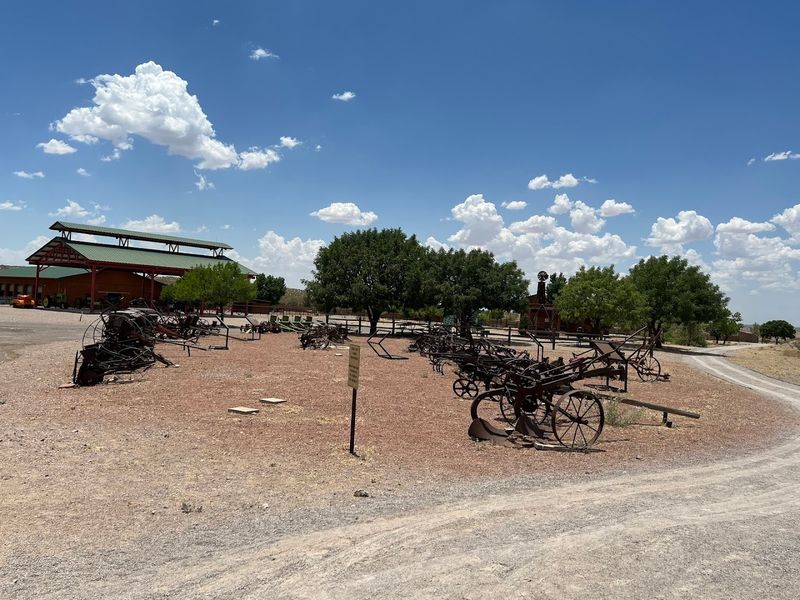
Rural charm is easy to fake and surprisingly hard to manufacture, but the outdoor corners of this campus manage to feel genuinely unhurried and authentic.
Scattered across the grounds are open-air areas that hold antique farm equipment, historic fencing styles, and contextual displays that connect physical objects to the broader sweep of agricultural history.
I came across a weathered piece of machinery sitting in the open sunlight and spent several minutes reading about its role in mid-century farming operations across the region.
The gift shop near the main building adds a practical and enjoyable note to the visit, stocking local products like pistachios and honey that reflect the agricultural identity of the surrounding Las Cruces area.
Special events held on the grounds, including past editions of Cowboy Days and the Home Grown New Mexico Food Show, have historically drawn visitors into the open-air spaces in ways that make the campus feel genuinely alive and community-centered.
The museum is open Monday through Saturday from 10 AM to 4 PM, and Sunday hours are not available, so planning ahead ensures you get the full outdoor experience.
Every open-air corner here holds a small story worth pausing for, and the campus rewards curiosity at every turn.