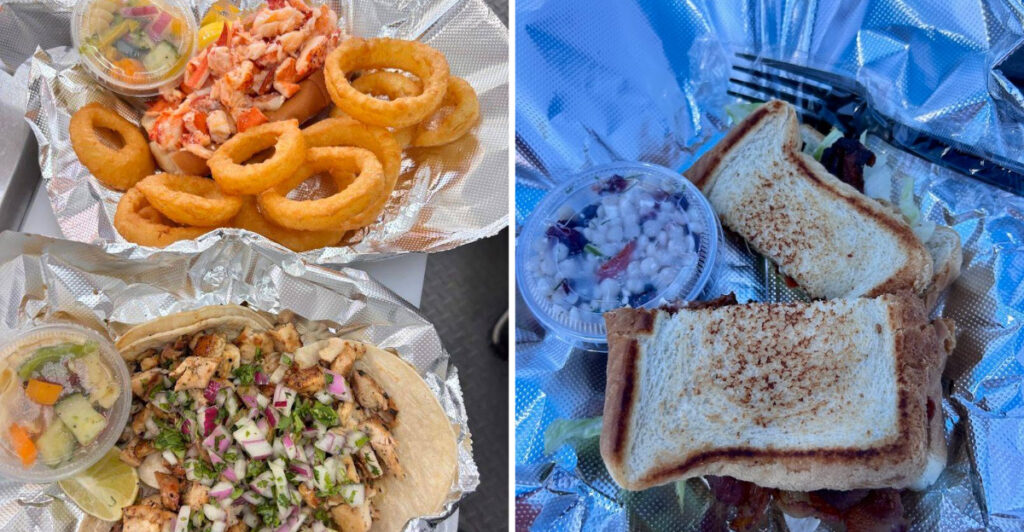
A lobster roll tastes better when the scenery can keep up.
Connecticut has plenty of coastline, but a meal near the water still has to earn its place there. The seafood needs to taste fresh, the setting needs to feel natural, and lunch should stay casual enough to match the breeze around it.
That is what makes this new seafood counter easy to understand. It keeps the focus on lobster rolls, warm melts, casual outdoor seating, and a marina-side setting that gives the meal a natural rhythm.
There is no big production here, and that works in its favor. Just a small trailer, a short menu, and the sort of coastal lunch that makes a quick stop feel like part of the Connecticut shoreline.
A New Seafood Counter Close To The Water
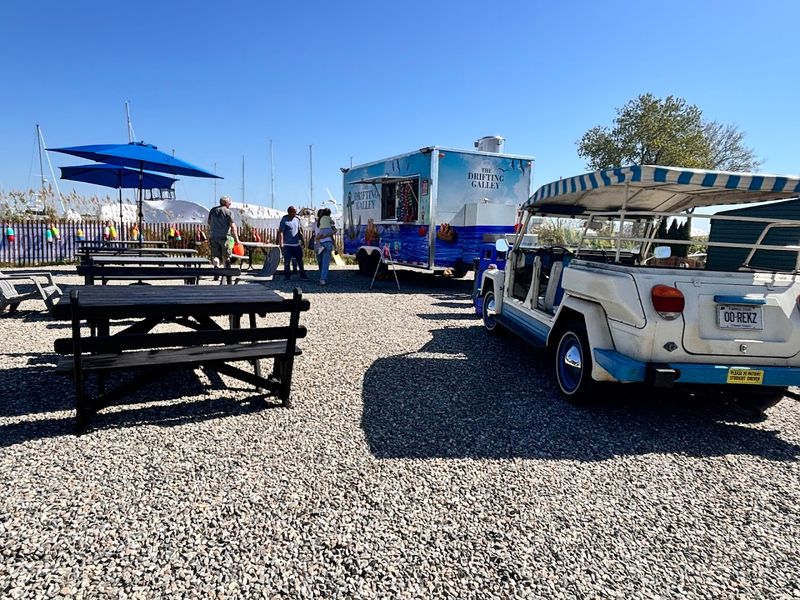
Clinton gives this seafood stop the right backdrop before the first order is placed. The Drifting Galley operates as a food trailer near the beach and local marinas, which suits a menu centered on lobster and casual coastal food.
The setup works because it stays simple. Counter-service seafood, outdoor seating, and a compact menu give the stop a clear rhythm without turning lunch into a formal event.
The trailer opened in mid-May 2026, and the timing gives it a fresh-season angle, especially for shoreline visitors looking for something new without losing the casual charm of a beach-town meal.
Seafood is leading here, especially with lobster rolls and lobster melts. Steak tacos, chili dogs, and lobster bisque add enough range to keep the menu useful for more than one craving.
For a new food trailer, that focus matters, and a few main items add just enough range to keep the lunch flexible.
How A Simple Trailer Became A Shoreline Lunch Stop
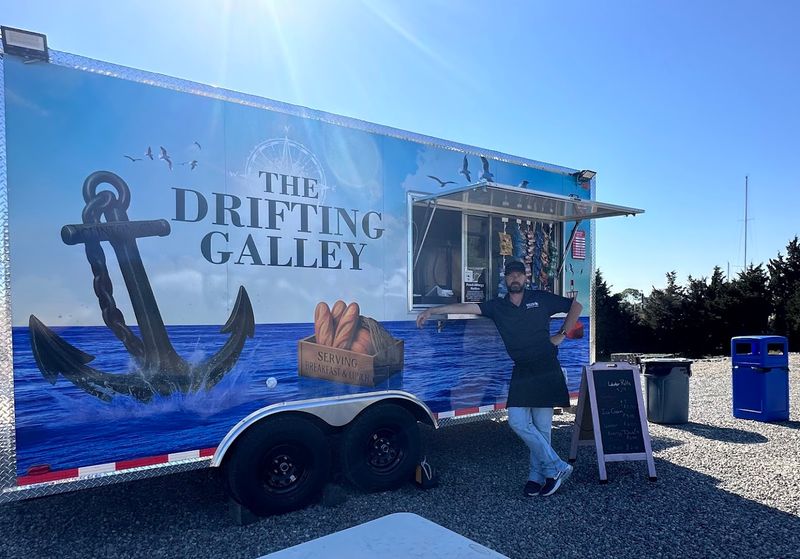
A small food trailer works best when the idea is clear, and this one keeps its purpose close to the water. The plan is simple: serve coastal food in a setting where lobster rolls, melts, and bisque already make sense.
There is also a shoreline connection behind the counter. The Drifting Galley is owned by Stephanie Kowalsky, whose move into the food-trailer business grew from a personal interest in cooking, paired with her husband’s commercial fishing background.
That detail gives the stop a little more depth without making the story complicated. Quick seafood, a short menu, and a location near the water give the trailer its shape.
Kowalsky also ordered a custom trailer from Florida with a full kitchen she designed. A shoreline scene painted on the sides ties the setup to the coast before the menu even comes into play.
Seafood sourcing stays connected to Connecticut channels, too, which helps the menu feel grounded rather than random. The smaller setup also keeps the food focused, because there is not much room for items that do not fit the purpose.
Lobster leads the way, but the trailer still leaves space for a few casual extras. That balance gives the stop enough flexibility without making the menu feel scattered.
The Lobster Roll That Leads The Menu
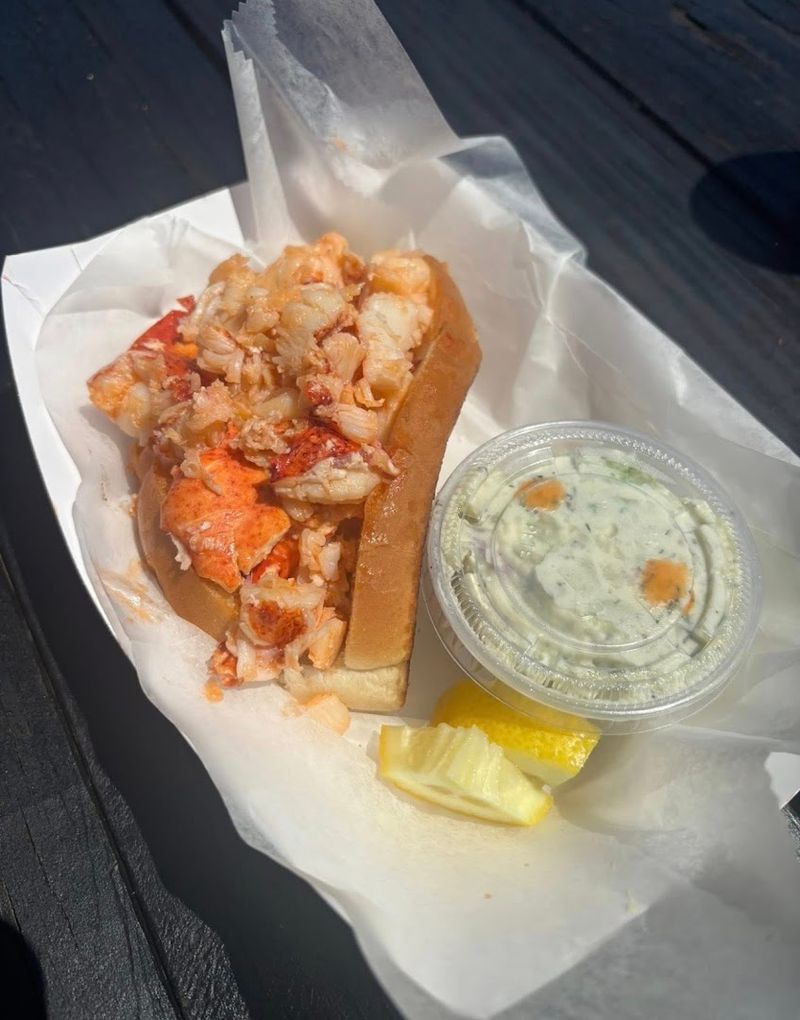
Every shoreline seafood counter needs a clear first order. Here, the lobster roll gives the menu its most familiar starting point.
The food trailer is located at 70 Riverside Drive, Clinton, CT 06413, close to the water and near local marina activity. The address gives the meal a setting that fits the menu instead of pulling attention away from it.
A lobster roll does not need much when the basics are handled well. Bread, lobster, and a coastal setting can carry the plate without extra noise.
The roll also gives first-time visitors an easy way into the menu. It is familiar, seasonal, and closely tied to a shoreline lunch that people expect near the Connecticut coast.
For a new seafood trailer, a strong main item matters. It helps the rest of the menu make sense and gives the stop an anchor people can remember.
Why The Lobster Melt Deserves Its Own Attention
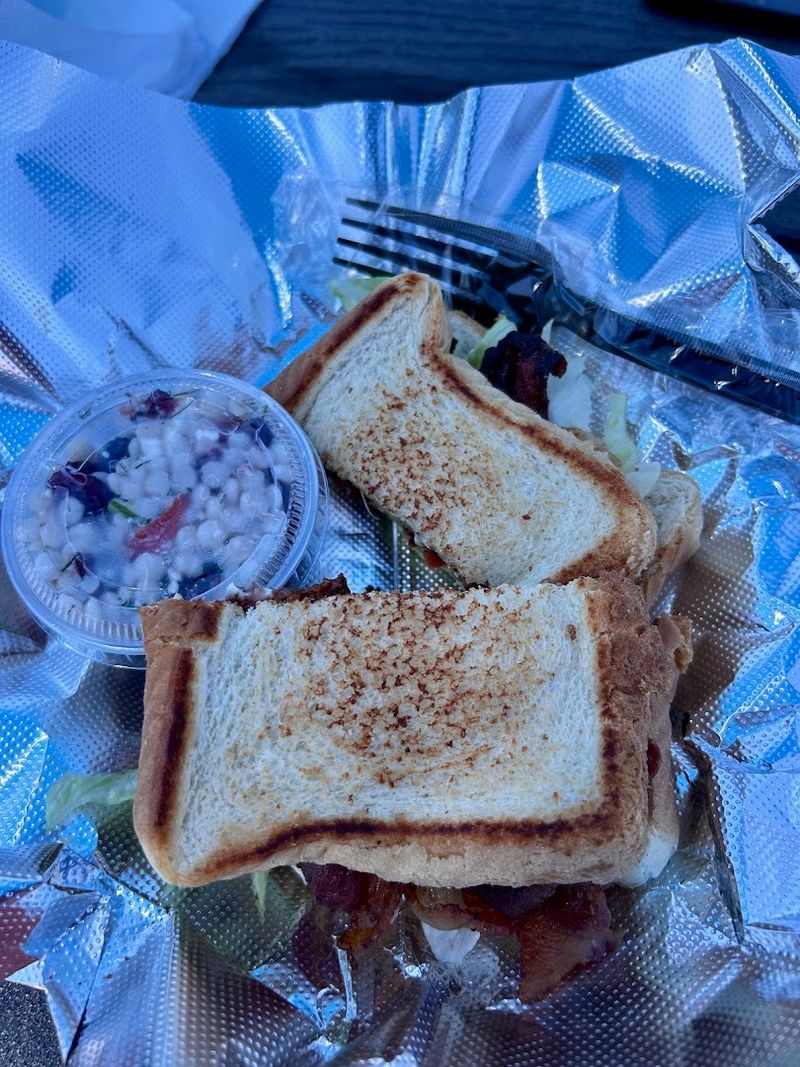
Cheese and lobster need balance, especially when both are sharing the same sandwich. The lobster melt gives this menu a warmer, toastier option without moving away from seafood.
The meal is described as a grilled cheese-style sandwich made with lobster meat on Texas toast. Provolone, mozzarella, and Vermont cheddar bring the melted base, while warm buttered lobster keeps the seafood at the center.
The result is more substantial than a standard roll. It keeps the comfort of toasted bread and melted cheese, then brings in lobster for a richer coastal lunch.
The combination gives the trailer something distinctive. A lobster roll may be the classic order, but the melt gives the menu a second seafood item with its own personality.
The format also works well for a trailer. It is easy to understand, easy to order, and different enough from the roll to give repeat visitors another direction.
One option keeps things classic, and the other brings more crunch, warmth, and richness to the table.
A Small Menu With A Strong Coastal Personality
Menus this short have little room to hide. At The Drifting Galley, the best move is keeping the seafood identity clear while adding just enough variety around it.
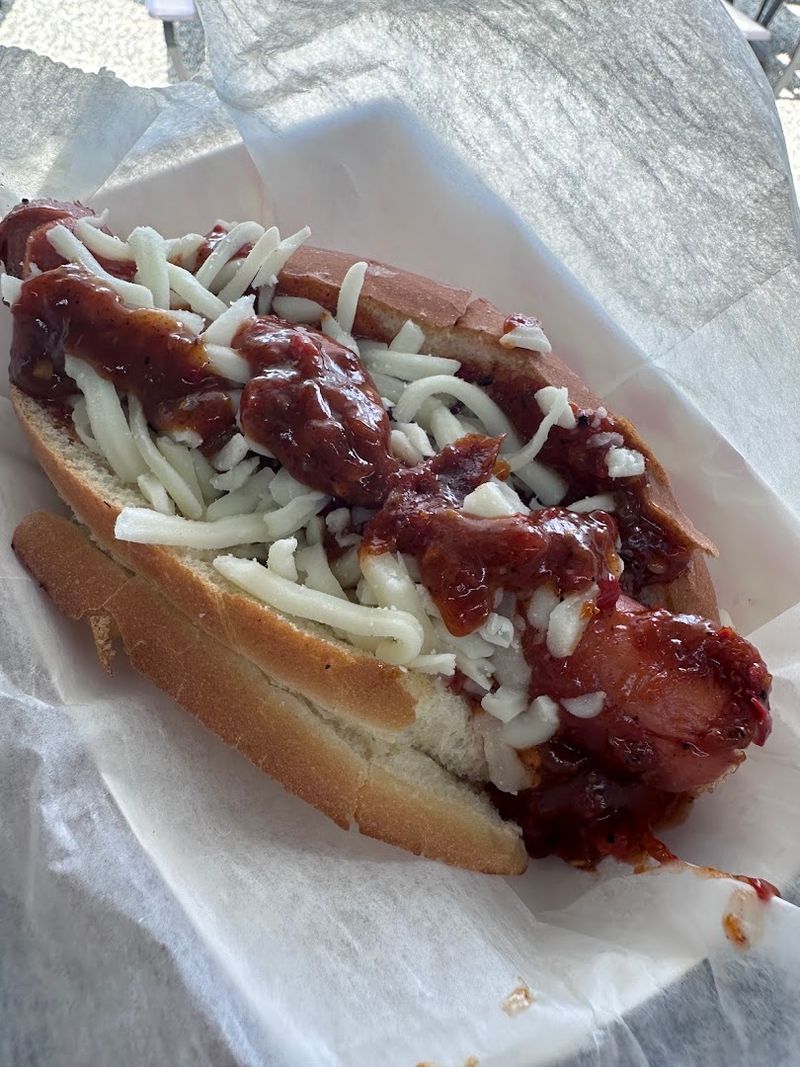
The core items include lobster rolls, lobster melts, steak tacos, chili dogs, and lobster bisque. The mix gives the trailer more personality than a one-item counter while keeping the lineup easy to follow.
Lobster bisque adds a softer seafood option beside the sandwiches, while steak tacos and chili dogs give the menu a more casual lane for anyone who wants something different.
The chili dogs carry a local-food detail too, using Hummel hot dogs and Kuhn’s chili. It is a small touch, but it gives the non-seafood side of the menu more personality than a basic backup item.
Nothing here needs to sound fancy to work. The strength is in having a few recognizable choices that fit the setting and the trailer format.
For a new food business, menu discipline matters. A small lineup can feel limited, but this one feels purposeful.
The Beach And Marina Setting That Makes Lunch Better
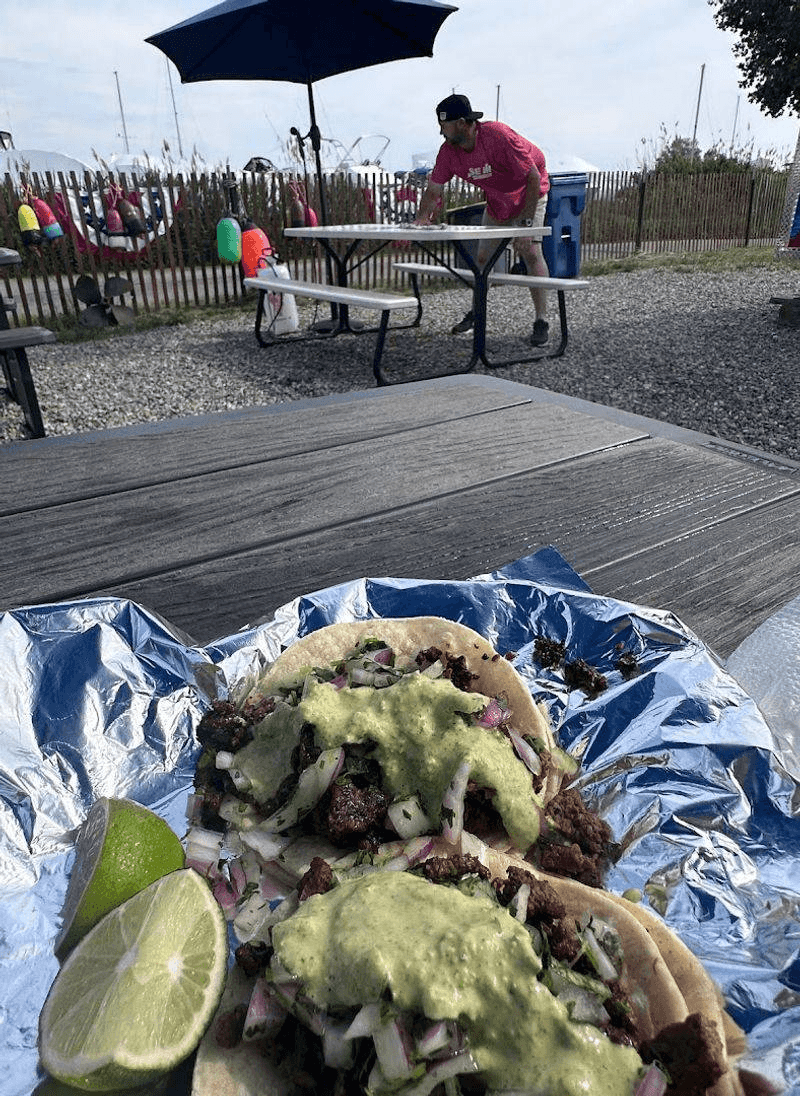
Location does more than decorate the meal here. A seafood trailer near the beach and marinas already has the right setting for lobster rolls, melts, and bisque.
The Clinton shoreline gives the stop a clear sense of place. Lunch near the water does not have to become a full restaurant experience to feel worthwhile.
Food this casual benefits from that easy setting. A lobster roll or melt makes sense as a quick break, a warm-weather meal, or a stop during a shoreline drive.
The marina-side address also keeps the story grounded. This is not seafood trying to borrow a coastal mood from a themed dining room.
The trailer operates on a small parcel of private property, which helps explain the compact setup. It comes across more like a planned seasonal stop than a random roadside setup.
The food is served near scenery that suits it, and the menu and location are a major part of this place.
Why This Fresh Connecticut Spot Feels Timely
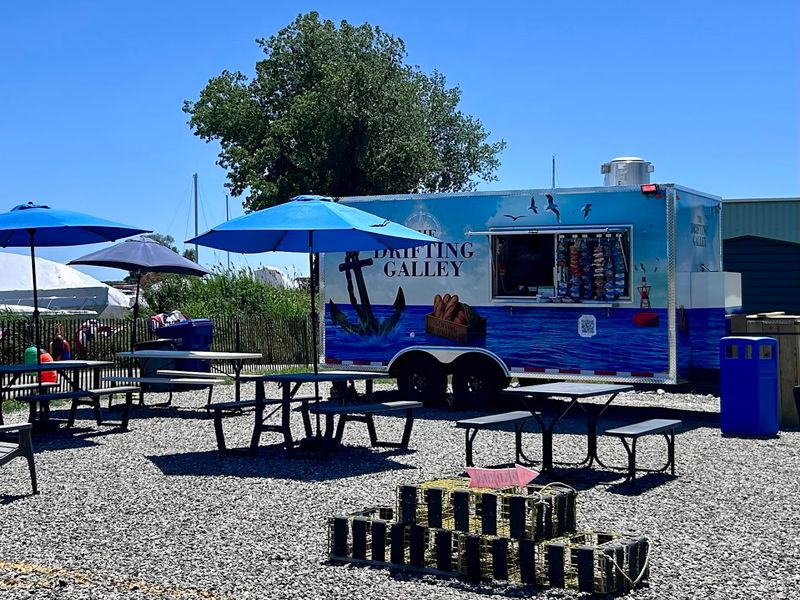
New food spots need more than curiosity to last. The Drifting Galley starts with a clear advantage because its menu, format, and location all point in the same direction.
A lobster melt may grab attention first, but the trailer has more working for it than one clever item. The menu is compact, the setting makes sense, and the food matches the shoreline location.
Connecticut already has a strong seafood identity, so a new trailer cannot promise too much too quickly. This one works because it keeps the idea focused and believable.
That focus helps the trailer feel current without leaning only on novelty. Instead of trying to become a full dining destination right away, it stays close to what makes sense.
That is: a few coastal lunch items, a waterside setting, and a menu with a clear reason to last beyond its opening season.
The Easygoing Meal That Makes Stopping By Worth It
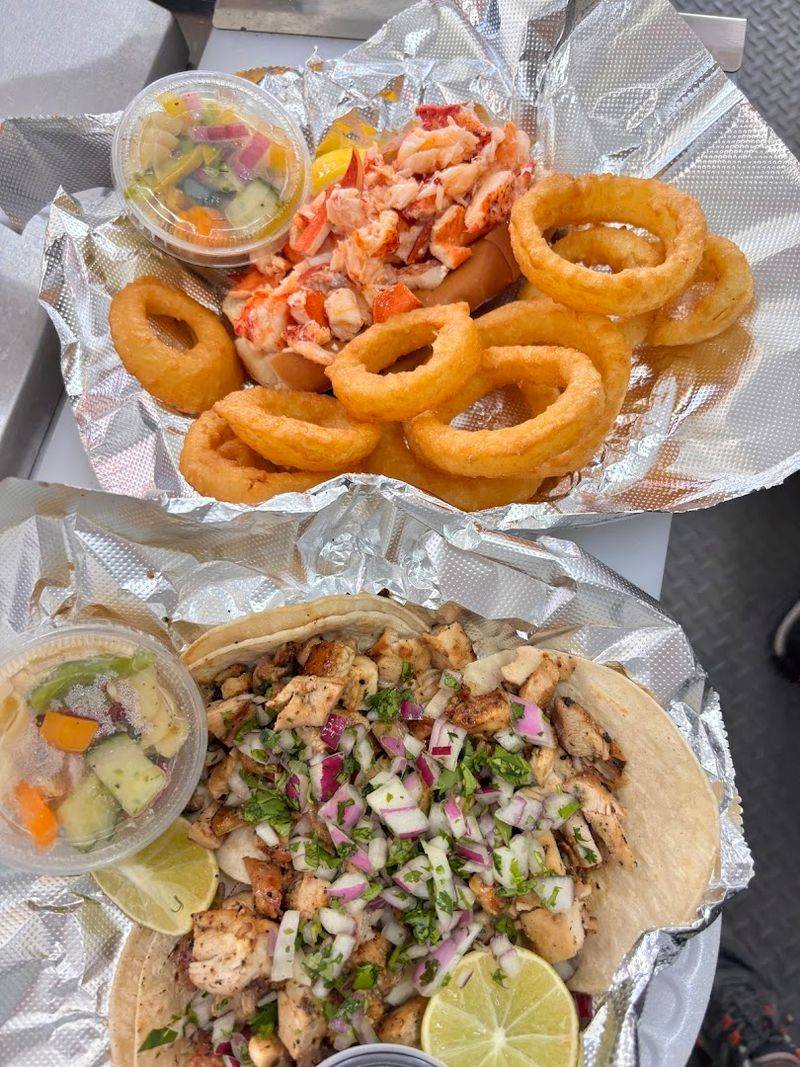
The rule here is simple and practical: Order from the trailer, keep the meal casual, and let the shoreline do some of the work.
The Drifting Galley succeeds because it does not overcomplicate lunch. The menu is clear, the seafood fits the location, and the whole stop works best when treated as simple coastal eating.
A sandwich, a seat outside, and a little time near the water are enough to make lunch feel like part of the shoreline rather than a pause away from it.
A lobster roll, lobster melt, or cup of bisque can turn a short break into the reason for taking the shoreline route, and enough for a small food trailer to make an impression.
Checking current hours before going is still the smart move. Recent listings have shown Thursday-through-Sunday service, but food trailer schedules can shift with season, weather, and demand.
A Connecticut shoreline day has plenty of room for a stop like this. Lunch gets a view, the menu gets straight to the point, and the water nearby turns a simple meal into the best part of the route.