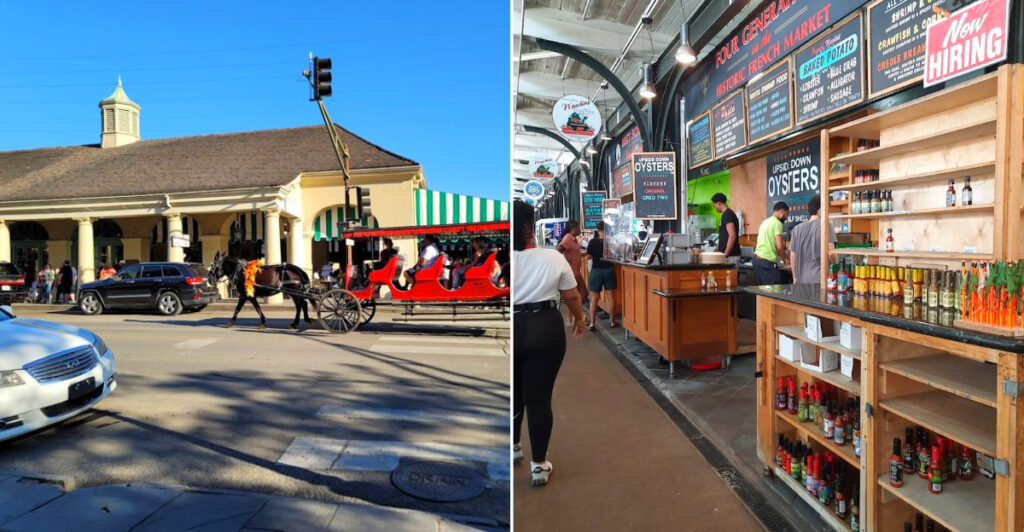
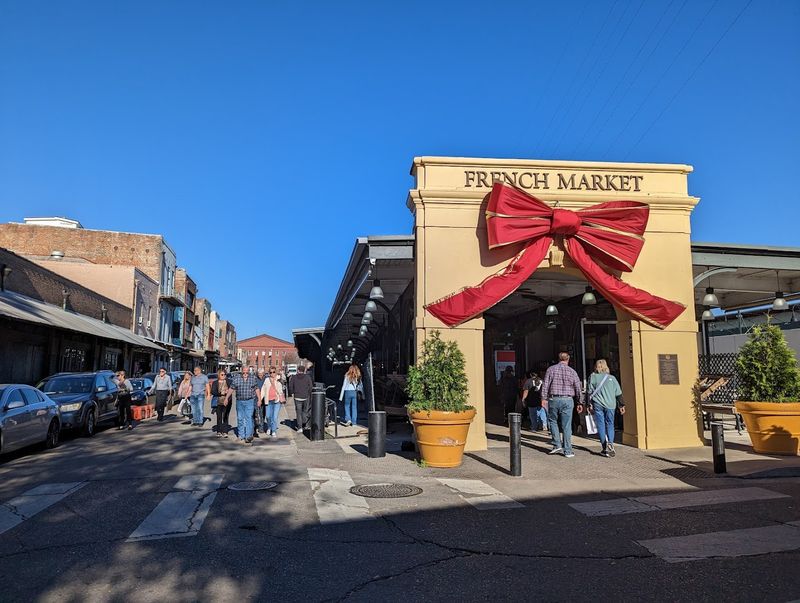
Walk past the wrought-iron gates on North Peters Street, the first thing that hits you is the smell: pralines cooling on marble slabs, chicory coffee brewing in cast-iron pots, andouille sizzling on a flat-top griddle just out of sight.
The French Market has been operating since 1791, making it the oldest public market in the United States, wearing that history without pretense.
What began as a Native American trading post is now a sprawling corridor of open-air vendor stalls, artisan boutiques, and food counters dishing out Creole tomato sandwiches, mango-chili snowballs, muffulettas cut into wedges big enough to share.
Musicians set up near the flea market end while locals browse for fresh okra, hot sauce they cannot find anywhere else, bags of file powder for the gumbo pot back home. Centuries of Louisiana flavor and culture come alive at this market where every stall tells a story older than the state itself.
Pralines At Loretta’s: Southern Candy Craft
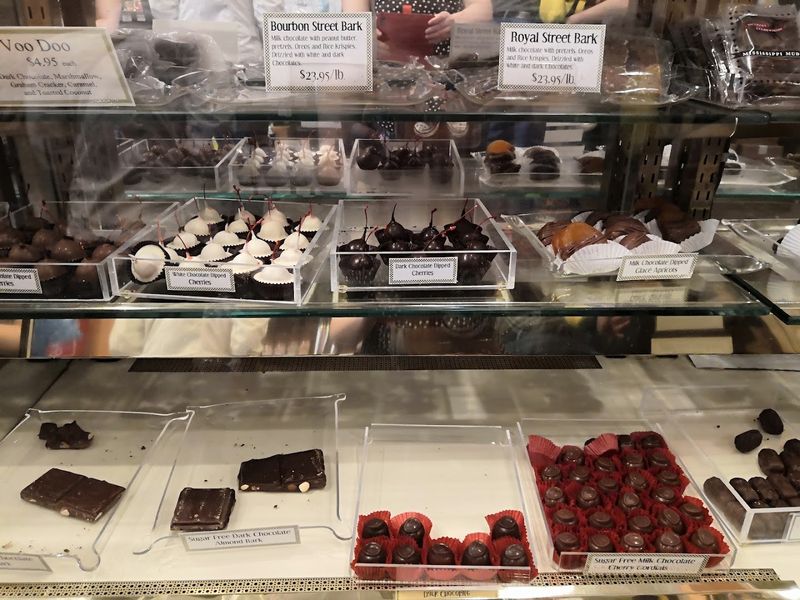
Pralines are a study in sugar chemistry: creamy, nutty disks that crack delightfully when you bite and melt like caramel on the tongue. Loretta’s and other long-running stalls keep an eye on cook times so the nuts stay slightly toasted and the sugar doesn’t harden into glass.
Sampling is expected, and vendors are generous with tiny discs so you can judge texture and sweetness before buying. Pralines travel reasonably well if wrapped and kept out of heat, which is handy for gifts or a slow snack on a stroll through the stalls.
Store them in a cool, shaded place if you plan to enjoy them later the same day.
Where The French Quarter Starts Bargaining With Your Self-Control
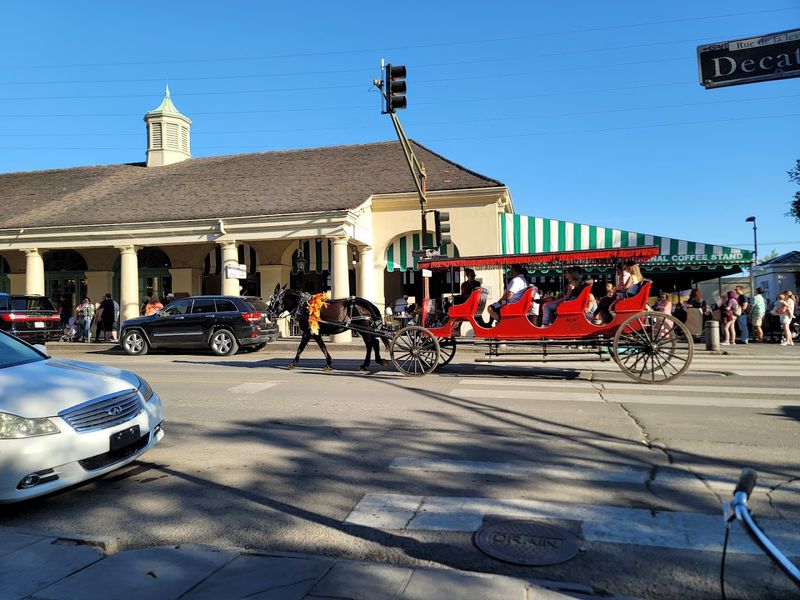
French Market is the kind of New Orleans stop where a casual walk can suddenly become a full sensory ambush: spices, snacks, souvenirs, produce, music, and the faint feeling that your wallet should have stretched before entering.
Head toward the river side of the French Quarter and let Decatur Street, Jackson Square, and the Mississippi pull you into the market’s orbit.
The address is 518 St. Peter St, New Orleans, Louisiana 70116, placing you right in the historic French Market District rather than some tucked-away side quest. Walking is usually the smoothest approach, because trying to park too close can turn a colorful outing into a very gray little patience test.
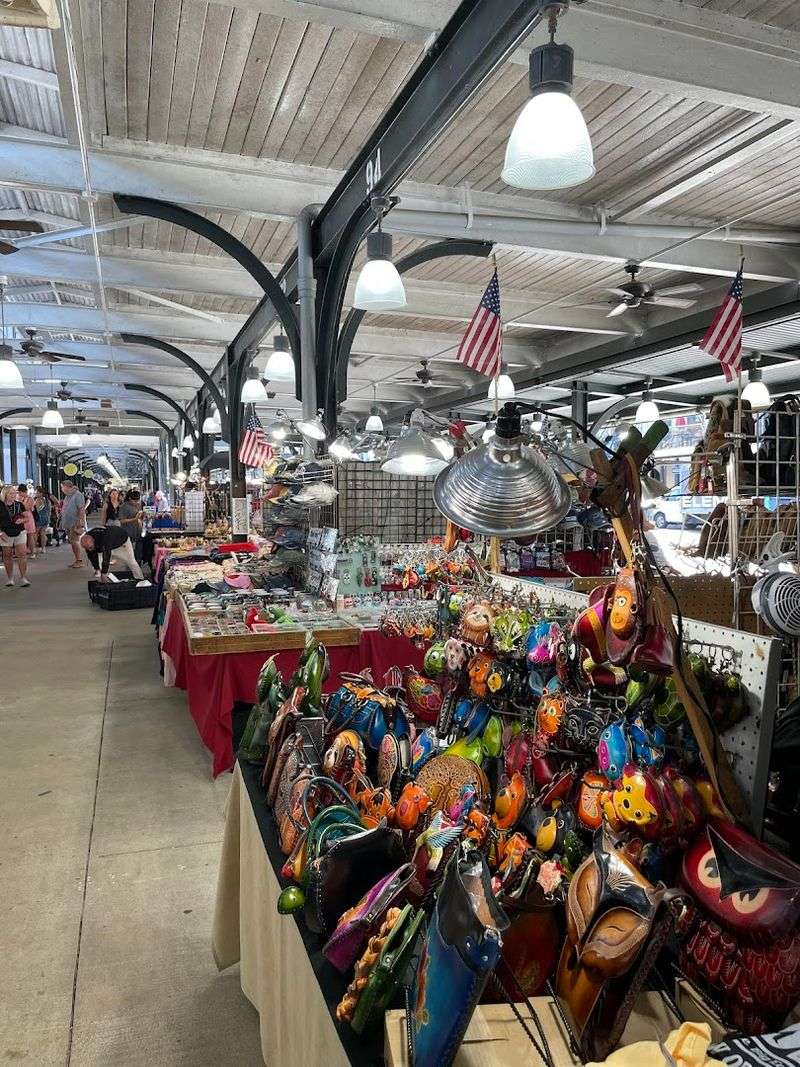
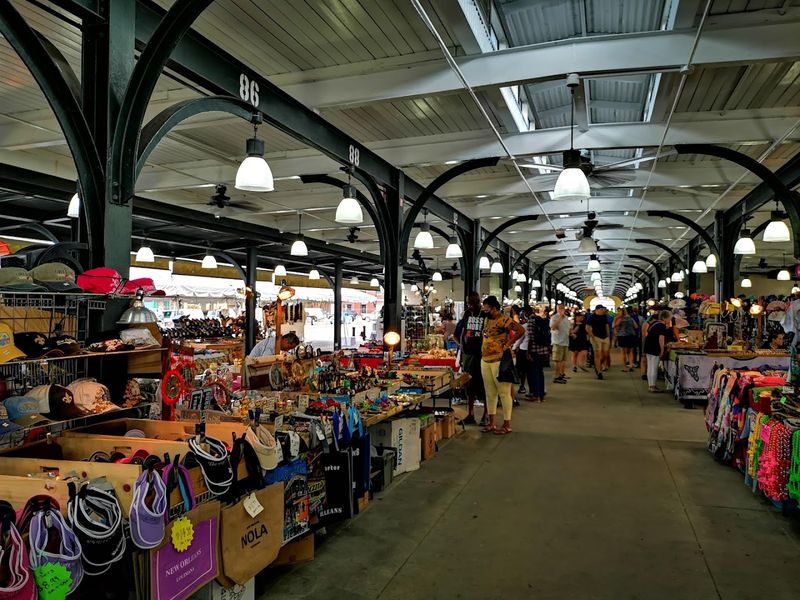
Once you arrive, do not treat it like one single shop with a beginning and end. Drift through it like a person with flexible standards and a dangerous curiosity, letting the stalls, food counters, and old market atmosphere decide whether you leave with lunch, gifts, hot sauce, or a completely unnecessary hat.
Gumbo Bowls: Comfort In A Cup
Gumbo at the French Market offers a snapshot of Creole technique, a dark roux, layers of stock, and a careful balance of spice that rewards patience.
The dish’s variable ingredients reflect the market’s history: seafood from nearby waters, sausages from immigrant charcuteries, and vegetables from local farmers give each vendor a slightly different signature.
Portion sizes vary, so ask before you commit if you plan to sample multiple stalls. Gumbo fills you in a way that’s perfect for walking the market without losing your appetite for other treats.
Look for vendors who ladle gumbo during a steady stream of customers. That’s usually a sign the pot has been tended all day.
Muffuletta Sandwiches: Sicilian Influence Revealed
The muffuletta is the market’s edible history lesson, a Sicilian-born format adapted and perfected in New Orleans with a tangy olive salad that cuts through layers of cured meats and cheese.
At the French Market the muffuletta is often assembled with house-made olive salads and locally cured meats, balancing salt, acid, and texture in a portable package. Order whole or half depending on hunger; halves are ideal if you want to graze around the market. It’s a tidy meal for a picnic by the river or an impromptu bench-side feast.
Ask about the olive salad composition if you prefer more or less heat. Vendors will usually accommodate small tweaks.
Oysters And Seafood: Fresh River Flavors
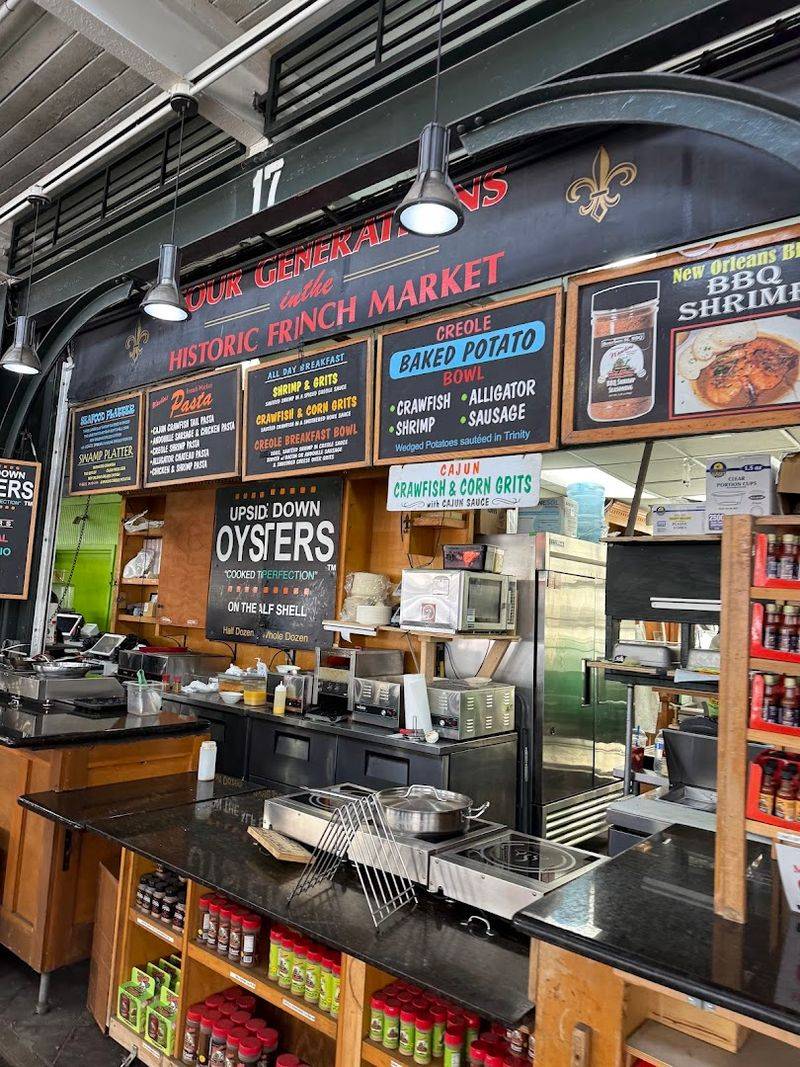
Seafood stalls channel the proximity to the river: oysters, shrimp, and seasonal crawfish arrive fresh and are displayed on ice or prepared on the spot. The market’s offerings reflect both local harvests and the city’s appetite for shellfish prepared simply to let brine and texture shine.
If you’re sampling raw oysters, aim for vendors with a steady stream of customers, turnover is a reliable freshness indicator. Cooked preparations highlight local seasoning profiles and are safer for more cautious eaters who still want that Gulf essence.
Consider smaller plates so you can taste multiple preparations without overfilling; the market rewards curiosity more than gluttony.
Calas: Rice Fritter Tradition
Calas are a quieter hymn to the market’s African-American culinary roots. Rice fritters that are crisp on the outside and pillowy inside, often dusted with powdered sugar.
They connect you to an older New Orleans street-food tradition and are a pleasant change of pace from the city’s heavier fried fare.
Street vendors historically sold calas in the morning, and you’ll catch them at market hours if you’re early and curious.
They pair wonderfully with a short walk and people-watching beneath the colonnade. Because they cool quickly, eat calas while warm; their charm fades as they lose steam and crispness, so plan to bite in the first ten minutes after purchase.
Creole Tomatoes: Seasonal Spotlight
Creole tomatoes at the market are a seasonal jewel, bright, juicy, and perfumed in ways that supermarket fruit rarely matches. These tomatoes nod to the Creole Tomato Festival and local growers who prize flavor over shelf life; they shine in simple preparations where seasoning and technique let natural taste lead.
Buy a few for an impromptu salad or a sandwich at the stall; they store for a couple of days if kept cool and shaded. Market vendors will often tell you which variety you’re getting, and that provenance matters for taste.
When tomatoes are at peak, resist overcomplicating them, a pinch of salt and good bread is all they need.
Hot Sauce And Condiments: Local Heat Culture
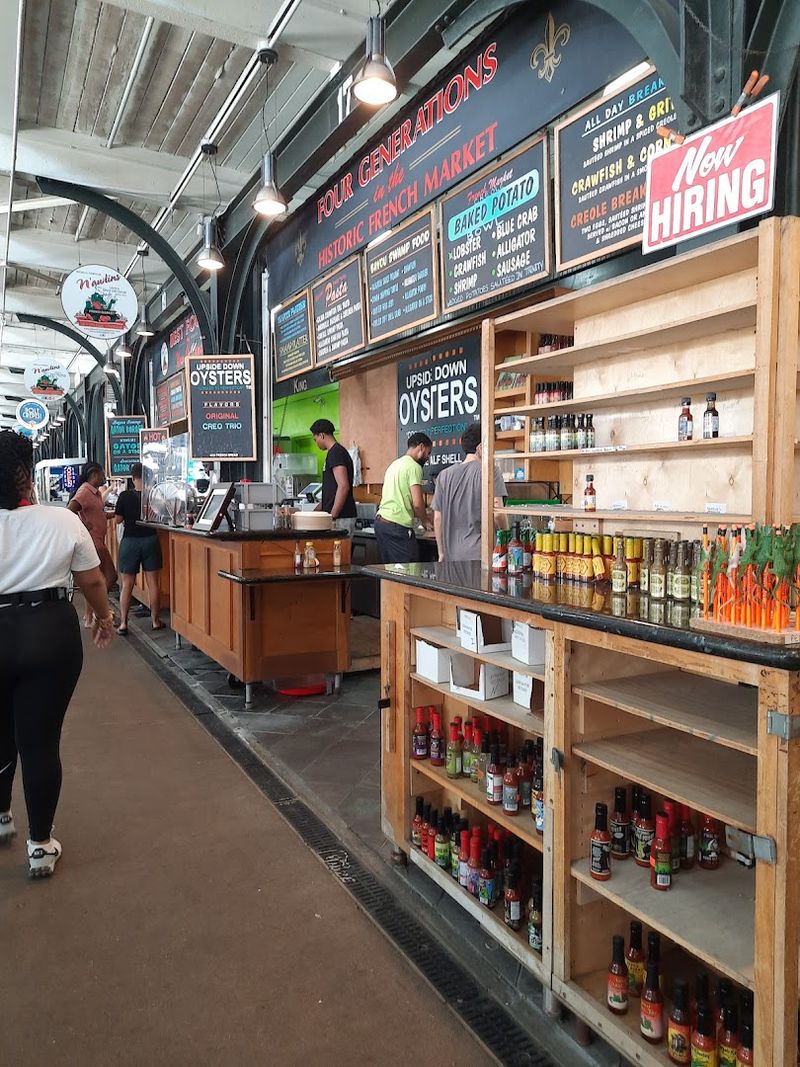
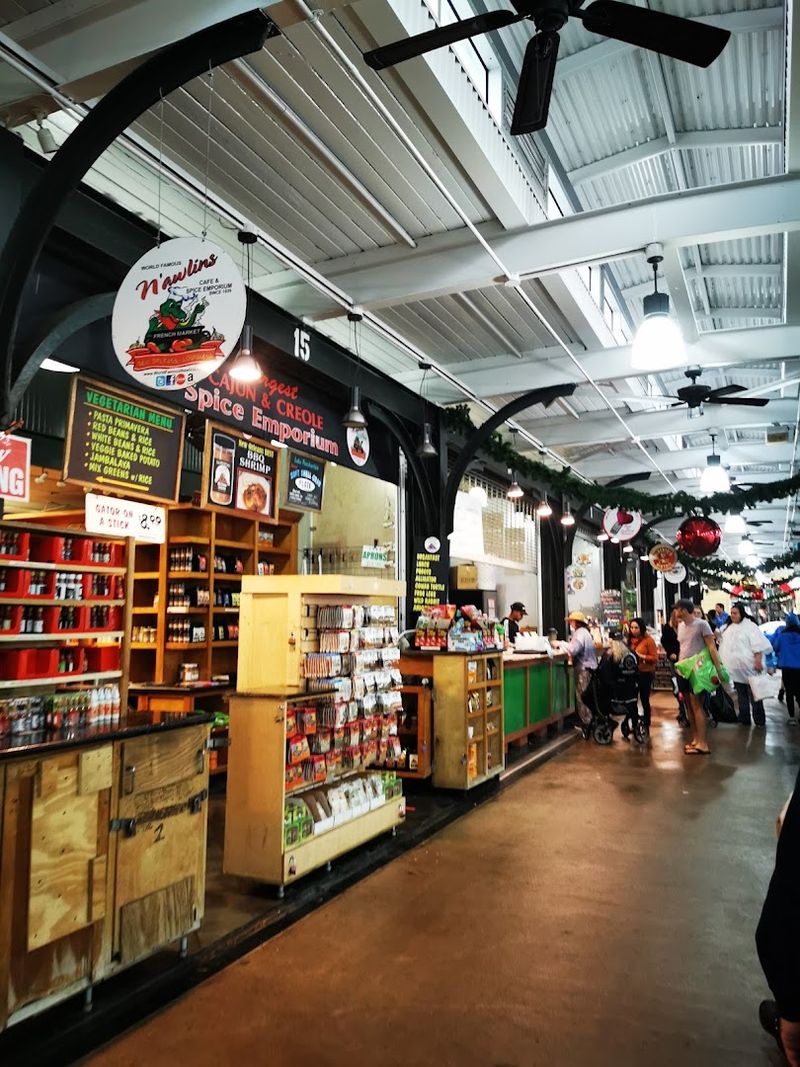
Hot sauces and condiments are where New Orleans taste preferences become personal, bright vinegars, smoky peppers, and house blends that vendors will gladly let you sample. The selection ranges from bold, fiery blends to subtler vinegary sauces that lift a dish without overwhelming it.
Sampling several helps you understand which profile suits your palate; some pair better with seafood, others with fried items or sandwiches. Vendors often recommend small bottles as practical souvenirs that travel easily and keep well.
If you buy multiple bottles, pack them upright and cushioned in your bag to avoid leaks during a warm walk through the market.
Farmers Market Produce: From Local Fields
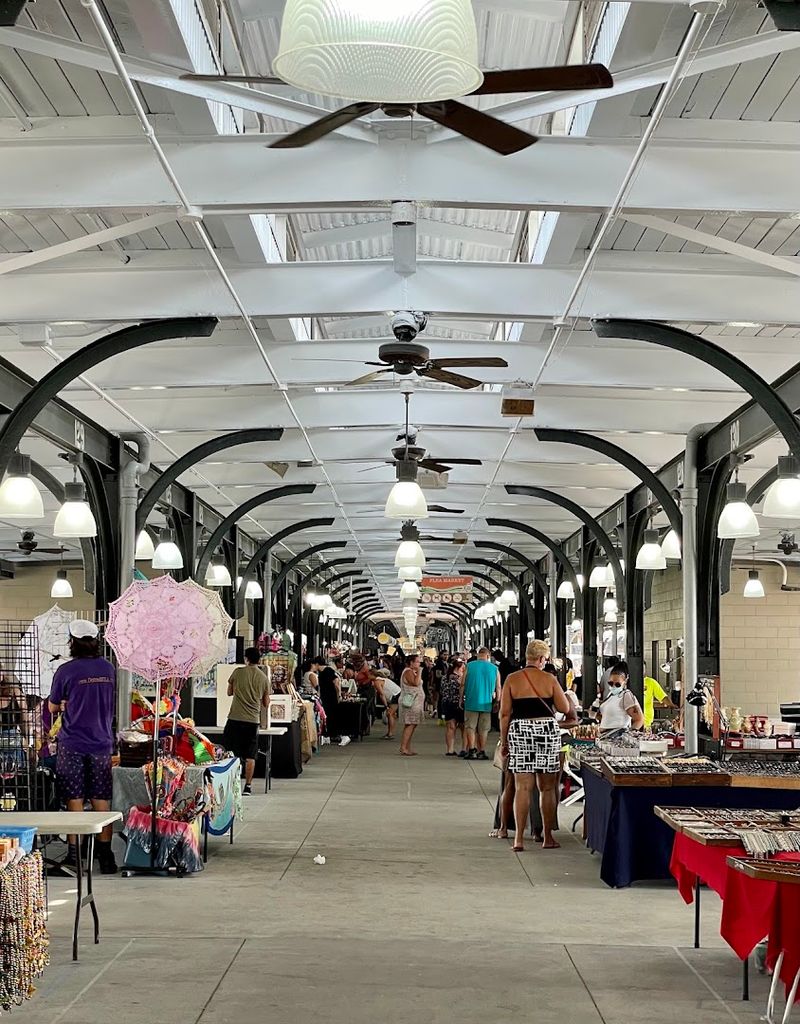
The farmers section gives the market a practical backbone, okra, greens, peppers, and other vegetables arrive from nearby plots with clear evidence of care.
The produce here tends to be seasonal and flavorful because it’s grown for taste rather than long transport, and vendors will often tell you how they grew it and the best cooking uses.
Bring a lightweight bag and plan purchases around the day, morning produce is freshest and more likely to include exceptions or special finds. If you plan to cook later, ask vendors about storage tips; they’ll gladly advise on keeping greens crisp or the best way to ripen tomatoes.
Buying local produce supports small growers and yields brighter flavors than generic supermarket options.
Crab-Stuffed Beignets: Unexpected Savory Twist
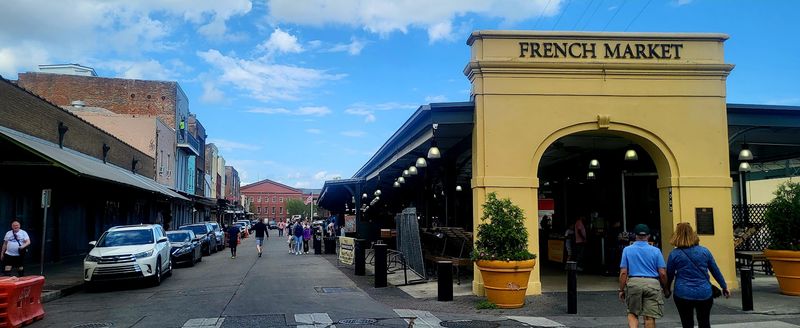
Crab-stuffed beignets flip the sweet expectation into a savory revelation, light fried dough encasing a seasoned crab filling that balances shellfish sweetness with herbs and spice.
Vendors who make these treat the dough to stay airy while keeping a sturdy pocket for the filling, and the result is a tidy, handheld indulgence perfect for walking the market.
Because seafood fillings are perishable, ask when they were prepared and grab one when they’re just out of the fryer. They pair nicely with a crisp side or a simple squeeze of lemon to brighten the palette.
These are ideal when you want something inventive that nods to both French pastry technique and Gulf seafood tradition.
Local Sweets: Candies, Fudge, And Regional Treats
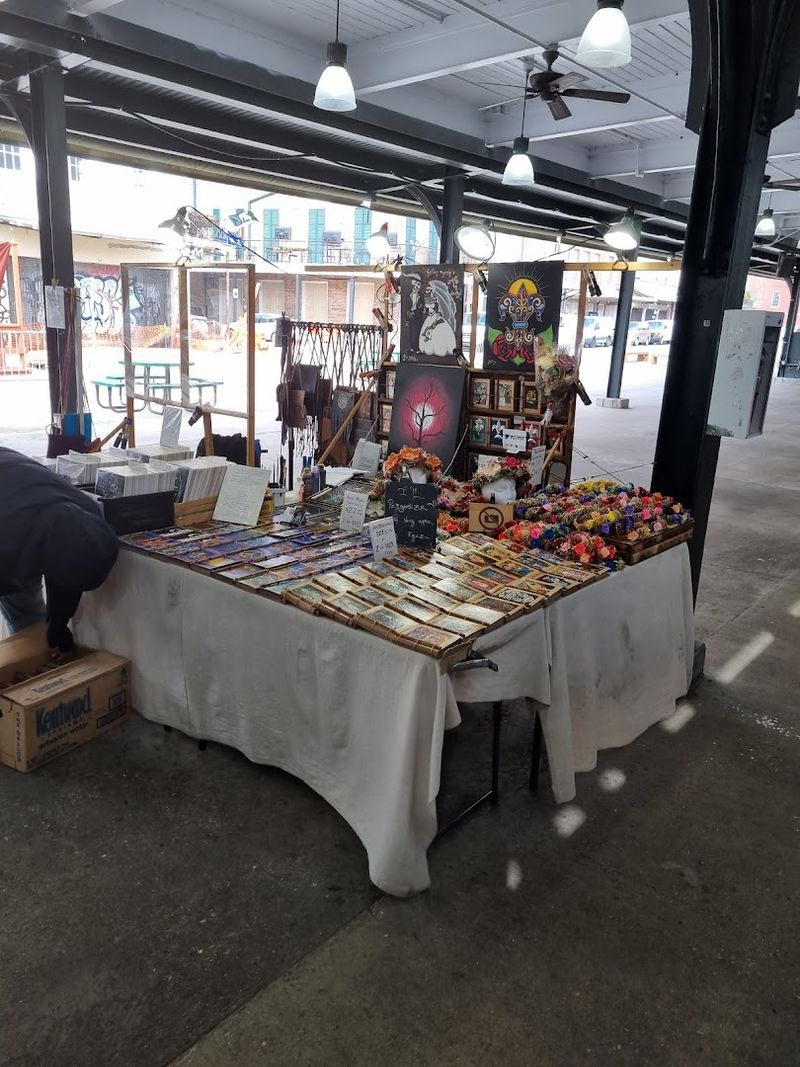
The market’s sweet stalls are a candy box of regional specialties; fudge, candied pecans, pralines, and confections rooted in New Orleans’ layered culinary past.
Vendors often make small batches, and textures vary from creamy fudge to brittle pecans that crack cleanly when bitten, so sampling a few types helps you pick favorites for later indulgence.
Packaging varies, so if you plan to travel with sweets, choose boxes or tins that protect delicate treats from heat and handling. Sellers usually wrap items with care if you ask, and some will suggest the shelf life of each item for gifting decisions. Shop for variety rather than quantity to leave room for more savory discoveries on your walk.
Market Logistics: Timing, Lines, And Navigation
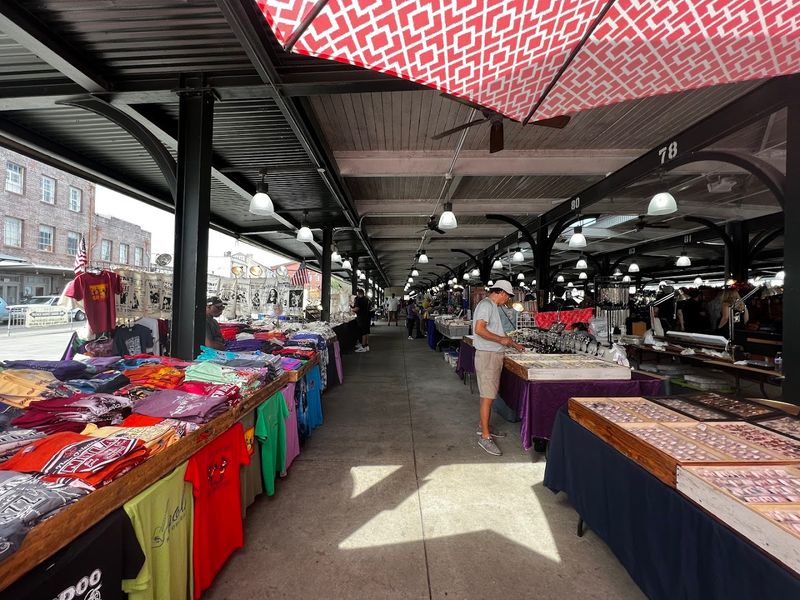
Navigating the French Market is half the pleasure and half a small logistical exercise, arrive early for cooler air and shorter lines, and tackle the produce end first if you want the freshest picks.
The market stretches several blocks, so decide whether you want to work from food to crafts or vice versa to avoid doubling back and losing time to wandering crowds.
Weekends are busiest, so midweek visits tend to be more relaxed and offer better vendor interactions. Carry small bills for quicker transactions and keep a reusable bag handy for purchases.
Take periodic breaks on benches beneath the colonnade to digest both food and sensory input; small pauses make the market feel less like a checklist and more like a neighborhood visit.