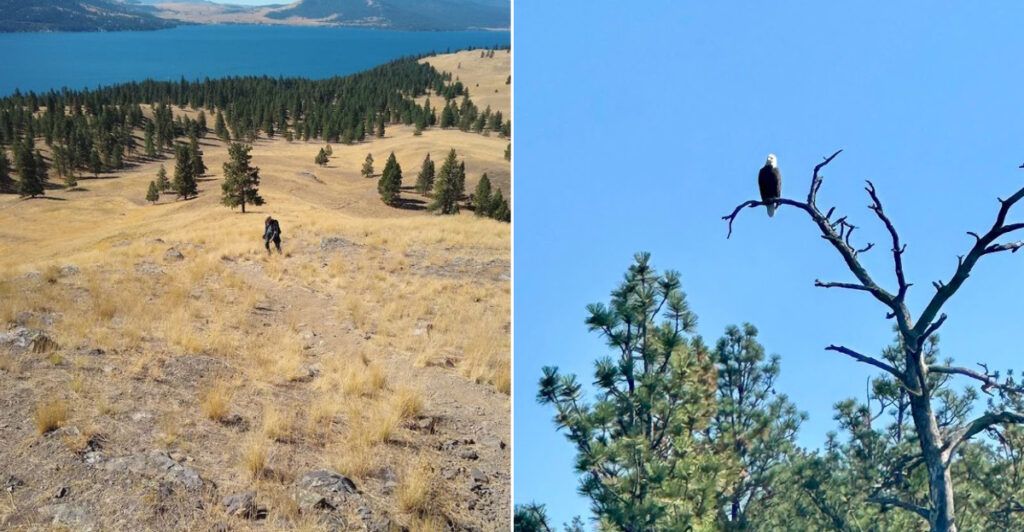
There is an island in Flathead Lake that carries wild horses, bald eagles, bighorn sheep, and six summits, yet you can only reach it by boat.
This island covers a little more than 2,160 acres inside the Flathead Indian Reservation, and it opens for day use only.
You pack carefully, watch the shoreline, and pay attention to wildlife instead of roadside signs. The whole visit feels shaped by restraint, which is part of the appeal.
There are no casual pull-offs, no quick roadside overlooks, and no easy way to pretend you just happened upon it.
You choose to go, then let the lake set the pace.
If you want Montana history, protected habitat, and a hike with real geographic stakes, keep going.
Why The Crossing Matters
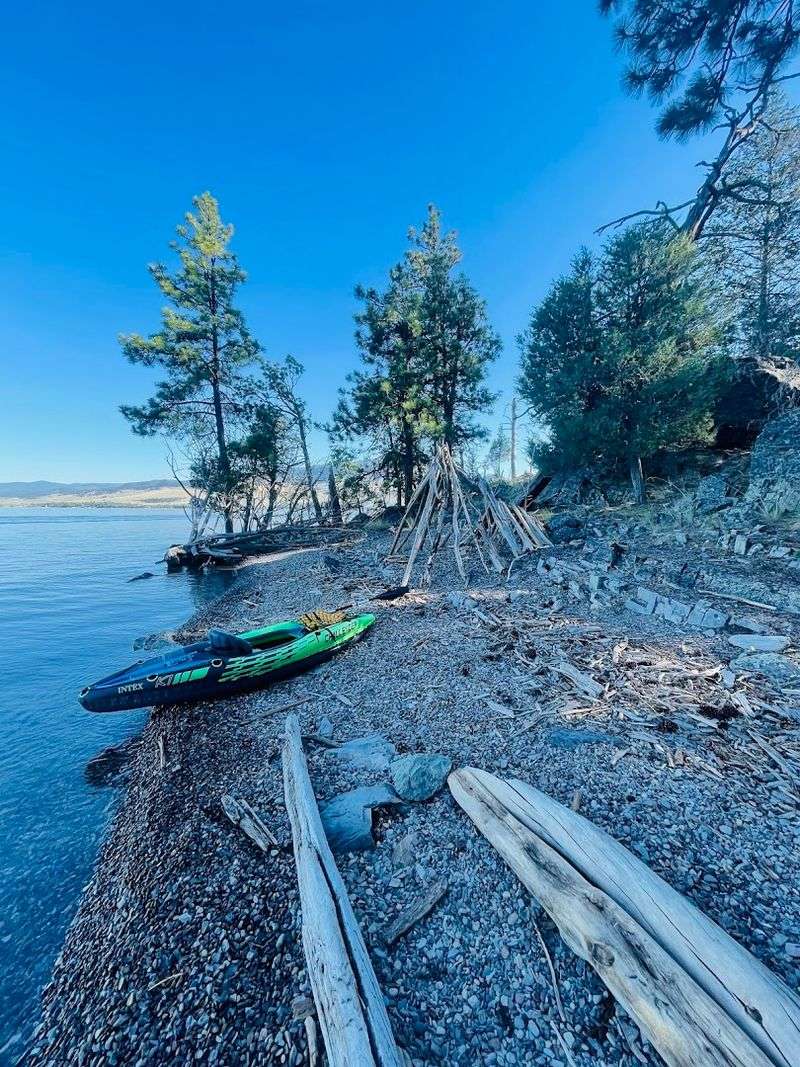
You don’t drive onto Wild Horse Island.
You cross Flathead Lake by motorboat, kayak, canoe, or a commercial shuttle, then step onto a state park with no public docks and no services.
That shapes the whole day, because every snack, water bottle, and extra layer has to arrive with you.
Six designated landing sites serve visitors, and public beaches also allow boats to come ashore.
Montana Fish, Wildlife and Parks manages the island as a primitive area, so the lack of built infrastructure protects habitat instead of adding convenience.
What changes when the shoreline has no parking lot, no shop, and no easy reset button?
You notice distance differently.
Flathead Lake is large enough that wind, waves, and route choices matter, especially for paddlers, so transportation becomes part of the outing, not just a prelude.
Because the island is open for day use only, timing matters too, and the return trip deserves the same attention as the landing.
Pack lightly, double-check the weather, and let the lake set the terms.
How Horses Gave The Island Its Name
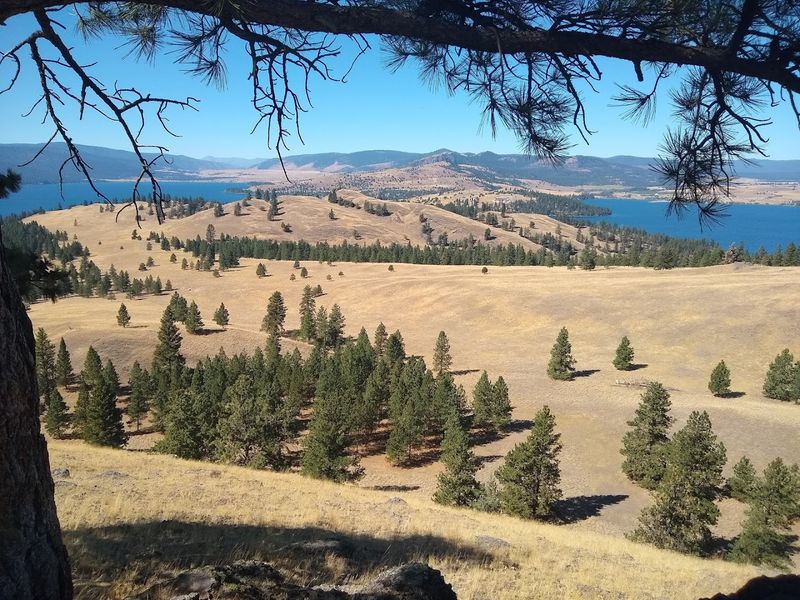
Long before the island became a state park, the Salish-Kootenai and Kootenai people used it as a secure place to pasture horses.
Water formed a practical barrier against theft, and that purpose gave the island the name it still carries.
History here starts with a direct use of landscape, not a legend polished for visitors.
The modern map labels the island simply, but the setting still explains the choice.
In the middle of Flathead Lake sits far from any road grid, and the shoreline creates a natural separation from the mainland.
That separation once protected valuable animals, and today it still shapes how you approach the island.
The horses also explain why the current herd matters beyond photography.
Montana maintains a small number of wild horses here for cultural and ecological reasons, linking present wildlife management to an older tribal use of the island.
Seen that way, a grazing horse is not random scenery.
It is a clue.
Follow that clue toward the meadows and orchard, and the name stops sounding poetic and starts sounding precise.
The Small Herd Is Real And Easy To Miss
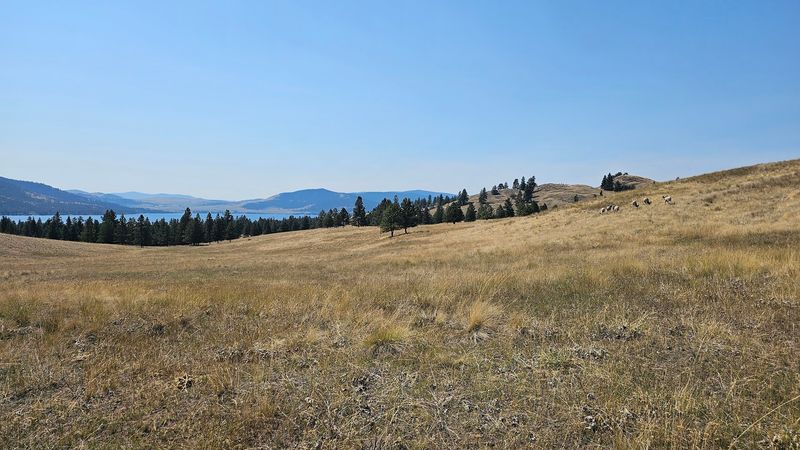
Wild Horse Island does have wild horses, but the herd is small. That makes spotting it all the more special.
Current information places it at roughly five animals, which means sightings depend on timing, distance, and luck more than on any guaranteed route.
That single number explains both the island’s reputation and the occasional visitor surprise.
Look first in open meadows and near the historic apple orchard.
Those areas give horses room to graze, and they give you a better chance to spot movement across the grass instead of trying to pick out a tan coat inside timber.
These are not display animals, and the point is to observe them without pushing closer, blocking movement, or turning a sighting into a chase with a camera.
That restraint protects both the horses and the reason they stay on the island.
Bring binoculars.
They add detail without cutting distance, and on this island, distance is often the whole lesson.
Bald Eagles Rule The Airspace
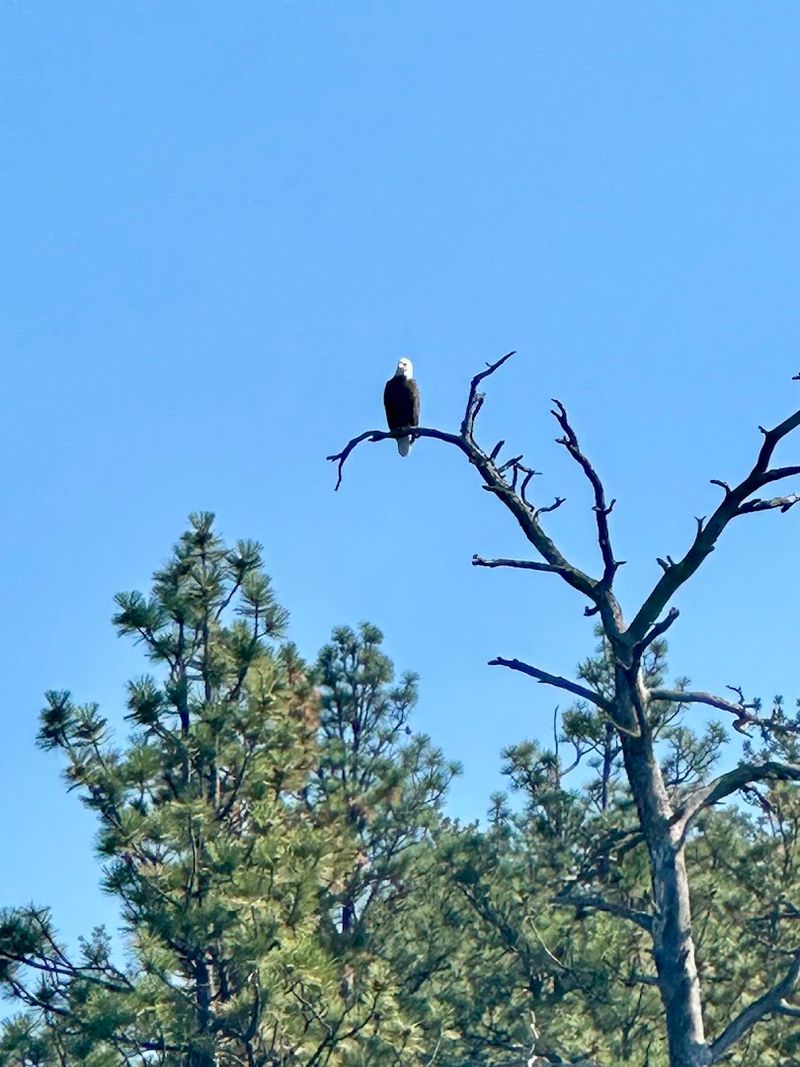
Bald eagles rank among the island’s most reliable wildlife sightings.
You can see them soaring above the shoreline, cutting across open meadows, or perched in tall trees where they can scan Flathead Lake for fish.
The birds fit the island because the lake provides food and broad sightlines.
That setting matters more than romance.
Flathead Lake is a large freshwater system, and eagles use such water bodies because fish support regular hunting opportunities.
On Wild Horse Island, open shore and forest edge create the kind of visual access raptors use well.
Federal law also frames the encounter.
Bald eagles are protected under the Bald and Golden Eagle Protection Act and the Migratory Bird Treaty Act, so respectful viewing is not just good manners but a legal baseline.
If one passes overhead while you are watching the beach or scanning a ridge, keep your distance and let the bird choose the next move.
Then look again.
An island named for horses often hands the sky to eagles, and that switch in focus is half the fun.
Bighorn Sheep Often Steal The Show
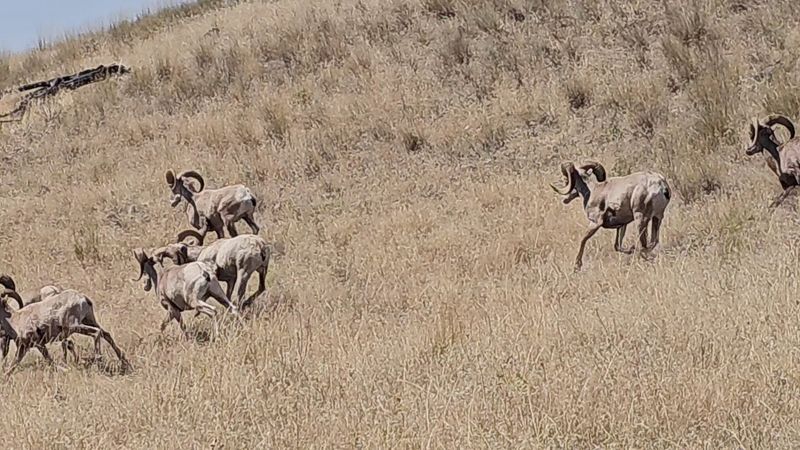
Many visitors arrive hoping for horses and end up talking about sheep. They are simply too sweet.
Wild Horse Island supports a notable bighorn sheep population, and wildlife managers have documented some of the largest recorded sheep originating from the island.
That fact gives this landscape weight well beyond a casual day trip.
The island is also home to mule deer, osprey, falcons, songbirds, waterfowl, and bears.
Such variety comes from the mix of shoreline, meadow, forest, and higher rocky ground packed into just over 2,160 acres.
When habitats change quickly across short distances, species stack up.
Your best move is simple.
Scan open slopes for sheep, edges of timber for deer, and the waterline for birds that hunt or feed near the lake.
What makes the island interesting is not a checklist but the way one ridge can shift your attention from hoofed mammals to raptors in seconds.
The island rewards observation, and it asks for the same discipline back.
Four Miles Of Trails, Six Summits, Rare Prairie
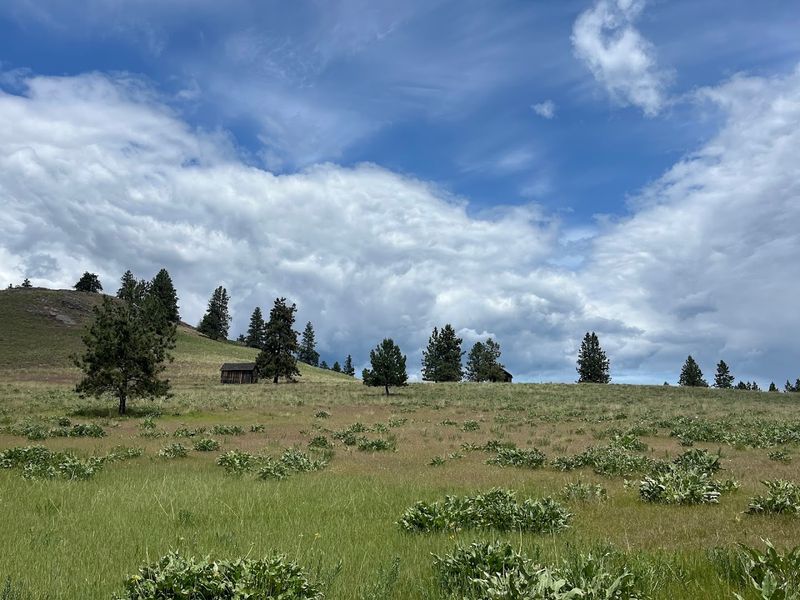
The island offers about four miles of interconnected hiking trails, yet the terrain opens far beyond a simple loop.
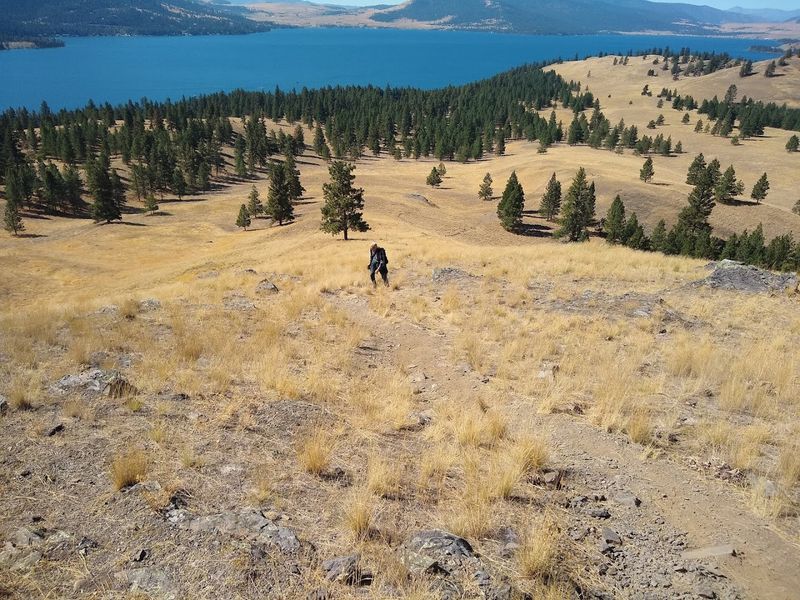
Visitors may also explore off the trail, which matters because the island includes beaches, forest, meadow, and ridgelines that do not fit into one narrow corridor.
Six summits rise above the lake and create broad viewing points.
The plant communities deserve equal attention.
Wild Horse Island protects old-growth ponderosa pine and Douglas fir forest as well as rare Palouse Prairie grasslands, a habitat type that has declined across its historic range.
That mix explains why each section of the hike changes what you study underfoot and on the horizon.
Climb higher, and the view gets better.
Flathead Lake spreads outward, mountain ranges frame the water, and the island’s shape becomes easier to read from above.
Why rush a summit when the whole reward lies in slowing down enough to sort shoreline, bays, and distant peaks?
Take the ridge.
Then let the map in your head catch up with the ground beneath your boots.
Shoreline Time Changes Everything
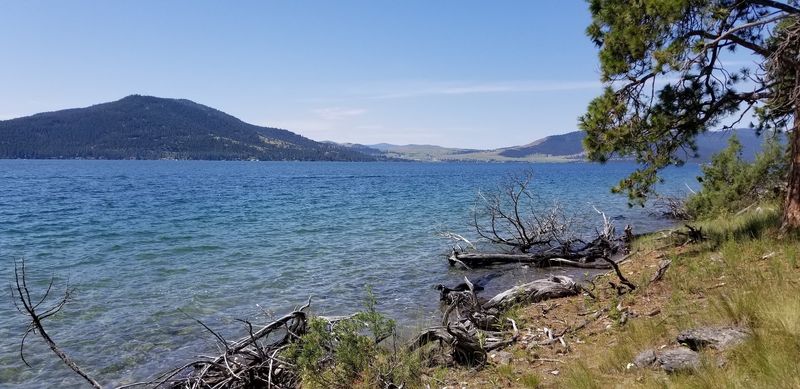
If you rush inland, you miss one of the island’s quietest tricks.
The shoreline slows everything down, with rounded stones, driftwood tangles, and little pockets of water where the lake throws back the sky. I found that walking there changes what you notice.
Hoof prints appear in damp sand, eagle shadows slide over the rocks, and the whole place feels less like a checklist and more like borrowed time.
If you are the type of person who constantly finds themselves in a rush, this might just be the lesson in mindfulness you need.
Stay low, stay patient, and the island starts revealing itself in small, unforgettable ways.
Even the breeze seems to hush your plans and ask you to look longer than usual today.
Day Use Only Means You Need A Field Strategy
Wild Horse Island runs on clear rules.
Wild Horse Island is within the Reservation, so tribal permits may be required depending on activity, and tribal fishing licenses are required for fishing on the southern half of Flathead Lake.
Camping, pets, bikes, fires, and smoking are prohibited, and the island has no services, so you must pack in every supply and pack out every scrap of waste.
That framework protects wildlife and keeps the primitive area from turning into a shoreline campground.
Fishing adds one more practical detail.
Because the island is situated within the Flathead Indian Reservation, you may need a tribal fishing license if you plan to cast a line.
The same principle applies across the visit: the location is public for day use, but it is not detached from tribal jurisdiction or habitat protection.
Preparation is therefore part of the activity list.
Carry enough water, sun protection, and layers for changing lake weather, and keep your route realistic so the boat pickup or paddle home does not become an afterthought.
A simple lunch works better than anything elaborate when your return depends on wind and daylight.
Treat the island like a field day, not a picnic with backup options. That mindset will serve you well before the first eagle even appears.