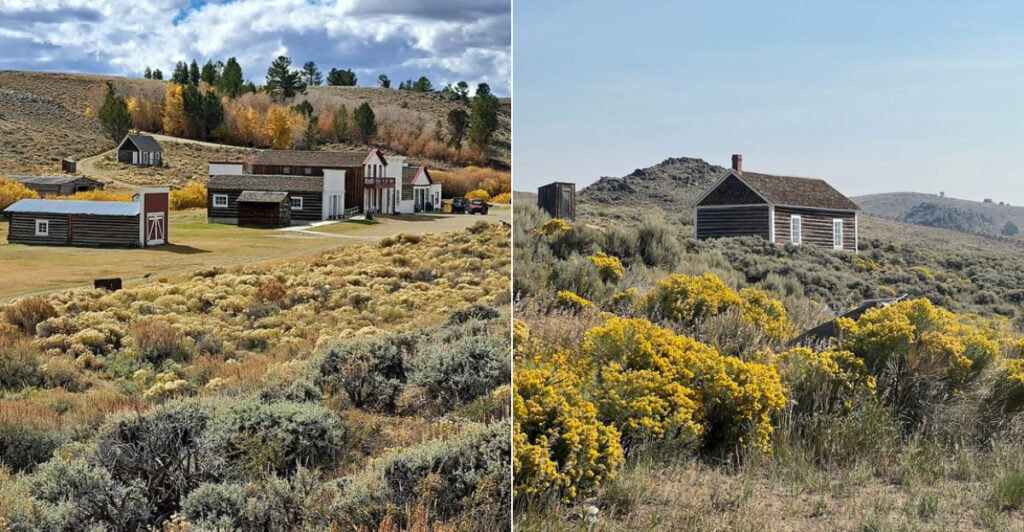
A Wyoming ghost town where time stopped in the 1870s is still standing and still open for anyone curious enough to find it. Most people who go say they had no idea something like this existed.
Over twenty original buildings still stand. Inside them, over thirty thousand artifacts sit exactly where history left them.
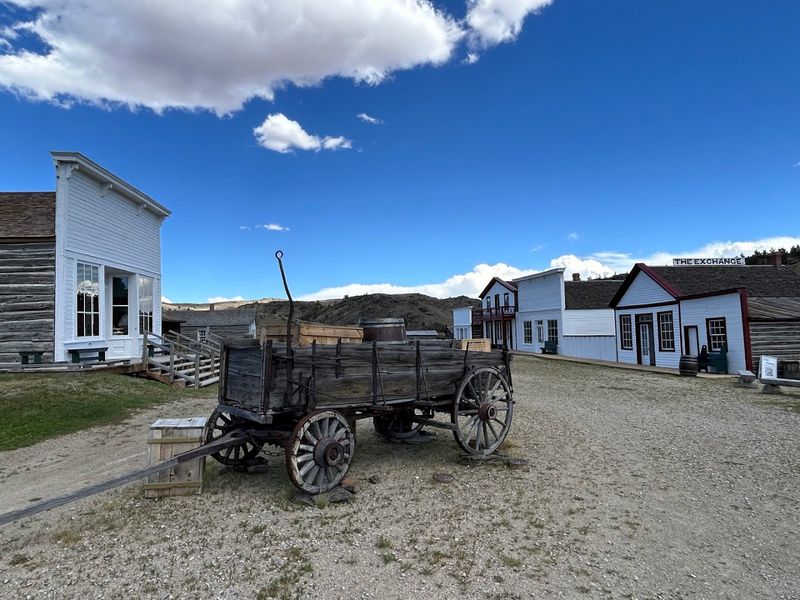
Have you ever walked down a complete 1800s main street with nobody else around and nothing but open sky above you? That is a real possibility here.
The crowds that overwhelm other historic sites never quite make it out to this remote corner of Wyoming.
The town earned its place in American history twice over, once for gold and once for something far more lasting. Give yourself a full afternoon and start driving toward it.
A Town Born From Gold
Gold does strange things to people. In 1867 and 1868, the discovery of the Carissa Lode in the Sweetwater Mining District sent thousands rushing to a remote corner of Wyoming Territory.
At its peak, South Pass City had a population of 2,000 to 3,000 people. More than 300 buildings lined its main street.
It was called the Gold Capital of the Wyoming Territory, and for a brief, blazing moment, it truly was.
By 1872, the boom had faded. People packed up and moved on, leaving behind an almost perfectly preserved snapshot of frontier life.
What makes this place so fascinating is how quickly it rose and how quietly it disappeared.
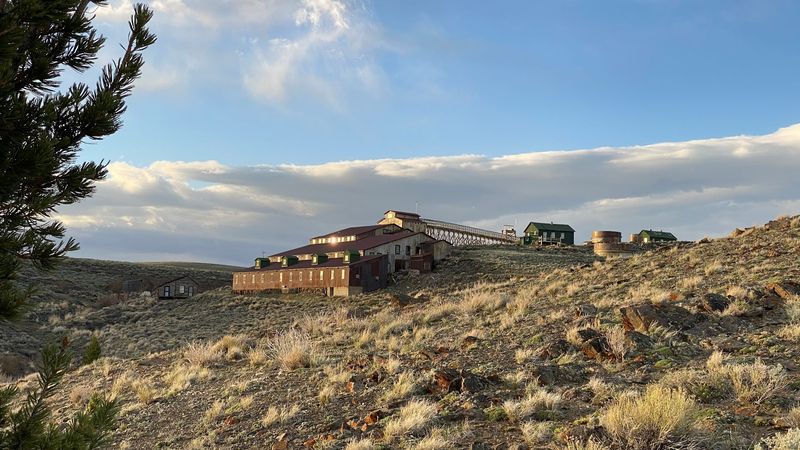
Today, visitors walk the same ground those gold seekers once scrambled across. The Carissa Mine still stands at the edge of town, a massive, rusted reminder of what once drove thousands of people into this remote stretch of Wyoming high country.
Have you ever wondered what it felt like to stake a claim and bet everything on a glint of yellow in the rock? Walking through South Pass City comes about as close to answering that question as anything can.
Buildings That Actually Survived
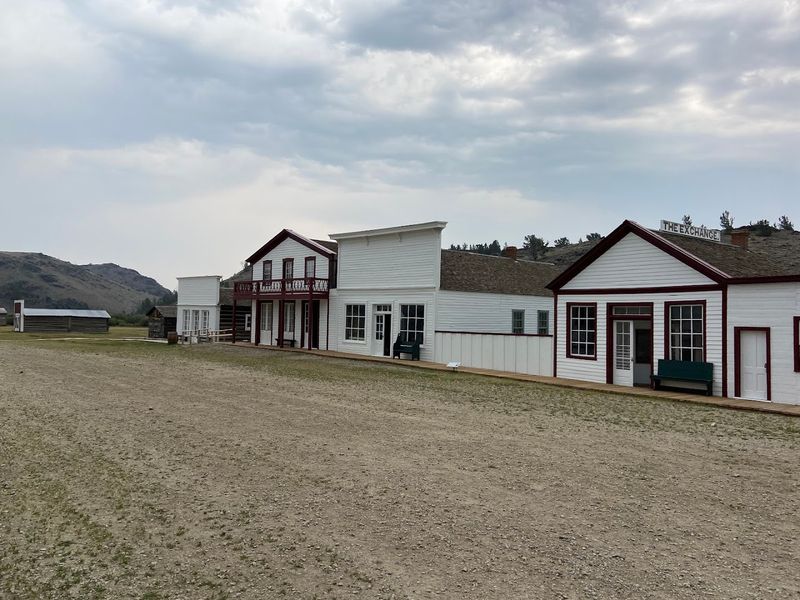
Most ghost towns offer a few crumbling walls and a lot of imagination. South Pass City offers something far more satisfying: more than 20 original or carefully restored structures you can actually walk into.
The hotel is a favorite for many visitors. Its narrow, creaky staircase and small period-furnished rooms make it feel like the guests just stepped out for a moment.
The jail, the family cabins, and the trading post each have their own story, told through the objects left inside.
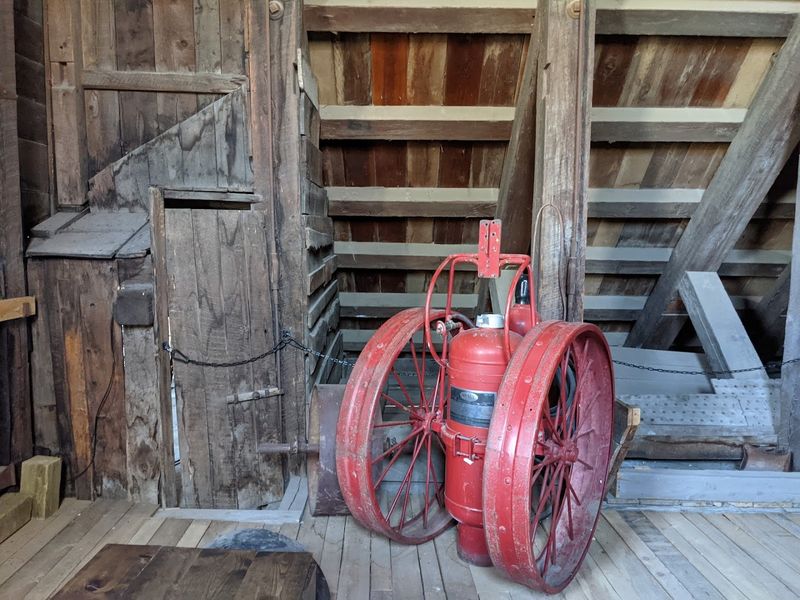
Over 30 period room exhibits fill the site, and more than 30,000 artifacts are on display throughout. These are not replicas arranged for effect.
Many are original items that were simply never moved.
One visitor noticed that the canned goods on the general store shelves were new cans carefully wrapped in old labels. That kind of attention to detail is everywhere at South Pass City State Historic Site, located at 125 S Pass Main St, South Pass City, WY 82520.
Could you spot the difference between what is original and what has been lovingly recreated? That little game alone could keep you busy for an afternoon across this remarkable Wyoming landmark.
Women Changed History Here
Not every ghost town helped change the world. South Pass City did.
In 1869, a local representative named William H. Bright introduced legislation that made Wyoming the first government in the world to grant women the permanent right to vote and hold public office.
That is not a small footnote. That is a turning point in history, and it happened right here in this quiet mountain town.
A year later, in 1870, a South Pass City resident named Esther Hobart Morris became the first woman in the United States to serve as Justice of the Peace. She was practical, determined, and not particularly interested in being told what she could not do.
Visitors who know this history walk through town with a different kind of appreciation. The buildings are impressive, but the stories inside them are extraordinary.
Wyoming was ahead of its time in ways that still feel remarkable today.
How many places can you visit where the ground itself carries that kind of weight? South Pass City is one of the very few, and that alone makes the drive out here more than worth it.
Pan For Gold Yourself
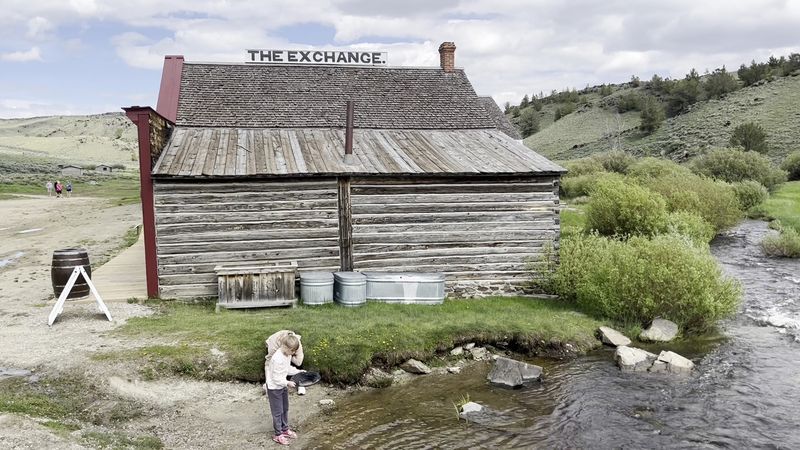
Forget reading about the gold rush. At South Pass City, you can actually try your hand at the real thing.
Gold panning is available right next to the creek, and it costs nothing extra to give it a go.
The process takes a little patience. Visitors who have tried it say the first few minutes feel confusing, but once you get the rhythm of swirling water and gravel, it becomes genuinely addictive.
One family spent 30 to 45 minutes at the creek and came away with small flecks of gold and a handful of garnets.
Finding rubies and garnets in the pan is actually pretty common. Finding gold is rarer, but it does happen.
The creek does not give up its secrets easily, which makes every tiny glint feel like a victory.
There is something unexpectedly calming about standing at the water’s edge, focused entirely on what might be hiding in the gravel beneath your feet. No phone notifications, no schedule pressure, just the sound of moving water and the possibility of gold.
What would you do if you actually found a nugget? It is a fun question to sit with while the water swirls in your pan on a sunny Wyoming afternoon.
The Carissa Mine Tour
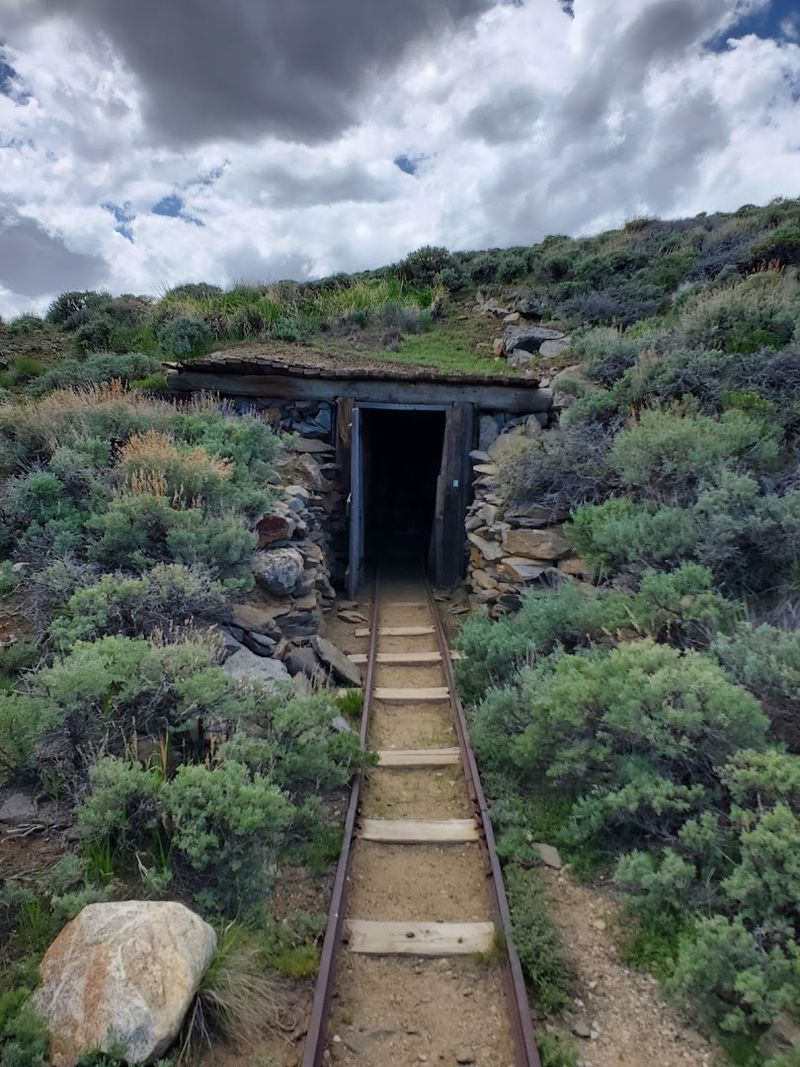
The Carissa Mine is the kind of place that stops you in your tracks before you even get close. The wooden headframe rises against the open Wyoming sky, and the scale of the old mining operation becomes immediately clear.
Tours of the Carissa Mine are available, but they run on a limited schedule, so checking the website before you visit is a smart move. Visitors who have made the tour say the experience of walking into the mine shaft and seeing the ore cart still sitting on its tracks is genuinely unforgettable.
The machinery around the mine tells its own story. The stamp mill, reachable via a short hiking trail from the main townsite, shows how raw rock was crushed and processed in search of gold.
It is loud, mechanical history frozen in place.
One visitor who missed the mine tour made a note to return specifically for it. That kind of pull is rare.
Most attractions settle for a single visit, but the Carissa Mine tends to leave people wanting another look.
Could you walk into a 150-year-old mine shaft and not feel the weight of all that history pressing in around you? The Carissa Mine answers that question in a way no photograph quite captures.
Hiking Trails Around Town
South Pass City is not just a walking tour of old buildings. The surrounding landscape invites you to stretch your legs across some genuinely beautiful Wyoming high desert terrain.
A 1.7-mile loop trail takes hikers past mining homesteads and ruins that sit outside the main townsite. The path is easy, the scenery is wide open, and the remnants of old mining life scattered along the route add constant interest.
Another trail leads to the stamp mill, offering a different perspective on the site’s industrial past.
The elevation here sits above 6,500 feet, so even an easy trail feels slightly more demanding than expected. Take your time.
The views reward slow walkers just as much as fast ones.
On a clear day, the surrounding hills and open sky create the kind of landscape that makes you forget whatever was on your mind before you arrived. There are no crowds on these trails.
Most visitors stick closer to the main street, which means the hiking routes feel almost private.
Have you ever had a hiking trail almost entirely to yourself, with a ghost town visible in the valley below? That is exactly the kind of quiet, personal experience that South Pass City quietly delivers on a regular basis.
Best Time To Visit
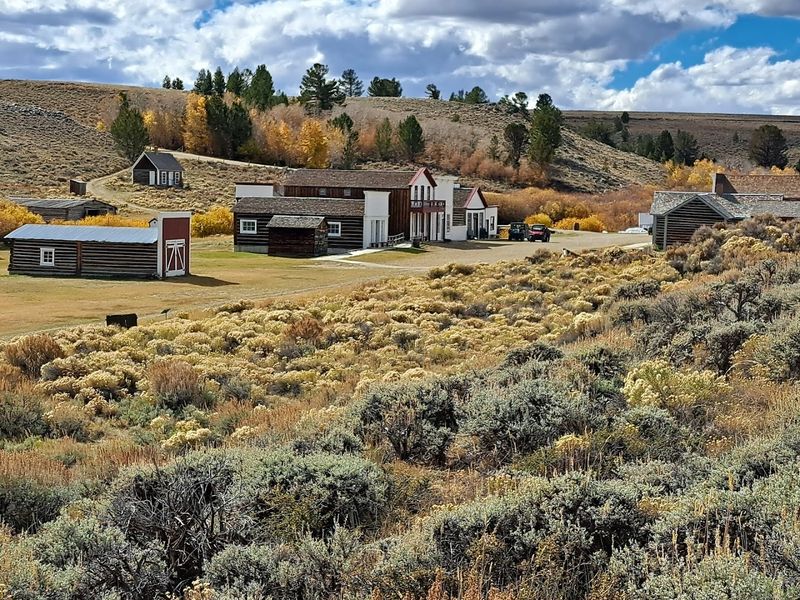
Timing your visit makes a real difference at South Pass City.
One visitor arrived in winter to find the site closed and the wind biting hard at 22 degrees. The lesson is simple: summer is the season for South Pass City.
Special events like Gold Rush Days can draw more visitors than the average day, but even then, the site never feels overwhelmed. Its remote setting naturally filters out casual passersby.
Most people who make it out here have done some planning, which means the crowd that does show up tends to be genuinely interested.
Arriving early in the morning gives you the best chance of having the town almost entirely to yourself. Several visitors have reported having the whole place to themselves for most of their visit, which is a rare and wonderful thing.
What would it feel like to walk an entire 1800s main street with no one else around? Plan your visit right, and South Pass City will show you exactly what that feels like.
A Gift Shop Worth Browsing
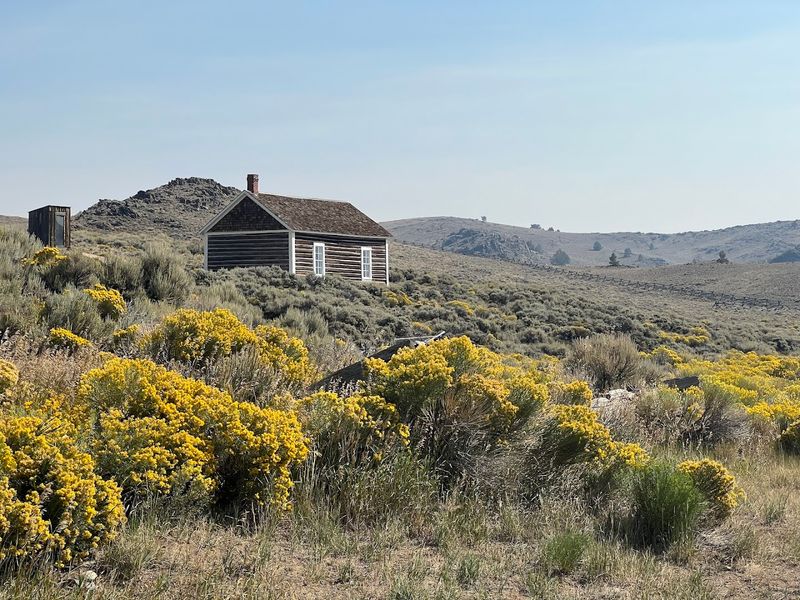
Not every historic site gift shop earns its own mention, but the one at South Pass City is different. Visitors consistently single it out as friendly, well-stocked, and genuinely useful for understanding the history of the area.
Regional and historical books line the shelves, covering topics from Wyoming gold rush history to westward migration along the South Pass route. There are items for kids and adults, and the staff members who run the shop are known for going out of their way to help.
One group arrived just as closing time approached and the staff stayed open a little longer to let them browse.
A walking guide available at the gift shop helps visitors navigate the townsite on their own. It points out details that are easy to miss, like the carefully labeled artifacts and the subtle differences between original structures and restored ones.
The shop also carries sarsaparilla, which is a sweet, old-fashioned root-based drink that fits the setting perfectly. Several visitors have mentioned it as a surprisingly fun part of the experience.
Good gift shops do not just sell things. They extend the experience and give you something to take home beyond photographs.
The gift shop at South Pass City State Historic Site in Wyoming manages to do exactly that, without feeling like a tourist trap at all.