Some buildings politely ask for your attention. This one practically clears its throat from across Baton Rouge, all pointed arches, castle-like drama, and Mississippi River confidence.
I half expected a knight, a ghost, or at least a very serious docent to appear at the entrance.
Instead, you get something better: a historic landmark that feels theatrical without turning into a gimmick.
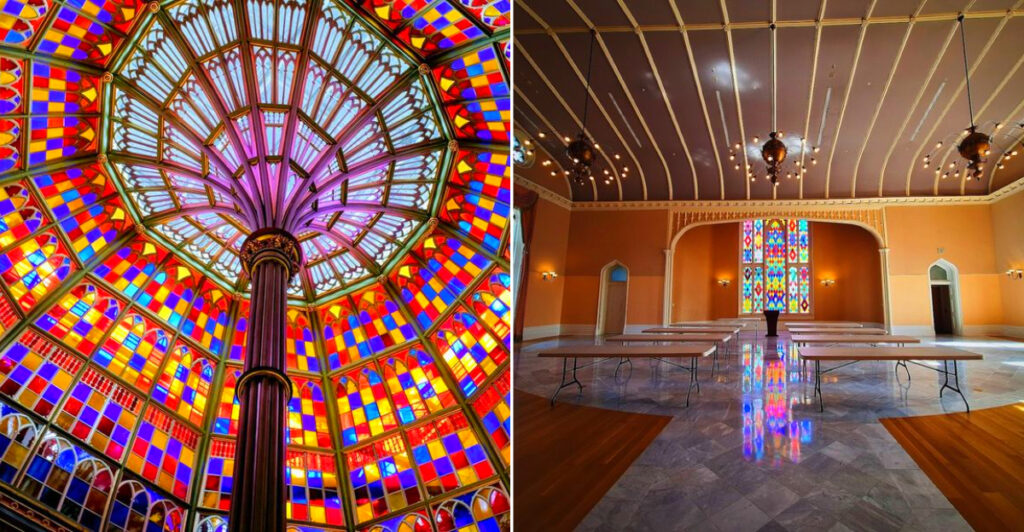
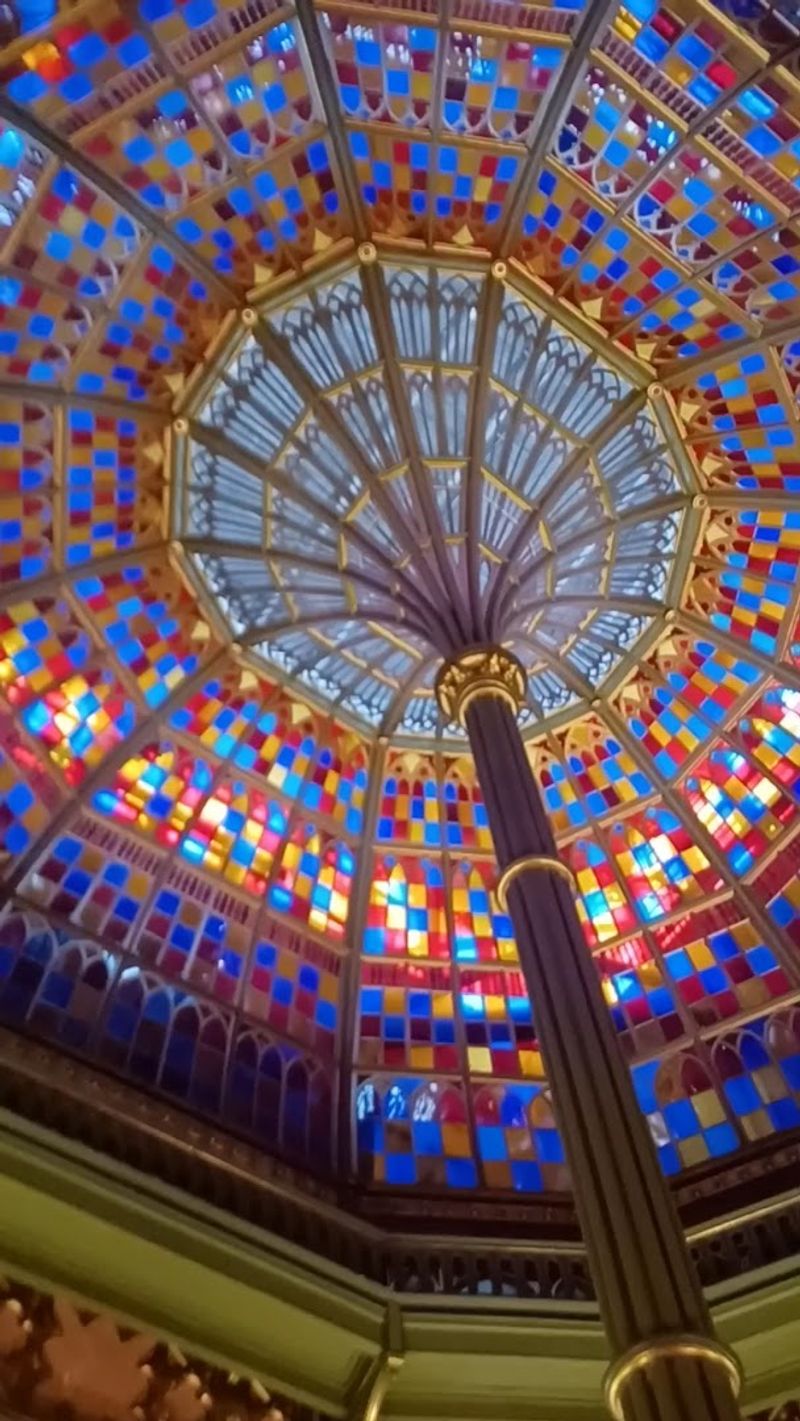
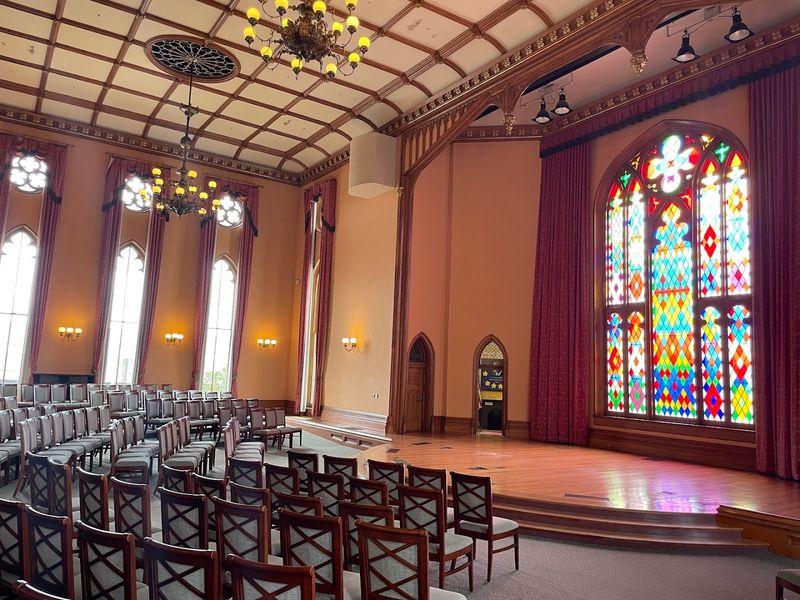
Step inside and the mood changes from fortress to jewel box. The stained glass catches the light in a way that makes the rotunda feel less like a room and more like a slow-moving magic trick.
This Baton Rouge historic attraction is one of Louisiana’s most memorable places to visit for architecture, riverfront views, and a surprisingly atmospheric museum experience.
Go at the right hour, linger instead of rushing, and let the building do what it does best: make history feel strange, beautiful, and very much alive.
Arrive For The Light Show

I plan arrival times around sun angles because the building rewards patience. The best windows for that cathedral effect are around 11 a.m. and 3 p.m., when sunlight threads through stained glass and paints the rotunda in jewel tones.
That timing changes with the season, so I check local sunrise and sunset and aim for that mid-morning or mid-afternoon slot.
Photographers will love the saturated colors and the way the cast-iron staircase cuts into the light. Bring a small tripod if you want crisp low-light shots, but be ready to handhold for candid moments. Admission is free, which makes timing your visit a low-cost luxury.
Stained Glass Before The Mississippi
Louisiana’s Old State Capitol looks like Baton Rouge borrowed a Gothic castle and dropped it near the river, which makes the arrival feel dramatic before you even reach the door. The towers, arches, and stonework give the place a storybook mood, but there is real history underneath all that architectural flair.
You’ll find it at 100 North Blvd, Baton Rouge, Louisiana 70801, close to downtown streets, the riverfront, and other easy walking stops. It fits neatly into a broader Baton Rouge visit, especially if you like mixing history, architecture, and a short riverfront wander.
Park nearby and approach slowly. The building deserves a proper first look from the outside, but the real payoff comes when you step in and the stained glass turns the whole visit theatrical. Give yourself time to look up, because the interior is where the drama becomes unforgettable.
Study The Spiral Staircase
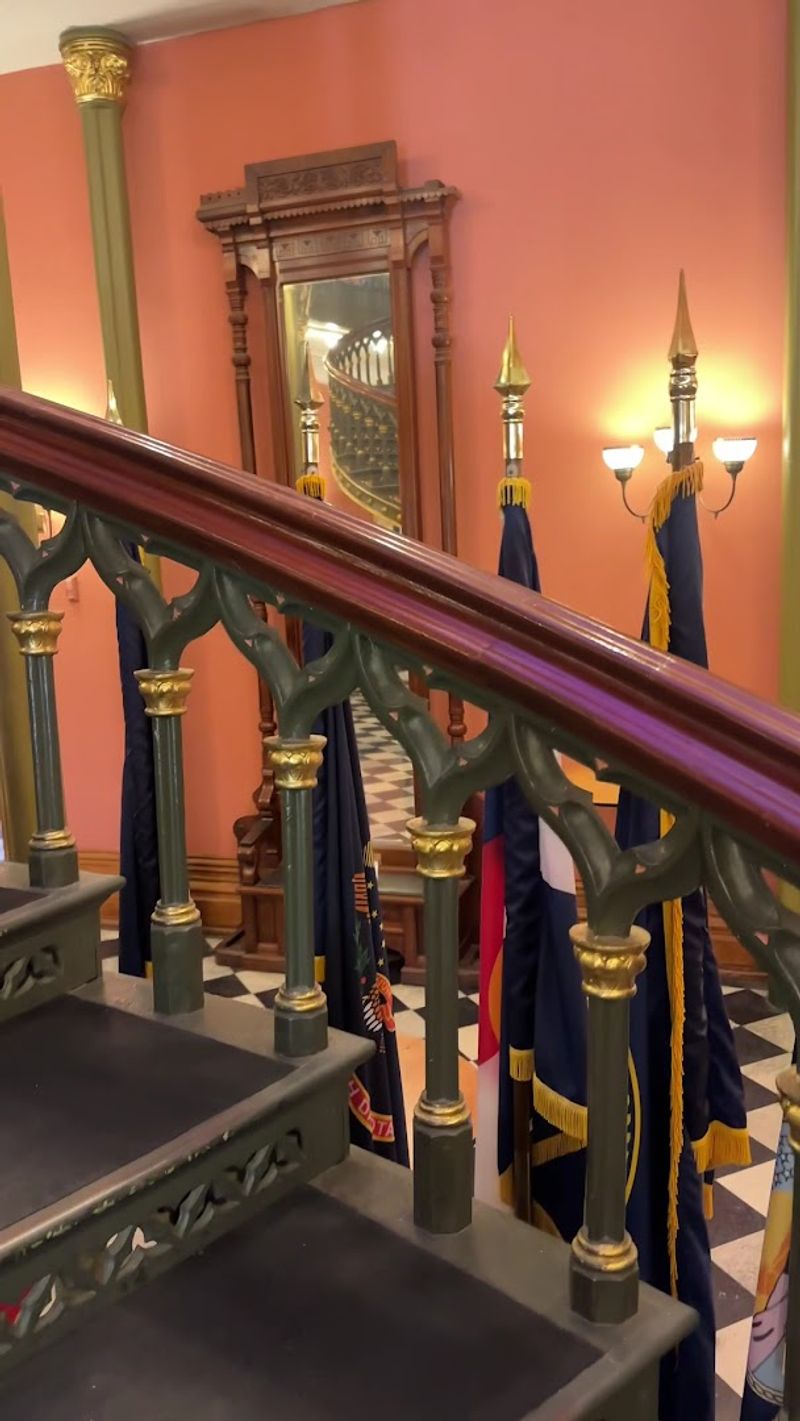
The cast-iron spiral staircase is a structural flourish that reads both delicate and robust. I find myself circling it, watching how light from the dome slices the iron into shadow patterns that change with the hour.
The spiral does more than connect floors, it frames sightlines across the rotunda and demands attention from every angle. It has that rare museum quality where function becomes spectacle without trying too hard.
Walk slowly and notice small design choices: the repeating motifs, the tactile patina on the handrail, and how the staircase was integrated during the 1882 reconstruction.
It feels like a Victorian-era solution to moving people elegantly through a dramatic central space, almost as if the building wanted even ordinary movement to feel ceremonial.
For photos, step back to show the staircase against the dome, then move closer for the ironwork details that reveal its craftsmanship.
Time The Photo Op
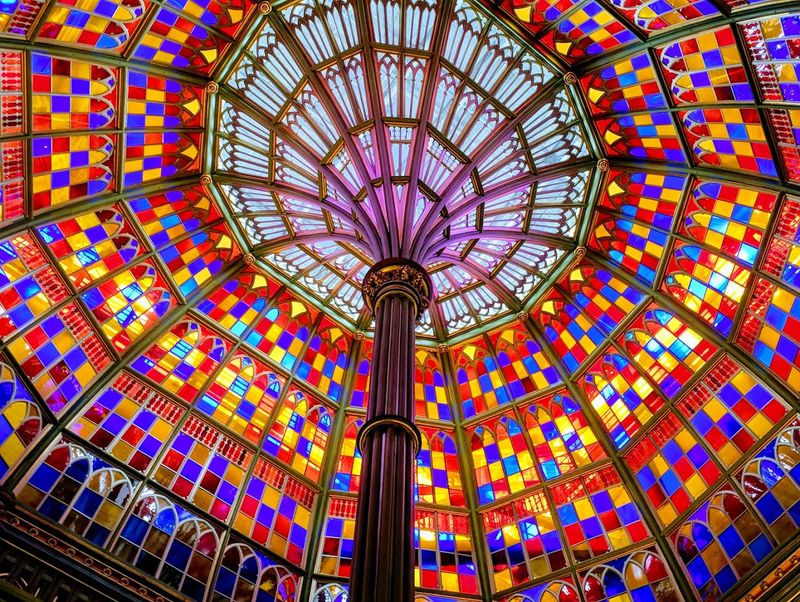
Photographing the Old State Capitol is about timing and restraint. I usually scout a vantage, then wait for a natural gap in visitors so the shot reads as spacious rather than crowded.
The richest photos happen when direct sunlight hits the dome, around mid-morning or mid-afternoon, so plan to be in the rotunda then.
For composition, include architectural elements like the staircase or balcony to give scale. Use a modest wide-angle to capture dome curvature without distortion.
If you want color-rich exposures, underexpose slightly and let the stained glass glow; bump ISO only if needed to keep shutter speed steady for handheld shots.
Listen To The Building
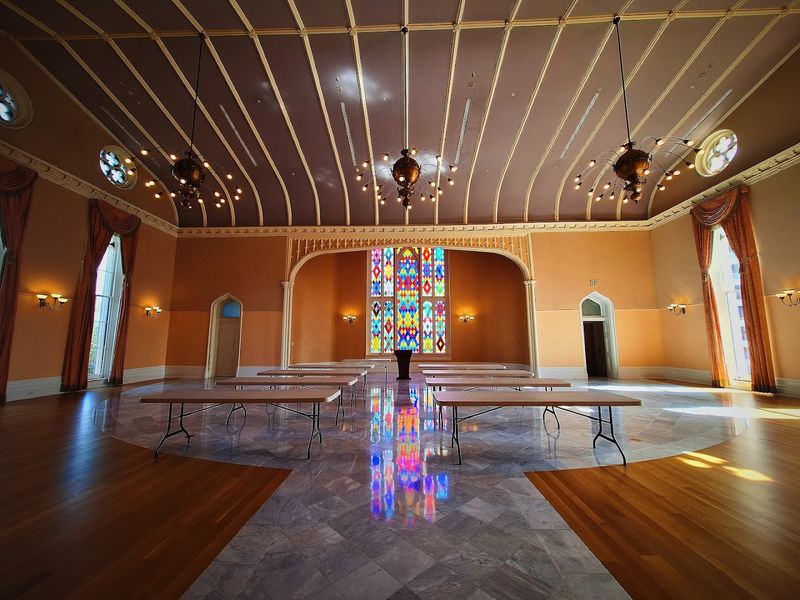
The museum rewards quiet attention more than hurried skimming. I once spent a long minute listening to footsteps, the whisper of audio guides, and the soft hum of climate control while sunlight moved across a mosaic floor.
That auditory pause made the exhibits feel less like facts and more like lived moments belonging to the building itself. It is the kind of place where slowing down actually changes what you notice.
If you use the audio tour, let it guide you through chronological exhibits and then pause to look up. Staff are friendly and helpful, but I prefer small stretches of silence to fully absorb the stained-glass interplay and carved details that museums don’t always label exhaustively.
Give yourself permission to drift a little between displays, because the architecture often explains the mood better than any sign could.
Follow The History Trail
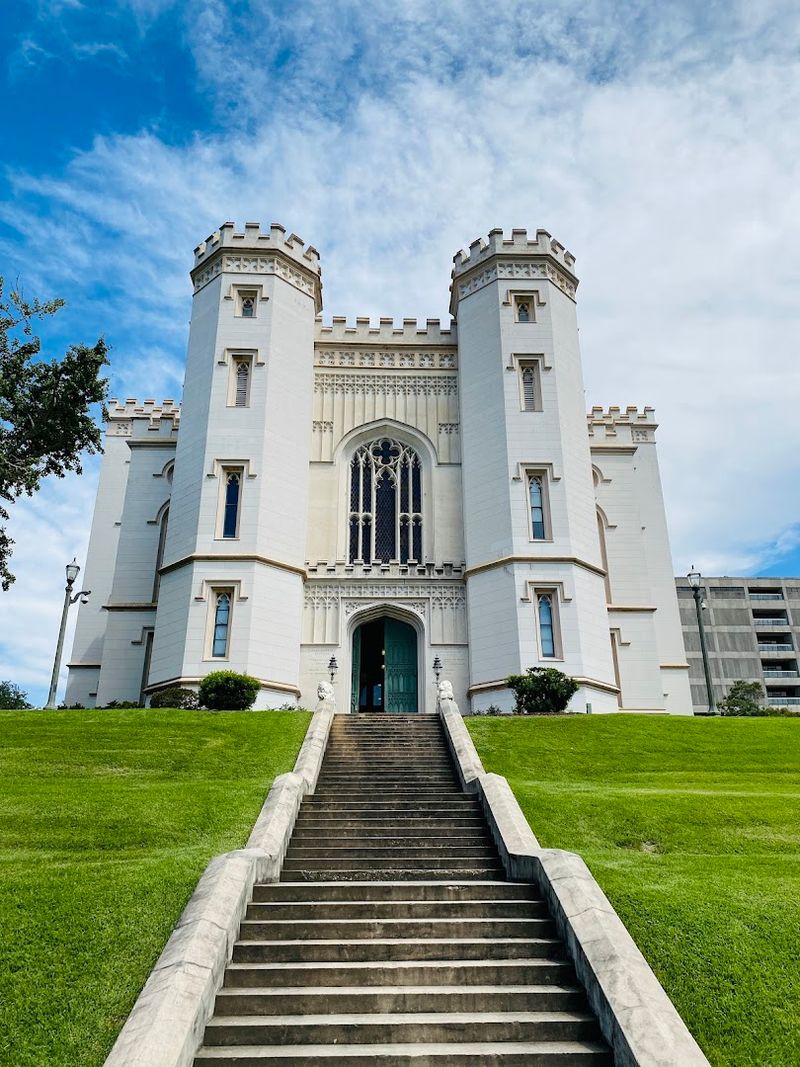
The Old State Capitol is a museum about politics and place, and its exhibits are thoughtfully arranged. I like starting with the building’s own story, its 1847-1852 origins, Dakin’s Castellated Gothic design, and the 1882 restoration by Freret that added the stained-glass dome and iron stairs.
From there the narrative moves into Louisiana’s political history, including the Huey Long era and moments of upheaval.
Exhibits include artifacts, photographs, and interpretive panels that balance celebration and critique. Take your time in the Huey Long displays to understand why his legacy still prompts strong feelings in Louisiana history.
Plan Around Hours And Closures
Practical planning matters because the museum has limited open days. It opens at 10 a.m. on most weekdays and closes early on select days, with Fridays and Sundays often closed.
I always check the official site or call the phone number to confirm hours before heading over from the hotel or nearby attractions to avoid disappointment.
Parking can be a mix of street meters and nearby lots, so bring small bills or a meter app. If you’re on a tight schedule, arrive early in the day to enjoy cooler light in the rotunda and fewer visitors during the first hour after opening.
Notice The Exterior Details
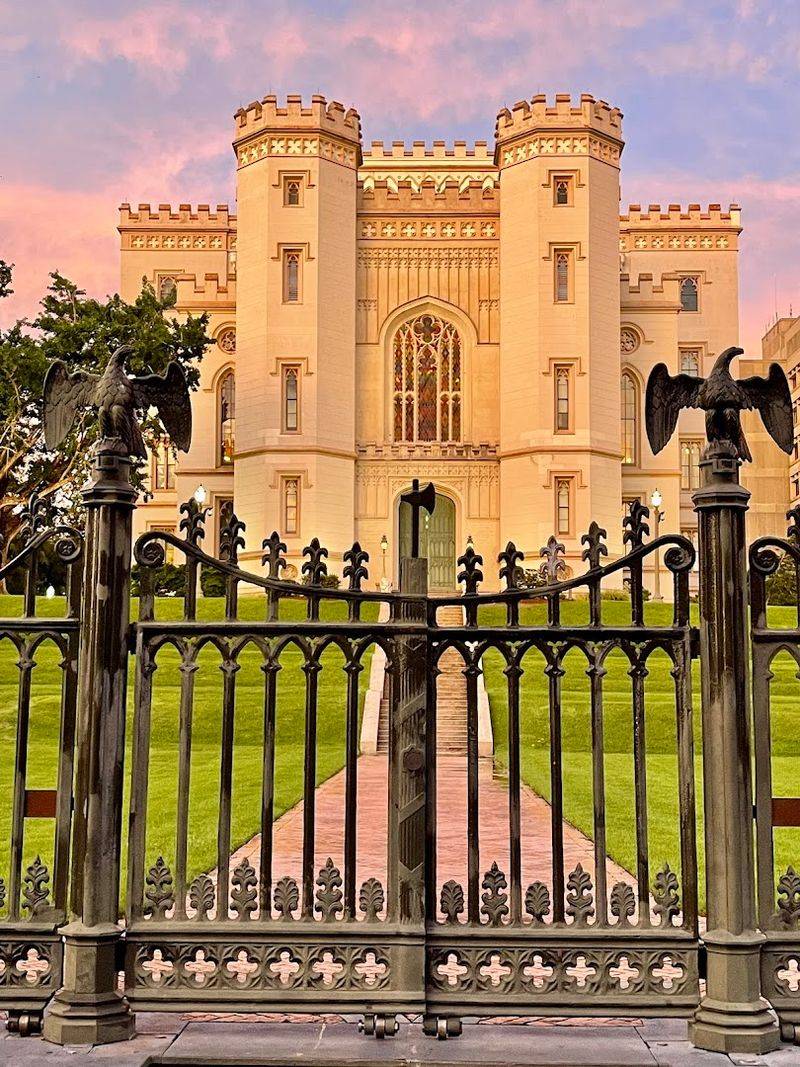
The building’s exterior reads like a deliberate theatrical set, gables, pinnacles, and inset stained-glass windows contribute to that 15th-century cathedral impression. I enjoy walking the perimeter slowly, noting how the masonry, window tracery, and pocket doors interplay with nearby trees and the lawn.
From certain angles the silhouette looks playful rather than grim.
Photograph the facade from across the street to include the full castellated profile. Bring a polarizer to manage reflections on glass and to bring contrast to stone texture. Even when closed, the exterior rewards a careful stroll around the grounds.
Engage With Staff And Volunteers
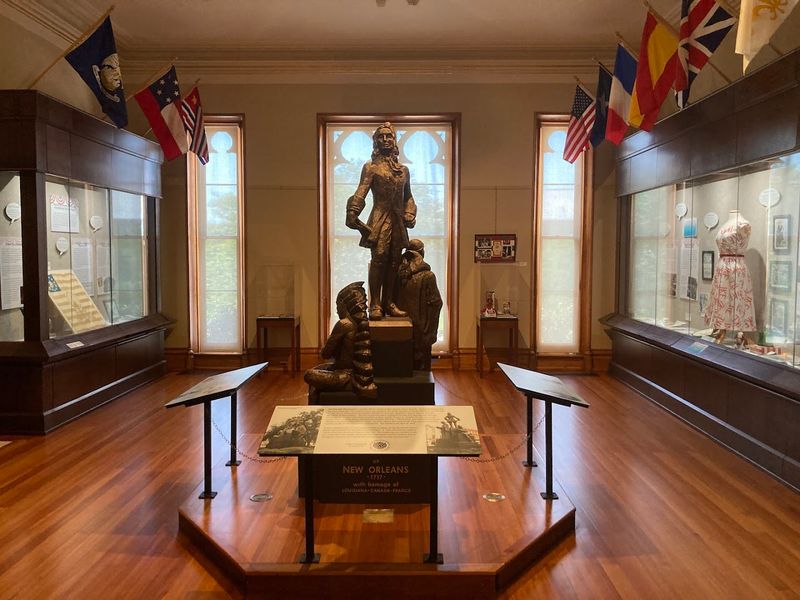
Staff at the Old State Capitol are knowledgeable and genuinely helpful. I once asked a volunteer about a small carved hinge and ended up with an anecdote about a restoration project that added depth to the exhibits.
They can point you to must-see rooms like the house and senate chambers and suggest lesser-known features like the governor’s office and the Merci Train car out front.
Don’t hesitate to ask about accessibility, the audio tour, or the $2 film. A quick chat with staff often reveals timing tips that improve your visit and sometimes the best spot for photos or quiet viewing.
Be Mindful Of Sensitive Exhibits
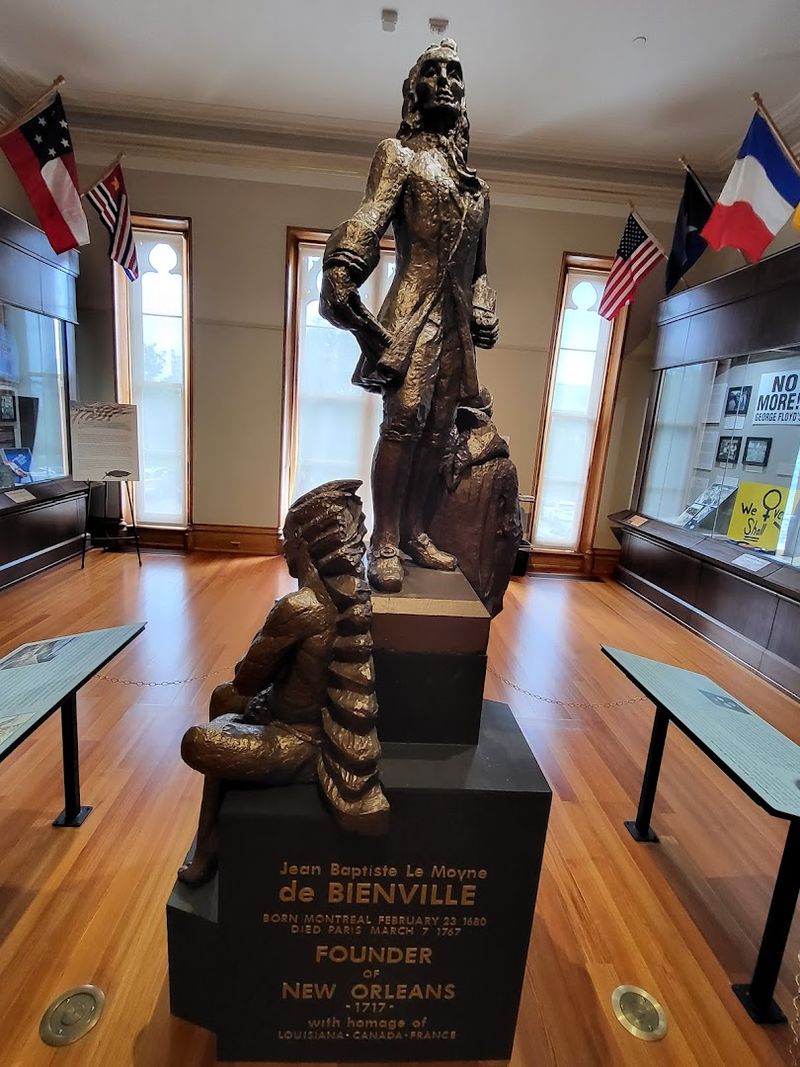
The museum handles complex and sometimes painful topics with care. I appreciated exhibits that confront difficult aspects of Louisiana politics and social history without sensationalism.
Displays on secession, lynching, and political struggles are presented factually, encouraging reflection rather than easy answers. It’s respectful to approach those rooms with quiet attention and a willingness to learn.
Take time with these sections and consider pairing them with the audio tour or museum literature to get fuller context. The balance between architectural beauty and sober historical content is one of the building’s strengths, and it rewards thoughtful visitors.
Enjoy Small Conveniences
The gift shop is compact but curated with locally relevant items that make nice takeaways. I once bought a small book about Louisiana political history and a piece of pecan candy that survived the walk back to the car.
Prices were reasonable and staff at the desk can recommend related readings or nearby sites to compare with the Old State Capitol experience.
If you plan to watch the short film for a couple dollars, the desk sells tickets and can advise on showtimes. Free admission makes these small purchases a pleasant way to support the museum’s upkeep.
Compare Old And New Capitols
Visiting both the Old State Capitol and the current capitol tower enriches the story of Louisiana governance and design. I recommend walking from one to the other to feel the shift from romantic Gothic Revival to austere modern tower.
The contrast highlights changing tastes, technological advances, and different approaches to civic symbolism across eras.
Allow time to visit exhibits in each building and consider how each structure frames public memory. If you only have time for one, choose the Old State Capitol for atmosphere, the dome, and a condensed, emotionally resonant take on Louisiana’s political past.