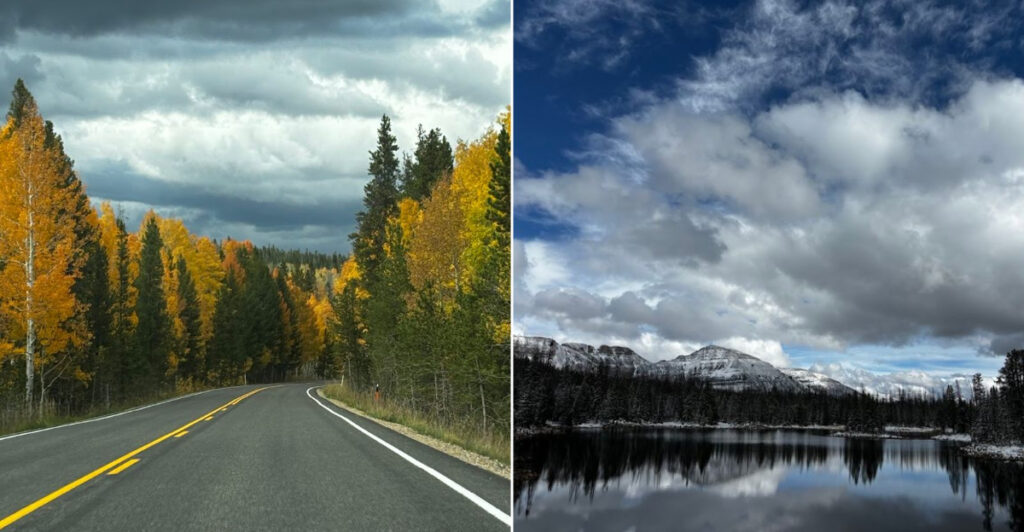
Some towns do not need to announce themselves loudly. They simply let the mountains make the introduction.
On the western edge of Summit County, Utah, this small ranching and lumber town sits far enough from the city to feel like a real exhale, yet close enough for a weekend escape that does not require complicated logistics. With just over 2,000 residents, it moves at a pace that feels earned, not staged, with open sky, local history, and the kind of quiet that makes you lower your voice without meaning to.
The nickname “Gateway to the Uinta Mountains” is not just a slogan here. It feels like a fair warning that bigger scenery is waiting around every bend.
Bring a full tank, a loose plan, and an appetite for fresh air. Utah’s mountain towns can surprise you, but this one makes slowing down feel like the whole point.
Where The Plan Basically Makes Itself
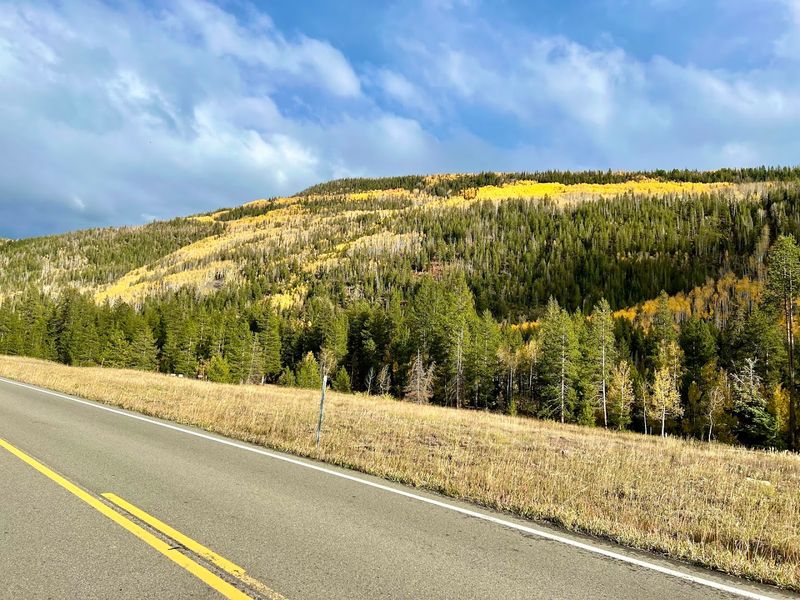
Some destinations require a spreadsheet, three browser tabs, and a minor argument about parking. Kamas, Utah, located at the foot of the Uinta Mountains along Utah 84036, is not one of those places.
The town has a natural gravitational pull that makes the decision feel less like planning and more like remembering something you already knew.
Sitting 42 miles east of downtown Salt Lake City, it is close enough for a casual Saturday escape but far enough that the city noise genuinely disappears. The drive itself is part of the reward, with open ranch land giving way to mountain silhouettes that grow larger and more convincing the closer you get.
Quick Tip: Leave early in the morning. The light on the surrounding hills before 9 a.m. is the kind of thing people describe badly in group chats but experience very well in person.
Kamas has about 2,000 residents, which means the town has actual character rather than the performed version. You will notice it immediately, in the unhurried pace of traffic, the lack of a chain coffee franchise on every corner, and the faint but real smell of mountain air that no app can replicate.
The Honest Case For A No-Debate Weekend Stop
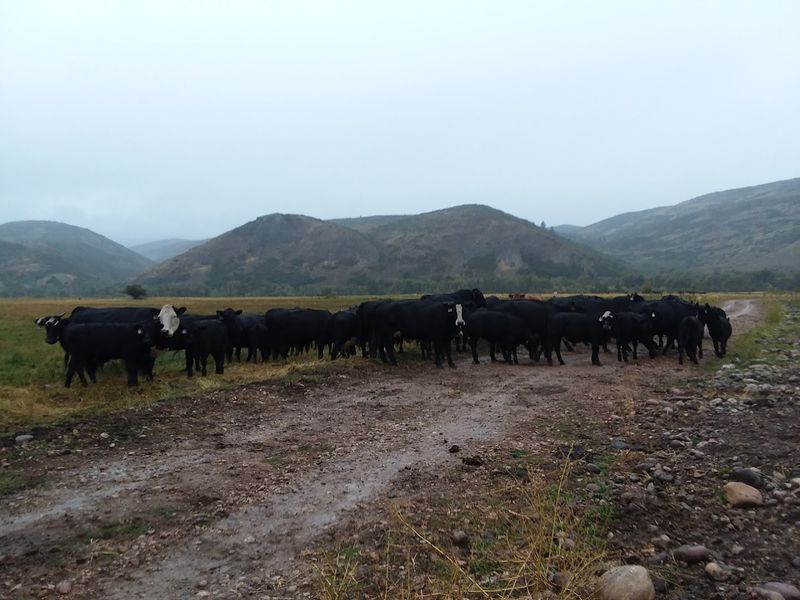
The core appeal of Kamas is almost embarrassingly simple: it is a real working town that happens to sit at the doorstep of one of the most dramatic mountain ranges in the American West. No manufactured charm, no overpriced boutiques masquerading as local culture.
Just a cattle ranching and lumber community that has never needed to reinvent itself for visitors.
That authenticity is the win. When you pull into a place and it looks exactly like what it actually is, something in your brain relaxes in a way that a curated tourist destination rarely allows.
Best For: Couples looking for a low-pressure day trip, families who want real scenery without a theme park price tag, and solo travelers who prefer their weekends to feel earned rather than packaged.
The town does not oversell itself, which is perhaps its most underrated quality. What you see is what you get, and what you get is a genuinely pleasant, mountain-adjacent small town that rewards the visitor who simply shows up and pays attention.
That is a rarer combination than it sounds.
Arriving In Kamas Feels Like Exhaling
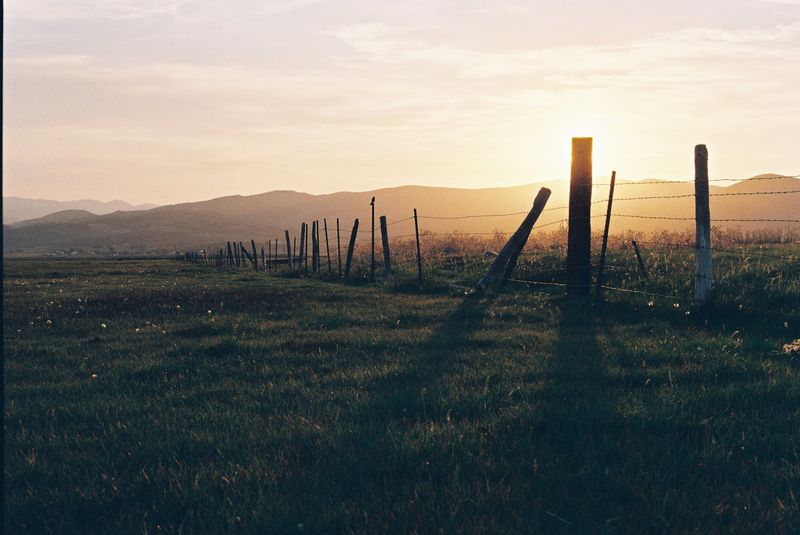
There is a specific moment on the drive into Kamas when the valley opens up and the Uinta Mountains stop being a smudge on the horizon and become an actual wall of rock and sky. It is the kind of arrival scene that makes you instinctively reach for your phone, realize you want to just look at it instead, and put the phone back in your pocket.
That almost never happens anymore.
The approach from the Salt Lake side takes you through ranch country that feels genuinely western without being theatrical about it. Fences, open fields, the occasional cattle operation that reminds you this land has been working for generations before anyone thought to Instagram it.
Insider Tip: Roll your windows down for the last few miles. The air quality shift from city to mountain valley is noticeable enough to be its own small event, and it sets the tone for everything that follows.
Kamas itself is compact and easy to read. One visit is enough to understand the town’s layout, and that simplicity is a feature, not a limitation.
You are not here to navigate; you are here to arrive and breathe.
Why Locals Have Never Needed To Oversell It
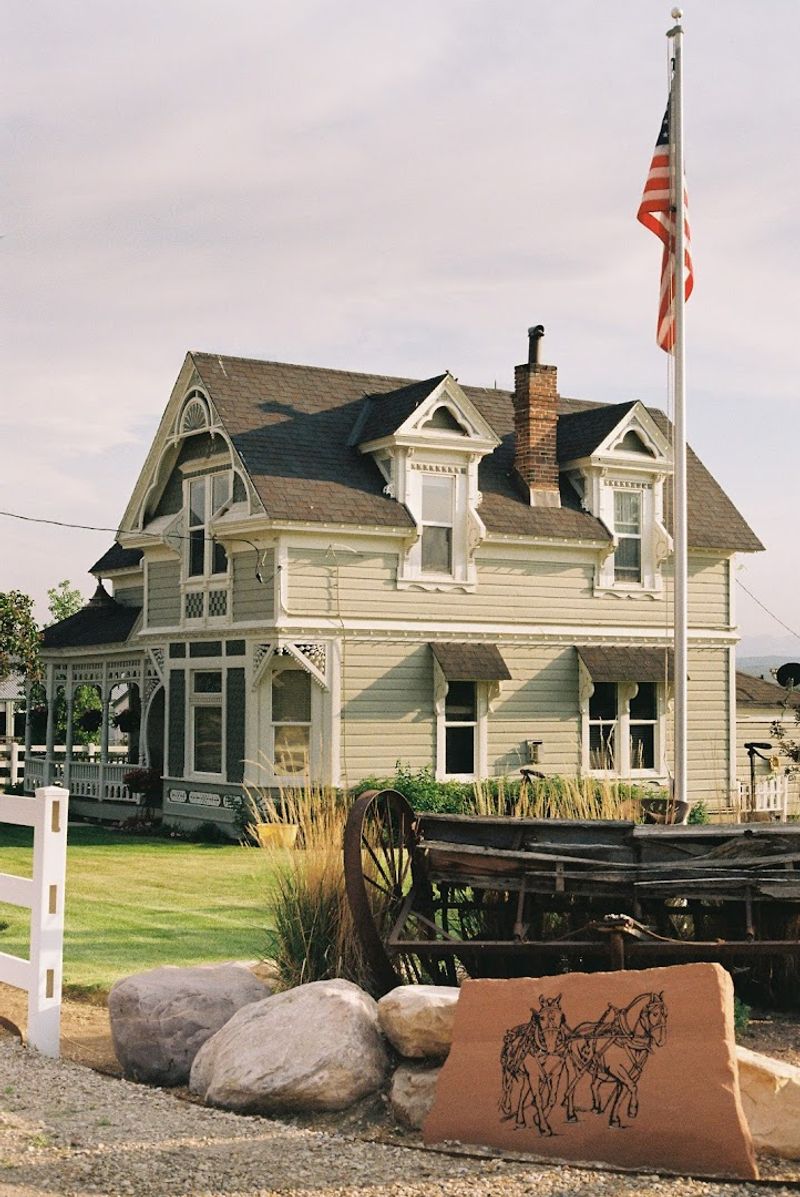
In a town of roughly 2,000 people, word of mouth is not a marketing strategy. It is just Tuesday.
Kamas residents have the quiet confidence of people who live somewhere genuinely good and have never had to convince themselves of that fact.
The town’s main industries, cattle ranching and lumber, give it a working identity that most small towns have traded away for tourism infrastructure. Kamas has not made that trade.
The result is a place that feels inhabited rather than staged, and that difference is something visitors pick up on within about fifteen minutes of arrival.
Why It Matters: Authenticity in a small town is not decorative. It means the people you encounter are living their actual lives around you, not performing a version of local culture for an audience.
That changes the energy of a visit in ways that are hard to quantify but easy to feel.
Locals tend to give directions with landmarks rather than GPS coordinates, recommend the same handful of spots with the certainty of people who have tested their opinions repeatedly, and generally treat a visitor’s interest in their town as reasonable rather than surprising. That is a small but meaningful thing.
A Town That Fits Every Kind Of Traveler Without Trying
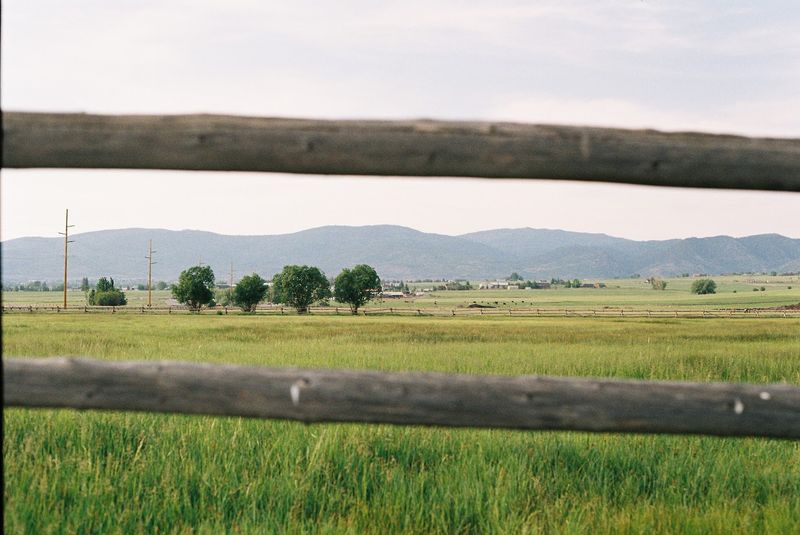
Kamas has the rare quality of being genuinely useful to different types of visitors without bending itself into shapes trying to accommodate all of them. Families find it manageable and unhurried.
Couples find it scenic and low-pressure. Solo travelers find it the kind of place where you can think clearly for the first time in a while.
None of those experiences require much coordination. The town is small enough that you can orient yourself quickly and large enough that there is something to reward your attention.
The Uinta Mountains serve as a constant visual anchor, reminding everyone that the real scale of this landscape is waiting just beyond the town limits.
Planning Advice: Do not over-schedule a visit to Kamas. The value here is in the pace, not the itinerary.
Build in time to simply be in the town without a specific objective, and that unscheduled window will likely become the part you remember most clearly.
Children tend to respond well to places where the outdoors is the main attraction and screens feel slightly beside the point. Kamas delivers that without requiring a lecture about fresh air or a complicated permission slip from the group chat.
Make It A Mini Outing Without Overthinking It
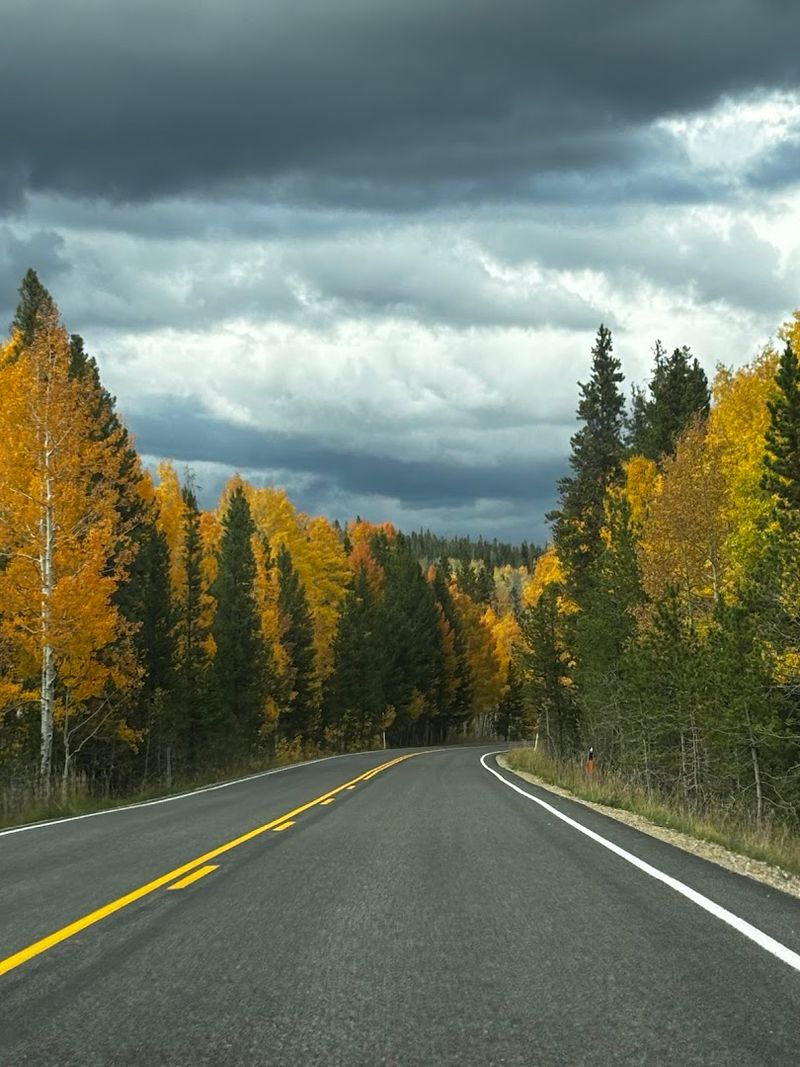
The easiest version of a Kamas visit is also the best version. Drive out in the morning, take a short stroll through the compact town center, and let the Uinta Mountains do the heavy lifting in terms of atmosphere.
You do not need a reservation, a guide, or a plan that extends beyond the next two hours.
A walk down the main stretch of town gives you a quick read on what Kamas actually is: a working community with good bones and a mountain backdrop that most resort towns would pay heavily to borrow. The scale is human-sized, which makes it easy to cover ground without feeling rushed.
Common Mistakes to Avoid: Do not arrive expecting a curated experience with timed entries and branded merchandise. Kamas rewards the visitor who shows up with low expectations and genuine curiosity, not the one who arrives with a checklist and a disappointment already half-formed.
Pair the morning stop with a drive toward the Uinta Mountains on the way out and you have a half-day that costs almost nothing, requires almost no preparation, and delivers the specific kind of satisfaction that over-planned trips rarely manage. That is a solid return on a tank of gas.
The Gateway That Actually Delivers On Its Name
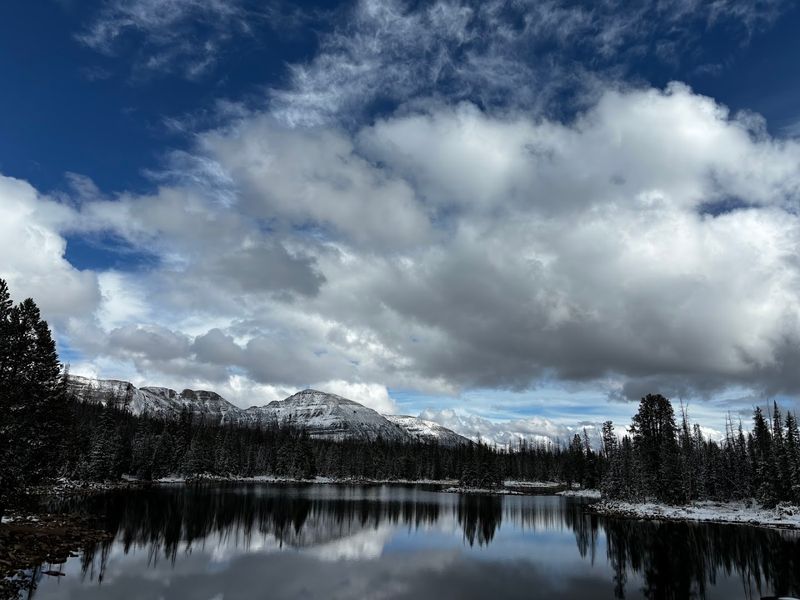
Most towns with a nickname like “The Gateway to the Uinta Mountains” are using the word gateway loosely, the way airports use the word international. Kamas earns it.
The Uinta Mountains, which include the highest peaks in Utah, begin their serious rise just past the edge of town, and the visual evidence of that proximity is available from basically every direction you look.
That geographic position is not just scenic. It means Kamas functions as a genuine transition point between the urban corridor of the Wasatch Front and one of the most remote and least-visited mountain ranges in the lower 48.
The town is where the pace changes, where the sky gets bigger, and where the air starts carrying that particular mountain quality that is equal parts pine, elevation, and the absence of anything artificial.
Quick Verdict: If you have been meaning to get out of the city and keep finding reasons not to, Kamas is the answer that requires the fewest excuses. It is 42 miles from downtown Salt Lake City, it is real, and it is ready whenever you are.
Sometimes the best recommendation a place can earn is simply this: go once, and you will understand immediately why people keep coming back. Kamas is that kind of town.