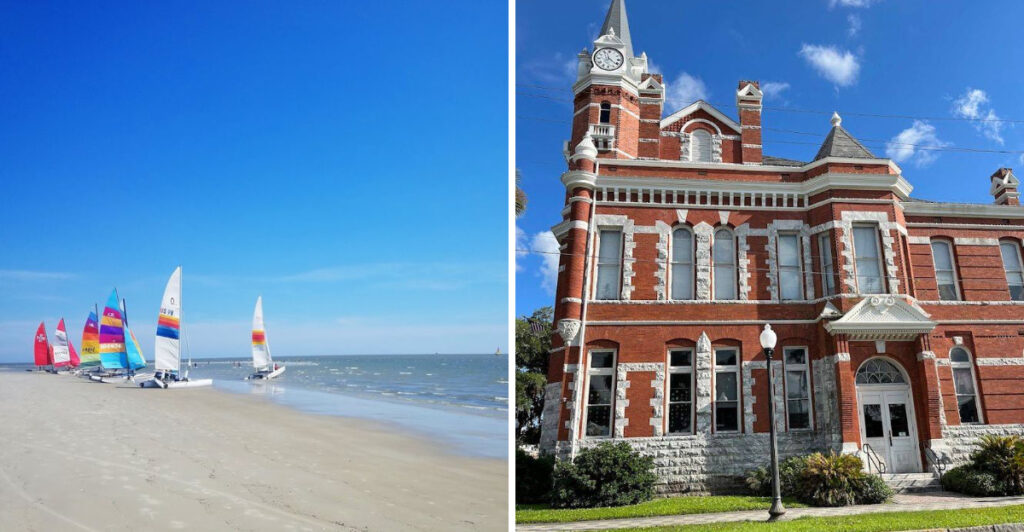
Georgia’s coastline was built on shrimp boats, fishing docks, and tight-knit communities that knew every tide by name. That coastline is still stunning.
Salt marshes stretch for miles, live oaks drip with Spanish moss, and the barrier islands hold a wildness that most of the country has long since paved over. Pull into the wrong parking lot on a summer Saturday and you will see what happens when a beautiful place gets loved too hard.
Georgia has ten coastal towns caught between what they were and what the tourist economy is making them into. A few are still fighting for balance.
Others are already gone in the ways that matter. All of them are worth knowing before the gift shops finish winning.
1. Jekyll Island
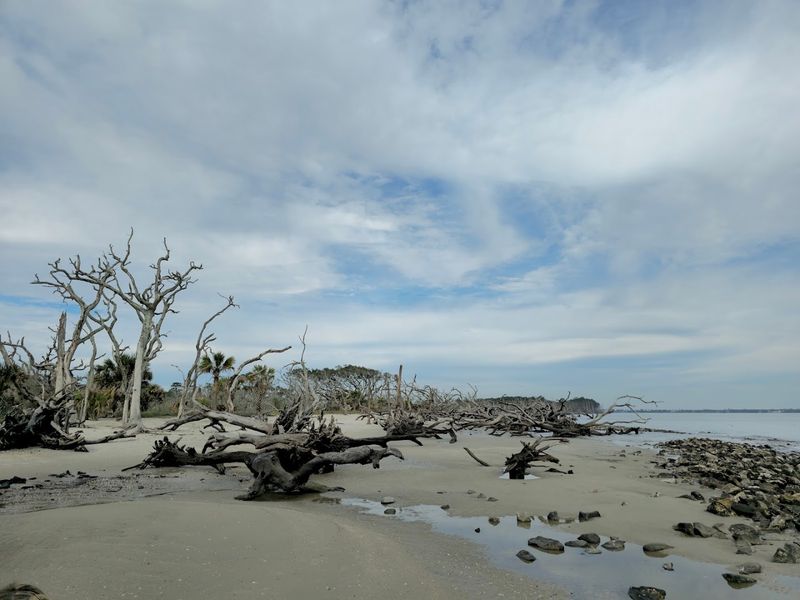
What happens when a state park becomes too popular for its own good? Jekyll Island, GA 31527, offers a textbook answer.
The island draws well over three million visitors in recent fiscal years, and the strain on its natural spaces is visible.
Crowded beaches during summer months and congestion around historic sites have become the norm. A major improvement plan years ago revitalized tourism infrastructure, and current proposals involve overhauling the golf complex and upgrading the Pier Road retail corridor.
Local businesses that have operated for years could be displaced to better serve the growing visitor mix.
Jekyll Island is a state-owned property, which means decisions about its future sit with Georgia’s government. That brings some accountability, but it also means commercial pressure is always part of the conversation.
Conservation and visitor numbers are in constant tension here.
The island still holds remarkable natural beauty, including nesting sea turtles, driftwood beaches, and the striking Millionaires’ Village. But the quiet, unhurried atmosphere that made Jekyll feel different from other Georgia barrier islands is increasingly hard to protect.
Come in the off-season if you can. Walk the trails early.
That version of Jekyll Island, GA 31527, is still very much worth your time.
2. Tybee Island
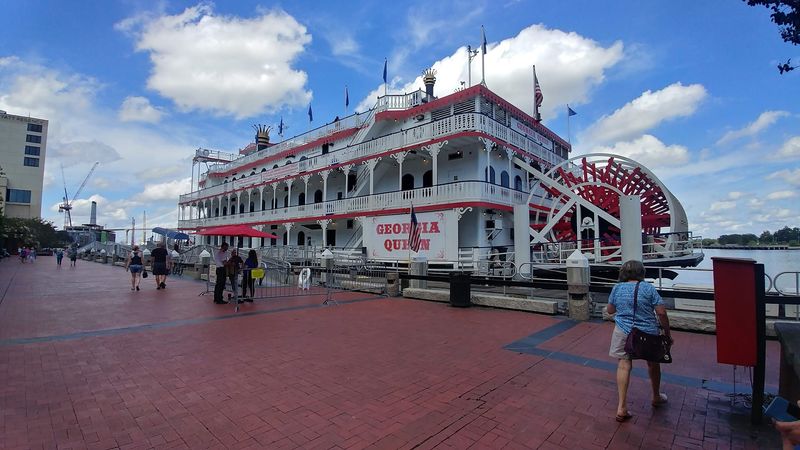
Over three million visitors arrive on Tybee Island every year, and the island’s main commercial strip, Butler Avenue, tells the whole story. Local mom-and-pop shops have given way to souvenir racks and chain restaurants.
Hardware stores and repair shops have been replaced by novelty T-shirt outlets.
Tybee Island, GA 31328, sits just outside Savannah, which makes it the easiest beach escape for one of the South’s most visited cities. That proximity is a blessing and a burden.
About 82% of on-island jobs are tied directly to visitor services, which means the local economy runs almost entirely on tourist spending.
Residential neighborhoods that once offered affordable housing now command premium prices, largely driven by short-term vacation rentals. Long-time residents have been priced out.
Traffic during peak season turns the island’s single main road into a slow-moving frustration for locals trying to reach grocery stores or doctors.
Erosion is also a growing threat, worsened by sea level rise and the dredging of the nearby Savannah River. The beaches that bring the crowds are literally shrinking.
Tybee Island, GA 31328, is still a lively, energetic beach town, but the version that existed before the tourist boom lives mostly in old photographs now.
3. Darien
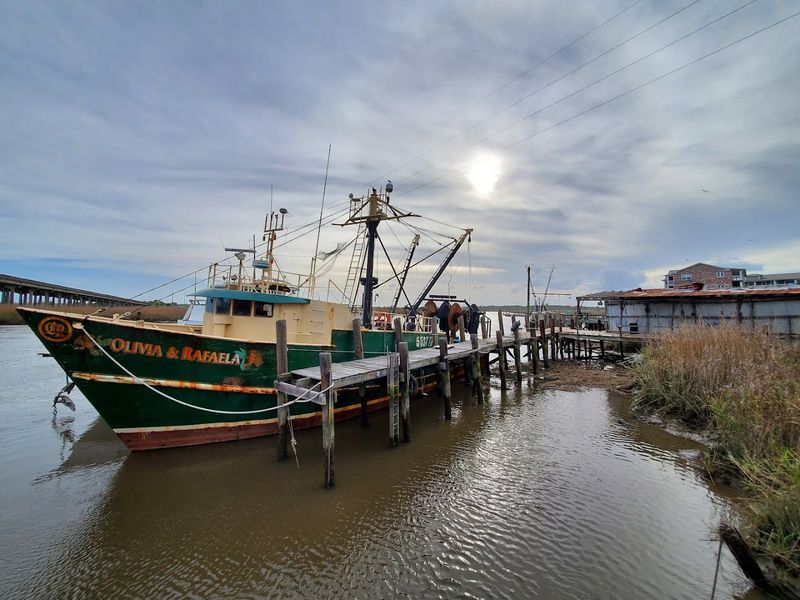
Darien is Georgia’s second-oldest city, and it has the bones to prove it. Once a powerhouse port for timber, cotton, and rice, it later became home to the largest shrimping fleet on the Georgia coast by the early 1960s.
That fleet is mostly gone now.
Darien, GA 31305, sits in McIntosh County along the Altamaha River, and its downtown waterfront has shifted from a working fishing village into a tourist-facing commercial zone. Shops that used to sell nets, fuel, and tackle now primarily offer souvenirs and beach gear.
The transformation did not happen overnight, but it accelerated as commercial fishing declined statewide.
Over recent decades, Georgia has seen a staggering decline in shrimp trawlers, with fuel costs, regulations, and cheap imported shrimp all contributing to the collapse. Darien is actively trying to adapt, developing its waterfront so visitors can tour working shrimping vessels, which is a creative response but also a sign of how the industry has shifted from livelihood to attraction.
A large proposed mixed-use development called Jamestown could reshape Darien dramatically over the next few decades. Growth is coming whether the town is ready or not.
Darien, GA 31305, is at a crossroads, and the choices made now will define what kind of place it becomes.
4. St. Simons Island
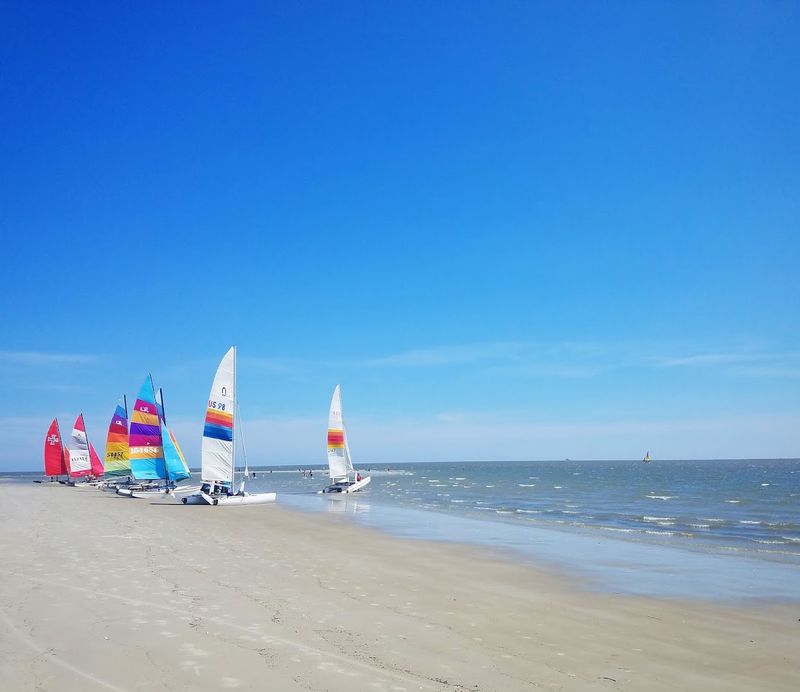
The pier used to be the kind of place where old-timers dropped lines into the water and nobody bothered them. St. Simons Island, GA 31522, sits in Glynn County, where tourism is now the number one industry, and the change is hard to miss.
Village shops that once sold hardware, bait, and practical goods now carry high-end coastal decor and branded T-shirts. Real estate prices have climbed sharply, pushing working-class families off the island entirely.
Long-time business owners have sold to national chains or simply retired when property taxes became impossible to absorb.
The historic pier area, once a peaceful fishing spot at sunset, now competes with selfie-seekers and food cart lines. Wealthy retirees and vacationers have reshaped the permanent population.
The character of the island has shifted from a working coastal community to a polished resort destination.
What remains is beautiful, no question. The Spanish moss still drapes over the oaks.
The lighthouse still stands. But the soul of the place, that lived-in, salt-weathered identity, has gotten harder to find beneath the boutique hotel signage.
St. Simons Island, GA 31522, is still worth visiting, just go knowing what it used to be.
5. Brunswick
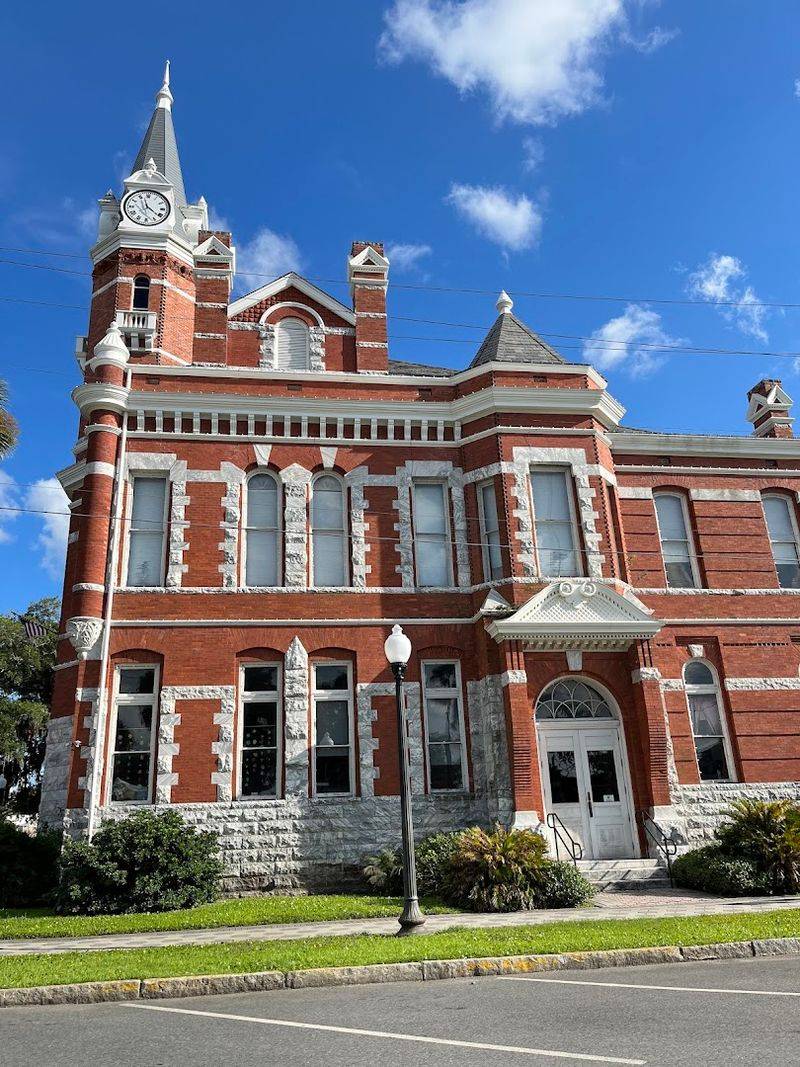
Brunswick is the working city behind the glamour of the Golden Isles, and for a long time, that kept it off the tourist radar entirely. That buffer is shrinking.
Brunswick, GA 31520, serves as the gateway to St. Simons Island, Jekyll Island, and Sea Island, and the spillover effects of those destinations are reshaping the city itself.
The historic Old Town district has seen rising interest from developers and visitors looking for an authentic alternative to the more polished islands nearby. Property values are climbing.
Restaurants and boutiques aimed at tourists are opening in spaces that previously served local residents. The shift is subtle but steady.
Brunswick’s working waterfront, including its shrimping operations and commercial docks, represents one of the last functional fishing economies on Georgia’s coast. That identity is under pressure.
As the Golden Isles become more expensive and crowded, Brunswick absorbs more of the tourism overflow, and with it, more of the commercial transformation that comes attached.
The city has genuine character, a scrappy, lived-in energy that the polished islands cannot replicate. Protecting that character while managing growth is the challenge ahead.
Brunswick, GA 31520, is still itself for now, but the tide is clearly moving in one direction.
6. St. Marys
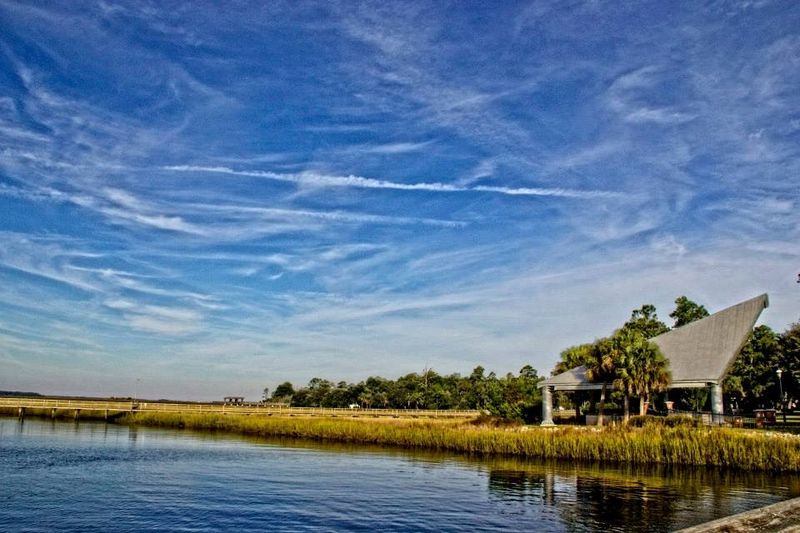
St. Marys is the kind of small town that exists partly because of what sits just offshore. Cumberland Island is the main draw, and St. Marys, GA 31558, is the ferry departure point.
That geographic role has shaped everything about how the town has developed commercially.
The historic waterfront district has leaned heavily into tourism, with restaurants, gift shops, and lodging catering almost entirely to visitors passing through on their way to the island. The town’s own identity, its naval history, its proximity to Kings Bay Naval Submarine Base, and its deep local roots, sometimes gets overshadowed by its role as a staging area for day-trippers.
Housing costs in Camden County are rising, with the county’s population projected to grow significantly over the next two decades. That growth brings opportunity but also displacement pressure on long-term residents.
Service workers and fishing families who built the community find themselves competing in a market increasingly shaped by outside demand.
The charm of St. Marys is real and worth experiencing. The Spanish moss-lined streets, the old cemetery, the river views at dusk are all genuinely lovely.
But the economic forces pulling the town toward full tourist dependency are strong. St. Marys, GA 31558, is still finding its balance, and that balance matters.
7. Cumberland Island
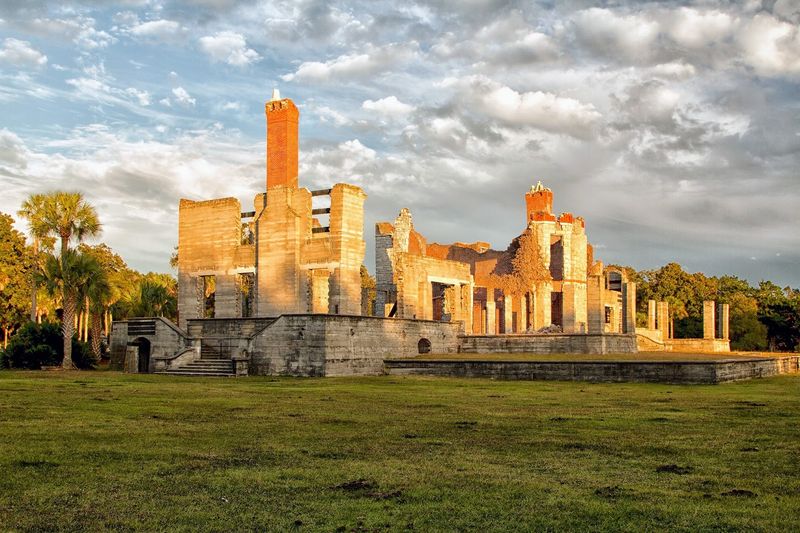
Few places in the American South carry the kind of raw, untouched beauty that Cumberland Island does. Wild horses roam the beaches.
Armadillos shuffle through the undergrowth. The ruins of the Carnegie family’s Dungeness mansion stand half-swallowed by vines.
Cumberland Island, GA 31558, is one of Georgia’s most extraordinary places.
It is also one of the most fragile. The island is a National Seashore managed by the National Park Service, and access is deliberately limited.
Visitors arrive by ferry from St. Marys, and daily visitor numbers are capped. That cap has been a genuine protection against the kind of overtourism that has reshaped other Georgia barrier islands.
But pressure builds every season. The ferry fills quickly.
Reservations disappear fast. And the tension between preserving the island’s wilderness character and meeting visitor demand is a recurring management challenge.
Even limited tourism leaves footprints, both literal and ecological.
The island has no cars, no paved roads beyond a few paths, and very limited services. That austerity is the point.
Cumberland Island, GA 31558, rewards visitors who come prepared, move slowly, and resist the urge to treat it like a theme park. It is one of the few Georgia coastal destinations where the wild still wins, but only just.
8. Sea Island
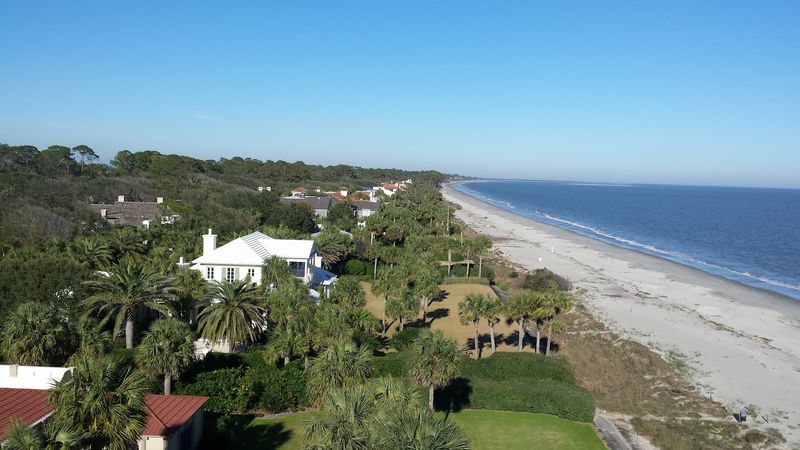
Sea Island operates at a different level than most Georgia coastal destinations. Exclusive by design, it has long catered to presidents, celebrities, and the ultra-wealthy.
Sea Island, GA 31561, is home to The Cloister, one of the most storied luxury resorts in the American South, and access to much of the island is restricted to guests and property owners.
That exclusivity has insulated Sea Island from the kind of mass tourism that transformed Tybee or St. Simons. There are no souvenir shops here, no chain restaurants, no crowded public beaches.
The overtourism story on Sea Island is quieter and more specific: it is about what happens when a place becomes so desirable that only a narrow slice of the population can afford to experience it.
Real estate on Sea Island is among the most expensive in Georgia. The workforce that keeps the resort running commutes from Brunswick and surrounding communities, where housing is cheaper but increasingly less so.
The island’s economy functions on service, but the people providing that service often cannot afford to live anywhere nearby.
Sea Island, GA 31561, is impeccably maintained and genuinely beautiful. The golf courses, the beach, the architecture all reflect serious investment.
But beauty built on exclusion carries its own set of costs, and those costs are borne by others.
9. Sapelo Island
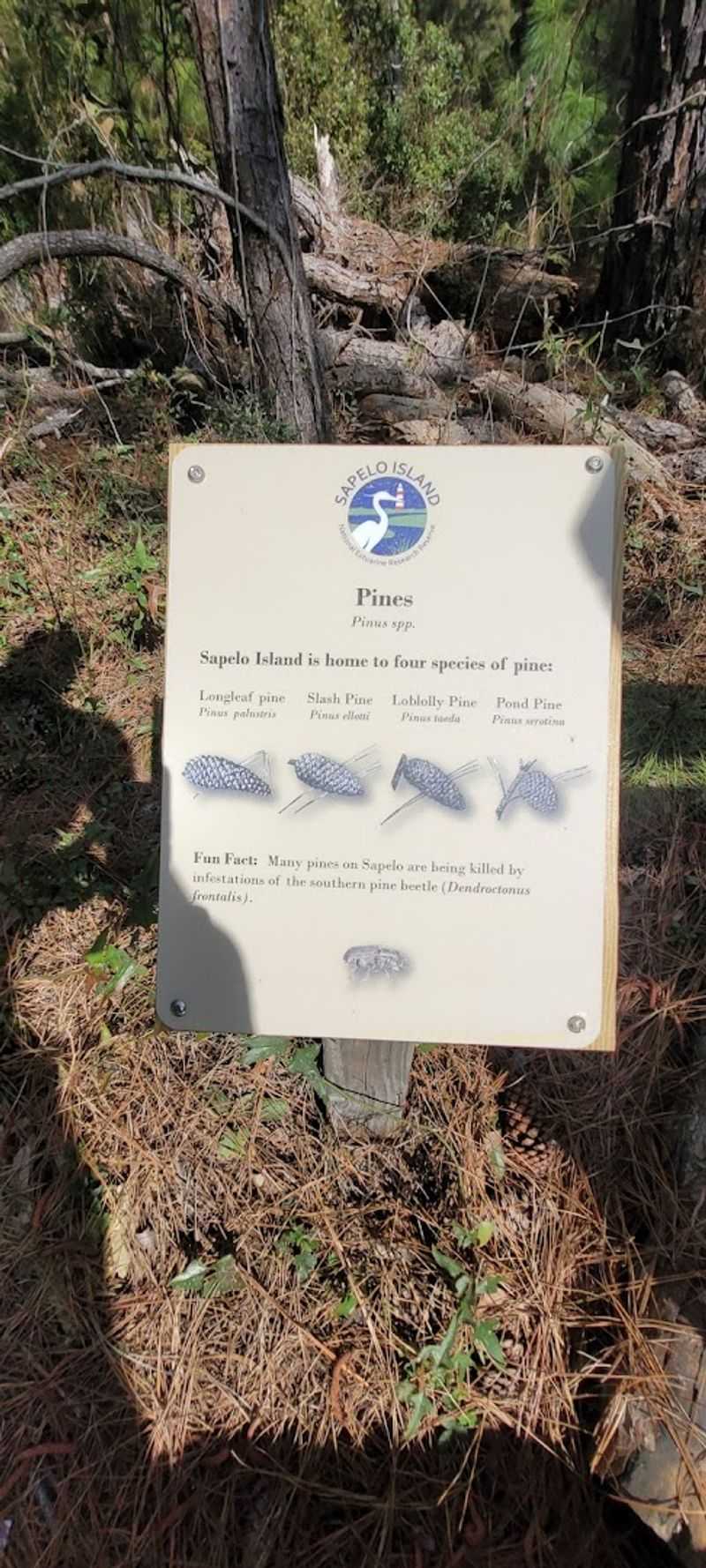
Sapelo Island is one of the most culturally significant places on the entire Georgia coast, and most visitors have never heard of it. Home to the Gullah Geechee community of Hog Hammock, Sapelo Island, GA 31327, carries a living history that stretches back to the era of enslaved West African people who farmed and fished these marshes.
The island is accessible only by ferry from Meridian, and visitor numbers are limited. That remoteness has offered some protection, but the community at Hog Hammock faces real pressure.
Rising property taxes, driven partly by outside interest in the island’s land, have made it harder for descendants of the original community to remain. This is a quieter form of displacement than souvenir shops replacing fishing docks, but it is no less real.
Tourism here, when it happens, tends to be educational and intentional. Guided tours focus on Gullah Geechee culture, the island’s ecology, and its layered history.
That approach is far more respectful than what has happened elsewhere on Georgia’s coast. But the economic forces threatening the community are not stopped by good intentions alone.
Sapelo Island, GA 31327, deserves attention, respect, and advocacy. Visit carefully, listen more than you talk, and understand that what you are experiencing is someone’s home, not a backdrop.
10. Little St. Simons Island
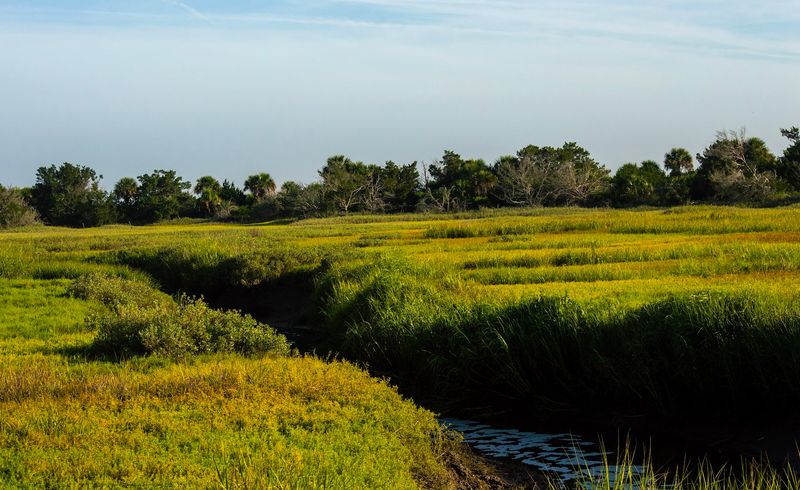
Pristine is a word that gets overused in travel writing, but Little St. Simons Island earns it. Accessible only by private boat, this barrier island remains almost entirely undeveloped.
Little St. Simons Island, GA 31522, sits just north of St. Simons Island but feels like it belongs to a completely different era.
The island is privately owned and operates a small, intentionally limited eco-lodge. Visitor numbers are kept low by design, which has preserved the island’s beaches, marshes, and interior forests in remarkable condition.
Shorebirds nest undisturbed. Loggerhead sea turtles lay eggs on beaches that see almost no foot traffic.
The contrast with the commercial development of nearby St. Simons is striking.
This model of controlled, conservation-focused tourism is sometimes held up as an alternative to the mass-market approach that has reshaped so much of Georgia’s coast. It works here because the island is privately controlled and the owners have prioritized ecology over revenue maximization.
That is not a model every coastal community can replicate, but it demonstrates that the choice exists.
Little St. Simons Island, GA 31522, is not for everyone, and that is precisely the point. Some places protect their character by limiting access.
The question Georgia’s other coastal towns face is whether they waited too long to make the same choice.