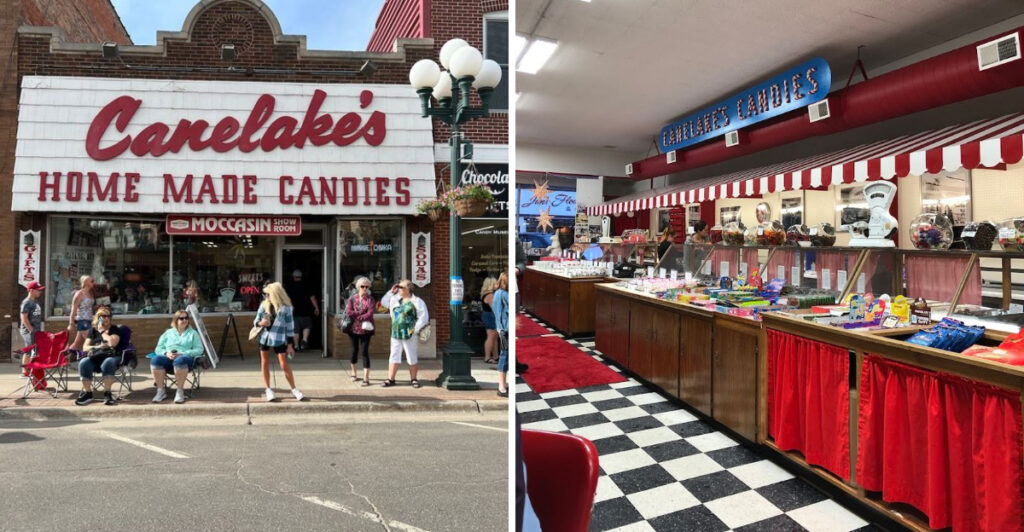
Can a candy shop survive more than a century without running out of fudge or customers? Minnesota apparently knows the answer, and it smells like warm caramel, melted chocolate, and fresh waffle cones drifting down a historic downtown block.
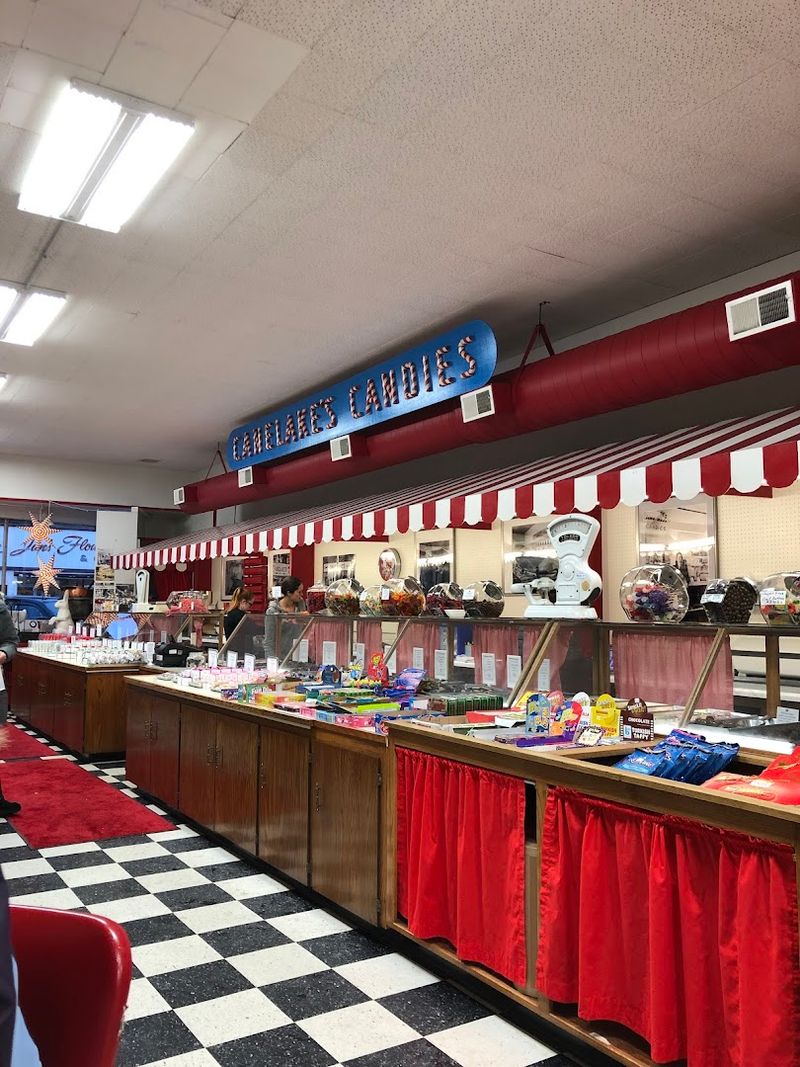
Behind glass counters and old-school soda fountain stools, copper kettles still turn out handmade sweets using recipes that date back to 1905.
Crowds keep pouring in for creamy walnut fudge, airy chocolate-covered sponge candy, and caramel pecan turtles that barely make it out of the parking lot before disappearing.
Minnesota holds onto places like this because they feel bigger than a quick sugar stop. Every corner carries stories, traditions, and the kind of charm that makes a random road trip suddenly feel unforgettable.
The deeper you get into the story, the easier it becomes to understand why generations keep coming back hungry for another bite.
From Greece To The Iron Range, A Sweet Origin Story
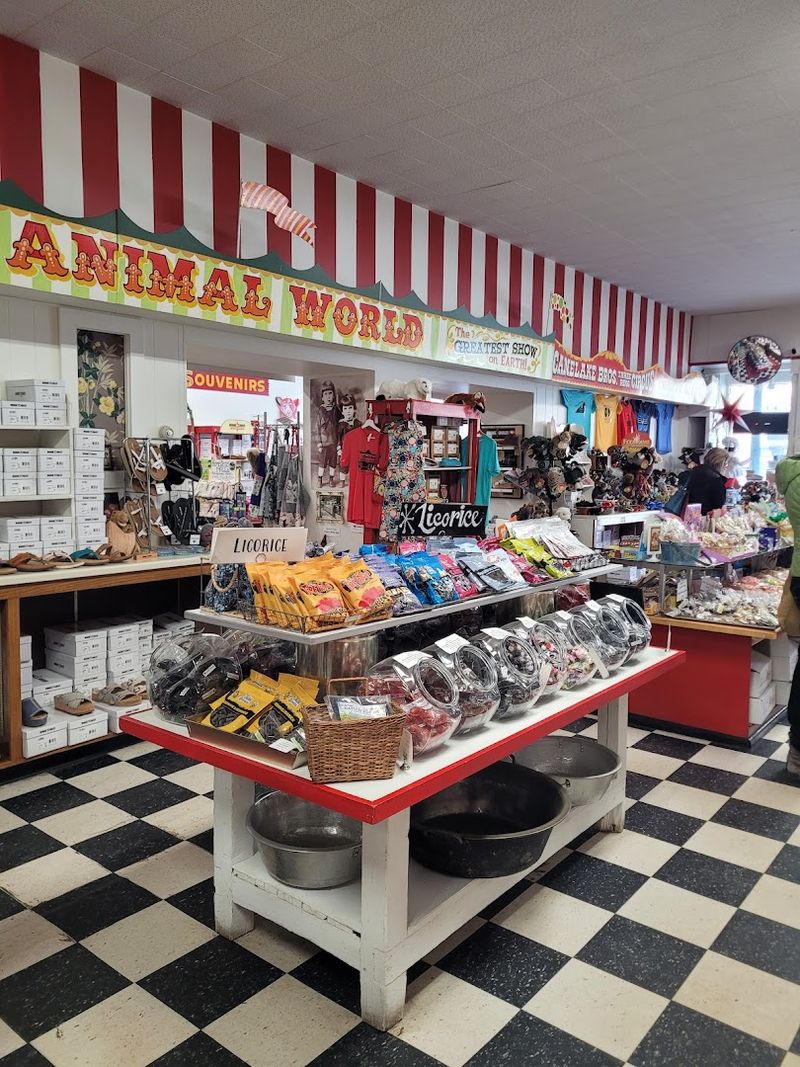
Four brothers sailed from Greece and landed in Minnesota with a recipe, a dream, and apparently very good taste in real estate. Christ, Gust, Tom, and Nick Canelake opened the Virginia Candy Kitchen in 1905, bringing old-world candy-making traditions to the rugged Iron Range.
The Iron Range was booming at the time, fueled by iron ore mining and waves of immigrant families. A sweet shop offering handmade treats was not just a luxury.
It was a gathering place, a comfort, and a small slice of joy in a demanding world.
The shop moved to its current home at 414 Chestnut St, Virginia, MN 55792 in 1917, and the name officially became Canelake’s Candies after World War II. That name has stuck ever since.
The story of four immigrant brothers building something lasting from scratch is baked right into every piece of candy they still make today.
Copper Kettles And Century-Old Recipes Still Running The Show
Most food businesses update their recipes every few years. Canelake’s has not touched theirs since 1905, and that stubbornness deserves a standing ovation.
Fine chocolate, real cream, and butter go into copper kettles that have seen more candy-making than most people see in a lifetime.
Small-batch production is the backbone of the operation. Nothing here is rushed, mass-produced, or cut with shortcuts.
Antique machinery hums alongside the copper kettles, and the whole process feels like watching a craft that refuses to be modernized for the sake of convenience.
That commitment to old-fashioned methods is exactly why the candy tastes the way it does. There is a richness and depth to handmade confections that factory lines simply cannot replicate.
Minnesota has no shortage of food traditions worth preserving, and this one ranks among the most delicious. Every batch made today carries the same care and intention as the very first batch over a century ago.
The Fudge That Built A Legend
Fudge is the headline act here, and it earns every bit of the attention. Canelake’s fudge is dense, creamy, and made with ingredients that actually belong in candy.
No artificial shortcuts, no watered-down flavors, just the real thing done properly.
Walnut fudge draws particular praise from visitors who claim it is unlike anything they have tasted elsewhere. The texture hits that perfect middle ground between firm and melt-in-your-mouth, which is much harder to achieve than it sounds.
Getting fudge right every single time requires consistency, patience, and a deep respect for the process.
For many visitors to Virginia, Minnesota, stopping for fudge at Canelake’s is less of a choice and more of a reflex. Locals plan trips around it.
Out-of-towners reroute road trips to include it. The fudge has become something of a regional rite of passage, and one taste explains exactly why the tradition has lasted this long.
Hot Air, The Candy That Needs An Introduction
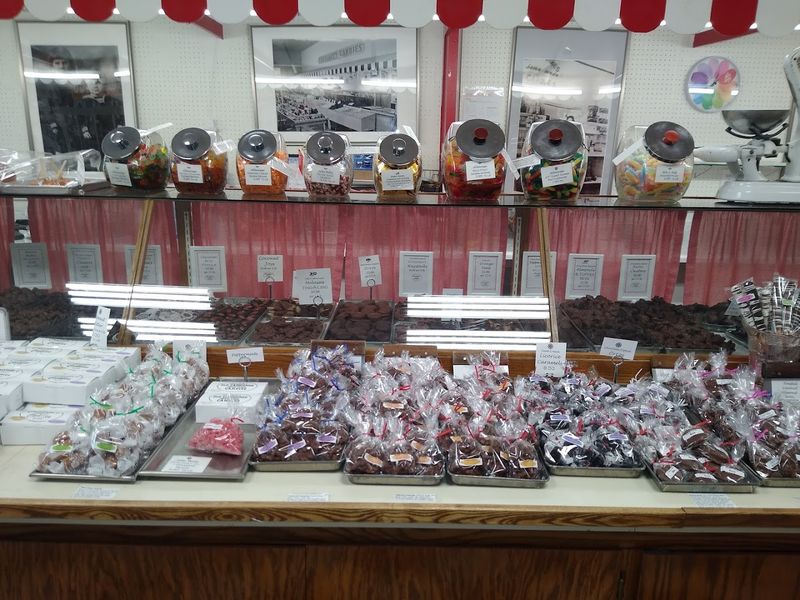
Hot air sounds like a weather forecast, but at Canelake’s it is one of the most beloved items on the menu. Also known as angel food candy or sponge candy, hot air is an airy, honeycomb-textured treat coated in chocolate that practically dissolves the moment it hits the tongue.
Staff members are known to enthusiastically explain the candy to first-time visitors, and that enthusiasm is completely warranted. The contrast between the crisp, bubbly interior and the smooth chocolate shell is something genuinely unexpected for people encountering it for the first time.
Available in both milk and dark chocolate coatings, hot air has developed a loyal following that extends well beyond Minnesota. Fans who have moved away from the Iron Range reportedly order it online multiple times a year just to get their fix.
It is the kind of candy that turns casual shoppers into devoted regulars, and it has been doing exactly that for decades.
Caramel Pecan Turtles Worth Rerouting For
Turtles are the kind of candy that sounds simple until you taste one made correctly. Canelake’s caramel pecan turtles combine smooth handmade caramel, whole pecans, and a generous coating of chocolate into something that feels almost indulgent to describe.
Visitors frequently mention buying a small box and then immediately returning for a larger one. The caramel is soft without being sticky, and the chocolate coating holds everything together with just the right thickness.
These are not the turtles found in airport gift shops. They are the real standard against which all others should be measured.
People drive from across Minnesota specifically to pick up a box. Some buy them as gifts.
Others buy them with no intention of sharing whatsoever, which is entirely understandable. The turtles have appeared in care packages sent internationally, including at least one legendary shipment to Belgium, which says everything about how much confidence this small Iron Range shop inspires in its devoted customers.
The Soda Fountain That Time Forgot To Update
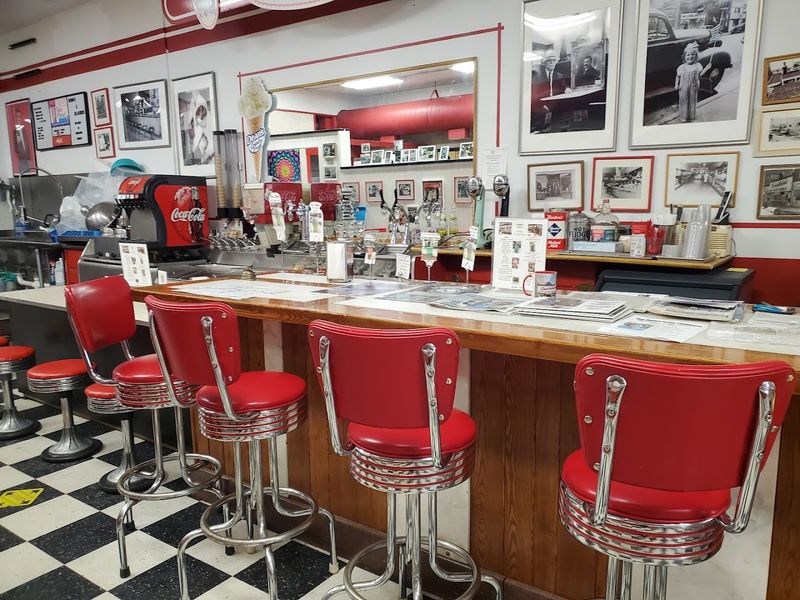
Red vinyl barstools lined up at an old-fashioned soda fountain are the kind of detail that stops people mid-step. The soda fountain at Canelake’s is not a retro-themed decoration added for aesthetic effect.
It is simply still there, unchanged, because why fix something that works perfectly.
Ice cream offerings round out the experience for visitors who want something cold alongside their chocolate haul. Waffle cone-flavored ice cream has earned its own admirers among the regulars.
The fountain adds a whole second layer to what could otherwise be a quick candy run.
Families with kids tend to linger longer because of it. The combination of handmade candy, a working soda fountain, and the general atmosphere of stepping back several decades makes for an afternoon that is hard to replicate anywhere else in Minnesota.
It is the kind of spot where grandparents and grandchildren find equal amounts of delight, just for slightly different reasons.
A Candy Museum Right Next Door
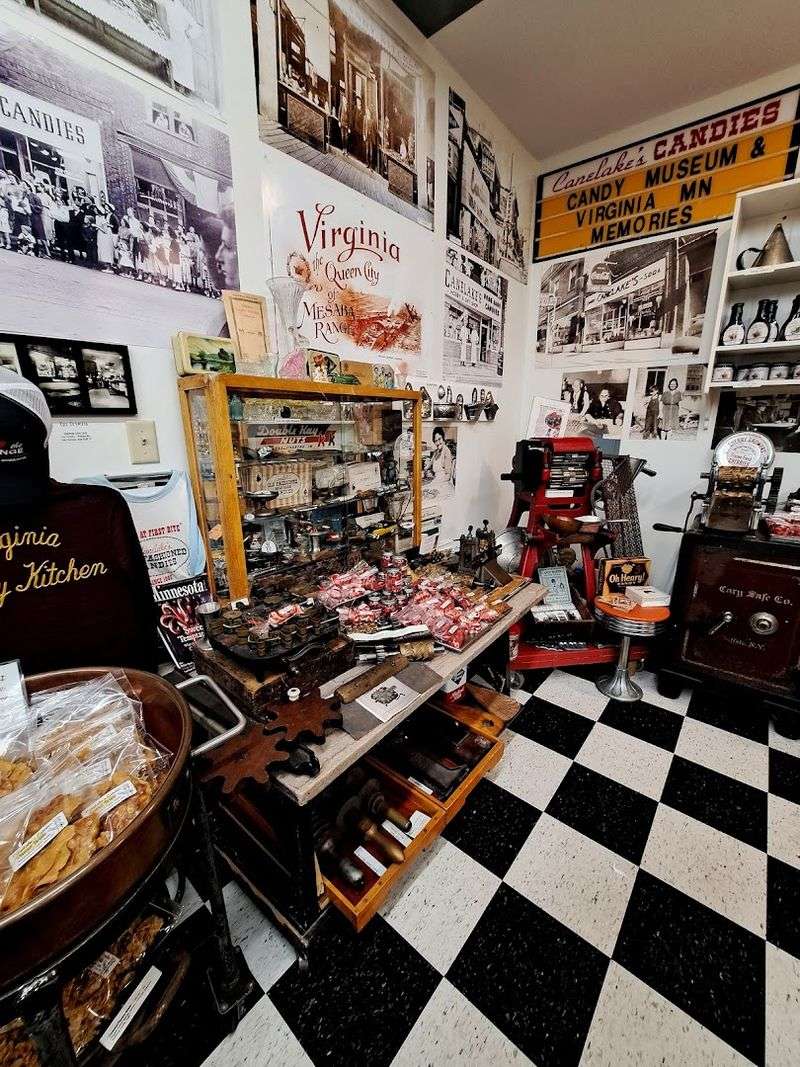
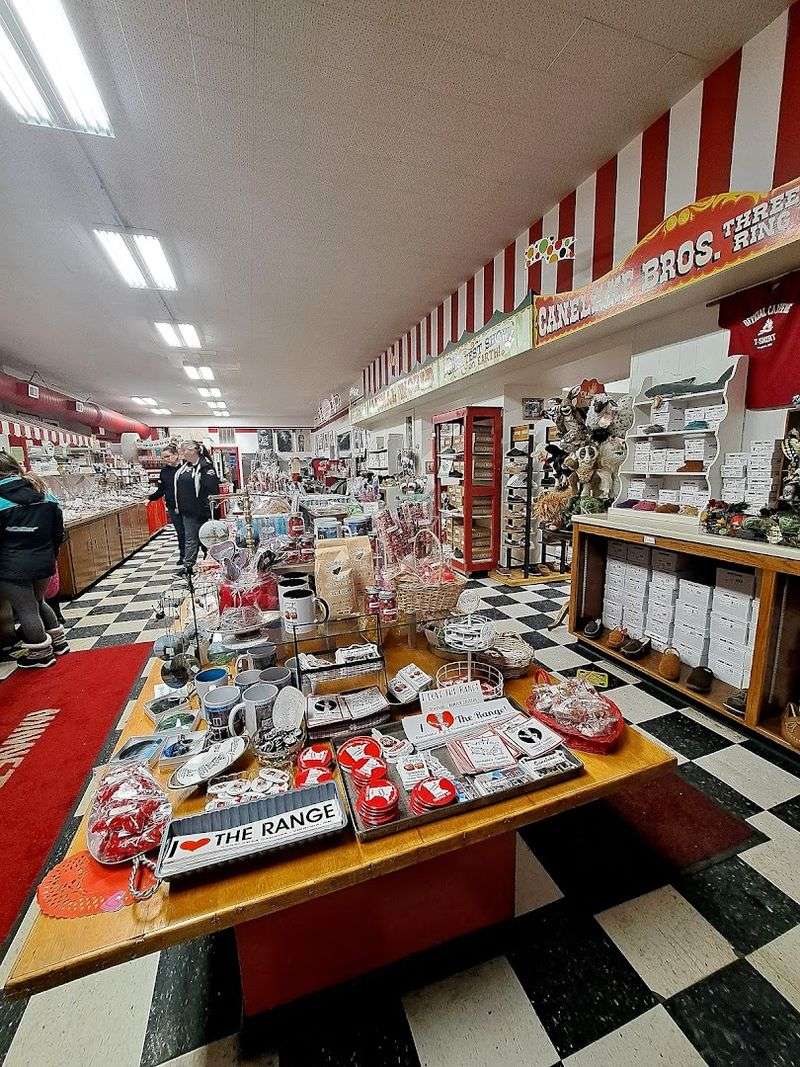
In 2020, Canelake’s punched through the wall into the adjacent building at 416 Chestnut St. and turned it into a Candy Museum. The expansion brought Iron Range memorabilia, historical displays, and a deeper look into the century-long story of the shop and the community it has served.
The museum gives context to everything happening in the candy shop next door. Visitors can connect the copper kettles and antique machinery they see in production to a broader history of immigrant craftsmanship and Iron Range culture.
It transforms a candy run into something more like a cultural experience.
For history enthusiasts traveling through northern Minnesota, the museum adds real weight to a stop that might otherwise seem like a quick detour. The combination of edible history and actual history under two connected roofs is a rare find.
Kids get the candy. Adults get the story.
Everyone walks out understanding a little more about why this corner of Virginia, Minnesota matters.
More Than A Shop, A Community Anchor
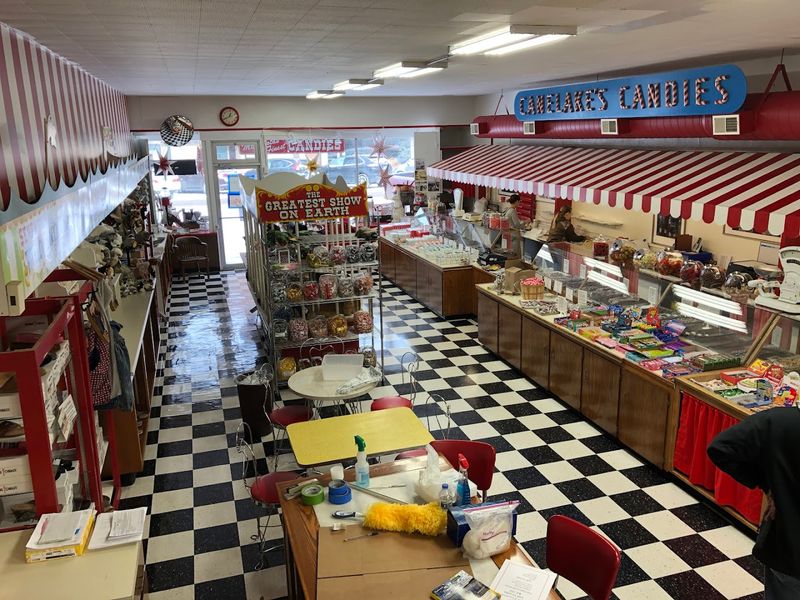
Candy shops come and go, but community institutions are built over generations. Canelake’s has been described as a watering hole for people of all ages, and that description lands with surprising accuracy.
Patrons in their nineties have walked through the door sharing stories of meeting the original owners.
First dates, family visits, road trip stops, and childhood memories all intersect at this one address on Chestnut Street. The shop holds an emotional weight that goes well beyond sugar and chocolate.
It represents continuity in a region that has weathered significant economic changes over the decades.
That community role is not accidental. It was built through consistent quality, genuine hospitality, and a refusal to cut corners even when it would have been easier.
Minnesota communities tend to rally around places that earn their loyalty honestly, and Canelake’s has done exactly that for over a century. The crowds that still fill the shop on any given day are the proof.
The Family Comeback That Saved A Legacy
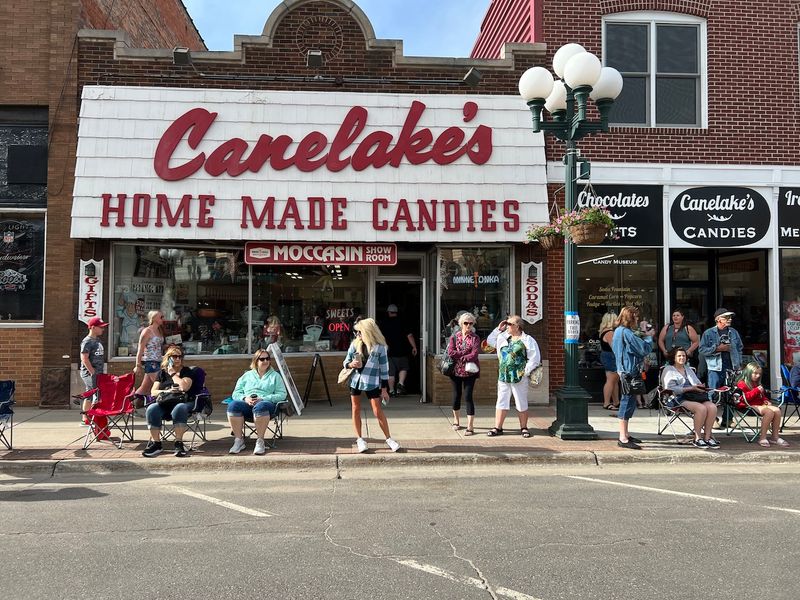
The shop was sold out of family hands in 1982, and for a stretch of decades, the Canelake name belonged to someone else. Then in 2018, the family bought it back.
That decision changed everything about the trajectory of the business.
Fourth-generation family members returned not just to ownership but to active candy-making. The original recipes came back to the forefront.
The copper kettles kept turning. The commitment to quality that the founders brought from Greece in 1905 was restored with full intention and clear purpose.
There is something deeply satisfying about a family reclaiming its own story. The 2018 repurchase was not just a business transaction.
It was a declaration that the Canelake legacy would continue on its own terms. Visitors who know the history tend to appreciate their purchase a little differently because of it.
Every caramel, every truffle, and every piece of hot air candy carries the weight of that decision and the century of craft behind it.
Planning A Visit To Virginia, Minnesota For The Right Reasons
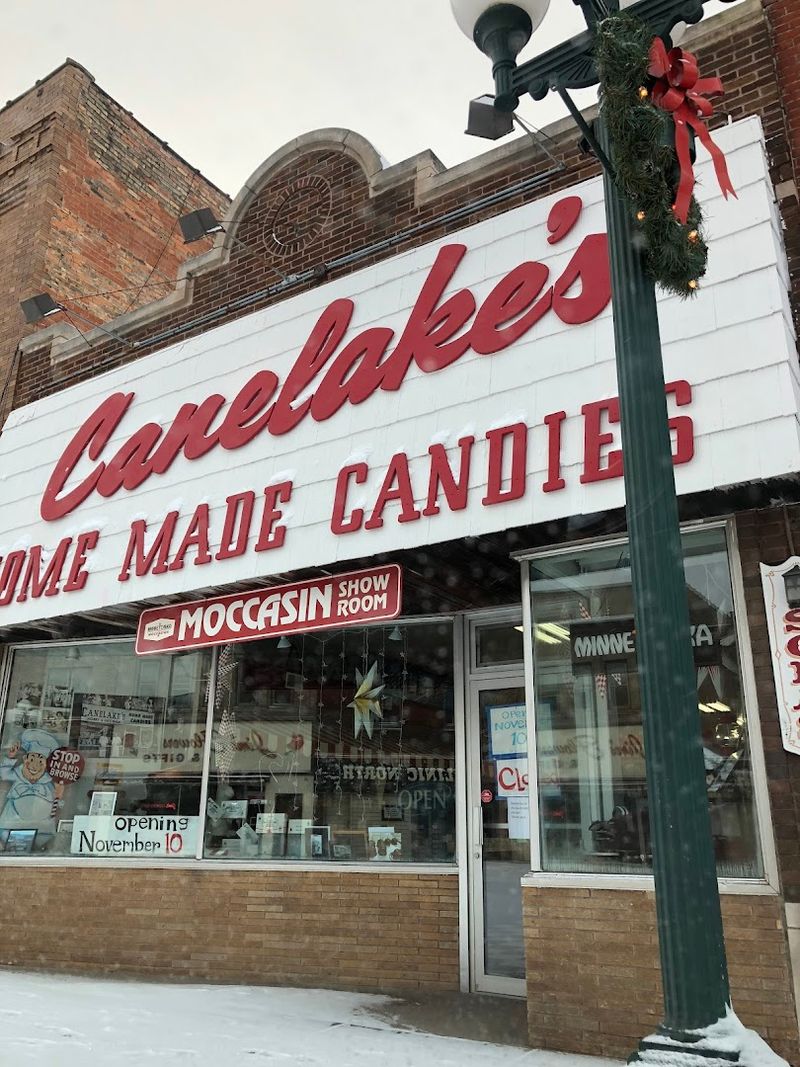
Virginia, Minnesota sits in the heart of the Iron Range, and Canelake’s Candies at 414 Chestnut St is a compelling reason to point the car north. Street parking is available right outside the shop, which makes stopping in refreshingly straightforward for road-trippers.
Chocolates ship seasonally from November through mid-April due to melting risks, so those who want the full in-person experience should plan a visit during the warmer months. The shop is open year-round, with extended Sunday hours during summer and December for those squeezing in holiday shopping.
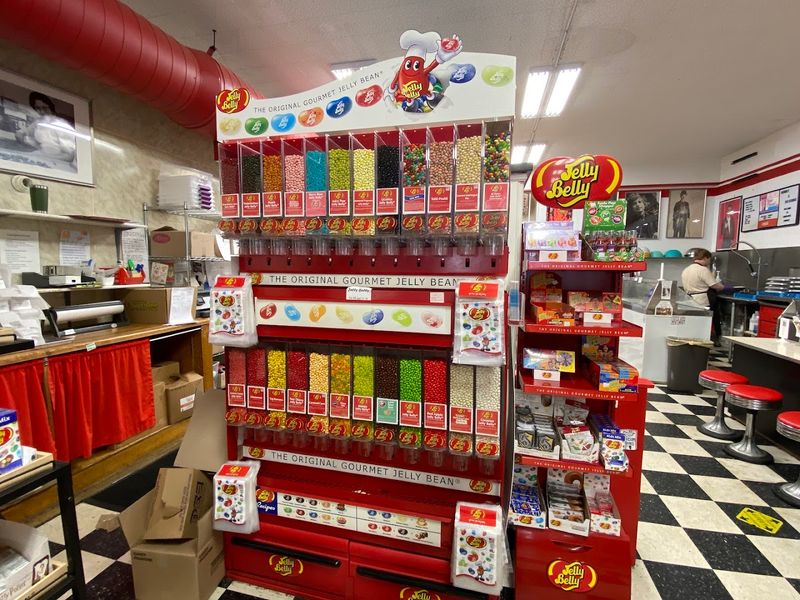
Jelly beans in dispensers, caramel apples, brittles, lollipops, and handmade hard candies fill out the selection beyond the signature items. The range of choices can feel overwhelming in the best possible way.
First-time visitors often admit they spent far longer browsing than planned. That is not a complaint, it is a compliment, and it is exactly the kind of place Minnesota has always been proud to call its own.