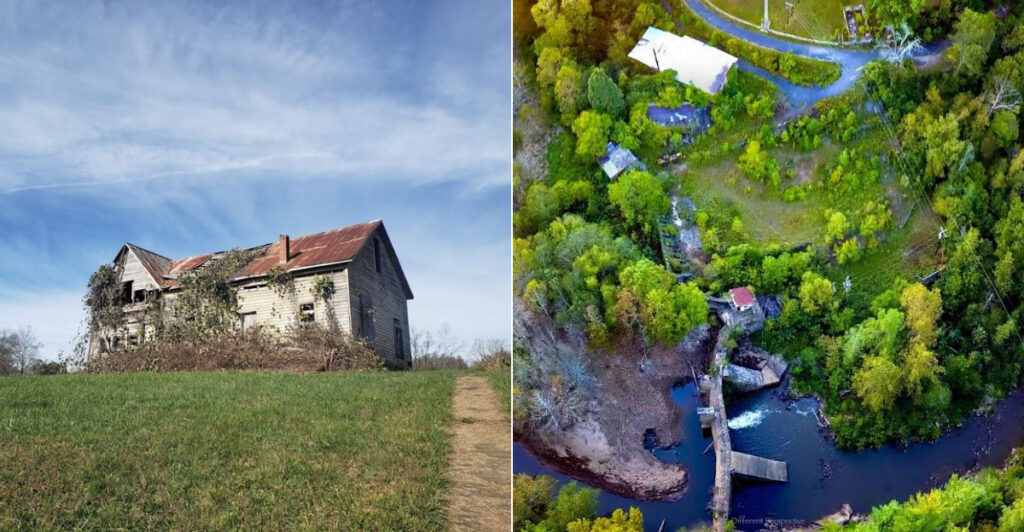
A North Carolina cotton mill village built in 1905 has been sitting quietly off a two-lane road ever since the last residents left. Vines are working their way up the porches, moss has softened the stone foundations, and the whole place looks like it belongs in a film.
It actually did. The Hunger Games used it as District 12 in 2012 and the crew was supposed to leave it exactly as they found it.
What does it feel like to walk through a real ghost town that also happens to be one of the most recognizable movie sets in modern cinema? Like North Carolina has been keeping something genuinely rare just off the interstate for over a century.
The village is now on the National Register of Historic Places and you can still sleep inside one of the original mill houses. Plan for more time than you think you will need.
A Town Frozen In Time
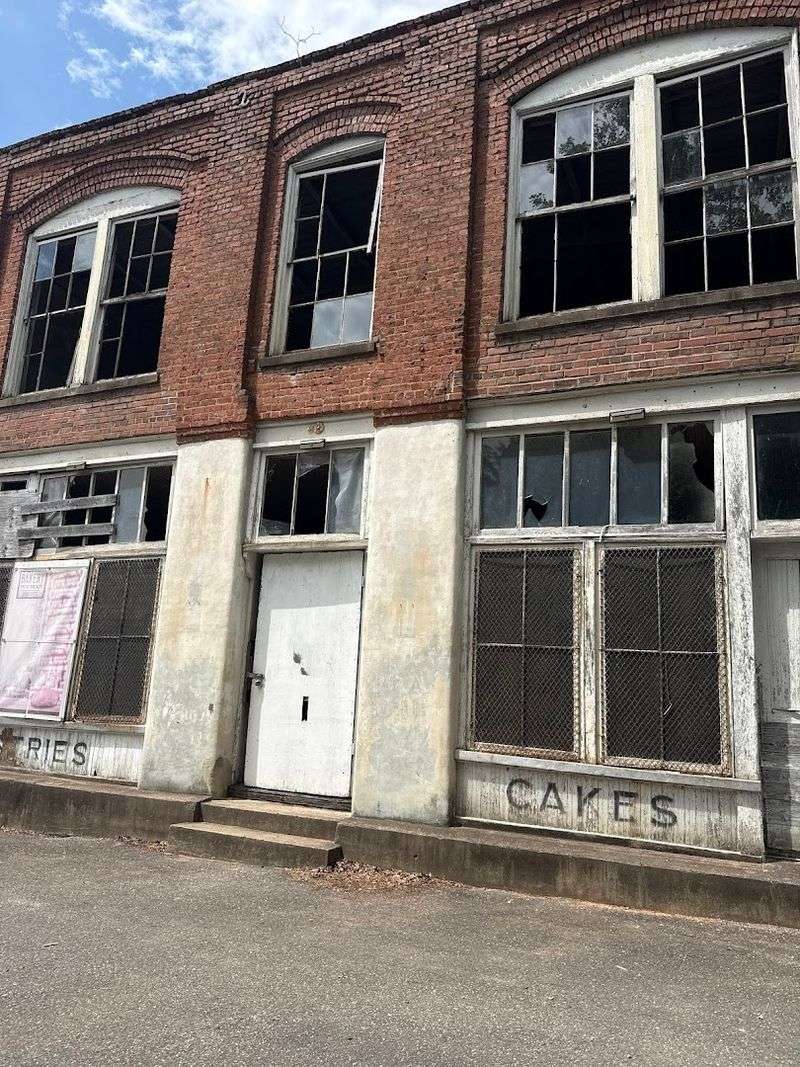
Picture an entire town where time stopped sometime in the 1970s. Henry River Mill Village was built in 1905 as a self-sufficient cotton mill community, complete with worker cottages, a company store, and its own water system.
At its peak, families lived, worked, and built their whole lives here. The mill eventually shut down, and one by one, the residents moved away.
What they left behind is a snapshot of early industrial North Carolina that you simply cannot find anywhere else.
Walking through the village today feels like flipping through an old photo album that belongs to someone else. The houses still have their original shapes.
The streets still follow the same layout they did over a hundred years ago.
What makes this place so striking is how untouched it feels. There are no theme park recreations here.
No fake aging or artificial props. The peeling paint, the sagging porches, and the creeping vines are all completely real.
Visitors say the atmosphere hits differently than they expected. It is quiet in a way that makes you pay attention.
Have you ever stood somewhere and felt the weight of every decade that passed before you arrived? That is exactly what Henry River Mill Village delivers.
District 12 Came Alive Here
When filmmakers were scouting locations for The Hunger Games in 2011, they needed a place that looked forgotten, worn, and completely believable as a struggling coal district. Henry River Mill Village was a perfect fit without a single set piece added.
The old company store became Mellark’s Bakery. The modest worker cottages became the homes of Katniss and her family.
The market area where Katniss found her mockingjay pin was filmed right here on these grounds. The production crew spent nine days shooting in the village.
Here is a fun piece of behind-the-scenes history: the film company was supposed to leave the village exactly as they found it. Instead, they detonated a house during a scene without permission.
That led to a lawsuit, and Henry River Mill Village did not appear in any of the sequel films.
Today, visitors can walk directly to the filming locations and see exactly how the movie captured its gritty atmosphere. Building 16 is still open for visitors to step inside.
The rest can be viewed from outside, but the connection to the film is obvious at every turn.
Are you a Hunger Games fan who has always wanted to stand in Katniss’s neighborhood? North Carolina made that possible, and the village delivers every bit of that cinematic feeling.
Nature’s Slow And Steady Takeover
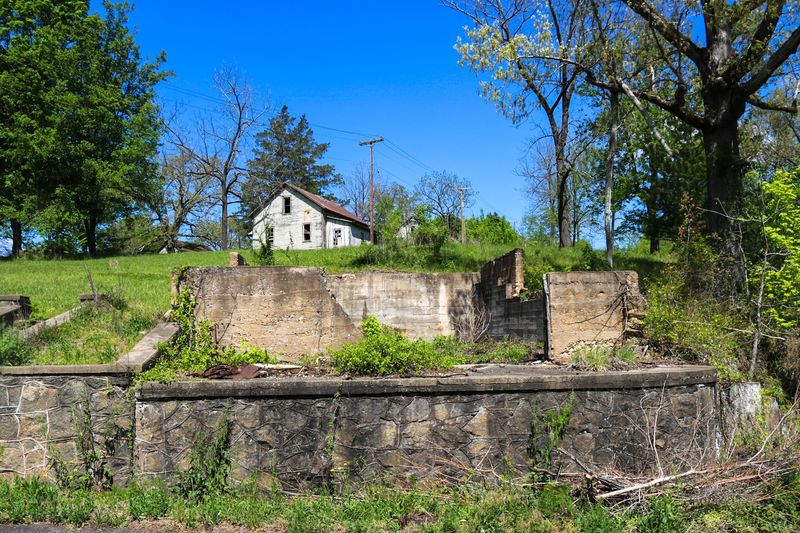
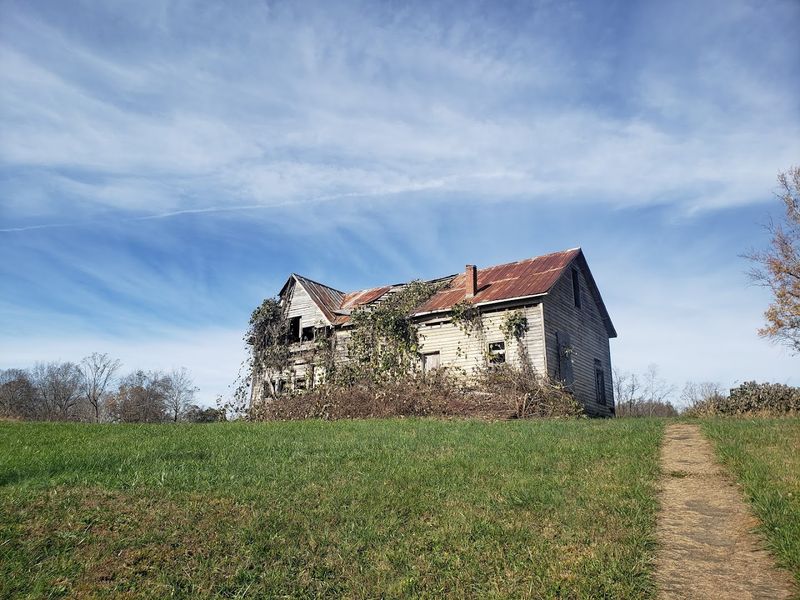
There is something quietly dramatic about watching nature reclaim a place that humans once built and then abandoned. At Henry River Mill Village, that process is happening in real time, and it is genuinely beautiful to witness.
Vines crawl up porch railings. Moss softens the edges of old stone foundations.
Grass pushes up through cracked pathways. Trees that were once saplings now tower over rooftops that are slowly giving way beneath their canopy.
Some buildings have broken windows that frame patches of sky like crooked picture frames. Others have rooflines that dip and sway in ways that seem almost impossible.
The whole scene looks like a painting that never quite dried.
Photographers absolutely love this place. The textures, the light filtering through overgrown branches, and the contrast between man-made structures and wild vegetation create images that are hard to replicate anywhere else in North Carolina.
What surprises most visitors is how peaceful it all feels. There is no sense of chaos or danger in the atmosphere.
The village feels more like a garden that chose its own design. Could there be a more fitting backdrop for a story about survival and resilience?
The land here seems to think so, and it is making its own quiet statement one season at a time.
Tours Worth Every Step
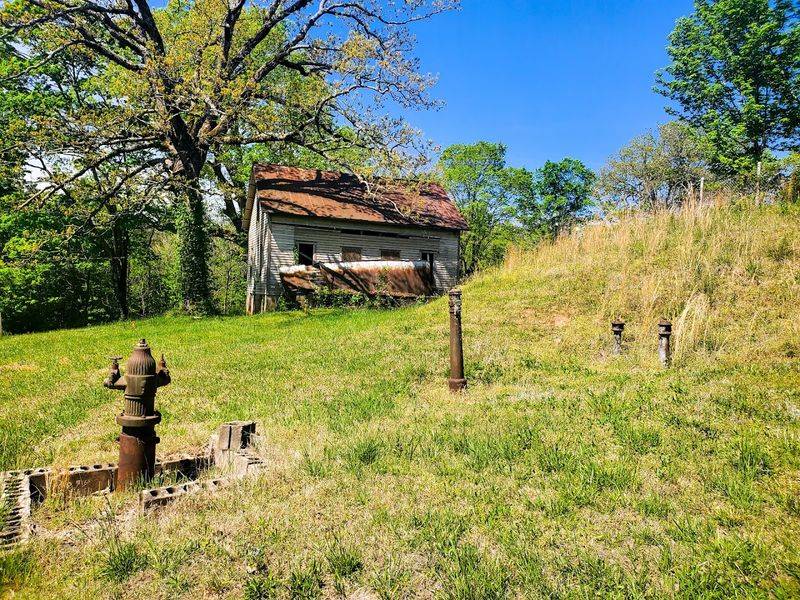
Showing up without a guide at Henry River Mill Village means missing half the story. The guided tours here are led by people who genuinely love this place, and that enthusiasm is contagious from the very first minute.
Donovan, one of the village’s tour guides, has earned a reputation for making the history feel personal and fun. Visitors say his knowledge of both the mill’s past and the Hunger Games filming details makes the whole experience click into place.
He does not just recite dates. He tells stories.
Tours typically begin at the main building, now labeled the District 12 Bakery, and move through the key filming locations and historic structures. Along the way, guides share anecdotes about the families who lived here, the mill’s operations, and the unexpected chaos of having a Hollywood film crew arrive in 2011.
Self-guided tours are also available for those who prefer to explore at their own pace. Either way, the visit contributes directly to the Henry River Preservation Fund, which supports ongoing conservation and restoration work across the property.
Call ahead before visiting to confirm hours and availability, since the site is sometimes closed for special events. The phone number is +1 828-471-4768.
North Carolina history this specific and this immersive is rare. How often do you get to walk through a real ghost town with someone who actually knows its secrets?
Stay Inside The Story
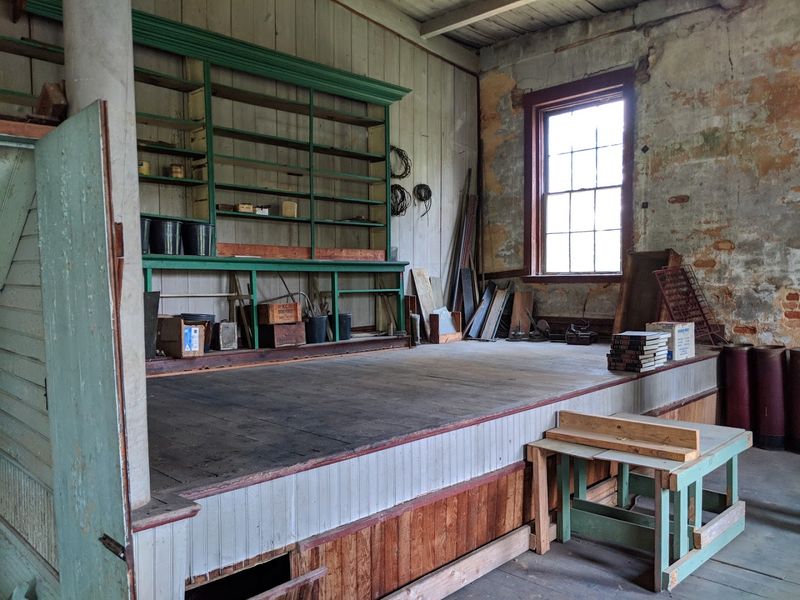
Most historic sites let you look but never touch. Henry River Mill Village does something far more interesting.
It lets you sleep there.
House 12, also known as Cabin 12, has been fully restored and is available as an Airbnb rental. Visitors who have stayed describe it as gorgeous, with all the charm of the original mill house architecture combined with modern comforts that make an overnight stay genuinely enjoyable.
One couple who stayed in Cabin 12 said they spent their evenings walking through the village and their mornings soaking in the quiet. The owner, Calvin Reyes, who purchased the property in 2017 with his family, is known for being welcoming and attentive to guests.
Waking up inside a 120-year-old mill village that also happens to be a famous movie location is not something most travel itineraries can offer. North Carolina is full of interesting overnight options, but this one is genuinely one of a kind.
Future plans for the property include converting additional mill houses into overnight accommodations and transforming the old company store into a restaurant and event venue. The restoration work is ongoing, which means each visit to Henry River Mill Village might look a little different from the last.
Would you rather read about history or actually sleep inside it? For fans of the Hunger Games and history buffs alike, Cabin 12 answers that question pretty clearly.
A National Historic Landmark
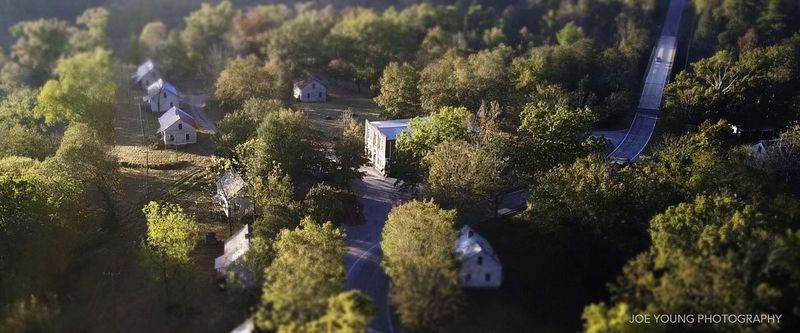
In 2019, Henry River Mill Village was officially added to the National Register of Historic Places. That recognition was a long time coming for a site that represents something rare in American history.
The village is one of the best-preserved examples of an early 20th-century mill community in the southeastern United States. It was not just a factory.
It was an entire self-contained world where workers and their families lived, shopped, and built community together.
The company store at the center of the village served as the economic and social hub for everyone who lived there. Workers could buy groceries, tools, and household goods all in one place.
The store later became one of the most recognizable filming locations from The Hunger Games.
Historic designation matters because it opens doors for preservation funding and public awareness. The Henry River Preservation Fund, the nonprofit connected to the site, uses tour revenue and donations to keep the restoration work moving forward.
North Carolina is home to many historic sites, but few combine industrial heritage with pop culture significance the way this village does. The combination makes it accessible to visitors who might not normally seek out history-focused destinations.
Standing in front of a building that has been standing for over a century and knowing it is officially protected is a surprisingly moving experience. What other stories might these walls share if they could talk?
Evening Events And Night Walks
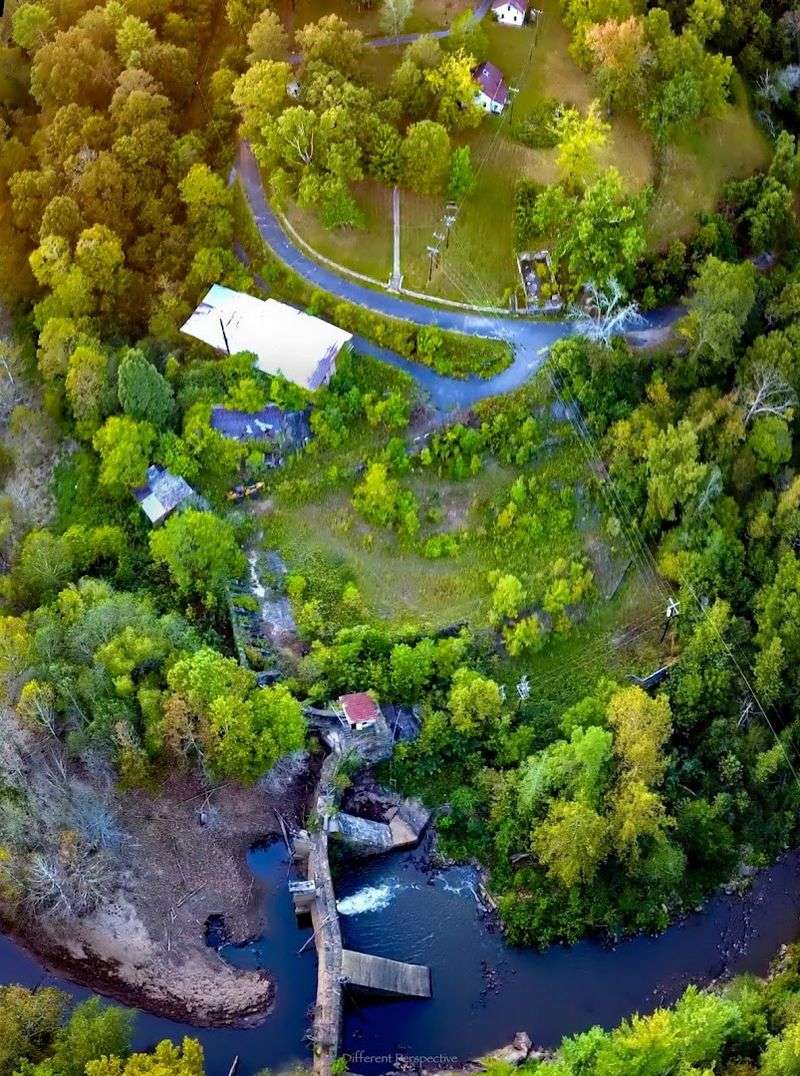
Not everyone who visits Henry River Mill Village comes during the day. The village hosts special evening events that give the property a completely different atmosphere after dark.
The same buildings that look dramatic in afternoon light take on an entirely new character once the sun goes down and shadows fill the spaces between the old cottages. Evening walks have become a popular way to experience the village at a slower, quieter pace.
Movie nights are another occasional offering at the property. Imagine watching The Hunger Games while sitting on the actual grounds where it was filmed.
That is the kind of experience that is hard to top regardless of your travel style.
Visitors are encouraged to check the website at henryrivermillvillage.com for current event schedules before planning an evening visit. The lineup changes seasonally, and calling ahead to confirm availability is always a smart move.
North Carolina nights are warm and full of atmosphere, and Henry River Mill Village uses every bit of that natural setting. The village after dark is quieter, more personal, and completely worth experiencing on its own terms.
Tips Before You Visit
A little preparation goes a long way at Henry River Mill Village. The property spans 40 acres, and there is a lot of ground to cover once you start exploring.
Wear sturdy shoes or boots. Several visitors mention that the grass in some areas grows tall, and the terrain between buildings is uneven in places.
Comfortable footwear makes the whole visit significantly more enjoyable.
Pack water before you arrive. The site is outdoors and can get warm during North Carolina summers.
Staying hydrated keeps the energy up for a full afternoon of exploring.
The village is located at 4255 Henry River Rd, Hickory, NC 28602. From I-40, take Exit 119, turn right, and head south for about half a mile.
The GPS address works reliably for navigation.
Hours can vary, and the site is sometimes closed for private events or special programming.
Photography is a major draw at this location. If you enjoy capturing textures, light, and atmosphere, bring a good camera and plan for at least two hours on site.
The gift shop near the entrance is worth a stop as well. Visitors say the staff there are friendly and genuinely passionate about the village’s story.
What is the best souvenir from a ghost town? Probably the photos you take home.