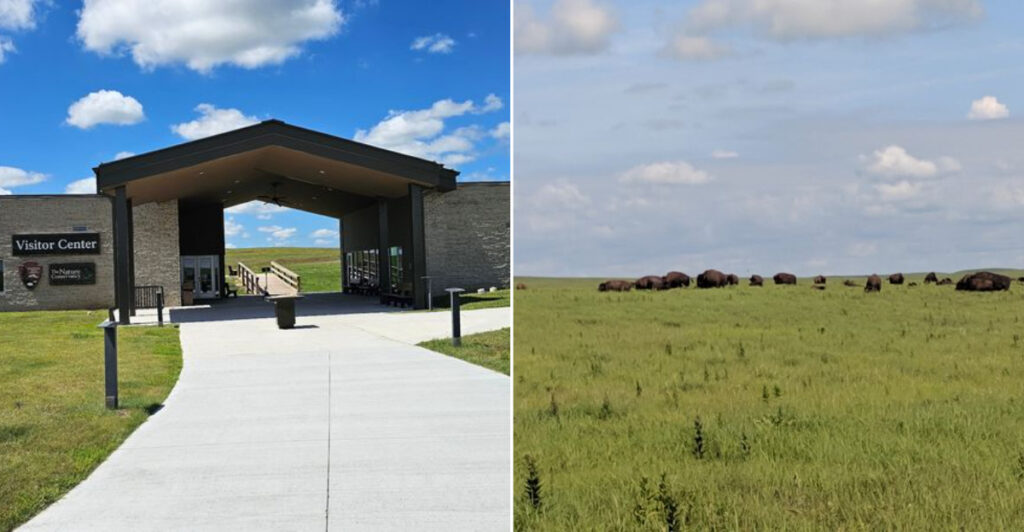
There is something different about seeing bison where they belong, moving across open Kansas prairie like the land still remembers its wildest chapters.
This kind of adventure does not need a packed schedule or a flashy setup to feel unforgettable.
The thrill is in the quiet: wide grassland, big sky, and the sudden realization that you are watching one of America’s most iconic animals roam free.
It makes the whole outing feel larger than a regular hike or scenic drive. A prairie stop like this reminds visitors that wonder does not always arrive loudly.
Sometimes it grazes in the distance and makes everyone lower their voices without thinking. My favorite nature trips are the ones that make me feel small in the best way, and seeing bison in Kansas would absolutely do that.
Bison Roam Freely Across The Prairie
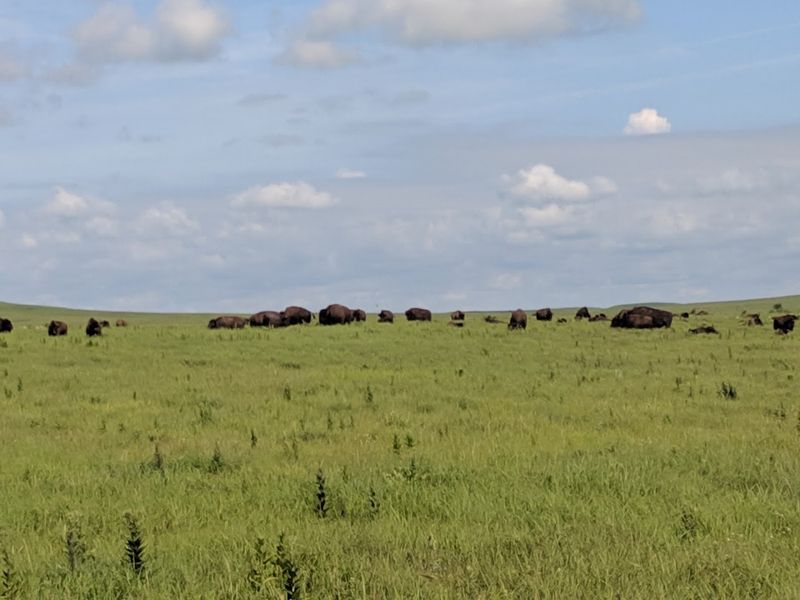
Seeing bison from a safe distance is not something most people put on their Kansas bucket list, but at Tallgrass Prairie National Preserve, it happens regularly.
The preserve is home to a managed bison herd in designated prairie pastures, and spotting them along the trail is one of the most exciting moments any visitor can have here today.
The bison are wild animals, so keeping a respectful distance is not just good advice, it is essential. Rangers recommend staying at least 125 yards away while hiking in bison areas.
Some hikers have reported hearing bison breathe from nearby, which is both thrilling and humbling.
The sight of these massive animals moving through the tall grasses, exactly as they did for thousands of years, puts the sheer scale of what this prairie once was into sharp, unforgettable perspective.
Over 40 Miles Of Trails To Explore
Forty miles of trails sounds like a lot, and honestly, it is.
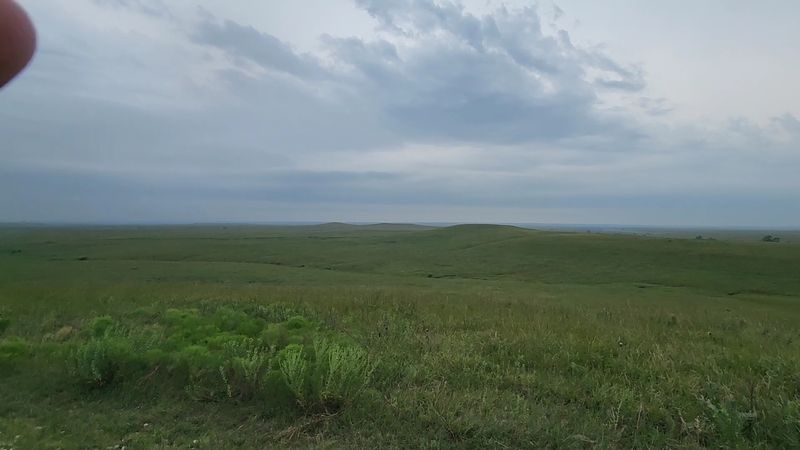
Tallgrass Prairie National Preserve offers routes for every kind of visitor, from short half-mile strolls near the visitor center to full-day backcountry hikes that take you deep into the rolling Flint Hills landscape.
The terrain is more varied than people expect. There are real elevation changes, grassy ridgelines, and open valleys that make even a moderate hike feel like a genuine adventure rather than a flat walk.
Hikers heading toward Scenic Overlook typically spend about three hours on the round trip and are rewarded with some of the most sweeping views in the entire preserve.
Packing water, sunscreen, and a hat is non-negotiable, especially in summer when the sun gets fierce early in the morning. The trails are open 24 hours a day, every day of the week.
One Of The Rarest Ecosystems On Earth
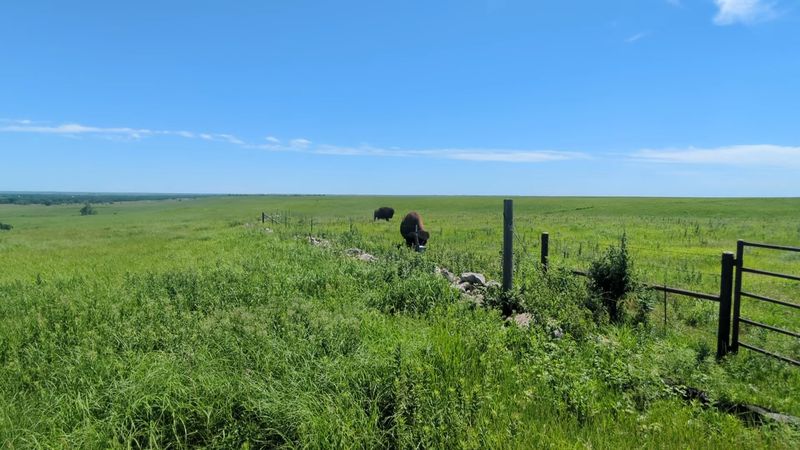
Here is a number worth pausing on: less than 4% of the original North American tallgrass prairie ecosystem still survives. Some estimates put the figure even lower, closer to 1% or 2%.
What once covered 170 million acres across the continent has been almost entirely converted to farmland over the past two centuries.
Tallgrass Prairie National Preserve protects one of the largest and most significant remnants of this lost landscape, right in the heart of the Kansas Flint Hills.
Walking through it feels different from most nature parks because the grasses themselves are the main event. Big bluestem, indiangrass, and switchgrass can grow taller than a person in peak season.
The biodiversity hidden inside those grasses, from insects to birds to mammals, is staggering. This is not just a pretty field, it is a living record of what this continent looked like long before settlement.
The Preserve Is Completely Free To Enter
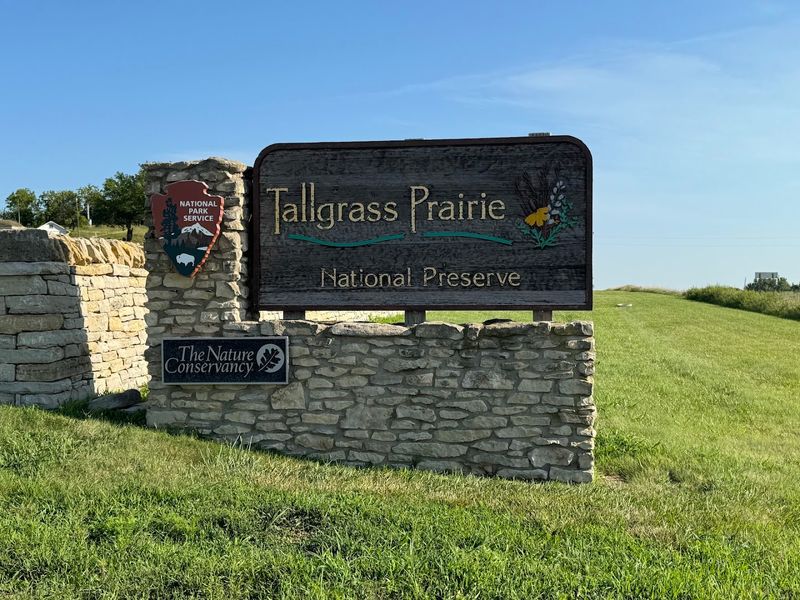
Free national park experiences are always worth celebrating, and Tallgrass Prairie National Preserve delivers a full day of outdoor adventure without charging a single entry fee.
The trails, the bison viewing, the historic buildings, and the open prairie are all accessible at no cost.
This makes it a fantastic option for families, road-trippers, and anyone passing through the Flint Hills who wants a memorable stop without budget stress.
The address is 2480B KS-177, Strong City, KS 66869, and the preserve is open around the clock, every day of the year.
The visitor center does have its own operating hours, so checking ahead before arrival is a smart move if exhibits and ranger talks are on the agenda.
But even when the visitor center is closed, the trails and the landscape are wide open and waiting. Free access to something this rare and beautiful feels like a genuine gift.
Historic 1880s Ranch Buildings Still Standing
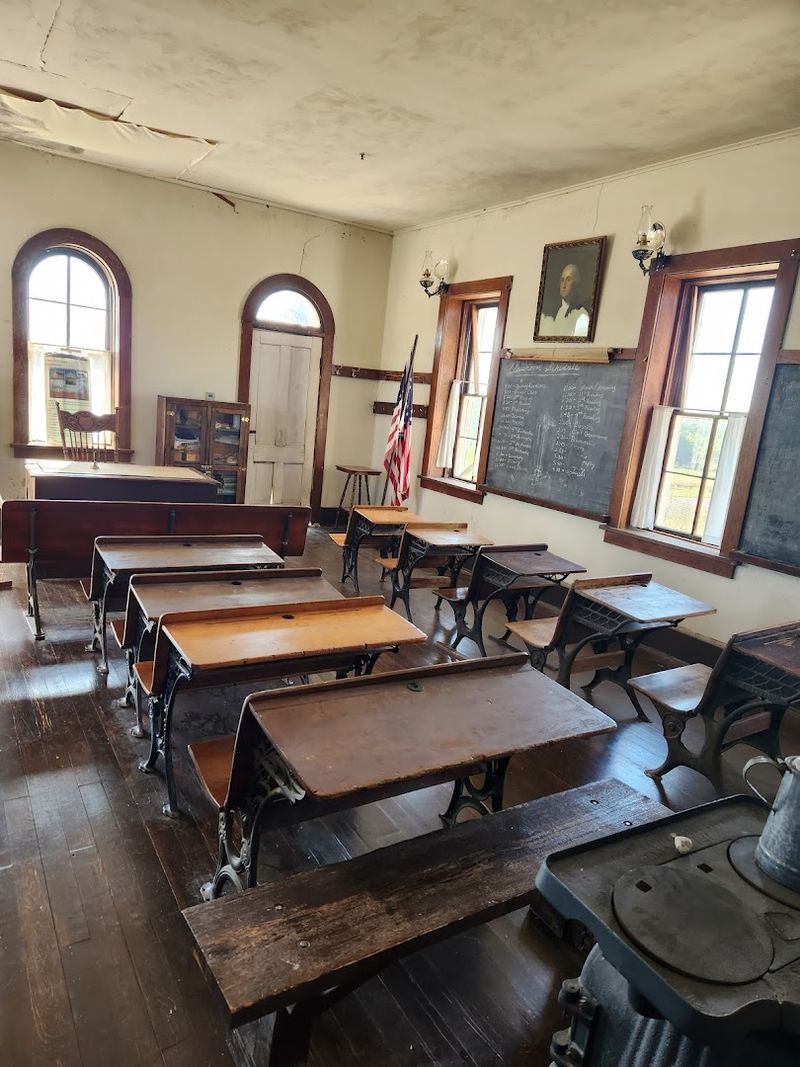
The prairie tells one story, and the buildings on it tell another.
Tallgrass Prairie National Preserve is home to several historic limestone structures dating back to the 1880s, including a ranch house, a barn, and a one-room schoolhouse that still looks ready for class.
The schoolhouse is a particular highlight, furnished with original-style desks, old maps, antique books, and the kind of details that make you feel like you have stepped back into a scene from frontier Kansas.
The stone construction is beautiful and surprisingly well-preserved given the age of the buildings.
There is also a friendly horse named Badger who lives on the farm and has been known to approach visitors near the fence with zero hesitation.
The combination of sweeping prairie views and well-preserved pioneer history gives this preserve a layered character that goes far beyond what most people expect from a grassland park.
Stargazing On The Prairie Is Extraordinary
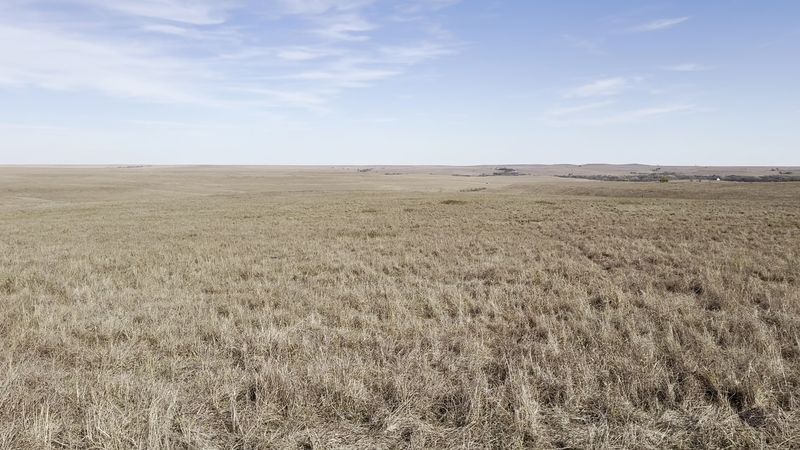
Far from city lights and sitting in the wide open Kansas landscape, Tallgrass Prairie National Preserve has earned a reputation as one of the best stargazing spots in the region.
On a clear night during a new moon, the sky overhead fills with thousands of visible stars, and the Milky Way stretches across the horizon in a way that genuinely stops people in their tracks.
The trails are open 24 hours a day, which means night visits are completely allowed. Visitors are advised to give their eyes several minutes to adjust to the darkness before the full effect kicks in.
Bringing a red-light flashlight helps preserve night vision without ruining the experience.
Planning around a new moon and checking for cloud cover ahead of time will make the difference between a good night and an unforgettable one. The darkness here is real, and it is spectacular.
A Unique Public-Private Conservation Partnership
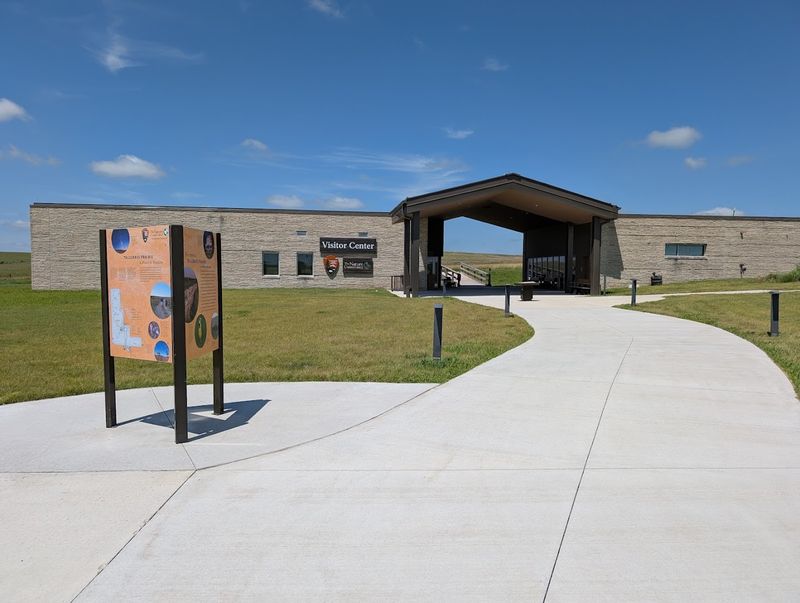
Tallgrass Prairie National Preserve has an unusual backstory for a national park unit.
Established in 1996, it operates as a partnership between the National Park Service and The Nature Conservancy, making it one of the only parks in the country run under this kind of shared public-private arrangement.
The Nature Conservancy owns the majority of the land while the National Park Service manages visitor access and interpretation.
This collaboration has allowed the preserve to maintain its ecological integrity while still welcoming the public in a meaningful way.
The setup is a model that conservationists point to when discussing how to protect large, ecologically significant landscapes without relying entirely on federal funding.
For visitors, the result is a well-run, thoughtfully managed preserve where the land clearly comes first.
The rangers and volunteers who work here are passionate about the mission and it shows in every interaction and every well-maintained trail.
Controlled Burns Keep The Prairie Healthy
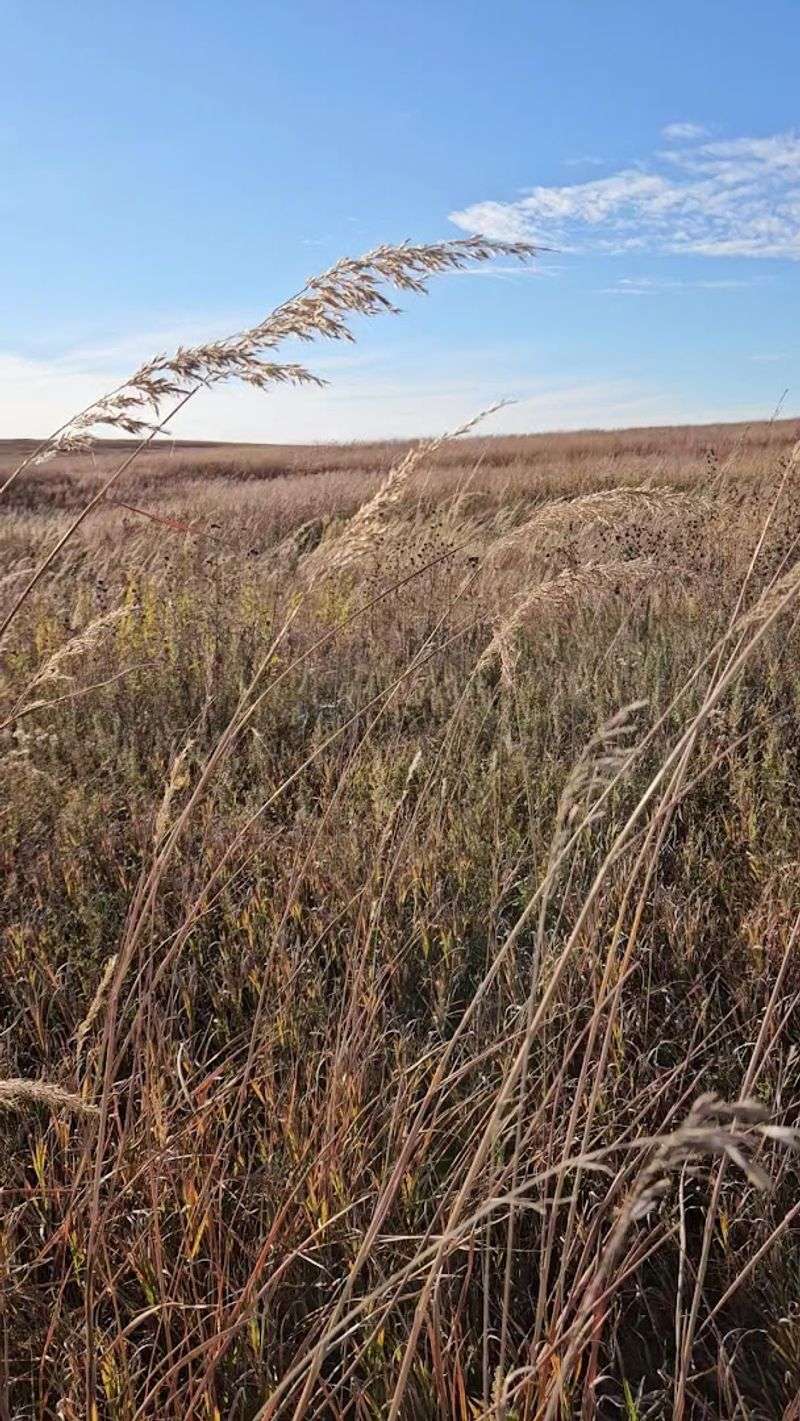
Fire is not the enemy of this prairie, it is one of its most important tools.
Tallgrass Prairie National Preserve uses scheduled controlled burns to maintain the health of the grassland ecosystem, a practice that mirrors the natural fire cycles the prairie evolved with over thousands of years.
Burning removes wasted plant material, prevents woody shrubs from taking over, and encourages the growth of native grasses and wildflowers.
The result is a landscape that stays biologically diverse and productive rather than slowly becoming choked by invasive species.
If a visit happens to fall shortly after a burn, parts of the prairie may look blackened and stark. However, within weeks the regrowth is lush and vibrant.
Wildlife Beyond Bison Is Abundant Here
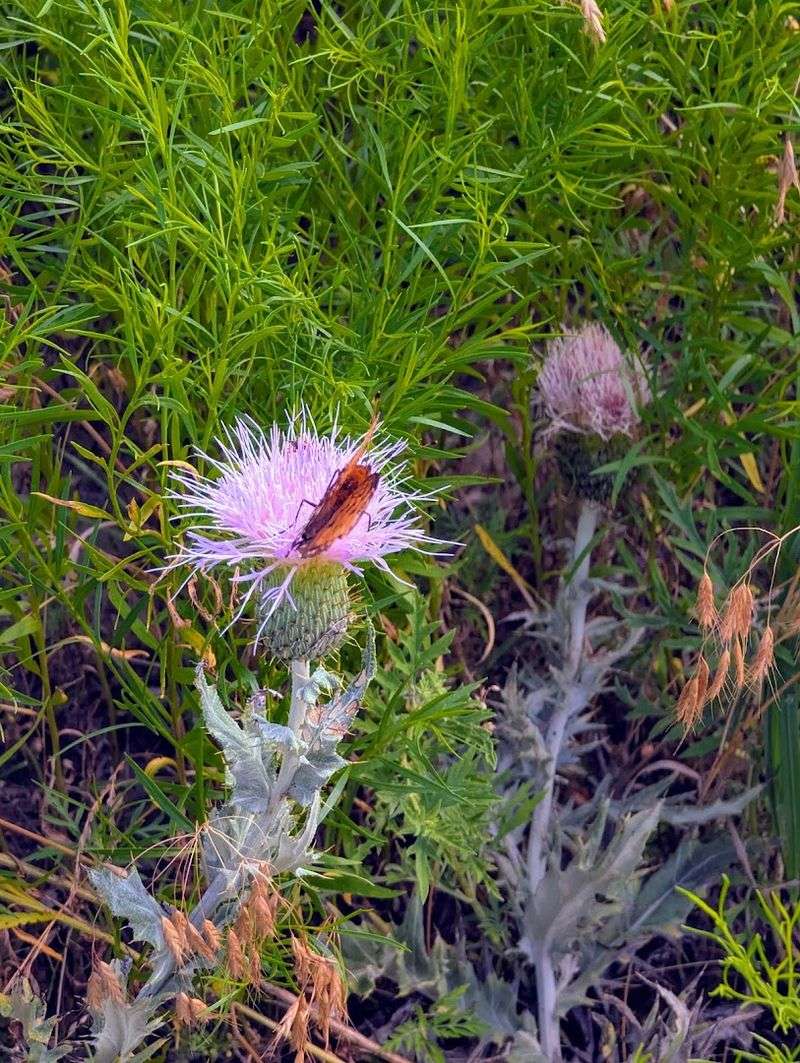
Bison get most of the attention, but the wildlife at Tallgrass Prairie National Preserve goes well beyond the famous herd.
Great blue herons, meadowlarks, dickcissels, and a wide variety of grassland birds make their home in the preserve, and patient walkers are often rewarded with close sightings.
Deer, coyotes, and smaller mammals move through the tall grass regularly, and the insect life, from butterflies to grasshoppers, is genuinely impressive during warmer months.
The prairie ecosystem supports an interconnected web of species that most people never think about when they picture Kansas.
Ticks are present in the grass, especially during spring and summer, so tucking pants into socks and doing a thorough check after any hike is important. Bug repellent is a smart addition to any trail pack.
The wildlife here rewards slow, attentive walking far more than rushing through to check off the bison sighting and leave.
The Visitor Center Brings Prairie History To Life
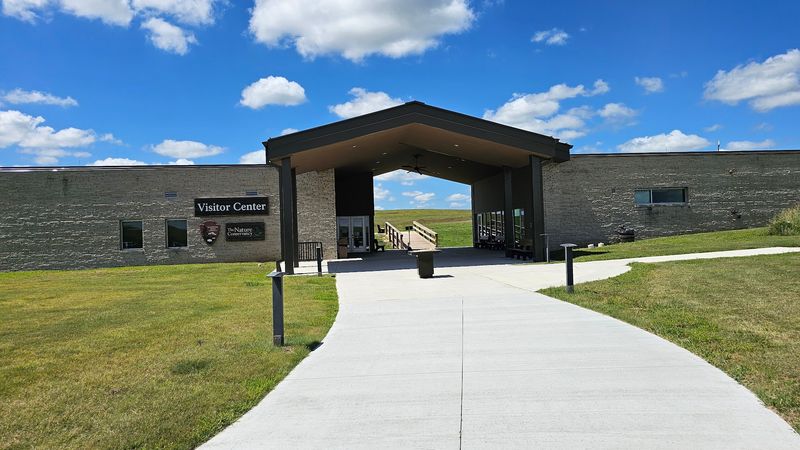
Before hitting the trails, spending time in the visitor center at Tallgrass Prairie National Preserve pays off in a big way.
The exhibits cover the natural history of the tallgrass prairie ecosystem, the cultural and economic history of the Flint Hills, and the story of how the preserve came to exist in the first place.
There are hands-on displays where visitors can touch samples of bison fur and handle prairie animal specimens, which makes the experience especially engaging for younger visitors.
A small film screening area and a guest book with an old-fashioned quill pen add to the atmosphere.
The rangers stationed here are knowledgeable and genuinely enthusiastic about answering questions and pointing hikers toward the best routes for what they want to see.
A compact gift shop rounds out the stop. The visitor center is the kind of place that turns a casual walk into a truly informed prairie experience.