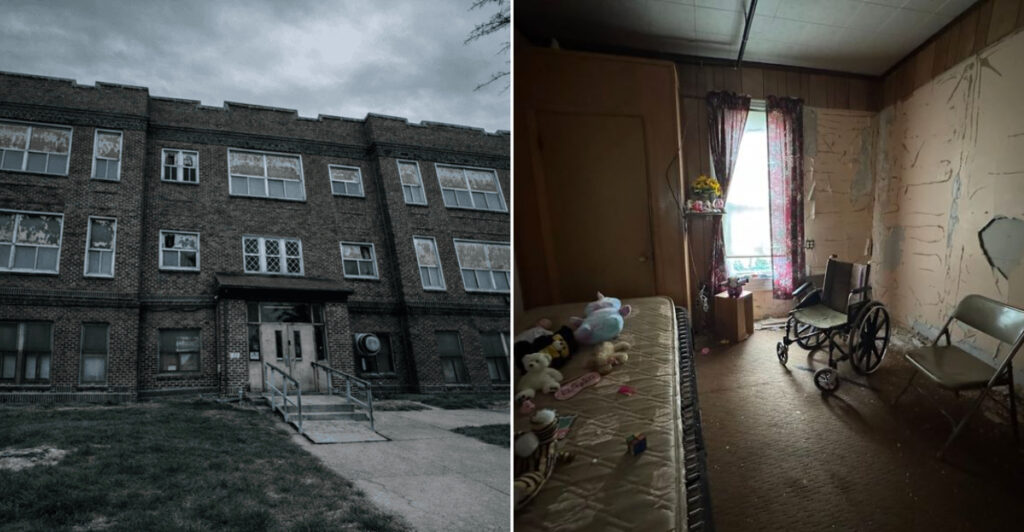
A haunted Iowa road trip should make the GPS feel a little suspicious.
The route moves from old houses and shadowy museums to quiet cemeteries, former schools, historic hotels, and places where the floorboards seem to remember more than they should.
These 11 legends give the drive a strange kind of momentum. One stop leans eerie and theatrical.
Another feels almost too ordinary from the outside, which somehow makes the stories follow you even harder once you leave.
By the end, Iowa feels less like a state you simply crossed and more like a map full of locked doors, whispered names, and lights you suddenly want to leave on.
1. Villisca Axe Murder House, Villisca
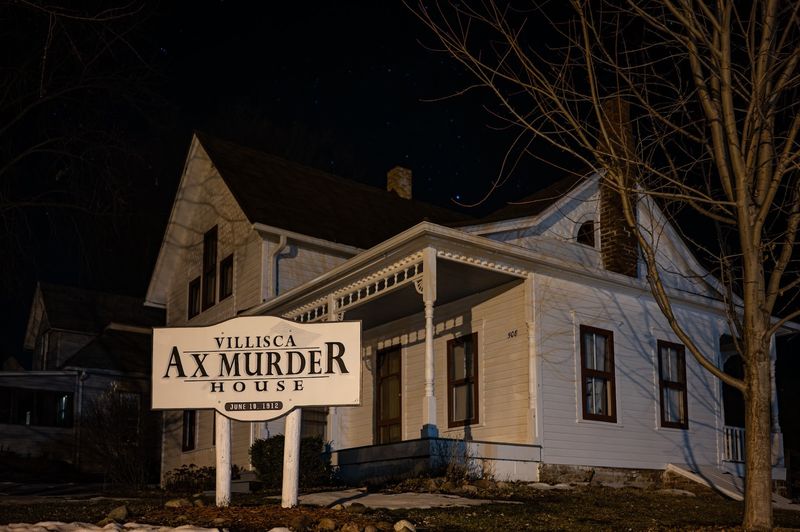
Few addresses in American history carry as much weight as 508 E 2nd St in Villisca, Iowa, where an unsolved 1912 tragedy left eight people gone overnight and a mystery that has never been closed.
The house has been preserved almost exactly as it looked back then, right down to the period furniture and the original layout that investigators once combed through for clues.
Paranormal investigators from across the country make pilgrimages here, and overnight stays are available for those who want the full experience.
Visitors have reported hearing children’s voices in empty rooms, seeing figures move past windows, and feeling sudden cold spots that have no logical explanation.
The home sits quietly on a residential street, which makes it even more unsettling because it looks so ordinary from the outside.
Tours are offered regularly and cover both the documented history and the reported paranormal activity, so you get the full picture.
Whether you believe in the supernatural or not, the weight of what happened inside those walls is impossible to ignore once you step through the front door.
2. Malvern Manor, Malvern
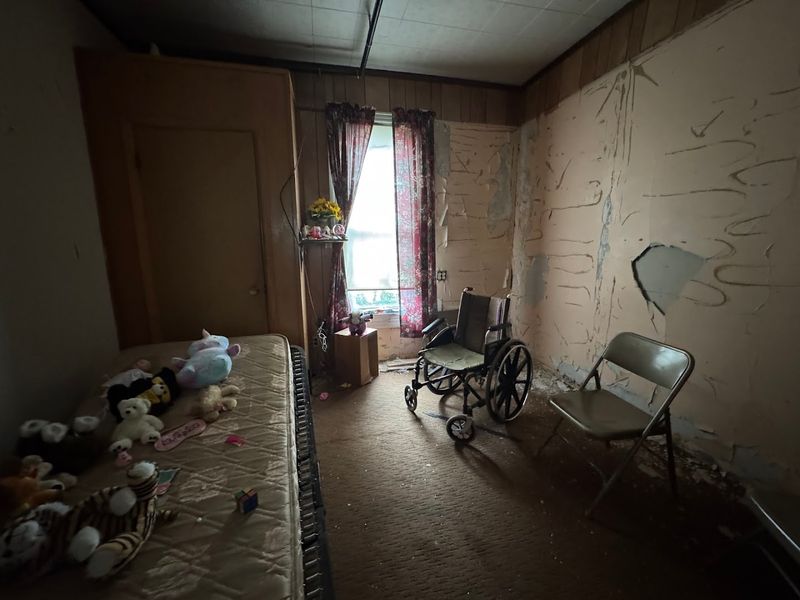
Malvern Manor at 103 E 3rd St in Malvern, Iowa, has earned a reputation that stretches well beyond its small-town zip code, and it is not because of the architecture.
The building operated as a care facility for decades, and the combination of that history with its crumbling Victorian bones has made it one of the most talked-about paranormal destinations in the entire Midwest.
Ghost hunting teams have captured some genuinely puzzling audio recordings and video footage here, enough to keep the debate going long after the cameras are packed away.
The manor offers public investigation nights where you can bring your own equipment or rent gear on-site, which makes it accessible even if you are new to ghost hunting.
Cold drafts appear in sealed rooms, doors swing without prompting, and some visitors report a persistent feeling of being watched from the upper floors.
The building is not polished or prettied up for tourists, which is exactly what gives it its raw, unfiltered atmosphere.
Malvern Manor is the kind of stop that stays with you not just because of what you might see, but because of the layered human history soaked into every cracked wall and warped floorboard.
3. Squirrel Cage Jail Museum, Council Bluffs
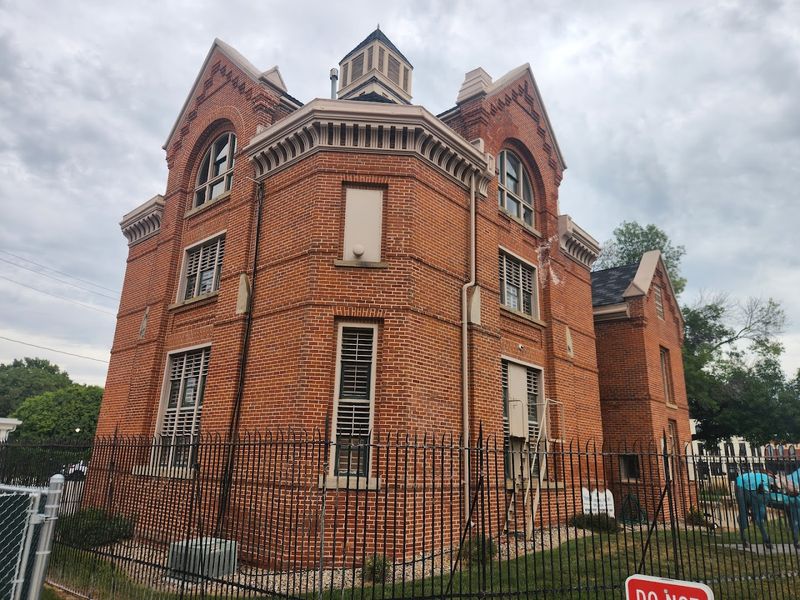
Rotating jail cells sound like something out of a science fiction novel, but the Squirrel Cage Jail at 226 Pearl St in Council Bluffs, Iowa, made the concept very real back in 1885.
The building houses a three-story lazy Susan of iron cells that could be spun by a single hand crank, designed so that only one cell door needed to face the exit at any time.
The jail remained in use until 1969, and the cell section still stands much as it did when the county closed it.
Beyond its engineering oddity status, the jail has developed a strong paranormal reputation, with reports of footsteps echoing through empty corridors and unexplained shadows drifting between cell blocks.
The Historical Society of Pottawattamie County runs the site and keeps it open for visitors during public museum hours, covering both the mechanical history and the ghost stories that have accumulated over the years.
One of the more frequently reported phenomena is the sound of a child laughing somewhere in the upper levels, which has unnerved more than a few seasoned investigators.
Council Bluffs sits right on the Missouri River border with Nebraska, making this stop a natural anchor for the western end of any Iowa haunted road trip.
4. Farrar Elementary, Maxwell
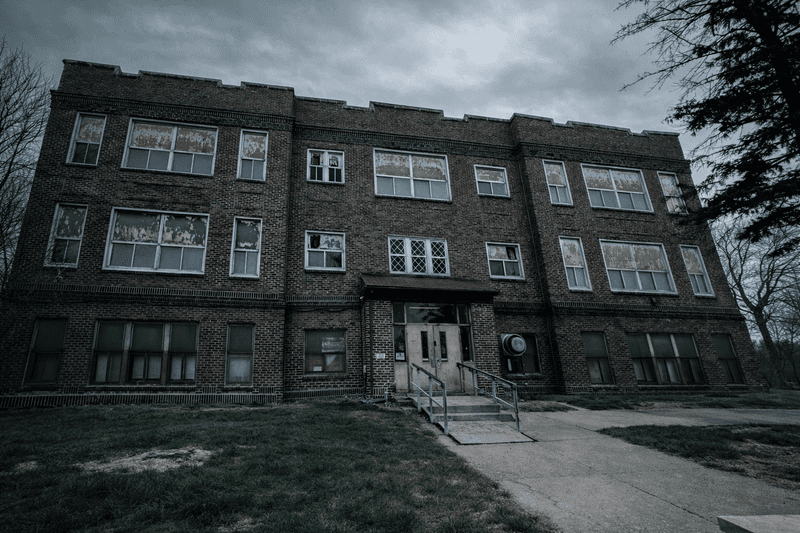
Somewhere between a ghost town and a ghost school, Farrar Elementary at 11125 NE 134th Ave in Maxwell, Iowa, sits in the middle of farm country like a forgotten chapter of someone’s childhood.
The school closed in 2002 after decades of serving the small rural community, and it did not take long for stories to start circulating about what was happening inside the empty building after dark.
The property now operates as a paranormal investigation site, with guests able to book experiences that include access to investigation gear and guided exploration.
Investigators have reported hearing a principal-like figure in what used to be the main office, with the energy in that room described as authoritative and unwelcoming.
Playground equipment still sits rusting outside, which adds a layer of visual unease that photographs cannot quite capture fully.
The classrooms, gym, and cafeteria are all accessible during investigations, giving visitors a wide range of spaces to explore throughout the night.
Maxwell is a tiny dot on the Iowa map, but Farrar Elementary has put it on the radar of paranormal researchers from coast to coast, which says everything you need to know about the reputation this old schoolhouse has built for itself.
5. Edinburgh Manor, Monticello
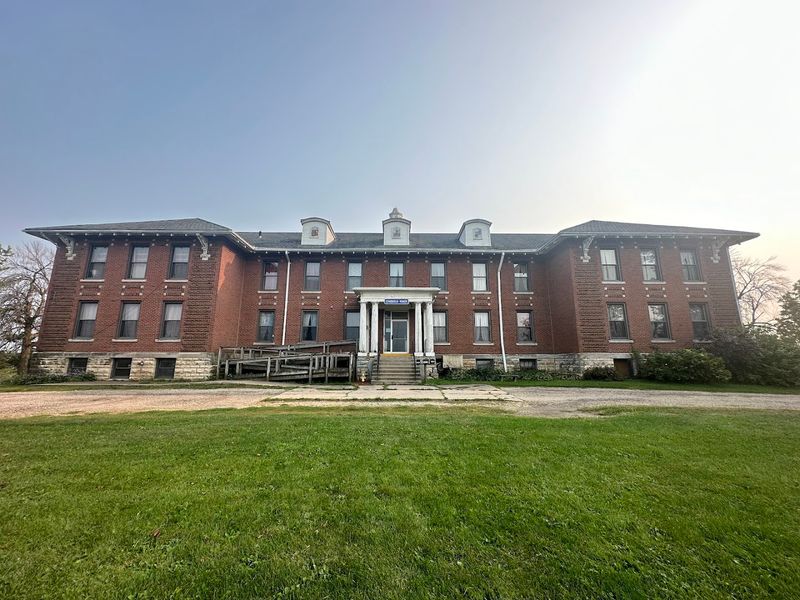
Edinburgh Manor at 13241 E23 County Home Rd in Monticello, Iowa, operated as a county care facility for nearly a century before closing in 2010, and the echoes of that long history are hard to escape.
The building served people who had nowhere else to go, including those dealing with mental illness, poverty, and physical disability, which gives the site a deeply human and emotionally complex backstory.
Since closing, the manor has become one of Iowa’s most actively investigated paranormal locations, drawing serious researchers and curious visitors alike.
The building is genuinely massive, with long corridors, multiple wings, and a basement that even seasoned investigators tend to approach with caution.
Reports include disembodied voices, doors slamming in unoccupied sections, and a recurring apparition near the old chapel area that multiple independent groups have described in strikingly similar terms.
Overnight investigations are available and the site is well-maintained by the current owners, who take both the history and the guest experience seriously.
Edinburgh Manor is the kind of place where the history alone would be worth the visit, and the paranormal layer on top of it makes the experience something you will be talking about for a long time after you drive back down that gravel road.
6. Mason House Inn, Keosauqua
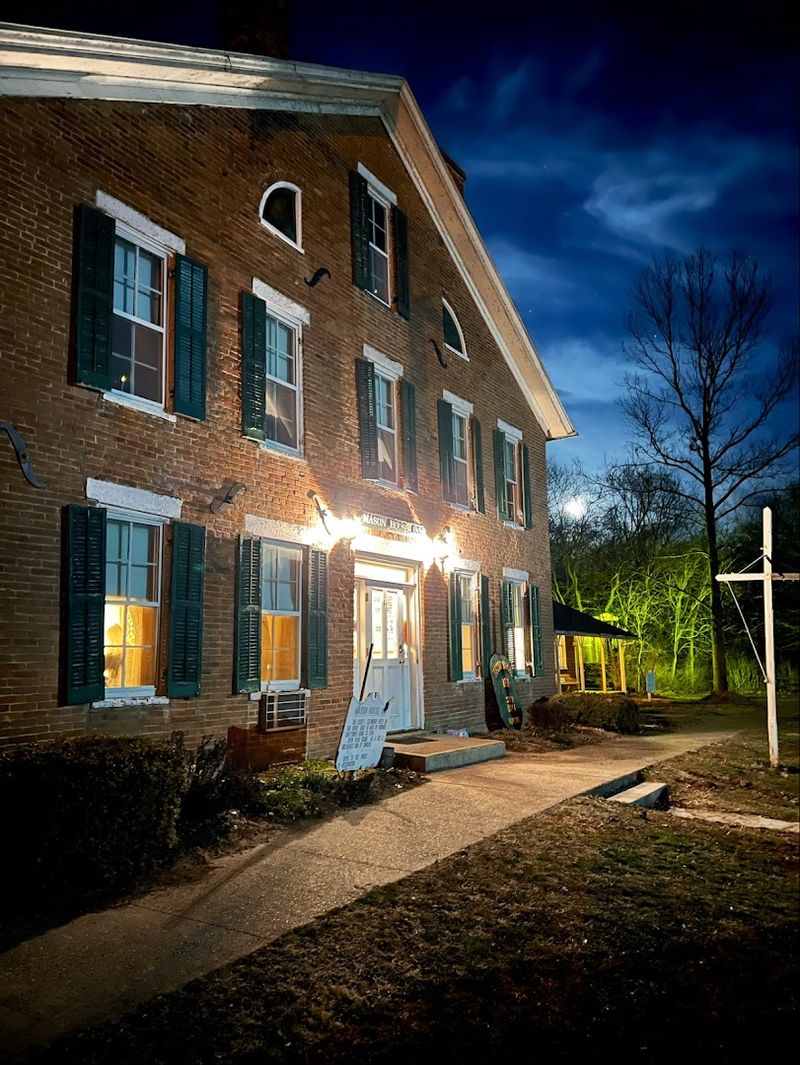
Not every haunted stop on this road trip looks the part, and Mason House Inn at 21982 Hawk Dr in Keosauqua, Iowa, is the most pleasantly deceptive of the bunch.
Built in 1846 along the Des Moines River, this beautifully restored inn served as a stop on the Underground Railroad, hosted steamboat travelers, and sheltered Civil War soldiers, layering history upon history into its warm brick walls.
Guests can actually stay overnight in the inn, which operates as a fully functioning bed and breakfast with period-appropriate furnishings and genuinely good hospitality.
The haunted reputation comes from a long list of reported encounters, including a spirit known as the Mason House Ghost who reportedly tidies up guest rooms and rearranges personal belongings.
Other reported activity includes rocking chairs moving on their own, flickering oil lamps, and the smell of pipe smoke drifting through rooms where no one is smoking.
Keosauqua is tucked into the rolling hills of Van Buren County in southeastern Iowa, and the drive there alone is worth the trip if you catch it in fall foliage season.
Mason House Inn proves that haunted does not have to mean frightening, and a friendly ghost who makes your bed might just be the best travel companion you never expected.
7. Cresco Theatre And Opera House, Cresco
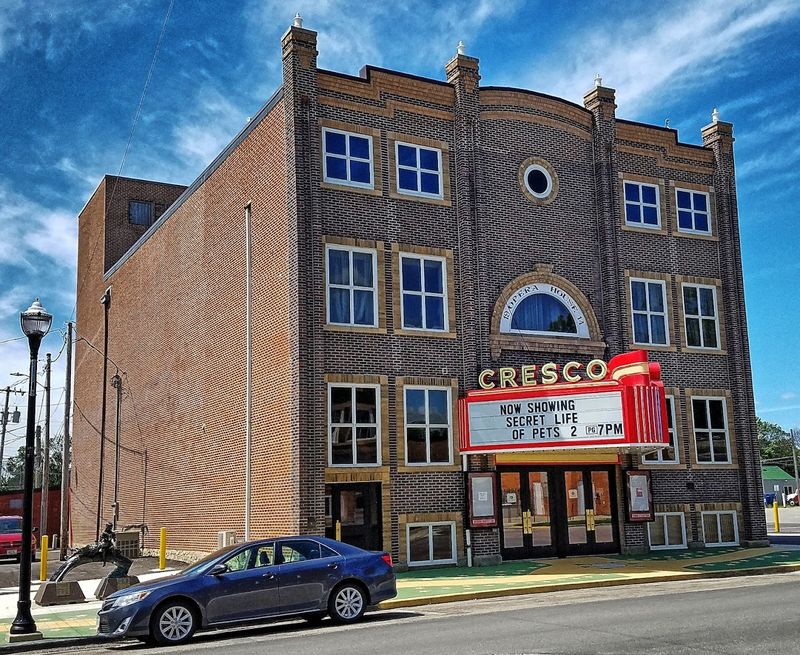
There is something about old theatres that invites stories, and the Cresco Theatre and Opera House at 115 2nd Ave W in Cresco, Iowa, has collected more than its fair share over the years.
Built in 1914, the building has served as a performance venue, a gathering place, and, if the local legends are to be believed, a permanent residence for a few spirits who never quite left the stage.
Some reports describe shadowy figures, strange sounds, and activity around the stage and backstage areas when the theatre should be quiet.
Cresco is located in Howard County in northeastern Iowa, and the theatre sits right on the main street of this compact but historically rich small town.
Restoration efforts have kept the building in solid condition, and it continues to host community events, which means you might catch a show along with a paranormal encounter.
The combination of genuine architectural beauty and layered ghost lore makes this stop one of the most photogenic on the entire route.
If you have ever wanted to sit in a century-old theatre seat and wonder whether the rustling sound behind you is a draft or something else entirely, Cresco is ready to oblige.
8. Farm House Museum, Ames
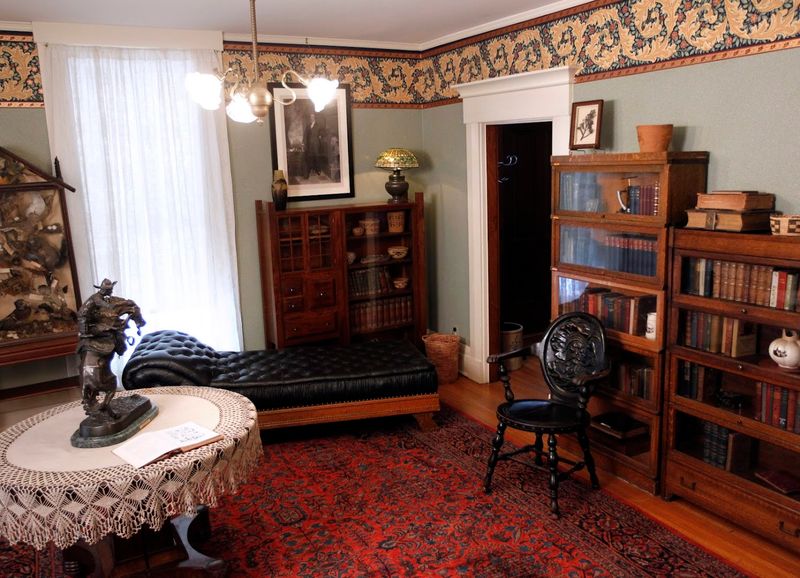
Most people visit Iowa State University in Ames for the academics, but the Farm House Museum at 601 Farm House Lane offers a reason to linger on campus long after the tour groups have moved on.
Built in 1860, this is the oldest building on the Iowa State campus and it has served as a faculty residence, a museum, and, according to persistent campus legend, a gathering point for at least a couple of restless spirits.
The house is beautifully preserved with period furniture and authentic Victorian-era decor, making it a genuinely fascinating historical stop even without the ghost stories attached.
Reports from visitors and staff over the years include the sensation of being followed through empty rooms, unexplained sounds from the upper floors, and objects that seem to shift position overnight.
The museum is operated by Iowa State University and offers guided tours that focus primarily on the agricultural and domestic history of 19th-century Iowa, though guides are generally happy to discuss the more unusual reports.
Ames itself is a lively college town with plenty to explore, so this stop pairs well with a longer afternoon itinerary in the area.
The Farm House Museum is proof that history and mystery can share the same front porch without one overshadowing the other.
9. Oakland Cemetery Black Angel, Iowa City
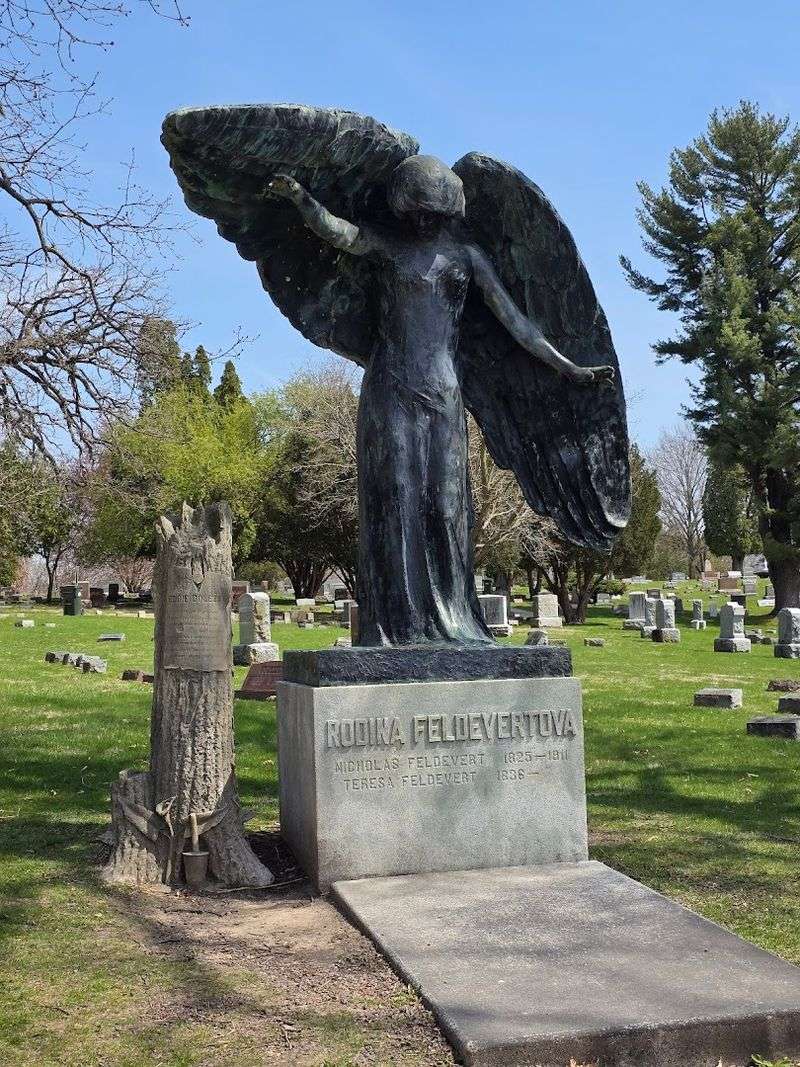
Standing at roughly eight and a half feet tall in Oakland Cemetery at 1000 Brown St in Iowa City, the Black Angel is one of the most visually striking monuments in the entire state, and one of the most myth-laden.
The bronze statue was commissioned in 1912 by Teresa Feldevert as a memorial for her son and later for herself, and its surface darkened over time from its original gold color to the deep, unsettling black it holds today.
Local legend has attached a remarkable number of rules and warnings to the statue, including claims that touching it on Halloween brings bad luck, that the angel turns darker whenever a sinful person passes by, and that it will strike anyone who kisses it near the base.
None of those claims have been verified, but that has done absolutely nothing to slow down the legend’s growth over the decades.
The cemetery itself is a peaceful, well-maintained space that is open to the public, and the Black Angel is easy to find once you enter the grounds.
Iowa City’s vibrant arts and university culture makes it a great base for exploring the surrounding area, and the Black Angel is genuinely worth seeing in person.
Photos simply do not capture the scale and presence of this monument, so make a point of standing beside it yourself.
10. Jordan House Museum, West Des Moines
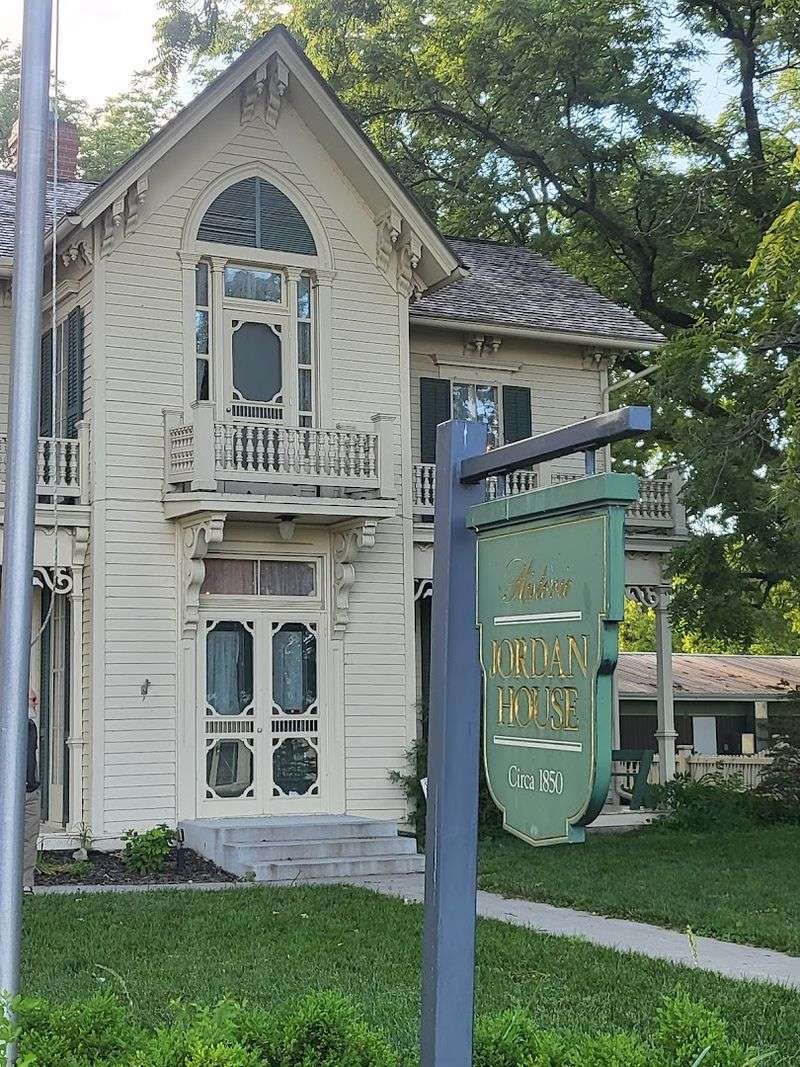
History buffs and paranormal enthusiasts find common ground at the Jordan House Museum at 2001 Fuller Rd in West Des Moines, Iowa, where the story of one of Iowa’s most important Underground Railroad conductors comes alive in a genuinely beautiful setting.
James C. Jordan built this Italianate mansion in 1850, and he used it as a key station for freedom seekers moving northward before the Civil War, a fact that gives the home a weight and significance that goes far beyond ghost stories.
The West Des Moines Historical Society now manages the property and offers tours that cover both the documented history and the more unexplained reports that have come in over the years.
Visitors have described hearing footsteps on the upper staircase when the house is otherwise empty, and a few have reported seeing a figure standing near the window of the second-floor study.
The architecture alone is worth a stop, with its tall narrow windows, ornate trim, and carefully restored interior rooms that feel frozen somewhere around 1870.
West Des Moines is easily accessible from the interstate, which makes Jordan House a natural addition to any road trip itinerary passing through the greater Des Moines metro area.
Few places in Iowa carry this much layered meaning in a single building, and the house rewards careful, unhurried exploration.
11. Hotel Julien Dubuque, Dubuque
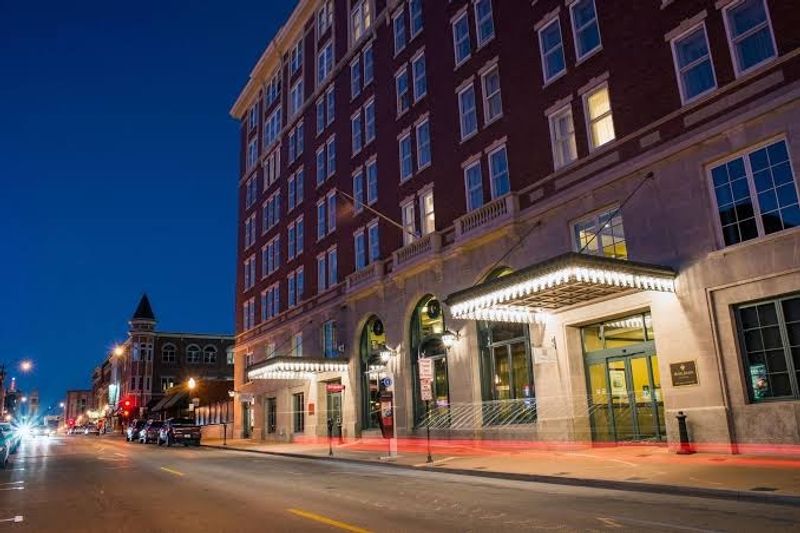
Checking into Hotel Julien Dubuque at 200 Main St in Dubuque, Iowa, means sleeping in a building with a guest list that reportedly includes Al Capone, and that is before you even get to the ghost stories.
A hotel or inn has stood at the corner of Second and Main since 1839, giving this site one of the longest-running hospitality stories in Dubuque.
Capone is tied to the hotel’s local lore, and the property still leans into that connection with its legendary Al Capone Suite.
Beyond the Capone connection, the hotel has a long list of reported paranormal activity including unexplained knocking sounds, elevator doors opening on floors with no one waiting, and the occasional apparition spotted in the grand hallway mirrors.
The hotel has been beautifully restored and operates as a full-service luxury property today, which means you can enjoy genuine comfort alongside genuine chills.
Dubuque sits on the Mississippi River in northeastern Iowa, surrounded by bluffs and historic architecture that make the whole city feel like a step back in time.
Hotel Julien Dubuque is the kind of finale a haunted road trip deserves: elegant, storied, and just unsettling enough to make you sleep with the light on.