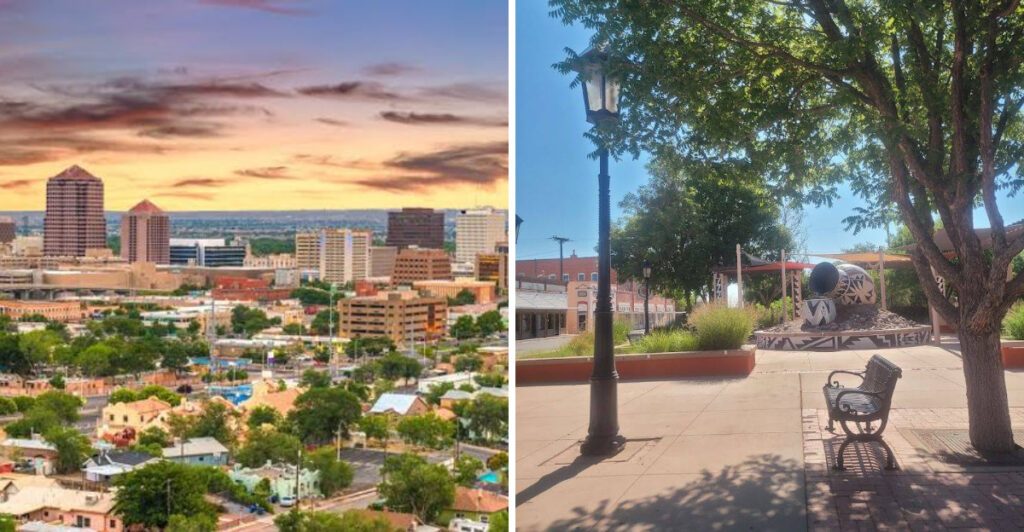
Let’s be honest. Retirement sounds a lot better when housing costs are not eating the whole plan.
That is why affordable towns matter so much right now. New Mexico has several places where retirees can stretch their money and still enjoy a life with personality.
Think slower mornings, local events, scenic drives, and neighbors who actually have time to talk. Some towns lean artsy.
Some feel outdoorsy. Some keep things simple in the best way.
The goal is not just cheap living. It is a place where your budget relaxes and your days still feel worth getting excited about.
These ten towns offer that kind of balance, with enough charm to keep life interesting and enough affordability to make the numbers less stressful. Living big can start with spending less, and that is the whole point here for anyone ready to move smart today, not someday, and feel proud too.
1. Albuquerque
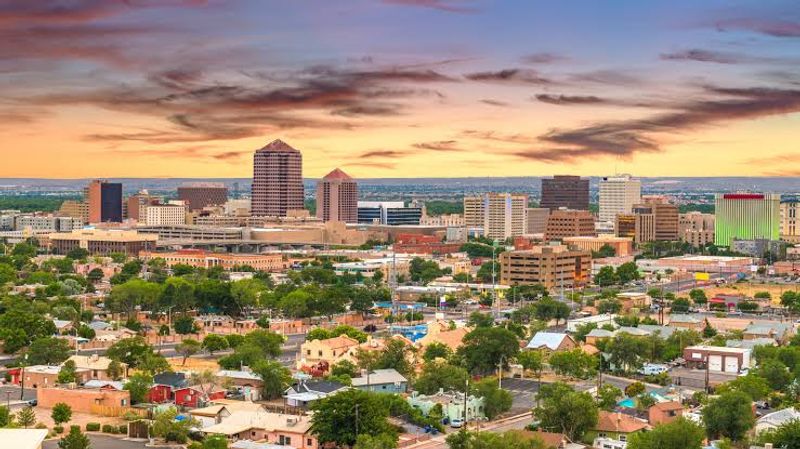
Old Town Albuquerque pulls you in with its adobe buildings and centuries-old plaza before you even have a chance to check the price tags.
The city is New Mexico’s largest, yet it carries a surprisingly relaxed, neighborhood-friendly energy that retirees tend to fall in love with quickly.
Housing here is notably more affordable than in many comparable Sun Belt cities, with median home prices sitting well below the national average and a strong rental market for those not ready to buy.
The mild, sunny climate means outdoor activities are on the calendar nearly every month, from strolling the bosque trail along the Rio Grande to exploring the Sandia Mountains just east of the city.
The International Balloon Fiesta each October transforms the sky into a patchwork of color, and it is free to watch from many spots around town.
Healthcare access is excellent, with major hospitals and specialty clinics spread throughout the metro area, giving retirees real peace of mind.
Local markets, independent restaurants, and a lively arts district on Central Avenue keep daily life feeling full and interesting without demanding a big budget.
Albuquerque rewards the curious retiree who wants city convenience at a small-town cost, and that combination is genuinely hard to beat anywhere in the Southwest.
2. Deming
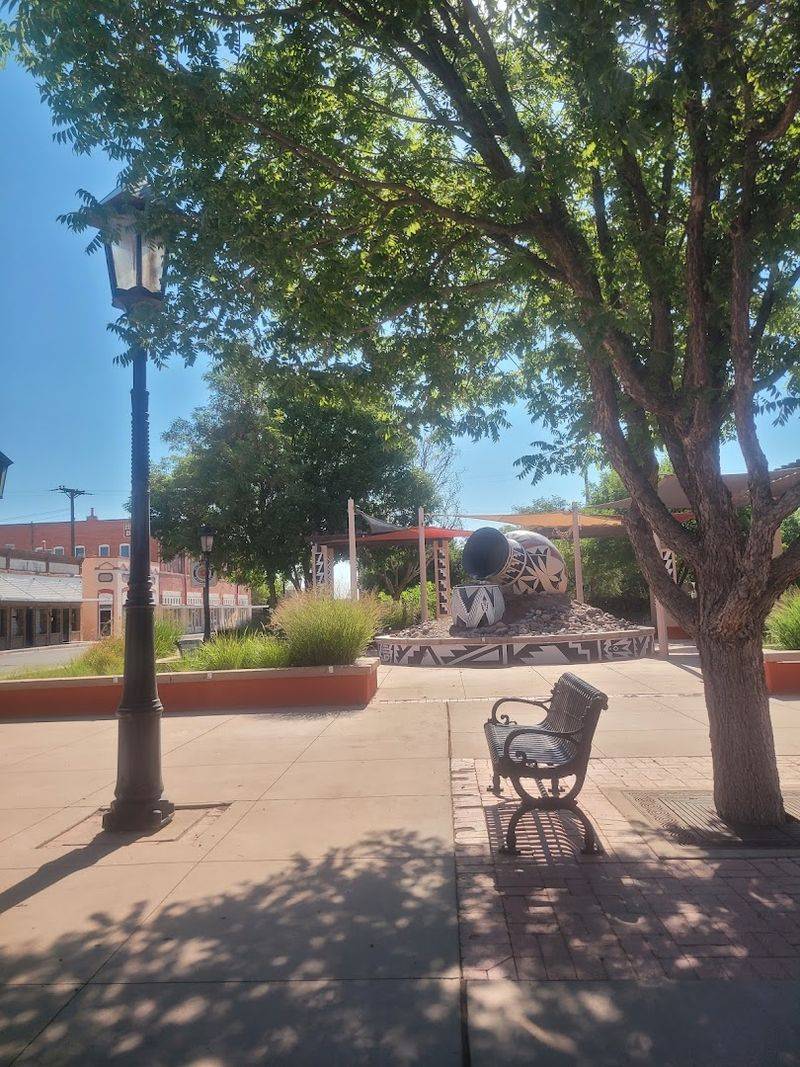
About 35 miles north of the Mexican border, Deming sits in Luna County and offers some of the most wallet-friendly living in the state. Average home values are closer to the mid-$160,000s, while current market prices can run higher depending on listings and recent sales, so buyers still have to shop carefully.
Property taxes in Luna County remain a major budget advantage, and that is the kind of detail retirees tend to notice quickly.
The surrounding desert landscape is dramatic and peaceful, with Rockhound State Park just a short drive away, where visitors can collect certain rocks and minerals to take home.
A large retiree community has already settled here, which means social clubs, organized activities, and friendly neighbors are easier to find from day one.
The local farmers market brings fresh produce and handmade goods into town regularly, keeping errands enjoyable rather than routine.
Summers are warm and winters are mild, so outdoor walks, birding, and day trips to nearby natural areas stay on the schedule year-round.
For retirees who want simplicity, sunshine, and a budget that actually breathes, Deming delivers a lifestyle that feels richer than the numbers suggest.
3. Silver City
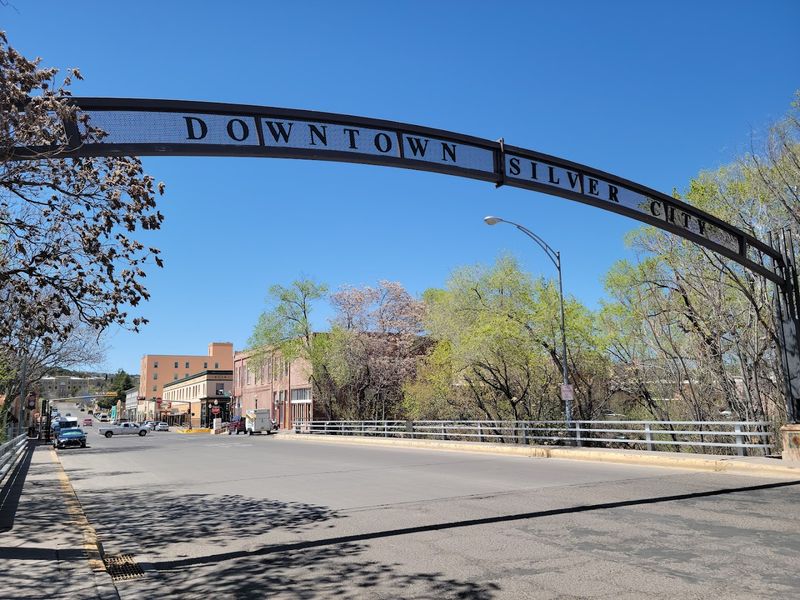
Few towns in the Southwest pack as much personality per square foot as Silver City, a former copper-mining hub in the foothills of the Pinos Altos Mountains.
The downtown core is lined with restored brick buildings that now house art galleries, independent coffee shops, and boutique stores, giving everyday errands an almost gallery-walk quality.
Average home values are now closer to the low-to-mid $220,000s, with current listing and sale figures varying by source, so the town is still relatively accessible but not as low-priced as older estimates suggest.
New Mexico offers a Social Security income tax exemption under income limits, which can help many retirees but does not apply universally.
Older residents may also qualify for property tax rebates, though eligibility depends on income and other requirements rather than age alone.
The Gila National Forest begins practically at the edge of town, offering hundreds of miles of hiking trails, hot springs, and birding spots for those who prefer recreation without a big price tag.
The restored Silco Theater, originally opened in 1923, still hosts films and live performances, keeping cultural life alive in a town that clearly values its own history.
Silver City feels like a place that chose to stay interesting on purpose, and retirees here tend to agree it was absolutely worth the move.
4. Clovis
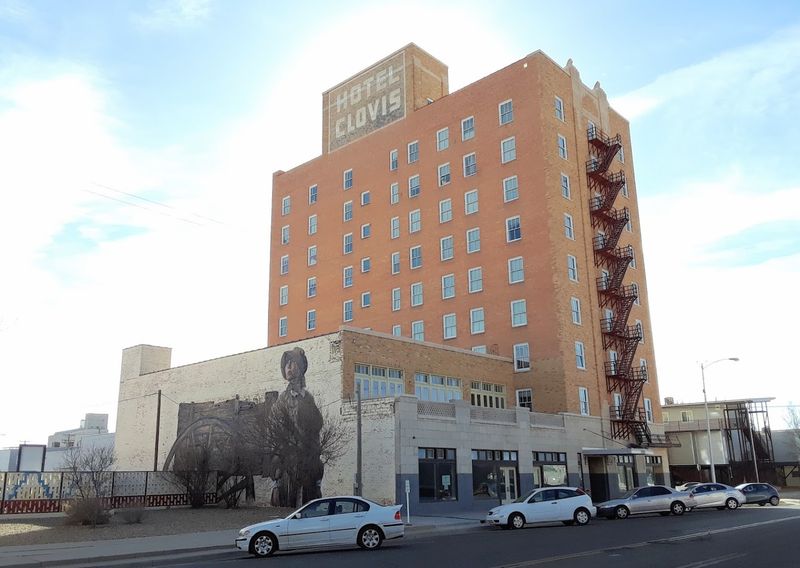
Clovis sits on the eastern edge of the state near the Texas border, and it carries a proud, no-fuss character that budget-conscious retirees find immediately refreshing.
Average home prices range between $144,600 and $161,000, sitting roughly 34 percent below the national average, which means your housing dollar stretches considerably further here than in most American cities.
The town has a rock-and-roll footnote in American music history: the Norman Petty Studios on West Seventh Street is where Buddy Holly recorded some of his most iconic tracks, and the preserved studio still draws visitors who appreciate that kind of tangible connection to the past.
The historic Lyceum Theater on Main Street hosts concerts, comedy shows, and community events throughout the year, giving retirees a reliable calendar of affordable entertainment.
Clovis has a steady, practical infrastructure with grocery stores, medical clinics, and pharmacies all within easy reach, so daily life runs smoothly without requiring a car trip across town.
The surrounding high plains landscape offers wide open skies and a sense of quiet that people who have spent decades in busy cities often describe as deeply restorative.
Nearby Cannon Air Force Base means the local economy stays stable, which tends to keep housing prices steady and community services well-funded.
Clovis may not shout for attention, but for retirees who value comfort and affordability, it speaks volumes.
5. Las Cruces
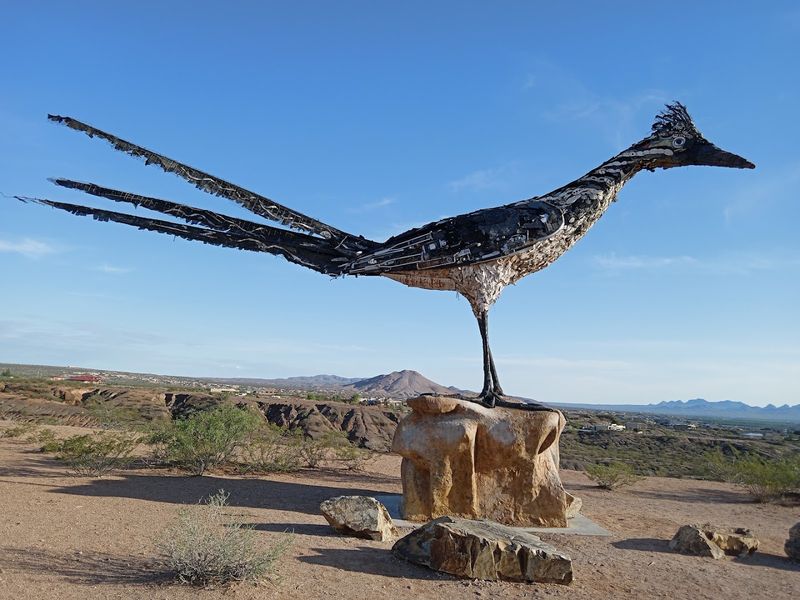
Las Cruces is the kind of city where you can enjoy a Saturday morning farmers market, catch a live concert by afternoon, and still come home having spent very little.
Housing expenses run about 25 percent below national averages, with median home prices around $190,000 and one-bedroom apartments averaging near $995 per month, making it one of the more accessible mid-size cities in the region.
The Farmers and Crafts Market of Las Cruces, held downtown on Saturdays and Wednesdays, is consistently ranked among the finest in the country, drawing local artisans, growers, and neighbors into a lively weekly gathering.
The Organ Mountains rise dramatically just east of the city, offering hiking, picnicking, and photography opportunities without any entry fee.
New Mexico State University gives the city a youthful energy and access to lectures, cultural events, and continuing education programs that many retirees find genuinely stimulating.
Healthcare options are strong, with regional medical centers and a growing network of specialty providers serving the area’s large and active older population.
The Downtown Ramble, a monthly street festival on Main Street, brings food vendors, live music, and local artists together in a setting that feels more like a neighborhood party than a tourist event.
Las Cruces proves that a city can be affordable and lively at the same time, and that combination keeps retirees here smiling year after year.
6. Mesilla
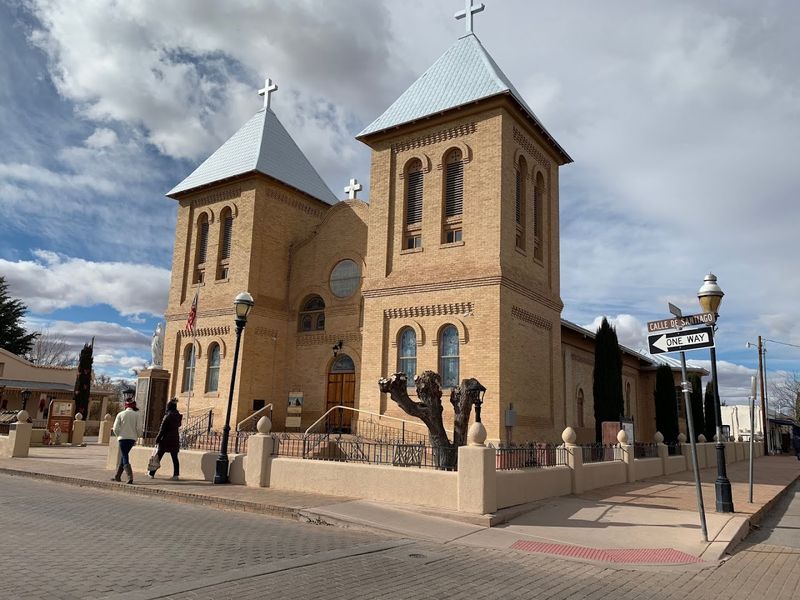
Step into the plaza at Mesilla, and the rest of the modern world has a funny way of fading into the background.
This small historic village sits just minutes from Las Cruces and offers a lifestyle that feels rooted in centuries of Southwestern culture, with adobe buildings, hand-painted tiles, and a central plaza that has anchored community life since the 1800s.
Because Mesilla is a village rather than a city, the property tax burden tends to be light, and homes here often carry price tags that make newcomers do a double-take in the best possible way.
The Basilica of San Albino, which faces the plaza, is one of the oldest churches in the Mesilla Valley and draws visitors and locals alike for its beautiful architecture and peaceful atmosphere.
Local restaurants around the plaza serve authentic New Mexican cuisine featuring green and red chile dishes that quickly become a daily ritual for residents.
Art studios, small museums, and specialty shops occupy the historic storefronts surrounding the plaza, giving retirees a walkable cultural scene that costs nothing to enjoy just by strolling through.
The proximity to Las Cruces means Mesilla residents have access to full city amenities, including hospitals, big-box stores, and entertainment venues, while living in a genuinely quieter setting.
Mesilla is the rare place where history and affordability share the same address, and that makes it unforgettable.
7. Ruidoso
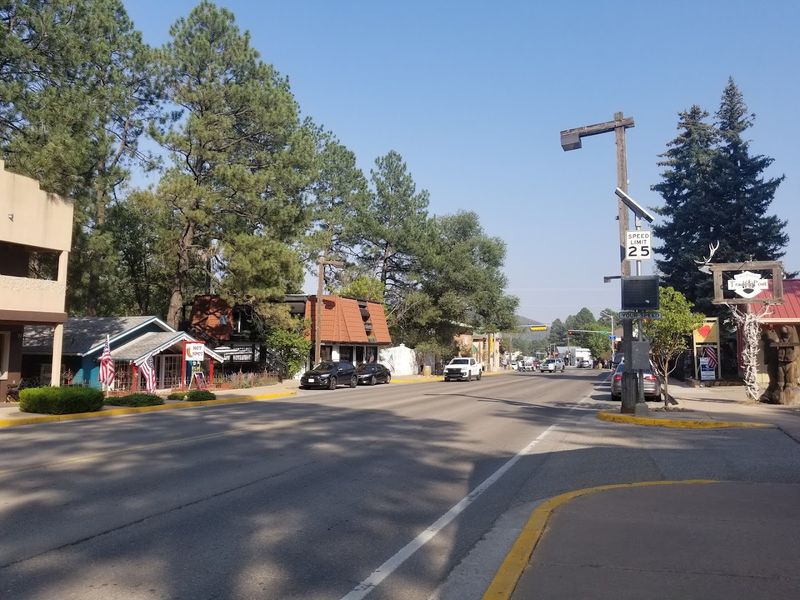
Ruidoso sits high in the Sacramento Mountains, and the moment the pine trees close in around you on the drive up, you understand why retirees keep landing here and never leaving.
The village has a cool, forested character that sets it apart from the desert towns most people associate with the state, offering four mild seasons and a refreshing break from summer heat.
Home prices are competitive for a mountain resort community, and the range of options from cabins to modest single-family homes gives retirees flexibility depending on their budget and lifestyle preferences.
Ski Apache, one of the southernmost ski areas in the United States, operates just above the village and adds a winter recreation option close to town.
Outdoor life is a major draw here, with forest roads, mountain trails, and cool summer weather giving retirees plenty of reasons to get outside.
The Inn of the Mountain Gods resort and the surrounding Mescalero Apache lands add a layer of cultural richness to the area that goes well beyond typical small-town offerings.
Local galleries and art studios give culture-minded retirees plenty to explore without traveling far.
Ruidoso is proof that mountain living and budget living are not mutually exclusive, and the pines seem to agree.
8. Farmington
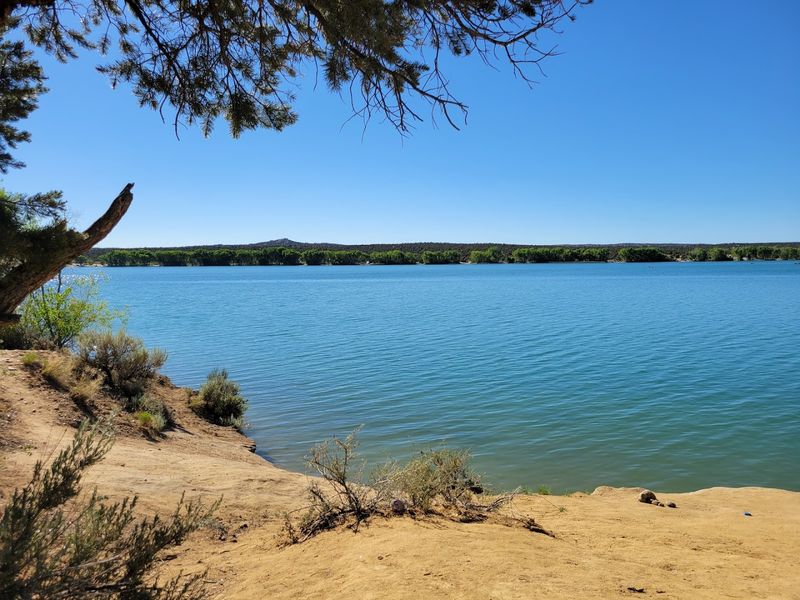
This Four Corners city carries a practical, unpretentious energy that retirees looking for real-world affordability tend to appreciate deeply.
Farmington sits at the confluence of three rivers, the San Juan, Animas, and La Plata, giving it a surprisingly lush, green character that catches first-time visitors off guard after miles of high desert driving.
Housing costs here are well below national averages, and the local inventory of single-story homes with manageable yards makes it a practical choice for retirees thinking about long-term accessibility.
The Animas River Trail stretches for miles through the heart of the city, offering a flat, paved path that is ideal for daily walks, cycling, or simply sitting and watching the water move.
Aztec Ruins National Monument and Salmon Ruins are both within easy driving distance, giving history enthusiasts an endless supply of afternoon excursions without spending much beyond gas money.
Farmington has a well-developed healthcare infrastructure, including San Juan Regional Medical Center, which provides retirees with access to a broad range of medical services close to home.
The local arts scene, anchored by the Farmington Museum and the Civic Center, keeps cultural programming on the calendar throughout the year at little to no cost.
For retirees who want river views, canyon scenery, and a budget that holds steady, Farmington quietly delivers on every count.
9. Los Alamos
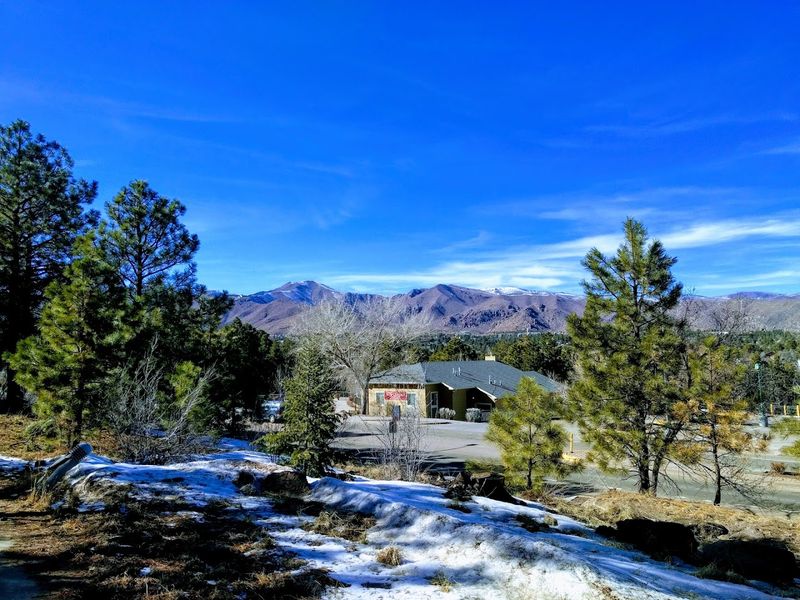
Perched on a series of mesas in the Jemez Mountains, this town gives retirees views that can stop a conversation mid-sentence.
Los Alamos is famously tied to the Manhattan Project, and the Bradbury Science Museum on Central Avenue tells that complex story with remarkable depth, drawing visitors while keeping locals intellectually engaged year after year.
Many prospective retirees are surprised by the strong public library system, excellent recreational facilities, and well-maintained parks, all supported by a community that has long prioritized quality of life.
The surrounding national forest and Valles Caldera National Preserve offer world-class hiking, fishing, and wildlife viewing just minutes from downtown, making outdoor recreation feel like part of daily life rather than a weekend plan.
The median home price is higher than some towns on this list, but low crime, clean air, and strong community amenities make the investment feel worthwhile for many retirees.
One of the most educated small communities in the country, Los Alamos supports a culture of lectures, book clubs, and community conversations that many retirees find deeply enriching.
Nearby Bandelier National Monument, with its ancient cliff dwellings and canyon trails, adds a sense of wonder to everyday life that never quite wears off.
Los Alamos is where big ideas and small-town living share the same mesa, and that pairing feels quietly extraordinary.
10. Carlsbad

Carlsbad sits in the Pecos River Valley in the southeastern corner of the state, and it carries a sun-soaked, outdoorsy personality that suits retirees who like their days to have a little adventure built in.
The town is best known as the gateway to Carlsbad Caverns National Park, which means one of the most spectacular natural wonders in North America is essentially in the backyard of every resident.
Home prices in Carlsbad are competitive, and the overall cost of living sits comfortably below national benchmarks, giving retirees meaningful room in their monthly budget for travel, hobbies, or dining out.
The Pecos River Urban Water Park runs through the heart of town, offering a lovely stretch of riverbank with walking paths, picnic areas, and paddleboating that locals enjoy at no charge.
The Living Desert Zoo and Gardens State Park on the north side of town is a surprisingly rich attraction, featuring native plants, desert wildlife, and rotating exhibits that make repeat visits worthwhile.
Carlsbad has a reliable network of medical facilities, including a regional hospital and multiple specialty clinics, so healthcare access is not a concern for those considering a long-term move.
The community hosts regular events at the National Parks Highway corridor, keeping social life active and connected to the natural landscape that defines this corner of New Mexico.
Carlsbad is where caverns, rivers, and a budget-friendly lifestyle all point in the same rewarding direction.