Along a narrow highway paralleling a ribbon of water between two massive lakes, a hand-painted sign and a cluster of weathered wooden buildings appear like something from another era.
This is the kind of place that does not need a marketing strategy. Its reputation has been built one perfectly fried piece of catfish at a time over nearly a century of continuous operation.
The signature dish arrives impossibly thin, the fish sliced so delicately it practically melts on contact, its golden crust shattering with a crunch that makes you understand why people drive hours for this experience.
Beyond the catfish, the menu offers turtle soup, soft-shell crab and oysters, each reflecting decades of refinement by cooks who learned from the generation before them.
The dining room sits perched over the water, windows framing passing boats, drifting cypress. Few places in Louisiana have earned this loyalty, and fewer still deserve it quite this thoroughly.
Historic Sugar Mill Remains
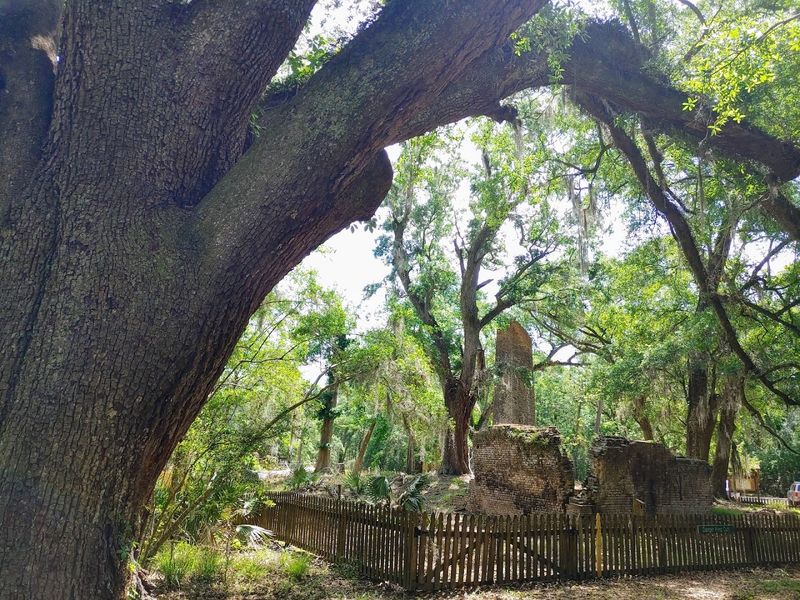
A walk to the sugar mill ruins offers an unvarnished link to the park’s plantation past without romanticizing it, the brickwork and scattered foundations are quietly eloquent.
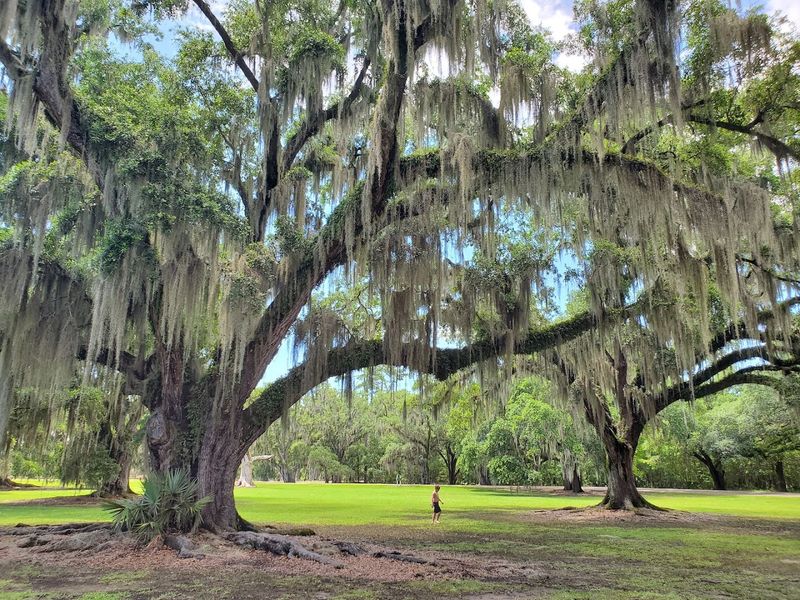
Interpretive signs explain Bernard de Marigny’s operation and the landscape it shaped, and the site sits within a ring of live oaks that make the ruins feel like a deliberate set piece in nature.
Where many parks leave history abstract, Fontainebleau provides context and pathways so you can read the land while touring the stones. When visiting, take the short trail that circles the ruins and pause to imagine the work and waterways once necessary for sugar production in this very spot.
Lake Pontchartrain At The End Of The Road
Fontainebleau State Park feels like Mandeville loosens its collar and hands the day over to oak trees, beach air, and Lake Pontchartrain.
You’ll find it at 62883 Highway 1089, Mandeville, Louisiana 70448, where the 2,800-acre park sits right on the north shore of the lake.
Pull in with time to walk, picnic, or follow the Tammany Trace through the park. The best arrival happens slowly: first the trees, then the water, then that Northshore feeling that makes the city seem farther away than it is.
Beach And Splash Pad Fun
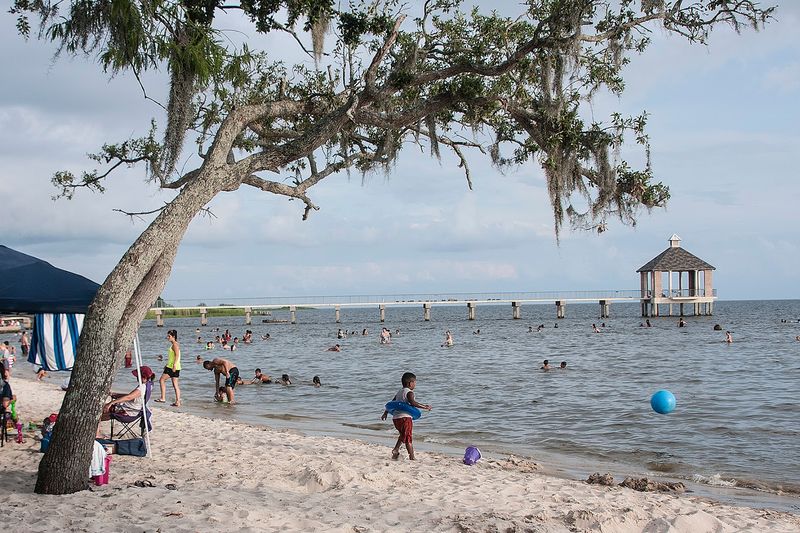
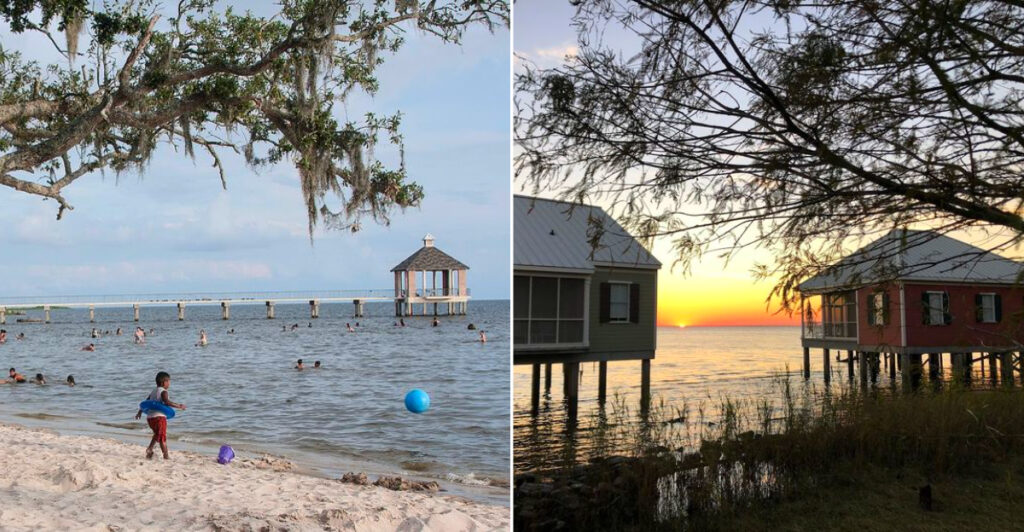
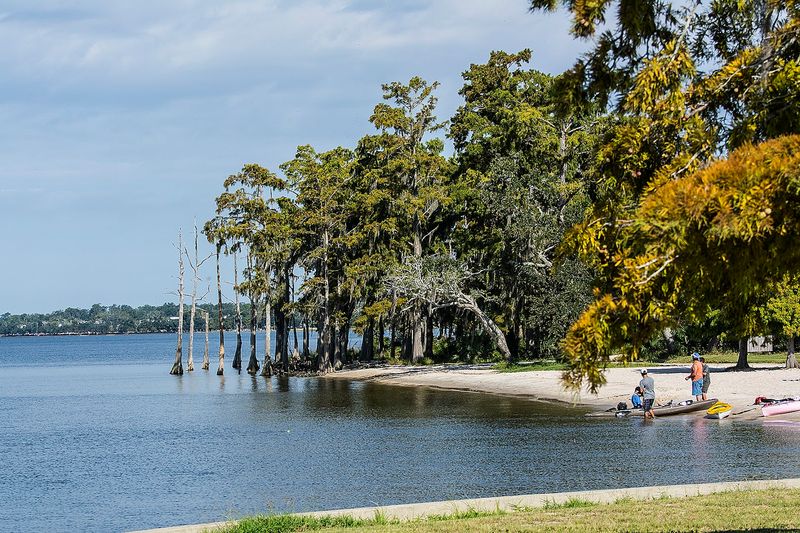
The park’s small beach along Lake Pontchartrain feels surprisingly private given the proximity to Mandeville; sand is soft and the shallows stretch out gently, which is ideal for kids and cautious swimmers.
Nearby the splash pad provides a quick cool-down on humid afternoons and tends to be busiest from late morning through early evening on weekends.
The combination makes Fontainebleau a reliable day-out destination for mixed groups where some want water play and others prefer a quiet picnic.
I bring a lightweight shade shelter and a towel rack on windy days. Note that glass is not allowed on the beach and lifeguards are not typically on duty, so supervise children closely while enjoying the lake.
Fishing From Pier Or Shore
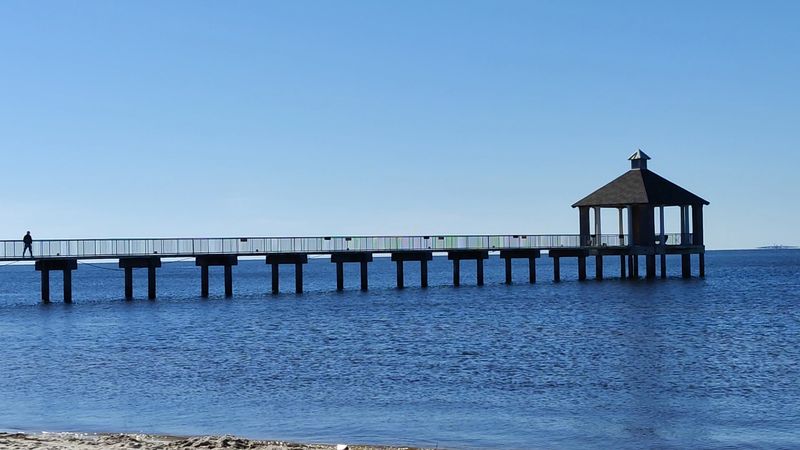
Fishing here is peaceful and productive; anglers commonly catch speckled trout, redfish, catfish, and drum either from the pier or along calm shorelines. A Louisiana fishing license is required, and the long pier offers easy access when winds make shoreline casting awkward.
Early morning and late afternoon tend to be most fruitful, and watching birds working the shallows often gives a hint where baitfish gather.
I keep a small tackle box and a net in an easy-access bin at the RV so last-minute casts are simple. Bring sunscreen, a hat, and a cooler for legal catches; cleaning fish is best done at home or at designated facilities off site to follow park rules.
Kayaks And Paddleboards
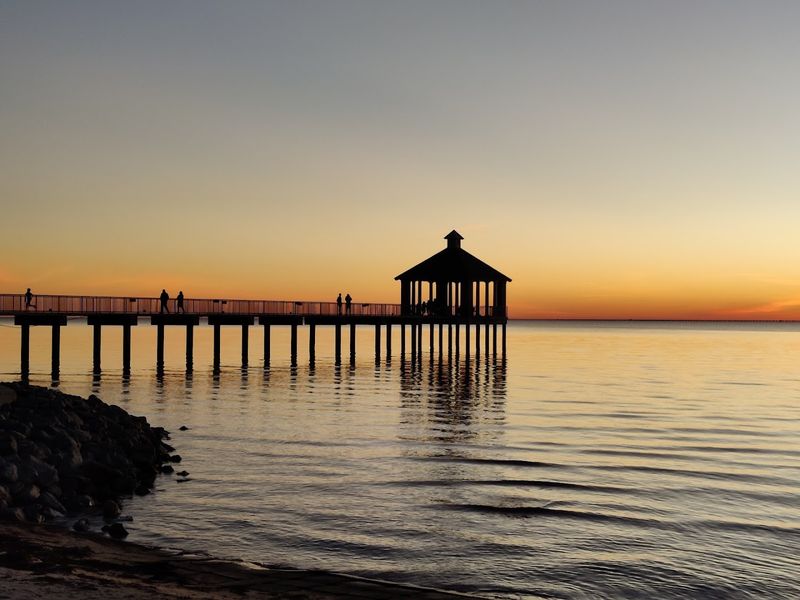
Paddling Bayou Cane or the lake is a gentle way to explore edges of Fontainebleau that are quiet and rich with birdlife; rentals are available seasonally and the water is calm on most mornings.
Kayak trips deliver close encounters with egrets, herons, and sometimes an alligator at a respectful distance, so keep a steady, low profile when wildlife is nearby. Paddling gives a different perspective than trails, revealing marsh textures and tidal channels that you miss from land.
When I set out, I tuck a dry bag with a phone and ID into the cockpit and check wind on the park notice board. Launch at low wind and aim for short circuits until you know currents and the shoreline layout.
Tammany Trace Trail Access
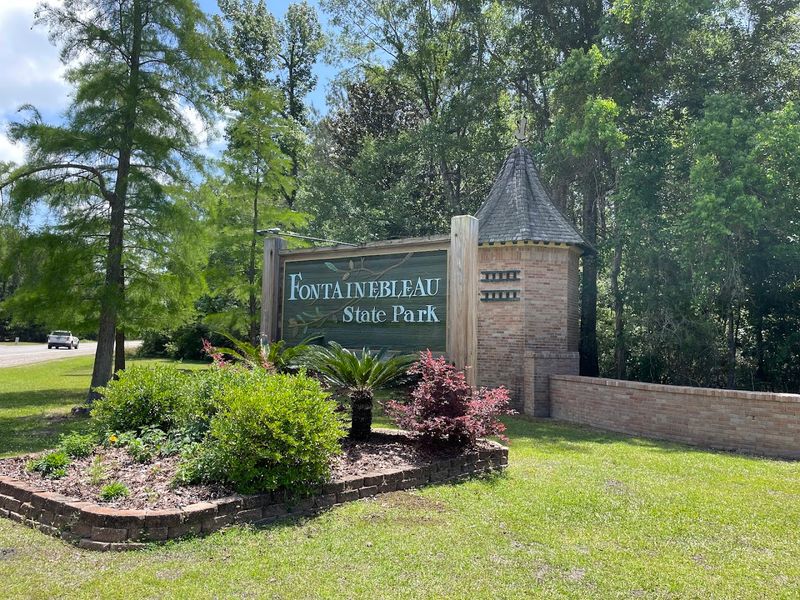
The Tammany Trace slices through the park with smooth pavement and shaded stretches that make cycling an obvious draw for RV guests who bring bikes. The 31-mile rails-to-trails corridor connects to Mandeville and offers both short family rides and longer training loops, with gentle grades and frequent benches for breaks.
Trail access points are well signed inside the park and link easily to day-use areas and picnic grounds.
I recommend early starts to beat heat and share the trail politely with walkers and inline skaters. Carry water and a basic repair kit, and plan stops in Mandeville if you want a café break mid-ride.
RV Hookups And Site Logistics
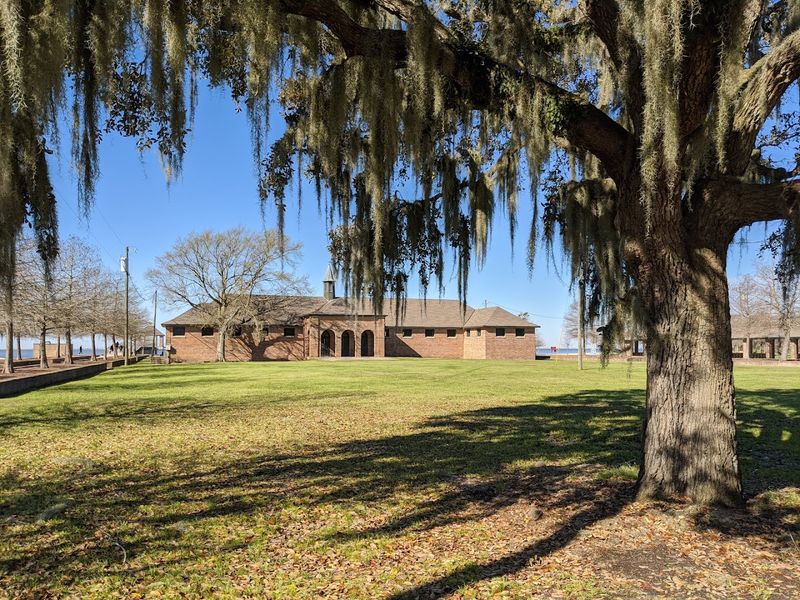
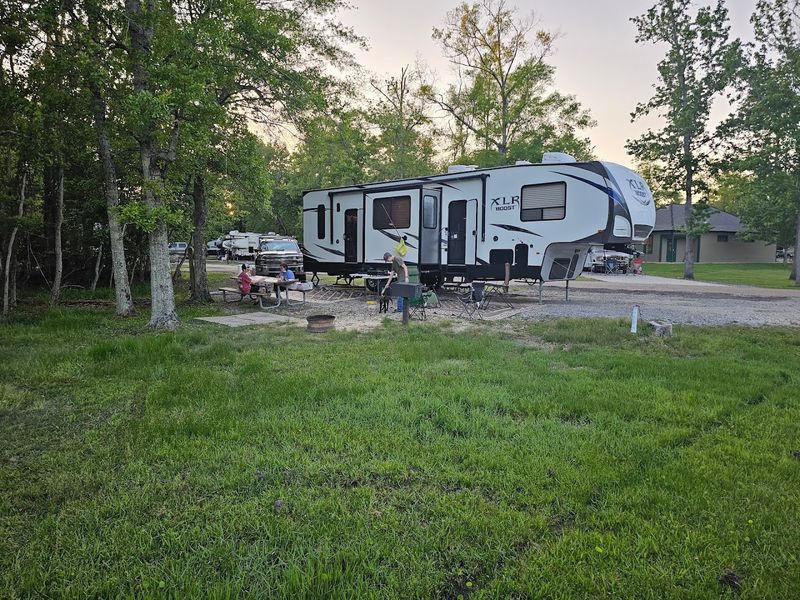
Fontainebleau offers 126 improved RV sites with water and electric, and recent upgrades provide full hookups at many locations, a practical benefit for longer stays.
Sites accommodate rigs up to 70 feet and some pull-throughs extend further, while amenities like picnic tables, fire rings, and nearby restrooms make setup straightforward.
Dump stations and free laundry in the New Campground area ease life on the road, and the park office provides clear maps and gate information for arrivals after hours.
When reserving, request specific site numbers and ask about flooding after heavy rain; a few sites can hold water. Bring an extension cord and a leveler just in case.
Cabins And Group Lodging
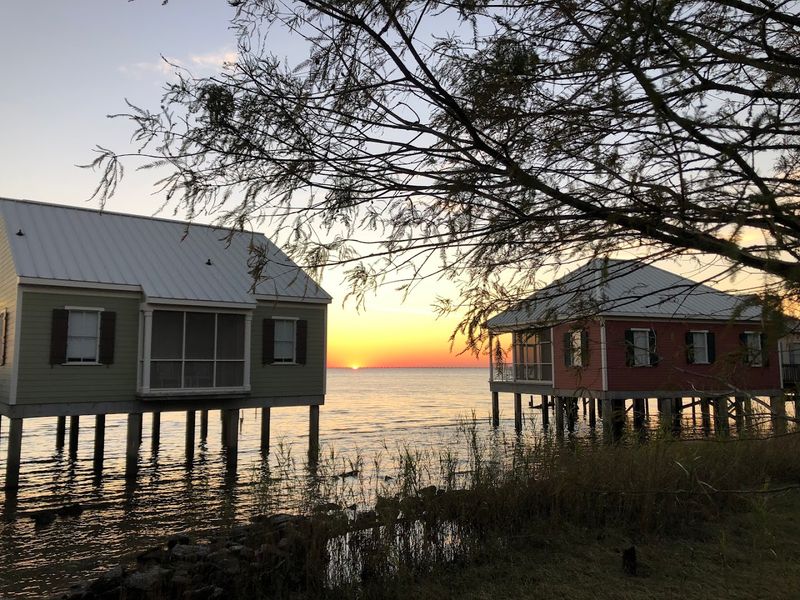
If an RV isn’t your preference, the park’s deluxe cabins offer an elevated stay with porches facing the lake and thoughtful accessibility features in select units.
Cabins on pilings provide breezes and views that feel private despite being close to the beach and trails; they are especially handy for multi-generational groups who want the comforts of a cabin with easy access to park amenities.
Group camps and a lodge accommodate larger gatherings and park staff can advise on which structures best fit accessibility or capacity needs.
I found that booking well in advance is wise for summer weekends. Check reserveamerica.com for current availability and specific cabin features before you plan a stay.
Wildlife Watching Tips
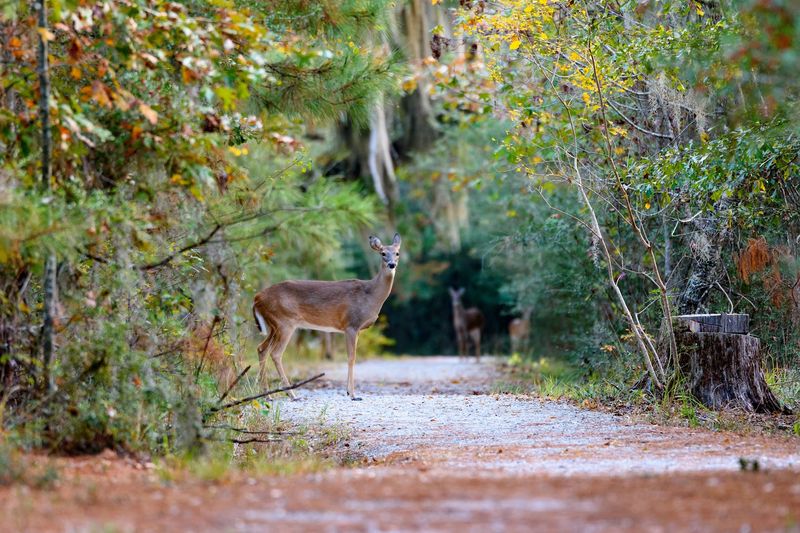
With more than 400 bird species and frequent deer sightings, Fontainebleau rewards quiet observation and a patient eye; mornings and dusk are especially active for wildlife. Bring binoculars and use the trails that skirt bayous to find herons, egrets, and migratory visitors.
Raccoons and rabbits appear after dark and alligator sightings, while uncommon, are best enjoyed from a safe distance and observed without disturbing habitat or feeding animals.
I aim for slow walks along Bayou Castine and bring a notebook to track what appears where. Keep food sealed at campsites and follow park guidance to minimize wildlife habituation and ensure safer encounters for everyone.
Trail Choices And Nature Signs
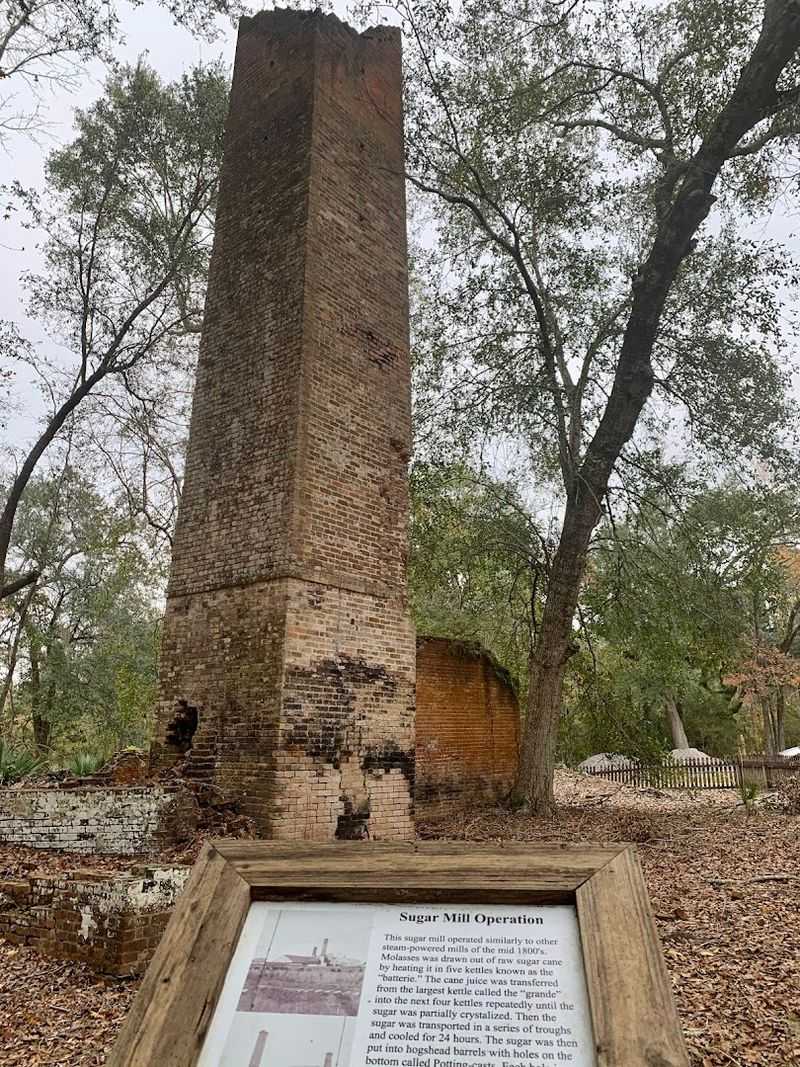
The park’s trail network includes a one-mile nature trail and the 1.25-mile Sugar Mill Nature Trail with interpretive signage that makes a self-guided walk both educational and pleasant.
Trails vary from shaded forest loops to open lake overlooks, so plan routes based on heat and interest; interpretive signs explain local flora, wetland functions, and historical context that enrich a casual stroll.
Hikers will find benches and occasional boardwalks where marshy ground needs protection. I like combining a short interpretive loop with a section of the Trace for variety. Wear sturdy shoes for rooty sections and bring insect repellent during summer months for comfort and protection.
Seasonal Rhythms And Events
Seasonal programs and ranger-led activities bring the park’s ecology to life, from plant identification classes to guided walks that highlight bird migration windows. Spring and fall offer the most temperate weather for prolonged outings, while summer invites short morning and evening adventures to avoid peak heat.
The park posts event schedules and the ranger station is a reliable source for what is running during your visit.
On my last visit a plants workshop revealed surprising uses of local species, and participation felt both informative and modestly social. Check the park website or call ahead for event timing and any registration requirements before arrival.
Practical Visitor Advice
Practical planning makes Fontainebleau easier to enjoy, admission is inexpensive and the entrance station hours vary by day so arrive knowing gate times. The park supports strong cell service and free Wi-Fi, which helps with reservations or checking trail maps, and nearby Mandeville provides groceries, fuel, and dining just a short drive away.
Glass is prohibited at beaches and picnic areas, and some sites can collect water after heavy rain so scout low spots if you have flooding concerns.
I always bring insect repellent, a long extension cord, and a small shovel. Reserve sites in peak season and arrive early on busy days to claim a preferred spot and settle in before midafternoon activity ramps up.