Some cities eat well, but this one eats like nowhere else on earth. The restaurant scene here runs deep with recipes passed down through generations, bold seasonings that redefine comfort, plus a culture around the table that treats every meal as something worth lingering over.
From white-tablecloth institutions where jackets are still expected to neighborhood counters serving po-boys on paper plates, the range of experiences is staggering.
Creole classics share menus with inventive new dishes, and the city’s relationship with seafood means whatever comes out of the water today ends up on a plate tonight.
Casual or refined, each spot on this list earned its place through consistency, character, and flavors that stay with you long after the check arrives. Every neighborhood holds its own culinary secrets waiting to be uncovered.
These sixteen New Orleans, Louisiana restaurants prove the city’s legendary food scene lives up to every bit of its reputation.
16. Commander’s Palace
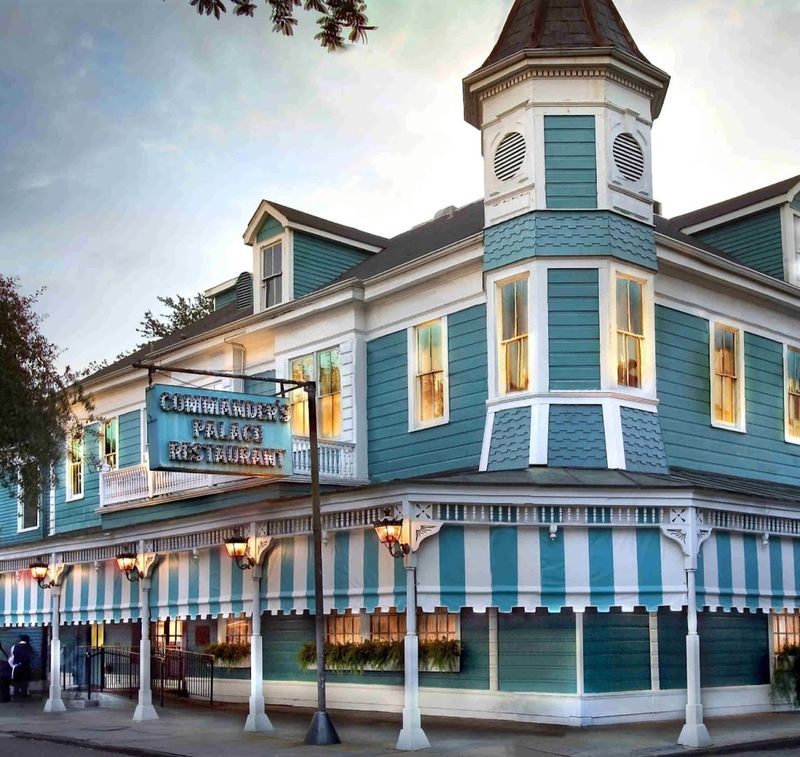
Behind its turquoise façade at 1403 Washington Avenue, Commander’s Palace turns a meal into something close to a civic ceremony. The Garden District institution has served generations of celebrations, family lunches, business dinners, and visitors who arrive expecting the classic New Orleans fine-dining experience.
The dining rooms combine polished service with an atmosphere that remains surprisingly joyful. Servers know when to explain a dish, when to keep the meal moving, and when to let a table settle into conversation.
Guests should review the restaurant’s dress code before arriving because the sense of occasion extends to the room as well as the plate.
Modern Creole cooking anchors the menu. Turtle soup finished with sherry remains one of the defining opening courses, while seafood, seasonal Gulf ingredients, and rich sauces show how traditional flavors can be refined without losing their identity.
The bread pudding soufflé provides the sort of theatrical finale that makes dessert feel essential rather than optional.
Reservations are strongly recommended, especially for weekend brunch and dinner. Give the experience enough time; this is not the place to squeeze between hurried sightseeing stops.
15. Cafe Du Monde
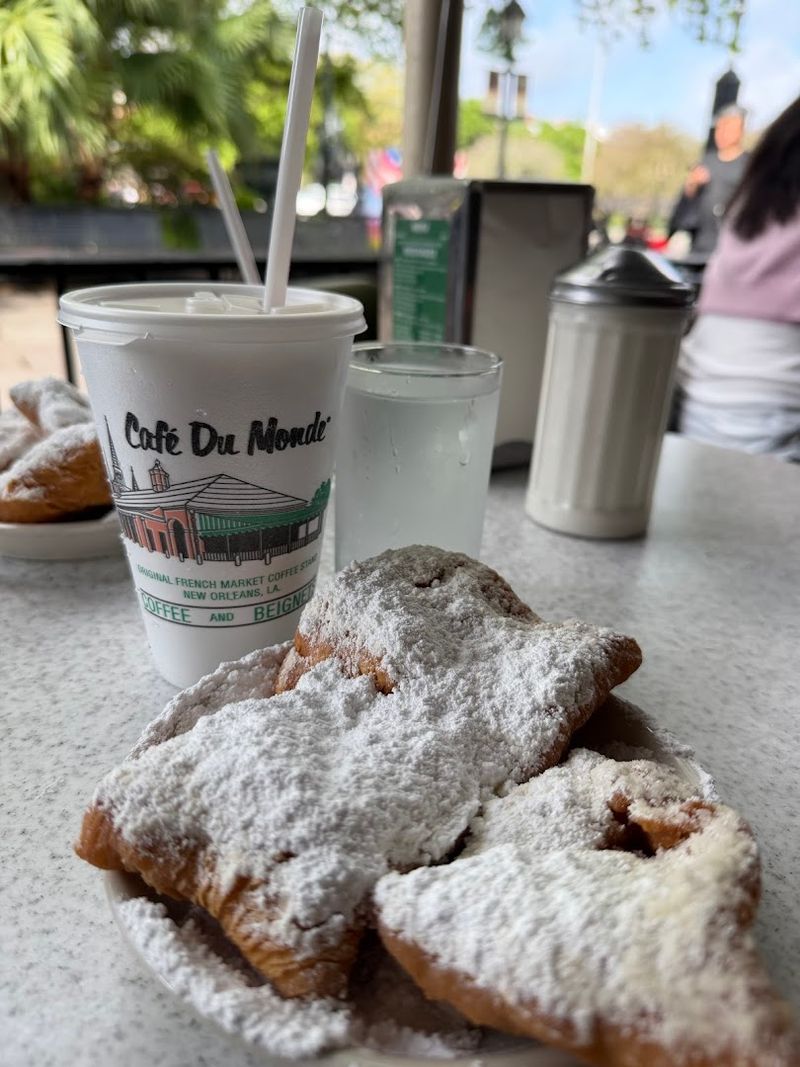
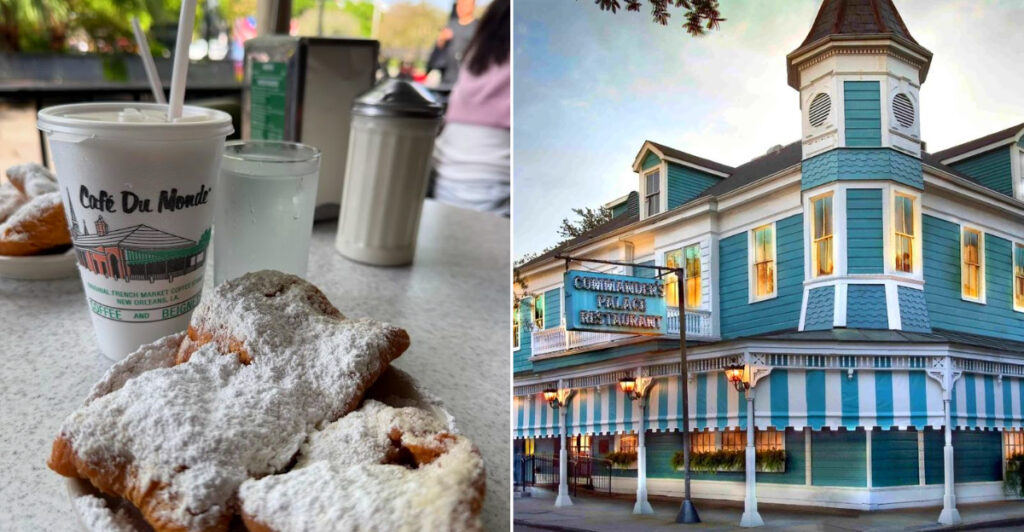
Few New Orleans food rituals are as instantly recognizable as a plate of hot beignets disappearing beneath powdered sugar. The original Café Du Monde coffee stand sits at 800 Decatur Street beside the French Market, where the open-air tables face the movement of the French Quarter.
The menu’s simplicity is part of its strength. Beignets arrive in orders of three, crisp around the edges and soft inside, while café au lait pairs coffee and chicory with warm milk.
The bitterness of the drink cuts through the sweetness, creating a balance that has kept the combination relevant since the nineteenth century.
Do not expect a delicate or spotless experience. Powdered sugar drifts across tabletops, clothing, and occasionally neighboring diners when the wind catches it.
Plates move quickly, conversations overlap, and musicians or street performers may provide an unofficial soundtrack from nearby.
Lines can grow during conventional breakfast hours and busy weekends, although the turnover is generally steady. Early morning and later evening visits often feel calmer, and the changing light around Jackson Square makes either option worthwhile.
There are now several Café Du Monde locations, but the French Market stand remains the essential one for a first visit.
14. Brennan’s
Inside a bright pink building at 417 Royal Street, breakfast becomes a legitimate celebration rather than something eaten quickly before the day begins. Brennan’s has occupied a central place in French Quarter dining since 1946 and marks its 80th anniversary in 2026.
The interior unfolds through a series of colorful dining rooms, polished corridors, and a lush courtyard that feels removed from Royal Street despite sitting only steps away. Service is formal enough to make the meal feel important, but personable enough to prevent the atmosphere from becoming rigid.
Creole cooking shaped by French and Spanish influences drives the menu. Egg dishes, seafood, turtle soup, and seasonal specialties make breakfast and brunch substantially more ambitious than their ordinary definitions suggest.
The meal can stretch comfortably into the afternoon, particularly when paired with cocktails or Champagne.
Bananas Foster remains the defining finale. Created at Brennan’s, the dessert combines bananas, brown sugar, butter, rum, and ice cream, with tableside flames providing an element of performance that still works even when you know it is coming.
Reservations open in advance and are especially important for weekends, holidays, and celebratory mornings.
13. GW Fins
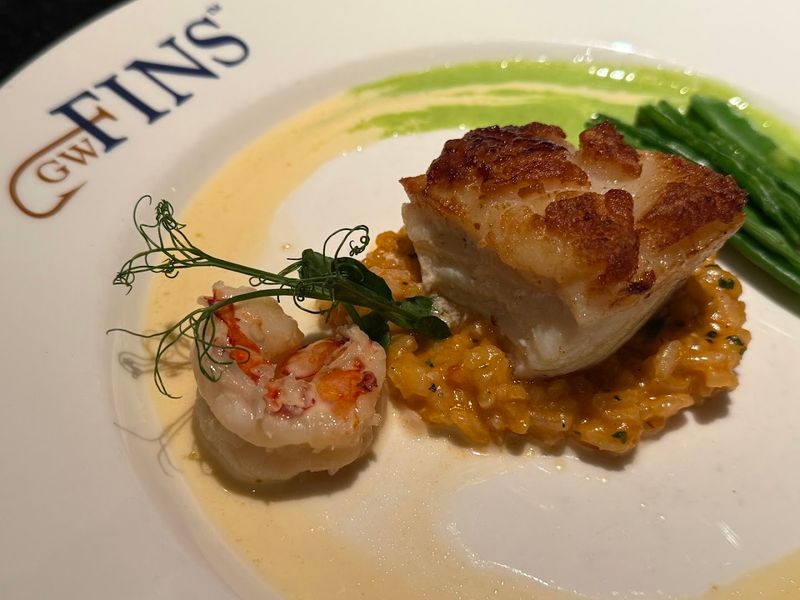
Freshness dictates almost every important decision at 808 Bienville Street, where GW Fins builds its menu around seafood arriving at its seasonal peak. Because the available catch changes constantly, the restaurant prints a new menu daily rather than forcing the same selection through every season.
That flexibility gives the kitchen access to seafood from Louisiana waters and carefully sourced fisheries farther away. Preparation depends on the character of each fish: a delicate fillet may receive restrained treatment, while a firmer catch can handle roasting, searing, or more assertive sauces.
Technique is visible, but it rarely distracts from the ingredient itself.
The dining room brings contemporary polish to the French Quarter without turning dinner into a stiff performance. Staff members are particularly useful when the menu includes unfamiliar species, and asking what arrived that day is often the easiest route toward the strongest dish.
The restaurant’s seafood gumbo, dry-aged fish preparations, scalibut, a combination of scallops and halibut, and warm biscuits have all developed devoted followings, though availability can vary. That unpredictability is part of the reason to return rather than a weakness.
Reservations are recommended, and guests should check the current dress policy before arriving.
12. Pêche Seafood Grill
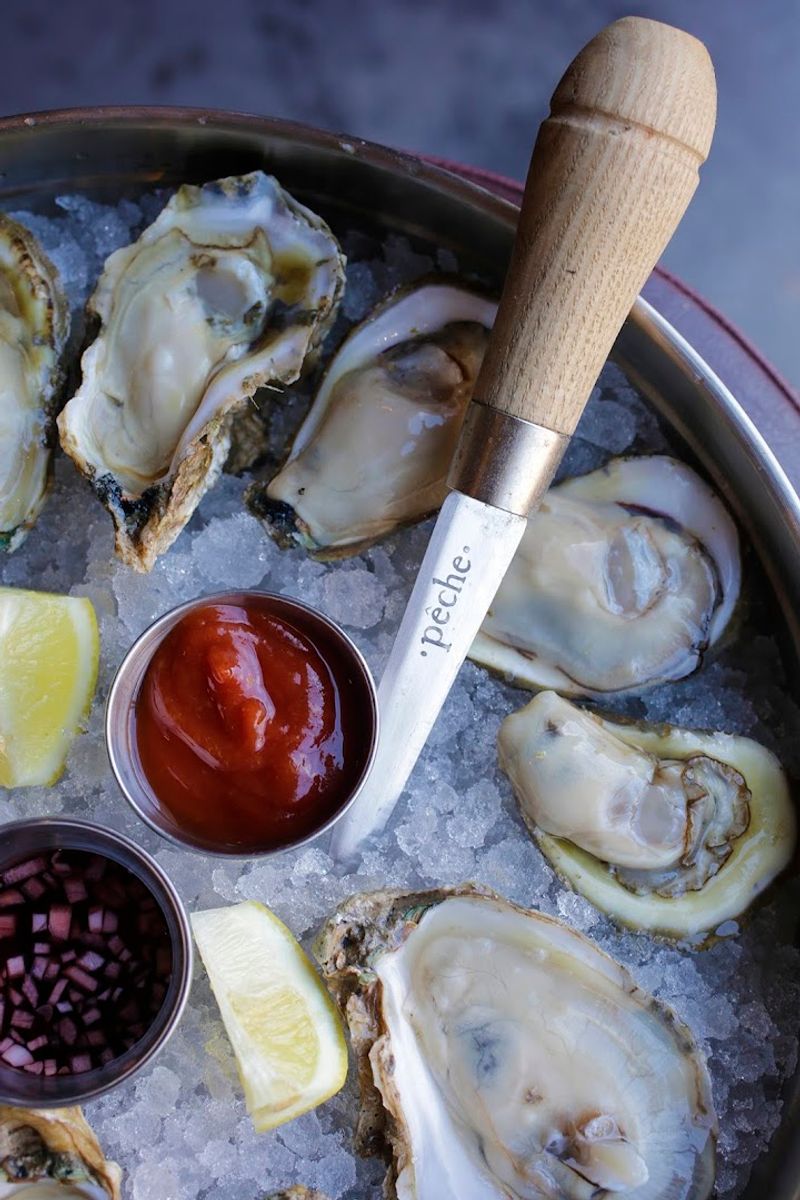
Smoke from a wood-burning hearth gives the dining room at 800 Magazine Street its defining aroma. Pêche Seafood Grill draws inspiration from the Gulf Coast as well as live-fire traditions from Spain and South America, treating flame as a cooking tool rather than decorative theater.
Whole fish often provides the clearest expression of that approach. Depending on the day’s catch, it may arrive roasted until the skin crisps and the flesh pulls easily from the bone, with seasoning kept focused enough for the natural flavor to remain clear.
Sharing one across the table turns dinner into a more communal event.
Smaller plates help build the meal around contrasts. Raw seafood, smoked preparations, crab, shrimp, vegetables, and the restaurant’s much-loved hush puppies bring together brine, sweetness, heat, and char without drowning everything in heavy sauce. The menu feels direct, but the simplicity depends on careful sourcing and exact cooking.
The room stays energetic, particularly during busy evenings, and the open kitchen reinforces the sense that something physical is always happening behind the plate. Reservations are wise, although lunch can sometimes offer a slightly calmer introduction.
11. Dooky Chase’s Restaurant
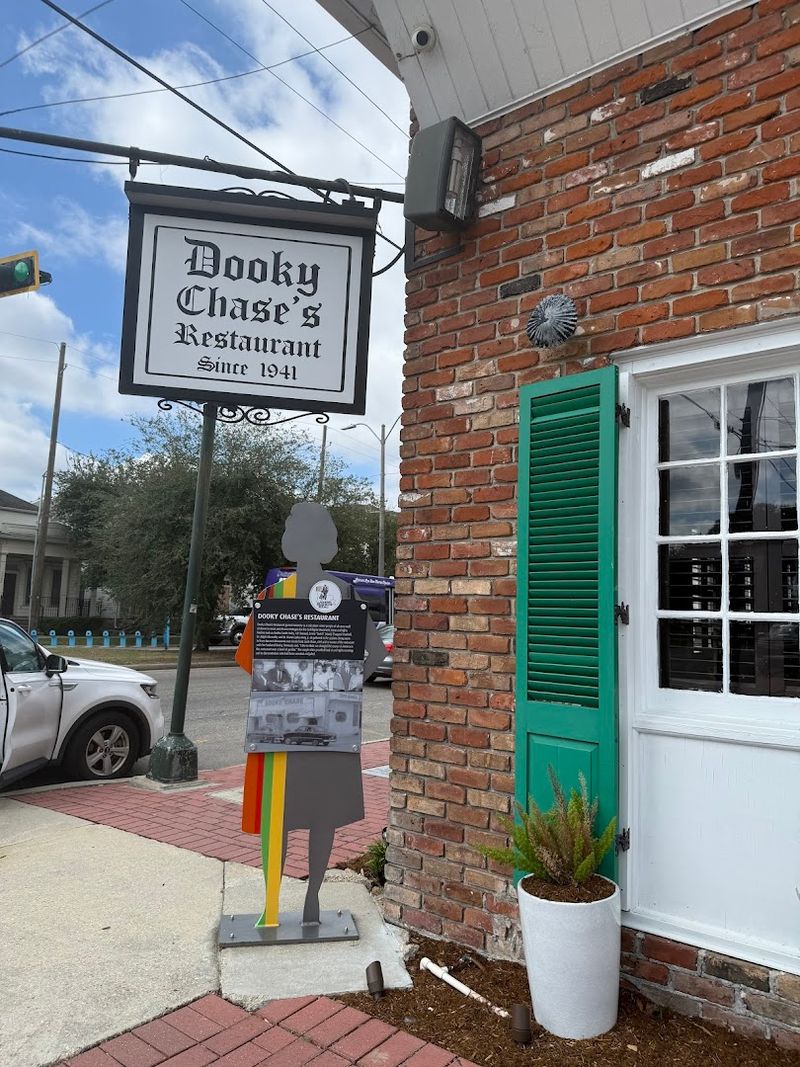
History is present in every room at 2301 Orleans Avenue, but Dooky Chase’s remains compelling because it continues functioning as a restaurant rather than a preserved monument. The Chase family’s dining room has long connected Black Creole cooking, art, politics, civil rights, music, and community life.
Leah Chase, widely known as the Queen of Creole Cuisine, helped transform the restaurant into a nationally significant gathering place during segregation.
Civil rights leaders met here, artists found support, and generations of diners encountered both serious cooking and one of the city’s most important collections of African American art.
The menu carries that history through dishes such as gumbo z’herbes, shrimp Clemenceau, fried chicken, stuffed shrimp, red beans, and Creole preparations that depend on carefully layered seasoning rather than exaggerated heat. Availability changes between lunch and dinner, so checking the current menu is worthwhile.
This is a place where context deepens the food without replacing it. Looking at the artwork, learning about the Chase family, and understanding the restaurant’s role in New Orleans make the meal richer, but the kitchen still has to deliver, and does.
Reservations are highly recommended because service is limited to specific lunch and dinner periods. Dress respectfully, arrive on time, and allow the experience to unfold slowly.
10. Mother’s
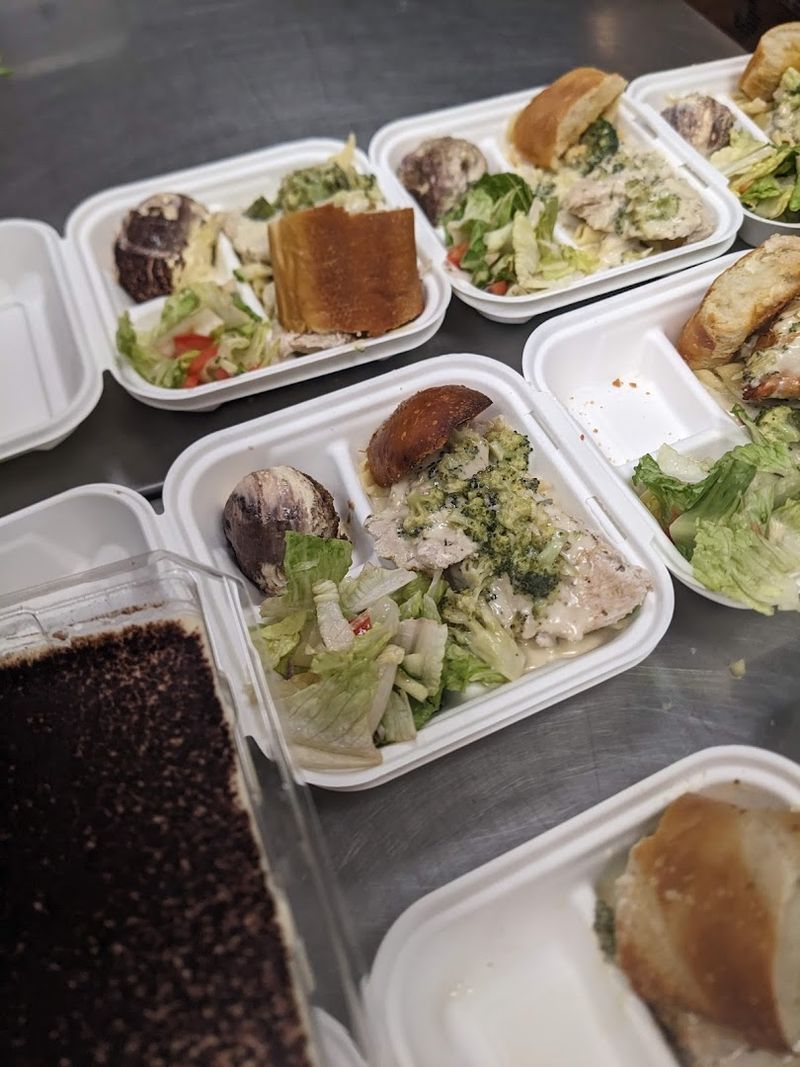
Since 1938, the corner of Poydras and Tchoupitoulas streets has drawn people toward plates built for serious appetites. Mother’s Restaurant, located at 401 Poydras Street, opens early and serves breakfast, po-boys, seafood, and traditional New Orleans comfort food throughout the day.
The best-known contribution may be debris, the small pieces of roast beef that fall into the gravy during cooking. Rich, tender, and saturated with seasoning, it can be piled into a po-boy or combined with ham in the Ferdi Special.
The sandwich is messy by design, so neatness should not be part of the expectation.
Beyond the roast beef, the menu includes jambalaya, gumbo, red beans, fried seafood, biscuits, eggs, and other substantial plates. Portions lean generous, making Mother’s useful after an early flight, before a long day of walking, or whenever a light meal sounds like the wrong decision.
Ordering follows a practical counter-service rhythm, and lines can extend through the dining room or onto the sidewalk during peak periods. Study the menu before reaching the front so the process keeps moving.
9. Central Grocery
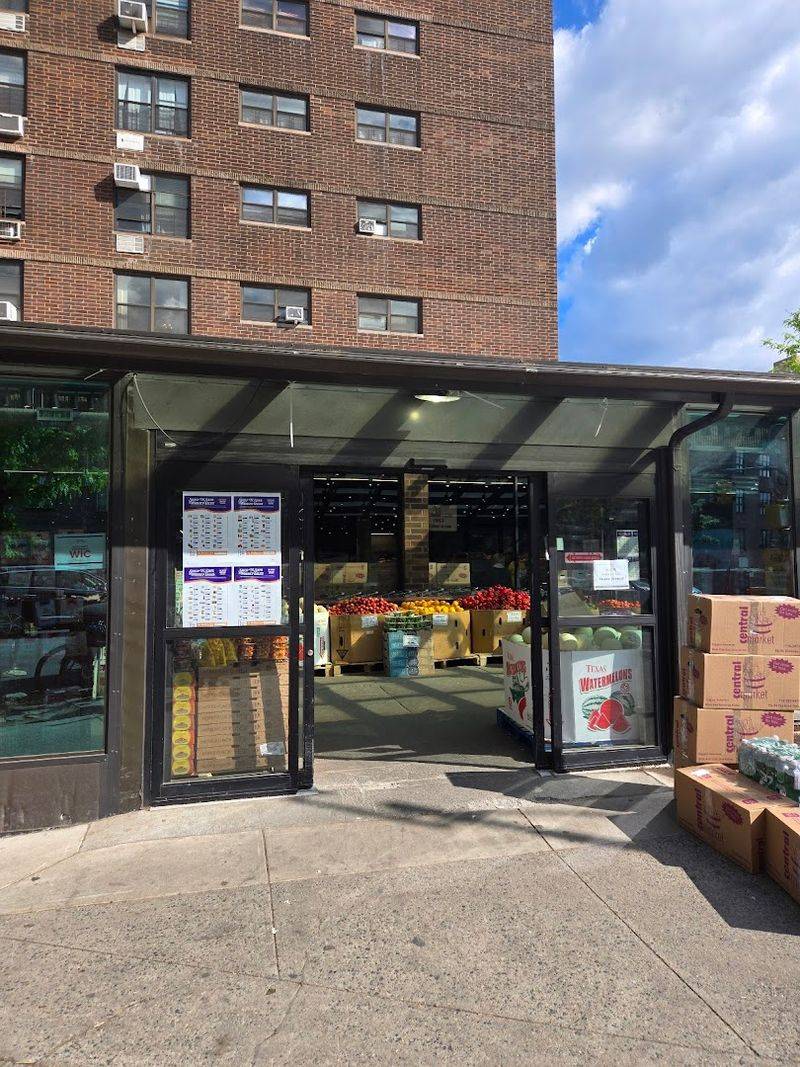
Inside the narrow shop at 923 Decatur Street, shelves of imported goods, jars of olive salad, and a busy deli counter surround the birthplace of one of New Orleans’ defining sandwiches. Central Grocery reopened in its original French Quarter location in December 2024 after a lengthy reconstruction following Hurricane Ida.
The muffuletta begins with a round Sicilian-style sesame loaf sturdy enough to carry layers of mortadella, salami, ham, provolone, and other cheeses. What separates it from an ordinary Italian sandwich is the olive salad, a briny mixture whose oil soaks gradually into the bread without immediately destroying its structure.
Flavor improves as the sandwich rests, allowing the meat, cheese, garlic, herbs, and olives to settle into one another. That makes it particularly suited to takeaway, although waiting too long can test anyone’s patience once the aroma escapes the wrapping.
A whole muffuletta is substantial and usually better shared. Half portions make more sense for one hungry diner, particularly if other French Quarter stops are planned afterward.
Napkins remain essential because the olive oil travels. The rebuilt interior preserves the market’s practical character rather than converting it into a polished theme version of itself.
8. Jacques-Imo’s Cafe
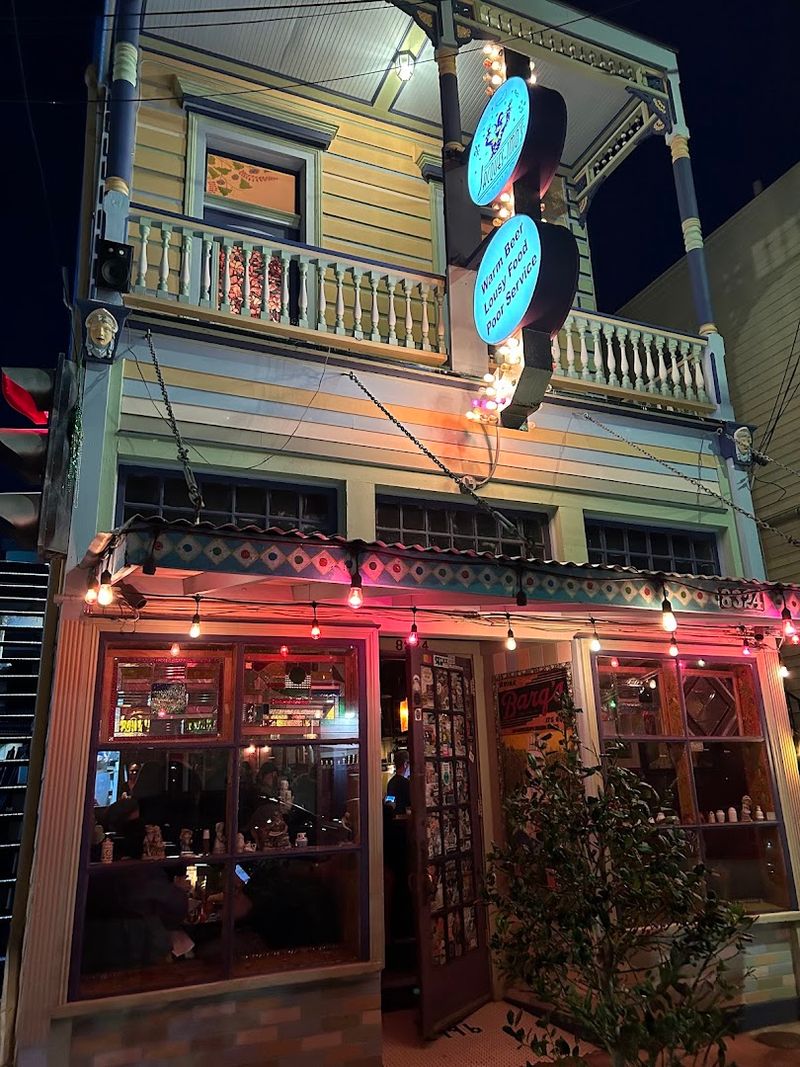
Color spills across the walls, tables crowd into unlikely corners, and dinner at 8324 Oak Street rarely feels restrained. Jacques-Imo’s Cafe channels the louder, stranger, more playful side of New Orleans hospitality, creating a restaurant that resembles a dinner party operating at maximum capacity.
The menu takes recognizable Creole and Cajun ideas and pushes them toward abundance. Fried green tomatoes with shrimp remoulade, blackened redfish, stuffed fish, fried chicken, paneed dishes, and rich sauces arrive with little interest in minimalism.
Even the complimentary cornbread begins the meal with enough flavor to compete for attention.
That exuberance works because the cooking generally understands the foundations beneath the spectacle. Seafood needs proper seasoning, sauces need balance, and fried elements must remain crisp enough to survive generous toppings.
When the kitchen hits that balance, the meal feels celebratory rather than merely excessive.
The dining rooms are tight, lively, and decorated with an accumulation of local eccentricity. Conversation rises quickly, servers move through narrow spaces with confidence, and a quiet romantic dinner is probably better attempted elsewhere.
The restaurant currently serves dinner on a limited weekly schedule, so check the hours before heading Uptown.
7. Coop’s Place
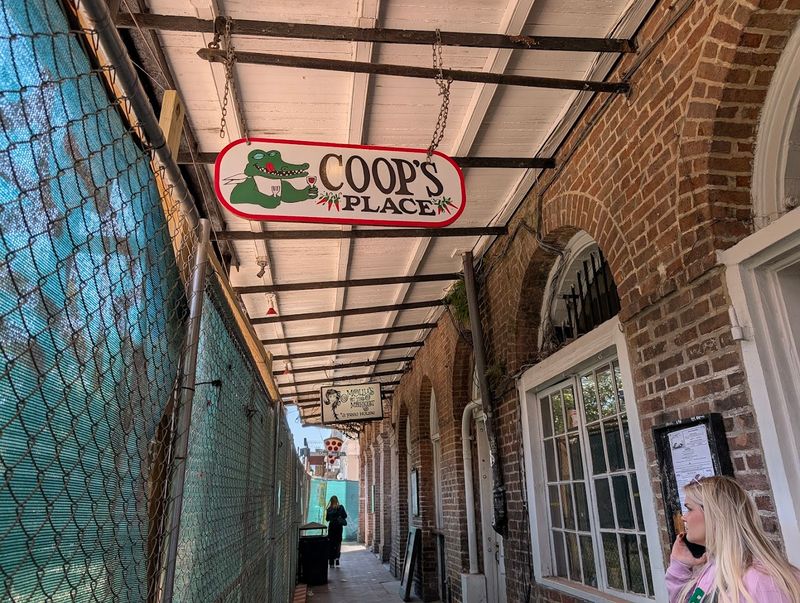
Behind an unassuming entrance at 1109 Decatur Street, a narrow barroom serves some of the French Quarter’s most direct and satisfying comfort food. Coop’s Place has operated on Decatur since 1983 and remains deliberately casual, with dark walls, close tables, and a slightly irreverent personality.
Rabbit and sausage jambalaya is the dish most closely associated with the kitchen. Rice absorbs deeply seasoned stock while smoked sausage and tender meat contribute richness, creating something far more complex than its modest presentation suggests.
Seafood gumbo, red beans, Cajun fried chicken, shrimp Creole, and other regional standards broaden the menu.
The cooking aims for depth rather than polish. Roux, stock, smoke, spice, and patient simmering carry more importance than elaborate plating, which fits the room perfectly.
Ordering several items for the table allows diners to compare how those same foundations behave across different dishes.
There are important practical details. Coop’s does not take reservations, lines are common, and no one under 21 is admitted.
The compact room can also feel loud and crowded during peak French Quarter hours. For adult diners willing to wait, Coop’s offers a convincing reminder that some of the city’s strongest bowls emerge from its least formal rooms.
6. Liuzza’s By The Track
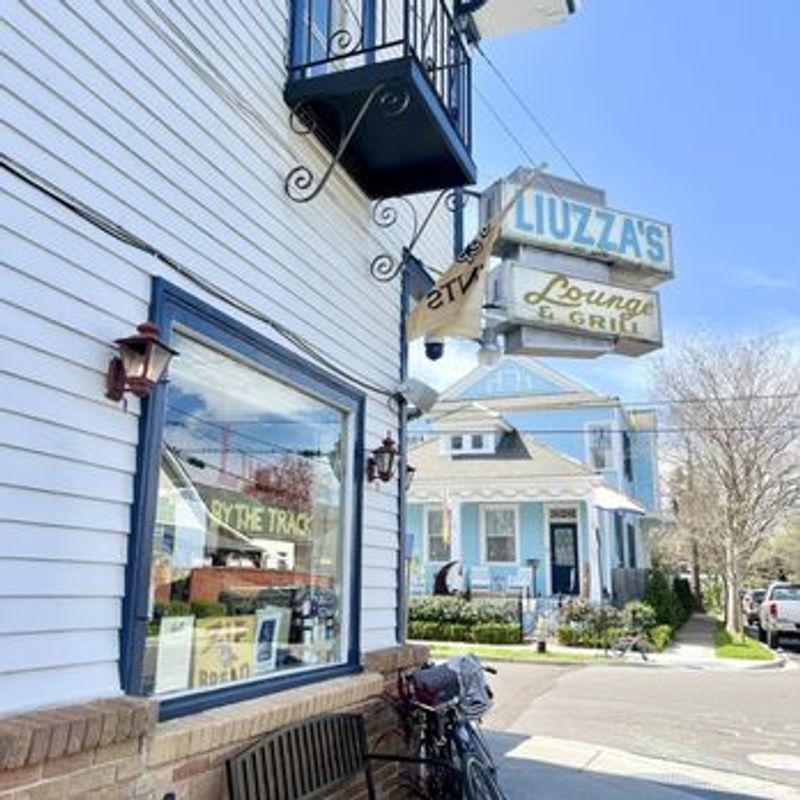
A few blocks from the Fair Grounds Race Course, the corner at 1518 N. Lopez Street becomes especially lively during horse racing season and the New Orleans Jazz & Heritage Festival.
Liuzza’s By The Track serves as an unofficial neighborhood headquarters while remaining appealing even when no major event is underway.
Its signature BBQ shrimp po-boy rethinks the standard sandwich format. Rather than using fried shrimp, the kitchen sautés them in peppery New Orleans-style barbecue sauce and tucks them into a hollowed French bread pistolette.
The bread catches the butter and seasoning, producing a concentrated version of a dish that normally requires a bowl and plenty of napkins.
Other choices include gumbo, fried seafood platters, roast beef po-boys, turtle soup, shrimp remoulade, and the horseradish-heavy Breathtaking Beef. The food favors confident seasoning and recognizable local forms instead of unnecessary reinvention.
The dining room and bar feel comfortably worn-in, carrying the accumulated character of a place that serves regulars, racegoers, musicians, and festival visitors without changing personalities for each group.
Hours can shift around events, and crowds become intense during Jazz Fest, so plan accordingly. On an ordinary afternoon, the restaurant provides a more relaxed look at Mid-City neighborhood dining.
5. Mandina’s
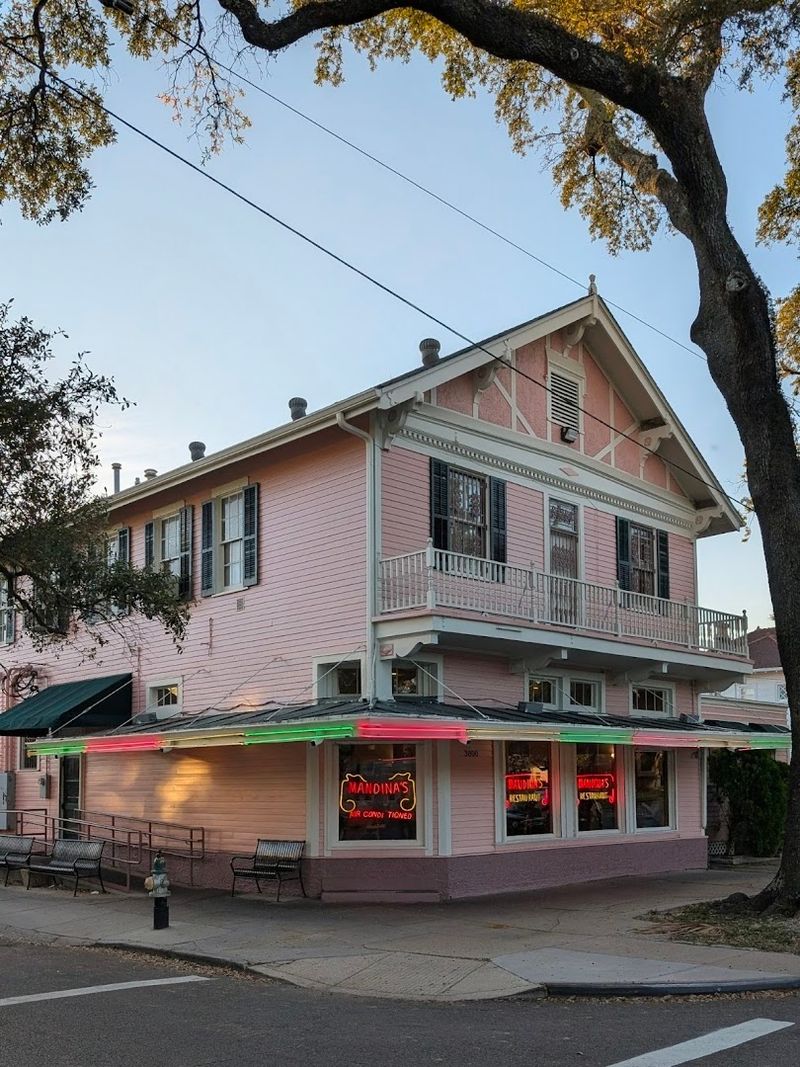
On the Canal Street streetcar line at 3800 Canal Street, a pink building holds more than a century of family and neighborhood history. The Mandina family first used the property as a grocery, and the business evolved into the restaurant that has served Mid-City since 1932.
The menu reflects the Italian and Creole traditions that have overlapped in New Orleans for generations. Turtle soup, seafood gumbo, shrimp remoulade, spaghetti and meatballs, fried seafood, veal, steaks, and fish meunière or almandine all make sense beside one another here.
Portions are generous without being designed as stunts. Sauces arrive with enough butter, tomato, garlic, or seafood flavor to justify the bread on the table, and many plates carry the reassuring familiarity of food prepared repeatedly for decades.
The dining room feels less like a carefully styled historical restaurant than a living neighborhood institution. Regulars greet familiar staff, families settle into long meals, and newcomers are folded into the same efficient rhythm.
The streetcar passing outside only strengthens the sense of place. Mandina’s does not take reservations for ordinary dining, so waits are possible during busy periods.
4. Domilise’s
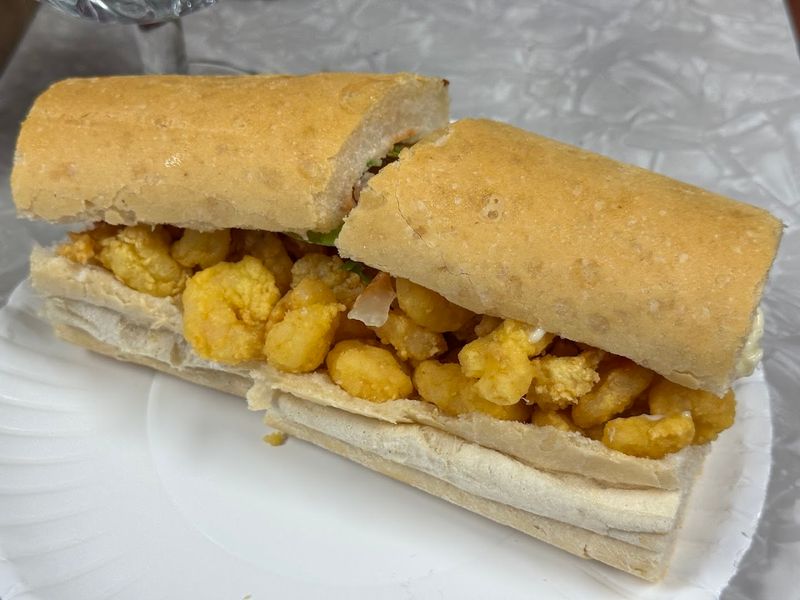
Tucked into a residential Uptown neighborhood at 5240 Annunciation Street, a small yellow building contains one of the city’s most beloved sandwich counters. Domilise’s has operated with remarkably little interest in modern restaurant trends, which is part of why the experience remains so convincing.
The French bread provides the structure. Its crust offers enough resistance to crack slightly on the first bite, while the interior stays soft enough to absorb gravy and sauce.
Fried shrimp, oysters, catfish, hot sausage, and roast beef can all become po-boys, dressed with the classic combination of lettuce, pickles, mayonnaise, and other available toppings.
Fried seafood is handled with a light enough coating to preserve texture, while the roast beef brings the opposite pleasure: tender meat, debris, and gravy sinking into the loaf. Adding hot sauce sharpens the richness without disguising it.
The interior is compact, decorated with photographs and memorabilia, and organized around a counter-order system. Lines frequently form, seating is limited, and the restaurant’s weekly hours vary by day, so checking before making the drive is sensible.
3. Katie’s
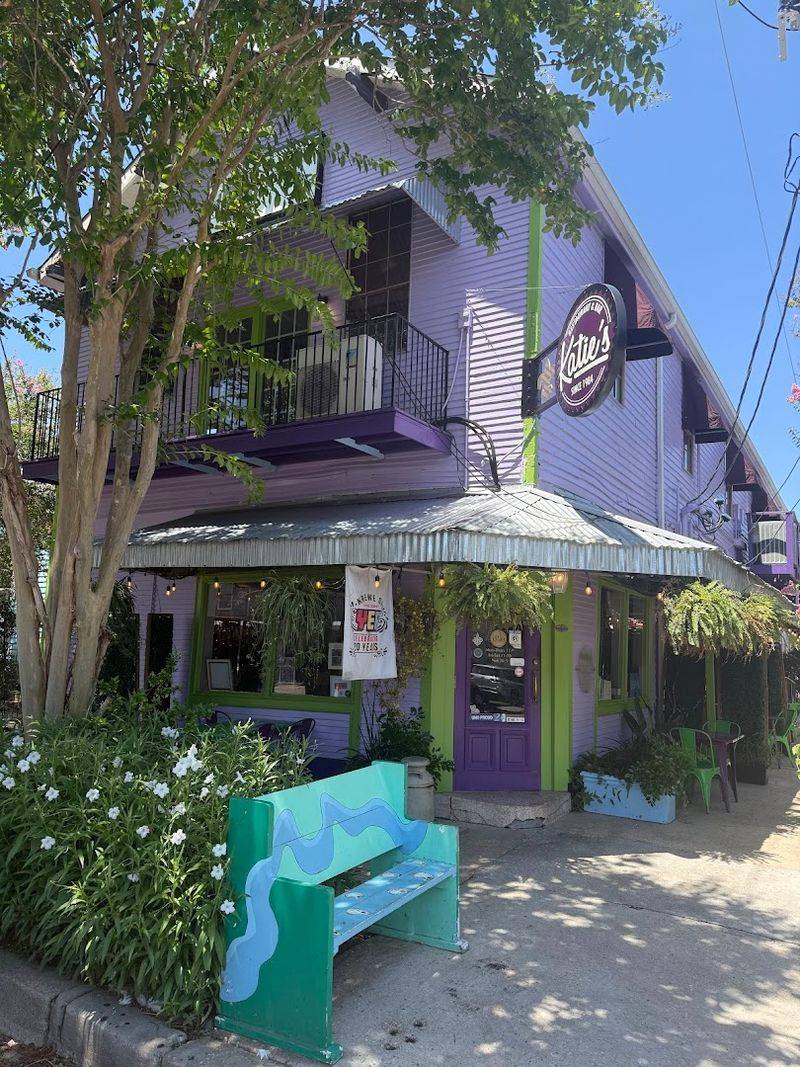
In Mid-City at 3701 Iberville Street, a neighborhood restaurant combines Creole cooking, Italian-American comfort food, seafood, brunch, and an unusually broad menu without losing its local identity. Katie’s has served the area since 1984, returning after Hurricane Katrina to become busier than before.
The menu can accommodate several different cravings at one table. Chargrilled oysters, seafood platters, po-boys, gumbo, pasta, steaks, pizzas, and daily specials coexist in a dining room that feels built for groups with conflicting plans.
One of the most recognizable dishes is the cochon de lait pizza, which brings slow-cooked pork, local seasoning, and the structure of a familiar pie together in a way that feels playful but not random. Seafood-focused dishes and hearty Creole plates provide more traditional directions.
Weekend brunch introduces another layer, with rich breakfast plates and a lively atmosphere that can quickly fill the room. Reservations or joining the waitlist ahead of time can reduce frustration during peak periods.
The restaurant’s appeal lies partly in its flexibility. Katie’s can serve as a casual lunch stop, a family dinner, a neighborhood bar visit, or the starting point for a larger night out.
2. Neyow’s Creole Cafe
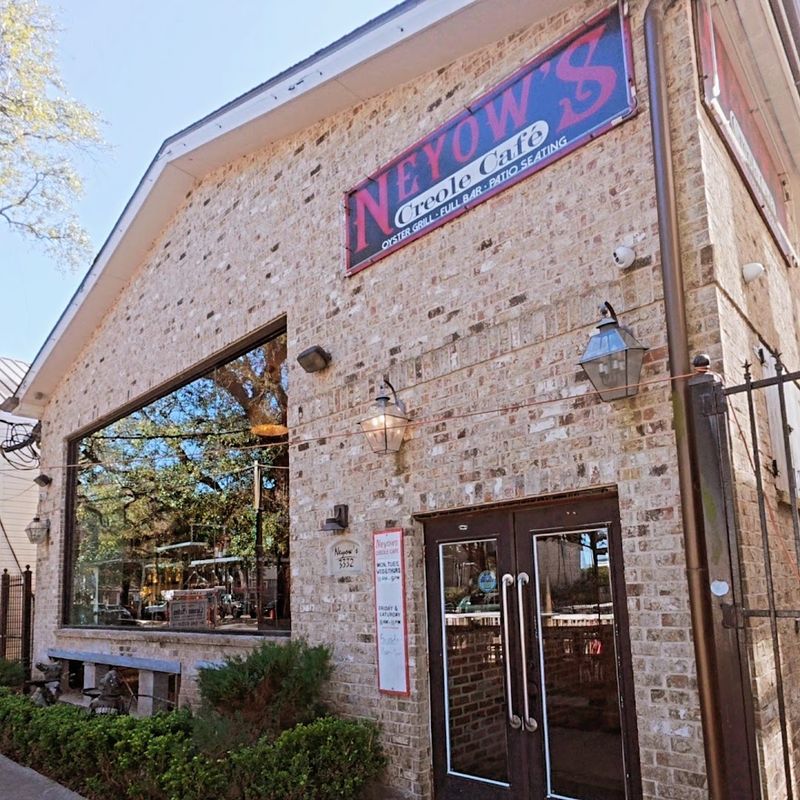
At 3332 Bienville Street, large portions, strong seasoning, and a constant hum of conversation define one of Mid-City’s busiest Creole dining rooms. Neyow’s grew from a neighborhood restaurant into a widely recognized destination without abandoning the bold, comforting cooking that built its following.
Chargrilled oysters make a persuasive opening. Butter, garlic, herbs, cheese, and smoke collect inside the shells, creating enough sauce to demand bread for dipping.
Gumbo, fried chicken, stuffed bell peppers, red beans, seafood plates, and smothered meats continue the menu’s commitment to food that arrives ready to satisfy rather than merely impress visually.
The Bow Wow, an oversized fruit punch served in a fishbowl-style vessel, has become one of the restaurant’s signatures, though its scale makes it more spectacle than subtle accompaniment. The room frequently feels celebratory even when nobody appears to be marking a particular occasion.
Crowds can create waits, especially during evenings and weekends, but the energetic atmosphere is part of the restaurant’s character. Reservations or advance planning are useful for larger groups.
Bring an appetite and avoid ordering as though the portions will be restrained. Sharing appetizers allows more of the menu onto the table without making the main course impossible.
1. Étoile
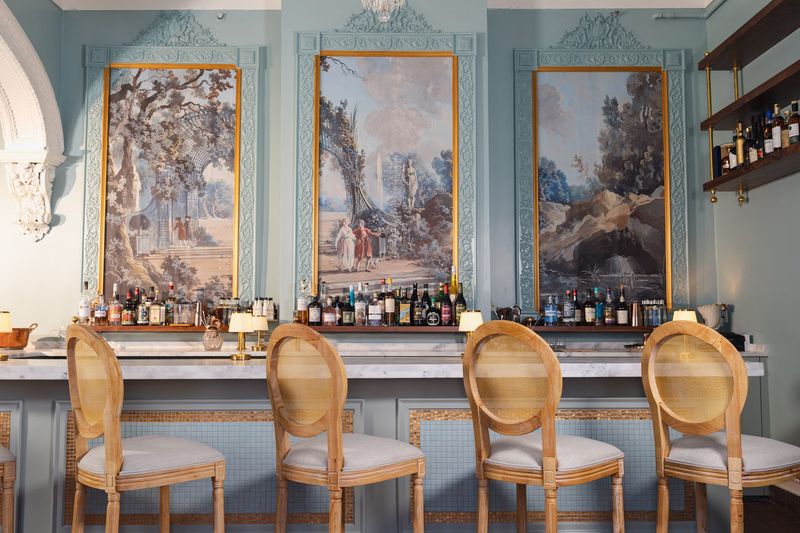
Within the historic Cockerton House at 3607 Magazine Street, dinner unfolds more like an invitation into a private home than a conventional restaurant reservation. Étoile occupies an intimate Garden District setting where a small number of guests move through a carefully planned tasting menu.
Chef Chris Dupont begins with regional farms, markets, and artisan producers, then applies French technique according to what those ingredients need. Vegetables receive the same attention as seafood and meat, while grains, dairy, oils, vinegars, and other supporting elements are treated as essential parts of each course.
The tasting menu generally spans seven to ten courses, creating a progression rather than a collection of unrelated plates. Portions are calibrated across the entire evening, allowing the kitchen to move through delicate, rich, bright, earthy, and sweet ideas without exhausting the diner too early.
Service includes explanations of ingredients and methods, but the residential architecture keeps the experience warmer than the language of fine dining may suggest. Optional French wine pairings are available for adult diners, while the food remains complete without them.
Reservations are required, and current seatings should be reviewed before planning the evening.