Driving past this building, the first thing you notice is the explosion of color. Bright murals of flowers and plants cover every inch of the exterior, practically pulling your car toward the parking lot.
Once inside, the real adventure begins.
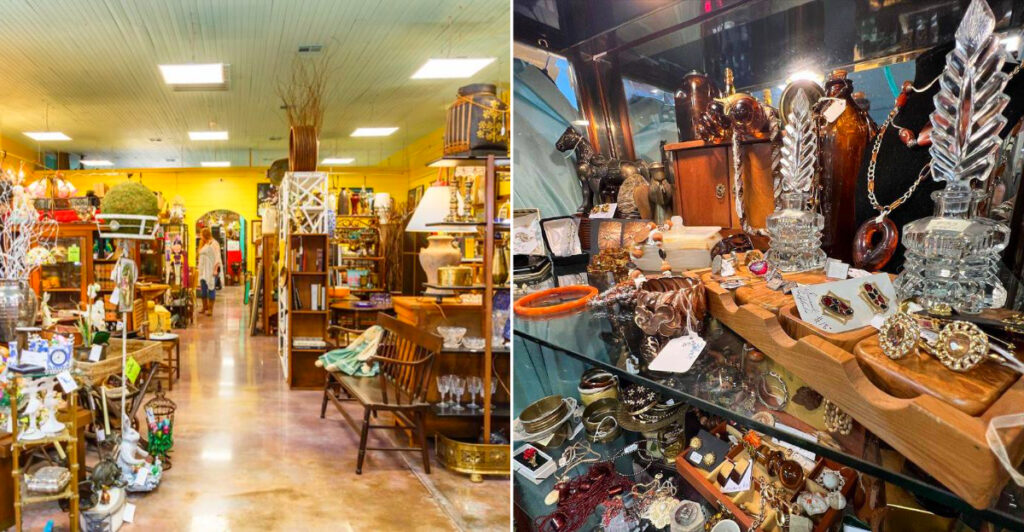
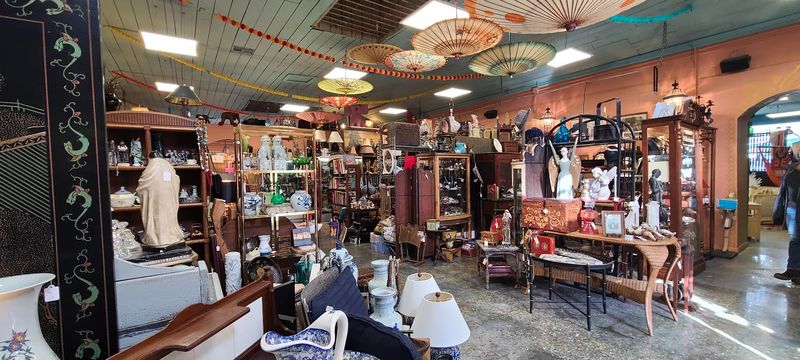
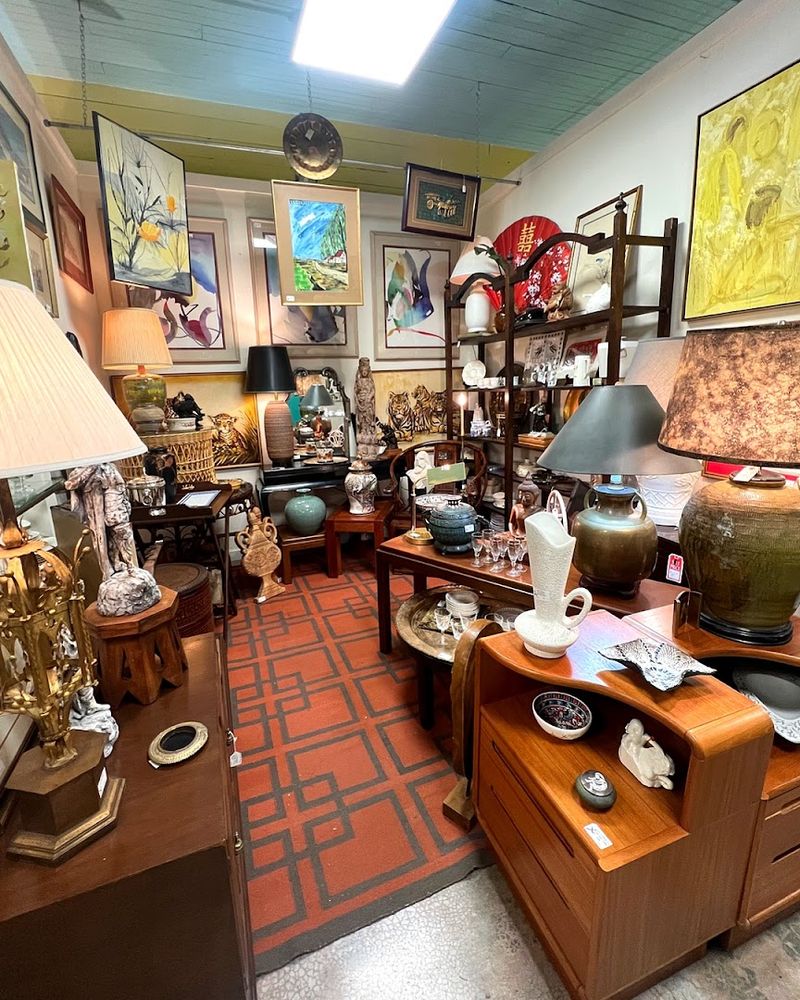
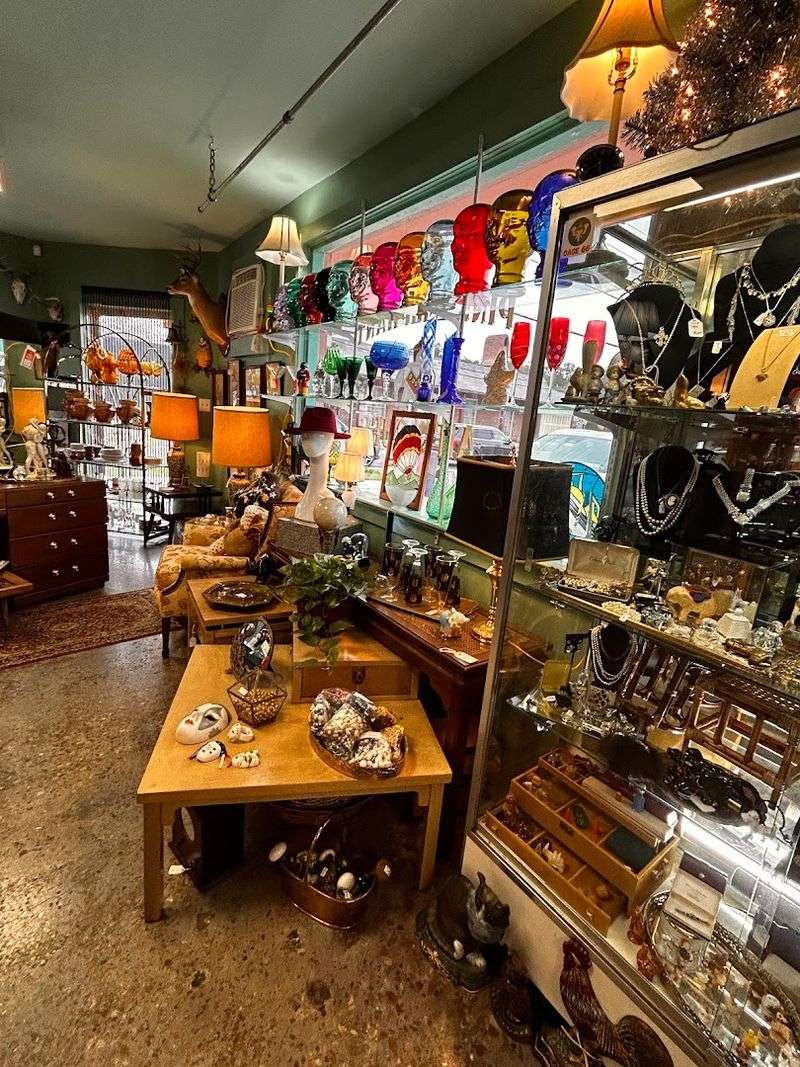
Booth after booth unfolds in a maze of carefully curated vintage finds, from elegant mid-century furniture to quirky collectibles that spark instant nostalgia. The glassware section alone could occupy an entire afternoon, with jewel-toned pieces catching the light from every shelf.
Lamps in pairs, wooden dressers with stories etched into their surfaces, plus ceramic figures you never knew you needed fill the corners. Each vendor brings a distinct personality, so no two sections look anything alike.
Shopping here feels less like browsing and more like exploring, with discoveries waiting around every single turn. The sheer variety makes it impossible to leave empty-handed. Louisiana hides some truly unexpected treasures behind its most colorful storefronts.
Start With A Map Of The Rooms
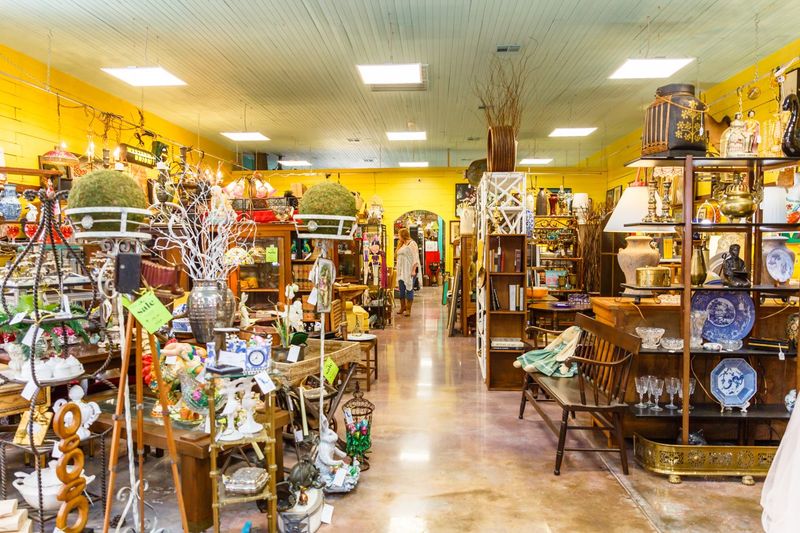
Begin by mapping the space in your head because the interior feels much larger than the storefront suggests. Three adjoining historic buildings have been joined into one meandering shop, and knowing where the furniture, linens, glassware, and smaller curios are clustered can save time while preserving energy for the best finds.
During the first pass, note the brighter rooms, narrow connecting spaces, and booths tucked into shadowy corners. Some areas reveal their strongest pieces immediately, while others need a slower return visit before individual objects begin separating themselves from the surrounding abundance.
This approach turns aimless wandering into a loose treasure-hunting strategy without removing the possibility of surprise. You can identify the sections that deserve more attention, then circle back once you understand the layout.
There is no need to inspect every price tag on the first walk-through. Let the rooms introduce themselves, pay attention to what catches your eye instinctively, and save the detailed browsing for the second pass.
The Pinkest Building On Government Street Is Your Turn Signal
The Pink Elephant Antiques sits at 2648 Government Street in Baton Rouge, along the main route through Mid City. From downtown, follow Government Street east as the office buildings gradually give way to colorful storefronts, restaurants, and independent neighborhood businesses.
Drivers arriving from Interstate 110 can connect with Government Street and continue toward Mid City. Stay on the avenue, watch the street numbers, and begin slowing down as you approach the surrounding commercial blocks.
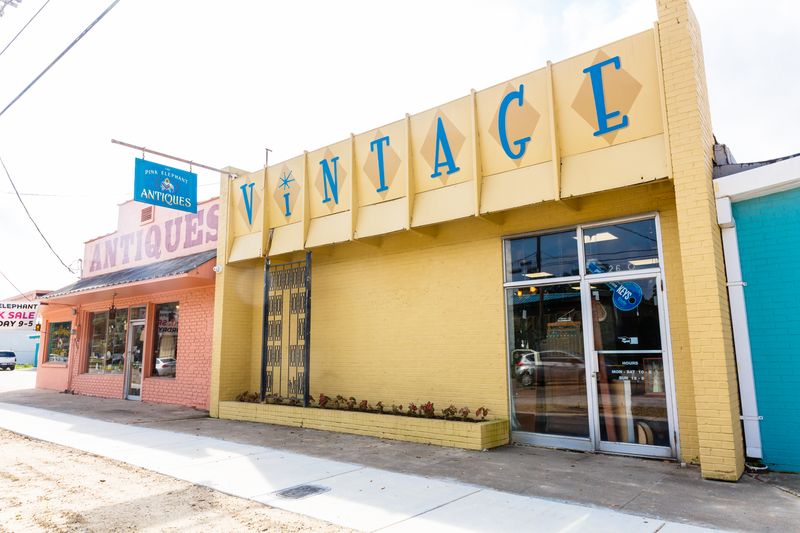
The exterior is difficult to miss. Bright pink paint, bold botanical murals, and elephant artwork make the building look more like an oversized piece of folk art than a conventional antiques store.
Talk To The Dealers
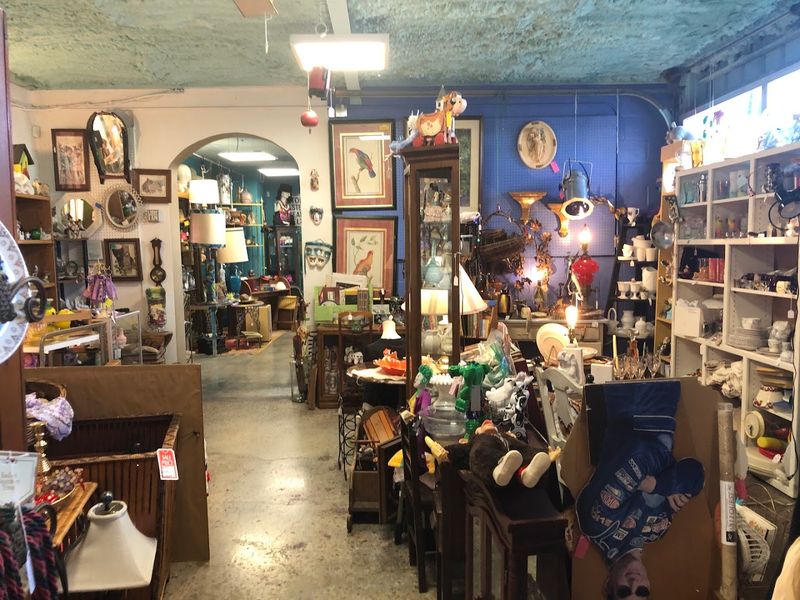
Independent dealers bring personality as well as merchandise to the booths, and a brief conversation can reveal details no handwritten tag could contain. Respectful curiosity may uncover an object’s age, origin, former use, restoration history, or the story of how it reached Baton Rouge.
Many sellers are enthusiastic about the pieces they collect. Someone may explain how a lamp was rewired, identify the maker of an unfamiliar glass pattern, or point out original hardware on a dresser that otherwise looks ordinary at first glance.
Those conversations add value beyond the price tag because antiques become more compelling when you understand how they were made and used. Even when you decide not to buy, the information can sharpen your eye for the next booth.
Inventory also changes regularly, so mentioning what you collect may lead to useful information about pieces that recently arrived or have not yet reached the sales floor.
Expect An Eclectic Mix
Independent dealers bring personality as well as merchandise to the booths, and a brief conversation can reveal details no handwritten tag could contain. Respectful curiosity may uncover an object’s age, origin, former use, restoration history, or the story of how it reached Baton Rouge.
Many sellers are enthusiastic about the pieces they collect. Someone may explain how a lamp was rewired, identify the maker of an unfamiliar glass pattern, or point out original hardware on a dresser that otherwise looks ordinary at first glance.
Those conversations add value beyond the price tag because antiques become more compelling when you understand how they were made and used. Even when you decide not to buy, the information can sharpen your eye for the next booth.
Inventory also changes regularly, so mentioning what you collect may lead to useful information about pieces that recently arrived or have not yet reached the sales floor.
Check For Special Events
More than thirty independent dealers contribute to the constantly shifting inventory, creating a mix that moves freely between Victorian elegance, mid-century modern design, rustic pieces, folk art, and unapologetic kitsch.
One aisle may hold delicate porcelain, cut crystal, and formal dining furniture.
Turn a corner and you could encounter taxidermy, military memorabilia, vintage advertisements, old toys, unusual lamps, or ceramic animals whose appeal is difficult to explain but impossible to ignore.
That unpredictability keeps the experience lively. The displays do not follow one buyer’s taste or a perfectly coordinated visual plan, so each booth feels like a small world with its own sense of order. Some are sparse and carefully styled, while others use nearly every available inch.
Because so many tastes and price ranges coexist, it helps to divide both attention and money across the rooms. Buying the first attractive object you see can be tempting, but another version may appear three booths later at a different price.
Plan Your Budget Ahead
Trunk sales and neighborhood art events occasionally change the usual browsing rhythm, bringing additional merchandise, dealers, and activity around the building. On those days, the experience expands beyond the permanent booths and begins to resemble a small market layered onto the existing store.
Outdoor tables may hold focused collections of jewelry, housewares, clothing, records, artwork, or decorative pieces that have not yet been incorporated into indoor displays. The more temporary setup can make it easier to talk directly with sellers and compare several related items in one place.
Special events also introduce shoppers to dealers they may not encounter during an ordinary visit. Fresh inventory appears quickly, and the atmosphere becomes more communal as people trade recommendations, examine unusual objects, and move between the exterior displays and the rooms inside.
Look Beyond The Obvious
With numerous independent dealers setting their own prices, the cost of merchandise can vary considerably from one booth to the next. Deciding on a comfortable spending range before entering makes it easier to evaluate each discovery without turning every attractive object into an internal financial debate.
Some pieces are rare, carefully restored, or museum-quality and priced accordingly. Others carry visible wear, minor flaws, or a more modest history, making them accessible to shoppers with smaller budgets.
Neither category is automatically better. A scratched side table may have more character and practical value for your home than a pristine showpiece you would be afraid to touch.
Consider dividing the budget into categories before browsing. You might reserve one amount for a planned furniture purchase and another for spontaneous finds such as glassware, artwork, or small collectibles.
Note The Store Hours And Peak Times
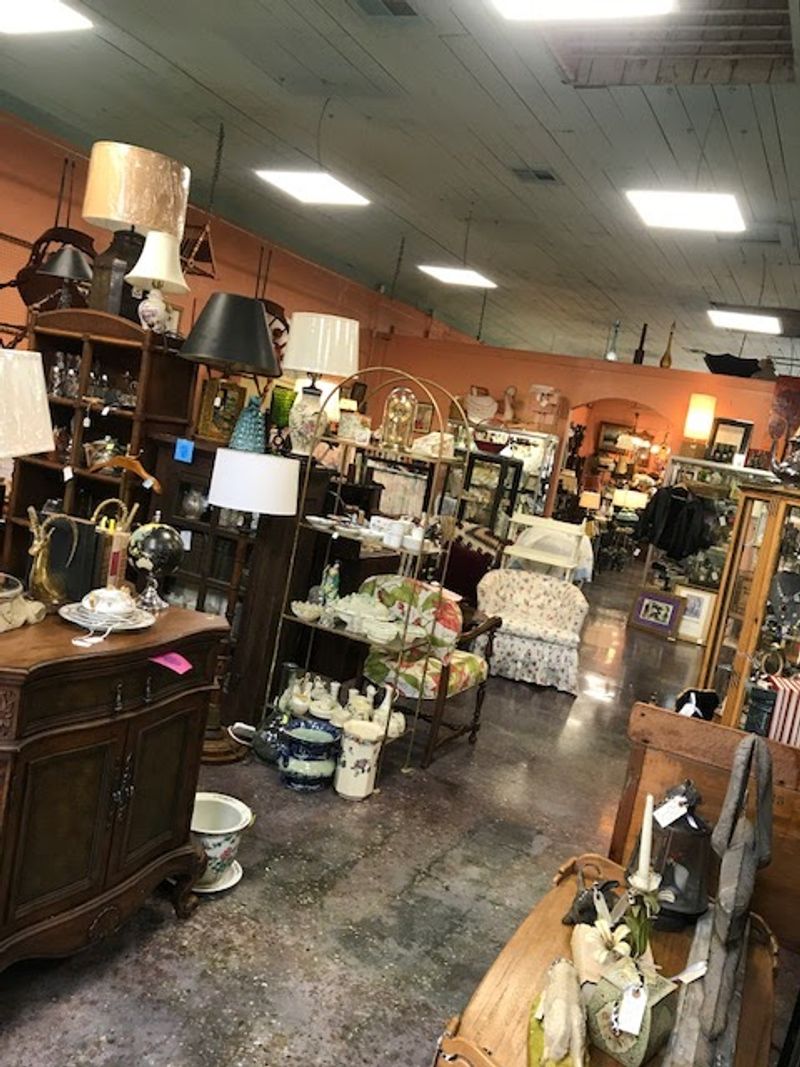
Some of the best finds are politely hidden beneath tables, inside glass cabinets, behind larger objects, or on shelves positioned well above eye level. The most dramatic furniture may command immediate attention, but the quieter corners often hold the pieces that make a visit feel genuinely personal.
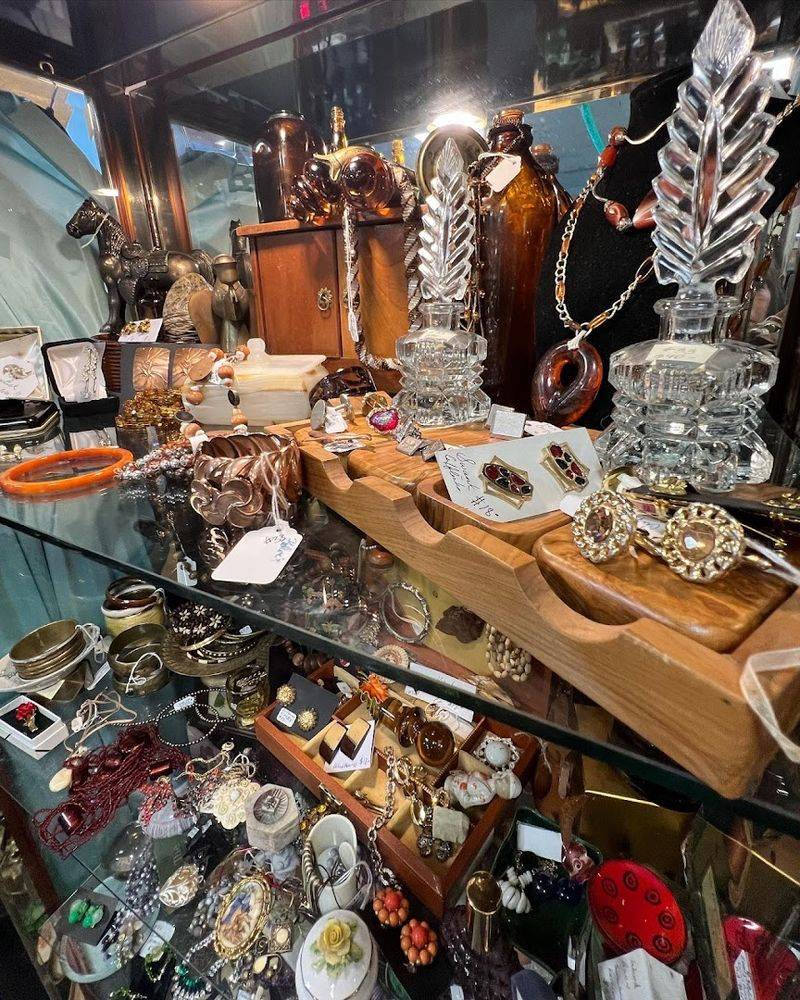
Kneel carefully to inspect lower shelves, look inside open trunks, and spend time with displays that initially resemble clutter. Small jewelry pieces, old photographs, unusual kitchen tools, miniature ceramics, and forgotten decorative objects can disappear visually when surrounded by larger merchandise.
A second pass through each booth is often more productive than the first. Once your eyes adjust to the density of the displays, individual pieces begin to emerge from the background.
Use your phone’s flashlight discreetly in darker sections when necessary, but avoid moving objects without permission. A beam of light can reveal a maker’s mark, surface damage, a hidden color, or details that change your opinion of an item completely.
The goal is not to disturb every arrangement in search of a secret bargain. It is to slow down enough to notice what hurried shoppers pass by.
Be Respectful Of Fragile Displays
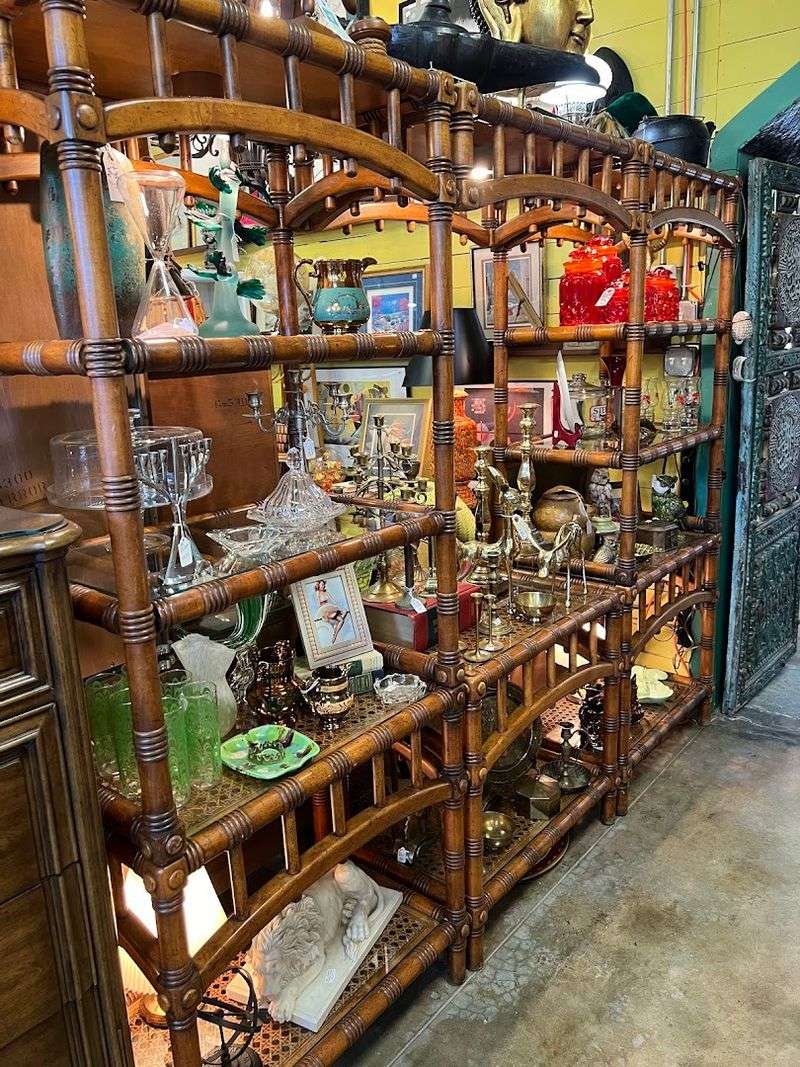
Tightly arranged booths often contain glassware, ceramics, lamps, framed art, and furniture positioned only inches apart. Moving through those displays carefully protects the merchandise and makes the experience more comfortable for everyone nearby.
Keep bags close to the body instead of allowing them to swing behind you, and be especially aware of backpacks near narrow shelves. A harmless turn can become expensive when a strap catches a delicate object.
Ask before lifting fragile pieces, opening drawers, testing lamps, or moving stacked items. Dealers and staff members can usually reposition something safely and may know about weak handles, loose bases, repaired sections, or other vulnerabilities that are not immediately visible.
Requesting help can also reveal useful information. Once an item is moved into better light, the seller may explain its provenance, construction, restoration, or condition, giving you more confidence before making a decision.
Children can enjoy the visit, but close supervision is essential in densely packed areas. Establishing a “look first, ask before touching” rule can prevent stressful moments.
Use Social Media For Fresh Finds
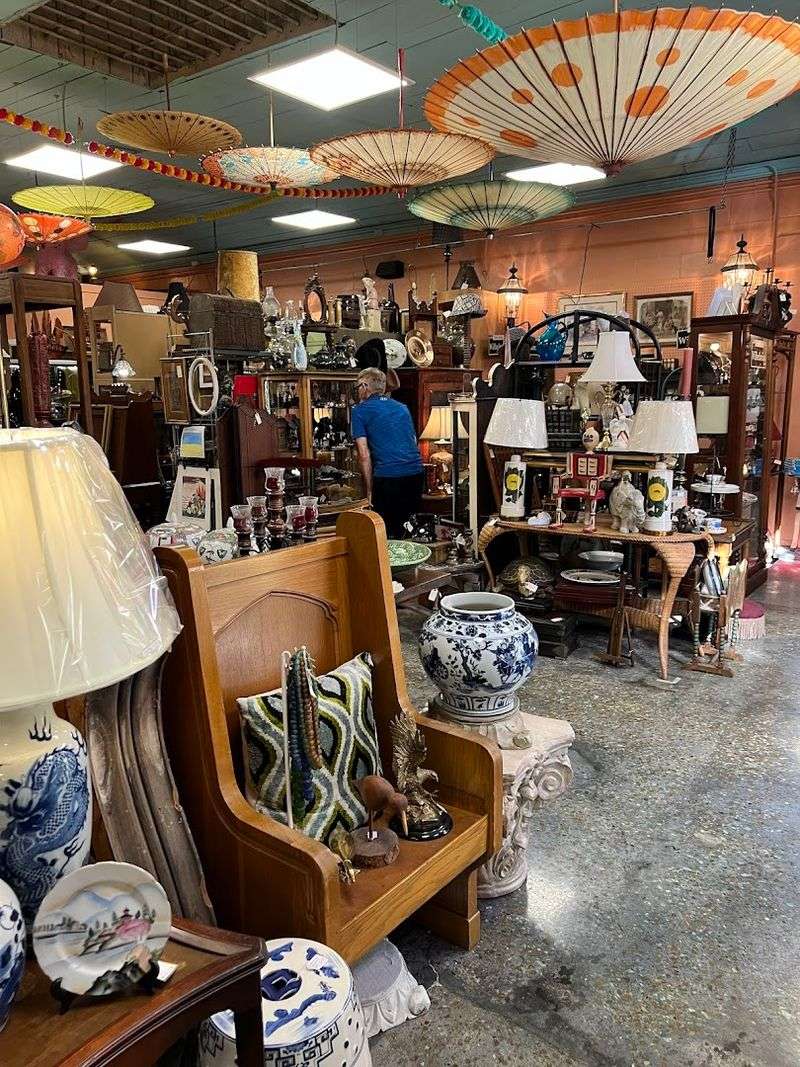
Tightly arranged booths often contain glassware, ceramics, lamps, framed art, and furniture positioned only inches apart. Moving through those displays carefully protects the merchandise and makes the experience more comfortable for everyone nearby.
Keep bags close to the body instead of allowing them to swing behind you, and be especially aware of backpacks near narrow shelves. A harmless turn can become expensive when a strap catches a delicate object.
Ask before lifting fragile pieces, opening drawers, testing lamps, or moving stacked items.
Dealers and staff members can usually reposition something safely and may know about weak handles, loose bases, repaired sections, or other vulnerabilities that are not immediately visible. Requesting help can also reveal useful information.
Children can enjoy the visit, but close supervision is essential in densely packed areas. Establishing a “look first, ask before touching” rule can prevent stressful moments.
Bring Measurements And Photos
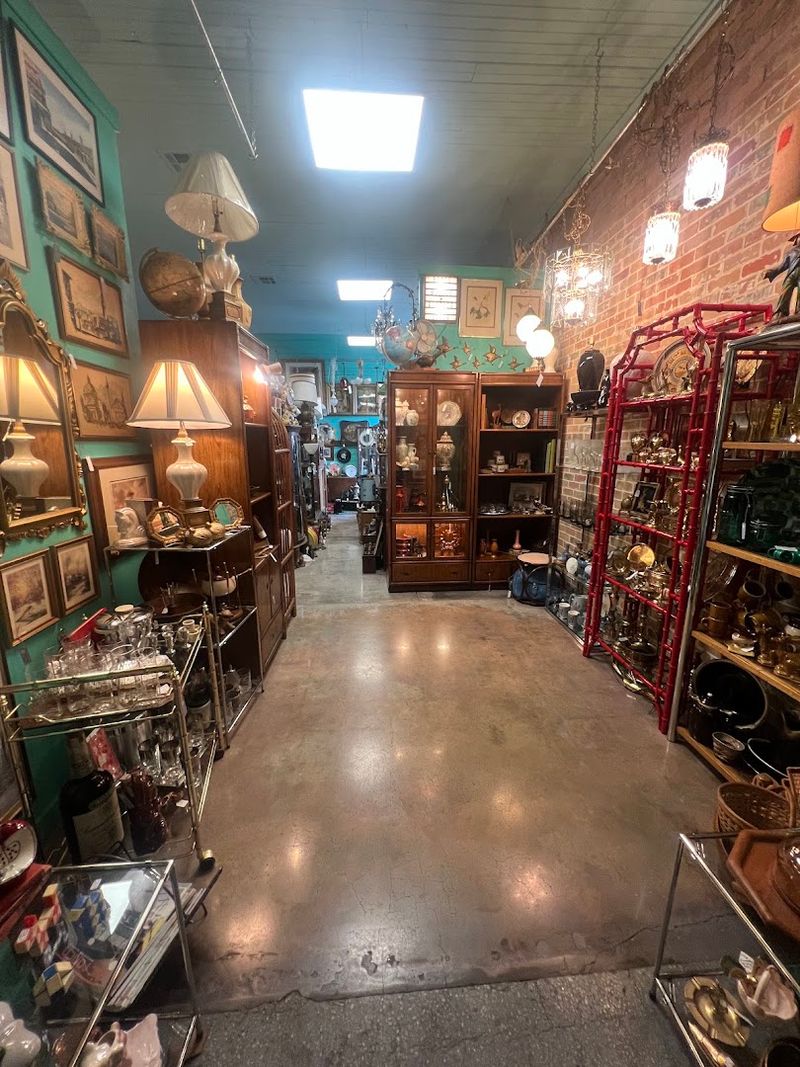
A perfect piece becomes much less perfect when it cannot fit through the doorway, occupy the intended wall, or coexist with the furniture already at home. Bringing accurate measurements eliminates much of that uncertainty.
Record the width, height, and depth of the available space, but also measure doorways, staircases, hallways, elevators, and tight corners along the route. Large furniture has to reach its destination before it can improve the room.
Keep those numbers in your phone and carry a small tape measure. Visual judgment is unreliable in crowded booths, where a cabinet can appear smaller simply because it stands beside something enormous.
Reference photos of the room are equally useful. They help you compare wood tones, colors, proportions, and existing objects without relying on memory. Including a familiar object or doorway in the picture makes the scale easier to understand.