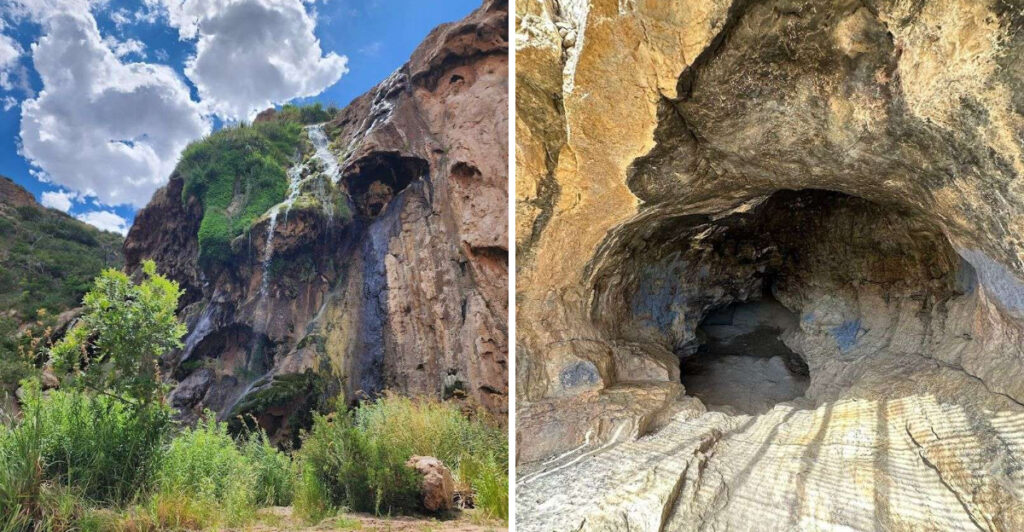
Some hikes ask for a whole day. These ask for a little curiosity and reward you fast.
That is the magic of a cave trail, especially in New Mexico, where the landscape can look wide open one second and suddenly pull you toward a dark opening in the rock. It is the kind of moment that makes people stop mid-sentence.
You came for a walk, but now the trail has turned into a story. A good one.
The kind you send to a friend with a photo and a message that says, you need to see this. Bring a headlamp, because cave darkness is not a joke.
Bring shoes that can handle rough trail, too. These six hikes keep the mileage manageable while still giving you that little spark of discovery.
No giant expedition needed. Just enough effort to make the cave at the end feel completely worth it.
1. Achenbach Canyon Trail, Las Cruces
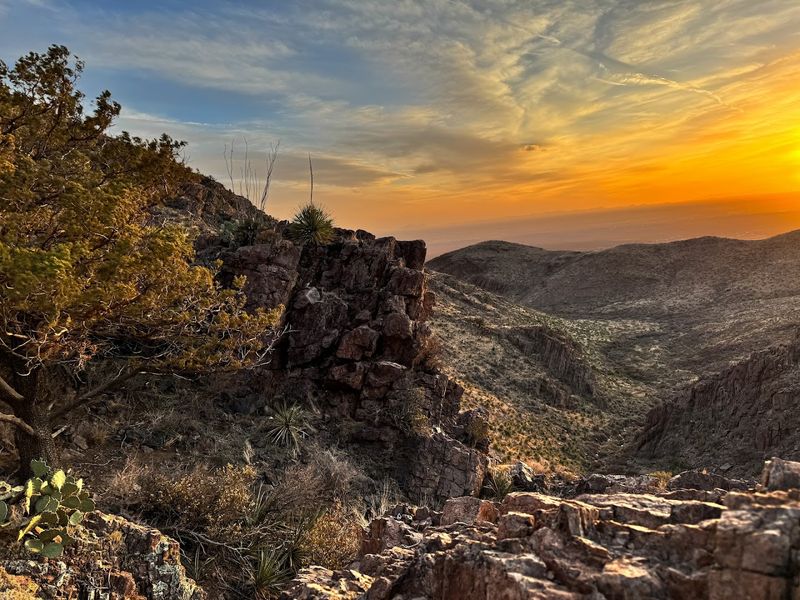
A lot of people drive right past the Achenbach Canyon area on their way to bigger, more famous Organ Mountains stops, and that is part of its appeal.
Achenbach Canyon Trail sits just outside Las Cruces in a stretch of rugged Chihuahuan Desert landscape that feels surprisingly wild for a place so close to town.
The route follows canyon terrain where the rock walls rise around you, desert plants crowd the edges, and the Organ Mountains keep shifting shape as the light changes.
This is not the quick, almost effortless cave stroll some hikers might expect.
Public access information for Achenbach Canyon describes it as a popular 5.5-mile trail, so come ready for a real outing rather than a short leg-stretcher.
The canyon is also associated with Shelter Cave, which hikers may visit as part of the broader route, but the main draw is the combination of canyon scenery, rough desert footing, and mountain quiet.
Bring plenty of water, especially outside the cooler months, because shade can be limited and the desert sun does not play around.
Sturdy shoes are a smart choice too, since loose rock and uneven sections can make casual sneakers feel like a bad idea fast.
Early morning is the best time to visit, both for easier temperatures and for the way the first light brings out the color in the canyon walls.
Look for reddish stone, hardy desert plants, and wide views that remind you how close Las Cruces sits to serious outdoor country.
Wildlife sightings are possible, so move slowly and watch the trail as much as the cliffs.
Families with older kids may enjoy the route, but younger hikers could find the distance and terrain more demanding than expected.
Las Cruces makes a convenient base, with food, lodging, and gear options close enough to keep planning simple.
Achenbach Canyon works best for hikers who want a rugged desert route with cave interest, not a polished attraction with signs every few steps.
2. Sandia Man Cave, Placitas
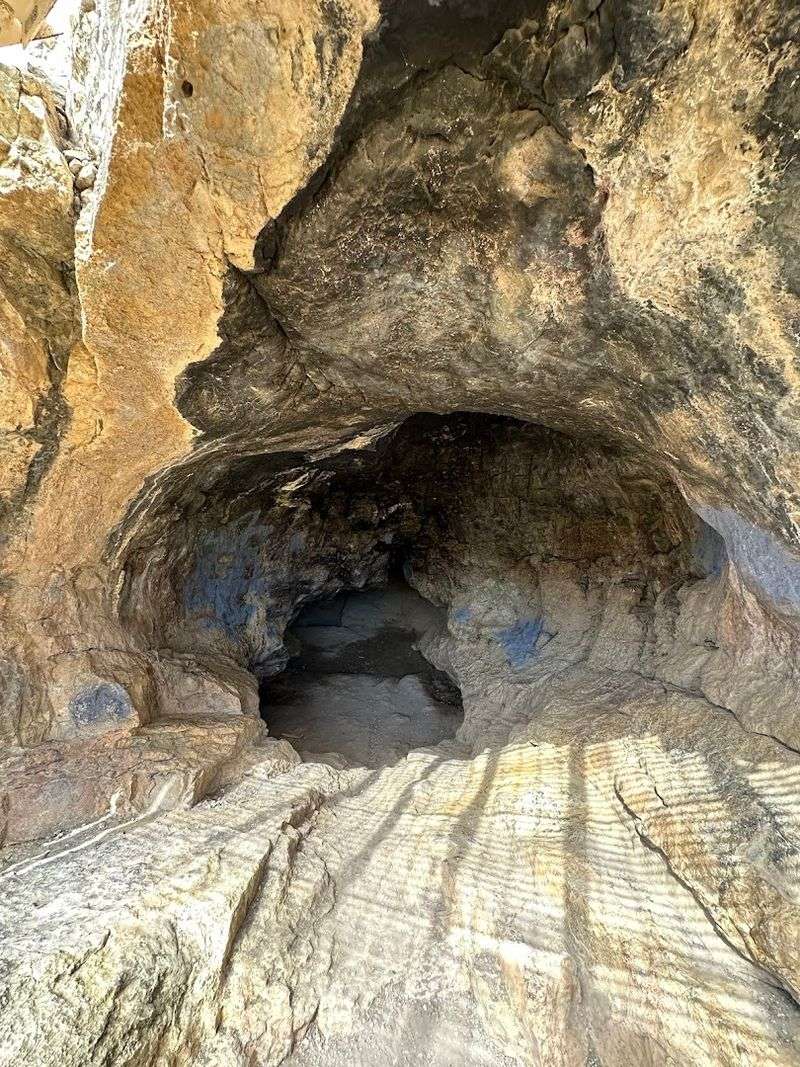
Few caves in the entire Southwest carry as much historical weight as the one hiding in the Sandia Mountains above Placitas, NM 87043.
Sandia Man Cave sits along NM-165 inside Cibola National Forest, and the trail leading up to it is a short and easy out-and-back that almost anyone can handle on a good day.
The path stretches just over a mile round trip, which means you spend less time hiking and more time actually standing inside a cave that humans used thousands of years ago.
Rediscovered in 1936 and then carefully excavated over the following years, the cave gave up some remarkable secrets including stone tools, yucca moccasins, basket scraps, and even bones from Ice Age animals like the mastodon.
Getting to the cave mouth is half the adventure, because the trail ends at a concrete staircase that leads to a narrow limestone ledge, and then a metal spiral staircase carries you up to the opening.
Standing at the entrance and looking out over the Sandia Mountains, it is hard not to feel a little awe about who stood in that exact same spot long before you.
The cave interior is cool and dark, so bring a headlamp or a solid flashlight if you want to see the walls and ceiling clearly.
New Mexico has no shortage of ancient sites, but the combination of easy access and genuine archaeological history makes Sandia Man Cave stand apart from most.
Placitas is a small, quiet community that sits at the base of the mountains, and the drive up NM-165 to the trailhead is scenic enough to count as part of the experience.
Weekdays are noticeably quieter than weekends, so plan accordingly if you prefer a more solitary visit.
The forest around the trail smells like pine and juniper, which makes the whole hike feel refreshing even on a warm day.
This short trail punches well above its weight in terms of what it delivers at the finish line.
3. Slaughter Canyon Cave, Carlsbad
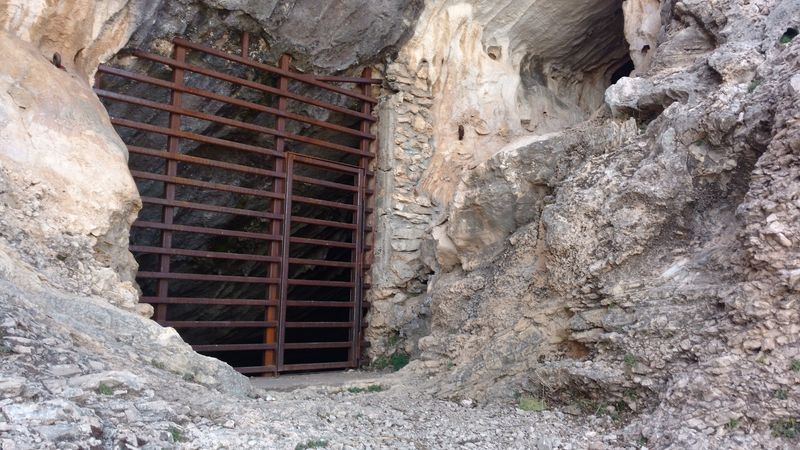
Not every cave rewards the casual visitor, and Slaughter Canyon Cave at Carlsbad Caverns National Park makes that clear before you ever reach the entrance.
This is not the kind of stop where you park, walk a few minutes, and wander underground on your own.
The cave sits within the park’s rugged desert landscape, and the approach has long been known as steep, rocky, and physically demanding.
That short distance can be misleading, because the climb, loose footing, and exposure make the route feel much bigger than the mileage suggests.
Because access and tour options at Carlsbad Caverns can change, visitors should check the official park and Recreation.gov pages before planning a trip around Slaughter Canyon Cave.
Current reservation information for Carlsbad Caverns emphasizes timed entry for the self-guided cavern experience and separate reservations for available ranger-guided tours, so do not assume every cave tour is running on the day you want to visit.
When access is available, Slaughter Canyon Cave is known for a less-developed, wild-cave feel, without the polished lighting and paved paths many people picture when they think of Carlsbad Caverns.
That is part of its power.
The interior is dark, uneven, and better suited to visitors who are comfortable with tougher cave conditions.
Bring sturdy hiking shoes, water, sun protection, and a reliable light source, then confirm current rules before leaving Carlsbad.
A headlamp is better than relying on a phone, especially in cave settings where your hands may need to stay free.
The surrounding Chihuahuan Desert scenery is worth noticing too, with limestone ridges, open sky, and low desert growth stretching around the trail area.
Carlsbad works well as a base town, offering lodging and food within driving distance of the park.
This cave experience is best for visitors who want something more rugged than the main cavern routes and are willing to plan carefully.
Slaughter Canyon Cave feels memorable because it asks for effort first, then pays it back with a darker, rougher side of the park.
4. Red River Caves And Mountains Trail, Red River
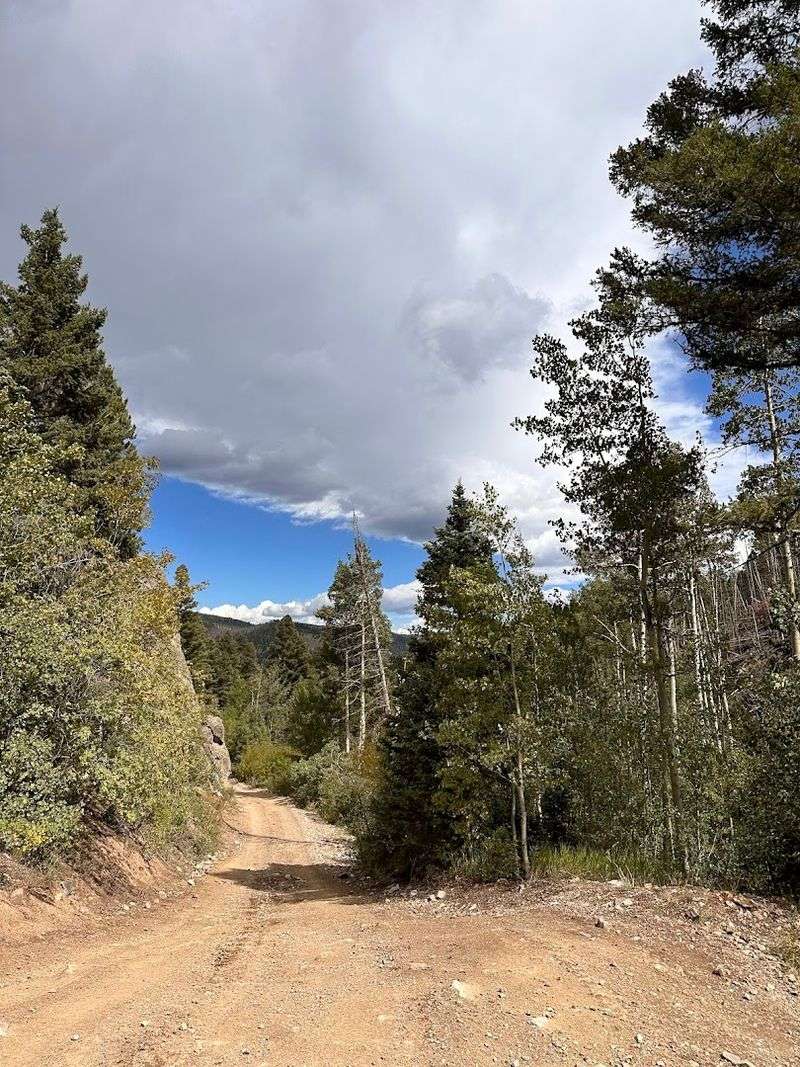
High in the Sangre de Cristo Mountains, the Red River Caves & Mountain Trail sounds like the kind of route that should lead straight into natural cave chambers.
The reality is a little different, and that matters for anyone planning the hike.
Local trail information describes this as an easy 2.8-mile route near Red River, starting around the gravel ATV road behind Arrowhead Lodge and leading into mountain scenery above town.
The same description points hikers toward an old mine entrance near a yellow shed, rather than verified natural cave openings.
That makes this route better framed as a mountain walk with mining-history interest, not a true cave-exploration hike.
The setting still has plenty going for it.
Red River sits in a cool mountain valley, and the trail gives visitors a change of pace from the town’s busier main street.
You can expect forested slopes, mountain air, and a route that feels more relaxed than the tougher desert cave hikes elsewhere in the state.
Older kids and adults may enjoy it, especially if they like trails with a little local character and a view back toward town.
Caution matters around any mine opening, though.
Old mine features can be unstable, poorly ventilated, and unsafe to enter, so admire the entrance from outside and keep the adventure on the trail.
A headlamp is not a reason to go inside a mine, and curiosity should stop at the opening.
Wear shoes with decent grip, bring water, and check local conditions before heading out, especially after storms or during busy summer weekends.
The mountain weather can shift quickly, even when town feels calm and sunny.
Red River itself makes the outing easy to turn into a longer stop, with lodging, casual restaurants, and outdoor shops nearby.
The trail’s best angle is not secret cave exploring.
It is the way a short mountain route can add a little mystery, history, and elevation to a day in one of northern New Mexico’s most recognizable outdoor towns.
5. Sitting Bull Falls Recreation Area, Carlsbad
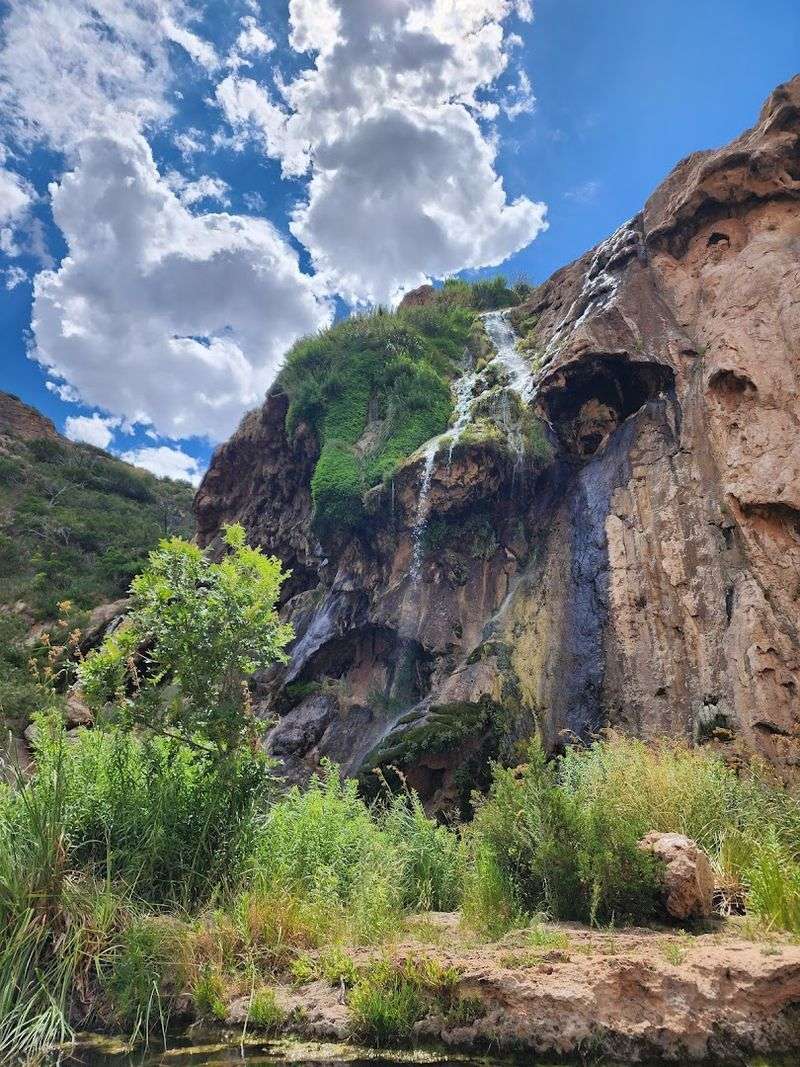
Water and rock have been working together at Sitting Bull Falls for so long that the result looks almost too dramatic to belong to the real world.
Located in Lincoln National Forest about 42 miles west of Carlsbad, Sitting Bull Falls Recreation Area combines a short walk with one of the region’s most dramatic waterfall settings.
The waterfall drops over a series of limestone terraces and spills into a cool, clear pool below, and tucked behind and around the cascade are shallow cave-like grottos carved out by centuries of water movement.
The grottos are the hidden gem of this visit, and most first-time visitors are so focused on the waterfall itself that they almost miss the cave formations hiding in plain sight just off to the sides.
Lush ferns and mosses cling to the walls of the grottos, creating a splash of green that feels completely unexpected in the middle of the Chihuahuan Desert.
The trail to the falls is short and well-maintained, making it accessible for families with young children or visitors who prefer a gentler walk with a spectacular payoff.
Bring water shoes if you plan to wade into the pool area, because the rocks underfoot can be slippery and a little extra traction goes a long way.
A small day-use fee is charged at the entrance, and the facility includes picnic tables and restrooms, which makes this a practical stop for a full day out.
The best light for photography hits the falls in the late morning, when the sun clears the surrounding canyon walls and illuminates the water and rock face together.
Wildlife around the falls is surprisingly diverse, with birds, lizards, and the occasional mule deer making appearances near the water’s edge.
Lincoln National Forest surrounds the area with a quiet, protected landscape that feels far removed from the busy highway just a short drive away.
Sitting Bull Falls earns its reputation as a crowd-pleaser without ever feeling like it is trying too hard to impress.
6. Big Tubes Trail, Grants
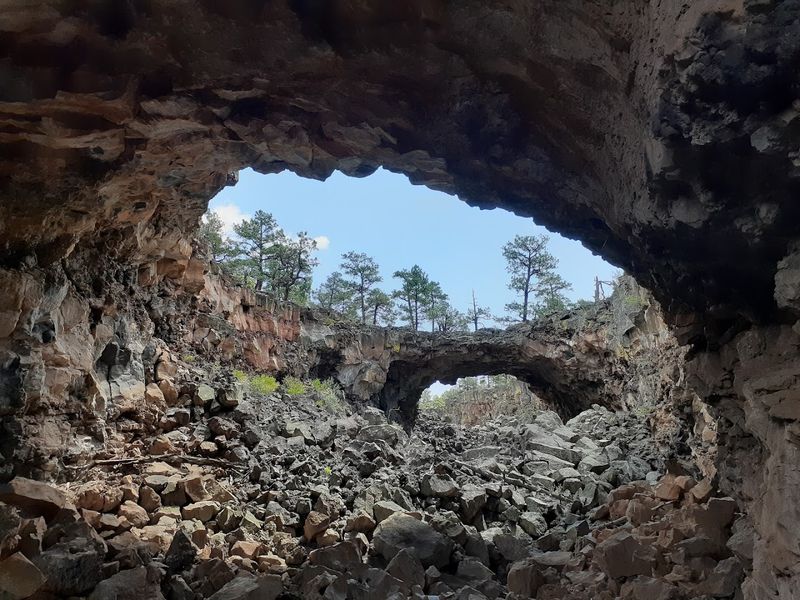
Black lava stretches in every direction at El Malpais National Monument, and the Big Tubes Area leads into one of the park’s most dramatic volcanic landscapes.
This is not a smooth interpretive stroll, even though the route is often described as roughly two miles.
The National Park Service describes Big Tubes as rugged, remote, and extremely strenuous because the trail crosses rough lava flow where every step demands attention.
The scenery is unforgettable, with lava bridges, collapsed sections, and lava tube caves formed by ancient flows that hardened on the outside while molten rock continued moving below.
Visitors should also know that cave access is regulated.
A free caving permit is required to enter any lava tube cave at El Malpais National Monument, including caves in the Big Tubes Area.
Current park guidance says only two wilderness lava tube caves are open in summer, Giant Ice and Lava Bomb, while other caves may close for bat protection or resource protection.
Those limits are important, because the caves here are undeveloped.
Do not expect lights, stairs, railings, or marked underground paths.
Caving at Big Tubes requires route finding, crawling over rough rock, and moving through dark spaces where a single phone light is not enough.
The park recommends serious preparation, including a helmet, gloves, kneepads, sturdy boots, and multiple light sources.
Layers are smart too, since temperatures underground can feel much cooler than the lava field above.
The road to Big Tubes can also be part of the challenge.
High-clearance four-wheel drive is strongly recommended, and visitors should check road conditions before committing to the drive.
This is a place for careful planners, not last-minute wanderers hoping for an easy cave photo.
Grants makes a practical base, with food, fuel, and lodging before or after the monument visit.
Big Tubes rewards hikers who respect the landscape.
Come prepared, follow current permit rules, and the experience feels less like a casual trail stop and more like stepping into the rough volcanic heart of New Mexico.