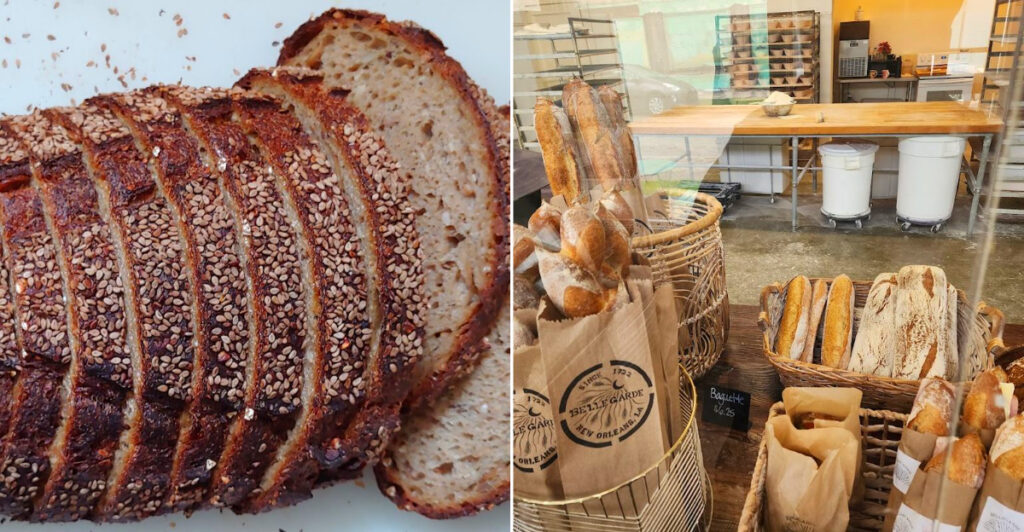
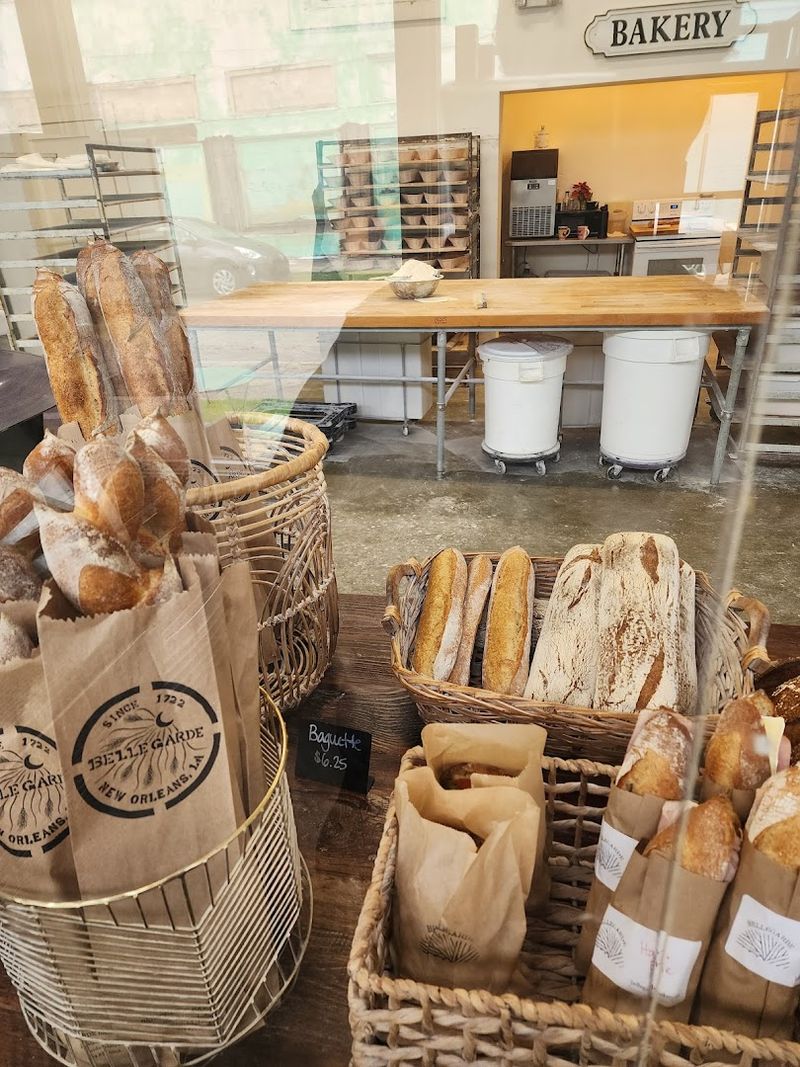
Walking past the display case, you notice the loaves before the sign. Dark crusts with slash marks that opened in the heat of the oven, interiors dotted with irregular holes that only slow fermentation produces, plus a scent that hits somewhere between toasted grain and cool morning air.
This is not a bakery that sources flour from a distributor and calls it artisan. The mill sits inside the building.
Granite stones crack the wheat berry the way it has been done for centuries, preserving the germ, the bran, plus everything that industrial milling strips away.
The baker behind the operation trained in some of the best kitchens in the country before deciding that bread could not improve until flour did.
Every loaf that leaves this shop starts with that conviction, plus the result is bread that tastes like the grain it came from. The loaves here have drawn a following across Louisiana for good reason.
Start With The Country Batard
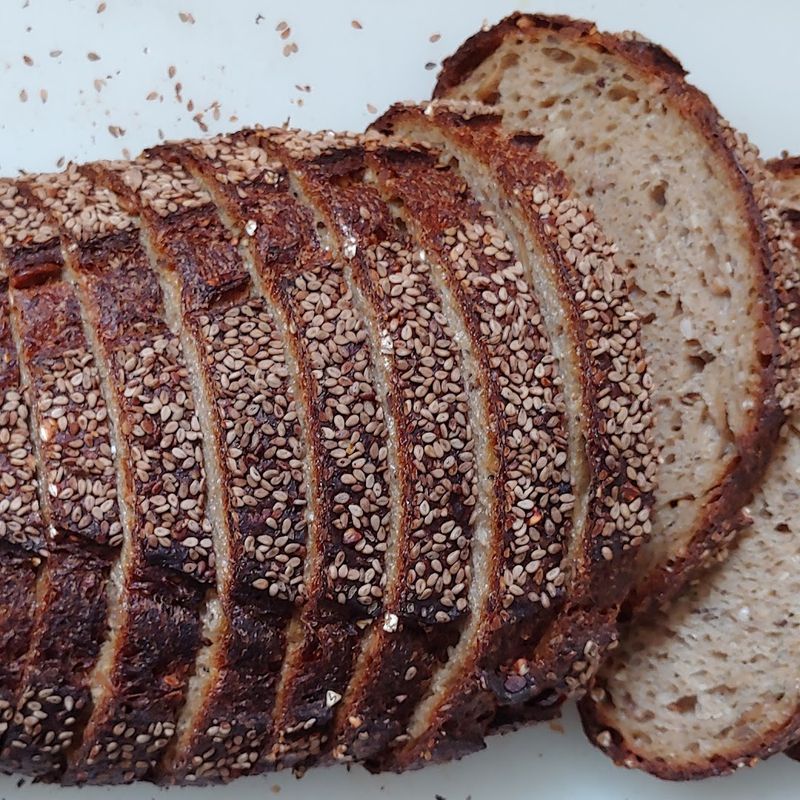
The country batard presents a deep, nutty aroma that signals the stone-milled flour and long fermentation. The crust cracks with an audible, satisfied snap that promises texture; the crumb is dense but tender because the germ and bran remain intact in milling.
I find it is the loaf that best showcases Bellegarde’s milling philosophy, with flavors that build on the tongue rather than hit you all at once.
Buy this if you want a versatile loaf that excels with butter, slow-cooked stews, or simply toasted for breakfast. Expect to wait until midday sometimes; popular loaves sell quickly, so arrive early or call ahead when possible.
Its sturdy structure also makes it excellent for open-faced sandwiches, where softer breads might collapse. The flavor deepens overnight, so do not worry if you cannot finish it immediately; a quick toast restores both aroma and crust the following morning.
Survive Tchoupitoulas Street And Fresh Bread Awaits
Bellegarde Bakery sits at 634 Orange Street in New Orleans, Louisiana. From downtown, follow Tchoupitoulas Street upriver into the Lower Garden District, then turn onto Orange Street for the final few blocks.
Drivers approaching from Interstate 10 can head toward the Central Business District before connecting with the river-side street grid. Keep navigation running, since one-way streets can make a missed turn more complicated than it looks.
The bakery now operates inside The Commissary, so watch for that name as you reach the address. Turn into the property, find an available space, and follow the building signs to Bellegarde.
Try The Baguette For Crust And Chew
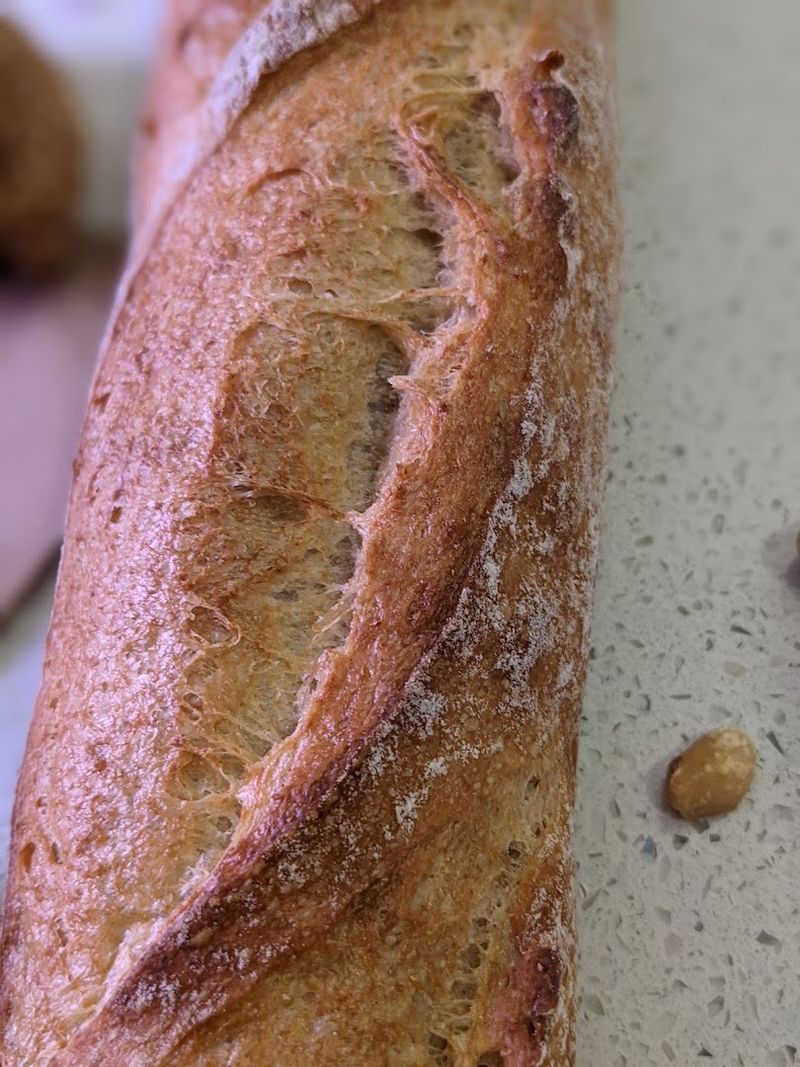
The baguette at Bellegarde is a study in crust-to-crumb balance; it manages both blistered snap and a satisfying, elastic chew thanks to overnight fermentation and occasional instant yeast in some formulas. Unlike industrial baguettes, the texture has personality and offers a lingering cereal note from the whole grains.
I noticed how the crust flakes into thin sheets and holds its structure when used for a sandwich.
Order one for sandwich experiments or to accompany a meal where crispness matters. If you’re taking it home, warm briefly in the oven to reactivate aroma and chew, and store in a paper bag to maintain crust.
Sample The Ciabatta For Open Crumb
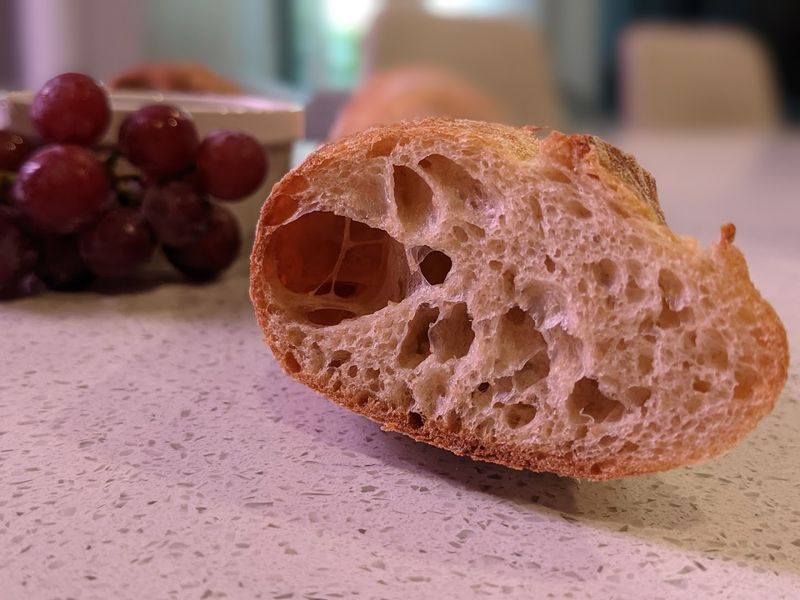
Ciabatta from Bellegarde surprises with an open, irregular crumb and a subtle, wheaty perfume that comes from stone-milled flour. The large gas pockets are a sign of gentle handling and long, cold fermentation which preserves flavor while building structure.
When toasted, the interior crisps unevenly and develops pockets of concentrated flavor where crumb and crust meet.
This loaf shines in panini-style preparations or simply rubbed with garlic and olive oil. Because it’s airy, slice with a serrated knife and handle gently.
Buying earlier in the day increases your chances of snagging a fresh piece before the afternoon rush wipes the shelves clean. Its light interior also absorbs tomato juices, melted cheese, and herb-infused oil without becoming heavy.
If you have leftovers, warm them briefly in the oven; the heat revives the crust while keeping the center pleasantly chewy and fragrant again inside.
Buy Stone-Milled Flour To Bake At Home
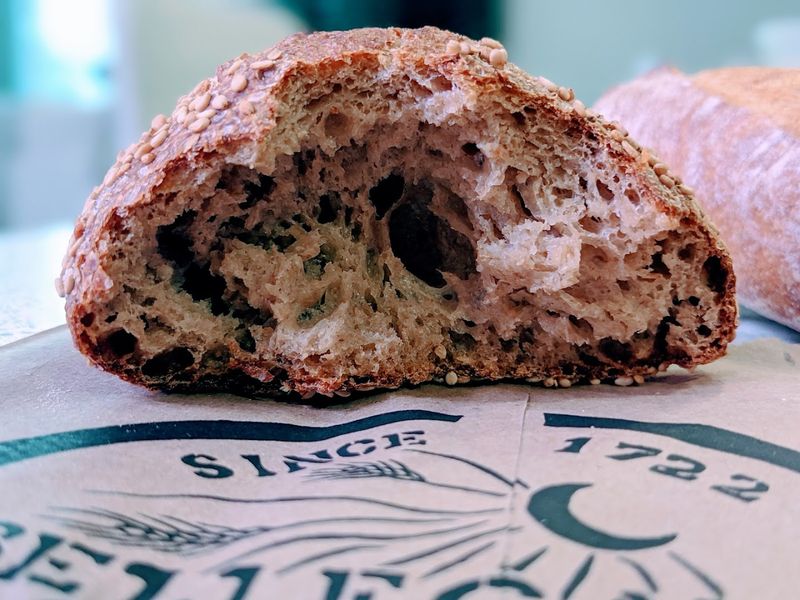
Bellegarde’s retail flour is an invitation to translate their methods into your kitchen because the grain is milled on-site with antique stone sets that keep germ and bran intact. Those intact components change hydration and handling.
Dough will feel heavier, more hydrated, and need gentler development than white, roller-milled flour. I once swapped a recipe and noticed the loaf held moisture differently and tasted more complex on day two.
When baking at home, increase hydration slightly and expect a longer autolyse or rest. Store flour in a cool, airtight container and use within a few months to enjoy peak flavor and nutrition.
Look For Seasonal Pastries And Specialties
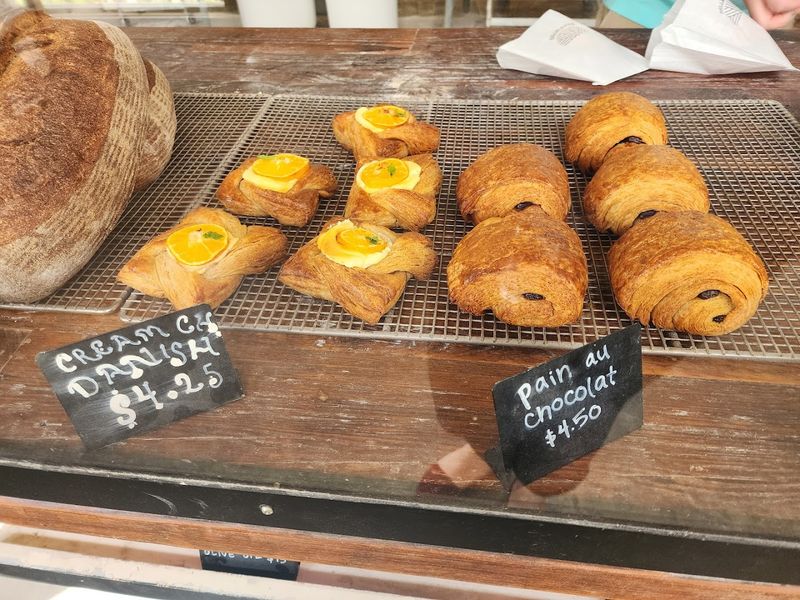
Seasonal pastries at Bellegarde reflect the same grain-first sensibility as their breads, often featuring whole-grain doughs or fillings made from local produce. These items rotate, so you might encounter fig and pecan confections or simple butter-forward viennoiserie depending on harvests and milling schedules.
The team treats pastries as a chance to highlight ingredient quality rather than flashy manipulations, so flavors feel honest and well-balanced.
Visit during seasonal peaks to try one-off items. If you see something intriguing, buy it then; turnover can be quick and items may not return until the next season.
Ask About Single-Origin Grain Sources
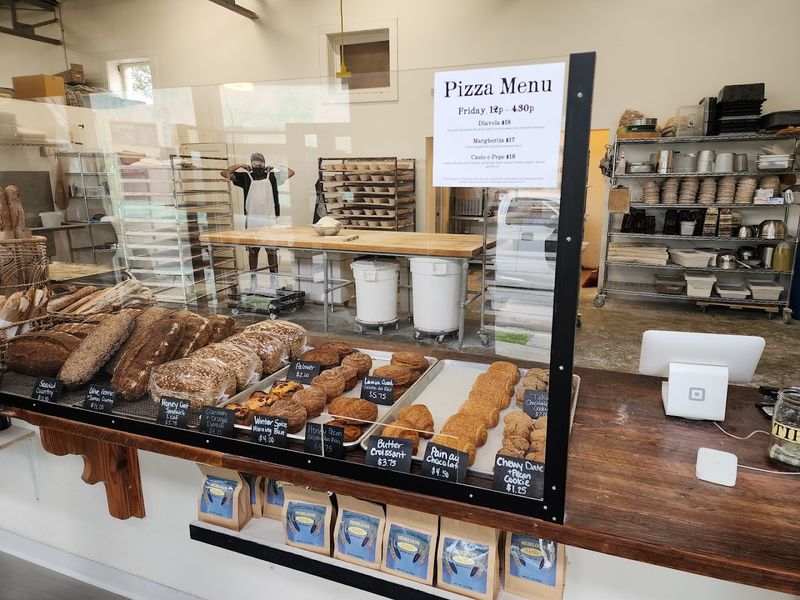
Bellegarde prides itself on sourcing single-origin, identity-preserved grains, which means the flavor of a loaf can often be traced back to a specific farm or varietal. This transparency matters because heirloom wheat, rye, and buckwheat each contribute distinct aromatic and textural qualities.
Staff are usually willing to explain provenance, a quick conversation reveals whether a flour came from a nearby grower or a regional heirloom program.
Ask about the grain when you buy. Knowing origin helps pair breads with spreads and dishes, and deepens appreciation for the chain of care from field to oven.
It also makes each purchase feel less anonymous, connecting the finished loaf to soil, weather, and farming choices. Those details can explain subtle shifts between batches and make repeat visits more interesting for attentive bread lovers over time as well.
Taste The Heirloom Grits And Pasta
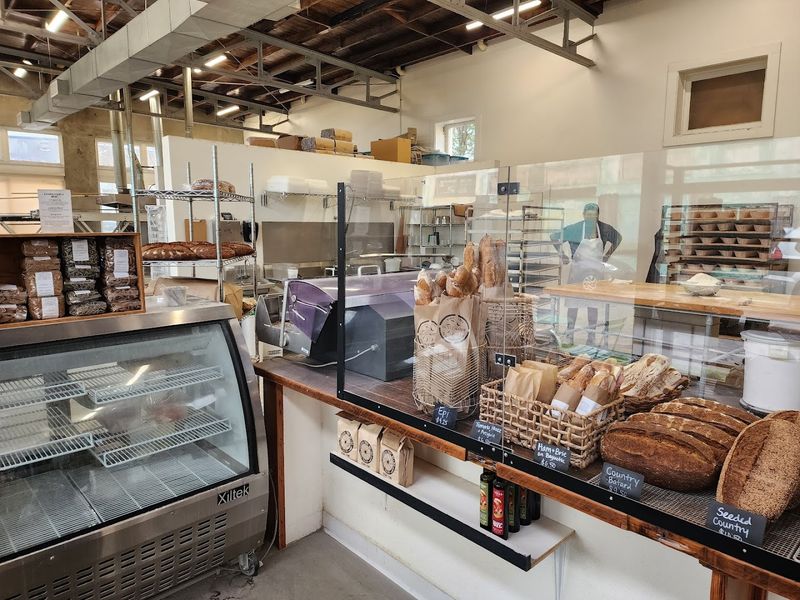
Beyond bread, Bellegarde makes heirloom grits and pasta that carry the bakery’s milling fingerprint: fuller texture, richer mouthfeel, and a deeper corn or wheat flavor depending on the grain. The grits are coarser and more aromatic than mass-market packages, while the pasta has a toothy bite that stands up to simple sauces.
These items reveal how milling choices translate across preparations and why chefs in town rely on their products.
Buy a small bag to taste at home; grits cook into a creamier finish and pasta benefits from minimal sauce to appreciate the grain quality. They make thoughtful edible souvenirs too.
Plan Around Store Hours And Peak Sellouts
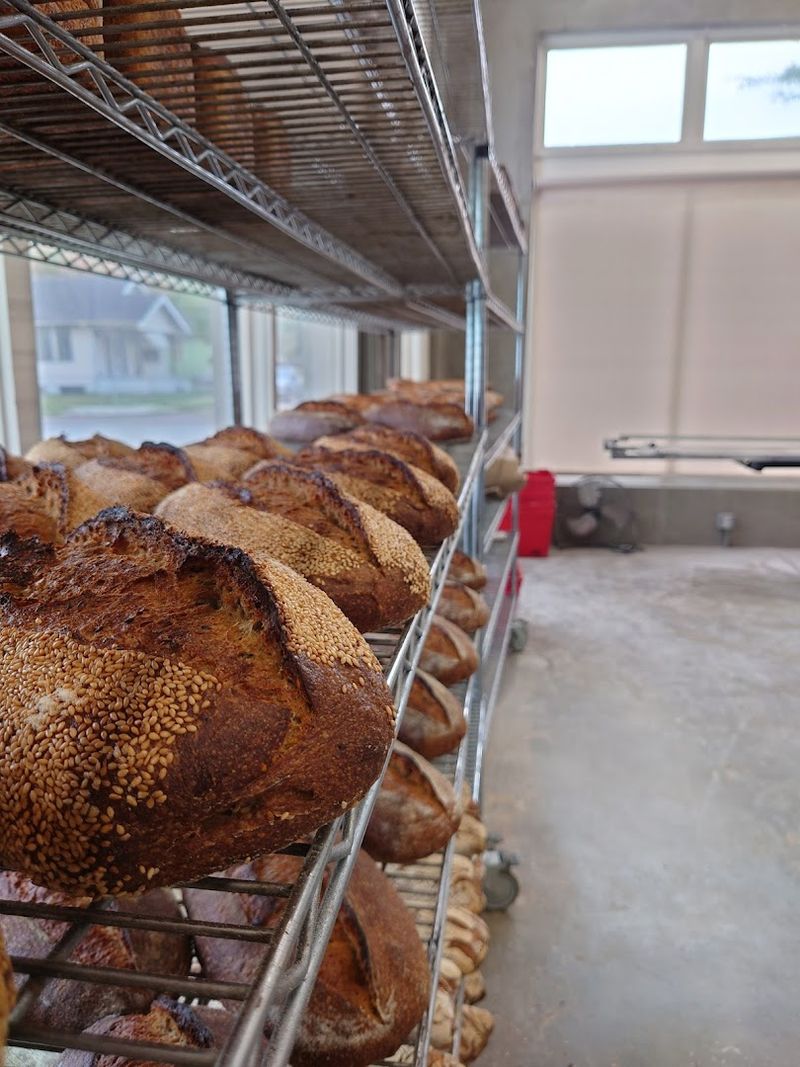
Bellegarde’s retail hours are compact, typically 11 AM to mid-afternoon, and the most prized loaves often sell out by late afternoon, especially on weekends. If you arrive after peak sell times you may find fewer choices, so plan a mid-morning visit for the best selection.
Staff sometimes reserve loaves for morning service or for local restaurant deliveries, which is why timing is practical and strategic.
Call ahead if you need a specific loaf or large order. That small step can prevent disappointment and ensures you get what you intended for dinner or a special gathering.
Talk To Staff About Fermentation And Texture
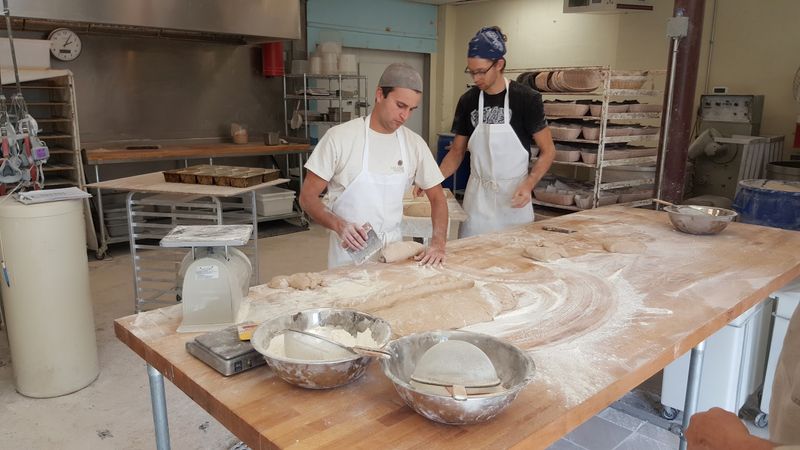
Conversations with Bellegarde staff often illuminate the technical choices behind a loaf: hydration, fermentation length, and milling all shape texture and flavor. Staff tend to be knowledgeable and can explain why a loaf feels chewy or why a crumb is more open.
Those details help you choose a loaf that matches your meal plans or storage intentions, and they make bakery visits feel like a collaborative exchange rather than a transaction.
Ask about fermentation times or recommended uses. A quick chat will help you pair breads with meals and manage expectations for how the loaf will evolve over several days.
You may also learn whether a particular bread freezes well, benefits from reheating, or tastes best on the day of purchase. That practical guidance reduces waste and helps every loaf reach the table at its most expressive and enjoyable stage.
Support Local Restaurants Using Their Flour
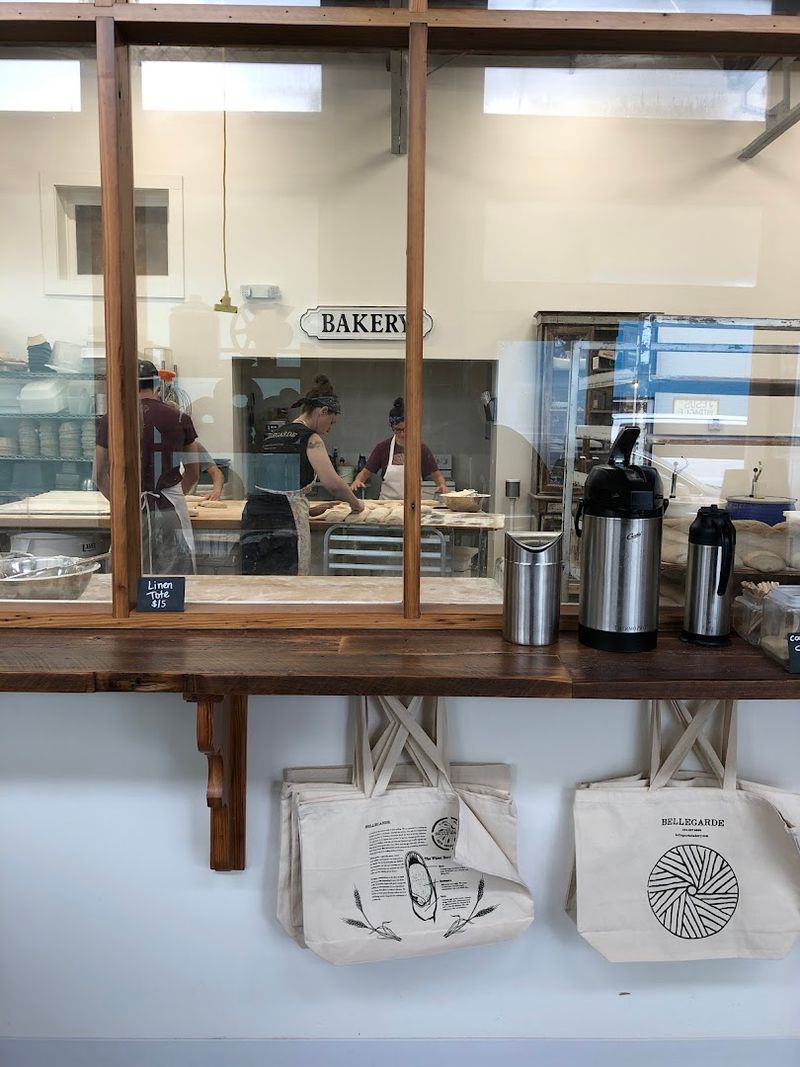
One way to appreciate Bellegarde’s impact is to seek out local restaurants that use their stone-milled flours and breads; these collaborations showcase how the bakery’s products perform in varied culinary contexts.
Chefs prize the flours for depth of flavor and reliable performance, and dining at establishments that use Bellegarde ingredients can highlight nuances you might otherwise miss.Observing how bread supports a composed dish teaches useful pairing instincts for home cooks as well.
Ask servers where the bread comes from when dining locally. It’s a small gesture that celebrates supply chains and helps you map the bakery’s wider influence across the city.
These partnerships also reveal how fermentation, crust, and grain character respond to sauces, proteins, and seasonal produce. Following those connections can turn a simple meal into a practical tasting lesson and offer fresh ideas for using artisan bread at home.