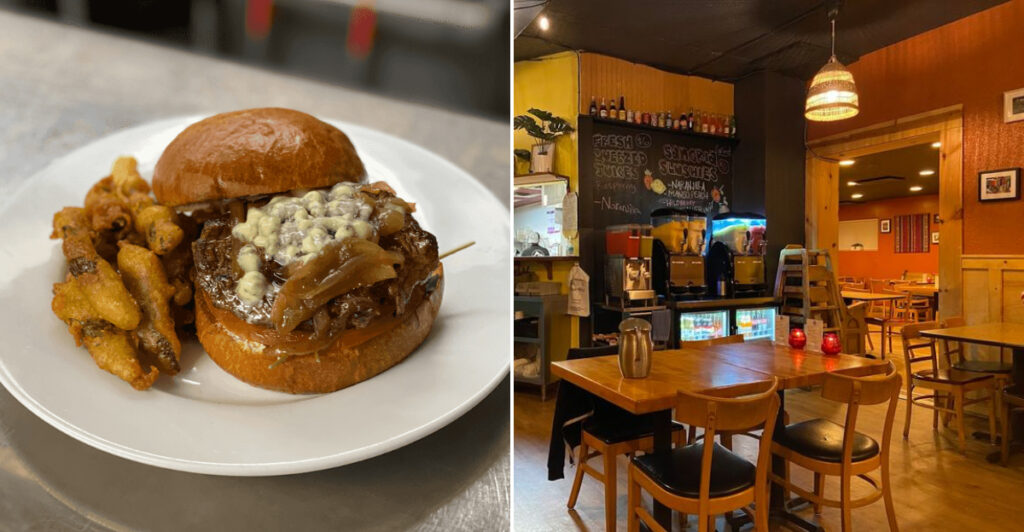
They say that the best way to experience a place is by its food.
Honestly, I can’t argue with that. A map can show lakes, highways, river bends, mill towns, and neighborhoods, but it cannot tell you where the real pulse sits.
For that, you need a table. You need steam rising from something slow-cooked, a griddle doing honest work, a bakery case that knows its audience, and a menu that does not chase applause.
They tell you who settled here, who stayed, who brought a recipe in a suitcase, and who adapted it to cold winters, long drives, and neighbors who know where to get the best food.
This state holds so much comfort and, with that, comforting meals. They have crunch, spice, broth, butter, smoke, dumplings, fish, and enough personality to make an ordinary meal feel like a friendly handshake.
If you want to understand what Minnesota tastes like at its most honest state, these are the places to go.
1. Gorkha Palace
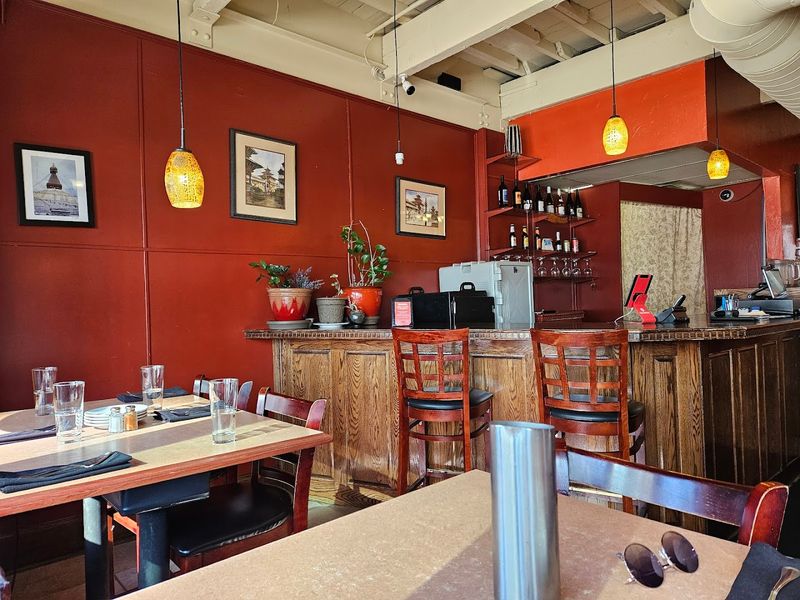
Minneapolis has a Nepali restaurant that has been feeding the Northeast neighborhood since 2010 presenting the crowd with tradition lovingly woven into the menu.
(Curtains drop.) I’m talking about Gorkha Palace, located at 23 4th St NE, Minneapolis, Minnesota.
This restaurant specializes in the cuisine of Nepal and northern India, two culinary traditions that share spices but diverge in technique and texture.
The menu centers on momos, Nepali steamed dumplings filled with spiced meat or vegetables. Served with a tomato-sesame dipping sauce, they feature delicate wrappers and a deeply seasoned filling that stands out in every bite.
Dal bhat, the traditional Nepali meal of lentil soup and rice, arrives with rotating seasonal side dishes. Saag paneer, made with fresh spinach and house-pressed cheese, pairs well with the Nepali specialties.
Gorkha Palace has earned recognition for introducing authentic Nepali cooking to Minneapolis at a time when options were limited. The kitchen serves whole spices toasted in-house rather than pre-ground blends.
Ordering both steamed and fried momos offers a simple comparison that highlights the kitchen’s technique and consistency.
2. The High Hat
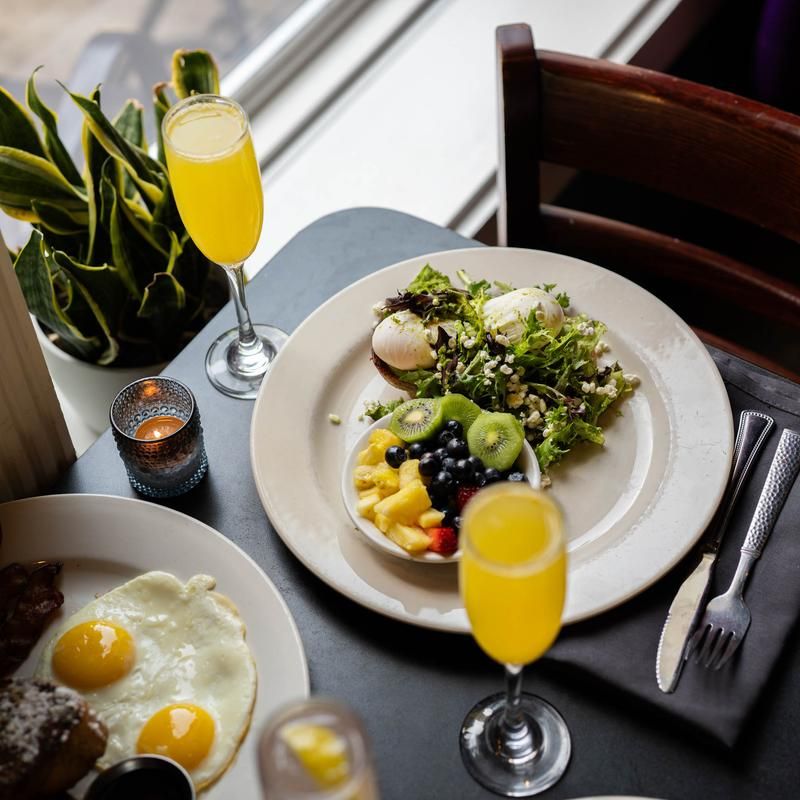
Saint Paul does not always get the food coverage it deserves compared to its twin city across the river. This whimsical restaurant at 485 Selby Ave, St. Paul, Minnesota, proves how unfair that is.
The menu at The High Hat draws inspiration from Southern American cooking traditions, particularly those of the Deep South, with a focus on dishes that take time and care to prepare correctly.
Fried chicken arrives with a crust that shatters on contact and a juicy interior that reflects a well-executed brine. Collard greens are cooked low and slow with smoked meat, building deep savory flavor through patience and steady heat.
Cornbread, baked in cast iron, has a crisp exterior and a moist crumb, kept intentionally savory in line with traditional Southern styles rather than sweeter Northern interpretations.
Shrimp and grits features stone-ground grits enriched with butter and topped with a sauce of tasso ham and Gulf shrimp. Mac and cheese, built on a roux-based cheese sauce and baked until lightly caramelized on top, is substantial enough to stand as a main dish.
The High Hat has been praised in regional food coverage for maintaining consistent preparation standards in a category often rushed for speed. Good Southern cooking is an act of generosity, and The High Hat reflects that philosophy.
3. George And The Dragon
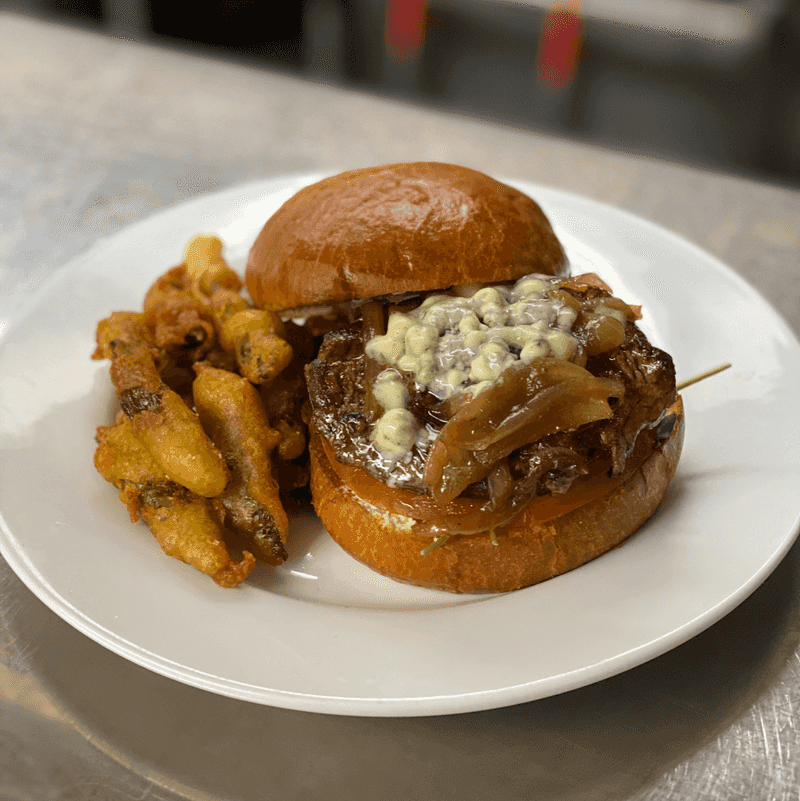
British food has a reputation problem in America. George and the Dragon took on the challenge of dismantling that stereotype with utmost seriousness.
The restaurant presents traditional British and Welsh pub cooking with a seriousness that most American interpretations skip entirely.
813 W 50th St in South Minneapolis, Minnesota became the headquarters of mending the British cuisine’s name in The States.
Fish and chips here use cod battered in a recipe that produces a crust with genuine crunch rather than a soggy shell. The chips, thick-cut and cooked through, come with malt vinegar and house-made tartar sauce.
Scotch eggs, hard-boiled eggs wrapped in seasoned sausage meat and deep-fried, arrive with a mustard dipping sauce that cuts through the richness. Meat pies rotate on the menu and have included options like steak and ale, chicken and leek, and lamb with rosemary.
The pastry on these pies uses a short-crust technique that holds its structure under a heavy filling. Bangers and mash, the British classic of sausages over mashed potatoes, comes with a rich onion gravy that ties the plate together.
British cooking, done right, is deeply satisfying in a way that sneaks up on you. Give it the chance it deserves.
Cheerio.
4. Pickwick Restaurant
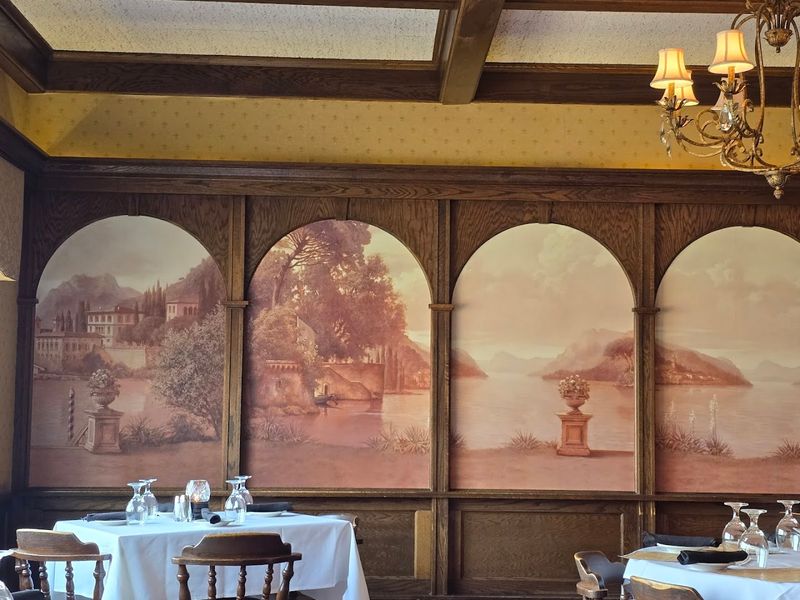
Duluth sits at the western tip of Lake Superior, and its food scene reflects the city’s long history as a port town with deep Scandinavian and Eastern European roots.
Pickwick Restaurant, at 508 E Superior St, Duluth, Minnesota, has operated continuously since 1914, making it one of the oldest restaurants in the state.
Prime rib stands as the signature dish, slow-roasted and served in cuts that range from modest to genuinely impressive in size. The au jus arrives separately, rich and deeply flavored from the roasting process.
Pickwick also serves a classic shrimp cocktail that has appeared on the menu in various forms since the restaurant’s early decades.
The walleye, Minnesota’s state fish, appears on the menu pan-fried or broiled, sourced from regional suppliers who work the lakes of the upper Midwest. Serving walleye in Duluth is not a novelty, it is a responsibility that Pickwick takes seriously.
The building itself dates to the early 20th century, and the interior preserves much of the original woodwork and design. Pickwick has hosted visiting guests, touring musicians, and generations of Duluth families over its 110-plus years of operation.
Some restaurants earn their place in history one plate at a time. Pickwick has been earning it since Woodrow Wilson was president.
5. Chimborazo
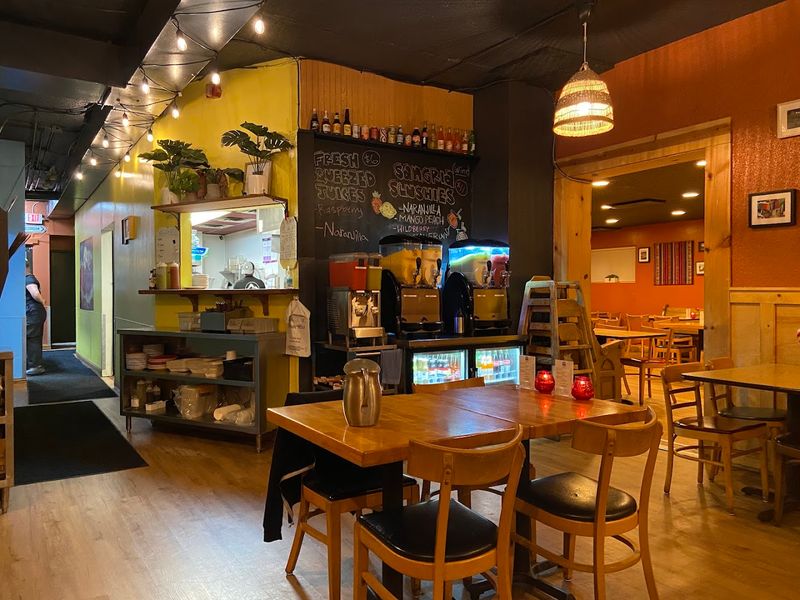
Ecuador does not get nearly enough credit in American food conversations, and Chimborazo has spent years making a strong case for why that needs to change.
The restaurant takes its name from the massive Andean volcano that sits just south of the equator in Ecuador. Whilst there are no volcanoes at 2851 Central Ave NE, Minneapolis, Minnesota, the food there is absolute fire.
Seco de pollo, a slow-braised chicken stew cooked with chicha de jora and cilantro, anchors the menu with a depth of flavor that most stews never reach.
Llapingachos, pan-fried potato cakes stuffed with cheese and served with peanut sauce, demonstrate how Ecuadorian cooking transforms humble ingredients into something genuinely satisfying.
Ceviche de camaron arrives with shrimp marinated in citrus and mixed with tomato, onion, and cilantro. Unlike Peruvian ceviche, the Ecuadorian version leans slightly sweeter and uses a tomato base that softens the acidity.
Fritada, a dish of slow-cooked meat fried in its own fat until crispy, comes with hominy and fried plantains on the side.
The restaurant sources ingredients that align closely with traditional Ecuadorian preparations, including dried chiles and fresh herbs that do not show up in typical grocery stores.
Chimborazo has been featured in multiple national food media pieces as one of the most authentic South American restaurants in the Midwest so rest assured your appetite is in good hands.
Ecuadorian food rewards curiosity. Order something you cannot pronounce, and let the kitchen do the explaining.
6. Giuseppe’s Italian Ristorante
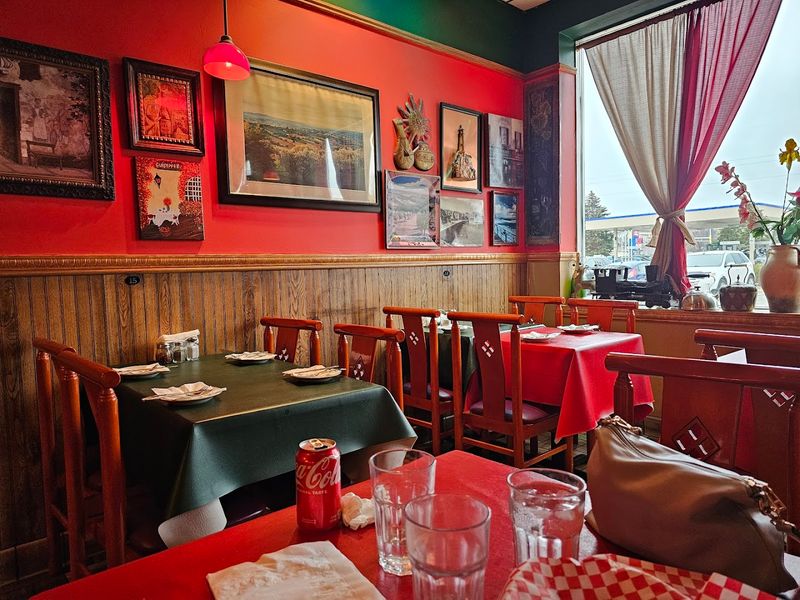
How much pasta does it take to make Rosemount drop the burgers and surrender to Italian cuisine?
Giuseppe’s Italian Ristorante is located at 15090 Chippendale Ave W, Rosemount, Minnesota. An American address hiding bits of Italy inside.
This place answers our initial question with cheese tortellini, baked mozzarella, homemade marinara, and enough parmesan to make you float there without even thinking about it.
One bite of their cheese tortellini and you are transported to Italy. No passport required.
Spaghetti Bolognese, on the other hand, goes straight for comfort, with pasta baked under mozzarella, grated parmesan, fresh parmesan, and meatballs.
Chicken or Shrimp Parmesan keeps the red-sauce rhythm going over linguine, while Tortellini Alla Romana folds baby peas and prosciutto into garlic cream sauce with fresh parmesan. I’m getting hungry as I write this…
After the hearty entree, the tables naturally shift to rowdy discussion over future dinner plans. Want the table to go dead silent for a minute?
Their cannoli are the ideal end to your meal. They will leave you feeling just “giusto”.
Giuseppe’s makes Rosemount dinners absolutely “delizioso”.
7. El Cubano
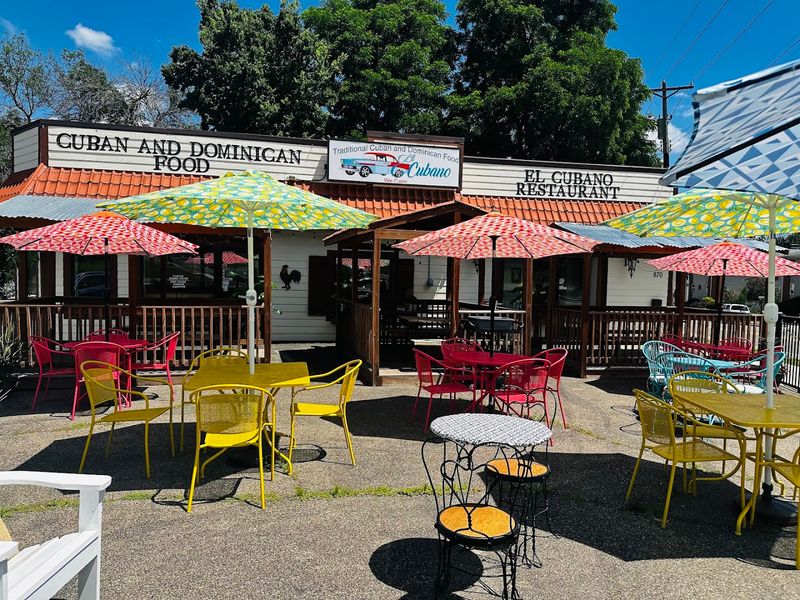
Cuban cuisine in Minnesota requires a certain leap of faith from diners who associate the food with Miami or New York. El Cubano makes that leap easy by delivering the real thing without shortcuts.
The Cuban sandwich here builds on ham, Swiss cheese, pickles, and mustard pressed in a plancha until the bread crisps and the cheese melts through. The pork is marinated in mojo, a blend of citrus, garlic, and oregano that deeply seasons the meat overnight.
Ropa vieja, shredded flank steak braised with tomatoes, bell peppers, and onions, carries the flavor of a dish that has simmered for hours. The name translates to old clothes in Spanish, reflecting the texture of the finished beef.
Black beans cooked from dry with sofrito and cumin arrive with rice and sweet fried plantains. Picadillo, a ground beef dish seasoned with olives, raisins, and tomato sauce, appears both as a plate and empanada filling.
El Cubano’s empanadas fry to a crisp golden shell without excess oil. The restaurant has built a strong following within the local Cuban and Caribbean community at 870 Dodd Rd, West St Paul, Minnesota.
I believe it’s time to share the secret with the rest of the crowd.
8. 50’s Grill
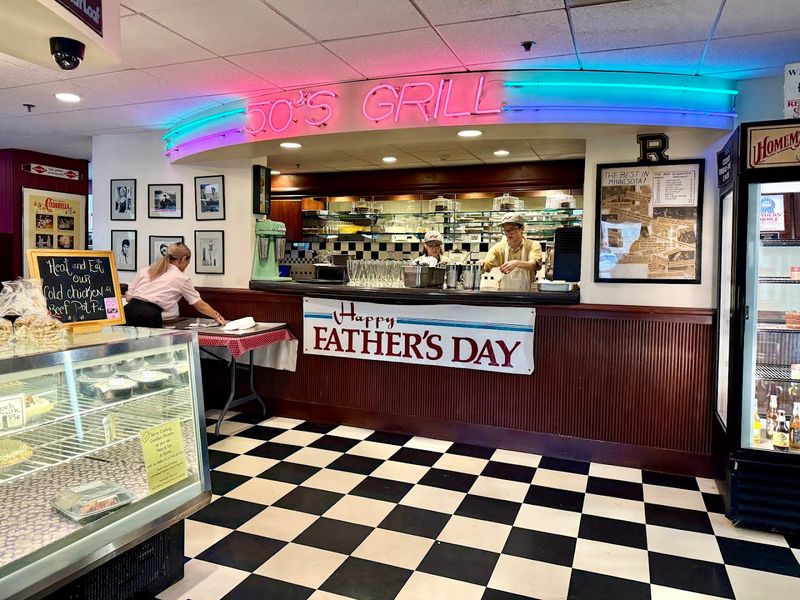
50’s Grill has anchored the local dining scene with a menu that does not try to be anything other than exactly what it advertises. This is a diner built around the American classics that made the format famous.
The burgers use fresh-ground beef patties cooked on a flat-top griddle, creating the kind of crust that a broiler or grill cannot replicate. A half-pound option arrives stacked with toppings, but the basic cheeseburger with American cheese and grilled onions holds its own.
Onion rings are battered and fried to order, delivering a crisp exterior and sweet onion center that stays intact with each bite.
Milkshakes come in classic flavors like chocolate, vanilla, and strawberry, made with real ice cream and whole milk blended thick enough to require a spoon at first. The malt version adds the old-school flavor.
It separates a diner shake from whatever experience you have with fast-food milkshakes.
Breakfast at 5524 Brooklyn Blvd, Brooklyn Center, Minnesota, is served all day.
It includes oversized buttermilk pancakes. Meatloaf with mashed potatoes and brown gravy remains a favorite, finished with a ketchup-and-brown-sugar glaze during baking.
50’s Grill has operated for decades and maintains the consistency that keeps regulars coming back.
Some menus do not need to evolve.
9. Angry Trout Cafe
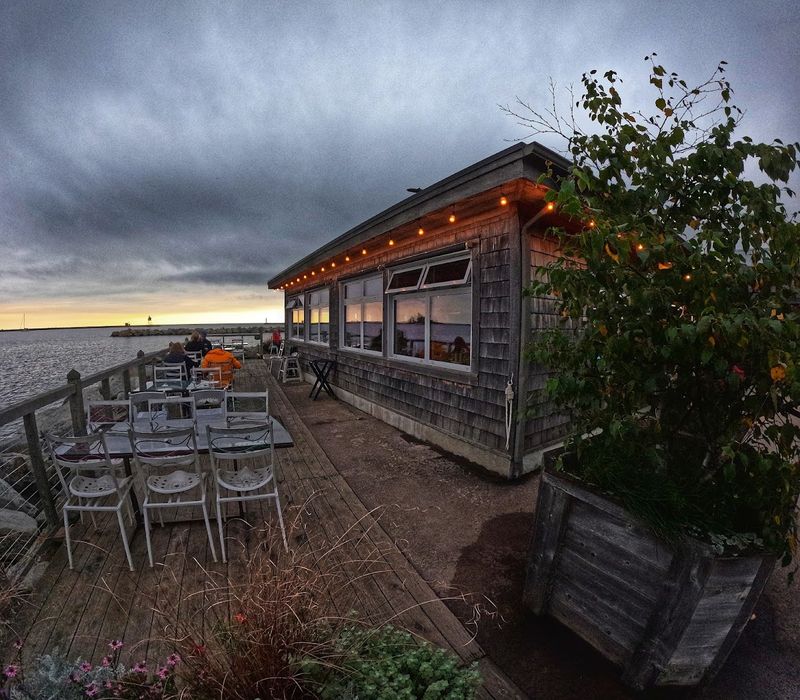
Angry Trout, happy crowds.
This place, located at 408 E Highway 61, Grand Marais, Minnesota, has crafted their menu around the fish and produce available within a short distance of the restaurant. They care about freshness as much as their guests.
Lake Superior herring, caught by local commercial fishermen, appears smoked, pan-fried, and in chowder form. The smoked herring plate uses a cold-smoking process that preserves the fish’s natural oil content and produces a flavor that has no real substitute.
Lake trout, another North Shore staple, arrives grilled simply with lemon and fresh herbs, a preparation that trusts the quality of the fish rather than masking it.
The restaurant sources vegetables from regional farms during the growing season, which in northern Minnesota runs from late May through early October.
Wild rice, harvested from Minnesota lakes by Ojibwe tribal members using traditional methods, appears as a side dish and in soup form. This is not a marketing detail, it is a direct connection between the table and the land.
The building itself sits close enough to Lake Superior that the view of the water is part of the meal. Drive the North Shore on an empty stomach.
Angry Trout will take care of the rest.
10. Wally’s Falafel And Hummus
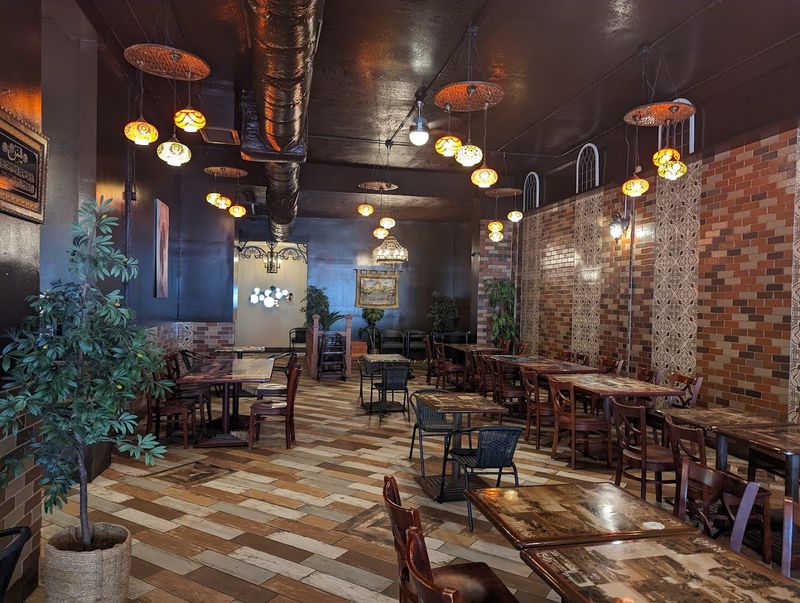
The University of Minnesota’s Dinkytown neighborhood has cycled through countless restaurants over the decades. Wally’s Falafel and Hummus has outlasted most of them by doing one thing extraordinarily well.
Falafel, the fried chickpea fritter that originated in the Middle East, serves as the foundation of the entire operation.
The falafel here uses dried chickpeas soaked overnight rather than canned, producing a denser, more flavorful fritter with a green interior from fresh herbs blended into the mix. Cumin, coriander, and parsley shape the seasoning, while controlled frying ensures a crisp exterior without burning.
Served in a pita with tahini, tomato, cucumber, and pickled turnips, the sandwich balances texture and flavor in a way that has built a loyal following over decades.
Hummus is made fresh daily from chickpeas blended with tahini, lemon, and garlic, then finished with olive oil and paprika. The result is smooth, nutty, and far removed from commercial versions.
Baba ganoush, made from roasted eggplant blended with tahini and lemon, is also served with warm pita bread.
Wally’s offers falafel bowls as well, combining rice, salad, and multiple sauces for a more customizable meal. Operating at 417 14th Ave SE, Minneapolis, Minnesota, the restaurant has become a neighborhood fixture.
Great falafel requires consistency and care, and Wally’s has spent more than three decades refining both.