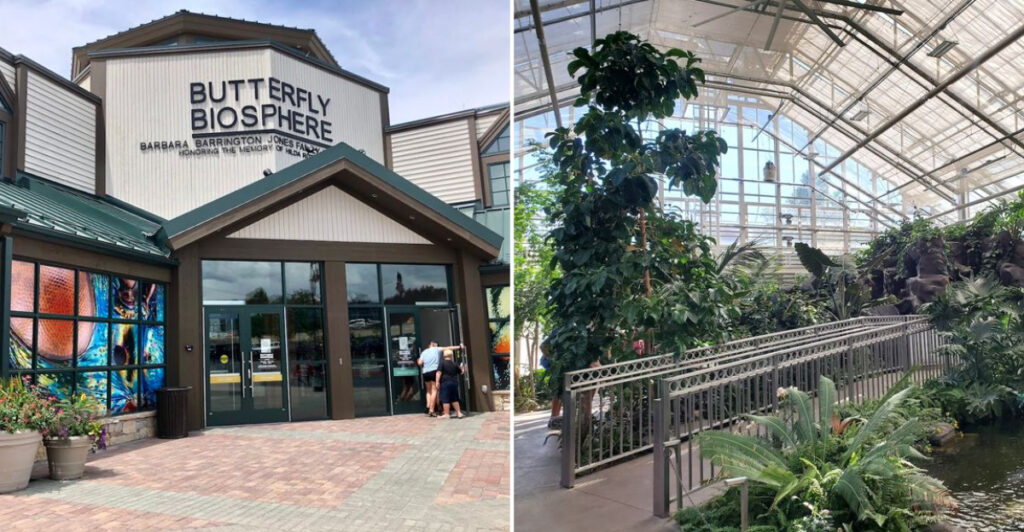
Butterflies can make even the most over-scheduled day feel like it suddenly remembered how to breathe. In northern Utah, this indoor greenhouse turns a simple outing into something soft, colorful, and surprisingly mesmerizing, with thousands of delicate wings moving through warm air all around you.
It sounds almost too sweet at first, right? Then you are there, watching a butterfly drift past your shoulder, and suddenly the whole thing makes perfect sense.
This is the rare family-friendly stop that does not feel built only for kids, which is part of its charm. Dates work here.
Solo visits work here. A random Tuesday afternoon absolutely works here.
There is enough wonder to keep children wide-eyed, but also enough calm to make adults slow down and actually enjoy the moment. Utah’s best little escapes are not always loud, expensive, or complicated.
Sometimes they just flutter past your face.
A Living Greenhouse You Actually Get to Walk Through
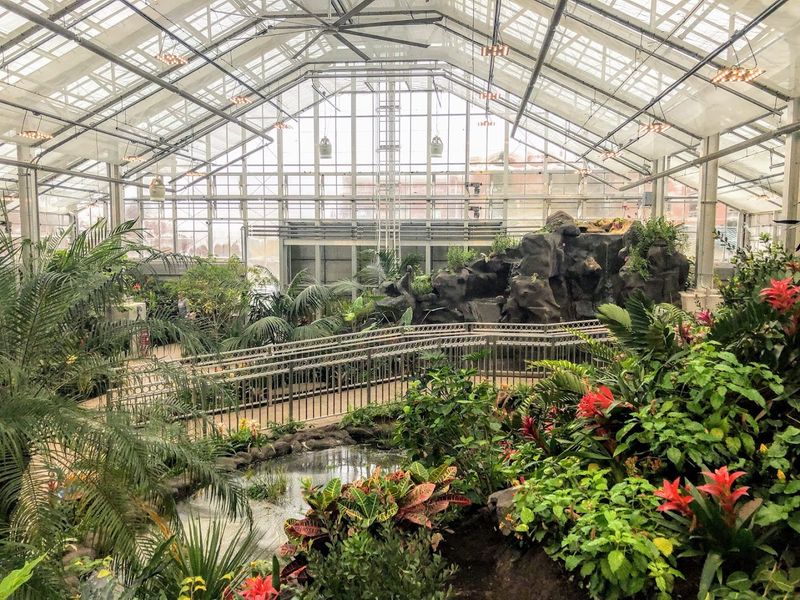
Walking into the this spot feels less like entering a museum and more like stepping sideways into a different climate zone. The air shifts immediately, humid and warm, carrying the faint green scent of tropical plants even on the coldest Utah January day outside.
Curved walkways guide you through dense, well-maintained landscaping that genuinely earns the word lush.
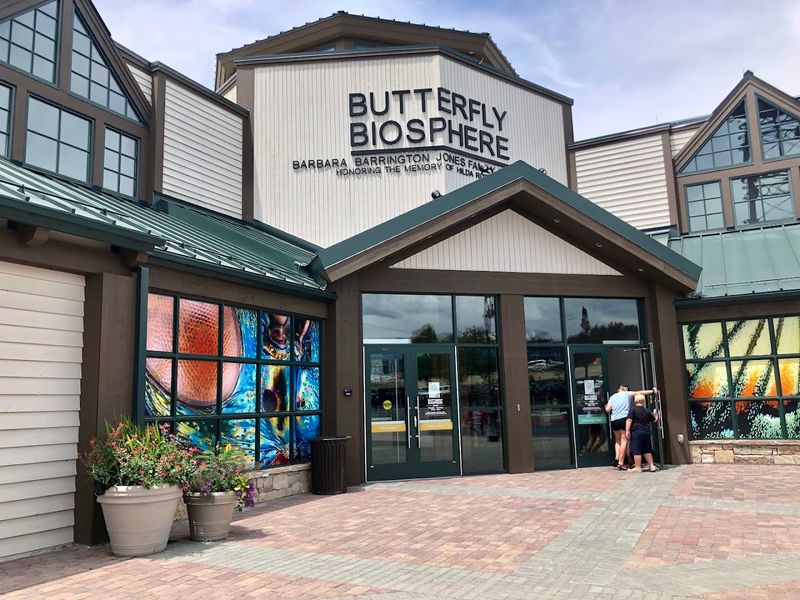
Located at 3003 N Thanksgiving Way in Lehi, the biosphere was designed to mimic a rainforest environment, and the effect lands. Broad-leafed plants, water features, and layered greenery create a setting where butterflies are not behind glass but genuinely sharing the space with you.
Going on a sunny morning gives you the best experience, since butterflies are noticeably more active in bright conditions. Visitors who arrive early tend to encounter a more relaxed crowd and a more animated butterfly population.
Standing still for even thirty seconds dramatically increases how many land near you, which is the kind of low-effort reward that feels almost unfair in the best possible way.
Pro Tip: Wear bright colors if you want butterflies to land on you. Floral patterns and yellows reportedly do particularly well inside the biosphere.
The Sheer Variety of Butterfly Species on Display
Not all butterfly experiences are created equal, and the species variety here is one of the things that consistently catches visitors off guard. You are not looking at a handful of monarchs fluttering politely around a potted plant.
The biosphere hosts a rotating collection of breeds that includes some of the more visually dramatic tropical species, with wingspans and color combinations that feel almost cartoonishly vivid in person.
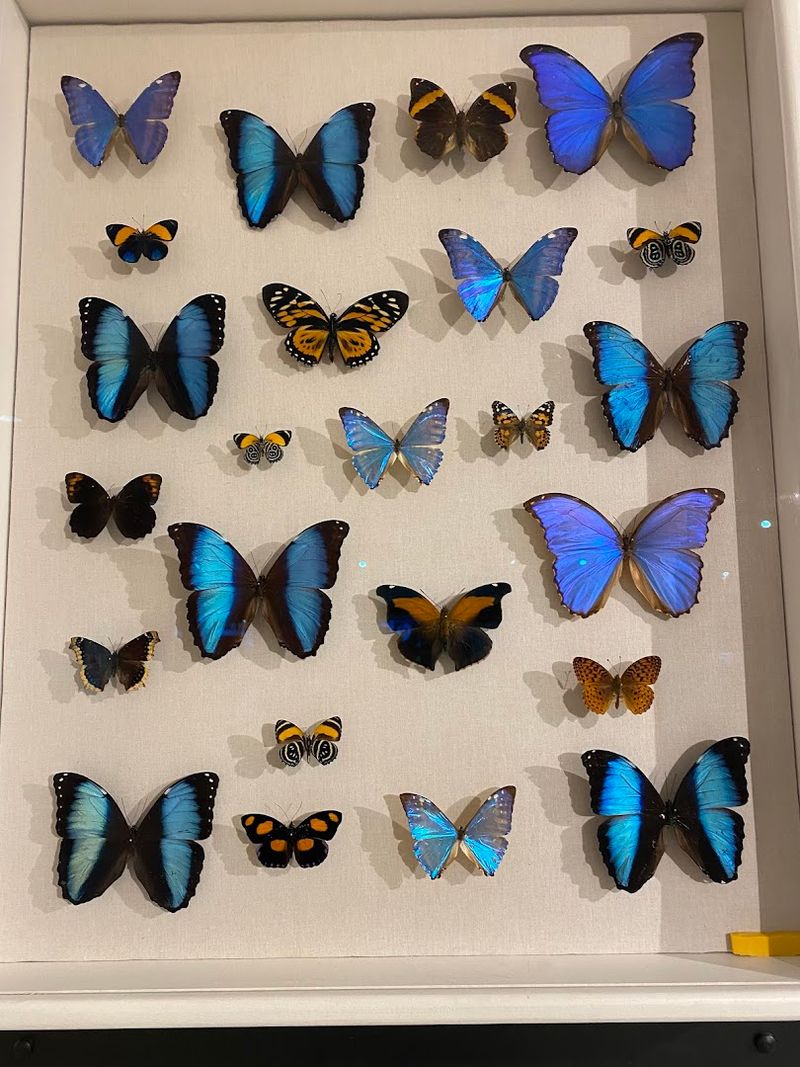
Framed specimens near the entrance give you a preview of what to look for once you step inside, essentially turning the whole visit into a low-stakes scavenger hunt. Visitors who go later in the evening note that many butterflies settle and perch, making observation and photography significantly easier than during peak afternoon activity.
The staff is genuinely knowledgeable about the species on display and happy to answer questions, which adds real educational value without the experience ever feeling like a lecture. For anyone who enjoys wildlife photography, this place offers a controlled environment with extraordinary subjects.
Best For: Nature photographers, curious adults, and kids old enough to appreciate the difference between a painted lady and an owl butterfly will find the variety here genuinely rewarding.
Watching Butterflies Emerge From Their Chrysalis
There is a specific kind of quiet wonder that happens when you watch a butterfly climb out of its chrysalis for the first time, and the Butterfly Biosphere actually gives you a front-row seat to that process. The chrysalis observation area is one of the more underrated stops in the whole experience, the kind of thing that holds adult attention just as firmly as it holds a child’s.
Seeing the development lab where butterflies complete their transformation from chrysalis to adult puts the entire biosphere into context. Suddenly the creatures flying around you are not just decorative.
They are the living result of a biological process you just watched in real time, and that reframes the whole visit in a surprisingly meaningful way.
Visitors who arrived early on a weekday reported having this area largely to themselves, which makes the experience feel more personal. If you have kids who are at the age where science is starting to click, this single exhibit can do more for their curiosity than a month of worksheets.
Why It Matters: The chrysalis lab is not just a visual treat. It anchors the educational side of the visit without requiring any effort from the visitor to find it meaningful.
Bug and Insect Exhibits Beyond the Butterfly Dome
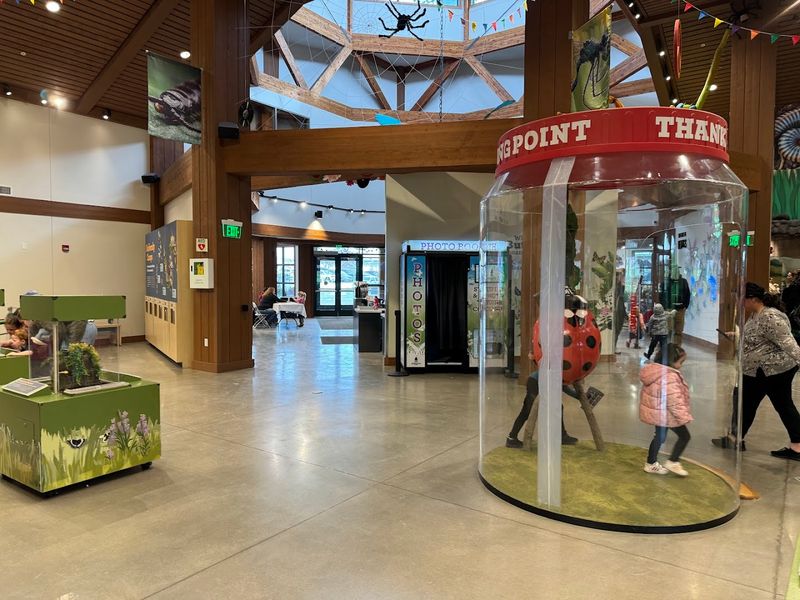
Before you even reach the butterfly dome, the museum section of the Butterfly Biosphere earns its keep with a solid lineup of insect exhibits that range from fascinating to genuinely impressive. Framed specimen collections line the walls, offering a look at preserved butterflies and moths with an almost gallery-like presentation.
The variety is broad enough to hold adult interest without overwhelming younger visitors.
The honeybee exhibit is a recent addition that has become a genuine highlight. You can watch bees moving through a visible hive, collecting pollen and tending to the queen through a clear display that makes the whole operation surprisingly easy to follow.
The leaf cutter ant exhibit runs a close second, with ants visibly hauling leaf fragments through a connected tunnel system in a way that is oddly hypnotic to watch.
Periodic live presentations happen throughout the day where staff members introduce visitors to various insects and offer handling opportunities for those brave enough. Not everyone takes them up on it, but the option exists and the presentations are accessible to all ages.
Insider Tip: The insect exhibits are a smart starting point if you arrive with young children who need a warm-up before entering the butterfly dome itself. It sets expectations and builds excitement naturally.
How Families, Couples, and Solo Visitors All Find Their Groove Here
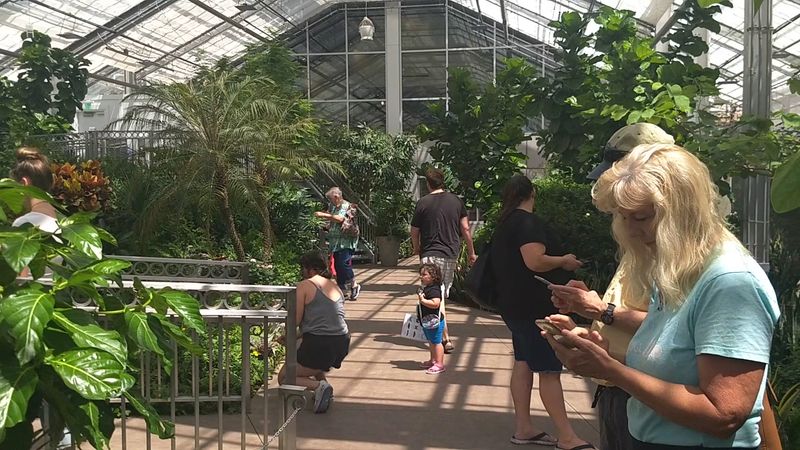
One of the genuinely impressive things about the Butterfly Biosphere is how cleanly it works for completely different kinds of visitors without feeling like it is trying too hard to please everyone. Families with young children get a playground area adjacent to the main exhibits, interactive stations positioned throughout the museum, and a sensory-rich environment that keeps energy levels pointed in useful directions.
Couples visiting for a date find a surprisingly peaceful atmosphere, especially during weekday evenings when foot traffic drops and the butterflies settle into a slower, more photogenic mode. The greenhouse setting and the overall design of the space create a genuinely relaxed environment that does not require a shared interest in entomology to enjoy.
Solo visitors, particularly those with a photography bent, tend to get the most out of a morning visit when the light is good and the butterflies are active. The staff is approachable and the pace of the whole experience is self-directed, meaning no one is rushing you through on a timed tour.
Who This Is For: Families, date planners, and curious adults who want an hour or two of genuine engagement. Who This Is Not For: Visitors expecting a large-scale theme park experience or those sensitive to humid indoor environments.
Timing Your Visit for the Best Butterfly Activity
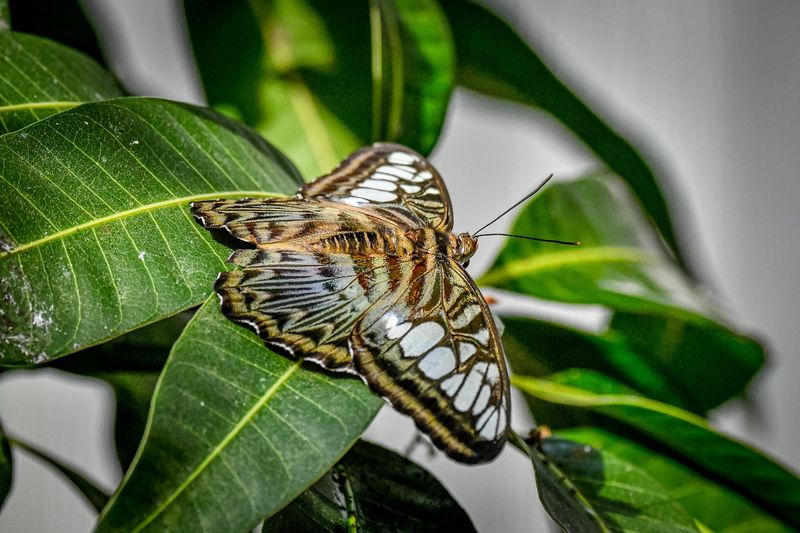
Timing genuinely matters here, and it is one of those small planning decisions that separates a good visit from a great one. Sunny mornings consistently produce the most active butterfly behavior, with the insects moving freely through the dome in a way that feels genuinely dynamic.
Cloudy or rainy days tend to slow things down considerably, with butterflies perching and sitting still rather than flying.
Arriving when the biosphere opens at 9 AM on a weekday gives you the quietest crowd conditions and the most alert butterfly population simultaneously. Weekends draw heavier family traffic, which can make the dome feel busy, particularly during peak afternoon hours.
Visitors who prefer a calmer environment consistently recommend weekday mornings as the sweet spot.
Evening visits have their own appeal. Many butterflies settle onto plants and surfaces as the day winds down, making them far easier to observe up close and photograph without chasing them across the dome.
It is a different kind of experience, more contemplative and less kinetic, but genuinely worthwhile for those who prefer a slower pace.
Best Strategy: Sunny weekday mornings for maximum activity and minimum crowds. Weekday evenings as a solid alternative for close-up observation and a quieter, more relaxed atmosphere throughout the facility.
Making the Most of Your Visit: Practical Planning Notes

The Butterfly Biosphere sits at 3003 N Thanksgiving Way in Lehi, part of the larger Thanksgiving Point campus that includes other attractions worth exploring on a separate visit. The biosphere itself runs Tuesday through Saturday from 9 AM to 8 PM, with Sunday and Monday closures to keep in mind when planning.
Calling ahead at 801-768-2300 or checking the official site at thanksgivingpoint.org is the simplest way to confirm current hours and ticket options before you go.
Tickets are priced on the higher end for a single-attraction visit, and several visitors note that a season pass or sampler package through Thanksgiving Point makes more financial sense if you plan to return or visit multiple attractions on the campus. It is worth doing a quick comparison before purchasing at the door.
The gift shop near the exit carries preserved butterfly shadow boxes, butterfly-themed items, and a solid range of take-home options for both kids and adults. It is the kind of shop that actually reflects the experience rather than just selling generic souvenirs.
A post-visit stroll through the broader Thanksgiving Point grounds makes for a natural and easy way to extend an already full afternoon.
Quick Verdict: One of Utah’s most distinctive indoor attractions, best experienced on a sunny weekday morning with a little advance planning and a willingness to stand very, very still.