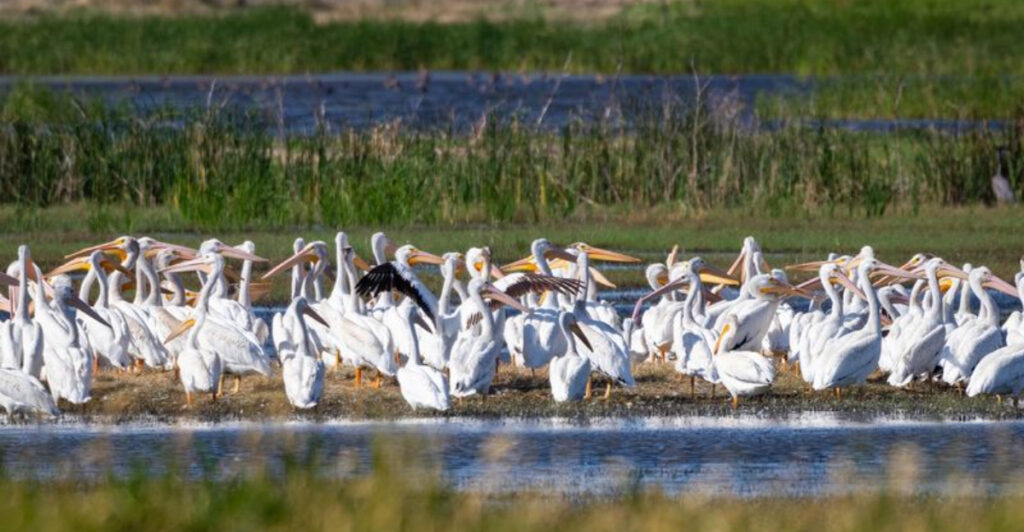
A secret sea in the middle of Kansas sounds like a trick until the horizon starts filling with water, sky, and birds.
This massive marsh has the kind of scale that makes the Great Plains feel suddenly unfamiliar, as if the landscape decided to keep one of its best surprises hidden in plain sight.
The appeal is not loud. It is the strange, beautiful feeling of standing somewhere that seems bigger than expected, quieter than expected, and far more alive than a quick glance at the map would suggest.
Places like this remind you that nature does not always need mountains or coastlines to feel dramatic.
I love stops that make me rethink what a state can look like, because the best views are often the ones that catch my expectations completely off guard.
The Largest Interior Marsh In The United States
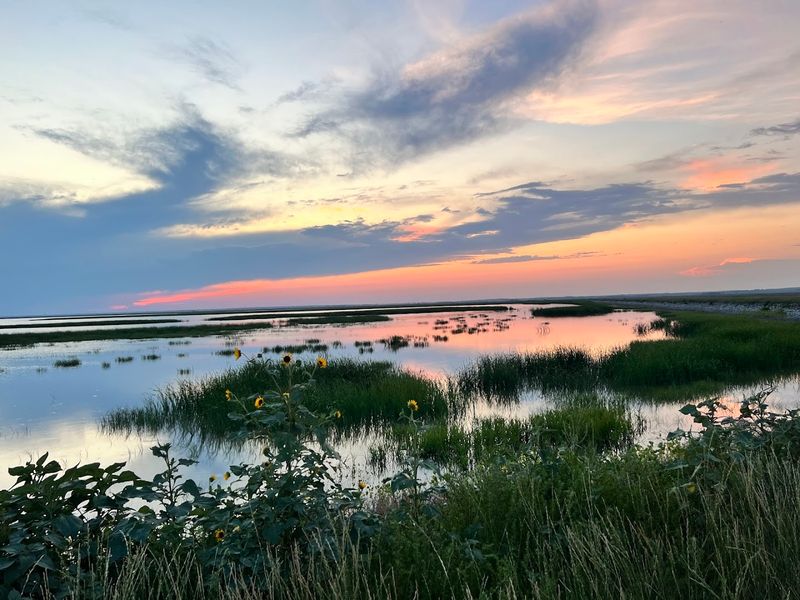
Size matters when it comes to wetlands, and Cheyenne Bottoms does not disappoint.
The full basin covers 41,000 acres of central Kansas landscape, while the state-managed wildlife area covers 19,857 acres within that larger wetland complex.
That is still a staggering amount of water and wetland habitat sitting right in the middle of the Great Plains, far from any ocean coast.
The sheer scale creates a visual effect that feels almost surreal, like a secret inland sea that somehow nobody told you about.
The marsh sits in a natural basin formed by ancient geological activity, which allows water to collect and pool across a massive area.
This natural bowl shape has made the location a critical ecological hotspot for centuries.
Standing at the edge and looking out, the horizon can fill with water, reeds, mudflats, and sky, making Kansas feel surprisingly oceanic.
A Critical Stopover On The Central Flyway
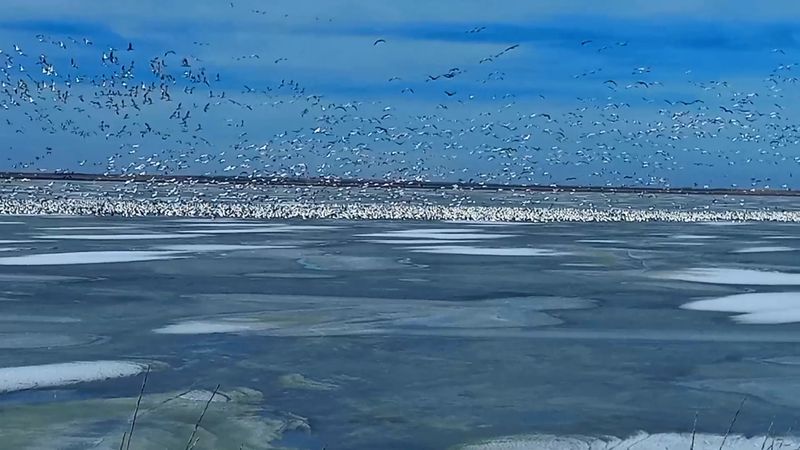
Every spring and fall, the skies above central Kansas transform into something almost cinematic.
Cheyenne Bottoms Wildlife Area sits directly on the Central Flyway, one of North America’s most heavily traveled bird migration routes.
Studies estimate that about 45 percent of the North American shorebird population stops here during spring migration.
That figure alone makes it one of the most ecologically significant wetlands on the entire continent, not just in Kansas.
Birds use the marsh as a critical refueling stop, feeding on invertebrates and resting before continuing their long journeys north or south.
Without places like this, huge numbers of birds would struggle to complete their migrations successfully.
The concentration of species here during peak migration is genuinely jaw-dropping, with the water surface and sky both alive with movement, sound, and feathers in every direction you look.
Over 320 Bird Species Recorded Here
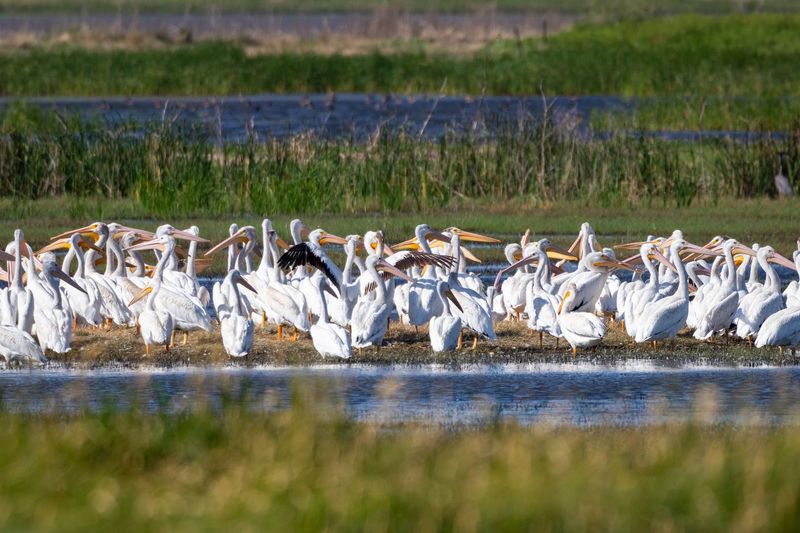
Bird enthusiasts often keep life lists, and Cheyenne Bottoms Wildlife Area is the kind of place that can add dozens of new species in a single visit.
More than 320 species of birds have been recorded at this Kansas wetland, making it one of the richest birding destinations in the entire country.
On any given day, especially during migration, you might spot sandhill cranes, whooping cranes, northern pintails, bald eagles, white pelicans, Franklin’s gulls, great blue herons, and red-winged blackbirds all sharing the same stretch of water and sky.
The variety is genuinely remarkable for a landlocked state. Birders travel from across the country specifically to add rare species to their lists here.
Even casual nature lovers who have never lifted binoculars find themselves completely captivated by the sheer density and diversity of feathered life on display throughout the property.
The Whooping Crane Connection
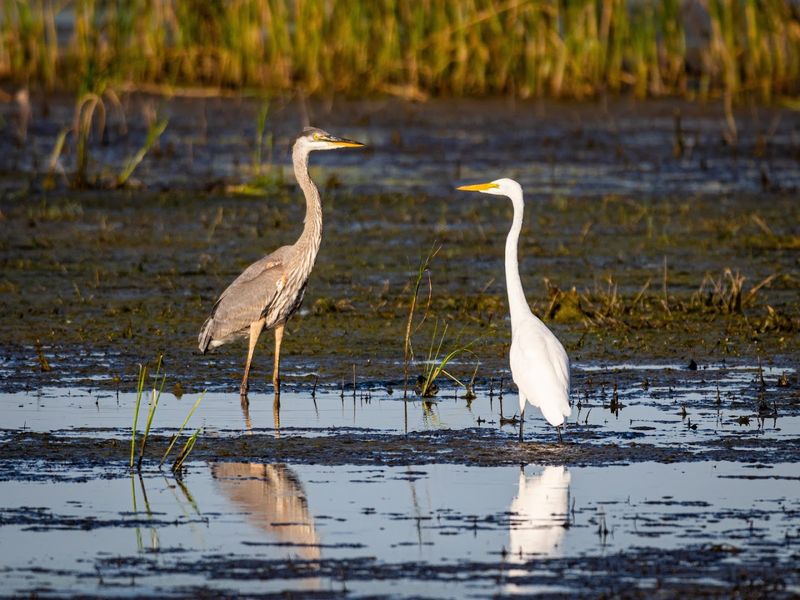
Few birds carry as much conservation weight as the whooping crane, and Cheyenne Bottoms Wildlife Area is one of the places where lucky observers have spotted this iconic and endangered species during migration seasons.
Whooping cranes are among the rarest birds in North America, with fewer than 700 remaining in the wild today.
Their migration route takes them through central Kansas, and wetland habitat here provides exactly the rest and food they need to continue their journey safely.
Spotting one in the wild is considered a bucket-list moment for birders and nature lovers alike.
The fact that a Kansas marsh plays a genuine role in the survival of this species adds a powerful layer of meaning to any visit.
It is a quiet reminder that large, well-managed wetlands are not just beautiful but absolutely essential to keeping rare wildlife alive on this planet today.
Ancient Geology Created This Natural Basin
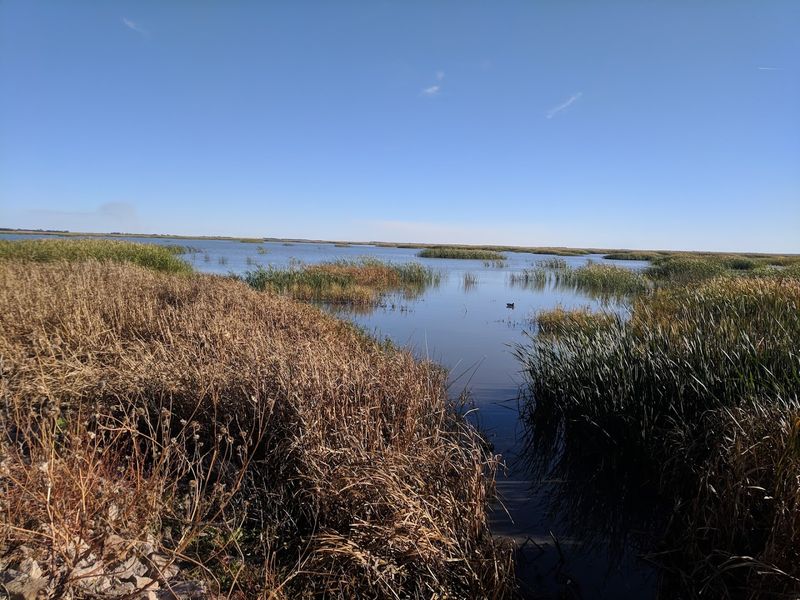
Long before any conservation efforts began, the land itself was already doing something interesting.
The basin that holds Cheyenne Bottoms was formed through ancient geological processes, creating a natural low-lying depression in the otherwise flat Kansas landscape.
This depression naturally collects rainfall and runoff from the surrounding plains, filling the basin with the shallow water that wetland ecosystems depend on.
The geology here essentially built a perfect wildlife trap, a place where water gathers and life follows.
Understanding this geological origin helps explain why the marsh exists here at all. It is not an artificial reservoir or a man-made pond.
It is a product of the land itself, shaped since the late Pleistocene. Humans have certainly managed and maintained it, but the fundamental structure was already in place long before anyone arrived with a plan.
Nature, it turns out, had excellent engineering instincts in central Kansas all along.
The Wildlife Area Is Open Around the Clock
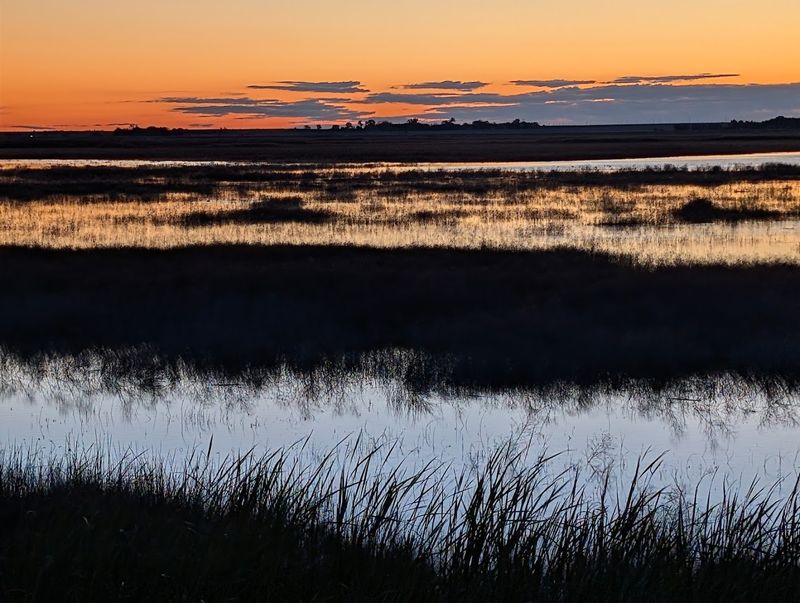
One of the most practical and appealing facts about Cheyenne Bottoms Wildlife Area is that visitors can explore established roads, parking areas, and observation points without treating it like a ticketed attraction.
There are rules and refuge closures, not an ordinary park gate or a simple 24-hour attraction.
This flexible access means early risers can catch the marsh at sunrise, when mist rises off the water and birds begin their morning routines in golden light.
Evening visitors can enjoy the wetland under a Kansas sky, with the sounds of frogs and nocturnal birds filling the air.
For photographers, that flexibility is particularly valuable because the best light for capturing wildlife and landscapes happens at the edges of the day.
Checking posted regulations and current conditions before heading out keeps the visit smooth, respectful, safe, and genuinely accessible for travelers who arrive prepared, patient, and aware.
An Education Center That Brings The Marsh To Life
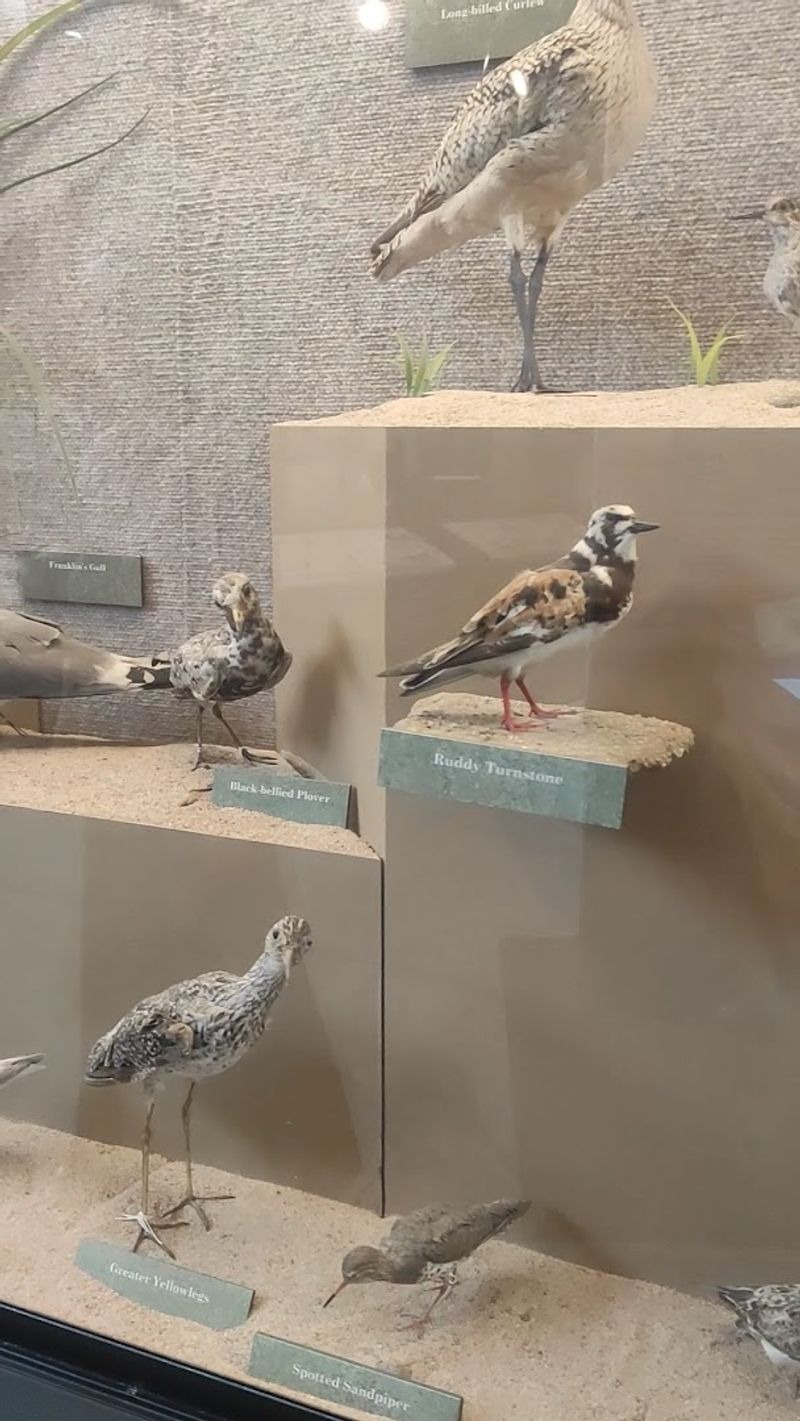
Not everyone arrives at a wildlife area as an expert, and that is perfectly fine at Cheyenne Bottoms Wildlife Area.
Kansas Wetlands Education Center is designed to welcome curious visitors of all ages and knowledge levels, turning a simple outing into a genuine learning experience.
Inside, interactive, state-of-the-art displays cover the ecology of the marsh, the science of bird migration, and the conservation history of this remarkable Kansas wetland.
Live animals, hands-on exhibits, and programs help bring abstract concepts to life in ways that are genuinely engaging rather than dry or textbook-heavy.
Families with kids find the center especially worthwhile, as children can touch, explore, and ask questions in a space designed for discovery.
A gift shop rounds out the experience with nature-themed items and science-focused souvenirs.
The nearby education center sits at 592 NE K-156 Highway on the southeast side of Cheyenne Bottoms and serves as an ideal starting point for any visit to the marsh nearby.
Remarkable Wildlife Beyond The Birds
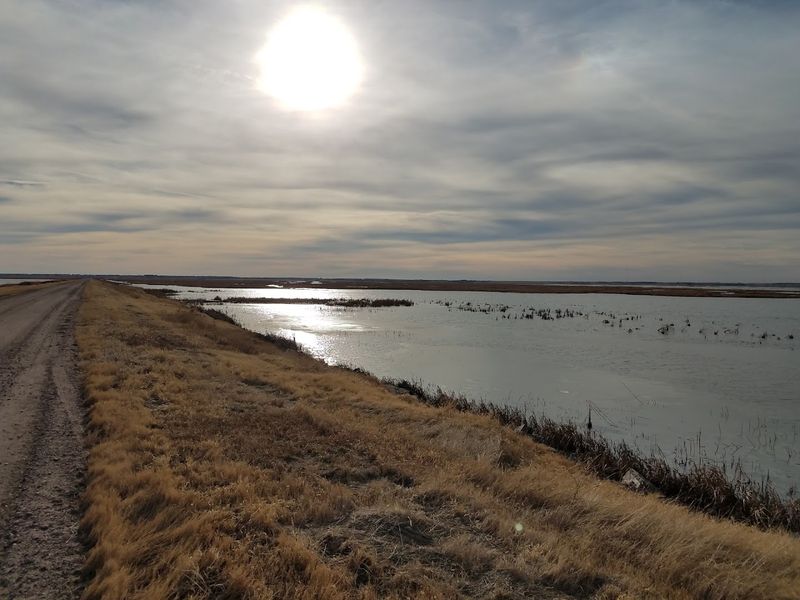
Birds rightfully steal the spotlight at Cheyenne Bottoms Wildlife Area, but the marsh supports a much broader cast of wildlife than most people expect.
Deer, rabbits, turtles, frogs, and a variety of snake species all make their homes within the wetland ecosystem.
The diversity of habitats within the property, including open water, mudflats, cattail marshes, and upland grasses, creates conditions suitable for a wide range of species.
Reptile enthusiasts have reported spotting rare snake and turtle species while exploring the access roads and trail areas.
Even insects play a starring role here, with dragonflies, damselflies, and a rich community of invertebrates forming the base of the food web that supports everything above them.
Mosquitoes, it must be said honestly, are also part of the package during warmer months, so bringing insect repellent is genuinely smart advice.
The wildlife here rewards patient, prepared observers who look beyond the obvious.
Water Levels Shape Everything About The Experience
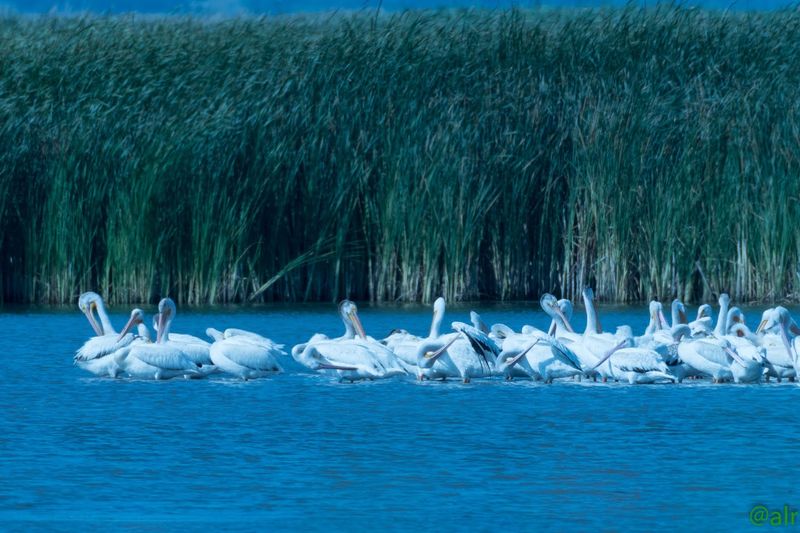
Here is something that repeat visitors quickly learn about Cheyenne Bottoms Wildlife Area: the experience changes dramatically depending on water levels.
When rainfall and surface flows are plentiful, the marsh fills up and becomes the spectacular inland sea that draws visitors from across the country.
During drought years, however, water levels can drop significantly, leaving exposed mudflats and a much quieter landscape.
Even in dry conditions, the remaining water concentrates birds in smaller areas, which can actually make certain species easier to spot up close.
The Kansas Department of Wildlife and Parks manages water levels through dikes, pools, pumps, and water-control structures to maintain habitat quality as much as possible.
Checking current marsh conditions before a visit is genuinely helpful, since the marsh can look completely different from one season to the next.
Flexibility and curiosity are the best tools to bring along on any trip here.
A Kansas Conservation Success Story Worth Celebrating
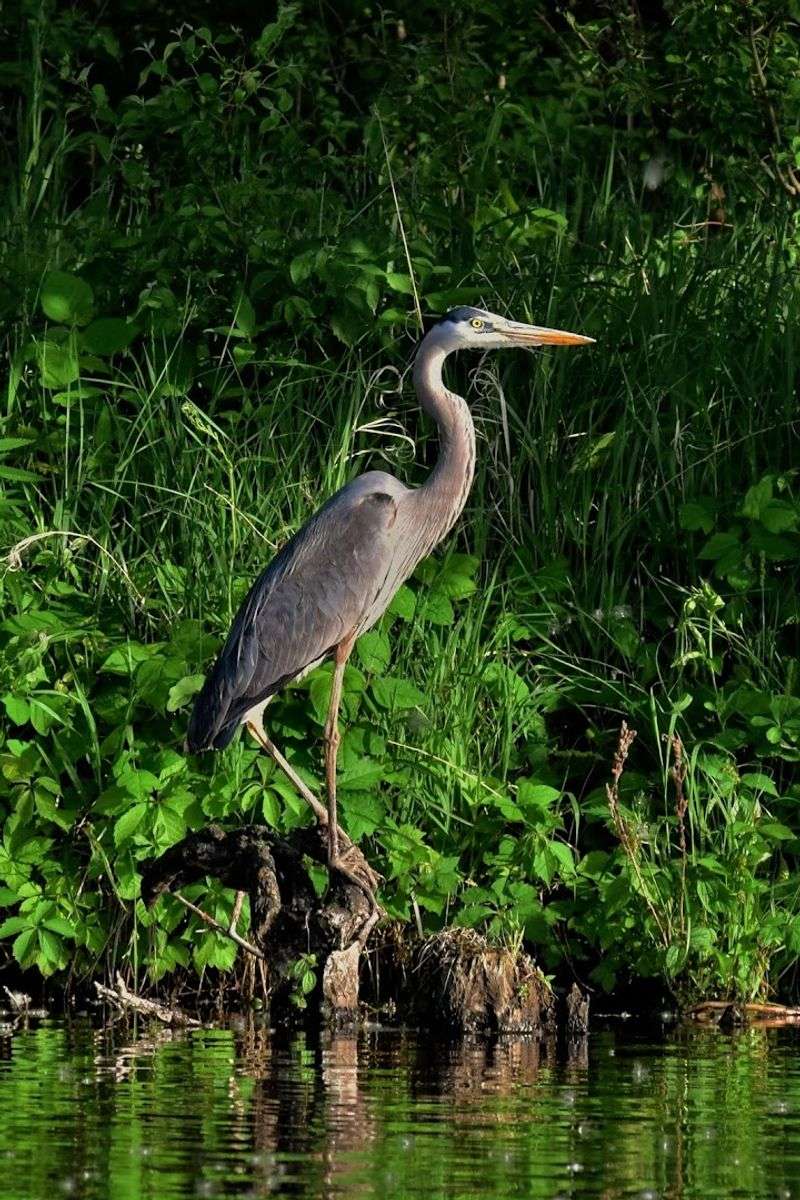
The story of Cheyenne Bottoms Wildlife Area is, at its core, a conservation story worth knowing.
The State of Kansas acquired land during the 1940s and 1950s, recognizing the importance of protecting this inland wetland at a time when many similar habitats across the country were being drained for agriculture.
Since then, ongoing management by the Kansas Department of Wildlife and Parks, combined with support from organizations like The Nature Conservancy, has helped preserve and restore the broader marsh through decades of changing conditions.
The result is a functioning, important wetland that continues to serve migrating birds and countless other species every year.
It is a quiet but powerful reminder that conservation decisions made generations ago create lasting benefits that extend far into the future.
Cheyenne Bottoms Wildlife Area stands today as proof that protecting land, even landlocked Kansas land, can have continental ecological consequences that ripple outward in ways nobody fully anticipated.