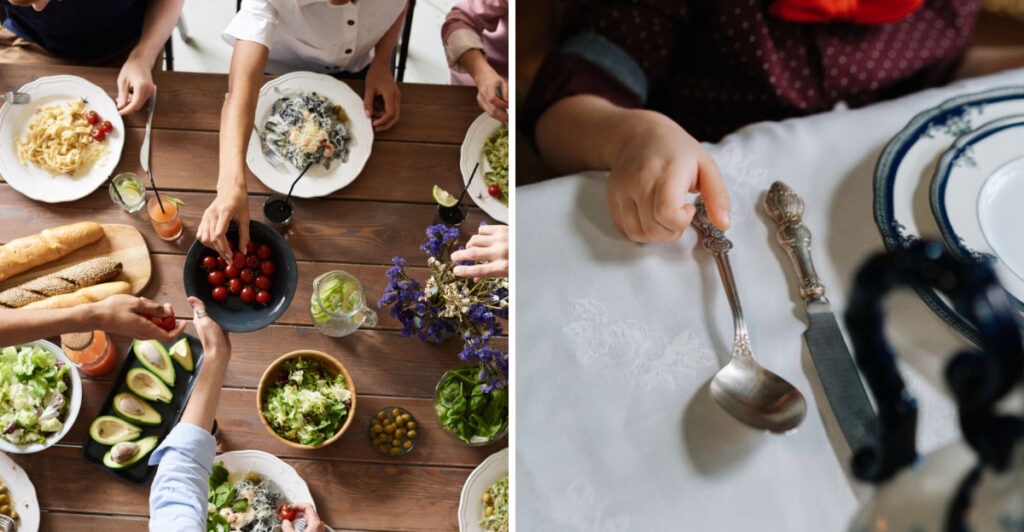
What happened at a California dinner table in the 1960s once the plates hit the table and the parents gave that look?
A meal could run with more rules than a driver’s test, and kids learned them fast if they wanted seconds, dessert, or simple peace.
Ordinary weeknight dinners carried a full script of posture, timing, serving order, and tiny social signals that adults treated like settled law.
Picture a dinner table where the wrong fork actually mattered and texting wasn’t even a fantasy yet. These old household codes will make your “no phones at dinner” rule look downright relaxed.
1. Dad Sat First And Got Served First
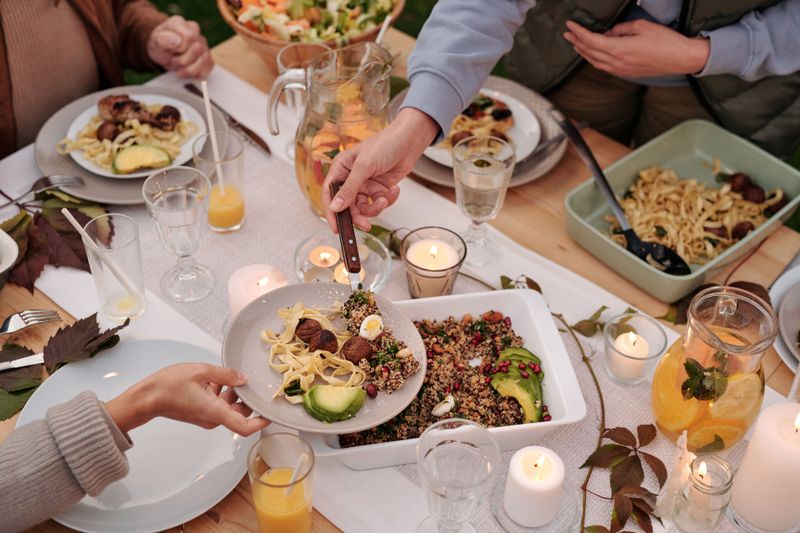
Before anyone relaxed, the family hierarchy took the first seat.
At many California dinner tables in the 1960s, Dad sat down first, and that action signaled the official start of the meal.
The host often served the husband or eldest man before anyone else, reflecting a common belief that the main breadwinner held the highest place at the table.
You can read that rule today as formal, unfair, or simply dated, but families treated it as basic order. Children watched the sequence and learned that rank shaped service, portions, and even conversation.
This custom governed everything that followed, right down to who reached for the potatoes and who waited quietly for a nod.
2. Kids Cleaned Up Before They Came To Dinner

Cleanliness came before the casserole, and parents did not negotiate on that point.
Kids had to wash their hands, wipe their faces, and show up looking presentable before they even approached the dining table.
In many homes, dinner also required a quick change of clothes, with boys pulled into collared shirts and girls expected to wear dresses or neat blouses.
Hats came off too, especially for boys and men, because eating while covered signaled poor manners.
Parents linked grooming to respect, so dinner demanded more than hunger and a chair.
The rule told children that supper was an occasion with standards, not a casual pit stop between homework and play. The old expectation still sounds surprisingly strict beside today’s sweatpants-and-screen routine.
3. The Table Had To Be Set Right Or Done Over
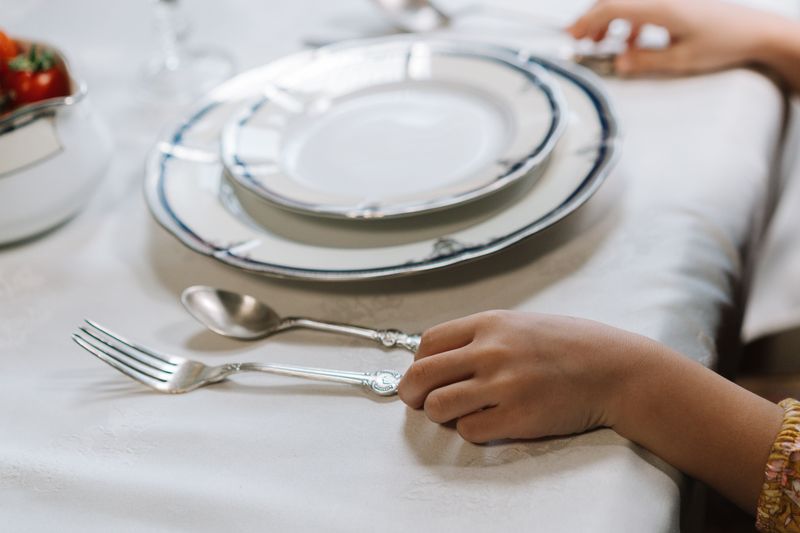
A crooked place setting could trigger a full reset before the soup ever appeared.
Many children in 1960s California homes had table duty, and parents expected each plate, glass, napkin, and utensil to land in the proper spot.
If a fork sat wrong or a spoon drifted, the child often had to clear the setting and do the whole job again.
That routine taught more than neatness because it turned the table into a nightly lesson in household order. Kids learned left from right through forks and knives long before anyone called it training.
Even ordinary dinners might include multiple pieces of silverware, so knowing which utensil belonged where mattered.
A mistake rarely passed without correction from someone who had already spotted it across the room.
4. Everybody Waited Until Everyone Sat Down
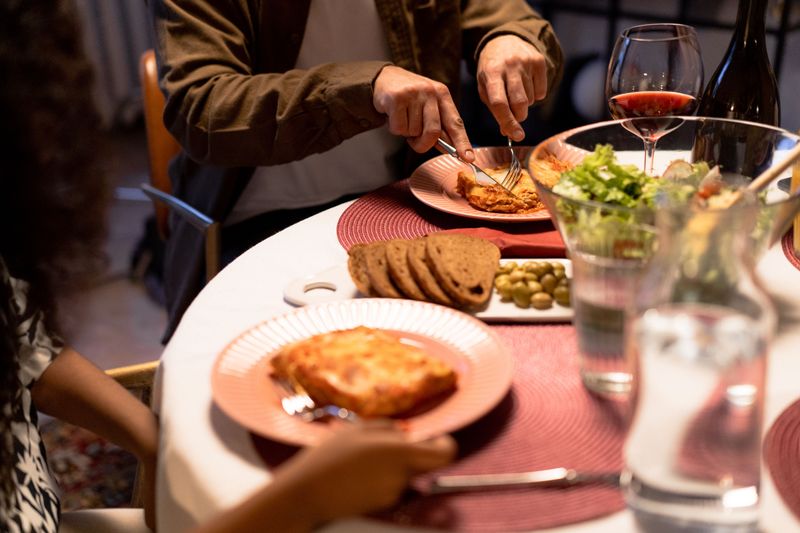
Patience ruled the first minute of dinner, and children learned that instantly.
Nobody reached for bread, lifted a fork, or sampled a side dish until every person had taken a seat.
That rule created a fixed starting line, so the meal began together instead of dissolving into grabbing, chewing, and chatter before late arrivals settled in.
Parents used the pause to reinforce discipline and attention, especially in larger families where chaos could spread quickly. The message stayed simple: wait, look around, and notice other people before satisfying yourself.
That small delay explains a lot about old family meals, because it tied manners to timing, and timing to respect, in a way that modern eat-when-ready habits rarely demand from anyone.
5. Elbows Stayed Off The Table
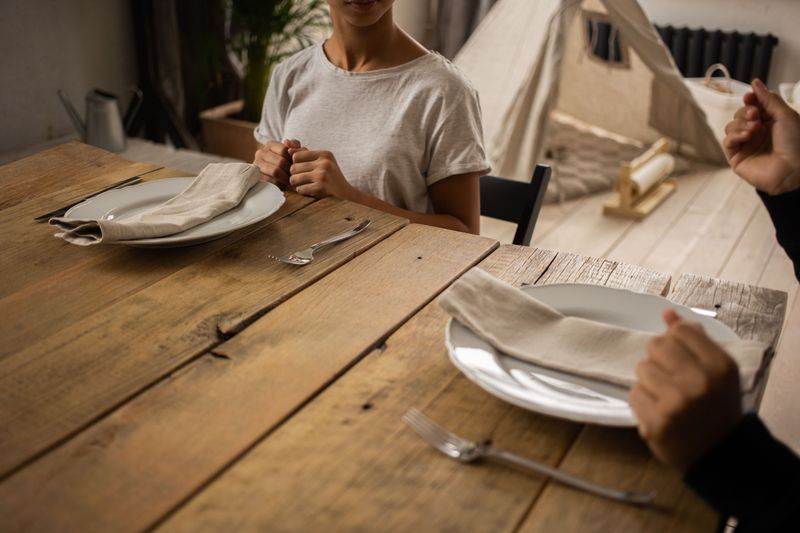
The tabletop itself came with a boundary line, and elbows were not allowed to cross it.
Parents watched for creeping forearms with sharp attention, then corrected them with a throat clear, a tap, or a quick warning. Some families even used the penny game, balancing coins on a child’s elbows to train stillness and keep arms tucked close during the meal.
This was not a loose suggestion that children could test when adults looked away. It worked like constant physical instruction, turning posture into muscle memory through repetition.
The rule also showed how seriously families treated visible manners.
Even a small resting habit could earn immediate correction, and kids learned that dinner was one place where their bodies needed to stay under control.
6. Kids Sat Up Straight The Whole Time
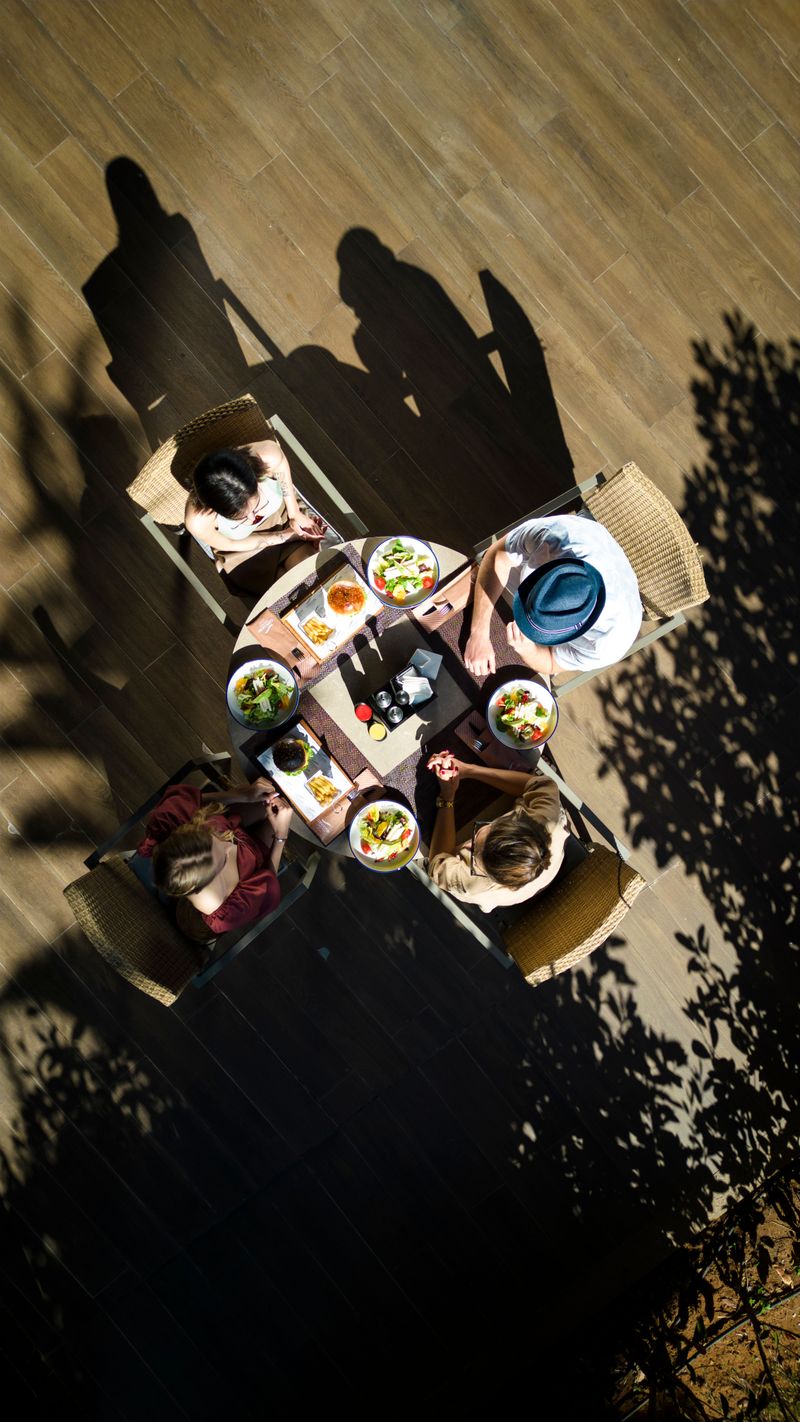
Slouching had almost no chance of surviving a 1960s family dinner.
Parents expected children to sit upright from the first serving to the last bite, and many corrected a rounded back the moment it appeared.
Some kids even practiced posture with books balanced on their heads, a memorable drill that turned good form into a daily expectation.
The point went beyond appearance because adults linked posture to self-control and upbringing. A straight back signaled attention, restraint, and respect for the meal and the people sharing it.
You can picture how relentless the reminders became during a long dinner, yet that pressure explains why older generations often sat so neatly at the table, even when the menu was plain and the evening looked ordinary.
7. Napkins Came First Before The First Bite
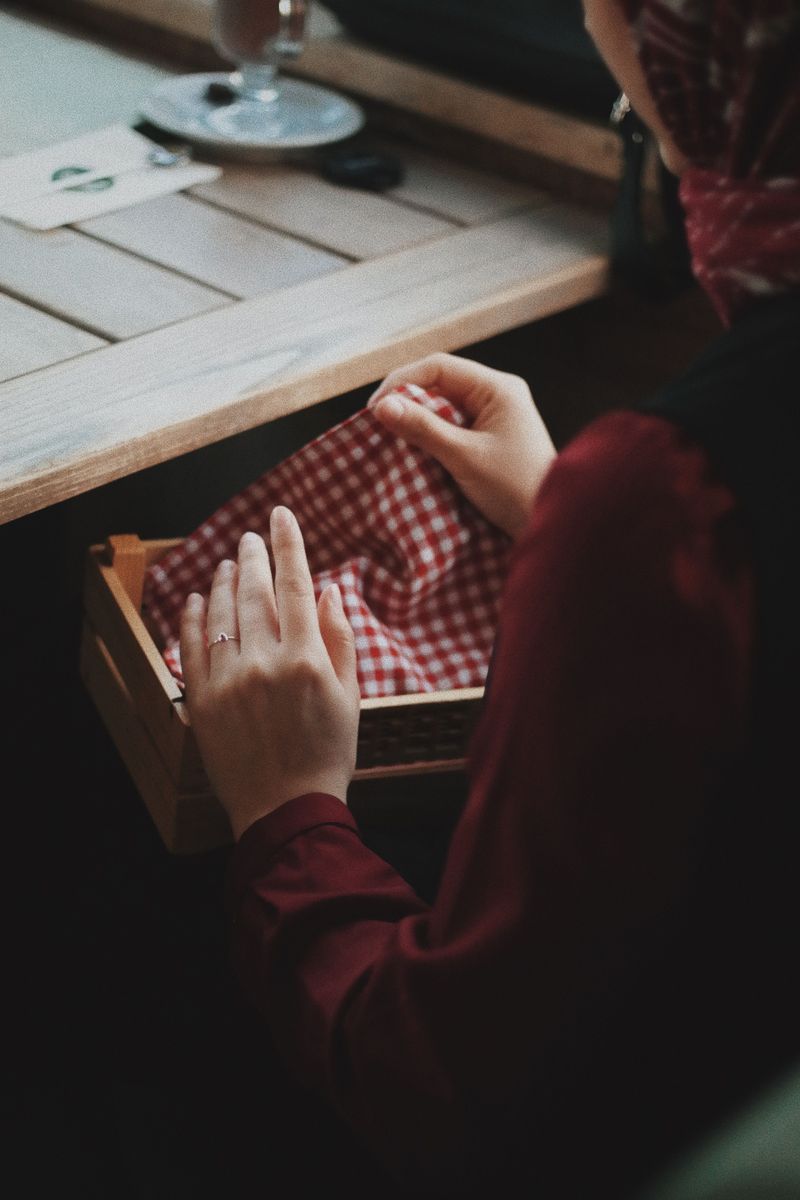
One small square of fabric carried serious weight at the dinner table.
Children were taught to place the napkin on their lap before they touched food, and skipping that step could draw an immediate correction.
Parents treated the habit as a visible sign that a child understood the rules and respected the standards of the household.
Napkins also worked as a practical lesson in neat eating, since spills and crumbs were expected but sloppiness was not. The gesture happened early, almost like a badge of readiness before the first bite.
It shows how tiny motions mattered in old dinner culture, and it reminds you that manners often lived in silent rituals long before anyone opened their mouth.
8. Children Chewed Quietly And Never Talked With Food
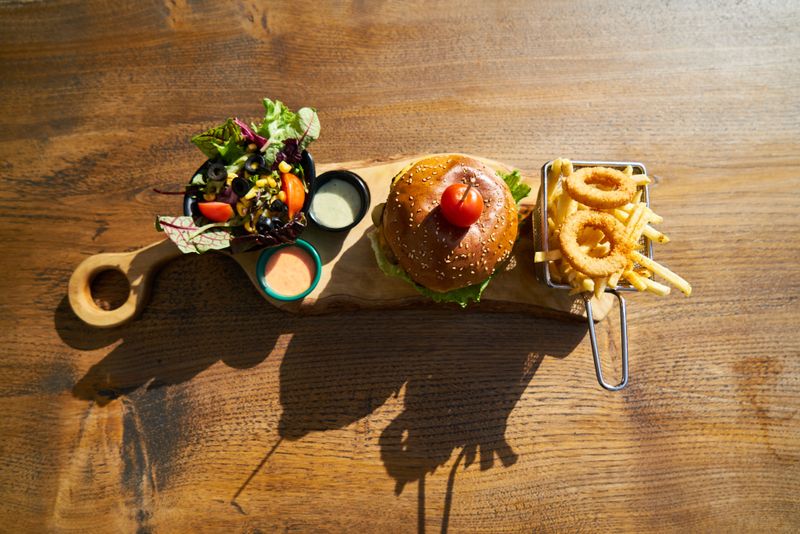
Sound mattered at dinner, and chewing created more scrutiny than many kids expected.
Talking with food in your mouth broke a major rule.
Adults often stopped the child on the spot with a reminder to finish chewing first. Noisy eating also drew disapproval because families saw it as embarrassing and unpleasant for everyone else at the table.
These corrections aimed at clarity, cleanliness, and social control all at once.
Children had to swallow before they spoke, keep bites small enough to manage, and avoid turning a meal into a soundtrack of smacks and crunches.
In practical terms, the rule trained basic table composure, but it also taught kids that even ordinary conversation required timing, restraint, and a mouth that stayed closed while food did its job.
9. Children Waited For A Turn To Speak
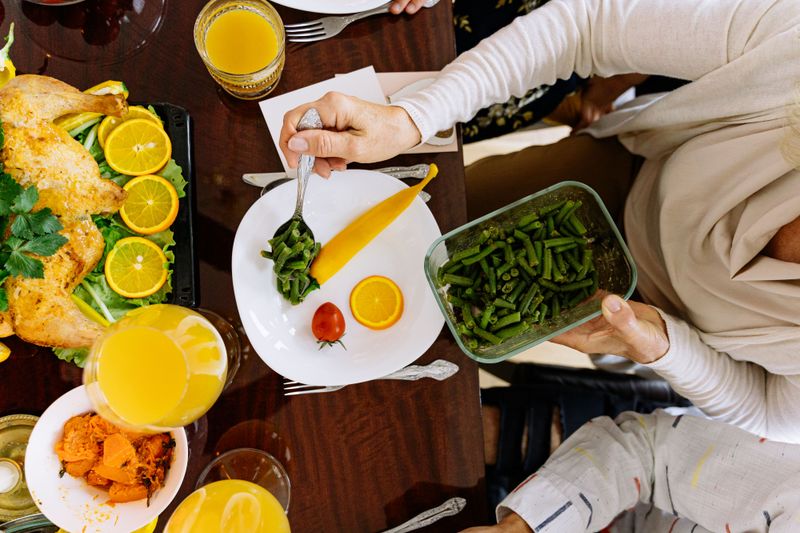
Conversation at the table had an order, and children rarely controlled it.
Many families expected kids to wait their turn, listen to adult discussion, and speak only when there was a proper opening.
In some households, interrupting a grown-up brought the classic warning that adults were talking now, which shut down even the cleverest comment.
This rule made dinner a lesson in hierarchy as much as language. Children learned to watch faces, pauses, and tone before entering the conversation, which demanded patience and close attention.
You can argue that it taught discipline or silence depending on your view, but the central fact stays clear: many 1960s California dinners reserved the strongest conversational authority for adults, and younger voices had to fit themselves into the available space.
10. Dishes Were Passed Properly And The Table Stayed Orderly
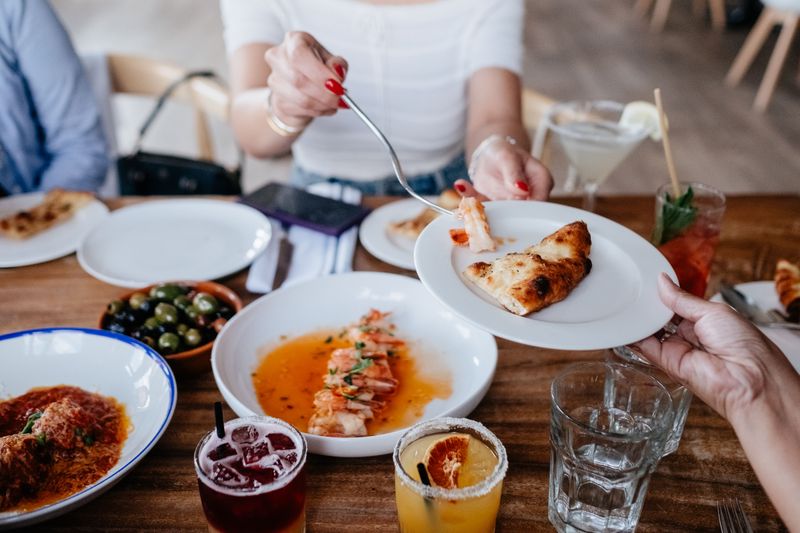
Reaching across the table could earn a quick reprimand before your hand got near the peas.
Families often required dishes to move clockwise. It kept serving predictable and cut down on spills, collisions, and grabbed sleeves.
In many homes, boys were also expected to serve girls first or pass heavier bowls to the ladies, reinforcing the era’s clear gender expectations.
No singing at the table fit the same logic because parents wanted food and conversation to move in an orderly line.
The meal had a sequence, and each person was supposed to respect it.
That combination of passing rules and service customs reveals how dinner functioned as training in behavior. Children were absorbing ideas about courtesy, roles, and shared space every time the platter started moving.
11. Dinner Came Without Distractions Or Sweet Drinks
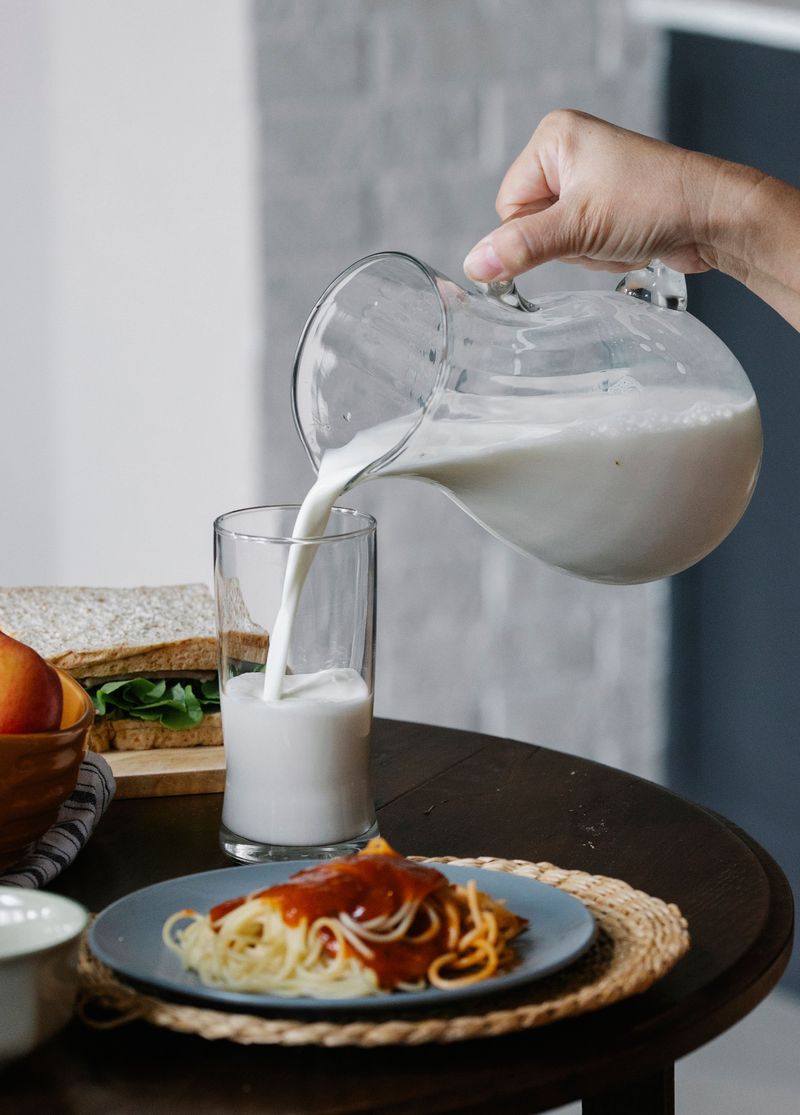
Tonight’s biggest shock for many kids might be what was missing from the table.
Families commonly banned television, books, toys, and any other distraction during dinner, keeping attention fixed on the meal and the people present.
Everyday drinks usually came down to milk or water, while soda often stayed reserved for weekends or special occasions.
Some parents also delayed drinks until a child had made progress on the plate, believing too much liquid would mess with the appetite. That rule linked nutrition to discipline in a very direct way.
This set of habits captures the practical side of midcentury family meals. Adults tried to control focus, table conduct, and finishing power with simple limits that now sound strict in a world full of screens and constant sipping.
12. Children Asked To Be Excused Before Leaving
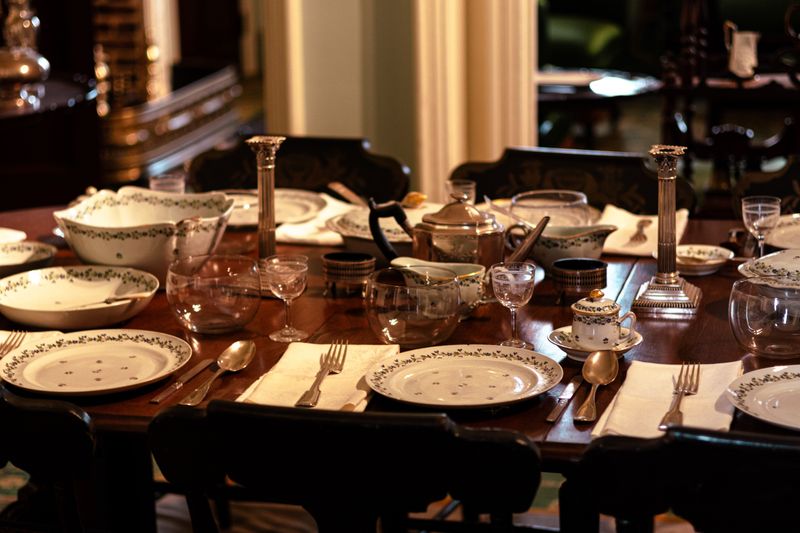
Leaving the table was not something kids did whenever they felt finished.
At many California family dinners, children stayed seated until everyone was done. If they needed to get up, they asked to be excused first.
That small request reinforced who was in charge and reminded everyone that dinner was still a shared family event.
Even after the last bite, freedom did not arrive automatically. Parents often expected a polite pause, eye contact, and a proper apology before the kids’ departure.
You still had to wait for permission before leaving. Simply asking or announcing your leaving wasn’t enough.
If you weren’t excused, you shouldn’t be going anywhere.
13. Nobody Reached Across Anybody’s Plate
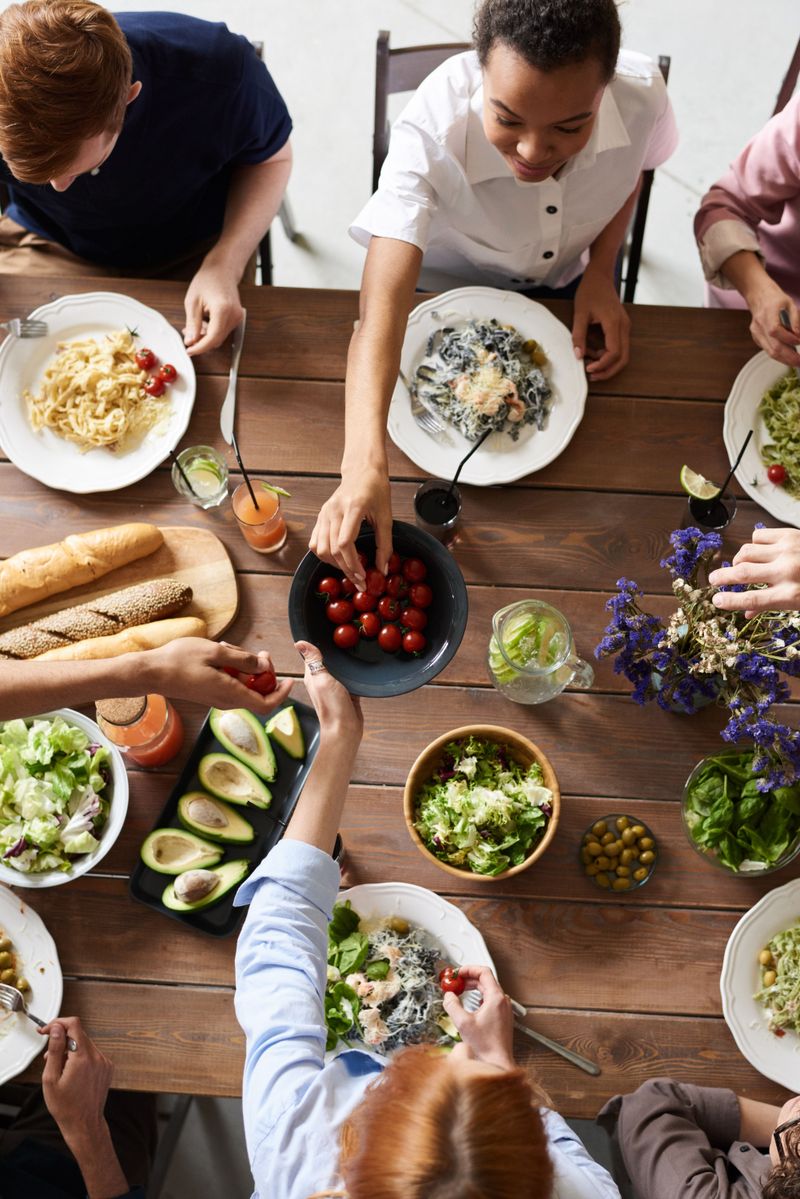
At a 1960s California dinner table, reaching across someone else’s plate was an easy way to get corrected.
If you wanted the rolls, butter, or green beans, you asked for them and waited until they were passed properly. Stretching over another person’s food looked impatient and disrespectful, even if the dish sat just inches away.
That rule taught more than simple table mechanics.
It trained kids to slow down, notice other people, and control the urge to grab what they wanted.
In a world where convenience now wins, that level of patience can seem almost impossible to imagine.
14. Kids Used The Right Fork Without Asking
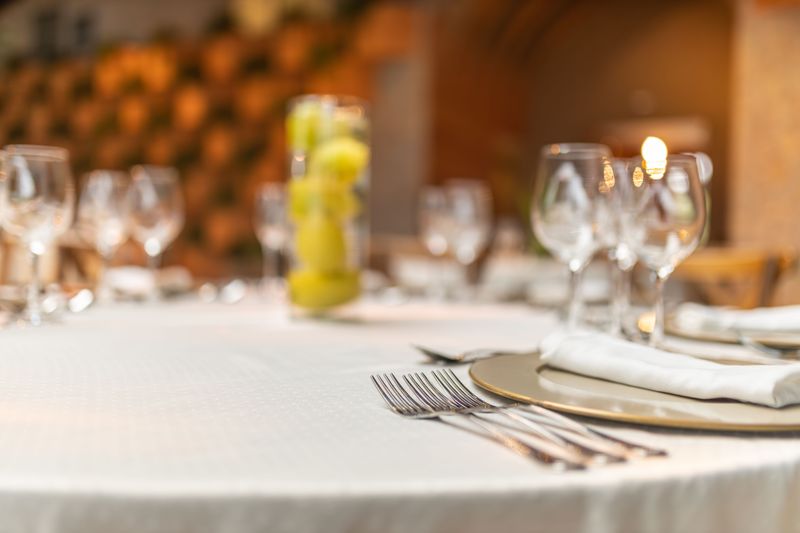
Even ordinary dinners could come with more than one fork, and kids were expected to know what to do.
At some California tables in the 1960s, using the wrong utensil drew a quick correction.
It was very important because proper manners meant paying attention before you lifted a bite. Asking which fork to use could earn a lesson right there between the mashed potatoes and salad.
For parents, this was part of raising children who could behave anywhere. The table doubled as training for restaurants, holidays, and future social situations.
To today’s kids, that kind of nightly utensil test would feel intense.
15. Dessert Was Earned, Not Assumed
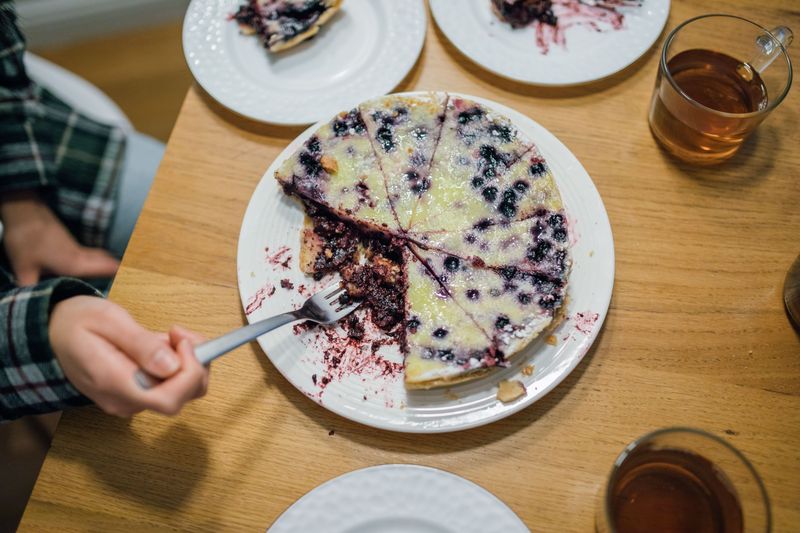
Dessert at many 1960s California dinners was never treated like an automatic right.
Children were often expected to finish their meal, mind their manners, and avoid complaining before cake, pie, or pudding was even discussed.
If you pushed food around, argued about vegetables, or acted ungrateful, dessert could disappear without much warning.
That made the sweet course feel tied to behavior as much as appetite.
Parents used it to reward self-control, gratitude, and good behavior at the table. Now that snacks and treats show up all day long, that old standard can sound almost unbelievable to younger ears.
16. One Hand Stayed In The Lap
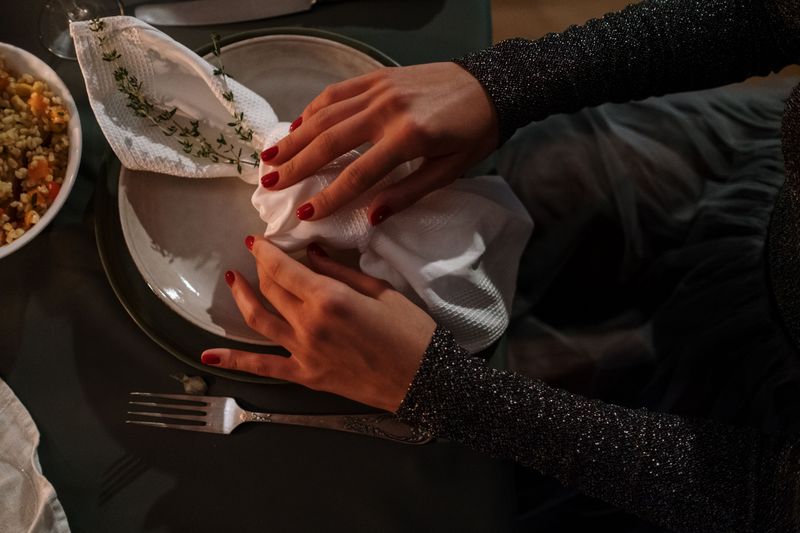
One hand did the work, and the other stayed out of sight.
At plenty of California dinner tables, children were told to keep a free hand in their lap unless they were buttering bread or lifting a glass. The hand at the table shouldn’t be resting on your elbows.
The rule looked formal, but parents believed it prevented fidgeting, grabbing, and sloppy manners.
If your spare hand wandered onto the table, somebody noticed immediately.
It was the kind of correction delivered with a look, not a lecture, because by then you were supposed to know better.
Today that level of posture policing can feel intense, especially during an ordinary weeknight meal.
17. Bread Stayed On The Plate
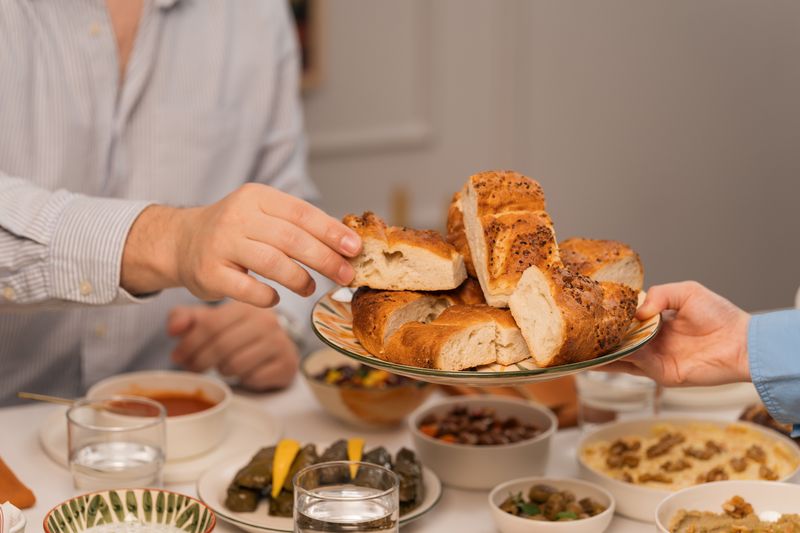
Bread was not a toy, a starter course, or something you waved around while talking.
In many homes, it stayed on the side plate until you tore off a small piece, buttered that bite, and ate it neatly before touching the rest. Even something simple came with a procedure, and kids were expected to follow it.
Taking a giant bite from a whole roll or buttering everything at once looked careless.
Parents saw bread manners as proof that you could slow down, show restraint, and handle yourself properly in company.
To today’s kids, that much ceremony over a dinner roll would seem almost unbelievable.
18. Second Helpings Waited For Everybody Else
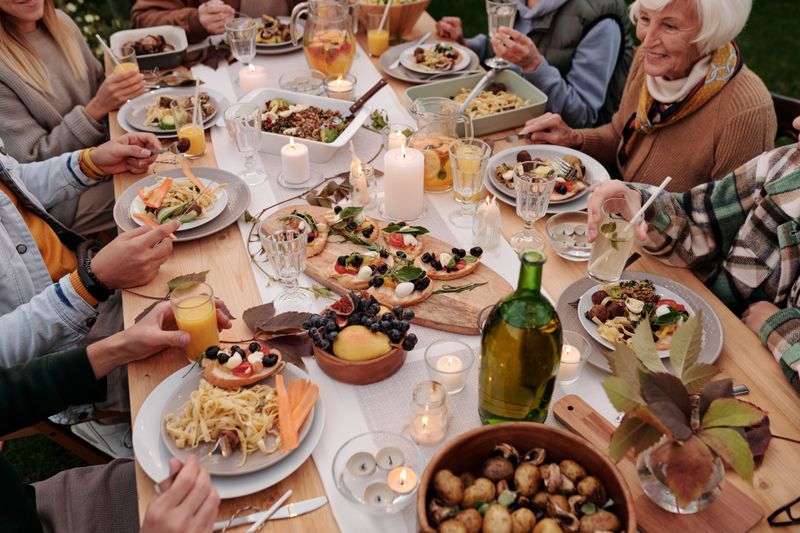
Going back for more before everyone had been served was a fast way to get corrected.
In lots of 1960s California homes, second helpings only began after every plate had been filled and the table had settled into the meal.
It taught children to notice other people first, even when the fried chicken or mashed potatoes were hard to resist.
You did not lunge for the serving bowl the second it came near again. Waiting showed patience, fairness, and trust that there would be enough to go around.
For kids used to grabbing snacks whenever they want, that kind of measured self-control would feel very unfamiliar today.
19. Company Meant Your Best Table Manners
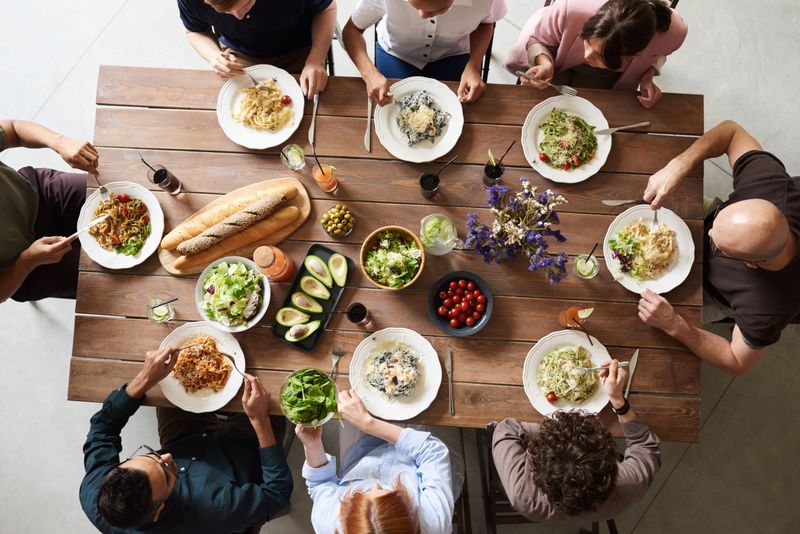
When guests came over, the rules did not relax. They doubled.
California parents often expected children to become noticeably quieter, straighter, and more polished the moment neighbors, cousins, or church friends joined dinner. Family meals were private training grounds, but company was the test, and everybody at the table knew it.
A sloppy reach, a complaint about vegetables, or an interruption could turn into a lesson after the guests left.
Parents believed your behavior reflected the household, not just your mood that night.
To modern kids raised on casual drop-ins and pizza boxes, that pressure to perform perfect manners in public would feel startlingly high.
20. Your Silverware Stayed In Proper Hands
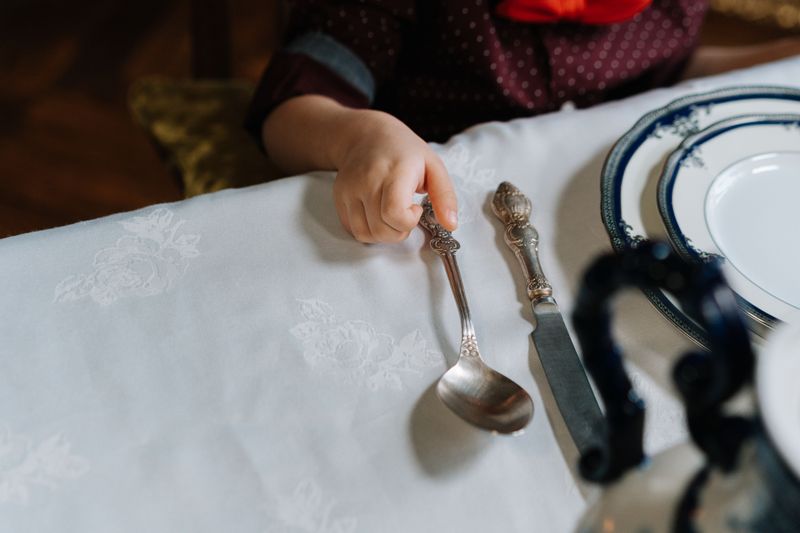
It was not enough to pick the right utensil. You were expected to handle it correctly from the first bite to the last.
Many parents corrected children who switched hands clumsily, gripped a fork like a shovel, or sawed noisily with a knife. Good manners meant your silverware looked controlled, quiet, and almost effortless.
For adults who grew up with those reminders, the lesson was about more than cutlery.
It signaled discipline, patience, and the idea that even ordinary meals deserved a little polish.
Kids today, especially at relaxed family dinners, might be shocked that someone once watched hand placement that closely.
21. Money Talk, Illness, And Bad News Stayed Away From Dinner
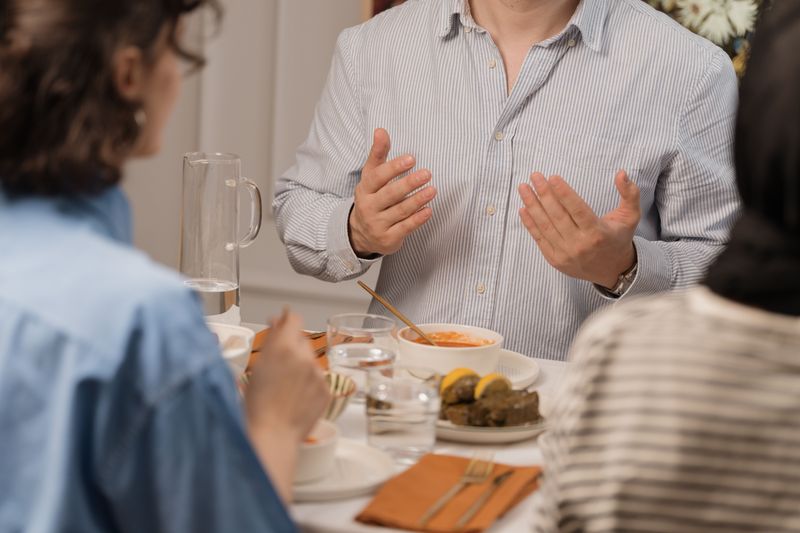
Some rules were less about posture and more about protecting the mood.
At plenty of California dinner tables, children learned that talking about bills, sickness, neighborhood trouble, or family worries did not belong beside the roast.
Adults believed mealtime should feel calm, orderly, and almost ceremonial, even when the day had been hard. Especially after a difficult day.
If tense subjects came up, a parent might shut them down with one look and promise to handle it later.
That meant kids often ate in a carefully edited bubble, where peace at the table came before everything else for the night.
22. Children Cleaned Their Plates Before They Left
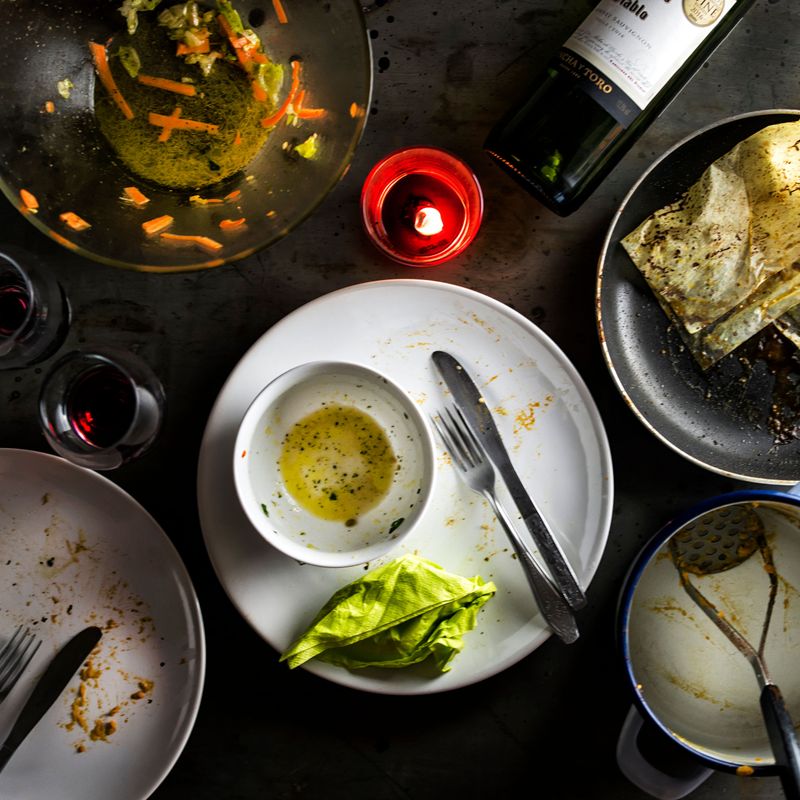
Leaving food behind was rarely treated as a harmless preference. Many 1960s California parents expected children to finish every bite, whether dinner was a favorite casserole or vegetables that had gone limp from the stove.
The rule carried lessons about gratitude, thrift, and respect for the person who cooked it. You were reminded that food cost money, waste looked careless, and other people would have been glad to have that meal.
Even when portions felt too big, sitting there until the plate was empty was common, turning supper into a long test of obedience as much as appetite that night.
23. Kids Ate What Was Served And Praised The Cook
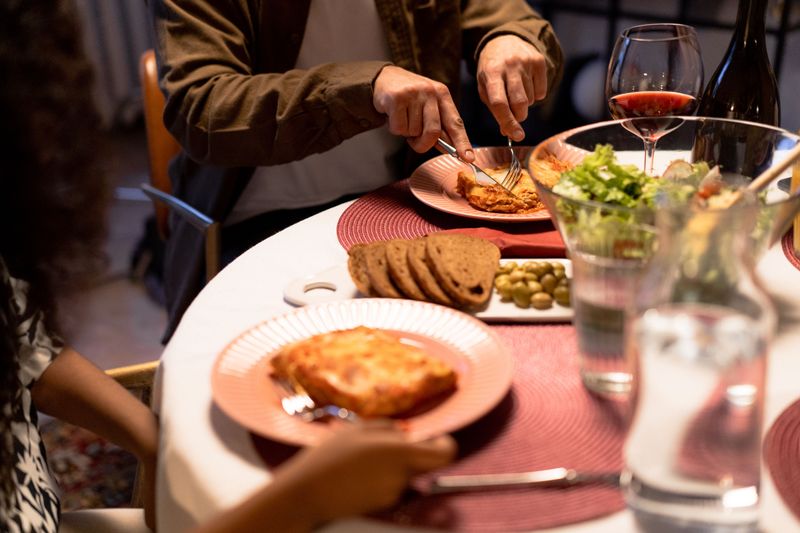
The final rulebook landed on the plate itself, and it left little room for negotiation.
Children were expected to eat what was served, avoid substitutions, and clean the plate without complaining about the meal in front of the cook.
Parents connected that rule to gratitude and thrift, especially in households shaped by postwar habits that treated wasted food as careless and disrespectful.
Complimenting the cook mattered too, even if the praise came straight from family coaching. Kids learned to say something nice about the dinner, because manners included acknowledging the work behind the meal.
That mix of obedience, economy, and ritual courtesy explains why old family suppers could turn peas and meatloaf into moral instruction, so if you hear someone say finish your dinner, you now know the deeper script.